Monthly Budget Template
Monthly Budget Template for Nurses
Track base pay, shift differentials, overtime, and variable hours in one monthly budget you set up around your own schedule.
In Depth
Shift Differentials and the Paycheck That Never Looks the Same
Nursing income is rarely a single, stable number. Base pay provides the foundation, but shift differentials change the actual paycheck substantially. Night shift premiums typically add $3-$8 per hour, weekend differentials add another $2-$6 per hour, and holiday pay is often time-and-a-half or double time. A nurse earning $35/hour base pay who works three night shifts and one weekend in a pay period might see $400-$600 more than a base-pay-only check. Over a year, differentials can add $5,000-$15,000 to total compensation - but the amount varies every pay period based on the schedule, which makes budgeting from a single expected number unreliable.
Overtime budgeting is one of the trickiest aspects of nursing finances. When overtime is available, it is tempting to build it into the spending plan - time-and-a-half on a $35/hour base means $52.50/hour, and a few extra shifts can add $1,000-$2,000 to a paycheck. But overtime availability fluctuates with census, staffing levels, and seasonal demand. Hospitals that mandate overtime during flu season may cancel shifts during slow summer months. Nurses who build their essential budget around base pay only - and treat overtime income as a directed surplus for debt payoff or savings - avoid the shortfall that comes when extra shifts disappear.
Travel nursing assignments add another dimension for nurses comparing financial options. A 13-week travel contract might offer $2,500-$4,000 per week in total compensation (including tax-free stipends for housing and meals), significantly more than a staff position at a home hospital. But the comparison requires accounting for duplicate housing costs, travel expenses, health insurance gaps between assignments, and the lack of employer-provided retirement contributions. Tracking the true take-home from a travel assignment versus a staff position reveals whether the premium justifies the disruption.
Continuing education unit (CEU) costs are a permanent line item in nursing finances. Most state boards require 20-30 contact hours per renewal cycle, and costs range from free (employer-provided) to $30-$100 per CEU for specialty courses. Certification exams (CCRN, CEN, CNOR) cost $200-$400 each, and recertification happens every two to four years. License renewal fees vary by state but typically run $50-$200. Some nurses also maintain BLS, ACLS, and PALS certifications, each with renewal costs. Spreading these across the year as a monthly budget allocation prevents any single renewal from creating a financial surprise.
The Challenge
Why Nurses Need a Budget for Variable Pay
Nursing pay is more complex than a simple salary. Shift differentials, overtime, holiday pay, and per diem assignments create monthly income that rarely matches the number on your offer letter.
Base pay is just the starting point
Night shift differential, weekend premium, holiday pay, charge nurse pay - these extras can add $500-$1,500 per month but vary depending on the schedule. A budget based only on base salary misses a significant portion of actual income.
Overtime availability fluctuates
Some months offer abundant overtime. Others have mandated low-census days. Relying on overtime to cover regular expenses creates problems when the hours disappear.
Student loan payments are often substantial
BSN and MSN programs are expensive. Many nurses carry $50,000 to $100,000 in student loans. Monthly payments of $500 to $1,000 take a real bite out of income, especially in the early career years.
Irregular schedules create irregular spending
Working 12-hour shifts means eating at the hospital some days and cooking at home others. Night shifts change grocery and meal patterns. A budget needs to reflect how shift work actually affects spending.
Ready to take control of your nurse finances?
What You Get
How Nurses Can Use This Budget Template
Multi-component income tracking
The income category list is editable, so base pay, differentials, overtime, and bonuses can each sit on their own line. The Summary totals them for the month.
Categories you set for shift work
The expense list is yours to edit. Scrubs, continuing education, license renewals, professional memberships, and the commute to shift work can each get their own line.
Base pay plan vs. actual with shift differentials
Set targets using your base pay alone, then see how differentials and overtime improve the picture.
Loan payment tracking
Debt Payoff is already in the default expense list, and the Summary shows what you paid against its budget. Log minimum and extra payments as separate rows to keep them apart.
Savings goal section
Track emergency fund progress, certification costs, or other savings goals alongside your monthly budget.
Numbers crunch themselves
All totals, subtotals, and percentages update as you enter numbers. No manual calculation needed.
See It In Action
What the template looks like
Browse through the template to see how it handles income tracking, expense budgets, savings goals, and spending analysis.
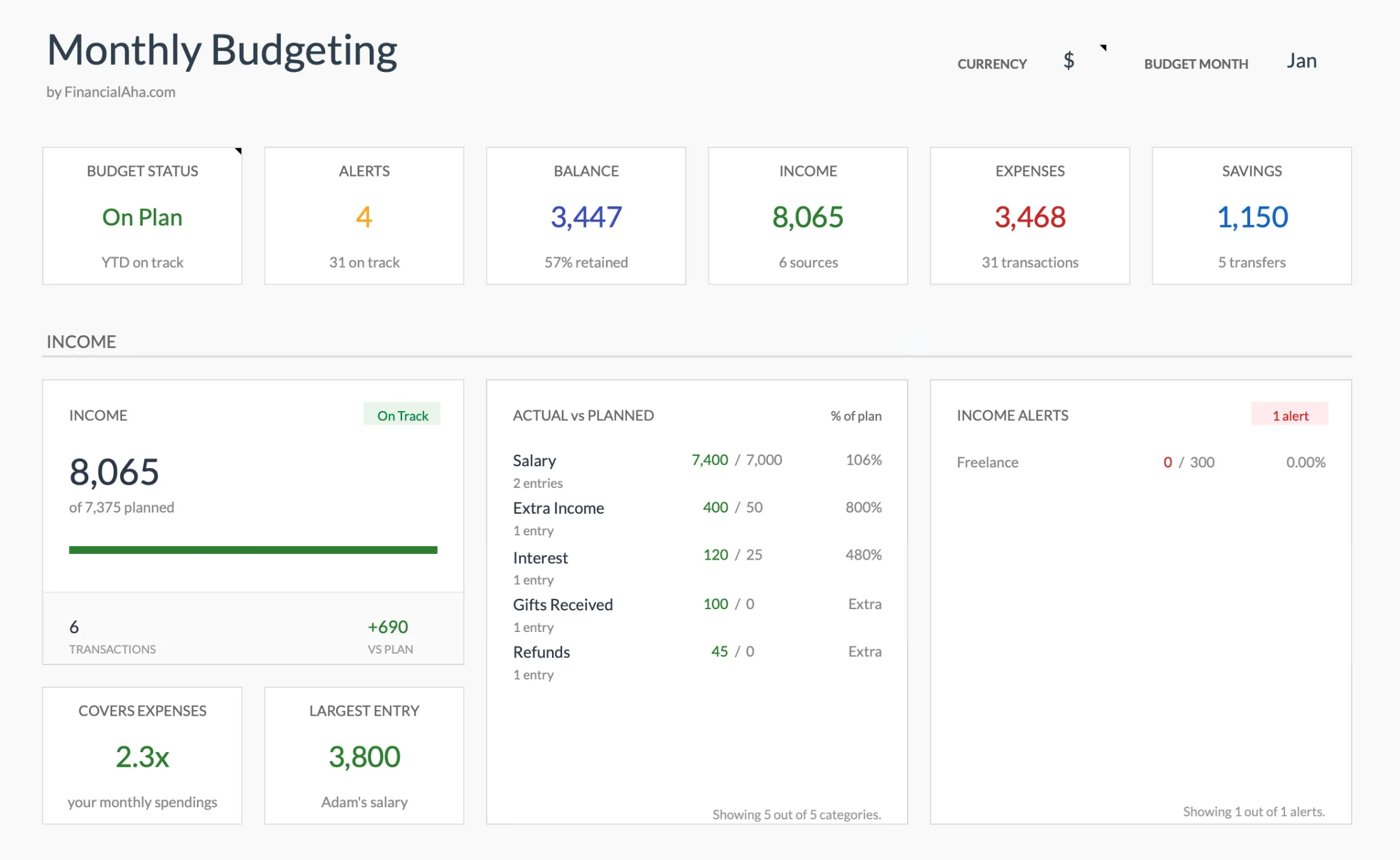
- Dashboard with key metrics at a glance
- Transaction logging with categories
- Budget vs actual comparison
- Visual charts and breakdowns
- Fully customizable categories
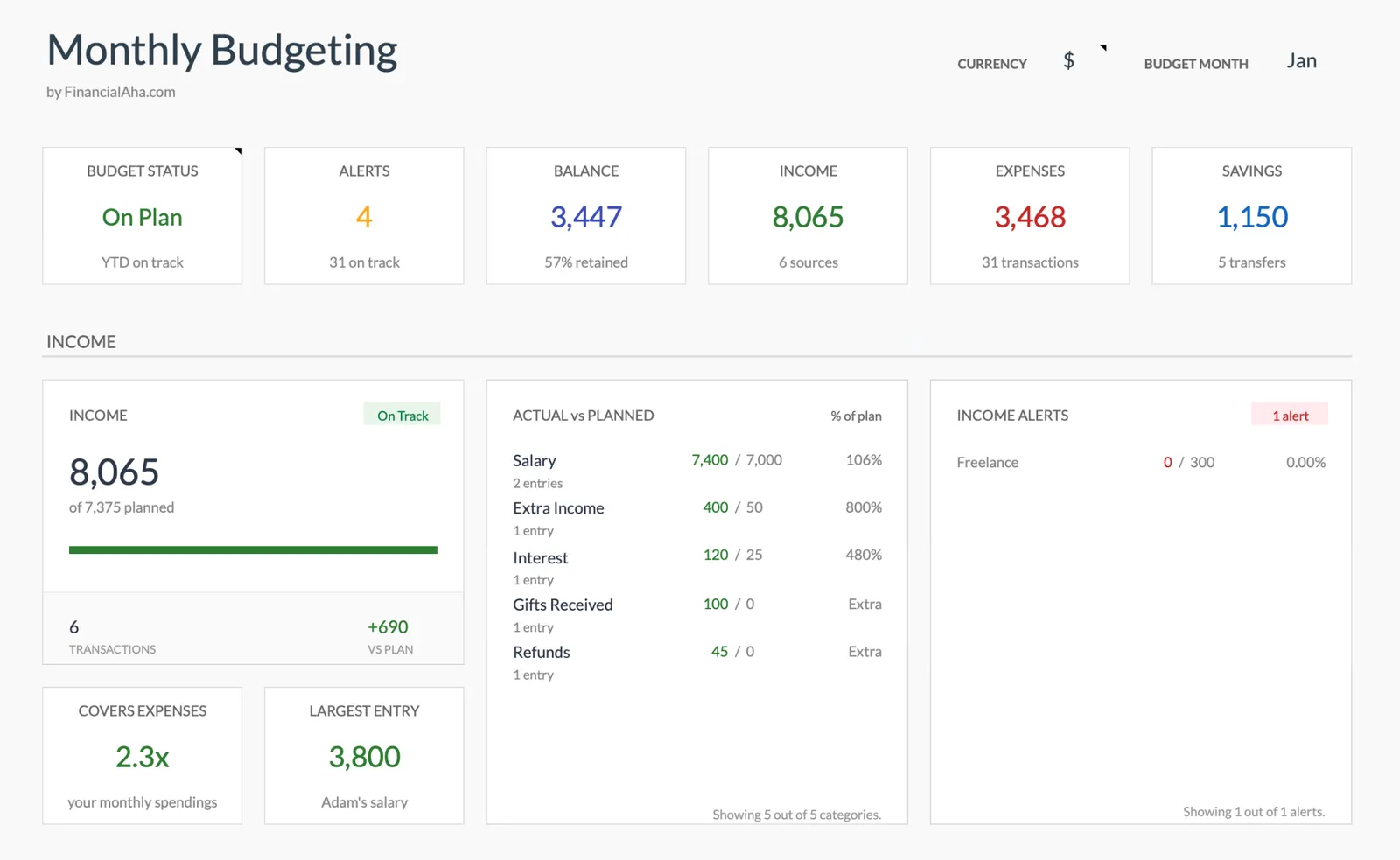
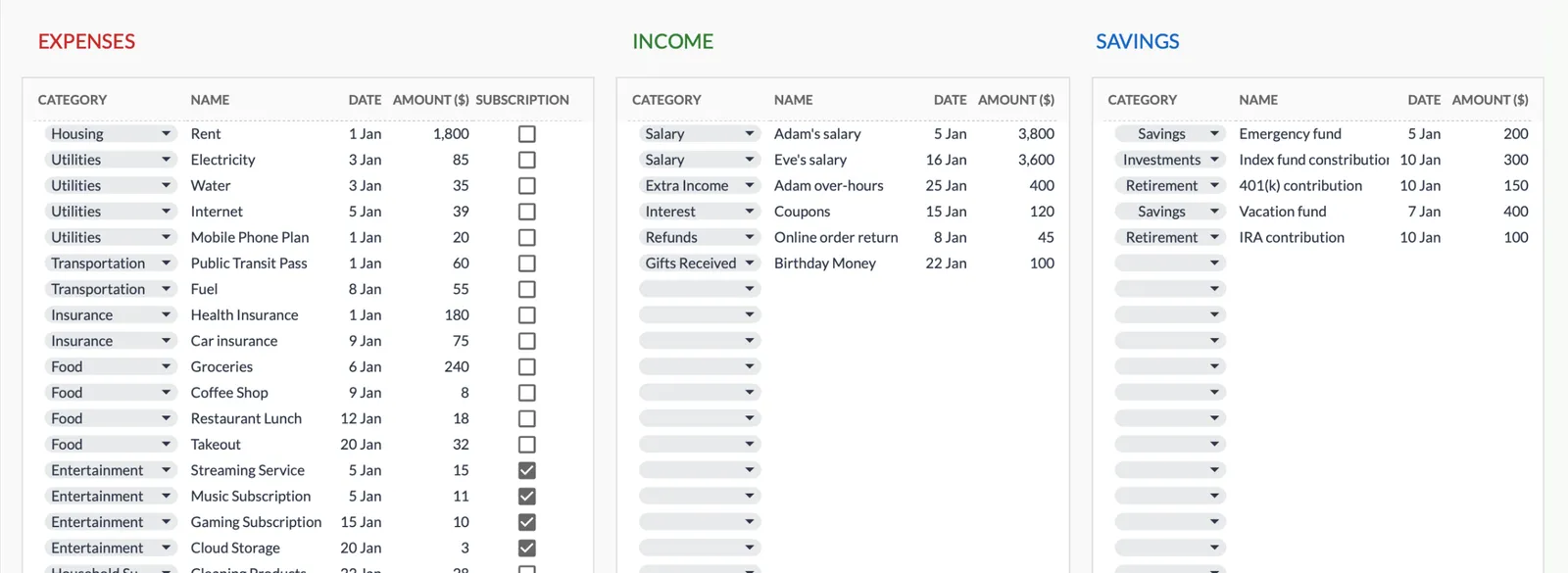
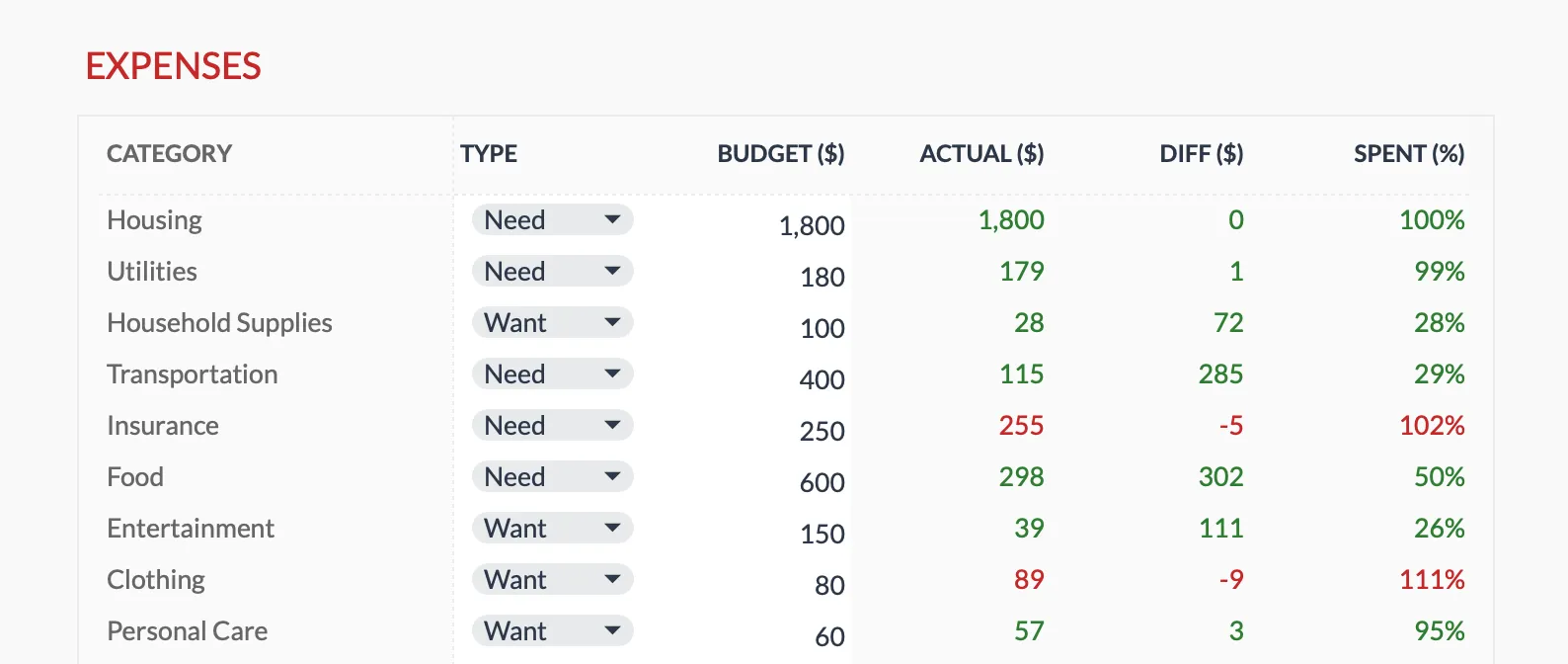
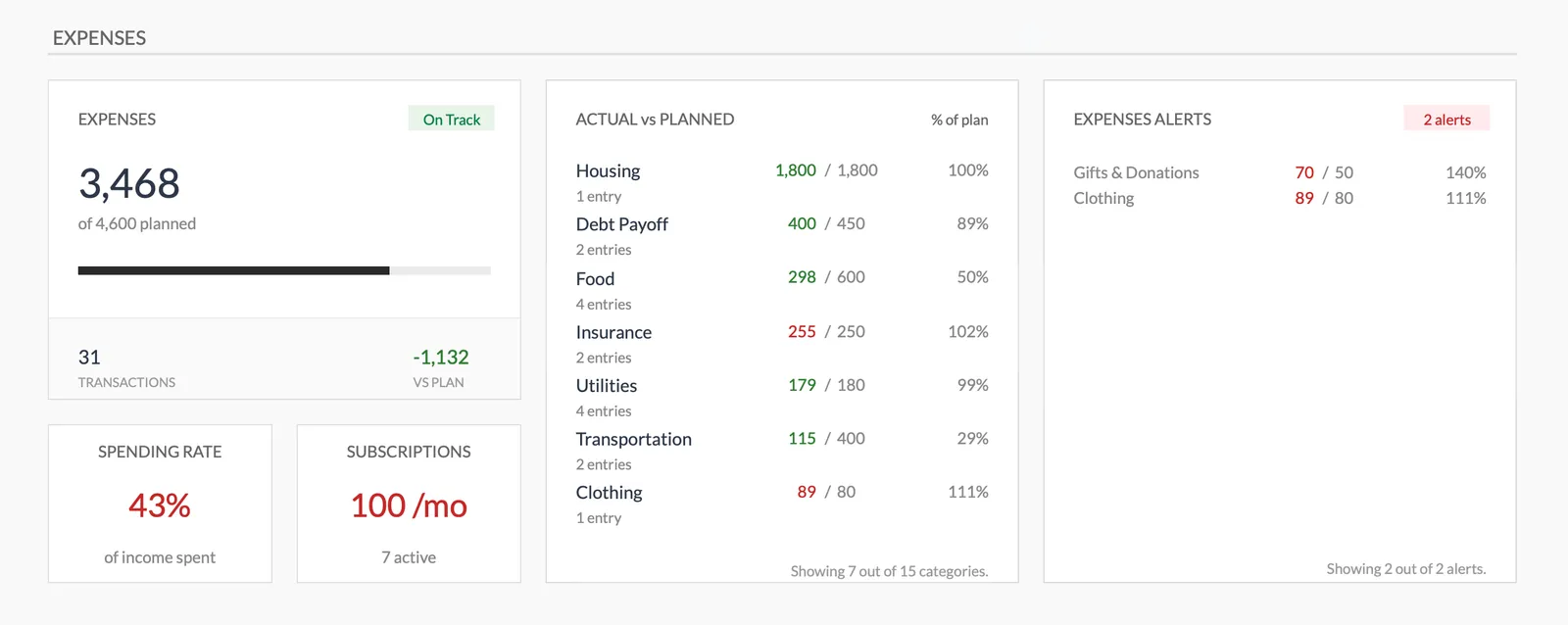
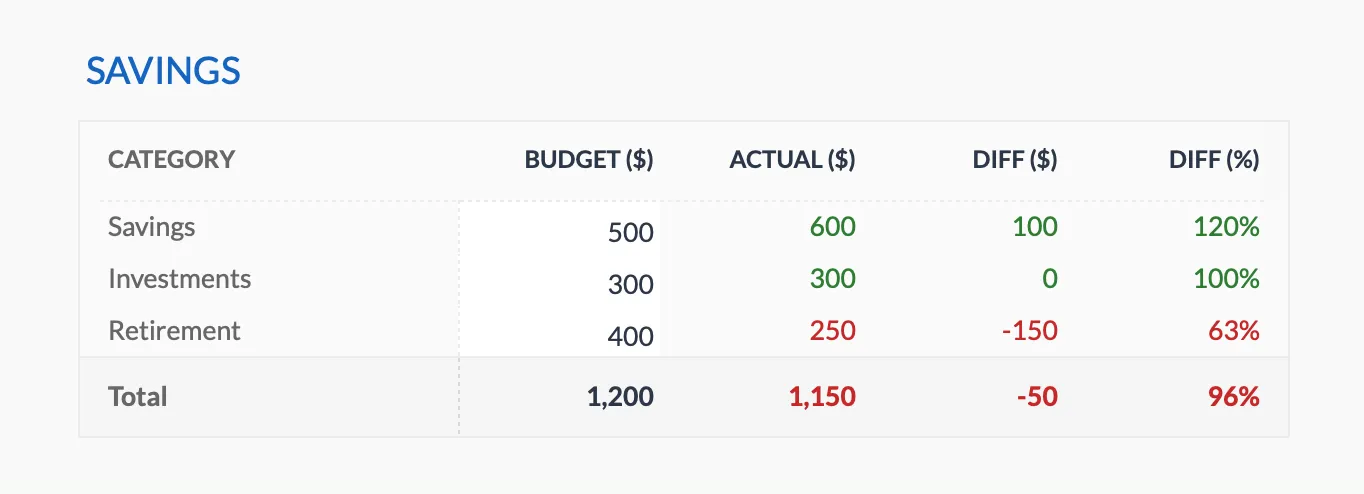
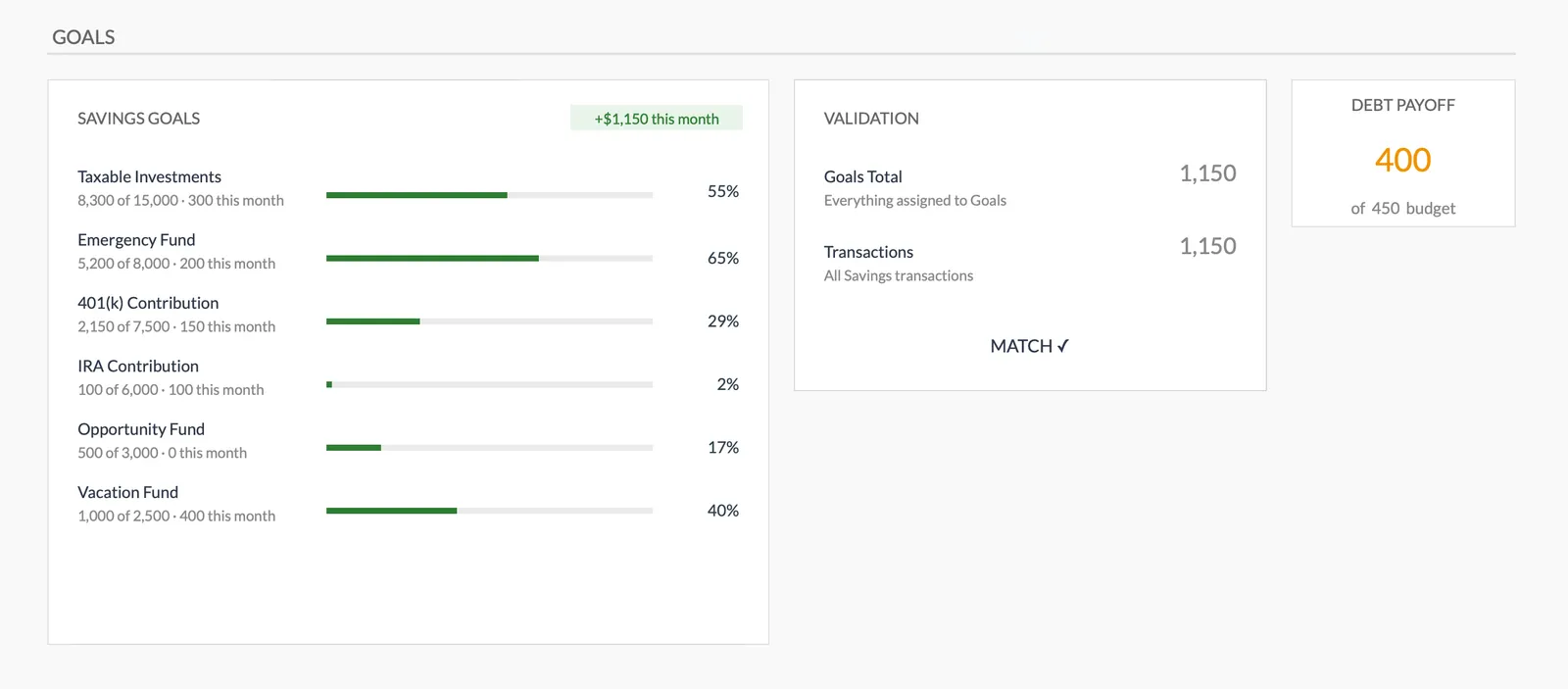
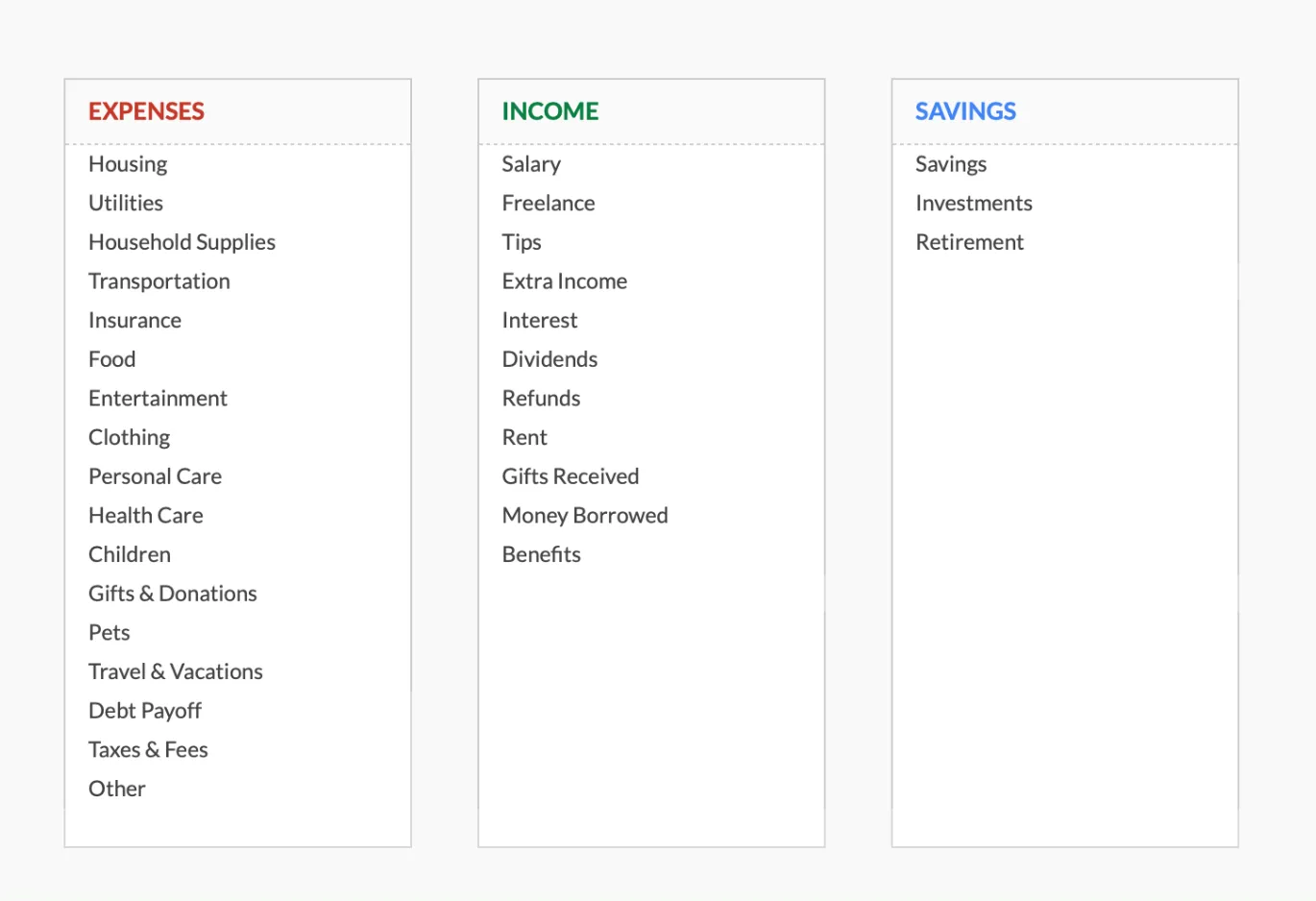
Dashboard with income, expenses, and savings at a glance
Log transactions with automatic categorization
Set targets per category and track actual spending
Visual breakdown of where your money goes
Track savings goals alongside your budget
Monitor progress toward financial goals
Fully customizable expense, income, and savings categories
Getting Started
Quick Start for Nurse Budgeting
Enter your base pay
Start with your guaranteed take-home amount - the minimum you can expect from regular scheduled hours.
Add variable pay as earned
Log differentials, overtime, and bonuses as they appear on each paycheck. The template updates your total.
Budget essentials from base pay only
Some nurses set targets that base pay alone covers, so a month with no overtime or reduced hours does not break the plan.
Direct extra income to goals
When differentials and overtime add up, assign the surplus to debt payments, savings, or specific goals.
Review each pay period
Nursing pay varies by pay period. Review when each check arrives rather than waiting until month end.
Common Questions
Monthly Budget for Nurses- FAQ
Should I include overtime in my budget?
Many nurses build the core budget around base pay only and treat overtime and extra shifts as surplus directed toward savings or debt payoff. Months without overtime then do not create a shortfall.
How do I handle per diem or travel nursing assignments?
Add assignment-specific income and expenses. Travel stipends, housing allowances, and contract bonuses are all trackable. The template works with any combination of income sources.
What about continuing education expenses?
Add a category for CE courses, conference fees, and study materials. Some employers reimburse these - track both the expense and reimbursement to see the net cost.
Can this help with loan repayment planning?
The template tracks loan payments alongside other expenses. Seeing how much extra you can direct toward loans each month - especially in high-overtime months - helps accelerate payoff.
What if I pick up shifts at multiple facilities?
Add a line for each facility. The template totals all income sources, making it easy to see your full monthly earnings across employers.
How do I budget during orientation when overtime is not available?
Orientation pay is typically base rate only. Budget those months conservatively and plan for the transition to full shift work when differentials become available.
How do I track shift differentials to understand their real impact?
Give night, weekend, and holiday differentials their own income categories and log each one as it is paid. Over several months the Summary shows how much they actually add, often $5,000 to $15,000 a year, which puts a number on what a schedule change is worth.
How do I compare a travel nursing assignment to my staff position financially?
List the total weekly compensation of the travel contract (including stipends), then subtract estimated duplicate housing costs, travel expenses, health insurance premiums, and lost retirement contributions. Compare the net figure against your current staff position take-home. The template gives you somewhere to record both sides of that comparison.
Can't find the answer you're looking for? Contact our team
Start budgeting as a nurse
One-time purchase. No subscription. Your financial data stays in your Google Drive.