United Kingdom
Annual Tax Planner for the United Kingdom
Organize your UK tax picture in a Google Sheets template you own, covering PAYE, self-assessment income, pension tax relief, ISA usage, and capital gains.
In Depth
Making Sense of UK Tax Allowances Before April 5th
The UK tax year runs from 6 April to 5 April, a quirk dating back to the calendar reform of 1752. That timing means the key allowances covering ISAs, pensions, capital gains, and dividends all reset in early April rather than January, and unused amounts do not roll over apart from pension carry-forward. For that reason the months between January and April tend to be when people look at where each allowance stands. This is where a running record helps, because it answers the question without a scramble through a year of statements.
The interaction between income tax bands and pension contributions is one of the more consequential mechanics in the UK system. Relief is given at the contributor's marginal rate, so for someone earning £60,000 and paying 40% on the top slice of income, a £10,000 gross pension contribution costs £6,000 of net pay. Between £100,000 and £125,140 the personal allowance taper pushes the effective marginal rate to 60%, and a pension contribution that brings taxable income back below £100,000 is relieved at that same 60% on the affected slice. Worth knowing when reading a payslip, and worth tracking if income moves in and out of that band year to year.
Self-assessment reaches well beyond the self-employed. Rental income, foreign income, untaxed savings or dividend income above the relevant thresholds, and high income child benefit charge cases can all trigger a return. Salary level alone no longer does, since HMRC dropped the £150,000 income trigger for people taxed only through PAYE from the 2024-25 tax year. Payments on account, the advance instalments due on 31 January and 31 July, catch some people out in their first year of filing, because the first January bill can be one and a half times the tax actually owed for the year. Keeping income sources and deadlines in one record through the year takes some of the pressure out of that January.
United Kingdom
Tax Planning in the United Kingdom: Key Considerations
The UK tax system combines PAYE withholding with self-assessment for some taxpayers. Understanding the main allowances and rates helps you plan effectively.
Income tax bands and the personal allowance
The personal allowance is £12,570 for the 2026-27 tax year, so there is no income tax on the first £12,570. In England, Wales, and Northern Ireland the basic rate is 20% up to £50,270, the higher rate 40% up to £125,140, and the additional rate 45% above that. Scotland sets its own bands and rates for earned income. The personal allowance is withdrawn by £1 for every £2 of income above £100,000, which produces an effective marginal rate of 60% between £100,000 and £125,140. These thresholds are frozen, so pay rises pull more income into higher bands over time.
Self-assessment adds complexity for some
Self-employment income, rental income, or dividend and other investment income above £10,000 can all bring someone into self-assessment. High earnings alone no longer do: HMRC removed the income-level trigger for people taxed only through PAYE from the 2024-25 tax year, so a large salary on its own does not require a return. GOV.UK has a checker for the current rules. Tracking income sources through the year makes the 31 January filing deadline less stressful, and payments on account are required when the balance owed tops £1,000.
Pension contributions attract relief at your marginal rate
Pension contributions receive income tax relief at the contributor's marginal rate. At the 40% higher rate, £1 in the pension costs 60p of net pay; at the basic rate it costs 80p. The annual allowance is £60,000 for the 2026-27 tax year, or 100% of relevant earnings if lower, with unused allowance carried forward from up to three previous years. The allowance tapers for those with threshold income above £200,000 and adjusted income above £260,000.
Capital gains have their own rules
The capital gains annual exempt amount is £3,000 for the 2026-27 tax year, cut in stages from £12,300 in 2022-23. Gains above the exempt amount are taxed at 18% where they fall within the basic rate band and 24% above it for most assets. Assets held inside an ISA or a pension are outside capital gains tax altogether, which is part of why ISA allowance tracking shows up in tax planning.
Get the Template
Getting Started
Making the Tax Planner Work for UK Tax Rules
Enter all income sources
List employment income (gross, from your P60 or payslips), self-employment profits, rental income, dividend income, savings interest, and any other sources. Gross figures are needed for tax planning even though you receive net pay.
Track tax-deductible expenses and reliefs
Log pension contributions (for additional tax relief claims), Gift Aid donations (which extend your basic rate band), allowable business expenses for self-employment, and any other tax-deductible items.
Monitor allowance usage
For the 2026-27 tax year, track the ISA allowance (£20,000), pension annual allowance (£60,000), personal savings allowance (£1,000 at basic rate, £500 at higher rate, nil at additional rate), dividend allowance (£500), and capital gains exempt amount (£3,000). Recording contributions and gains as they happen keeps each running total in one place.
Record pension contributions from every source
Employer contributions, salary sacrifice amounts, and personal contributions all count towards the same £60,000 annual allowance. Logging them together shows how much of the allowance is used and how much unused allowance is available to carry forward.
Prepare for self-assessment deadlines
If you file self-assessment, track payments on account (due January 31 and July 31) and the balancing payment. Having income and expense figures organized throughout the year makes filing faster and reduces the risk of errors.
See It In Action
What the template looks like
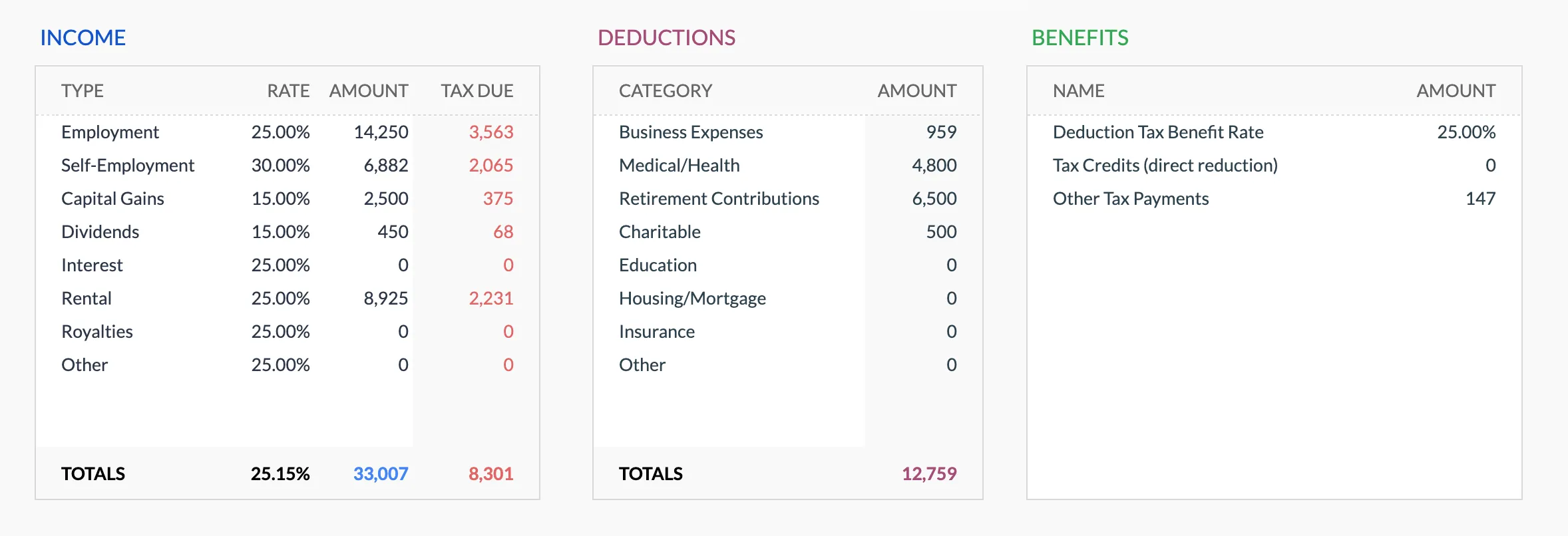
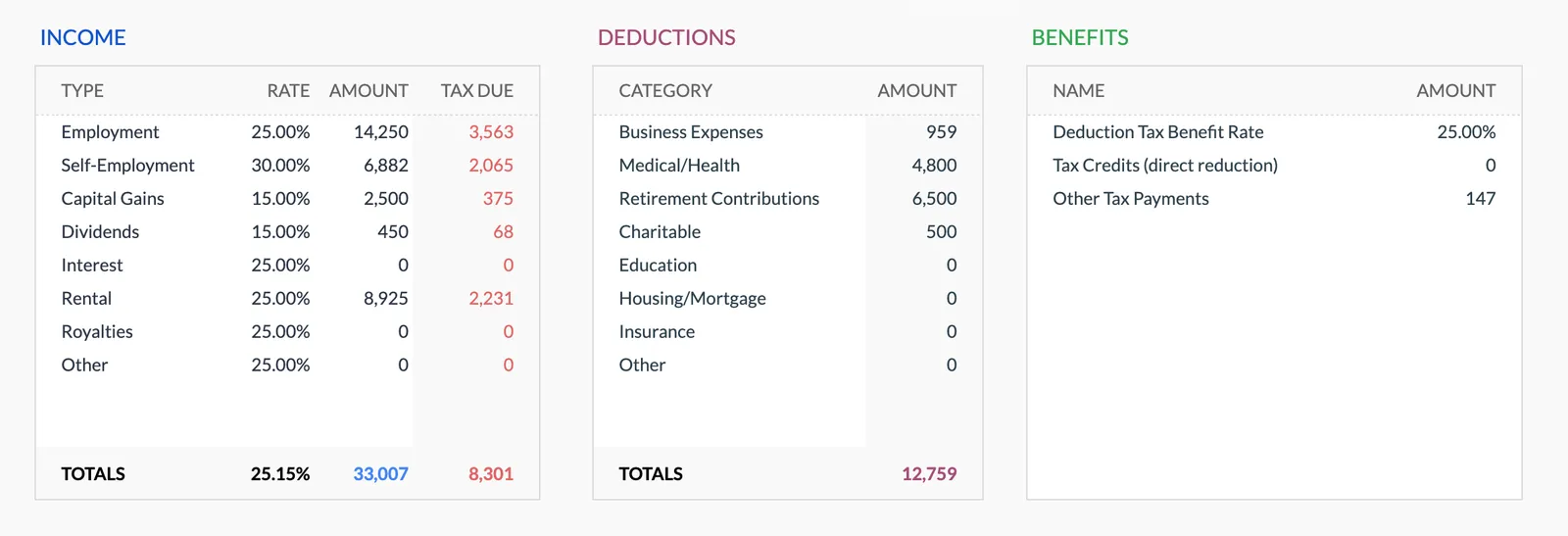
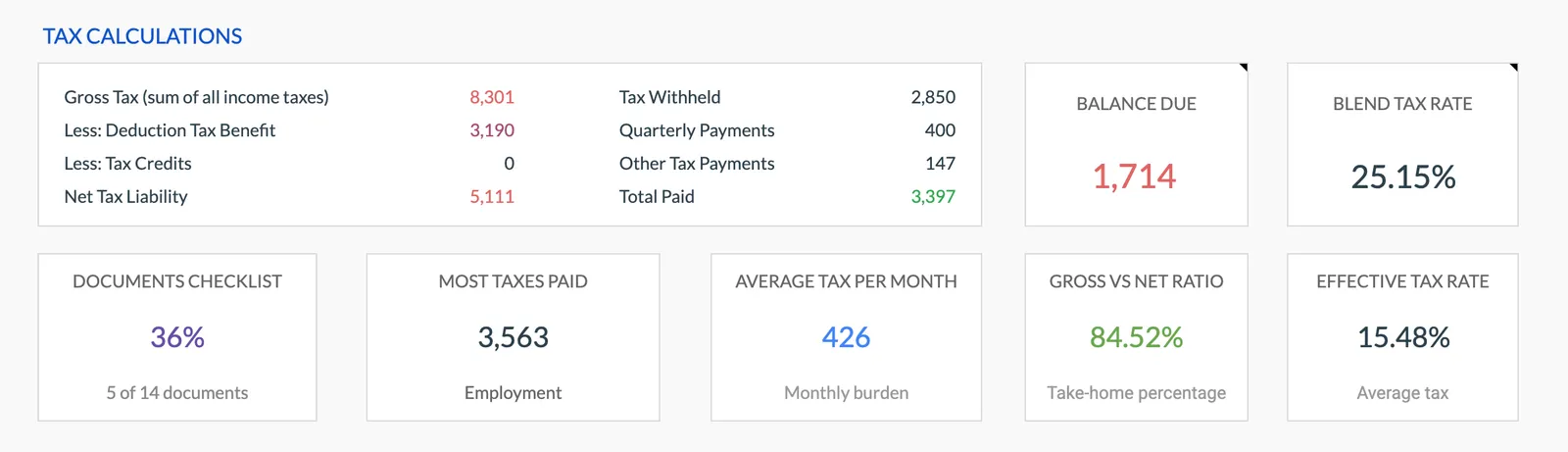
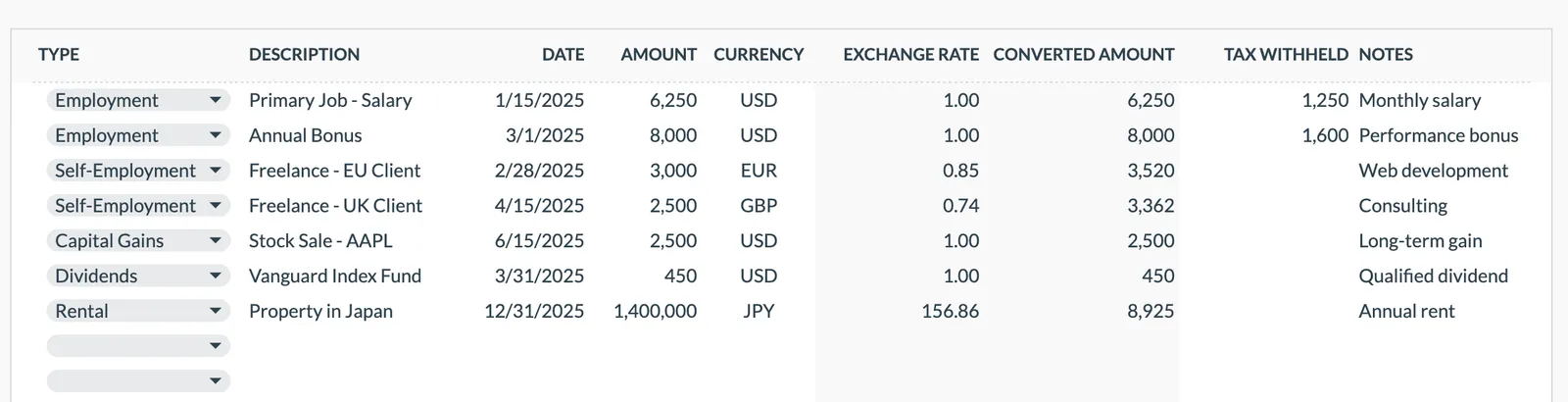
Browse through the template to see the dashboard, the entry sheets, and the summaries it produces, all adaptable to your local financial setup.
- Built-in currency selector
- Calculations update automatically
- Visual summaries of your numbers
- No setup required
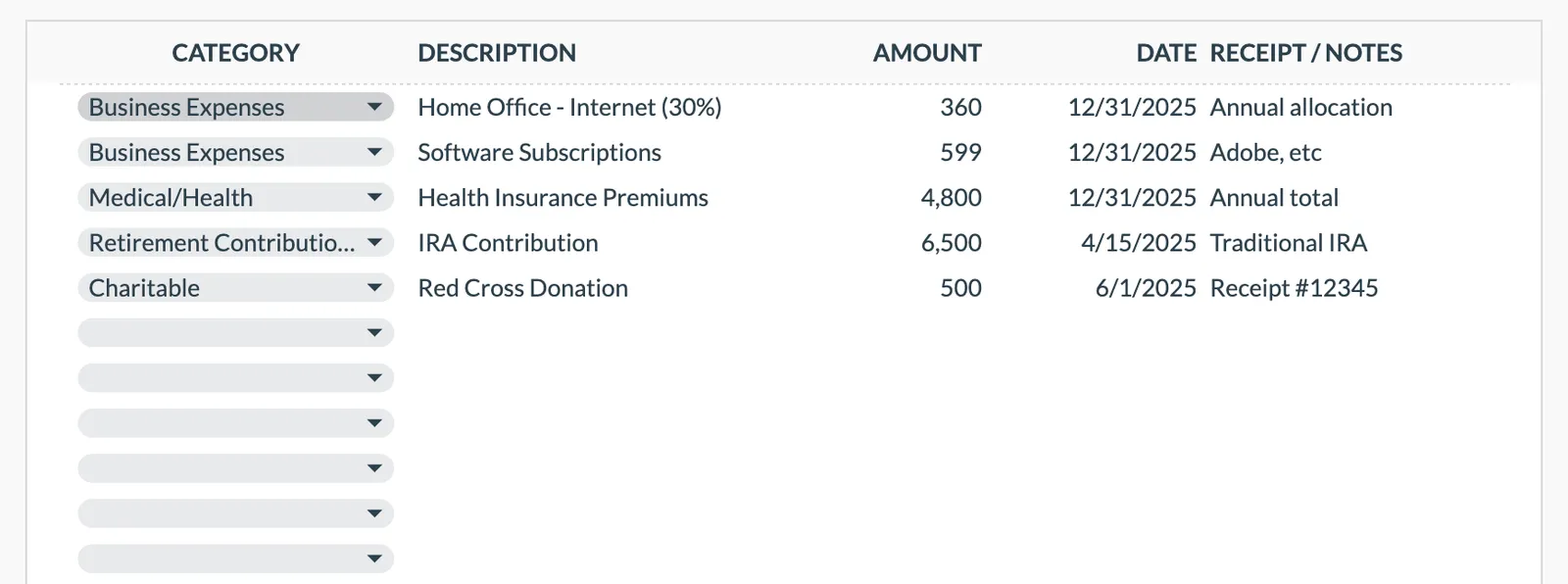
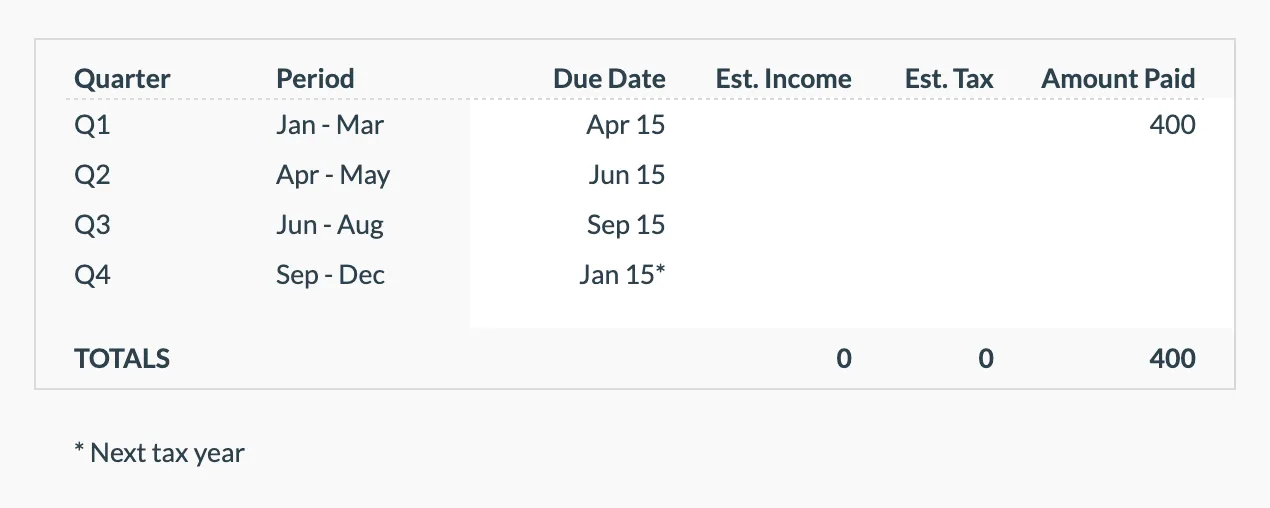
Annual tax overview with key figures
Detailed tax breakdown and projections
Track all income sources for tax purposes
Organize and track tax deductions
Plan and track quarterly estimated tax payments
Common Questions
Annual Tax Planner for the United Kingdom - FAQ
Does this replace self-assessment filing with HMRC?
No. This is a planning template that helps organize your tax-related information throughout the year. You still need to file through HMRC's online self-assessment portal or use an accountant. The template makes that process easier by keeping everything in one place.
Does it calculate my tax bill?
The template organizes your income and deductions but doesn't calculate the final tax amount. For estimates, use the free income tax calculator on this site or HMRC's own tax checker tools.
How do I track pension tax relief?
If your employer uses salary sacrifice, the tax relief is automatic. For personal pension contributions (SIPP), the provider claims basic rate relief (20%) automatically, while higher and additional rate relief is claimed through self-assessment. Track both types to see total relief received.
Can I track my partner's tax situation too?
UK taxes are individual, not joint (unlike the US). You can add a second set of entries for your partner, which is useful for planning things like marriage allowance transfers or splitting capital gains across both CGT allowances.
When does the UK tax year start?
The UK tax year runs from April 6 to April 5. This is different from the calendar year and catches many people off guard. ISA, pension, and CGT allowances all reset on 6 April, which is why many people look at allowance usage during March.
Can't find the answer you're looking for? Contact our team
Explore More
Free Tools for the United Kingdom
Ready to get started?
Download instantly and start managing your finances, or contact us to design a custom template package for your needs.
Tax rules, rates, and contribution limits change, and official publications can themselves lag behind the law in force. We review these figures on a best-effort basis against sources we consider authoritative, but we cannot guarantee they are current, complete, or that better sources do not exist, and nothing here is tax, legal, or financial advice. For decisions, the relevant government authority is the reference.