United Kingdom
Monthly Budget Template for the United Kingdom
Track your income in GBP, manage ISA allowances, council tax, pension contributions, and everyday expenses - all in a Google Sheets template you own.
In Depth
The Real Shape of a UK Monthly Budget
Council tax is one of those UK expenses that catches people off guard - not because it's hidden, but because it varies so much. A Band D bill in Westminster sits near the bottom of the national range at around £1,000 a year, while the same band in several Midlands and northern councils runs past £2,500. Most councils collect payments over 10 months (April to January), meaning the monthly direct debit is higher than simply dividing the annual bill by 12. Those two "free" months in February and March can create an illusion of extra cash if they're not anticipated.
Energy costs have become a defining feature of UK household budgets in recent years. The energy price cap sets maximum unit rates, but actual bills depend entirely on usage. A well-insulated flat might manage on £80-100 per month, while a draughty Victorian terrace could easily triple that in winter. Tracking energy spending month by month reveals seasonal patterns that help with switching tariffs and evaluating whether home improvements (insulation, smart thermostats) are paying for themselves.
The UK's ISA system is unusual in how much tax-free room it gives to ordinary savers. For the 2026-27 tax year, £20,000 can be spread across Cash ISAs, Stocks and Shares ISAs, Innovative Finance ISAs, and Lifetime ISAs. Some people find that putting a regular ISA line in a monthly budget, however modest, turns the allowance from an abstract number into something they can see progress against. The Lifetime ISA adds a 25% government bonus on contributions of up to £4,000 a year for accounts opened before age 40, capped at £1,000 of bonus, and it comes with conditions on what the money can be used for. From April 2027 the cash ISA share of the allowance is set to fall to £12,000 a year for savers under 65.
United Kingdom
Budgeting in the United Kingdom: What's Different
The UK financial system has features that affect how you budget. Understanding PAYE, National Insurance, and UK-specific costs helps you set up a template that matches your actual financial life.
PAYE and National Insurance simplify income entry
Most UK employees receive pay after income tax and National Insurance are already deducted through PAYE (Pay As You Earn) [1]. This means your net pay figure is usually straightforward to use as your budget income. For the 2026-27 tax year, employees pay National Insurance at 8% on earnings between the primary threshold of £242 a week and the upper earnings limit of £967 a week, then 2% above that [2], and it is already factored into your payslip.
Council tax is a significant fixed expense
Council tax varies widely by local authority and property band - from around £1,200 to over £4,000 per year. This is a predictable monthly expense (usually paid over 10 months, with February and March free). Worth adding as its own budget line item rather than bundling it with other bills.
ISAs shelter savings from tax up to an annual limit
The annual ISA allowance is £20,000 for the 2026-27 tax year [1], and money inside an ISA is free of tax on interest and gains. Tracking ISA contributions in a budget makes it visible how much of the allowance is left. Cash ISAs, Stocks and Shares ISAs, and Lifetime ISAs (opened before age 40, £4,000 limit with a 25% government bonus) each work differently. From April 2027 the amount that can go into a cash ISA is set to be capped at £12,000 a year for savers under 65, with the rest of the allowance available to stocks and shares ISAs.
UK expense patterns differ from US-centric templates
Generic budget templates often miss UK-specific costs: TV licence, council tax, water rates (not always metered), workplace pension auto-enrolment contributions, and NHS prescription costs (free in Scotland, Wales, and Northern Ireland). Adapting categories to match UK life makes the template more useful.
Get the Template
Getting Started
Getting Started With Your UK Budget
Switch the currency to GBP
Switch the display currency to GBP (£) using the option at the top of the dashboard. The calculations work in any currency - only the display symbol changes.
Enter your net monthly pay
Use the figure from your payslip after tax, National Insurance, and any workplace pension deductions. If you have additional income (freelance, rental, side work), add those as separate income lines.
Set up UK-specific expense categories
Add categories for: rent or mortgage, council tax, utilities (gas, electric, water), broadband, mobile, TV licence (the current fee is published by TV Licensing), groceries, transport (Oyster/railcard/petrol), and insurance. Rename any generic categories to match your actual bills.
Track savings and pension contributions
If you make additional voluntary pension contributions or regular ISA deposits, add these as budget categories. Workplace pension auto-enrolment contributions (minimum 5% employee + 3% employer) come out before your net pay, so only track voluntary additional contributions.
Plan for UK seasonal costs
Energy bills often spike in winter. Car MOT, insurance renewal, and road tax are annual costs worth planning for. Christmas spending, summer holidays, and January sales create seasonal spending patterns too.
See It In Action
What the template looks like
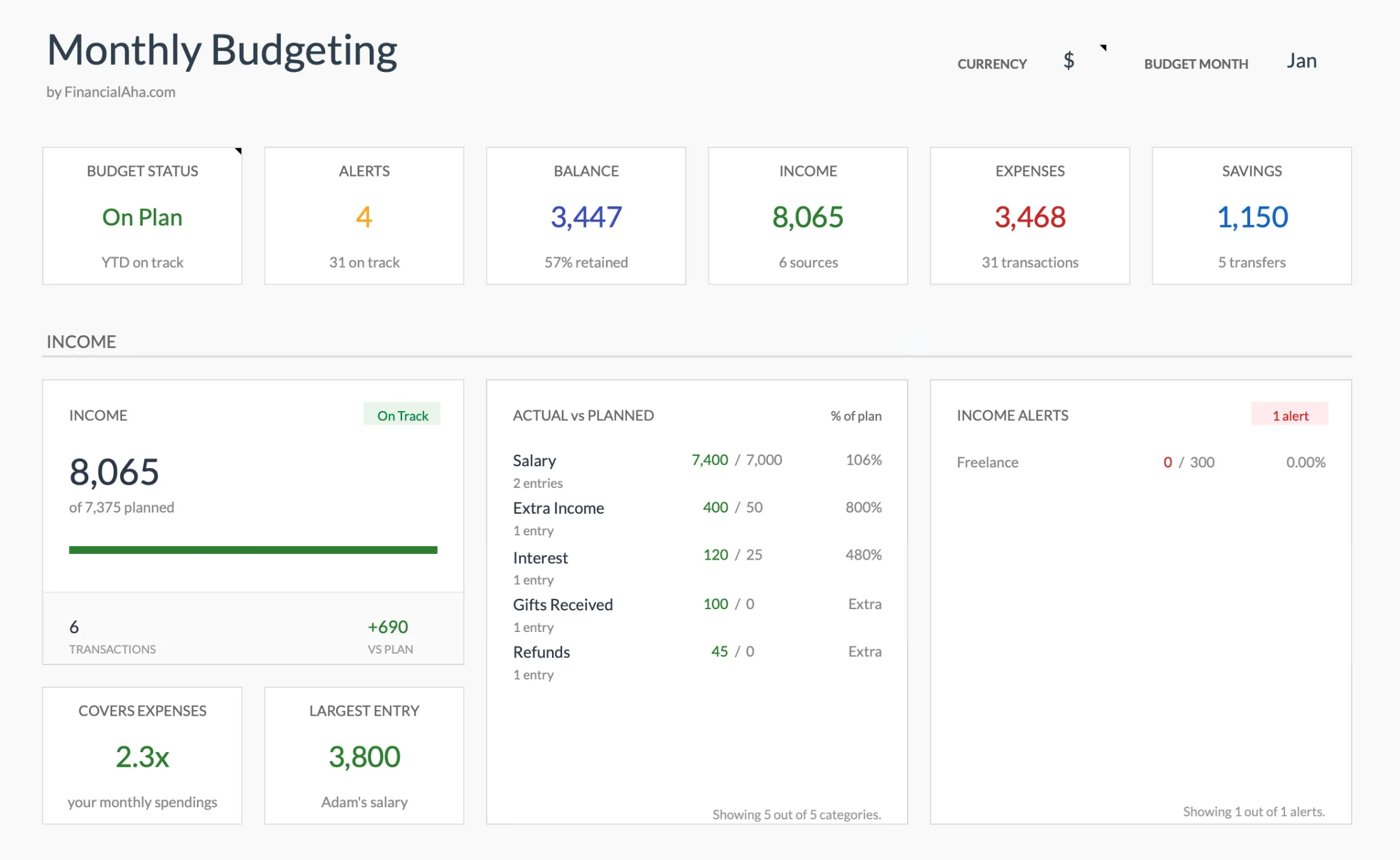
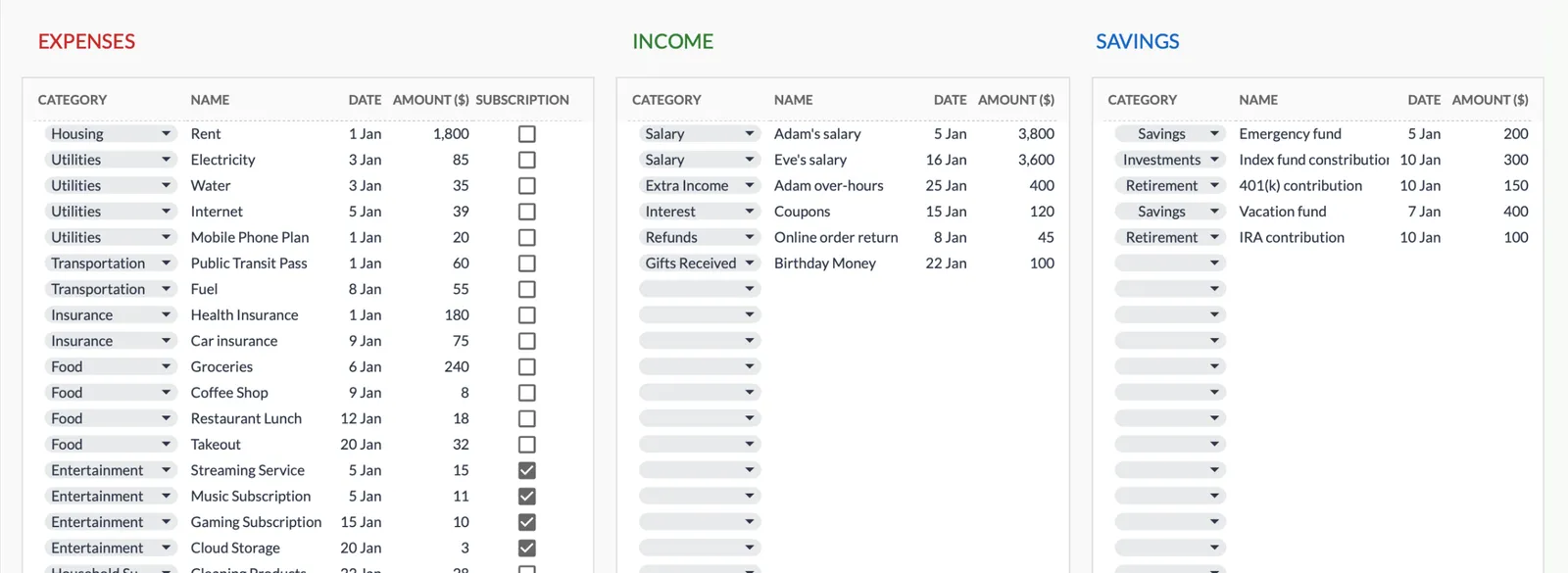
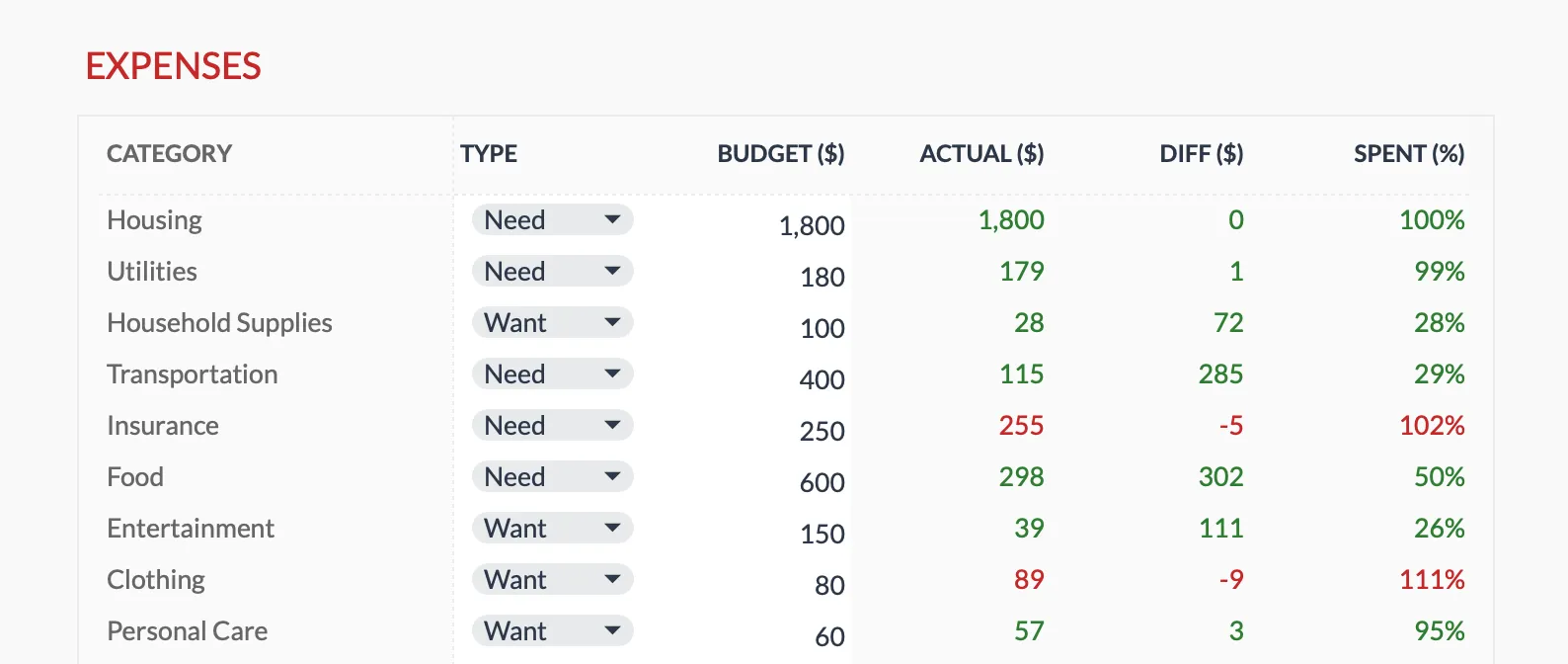
Browse through the template to see the dashboard, the entry sheets, and the summaries it produces, all adaptable to your local financial setup.
- Built-in currency selector
- Calculations update automatically
- Visual summaries of your numbers
- No setup required
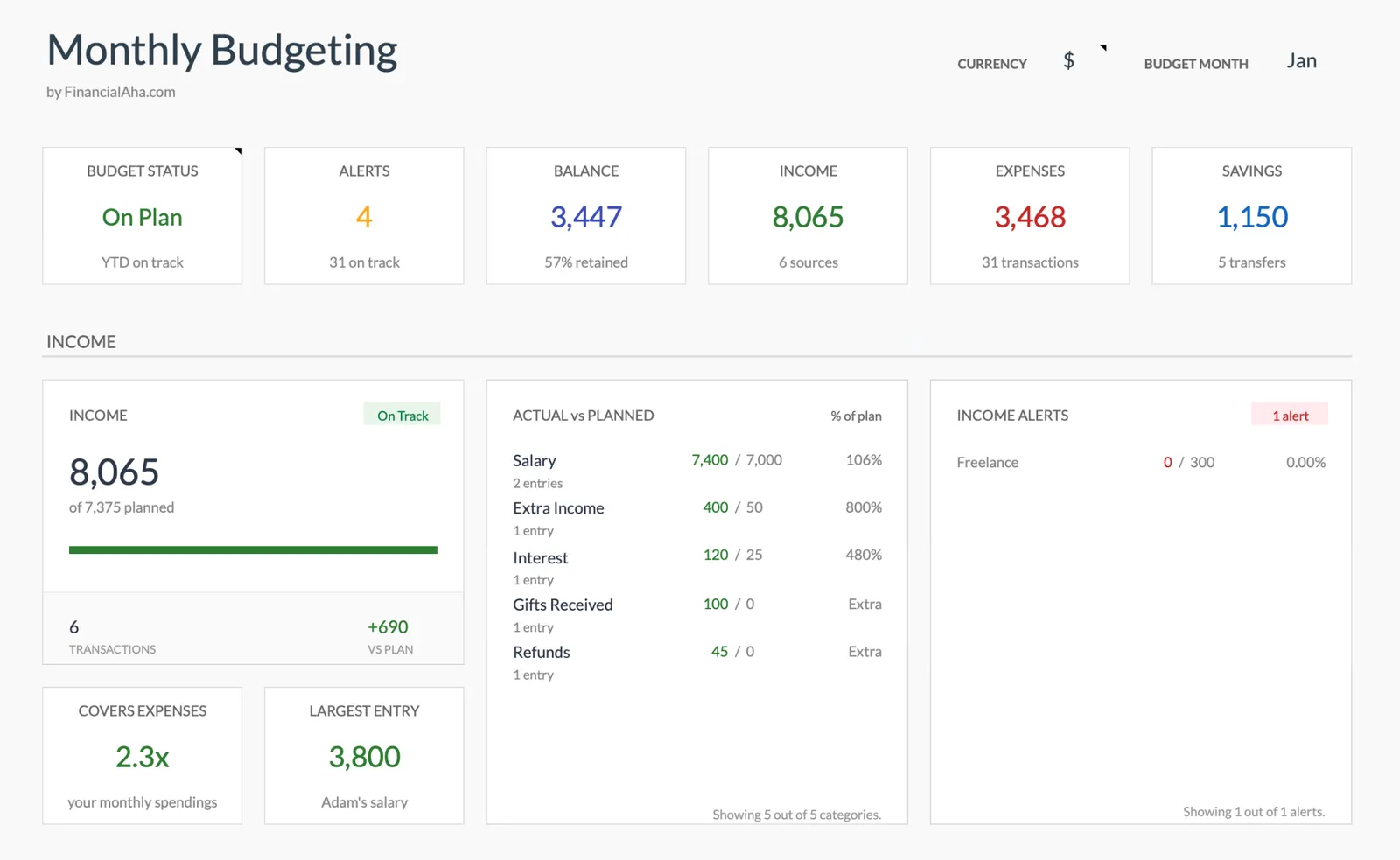
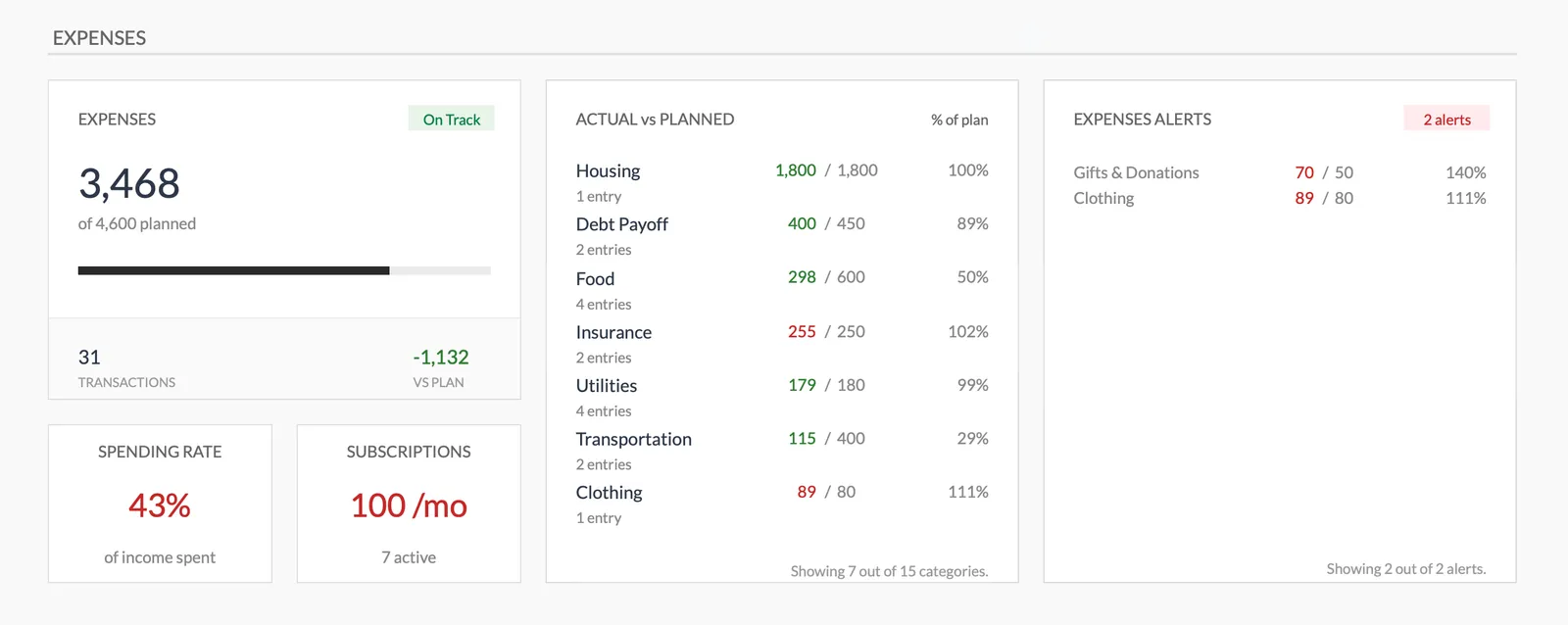
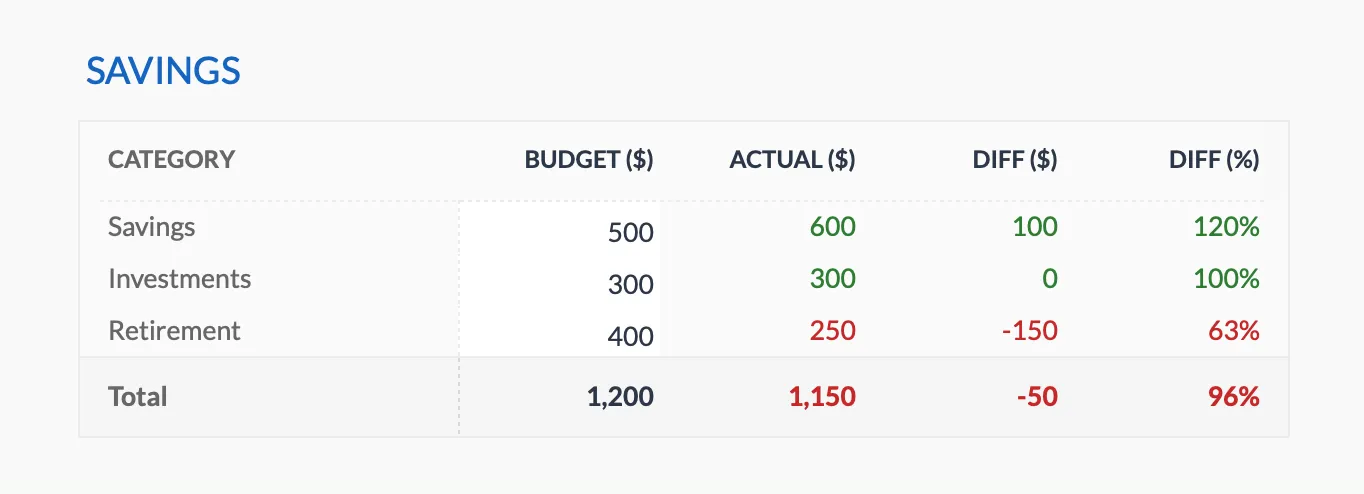
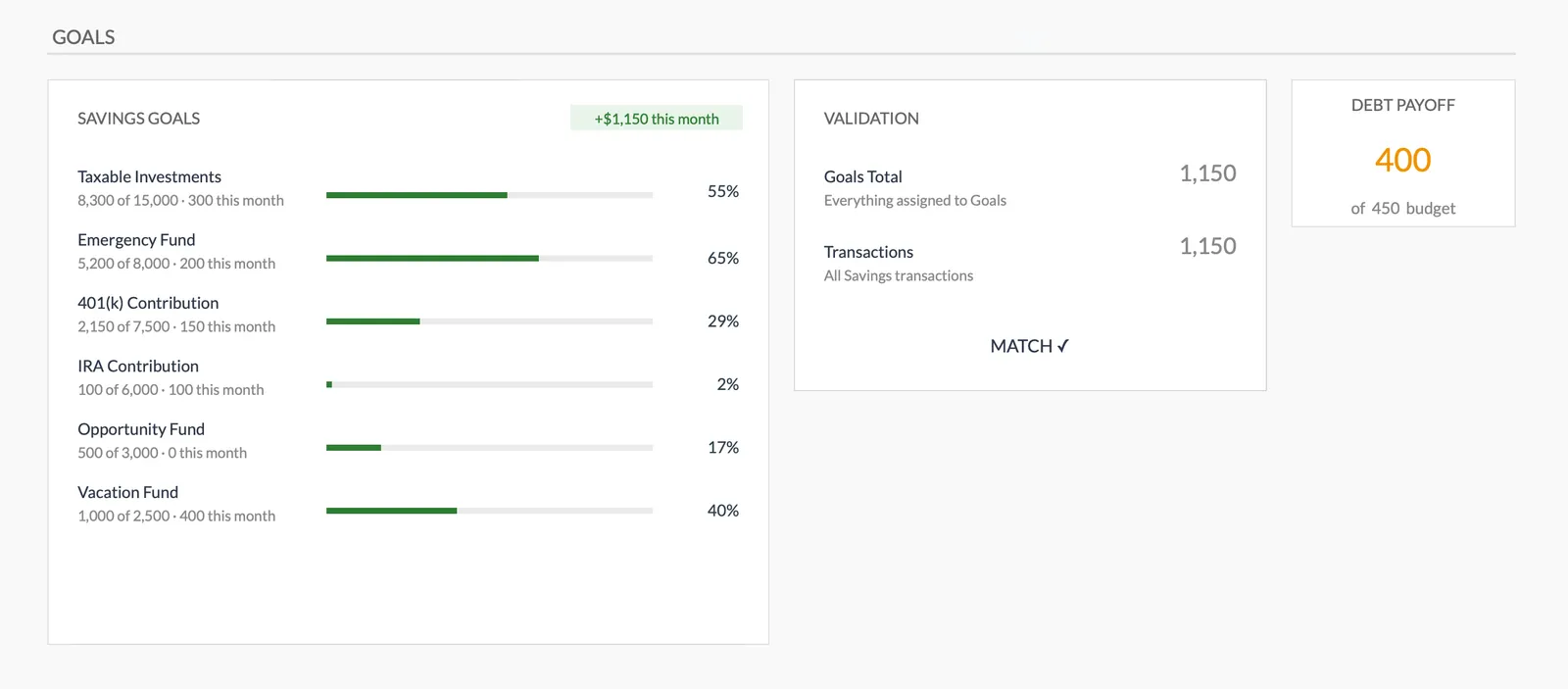
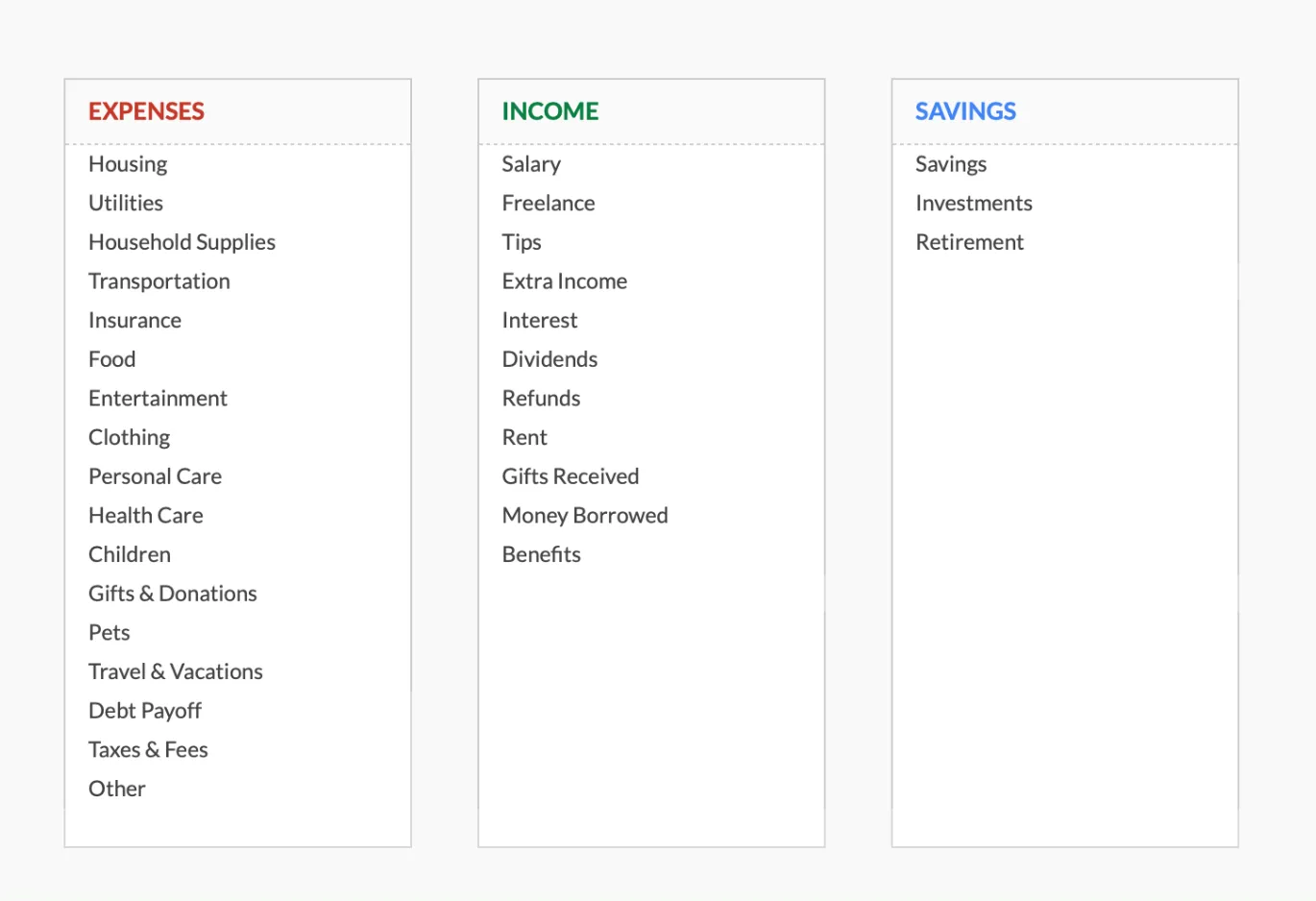
Dashboard with income, expenses, and savings at a glance
Log transactions with automatic categorization
Set targets per category and track actual spending
Visual breakdown of where your money goes
Track savings goals alongside your budget
Monitor progress toward financial goals
Fully customizable expense, income, and savings categories
Sources
Common Questions
Monthly Budget Template for the United Kingdom - FAQ
Does this template use British pounds?
Yes - there's a currency picker in the header where you can switch to GBP (£). The formulas work the same in any denomination, so only the display symbol changes.
Can I track ISA contributions?
Yes. Add ISA savings as a budget category. The template won't enforce the £20,000 annual allowance for you, but you can track progress against it manually. Some people add a note in the category name as a reminder of the limit.
How do I handle council tax payments?
Most councils collect council tax over 10 months (April to January), so the monthly payment is higher than dividing the annual bill by 12. Enter the actual monthly payment amount. In February and March, that budget line goes to zero.
Is workplace pension tracked in this template?
Your auto-enrolment workplace pension contributions are deducted before your net pay, so they don't need a separate budget line. Only track voluntary additional contributions that come from your take-home pay. Your payslip shows the breakdown.
Can I use this alongside banking apps like Monzo or Starling?
Yes. Many people use their banking app for day-to-day spending visibility and a budget template for planning and tracking against targets. The approaches complement each other - apps show what you spent, the template shows whether that aligns with your plan.
Does this handle different currencies for travel?
The template works in one currency at a time. For travel expenses, convert to GBP when entering them (use the amount that actually left your account). This keeps everything consistent and comparable.
Can't find the answer you're looking for? Contact our team
Ready to get started?
Download instantly and start managing your finances, or contact us to design a custom template package for your needs.
Tax rules, rates, and contribution limits change, and official publications can themselves lag behind the law in force. We review these figures on a best-effort basis against sources we consider authoritative, but we cannot guarantee they are current, complete, or that better sources do not exist, and nothing here is tax, legal, or financial advice. For decisions, the relevant government authority is the reference.