Monthly Budget Template
Monthly Budget Template for Real Estate Agents
Track commission income, marketing expenses, broker splits, and tax obligations in a budget built for how real estate pay works.
In Depth
Commission Checks and the Months Between Them
Real estate income arrives in large, irregular chunks separated by stretches of nothing. A single closing can generate a commission check that feels like a windfall - until it needs to cover the next two or three months of both business and personal expenses. The psychological challenge of receiving $8,000 in one day and needing to make it last until the next closing is fundamentally different from spending a biweekly paycheck.
The cost of maintaining a real estate practice runs whether deals are closing or not. MLS fees, brokerage desk fees, marketing campaigns, lockbox subscriptions, professional photography for listings, and vehicle expenses continue monthly regardless of income. Many agents spend $1,500 to $3,000 per month on business overhead before personal expenses enter the picture. These fixed business costs make the effective dry-spell tolerance much shorter than it might appear.
Broker splits add a layer of arithmetic that makes headline commission numbers misleading. A 3% commission on a $500,000 sale sounds like $15,000, but after a 70/30 broker split, the agent keeps $10,500. After setting aside 30% for taxes, about $7,350 remains. Then subtract the business expenses incurred to win and close that deal - marketing, staging, open house costs - and the actual personal income from that sale may be half the original commission figure.
Seasonality affects most real estate markets, with spring and summer typically bringing more closings than winter months. Agents who track their income monthly over a full year start to see these patterns clearly, which helps with planning. Some find that treating the busy season surplus as salary-replacement funding for the slow season - rather than as bonus income - creates a much more stable personal financial picture.
The Challenge
Why Commission Income Demands Careful Budgeting
Real estate agents may close $500,000 in sales one month and nothing the next. Commission-based income is lumpy, irregular, and arrives after expenses have already been paid.
Income is feast or famine
A closing brings a large check. The weeks or months between closings bring nothing. Some agents go 60-90 days between commission checks while expenses continue daily. A budget must bridge these gaps.
Business expenses run high
MLS dues, brokerage fees, marketing, signage, lockboxes, professional photos, staging - the cost of maintaining a real estate business runs $1,000 to $3,000 per month before a single commission arrives.
Broker splits reduce gross commissions
A 3% commission on a $400,000 sale is $12,000 gross - but after a 70/30 broker split, the agent keeps $8,400. After taxes and expenses, the take-home is a fraction of the headline number.
Self-employment taxes catch agents off guard
As independent contractors, agents owe self-employment tax on top of income tax. Without setting aside 25-35% of every commission, tax season creates a financial emergency.
Ready to take control of your real estate agent finances?
What You Get
Budget Tools for Commission-Based Earners
Commission income tracking
Log each closing with gross commission, broker split, and net amount. See your actual take-home per deal.
Business expense categories
Track marketing, MLS fees, brokerage costs, vehicle expenses, client gifts, and professional services.
Tax set-aside tracking
Automatically track the amount set aside from each commission for quarterly estimated taxes.
Commission plan vs. month-by-month reality
Set monthly targets based on your annual income estimate divided by 12, then compare against actual results.
Personal expense budgeting
After business costs and taxes, see what remains for personal living expenses. This is the number that actually matters.
Commission month on one screen
Gross commissions, business expenses, taxes, and personal spending - all visible on one screen.
See It In Action
What the template looks like
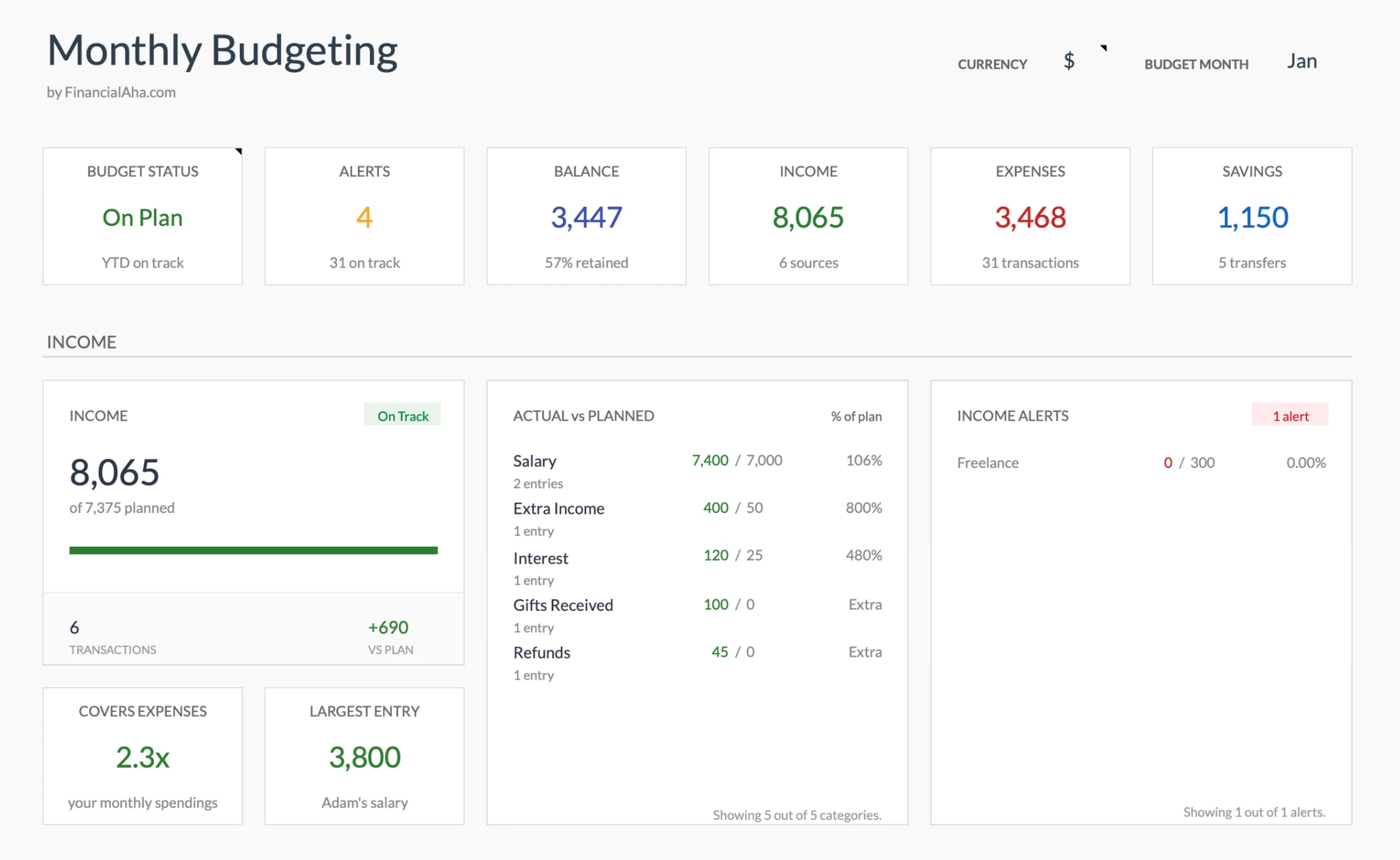
Browse through the template to see how it handles income tracking, expense budgets, savings goals, and spending analysis.
- Dashboard with key metrics at a glance
- Transaction logging with categories
- Budget vs actual comparison
- Visual charts and breakdowns
- Fully customizable categories

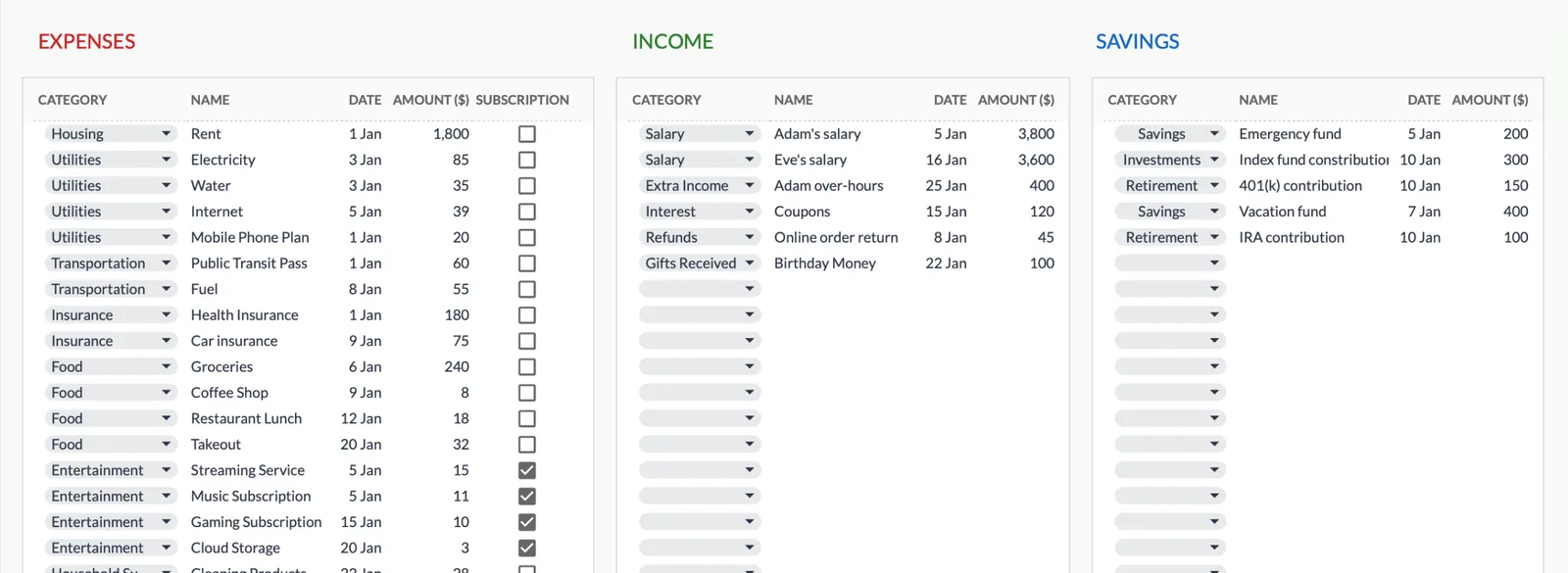
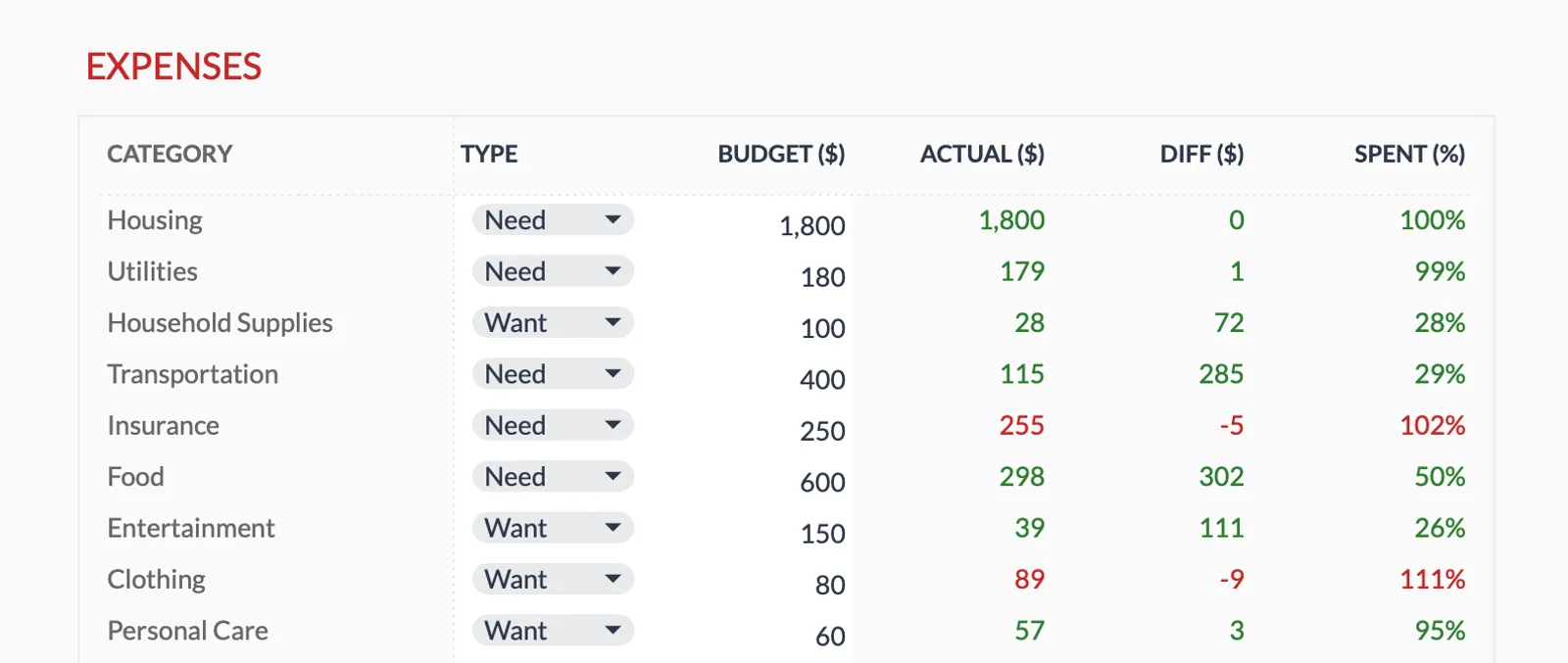
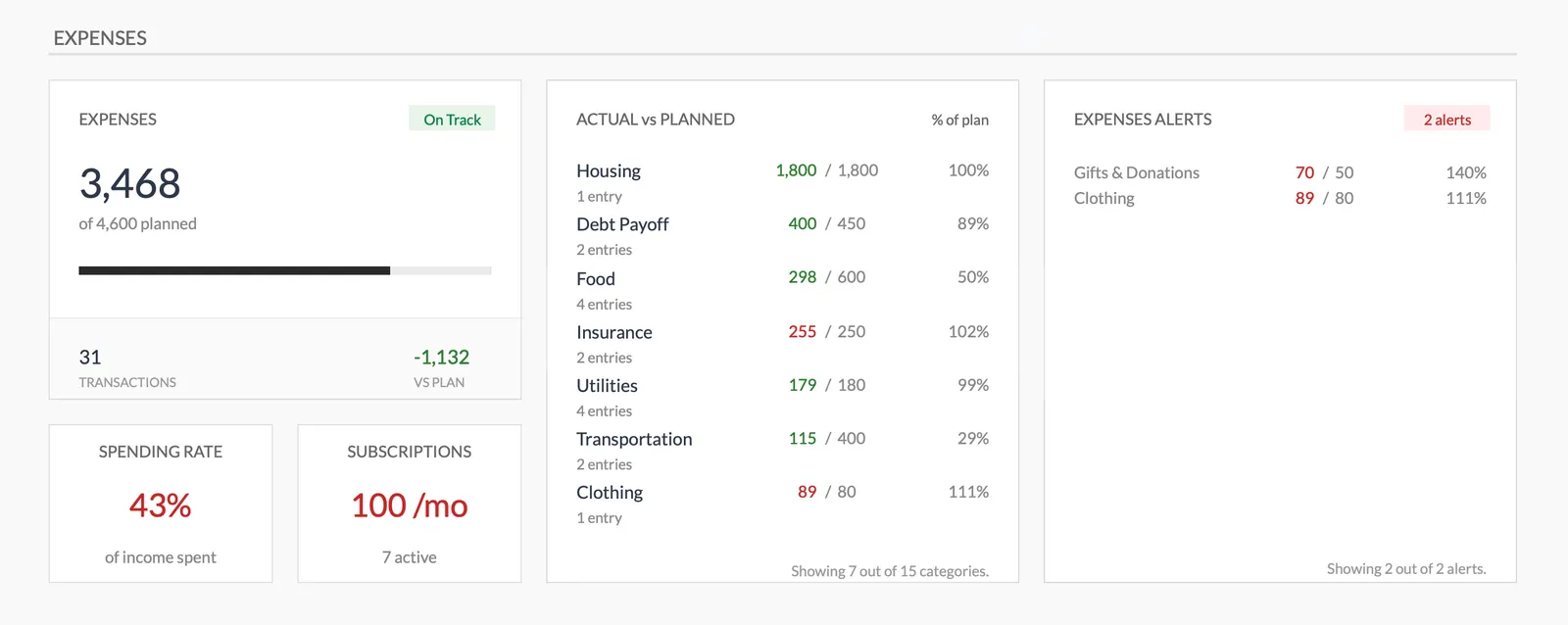
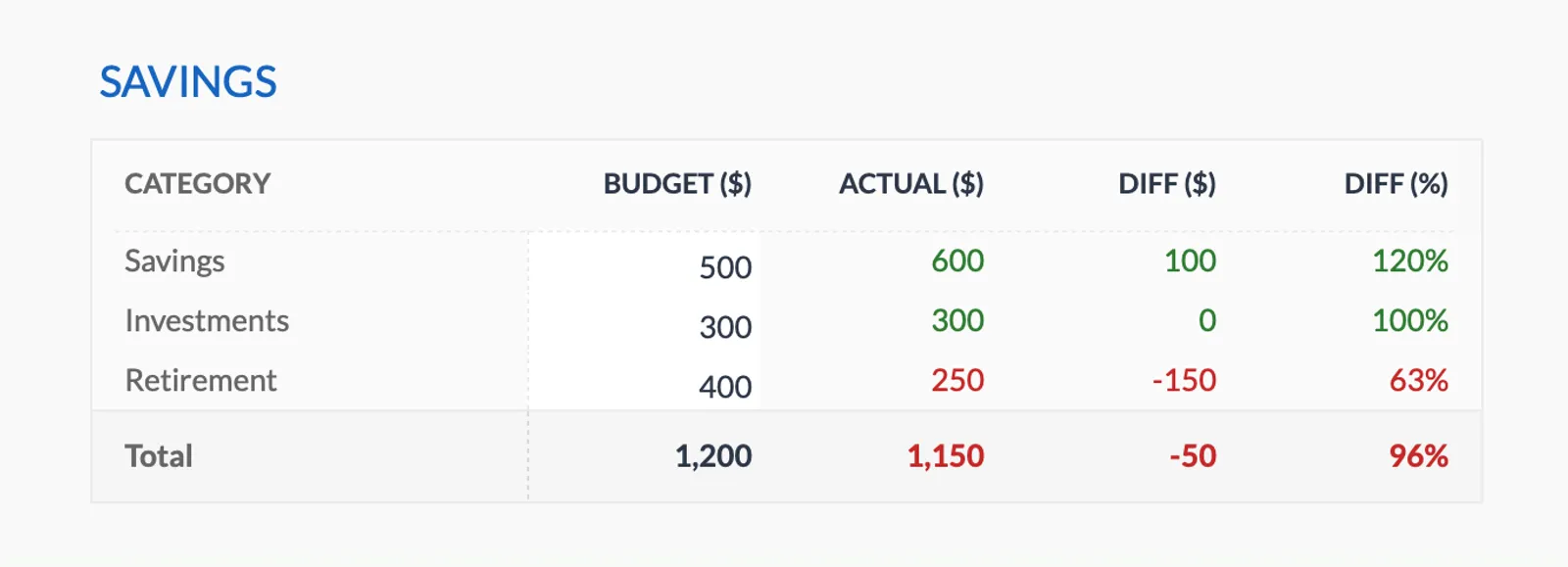
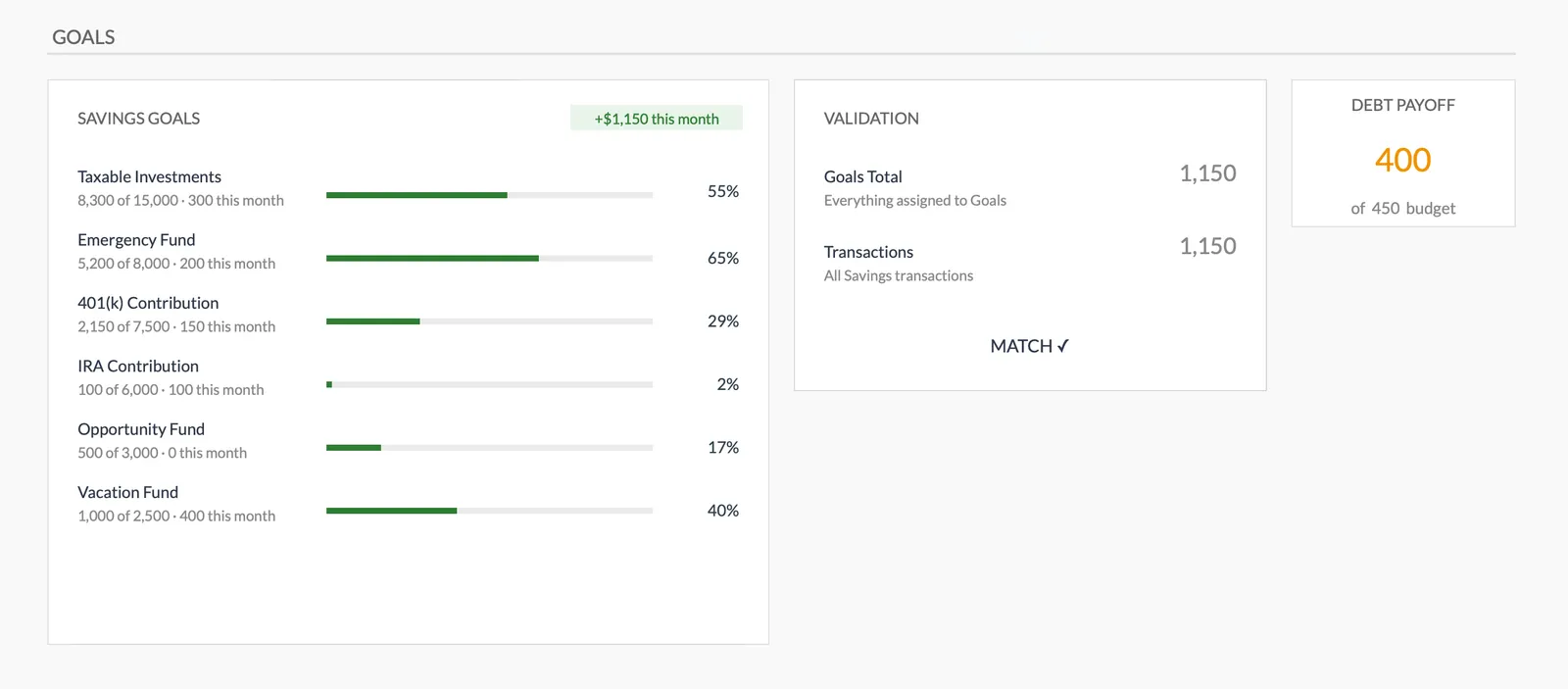
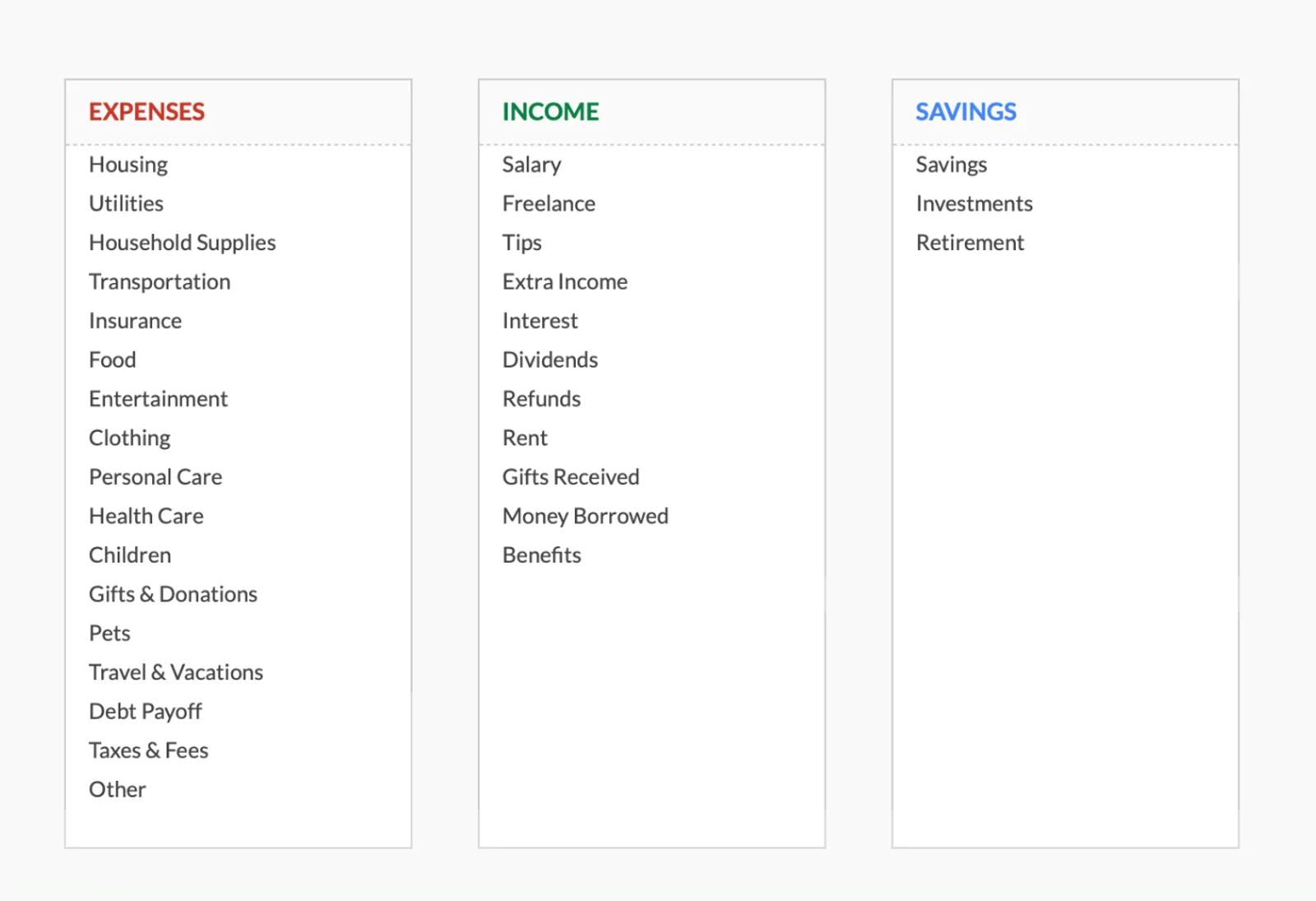
Dashboard with income, expenses, and savings at a glance
Log transactions with automatic categorization
Set targets per category and track actual spending
Visual breakdown of where your money goes
Track savings goals alongside your budget
Monitor progress toward financial goals
Fully customizable expense, income, and savings categories
Getting Started
Setting Up a Commission-Based Budget
Estimate your annual income
Based on your pipeline and historical closings, estimate total annual commissions. Divide by 12 for a monthly baseline.
Log commissions as they close
Enter each closing with the gross and net amounts. The template tracks your running total against the annual estimate.
Track business expenses separately
Keep business costs in their own categories. This clarity helps at tax time and shows the true cost of running your practice.
Set aside taxes from every check
When a commission arrives, immediately record the tax set-aside. What remains is available for business expenses and personal spending.
Budget personal expenses from the remainder
After business costs and taxes, allocate what is left to personal living expenses. This prevents spending money that is already committed.
Common Questions
Monthly Budget for Real Estate Agents - FAQ
How do I budget when months between closings vary?
Use your annual income estimate divided by 12 as a monthly baseline. In closing months, set aside the surplus. In dry months, draw from that reserve. The template makes both the surplus and the draw visible.
Should marketing costs be in the budget?
Yes - marketing is a recurring business expense. Track it monthly even though the return is hard to measure directly. Seeing the annual total helps evaluate whether your marketing spend is proportional to your income.
How do I handle split commissions on co-listings?
Enter the net amount you receive after all splits. The template tracks your income, not the total transaction commission.
What about pending closings that have not paid yet?
Do not count pending commissions as income until the check clears. Deals fall through. Budget from confirmed income only.
Can this track my pipeline?
This template focuses on budgeting, not pipeline management. Use it alongside your CRM to connect deal closings with their financial impact.
How much should I set aside for taxes?
Self-employment tax is 15.3% plus your income tax rate. Many agents set aside 30-35% of net commissions. The template tracks this so you can verify the amount before quarterly payments are due.
Can't find the answer you're looking for? Contact our team
Start budgeting as a real estate agent
One-time purchase. No subscription. Your financial data stays in your Google Drive.