Monthly Budget Template
Monthly Budget Template for Photographers
Track booking income, equipment costs, editing expenses, and seasonal revenue swings in a budget built for photography businesses.
In Depth
Booking Season, Slow Season, and the Gear That Never Stops Costing
Photography income follows a seasonal curve that can be dramatic. Wedding photographers typically earn the bulk of their annual income between May and October, with peak weekends often booked a year in advance. Portrait photographers see concentrated demand around holidays and graduation season. January through March, by contrast, can bring almost no bookings at all. Building a budget around average monthly income creates a number that does not actually match any real month - the $8,000 September looks nothing like the $900 February, yet both need to be funded from the same annual pool.
Equipment depreciation is a financial reality unique to photography. A professional camera body loses roughly 15-25% of its value per year, and most working photographers replace bodies every three to four years. Lenses hold value better but still degrade through heavy use. A single lens replacement runs $1,500 to $3,000, backup bodies add another $2,000 to $4,000, and lighting kits, memory cards, and editing workstations pile on top. Tracking the annual depreciation of gear - not just the purchase price - reveals the true ongoing cost of maintaining a professional toolkit and helps price shoots accurately.
Per-shoot profitability is often murkier than photographers realize. A $3,500 wedding booking sounds strong, but subtracting the second shooter fee ($300-$500), travel and meals ($50-$150), editing hours (15-25 hours at whatever rate the photographer values their time), gallery hosting, and the proportional gear wear per event changes the picture considerably. Tracking costs per shoot - even roughly - shows which types of work generate real margin and which ones look profitable only on the surface.
The gap between booking season and slow season creates a budgeting challenge that most service businesses do not face to the same degree. Some photographers find that calculating their total annual income, subtracting annual business expenses and tax obligations, and dividing the remainder by twelve produces a realistic monthly personal spending figure. The surplus from peak months then flows into a reserve that funds the lean months, turning an irregular income stream into something closer to a steady paycheck.
The Challenge
Why Photographers Need Season-Aware Budgeting
Photography income follows seasons, wedding schedules, and booking patterns that create dramatic income swings throughout the year. Equipment costs are high and ongoing.
Income is highly seasonal
Wedding season, holiday portraits, and event season bring most of the year's income in concentrated bursts. January through March can be painfully slow. A monthly budget needs to account for this reality.
Equipment costs are constant and expensive
Camera bodies, lenses, lighting, editing software, backup storage - photography gear depreciates and requires replacement. A $2,000 lens purchase is a normal business expense, not an emergency.
Deposits and final payments arrive at different times
A booking deposit arrives months before the shoot. The final payment comes after delivery. Cash flow does not match the work schedule, making budgeting from bookings misleading.
Editing and delivery costs extend past the shoot
Hours of editing, gallery hosting, print orders, and album production happen after the session. These labor and material costs can span weeks beyond the event itself.
Ready to take control of your photographer finances?
What You Get
Features for Managing Photography Income
Booking income tracking
Log deposits and final payments separately. See when money actually arrives versus when the work happens.
Gear and equipment expense tracking
Track camera gear, software subscriptions, hosting fees, and print costs. See your total equipment spend over time.
Tax set-aside section
Reserve a percentage of each payment for quarterly taxes. Visible tracking prevents the annual tax surprise.
Seasonal booking plan vs. actual income
Set monthly targets averaged from your annual income and compare against the actual seasonal pattern.
Personal expense budgeting
After business costs and taxes, see what remains for personal living expenses.
Categories built for photography costs
Add categories for second shooters, assistants, props, studio rent, or whatever your photography business requires.
See It In Action
What the template looks like
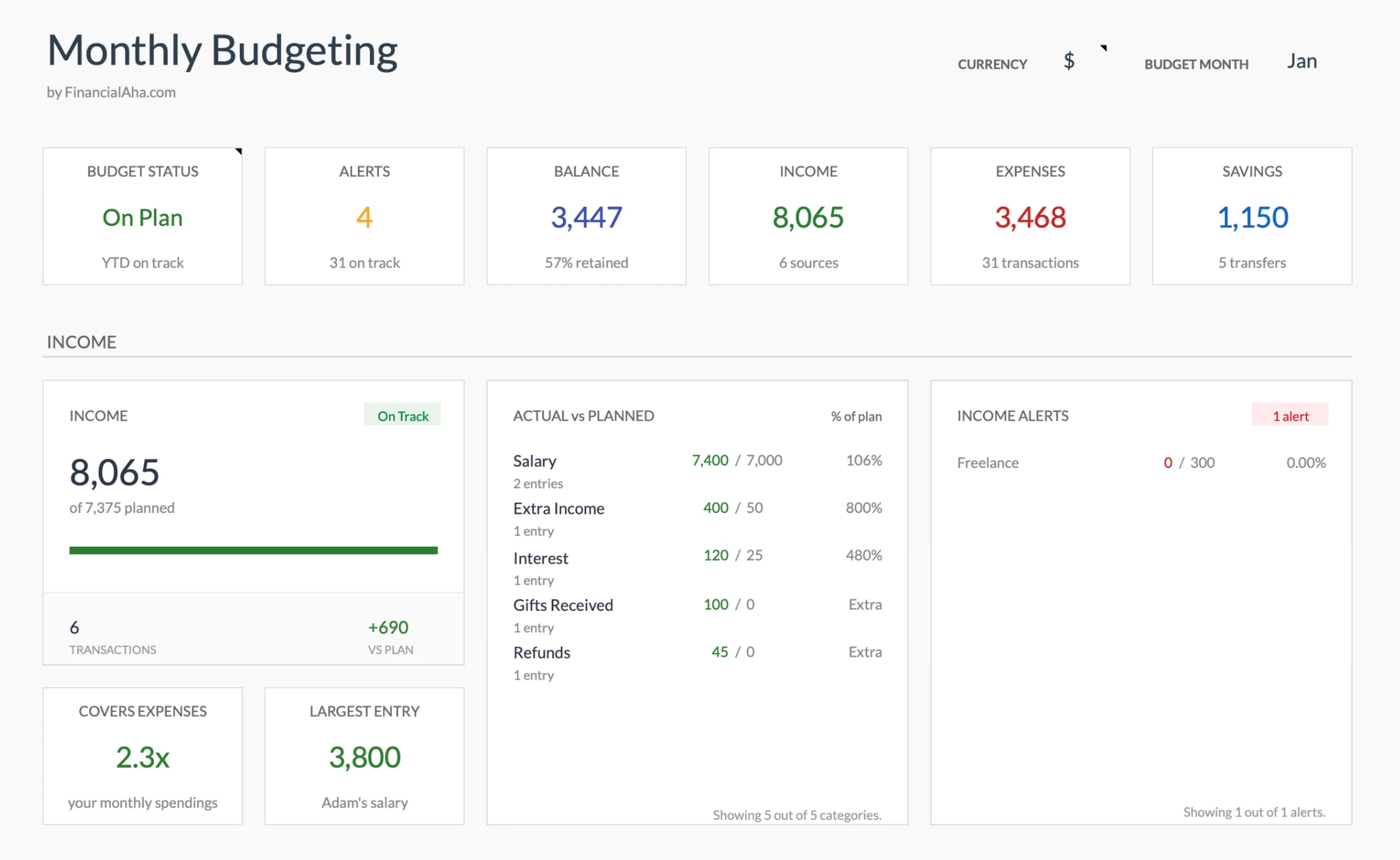
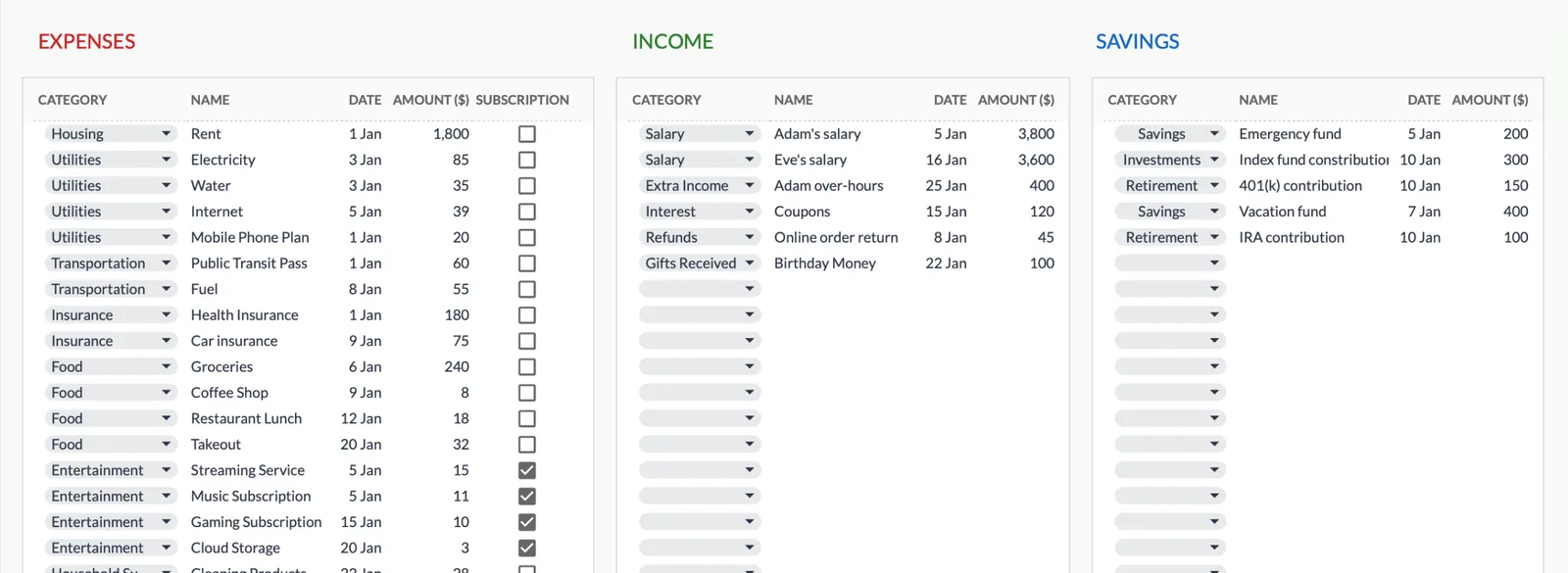
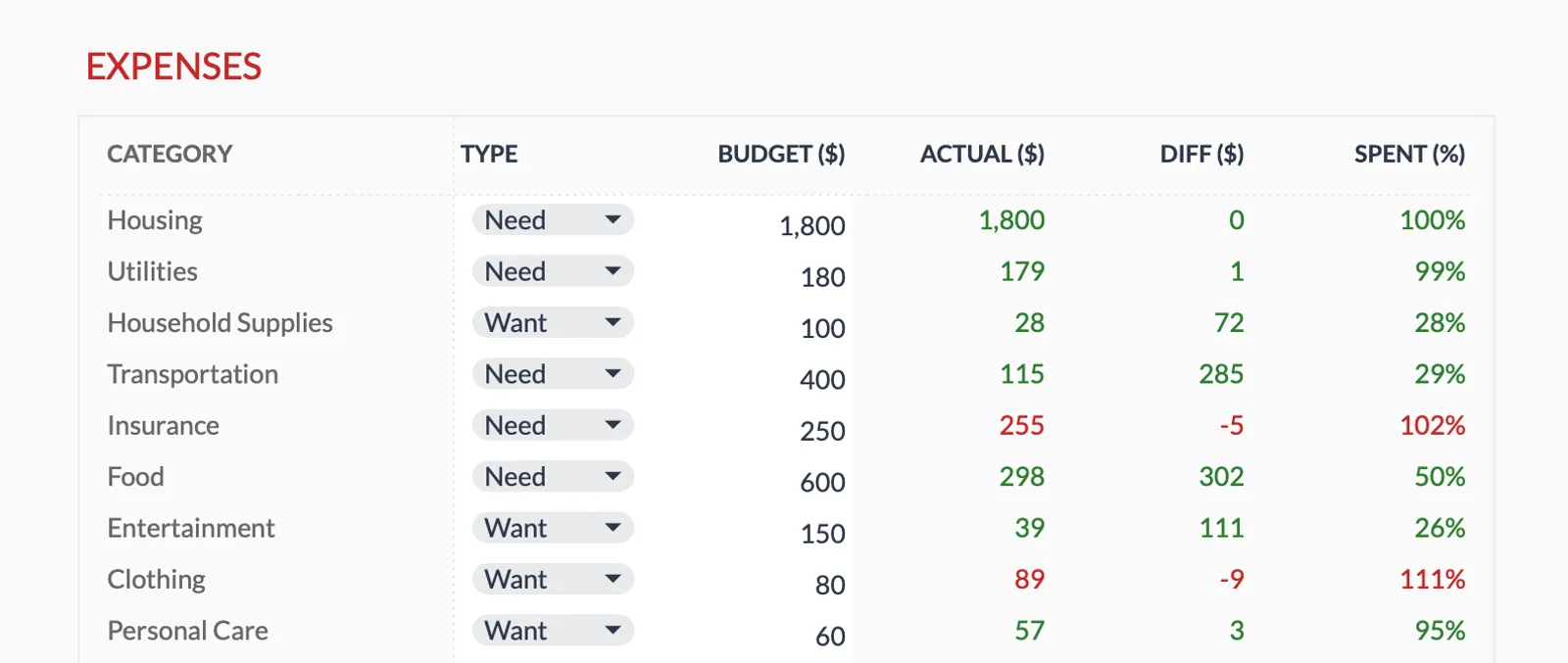
Browse through the template to see how it handles income tracking, expense budgets, savings goals, and spending analysis.
- Dashboard with key metrics at a glance
- Transaction logging with categories
- Budget vs actual comparison
- Visual charts and breakdowns
- Fully customizable categories

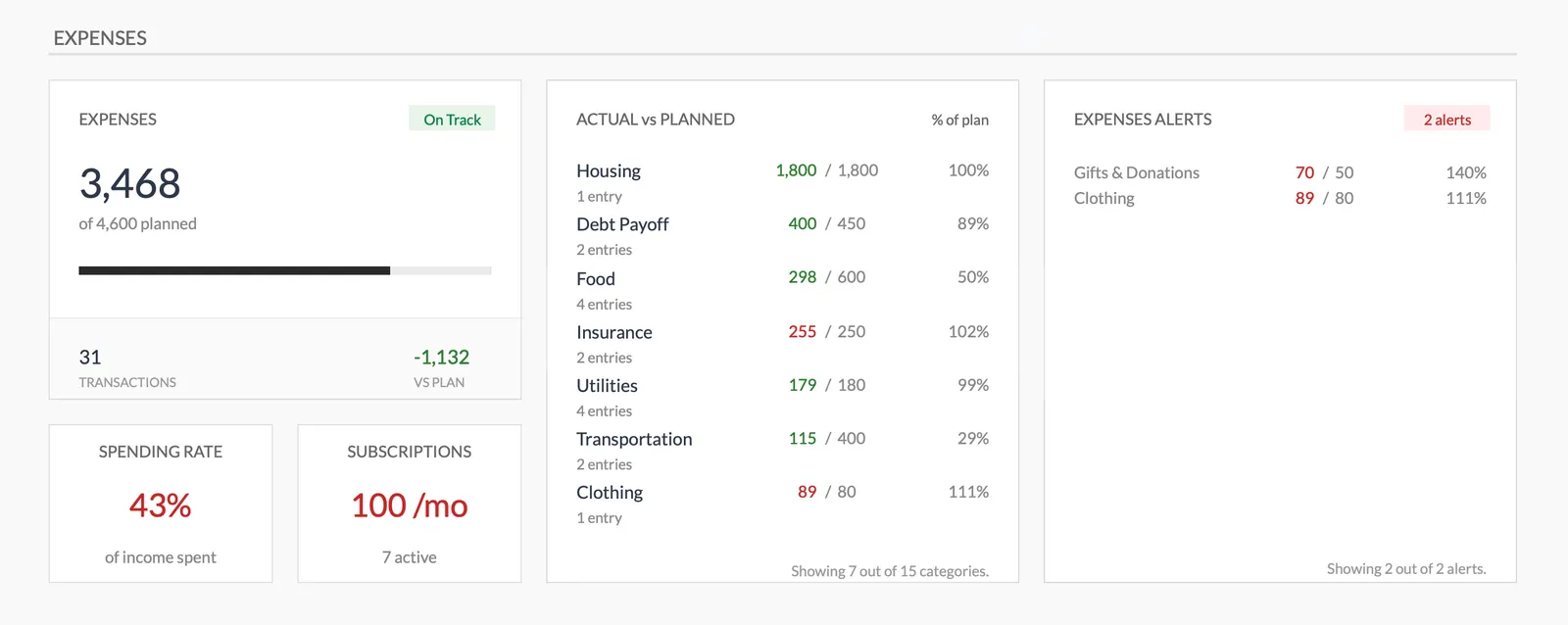
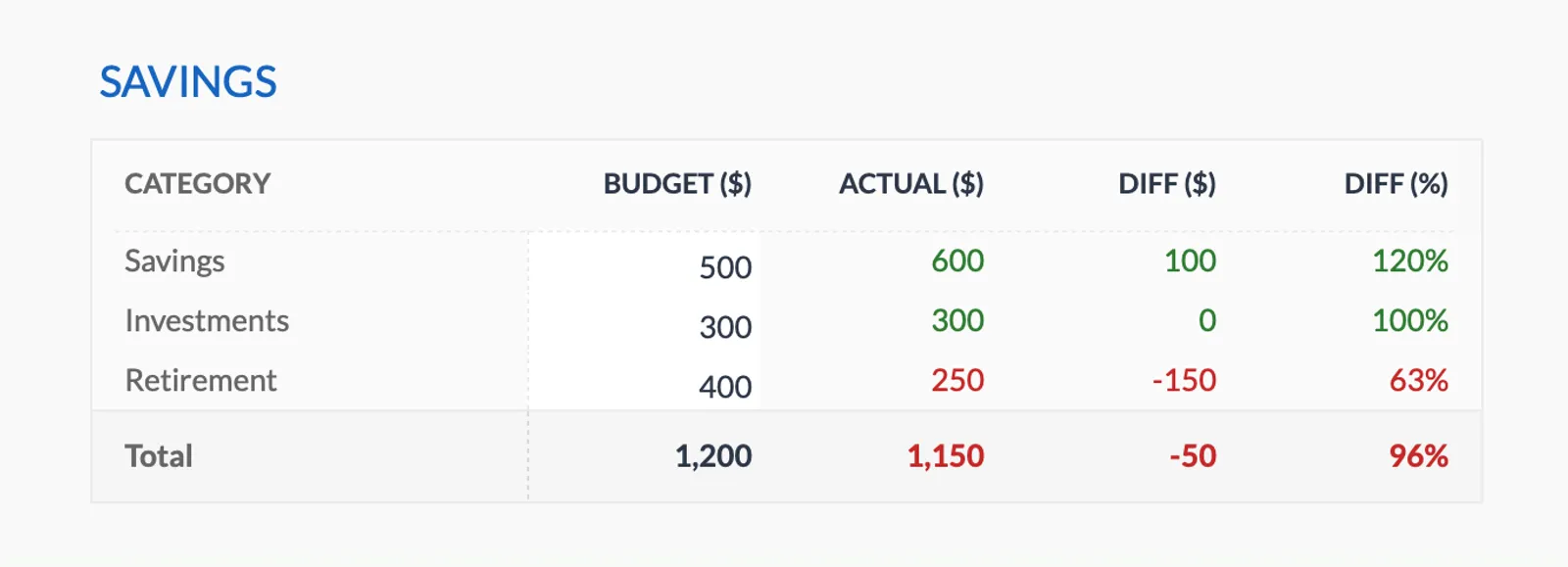
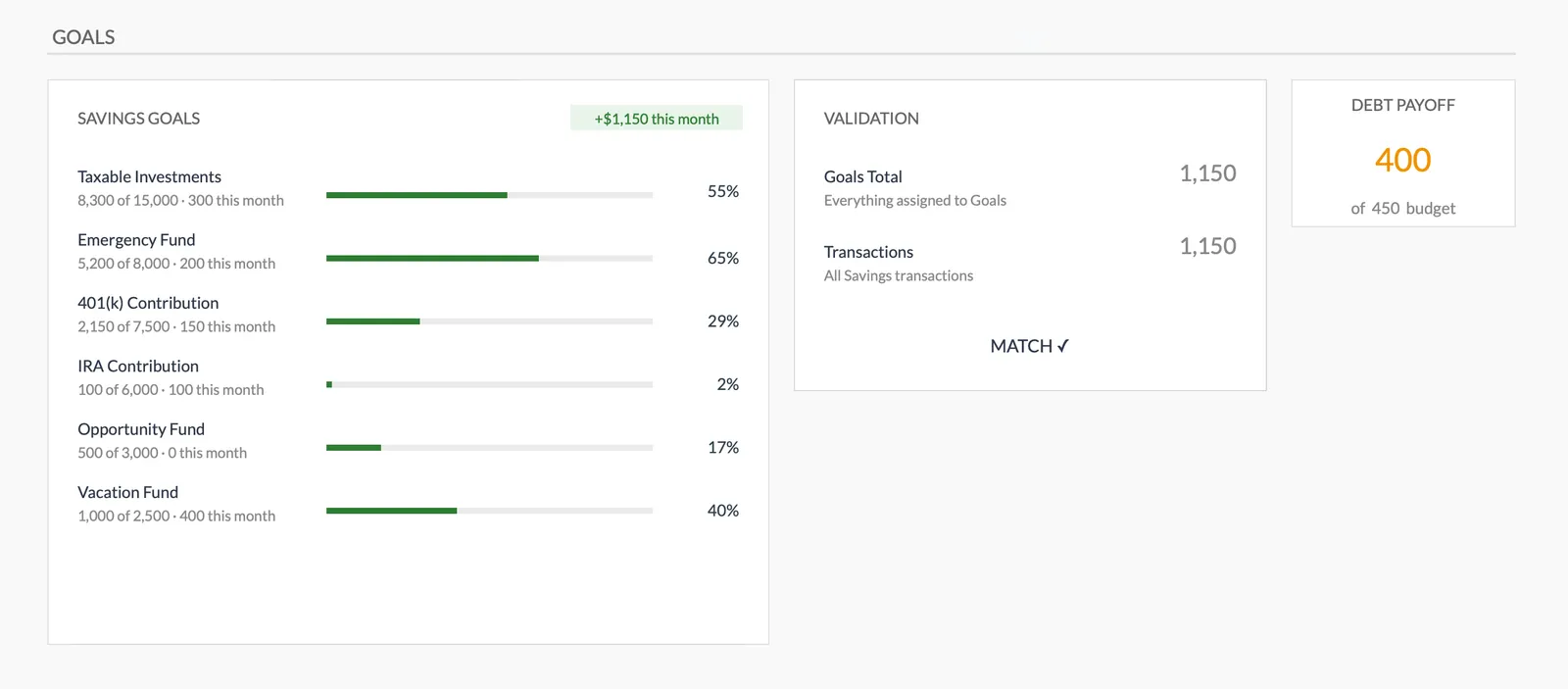
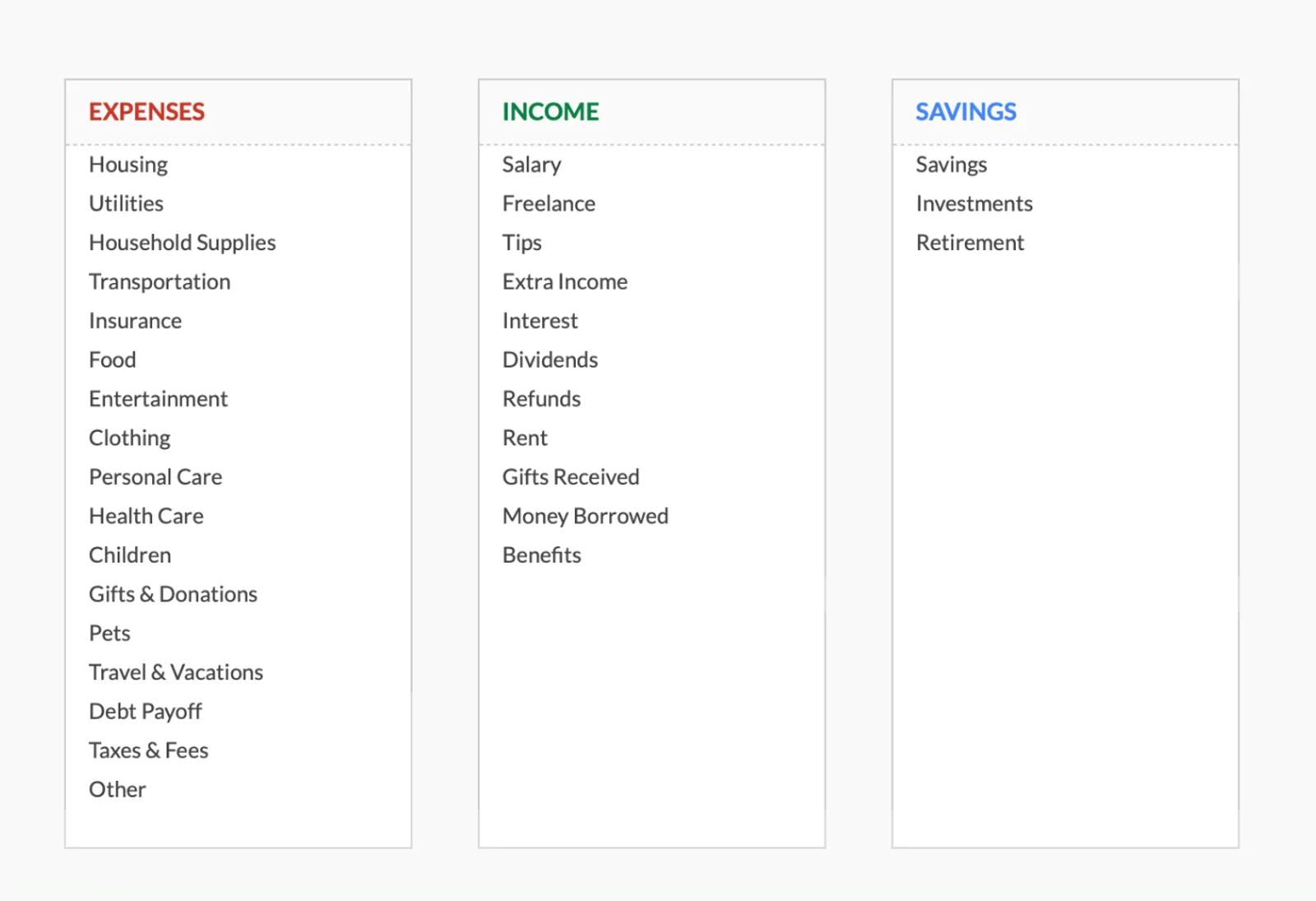
Dashboard with income, expenses, and savings at a glance
Log transactions with automatic categorization
Set targets per category and track actual spending
Visual breakdown of where your money goes
Track savings goals alongside your budget
Monitor progress toward financial goals
Fully customizable expense, income, and savings categories
Getting Started
Start Budgeting Your Photography Income
Estimate your annual photography income
Review last year's bookings or project your upcoming season. Divide by 12 for a monthly baseline, knowing actuals will vary.
Log income when payments arrive
Enter deposits and final payments in the month received. Do not count booked-but-unpaid work as income.
Track all business expenses
Log gear purchases, software, marketing, travel to shoots, and subcontractor costs in dedicated categories.
Set aside taxes from every payment
Before budgeting personal spending, reserve your tax percentage. The template tracks the growing reserve.
Build a seasonal reserve during peak months
Save surplus income from busy months to fund slow months. The template makes the reserve balance visible.
Common Questions
Monthly Budget for Photographers - FAQ
How do I handle the slow season financially?
Budget for it during the busy season. If October through May brings 80% of your annual income, the surplus from those months funds the lean summer months. Tracking this monthly makes the reserve visible.
Should I budget for gear upgrades?
Yes. Adding a monthly gear fund category - even $100-$200 per month - means major purchases come from accumulated savings rather than creating a cash flow crisis.
How do I handle retainer or package pricing?
Enter payments in the month they arrive. If a package includes a deposit and final payment, each goes in its respective month.
What about second shooter or assistant costs?
Add these as a business expense category. Track them per event or monthly, whichever gives you more useful information.
Can I track both wedding and portrait income?
Yes. Create separate income lines for different photography services. Seeing revenue by type helps identify which services drive your business.
How much should I set aside for taxes?
Self-employment tax is 15.3% plus your income tax rate. Most photographers set aside 25-35% of net income. The template tracks your running tax reserve total.
How do I budget for equipment depreciation?
Estimate the replacement cost and lifespan of each major piece of gear. A $3,000 camera body replaced every 3-4 years means setting aside roughly $75-$85 per month. The template can track this as a recurring savings category so replacement purchases come from accumulated funds rather than creating a cash flow crisis.
How do I calculate my per-shoot profitability?
Subtract all costs tied to a shoot - second shooter fees, travel, meals, editing time, gallery hosting, and a proportional share of gear wear - from the total payment received. Tracking these costs per booking over several months reveals which session types generate the strongest margins.
Can't find the answer you're looking for? Contact our team
Start budgeting as a photographer
One-time purchase. No subscription. Your financial data stays in your Google Drive.