Monthly Budget Template
Monthly Budget Template for New Parents
Track the real cost of a new baby alongside shifting income, new insurance costs, and adjusted savings priorities in one clear spreadsheet.
In Depth
The Budget That Grows With Your Family
Nothing rewrites a household budget quite like a new baby. The financial impact starts before the birth - prenatal appointments, nursery furniture, a car seat - and accelerates rapidly once the baby arrives. What makes this transition particularly disorienting is that it happens alongside a potential drop in income during parental leave, creating pressure from both sides of the equation simultaneously.
The spending patterns of new parents shift in ways that are hard to predict in advance. Dining out often drops, but delivery orders and convenience groceries tend to spike. Entertainment spending changes entirely. Some costs that seemed essential before - a gym membership, a commuting pass - may become irrelevant for months. Meanwhile, new categories appear that never existed: diapers, formula, pediatric copays, and eventually childcare.
Childcare is often the single largest new expense, and its impact on the household budget can be staggering. In many areas, infant care costs more than rent. Some families find that one parent staying home is actually the more economical choice once childcare, commuting, and work-related expenses are subtracted from the second income.
The first year with a new baby is a year of constant adjustment. What works in month two may not work in month six as needs evolve. Tracking actual spending during this period - rather than guessing - provides the real data needed to find a sustainable pattern for the family.
The Challenge
Why New Parents Need to Rethink Their Budget
A baby changes everything about your finances - often before the birth itself. Income may drop during leave, expenses jump immediately, and financial priorities shift overnight.
Income often drops during parental leave
Paid leave covers a fraction of normal income for many families, and some parents have no paid leave at all. The budget needs to absorb this temporary income reduction while expenses are simultaneously increasing.
Baby expenses add up faster than expected
Diapers, formula, pediatrician copays, daycare deposits - the costs start before the baby arrives and accelerate quickly. Many parents underestimate monthly baby expenses by $500 or more because the costs are spread across many small purchases.
Insurance and benefits change significantly
Adding a dependent to health insurance often increases premiums substantially. New parents also need to consider life insurance and updating beneficiaries - costs that were not on the radar before.
Previous spending patterns no longer apply
Dining out drops, delivery orders increase. Commuting costs change. Entertainment spending shifts entirely. The budget categories that worked as a couple or individual no longer reflect reality.
Ready to take control of your new parent finances?
What You Get
Features That Fit a New Parent Budget
Income tracking for changing pay
Handle reduced income during leave, then transition back to full pay. Track both partners' income side by side.
Baby expense categories
Pre-built categories for childcare, diapers, formula, medical visits, gear, and clothing. See baby-specific costs separately from household expenses.
Family spending plan vs. reality
Set targets for the new family budget and compare against actual spending. The first few months will need adjustment - the template makes that easy.
Savings goal adjustment
Track updated savings goals including an expanded emergency fund, college savings, or life insurance premiums.
Family finances at a glance
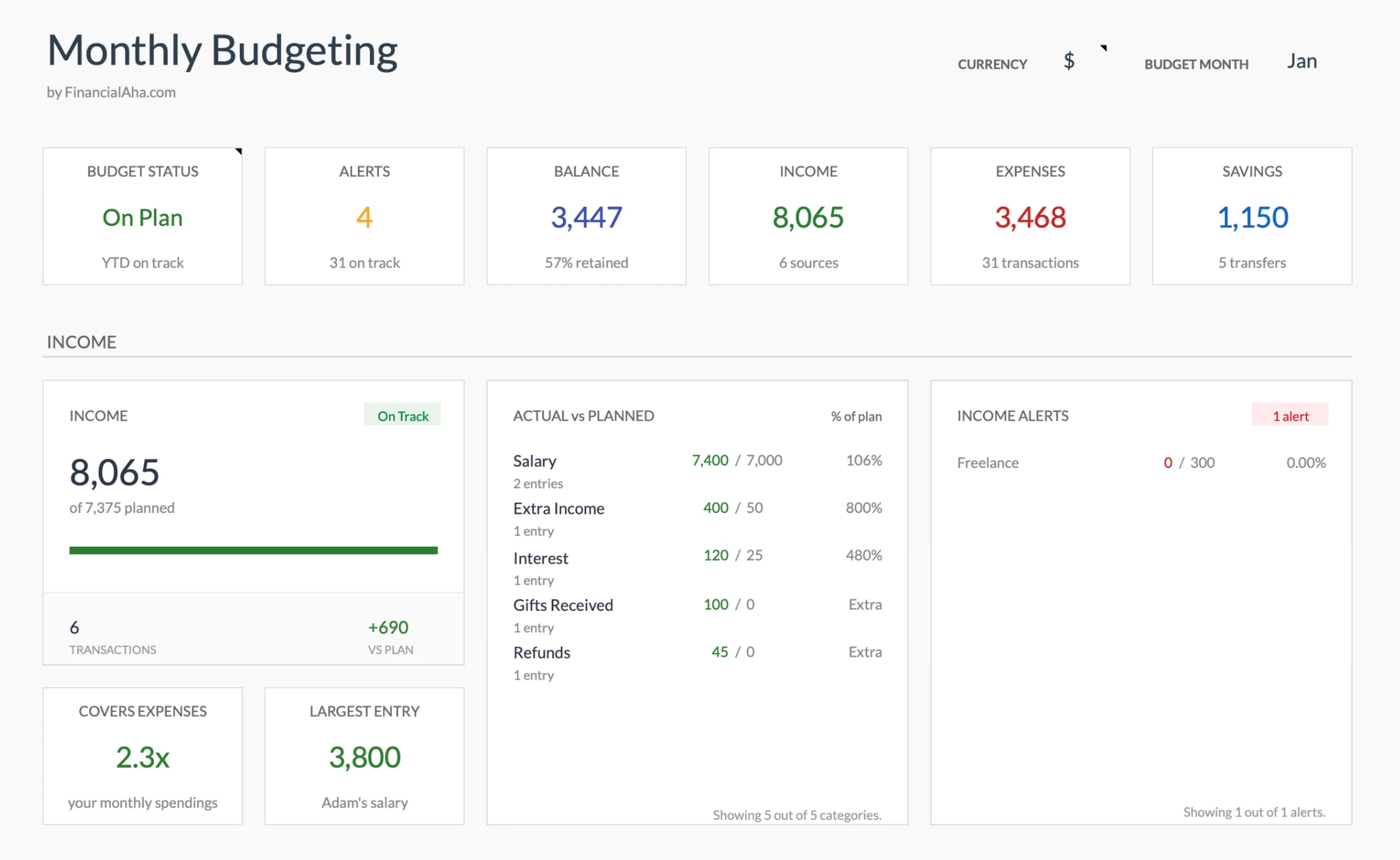
See household income, total expenses, baby-specific costs, and remaining balance in one view.
Categories built for growing families
Every family is different. Add or remove categories to match your situation - whether that includes a nanny, cloth diaper service, or specialty formula.
See It In Action
What the template looks like
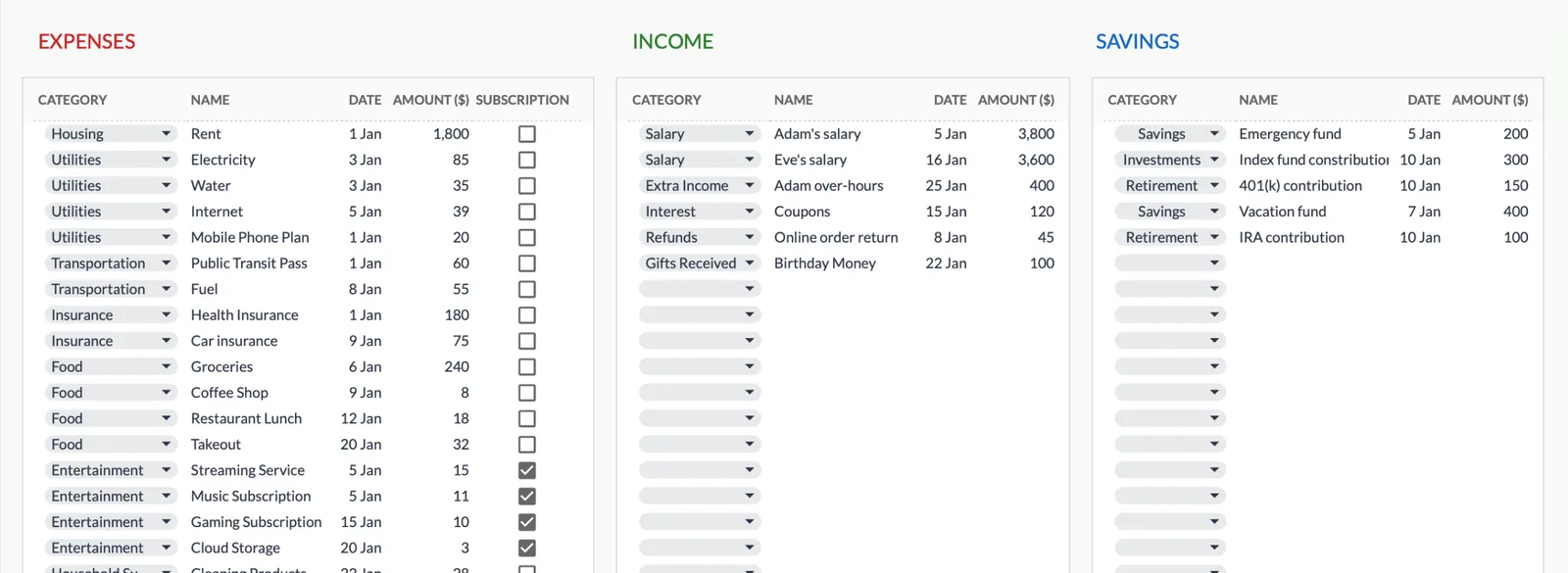
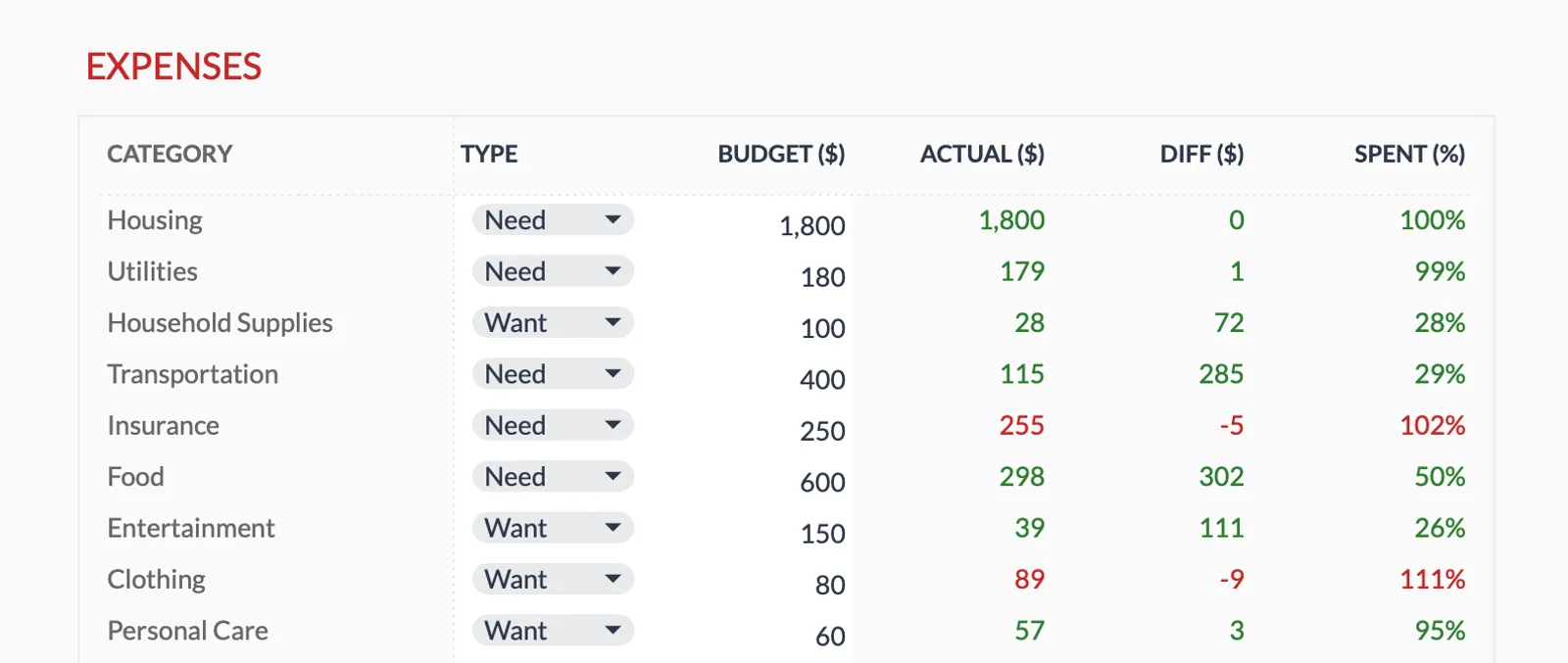
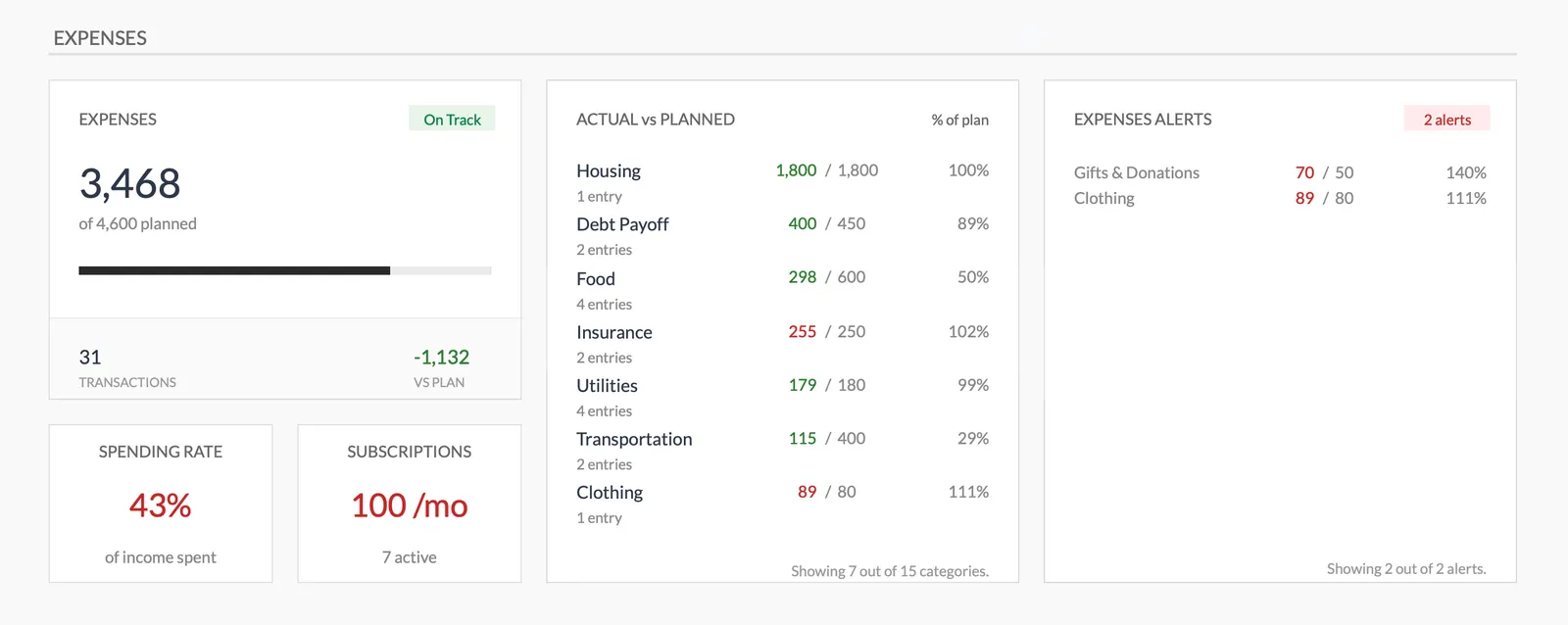
Browse through the template to see how it handles income tracking, expense budgets, savings goals, and spending analysis.
- Dashboard with key metrics at a glance
- Transaction logging with categories
- Budget vs actual comparison
- Visual charts and breakdowns
- Fully customizable categories

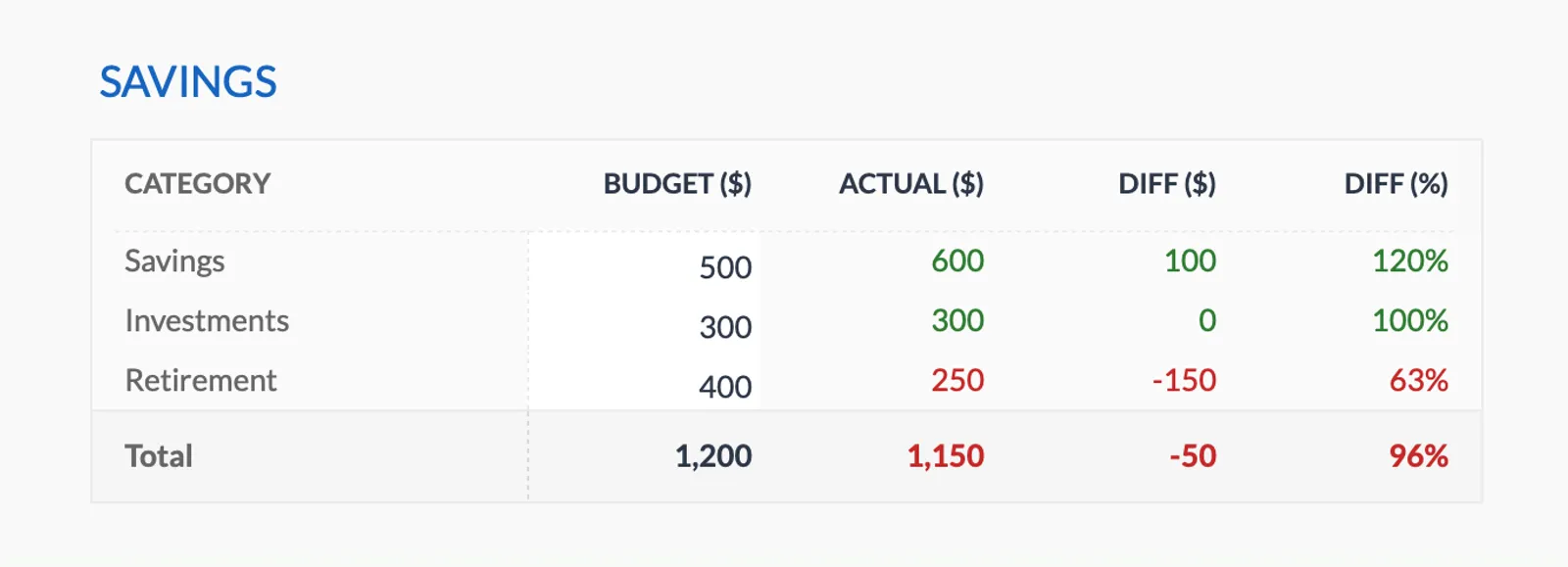
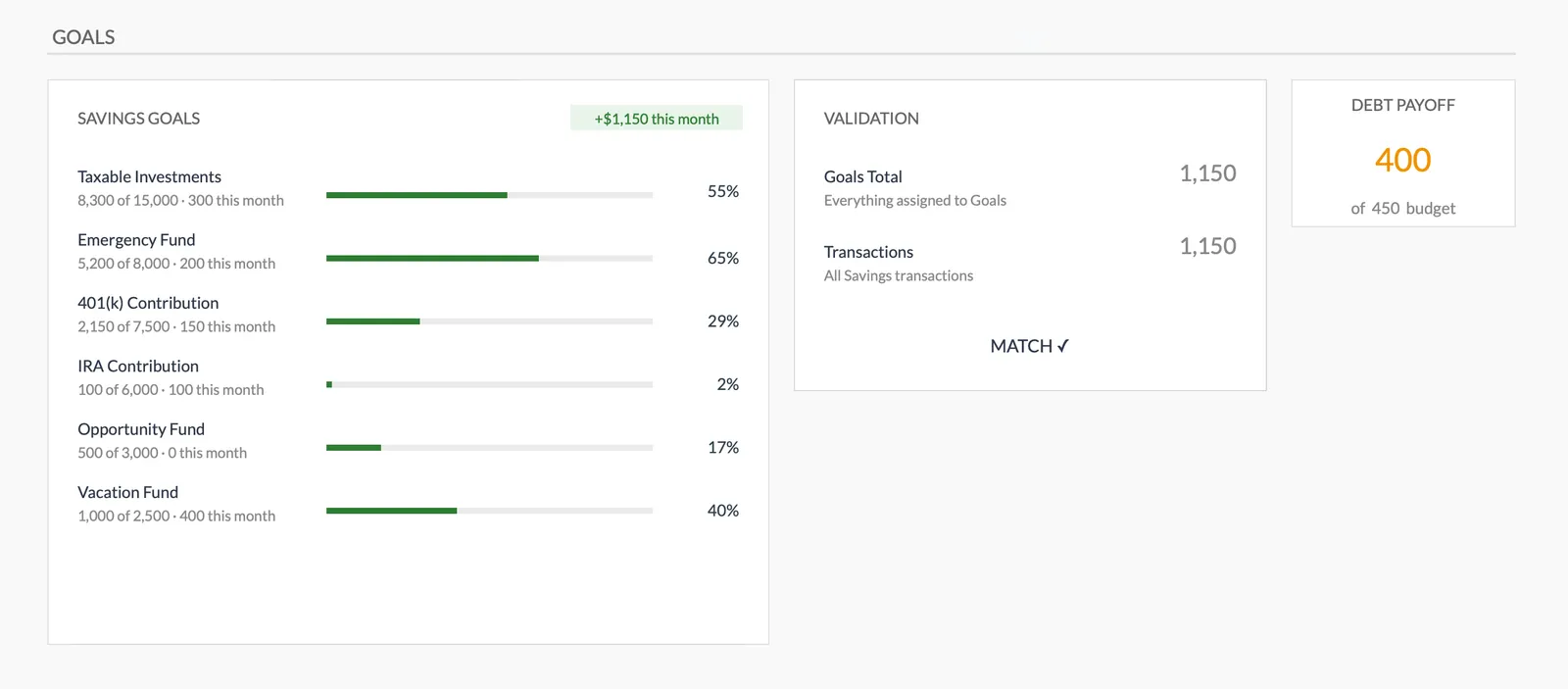
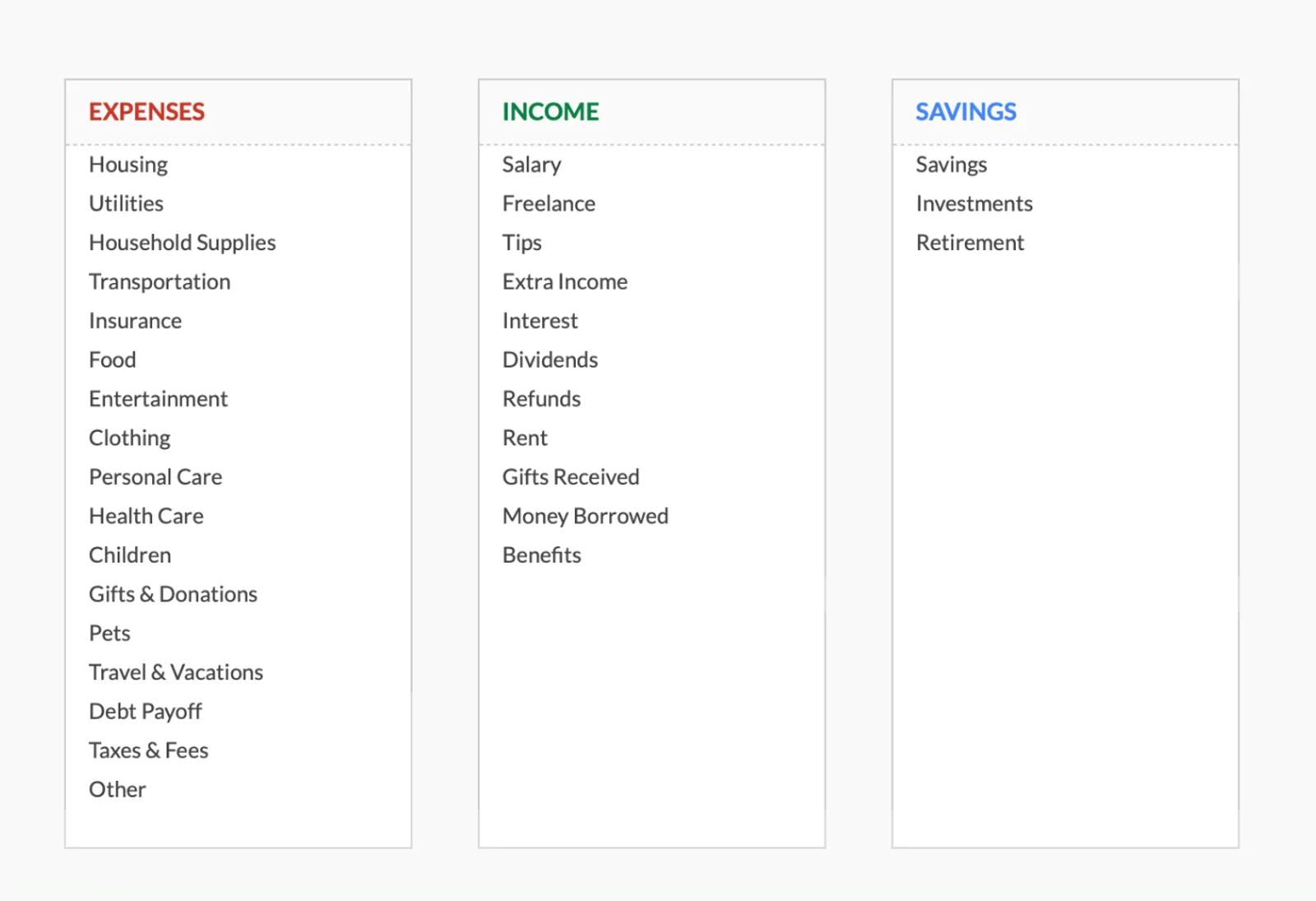
Dashboard with income, expenses, and savings at a glance
Log transactions with automatic categorization
Set targets per category and track actual spending
Visual breakdown of where your money goes
Track savings goals alongside your budget
Monitor progress toward financial goals
Fully customizable expense, income, and savings categories
Getting Started
Starting Your New Parent Budget
Enter current household income
Include regular pay, leave pay, partner income, and any other sources. Update this when leave status changes.
Add baby-specific expense categories
Use the pre-built baby categories and customize them for your family. Estimate costs for the first month and refine from there.
Adjust existing category targets
Reduce targets for categories that will naturally decrease (dining out, entertainment) and increase others (groceries, utilities).
Set updated savings goals
Decide on a realistic savings target given the new expenses. Even a reduced amount keeps the habit alive.
Review and adjust monthly
Baby costs change rapidly as needs evolve. Review the budget at month end and update targets based on what you have learned.
Common Questions
Monthly Budget for New Parents - FAQ
When is the right time to start this budget?
Starting before the baby arrives gives you time to establish categories and set targets based on estimated costs. Many parents begin during the second trimester when expenses start picking up.
How much do baby expenses typically cost per month?
Estimates vary widely, but $1,000 to $1,500 per month is common for the first year when including childcare. Without childcare, $300 to $500 per month covers basics. The template helps you track your actual number.
Can this handle one parent staying home?
Yes. Adjust the income section to reflect one salary and rebuild the expense targets around that amount. The template works for any household income configuration.
What about tracking gifts and hand-me-downs?
You can note gifted items to understand the true cost picture, or simply leave them out since they did not cost anything. The template is flexible - use it however is most useful.
How does this differ from the couples budget template?
The couples template focuses on managing two incomes and shared expenses. This version adds baby-specific categories and accounts for the income disruption that parental leave creates.
Can I plan ahead for childcare costs?
Add childcare as a future expense category with estimated costs. When care begins, replace the estimate with actuals. This helps you see the impact before it hits your budget.
Can't find the answer you're looking for? Contact our team
Start budgeting as a new parent
One-time purchase. No subscription. Your financial data stays in your Google Drive.