Monthly Budget Template
Monthly Budget Template for FIRE Seekers
Track your savings rate, investment contributions, and monthly spending with the precision that early retirement goals demand.
In Depth
The Savings Rate That Buys Your Freedom
For people pursuing financial independence and early retirement, the monthly budget is not just a household management tool - it is the primary lever controlling when they can stop working. The relationship between spending and the FIRE timeline is mathematical and direct. Every dollar of monthly spending requires roughly $300 in invested assets to sustain indefinitely under the 4% rule. This makes each budget line item a measurable trade-off between present spending and future freedom.
The savings rate occupies a central position in FIRE planning that it does not hold in conventional budgeting. While a typical budget focuses on not overspending, a FIRE budget focuses on maximizing the gap between income and expenses. Some practitioners track their savings rate with the same attention a dieter gives to calorie counts - not out of deprivation, but because the number directly predicts the outcome they care about most.
Spending awareness at this level often reveals a distinction between expenses that genuinely improve quality of life and those that persist out of habit or social expectation. Many FIRE seekers report that the tracking itself - not the cutting - is what changes their relationship with spending. Seeing that a $150 monthly subscription translates to needing an additional $45,000 in retirement savings reframes the decision entirely.
The challenge of FIRE budgeting is sustainability. An overly aggressive savings rate that leads to burnout defeats the purpose. Some people find that building in deliberate spending-with-intention categories - travel, hobbies, experiences - keeps the plan livable over the years it takes to reach the target number. The goal is a budget that can be maintained for a decade, not just a month.
The Challenge
Why the FIRE Path Demands Detailed Budgeting
Financial Independence, Retire Early is a math problem. The variables are income, spending, savings rate, and time. A budget that tracks the first three with precision directly controls the fourth.
Savings rate is the most important number
A 50% savings rate means reaching FIRE in roughly 17 years. A 60% rate cuts it to about 12 years. The difference between these two rates might be $500 per month - and a budget is how you find and protect that $500.
Small expenses compound into big delays
An extra $200 per month in spending does not just cost $2,400 per year. It also raises the portfolio size needed for retirement by roughly $72,000 at the 4% rule. Every expense has a hidden cost measured in working years.
Investment contributions need consistency
Automated investing works when there is always enough in the account to fund it. A budget that accounts for every dollar ensures investment contributions happen reliably rather than being raided when other spending overflows.
Lean spending needs ongoing measurement
Knowing your actual annual spending is essential for calculating your FIRE number. A monthly budget that tracks real expenses gives you this number with precision rather than estimation.
Ready to take control of your fire seeker finances?
What You Get
Budget Features for the FIRE Journey
Income and savings rate tracking
See your savings rate calculated automatically each month. Track how much of your income goes to investments versus expenses.
Investment contribution tracking
Track contributions to 401(k), IRA, taxable brokerage, and other accounts. See your total monthly investment amount at a glance.
Lean expense categories
Categories built around FIRE-minded spending. Separate true necessities from optimization opportunities.
FIRE targets measured against real spending
Set aggressive targets and see exactly how actual spending compares. Identify where spending creeps above plan.
Monthly summary with savings rate
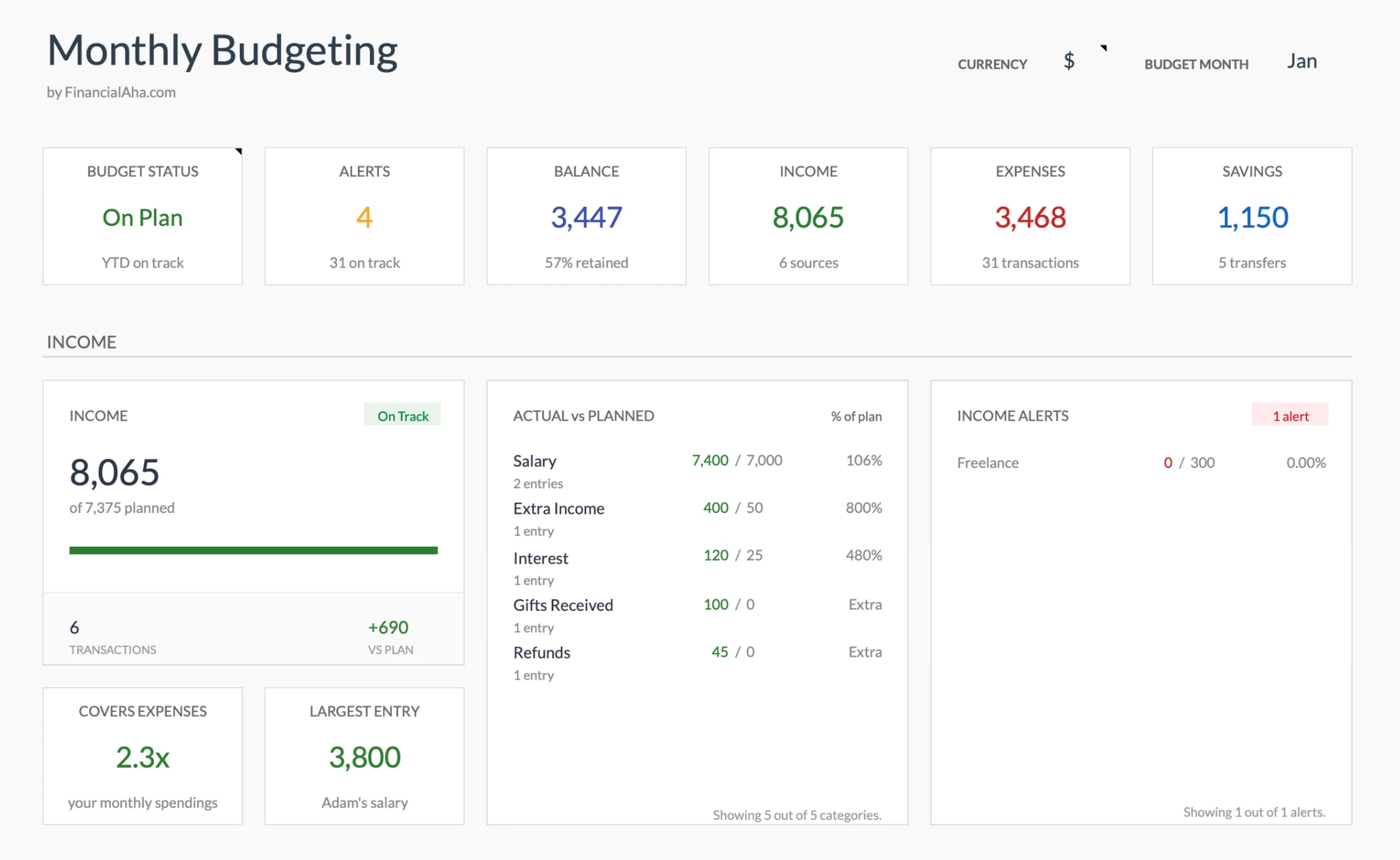
Income, expenses, savings, and savings rate on one screen. The single most important metric is front and center.
Categories that match your FIRE path
Adapt the template to your FIRE approach - lean, fat, barista, or coast. Different approaches have different spending profiles.
See It In Action
What the template looks like
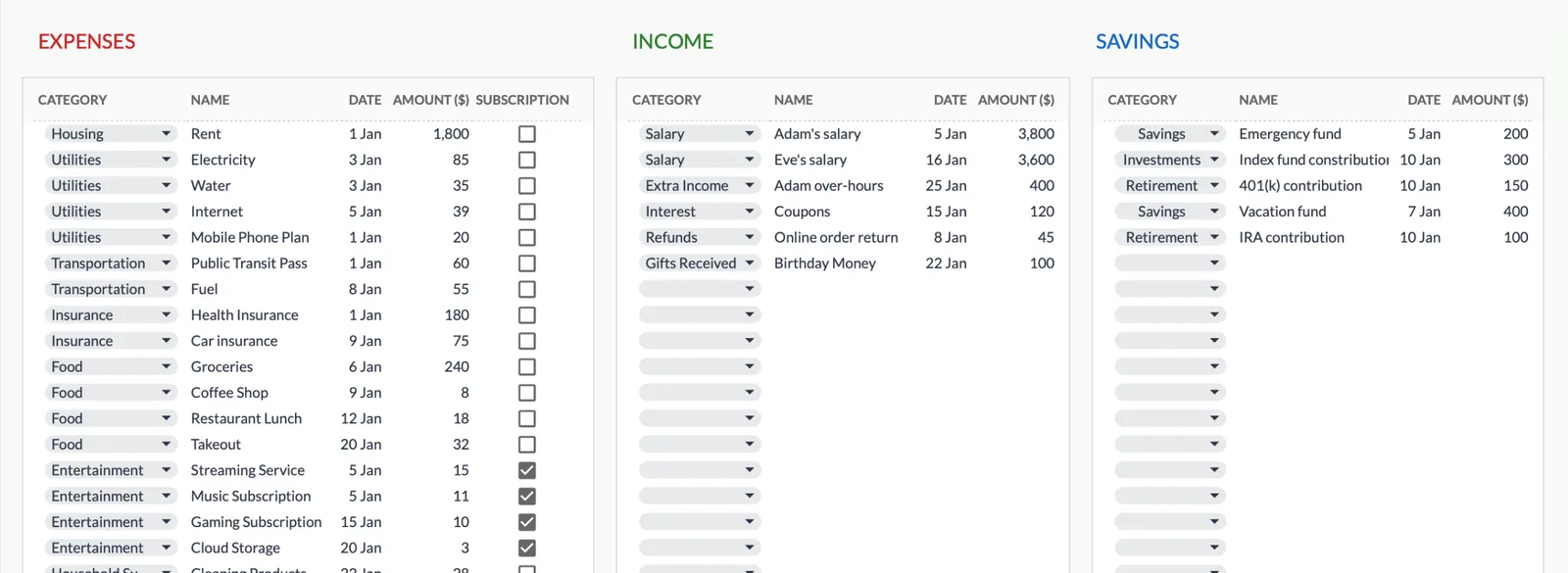
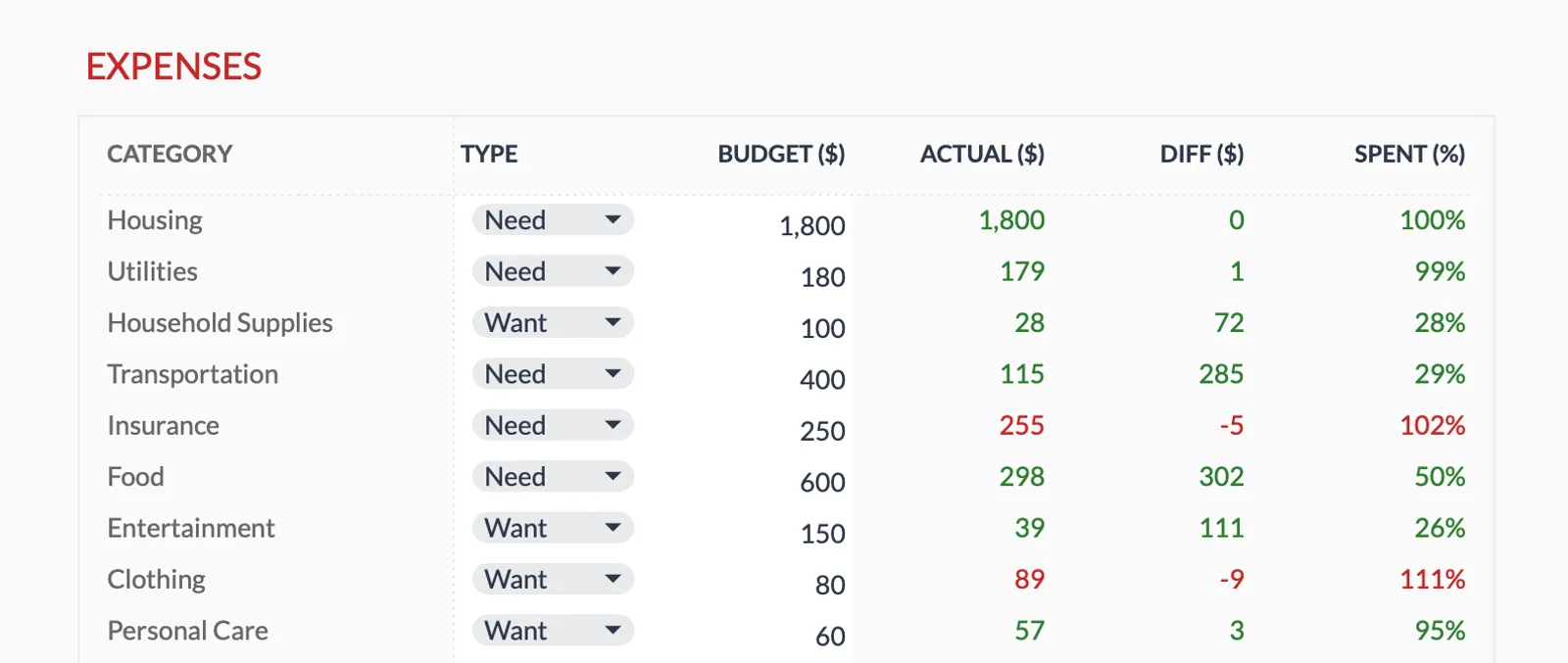
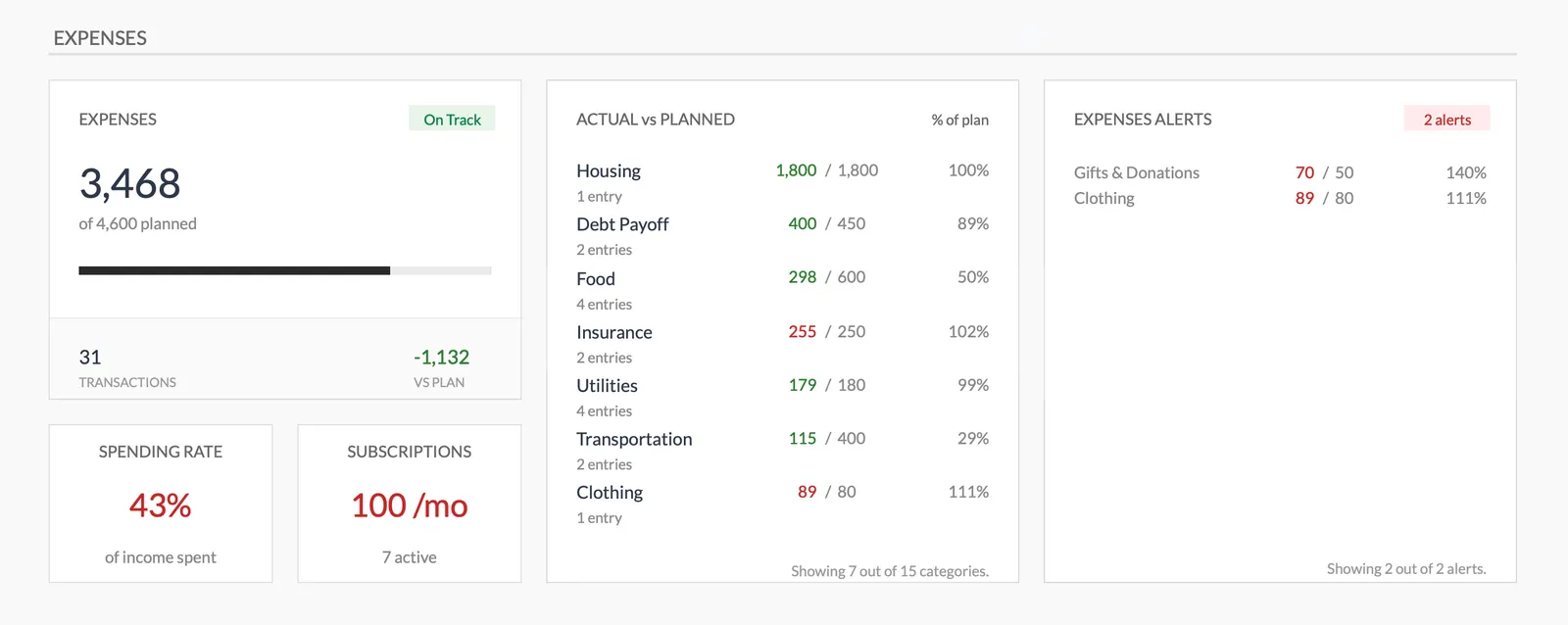
Browse through the template to see how it handles income tracking, expense budgets, savings goals, and spending analysis.
- Dashboard with key metrics at a glance
- Transaction logging with categories
- Budget vs actual comparison
- Visual charts and breakdowns
- Fully customizable categories

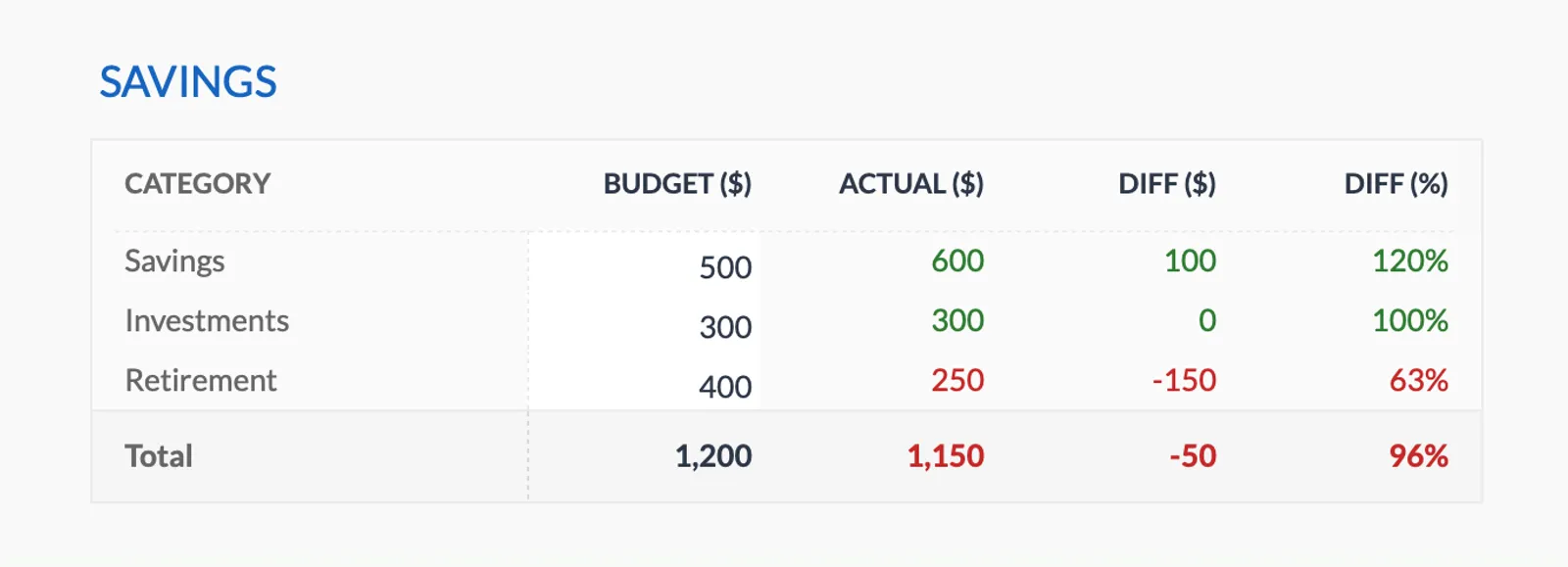
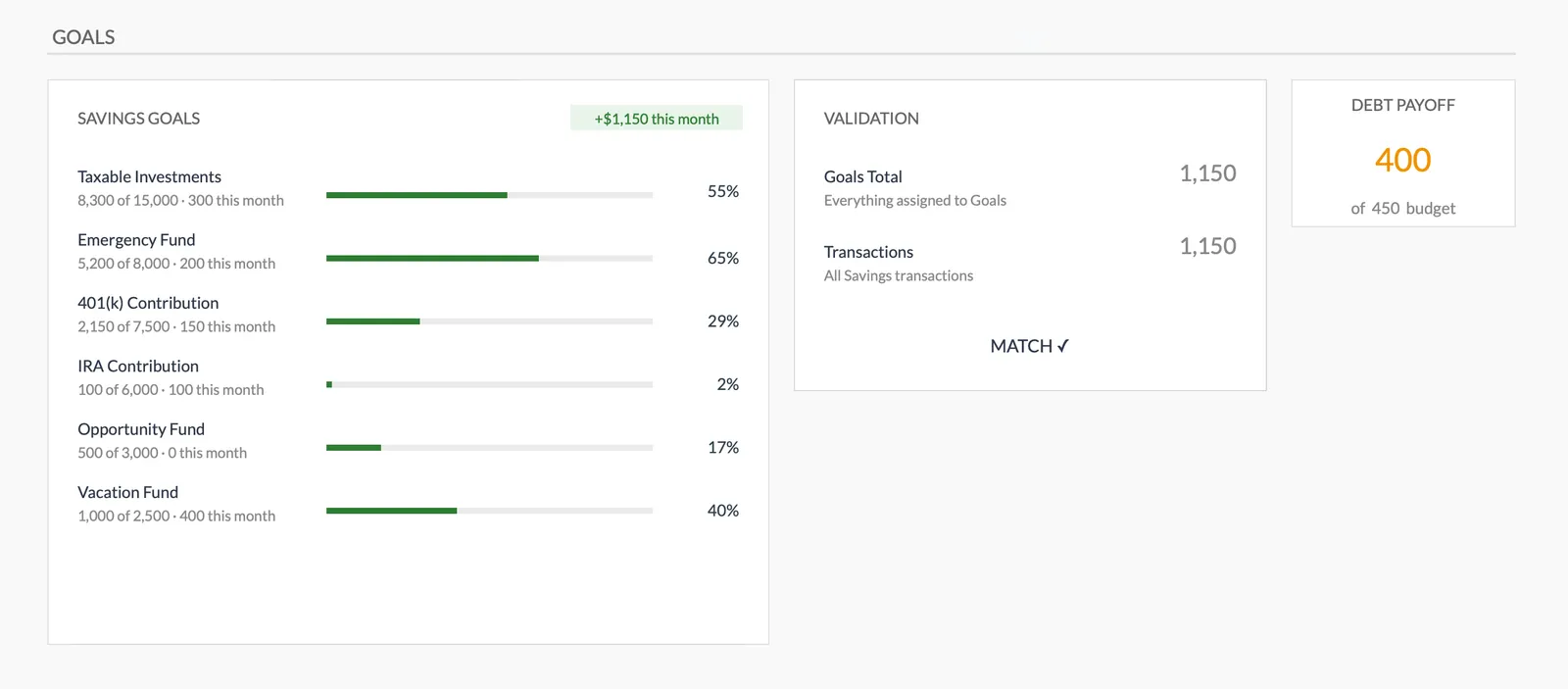
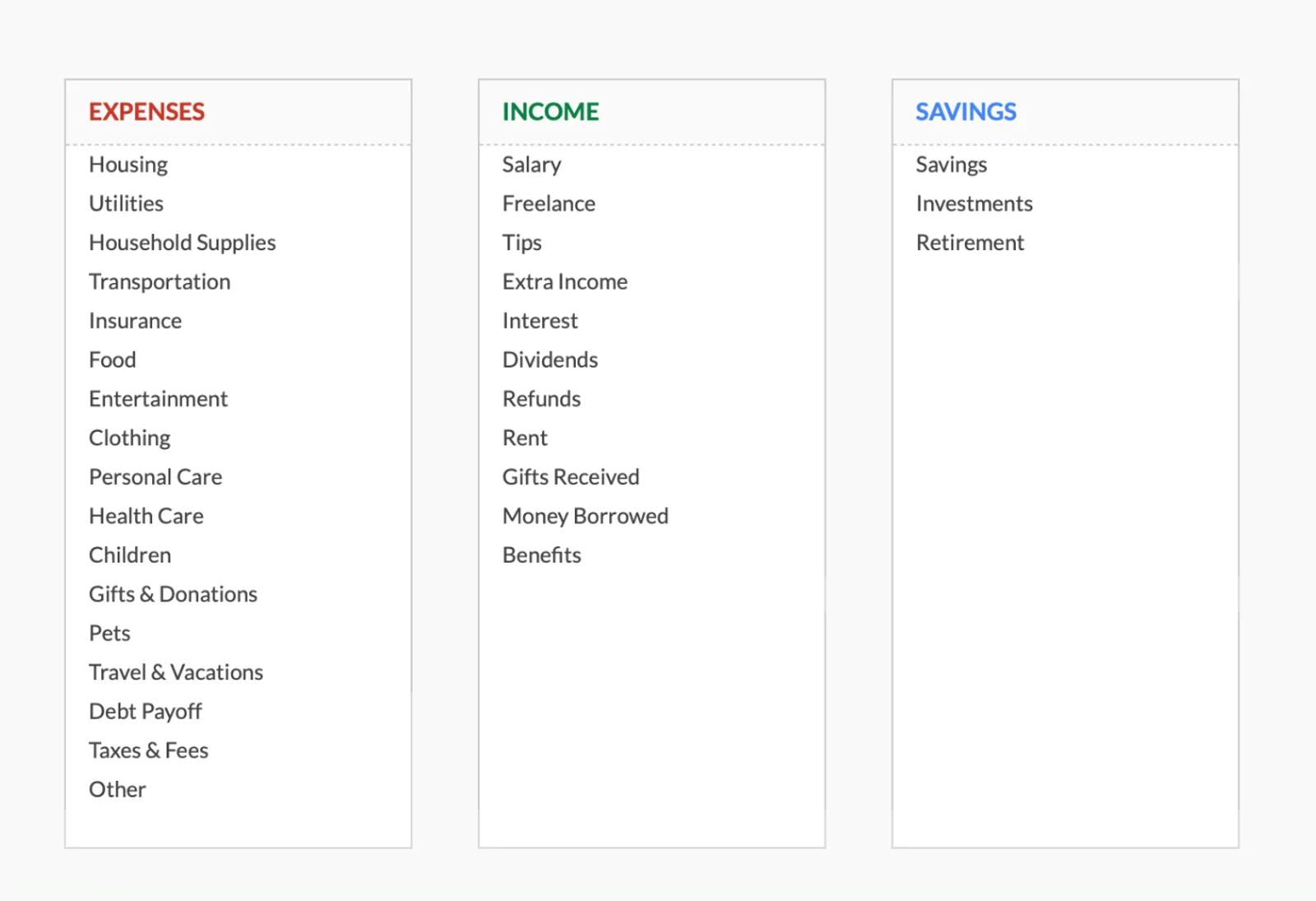
Dashboard with income, expenses, and savings at a glance
Log transactions with automatic categorization
Set targets per category and track actual spending
Visual breakdown of where your money goes
Track savings goals alongside your budget
Monitor progress toward financial goals
Fully customizable expense, income, and savings categories
Getting Started
Setting Up Your FIRE Budget
Enter your income
Add all income sources. Include side hustle income if applicable - extra income that goes straight to investments accelerates the timeline.
Set investment contribution targets
Decide how much goes to each investment account. These are your highest-priority "expenses" in a FIRE budget.
Budget remaining income to expenses
What is left after investments gets allocated to living expenses. This inverted approach puts saving first.
Track every expense
FIRE budgeting rewards precision. Log every purchase to maintain an accurate picture of your spending.
Monitor your savings rate monthly
The template calculates this automatically. Watch for trends - a declining rate signals spending creep that needs attention.
Common Questions
Monthly Budget for FIRE Seekers - FAQ
What savings rate do most FIRE seekers target?
Common targets range from 50% to 70% of gross income. The higher the rate, the shorter the path to financial independence. The template shows your actual rate so you can measure progress against your target.
How does this help calculate my FIRE number?
The template tracks your actual monthly spending. Multiply your annual spending by 25 (based on the 4% rule) for a rough FIRE number. More precise calculations require additional factors, but tracked spending is the foundation.
Can I track both pre-tax and post-tax savings?
Yes. Add separate lines for 401(k) contributions, IRA deposits, and taxable account investments. The template totals them all for your combined savings rate.
What if my partner is not on the FIRE path?
The template can track your individual savings rate or household combined. Use whichever view is more useful for your situation.
How do I handle irregular income from side hustles?
Enter actual amounts each month. Variable income is common in FIRE journeys. The savings rate will fluctuate month to month - the annual average matters more.
Is this useful once I have reached FIRE?
Post-FIRE, the template shifts to tracking withdrawal rates and spending against portfolio income. The same expense tracking keeps your spending in check during the drawdown phase.
Can't find the answer you're looking for? Contact our team
Start budgeting as a fire seeker
One-time purchase. No subscription. Your financial data stays in your Google Drive.