Budget Guide
How to Budget for a First Apartment
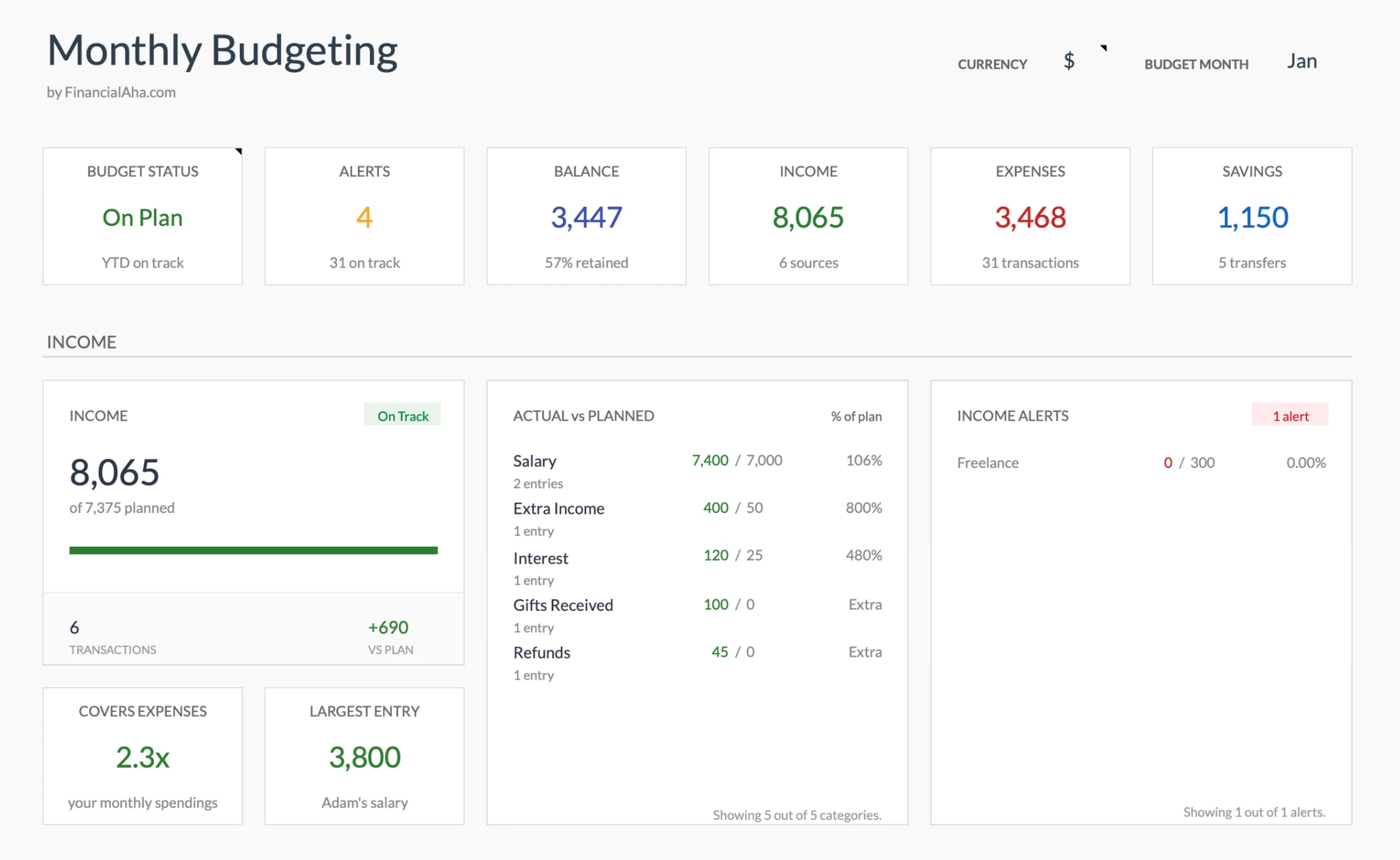
First apartment costs often total $3,000-$5,000 before you even move in - between security deposit, first/last month rent, renter's insurance, basic furniture, and kitchen essentials. A budget that covers both the upfront costs and ongoing monthly expenses prevents the common first-month cash crunch.
In Depth
Your First Budget Sets the Foundation
Moving into a first apartment is, for many people, the moment when personal finance becomes real. Living at home or in a dorm typically shields people from the full weight of housing costs, utility bills, grocery shopping, and household maintenance. The transition to independent living introduces all of these at once, and the cumulative cost often exceeds what first-time renters expect. A budget that accounts for every category - not just rent - prevents the common first-month shock.
The 30% rent guideline is widely cited but sometimes misleading for first-time renters in high-cost areas. In cities where rent consumes 40% or more of take-home pay, the remaining 60% needs to stretch further across every other category. This makes budgeting the non-rent expenses even more important. Tracking utilities, groceries, transportation, and personal spending from the very first month establishes a realistic picture of total living costs and reveals where adjustments might be possible.
Furnishing a first apartment gradually rather than all at once is a strategy that reduces financial strain and often leads to more thoughtful purchases. The essentials - a bed, basic kitchen items, bathroom supplies - are genuinely necessary from day one. Everything else can be acquired over weeks or months as needs become clear. Many first-time renters discover that the furniture and household items they thought were essential turn out to be unnecessary, while things they did not anticipate become priorities after actually living in the space.
Cost Breakdown
First Apartment Cost Categories
First apartment costs include both upfront move-in expenses and ongoing monthly costs. Knowing both helps set a realistic budget before committing to a lease.
Security Deposit + First Month Rent
2-3 months rent upfrontThe largest upfront cost - some areas require first, last, and security
Monthly Rent
25-35% of take-home pay (guideline)The most common affordability guideline, though it varies by market
Utilities
$100-300/monthElectric, gas, water, internet, trash - check what is included in rent
Renter Insurance
$15-30/monthOften required by landlords and worth having regardless
Furniture & Basics
$1,000-5,000 one-timeCan be reduced significantly with secondhand and gradual purchases
Groceries & Household
$200-500/monthA new expense category for those moving from a family home
Budgeting Steps
Steps to Budget for Your First Apartment
Calculate your actual take-home pay
After taxes, insurance, and retirement contributions, take-home pay is typically 65-80% of the salary number. Building a budget based on the actual amount deposited each pay period prevents overcommitting to rent and expenses.
Apply the 50/30/20 rule as a starting point
Allocating roughly 50% of take-home pay to needs (rent, utilities, groceries), 30% to wants (entertainment, dining), and 20% to savings and debt gives a balanced framework. For a first apartment, rent alone may push needs above 50%, which means adjusting the other categories.
Research all costs before signing a lease
Beyond rent, check utility costs, parking fees, laundry costs, pet deposits, and what is actually included. Asking current tenants about typical utility bills provides more accurate numbers than landlord estimates.
Furnish gradually, not all at once
Starting with essentials (bed, basic kitchen items, bathroom necessities) and adding over time spreads the cost. Secondhand furniture from thrift stores, marketplace apps, and family works well for a first apartment. The pressure to have a fully furnished place immediately is mostly self-imposed.
Build an apartment emergency fund
Unexpected costs appear quickly - a plumbing issue, a broken appliance (if not covered by the landlord), or a sudden need for something forgotten. Having even $500-1,000 set aside for apartment surprises prevents these from disrupting the regular budget.
See The Template
Tools for first apartment budgeting
Browse the template features that help with first apartment financial planning.
- Automatic calculations
- Visual charts and summaries
- Customizable categories
- Works in Google Sheets and Excel

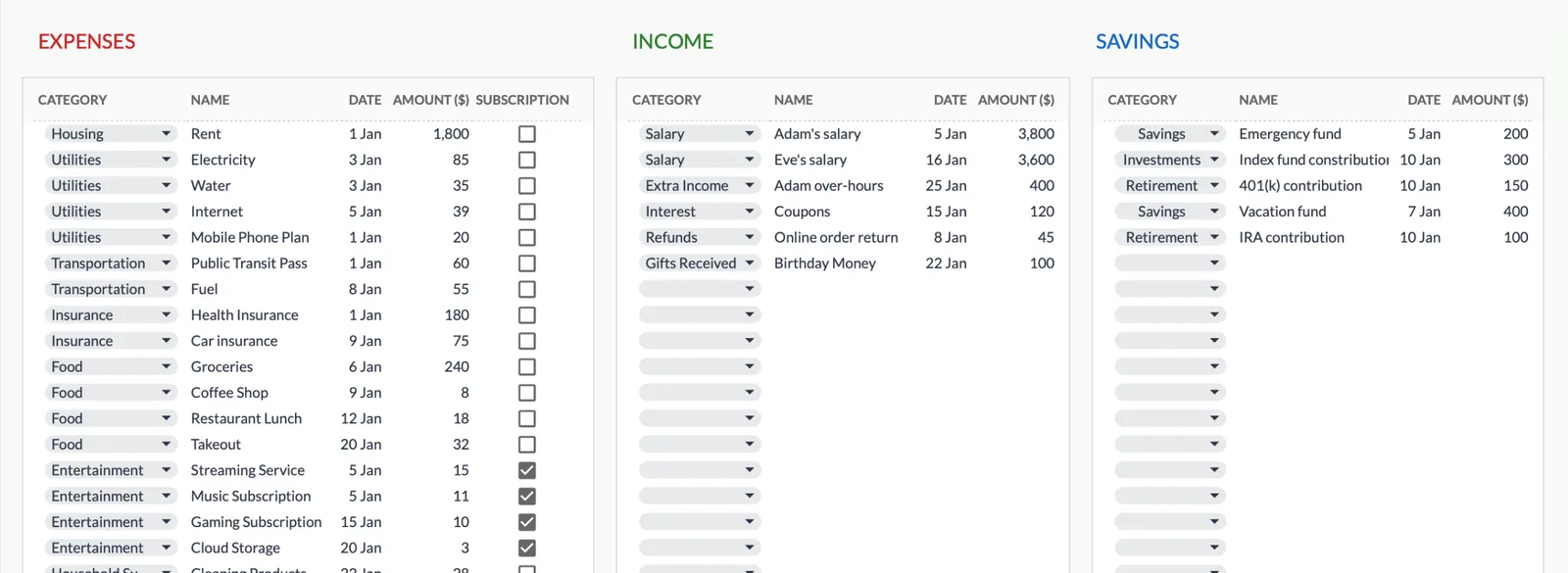
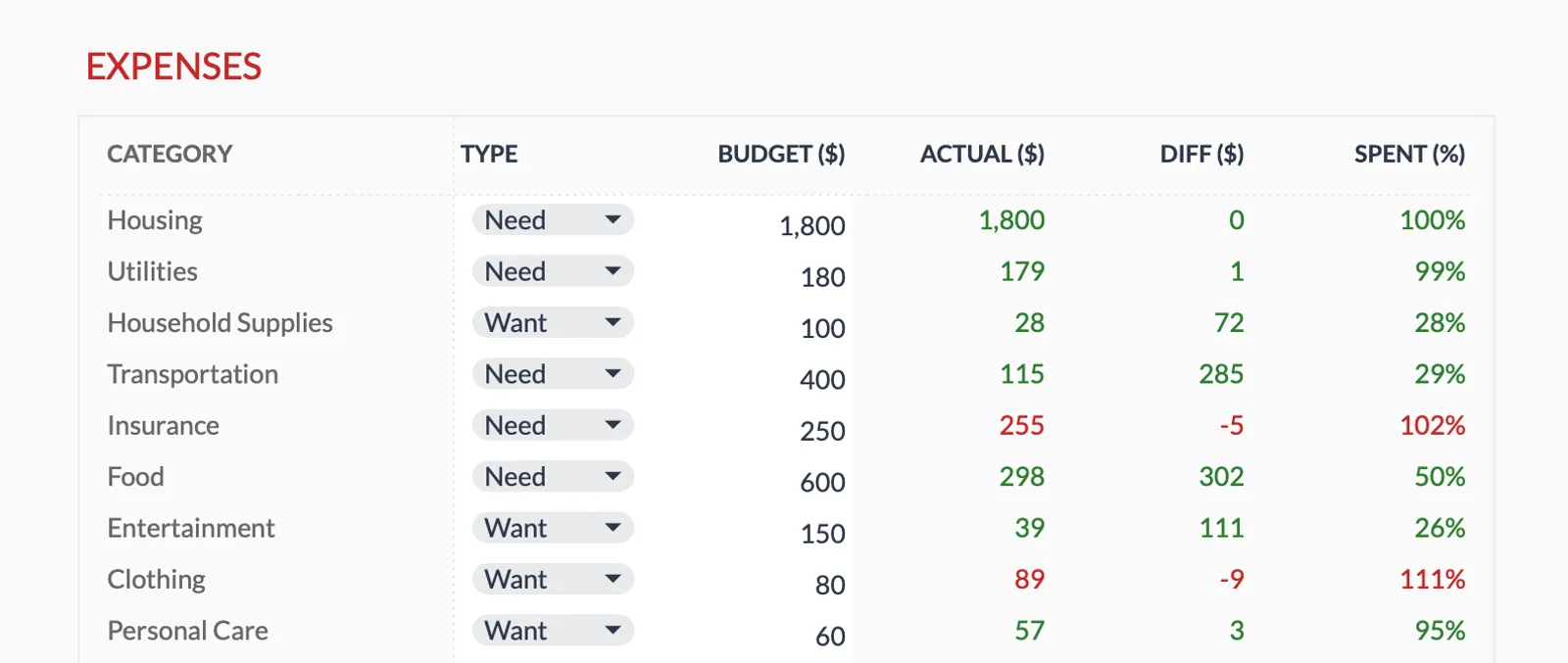
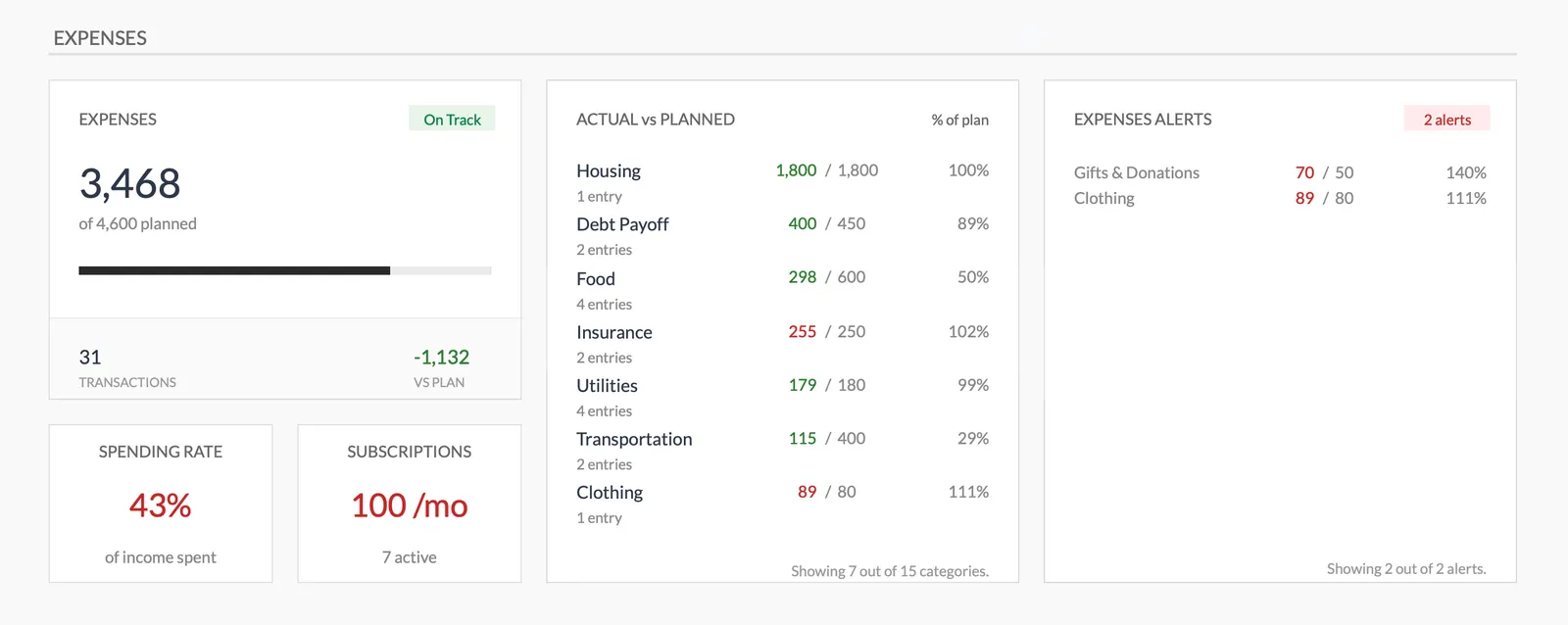
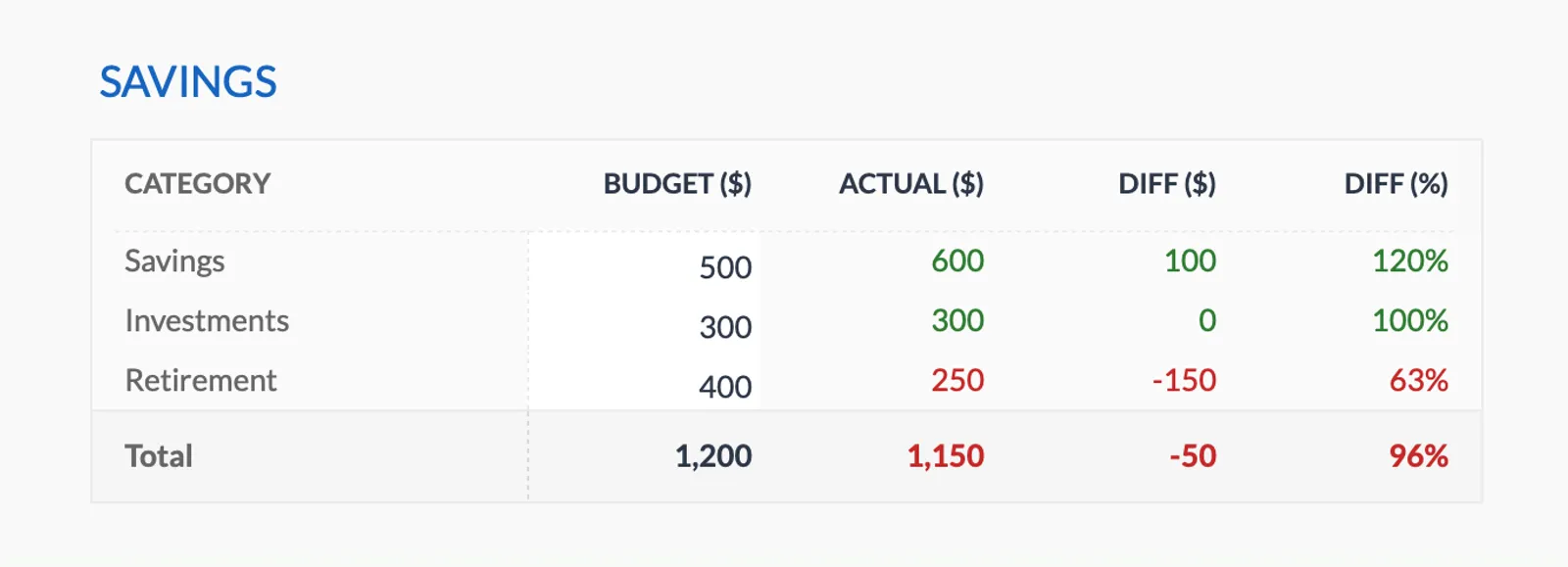
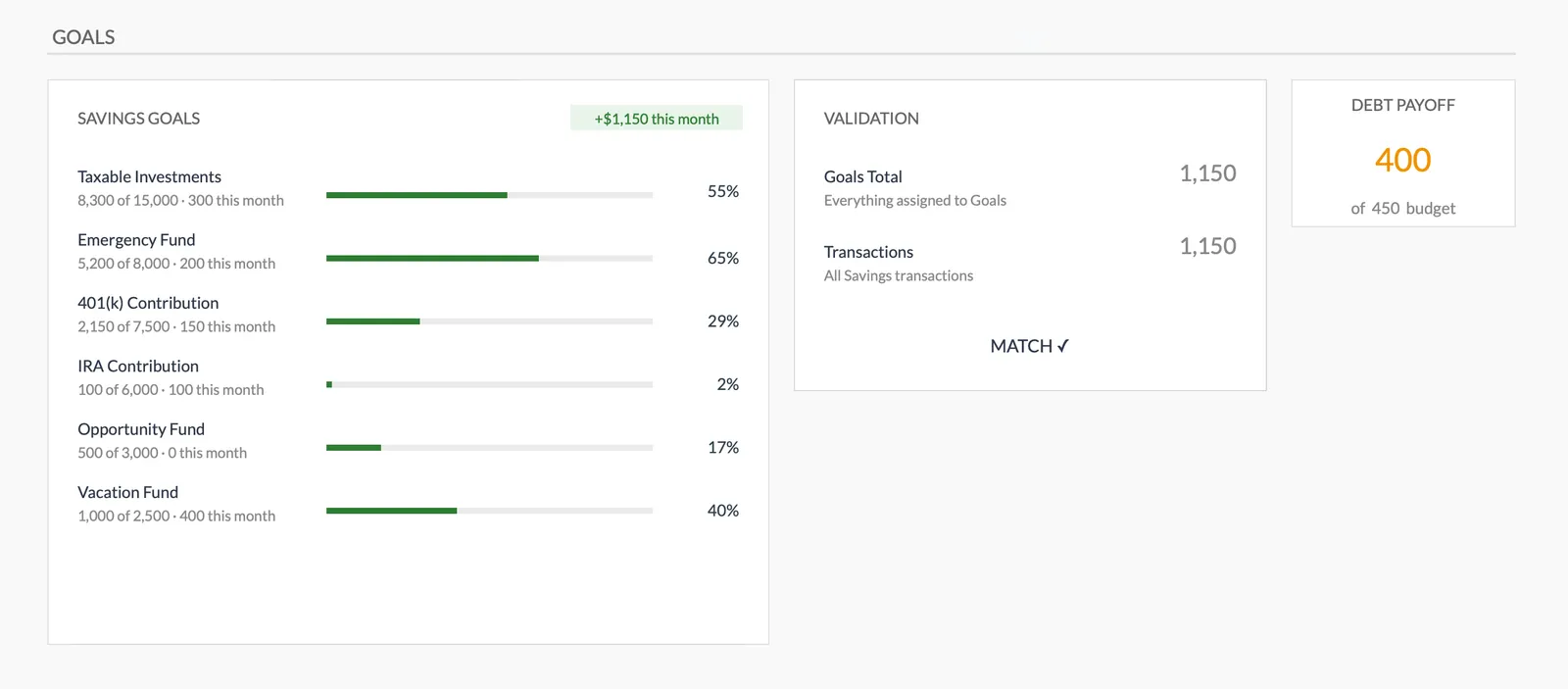
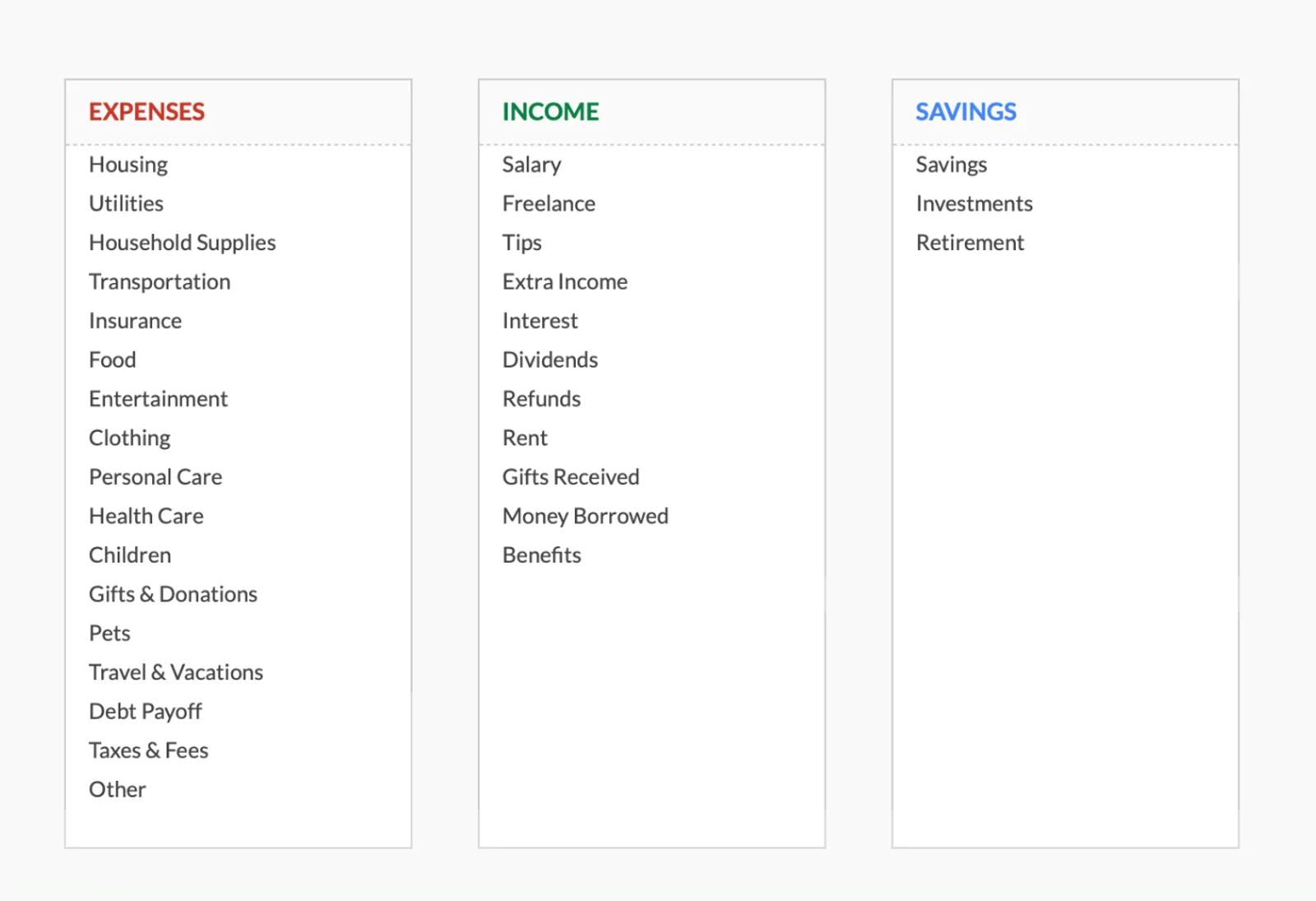
Dashboard with income, expenses, and savings at a glance
Log transactions with automatic categorization
Set targets per category and track actual spending
Visual breakdown of where your money goes
Track savings goals alongside your budget
Monitor progress toward financial goals
Fully customizable expense, income, and savings categories
Recommended Templates
Templates for First Apartment Budgeting
The ideal starting tool for managing apartment expenses. Set up categories for rent, utilities, groceries, and personal spending. See exactly where your money goes each month.
View templateA simpler option focused purely on tracking expenses. Log every purchase and see spending patterns without the complexity of full budget planning.
View template Save $24Get monthly budgeting, annual planning, and a travel planner together. As your financial life grows, having the tools already in place saves time.
Includes 3 templates
View bundleCommon Questions
First Apartment Budgeting FAQ
How much rent can someone afford?
The most common guideline is spending no more than 30% of gross income or 25-35% of take-home pay on rent. In high-cost areas, this guideline is often stretched. The key is ensuring enough remains for all other expenses, savings, and some flexibility.
What first apartment costs are most commonly forgotten?
Cleaning supplies, basic tools, kitchen staples (spices, oil, condiments), trash cans, hangers, shower curtain, light bulbs, and toilet paper for the first few weeks. These small purchases can total $200-500 in the first month. Utility deposits and connection fees are also frequently overlooked.
Should roommates be considered to reduce costs?
Roommates can cut housing costs by 30-50% and make nicer locations affordable. The financial benefits are significant, though compatibility matters. Having a clear written agreement about shared expenses, cleaning, and guests helps prevent conflicts.
How much should be saved before moving into a first apartment?
A common starting point: 3 months of rent (for deposit, first/last month), plus $1,000-3,000 for furnishing basics, plus $500-1,000 for the emergency buffer. This might total 4-6 months of rent. Having this saved before signing a lease reduces the financial stress of the transition.
What budgeting mistakes do first-time renters commonly make?
Underestimating utility costs, not accounting for groceries and household supplies, signing up for too many subscriptions in the first month, not reading the lease terms about fees and penalties, and not having renter insurance. Starting with a simple budget that tracks everything for the first few months helps establish realistic spending patterns.
Can't find the answer you're looking for? Contact our team
Start planning your first apartment budget
A spreadsheet template with automatic calculations, visual summaries, and everything needed to track first apartment costs.
Ready to get started?
Download instantly and start managing your finances, or contact us to design a custom template package for your needs.