
Meaningful date nights are possible on almost any budget: free options like a home-cooked dinner or a hike, $10-30 outings such as bowling or happy hour, and $30-75 splurges like an escape room. Setting aside $50 to $150 a month as a dedicated entertainment line covers three to five dates and keeps small outings from quietly adding up at month's end.
Entertainment spending is one of the categories that catches couples off guard. It’s rarely a single big expense - it’s the accumulation of $40 here and $75 there that adds up to a surprising number at month’s end. Setting up a dedicated date night fund in a budget turns this from a source of guilt into a planned line item. For couples who split the household money, a shared budget spreadsheet keeps that line visible to both partners.
Budget tracking: The Monthly Budget Template includes an Entertainment category, so date and outing spending stays visible instead of hiding inside miscellaneous. Most couples find $50 to $150 a month covers three to five meaningful dates.
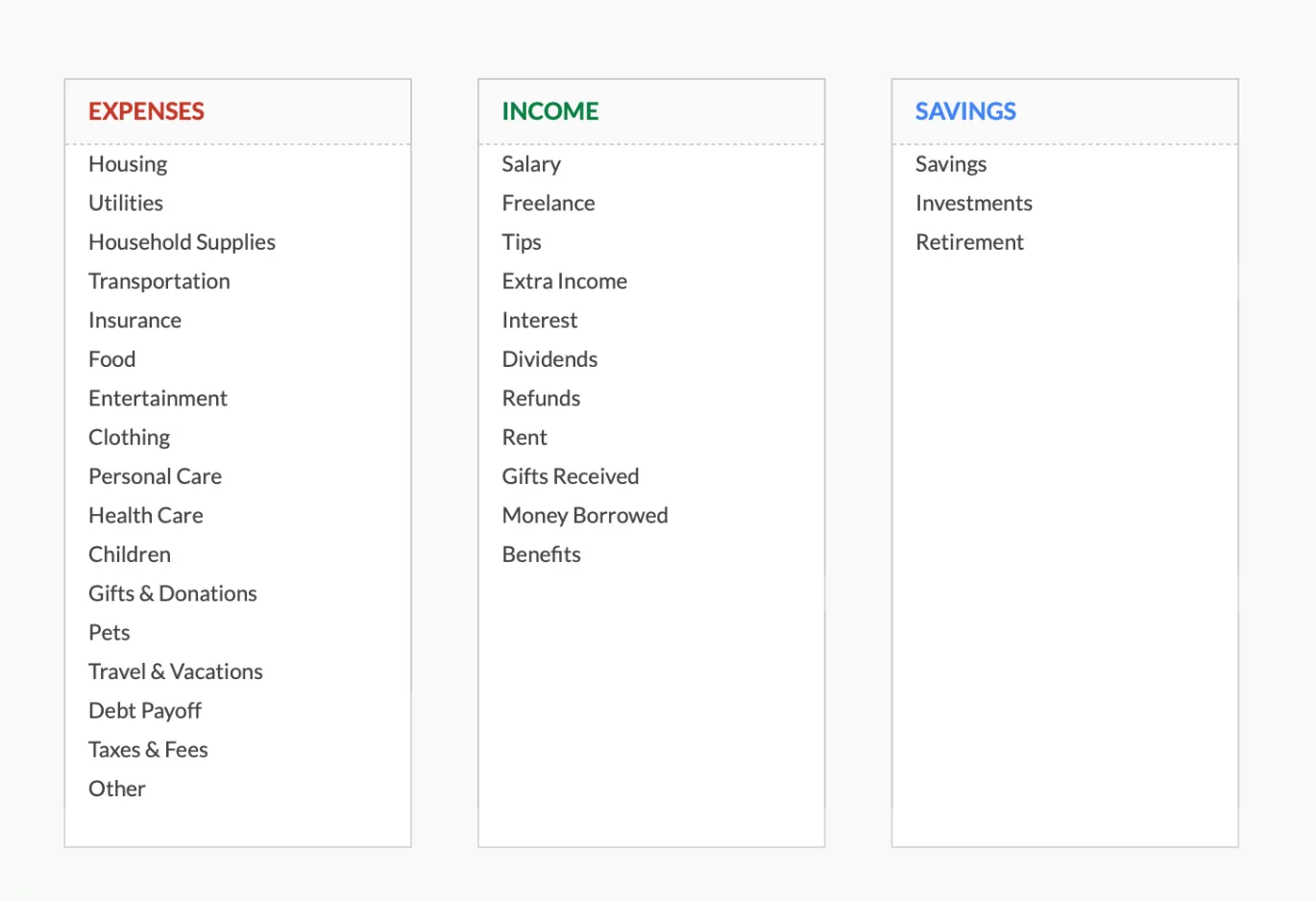
The Monthly Budget Template (Premium tier) ships with a built-in Entertainment category under Expenses, so date and outing spending has a home from the start.
How Much to Budget
Entertainment is a standard household spending category that the U.S. Bureau of Labor Statistics tracks in its Consumer Expenditure Surveys, and for many families it is one of the easiest lines to underestimate: a lot of small, spread-out charges rather than one obvious bill. Putting a number on it up front is what turns it from a surprise into a plan.
| Approach | Monthly Amount | What It Covers |
|---|---|---|
| Conservative | $50/month | 2-4 dates (mostly free or low-cost) |
| Moderate | $100/month | 3-5 dates (mix of free and $15-30 outings) |
| Comfortable | $150/month | 4-6 dates (including one $50-75 outing) |
At $25 per week set aside, that’s $100/month, less than many people spend on coffee. Tracking this as a specific category rather than lumping it into miscellaneous makes the spending intentional rather than accidental.
The Sinking Fund Approach
Rather than treating date night money as discretionary spending that gets raided when other expenses come up, a sinking fund creates a dedicated pool held outside the monthly budget. The Annual Budget Template covers the planning half of that. Its Annual Plan sheet carries a plan and an actual amount for every category in each of the twelve months, so the Entertainment line can be set higher in anniversary or birthday months and lower in the rest.
This prevents a common trap: blowing the entertainment budget on one celebration and then skipping date nights for the rest of the quarter.
Date Night Ideas by Cost Range
For reference, here are ideas organized by what they typically cost:
$0 (free)
- Home-cooked dinner with intention (recipe, music, real plates)
- Hiking or park picnic
- Community events (free museum nights, farmers markets, gallery openings)
- Stargazing, sunset walks, or outdoor photo walks
$10-30
- Brunch or happy hour at a restaurant that charges $80+ for dinner
- Weeknight bowling, mini golf, or trivia night
- Thrift store challenge ($10 each, 20 minutes, find something ridiculous)
$30-75
- Escape rooms ($25-35/person, weekday deals often available)
- BYOB restaurants (bring a $15 bottle instead of paying $50 from the wine list)
- Day trip to a nearby town with packed lunch
Planning for the Full Year
The Annual Budget Template shows where seasonal variation can work in a couple’s favor. Spring and summer offer more free outdoor options. Winter holidays and Valentine’s Day tend to push costs up. Budgeting higher for December-February and lower for June-August matches how most couples actually spend.
Frequency tends to matter more than per-date spending. A $15 date every week maintains connection better than a $200 dinner once a month - and the budget math works out in favor of the weekly approach.
Related
- Annual Budget Template - Plan special months ahead
- Monthly Budget Template - Track entertainment spending
- Financial Minimalism: Budgeting with Less - Keeping discretionary lines few and simple
- Family Budget Meeting: How to Get Everyone On Board - Talking through discretionary spending together
- Sinking Funds Explained
- Budget for Irregular Expenses
- How to Build a Budget That Works
Frequently asked questions
How much should a couple budget for date nights each month?
There is no single right number. Many couples find $50 to $150 a month covers three to five dates, depending on how much of the mix is free versus paid. Giving it its own line rather than lumping it into miscellaneous is what keeps the amount visible.
How do I keep date nights from blowing the monthly budget?
This is where a dedicated category and a set monthly amount help. When date spending has a home in the budget, one pricey celebration is easier to plan around instead of quietly draining the rest of the month.
Is it OK to do cheap dates long-term?
The quality of time tends to matter more than the cost. Plenty of long-married couples rarely do expensive dates.
What if my partner expects expensive dates?
Worth having an honest conversation about values and financial goals. If you're not aligned on money, that's useful information to have early.
How do I make at-home dates feel different from regular nights?
Intention and effort tend to do it. Plan it, prepare for it, and treat it as special, even if it's just dinner at home.
Sources
- Consumer Expenditure Surveys - U.S. Bureau of Labor Statistics
About this article
Template sheets, categories and monthly plan grid checked on 2026-09-10 against the shipped Monthly Budgeting Google Sheet (Categories, Budget Plan) and the Annual Budgeting Planner Google Sheet (Annual Plan, Categories). Entertainment-as-a-household-spending-category framing checked against the U.S. Bureau of Labor Statistics Consumer Expenditure Surveys. Last reviewed September 2026.