Monthly Budget Template
Monthly Budget Template for Single Parents
Manage a household and children on one income with a budget template that prioritizes clarity and helps stretch every dollar.
In Depth
One Income, Zero Margin for Guesswork
Single-parent households run on a fundamentally different financial equation than two-income families. There is no second earner to absorb a shortfall, no partner to split the childcare bill with, and no backup when the car breaks down or a child gets sick. Every dollar has to be intentional because the margin between making it through the month and falling behind is often razor-thin.
Childcare is frequently the budget line that defines everything else. For a single parent, there is no option to have one partner stay home - work requires care, and care requires money. In many cases, childcare costs rival housing as the largest monthly expense. The remaining income has to stretch across every other category, which means trade-offs are constant and unavoidable.
Child support, when it is part of the picture, adds another variable. Some parents receive it reliably on schedule. Others experience delays, partial payments, or gaps. Many single parents find that budgeting as if support will not arrive - and treating it as a bonus when it does - creates a more stable foundation than counting on it.
What often gets overlooked in discussions about single-parent finances is the cumulative mental load. Managing a household, raising children, and tracking every dollar is exhausting. A clear, simple budget system that takes minutes to maintain - rather than hours - is not just convenient. It is the difference between a system that gets used and one that gets abandoned.
The Challenge
Why Single Parents Need a Focused Budget
Running a household on one income while raising children leaves almost no margin for error. Every dollar has to be accounted for, and unexpected costs hit harder.
One income covers everything
There is no second paycheck to fall back on. Housing, food, childcare, transportation, and savings all come from a single source. This makes prioritization essential rather than optional.
Childcare costs consume a huge portion of income
Daycare, after-school programs, and summer camps can easily cost $1,000 or more per month. For a single parent, this often represents 20-30% of take-home pay - a budget item that cannot be split with a partner.
Child support adds complexity
Whether receiving or paying child support, these payments affect the monthly budget. They may arrive inconsistently, creating cash flow challenges that a budget needs to account for.
No backup for emergencies
A car repair or sick day hits harder with one income. Without a visible plan for building even a small emergency fund, these events can trigger debt that takes months to recover from.
Ready to take control of your single parent finances?
What You Get
What Single Parents Get in This Template
Single income tracking
Track your primary income plus any secondary sources like child support, side work, or government benefits. See your true monthly total.
Child expense categories
Dedicated sections for childcare, school supplies, clothing, activities, and medical costs. See what your children cost separately from household expenses.
Priority-based budgeting
Allocate essentials first - housing, food, childcare - then see what remains for other categories. The template makes trade-offs visible.
Emergency fund tracker
Track progress toward a safety cushion. Even $25 per week adds up, and seeing the growth can reinforce the habit.
Planned vs. actual on a single-income budget
Set targets and compare against actual spending throughout the month. Catch overages early when there is still time to adjust.
Formulas that update as you type
Every total updates automatically. Enter your numbers and the spreadsheet handles the math instantly.
See It In Action
What the template looks like
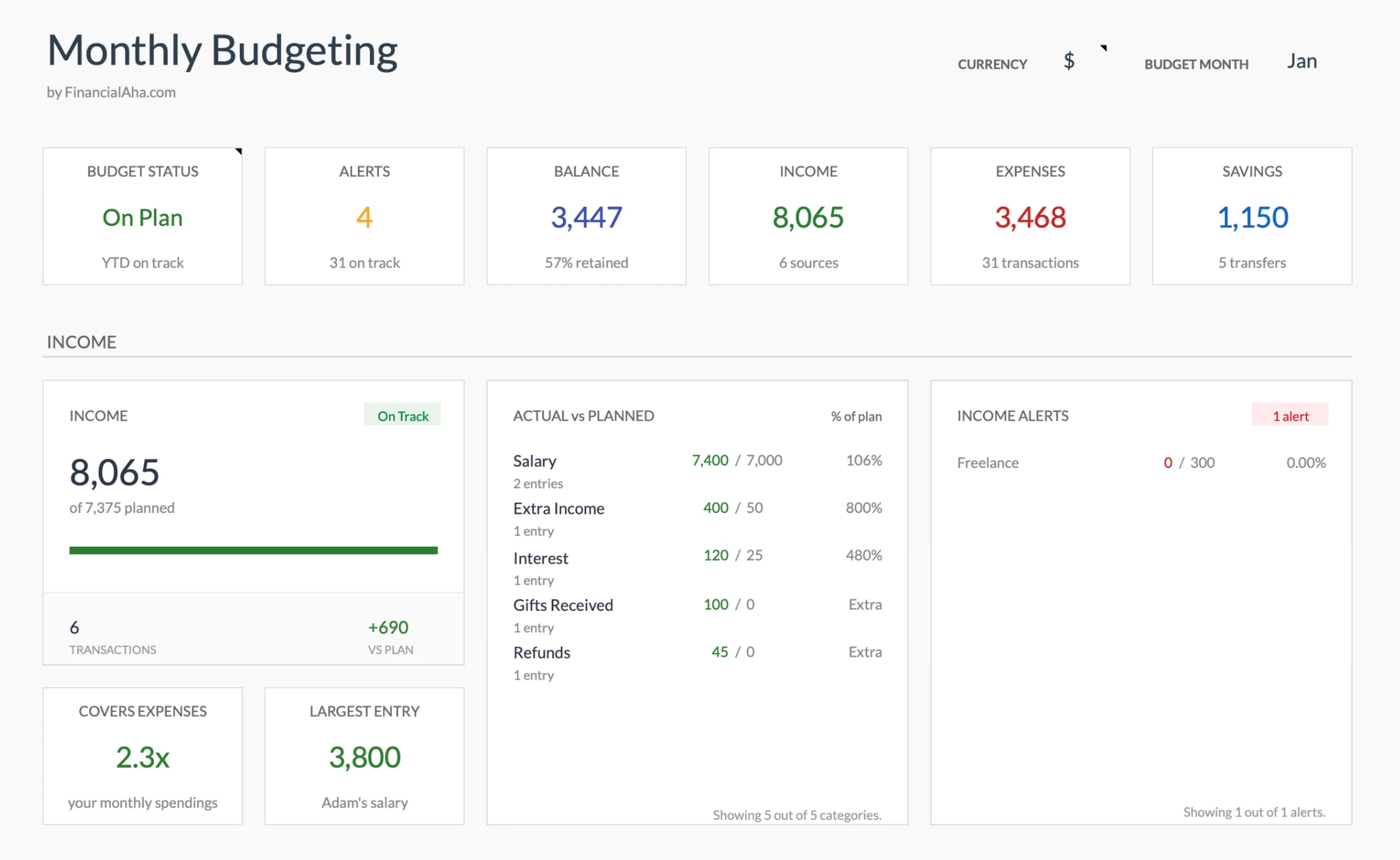
Browse through the template to see how it handles income tracking, expense budgets, savings goals, and spending analysis.
- Dashboard with key metrics at a glance
- Transaction logging with categories
- Budget vs actual comparison
- Visual charts and breakdowns
- Fully customizable categories

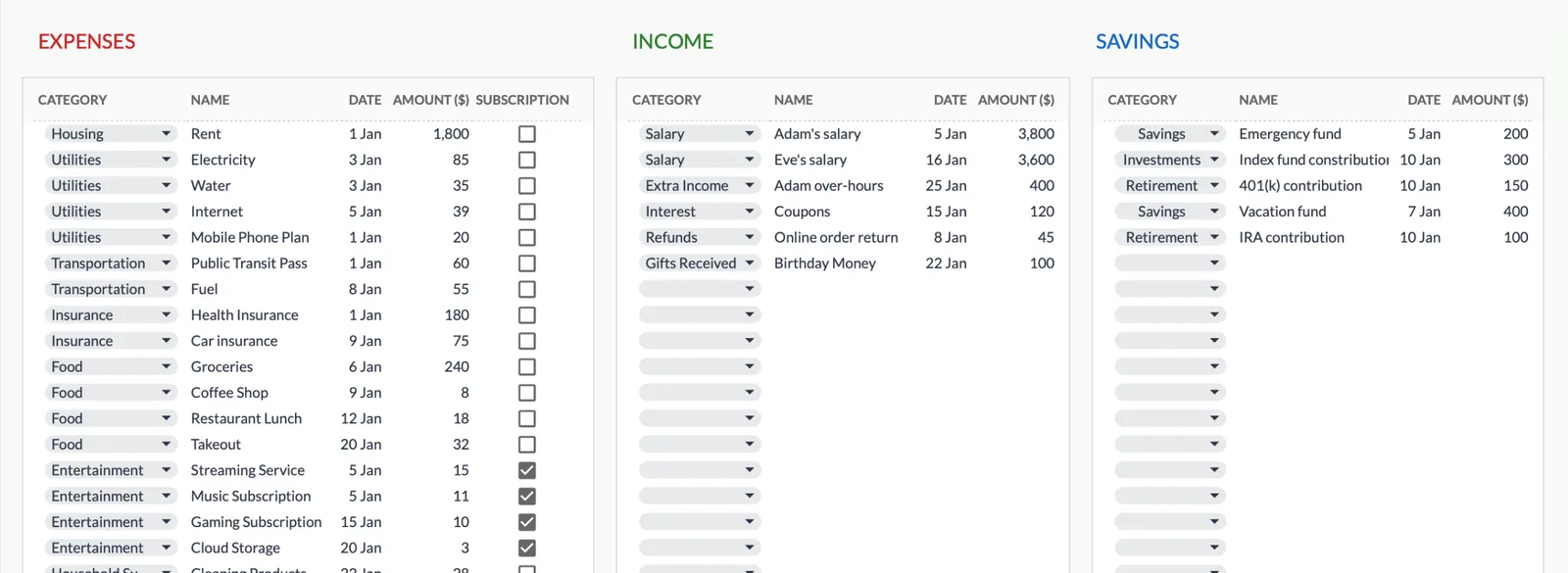
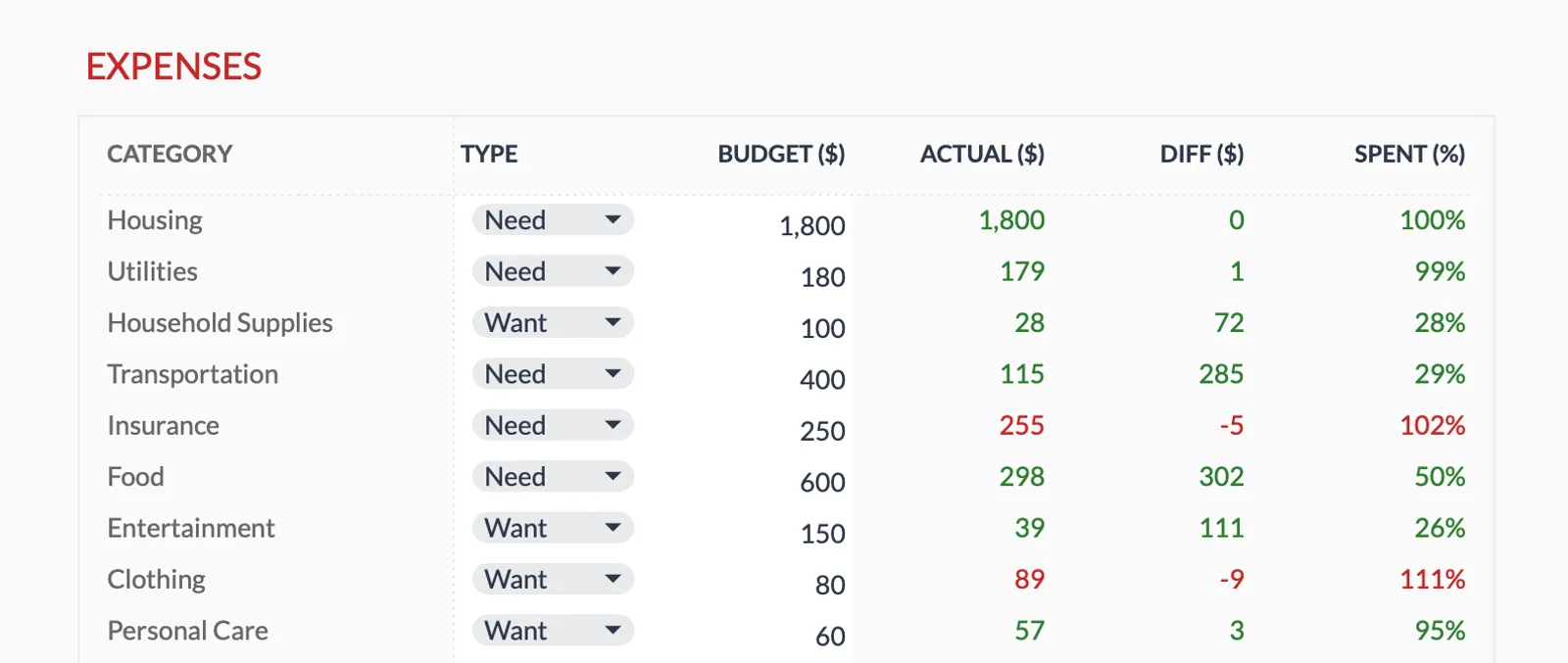
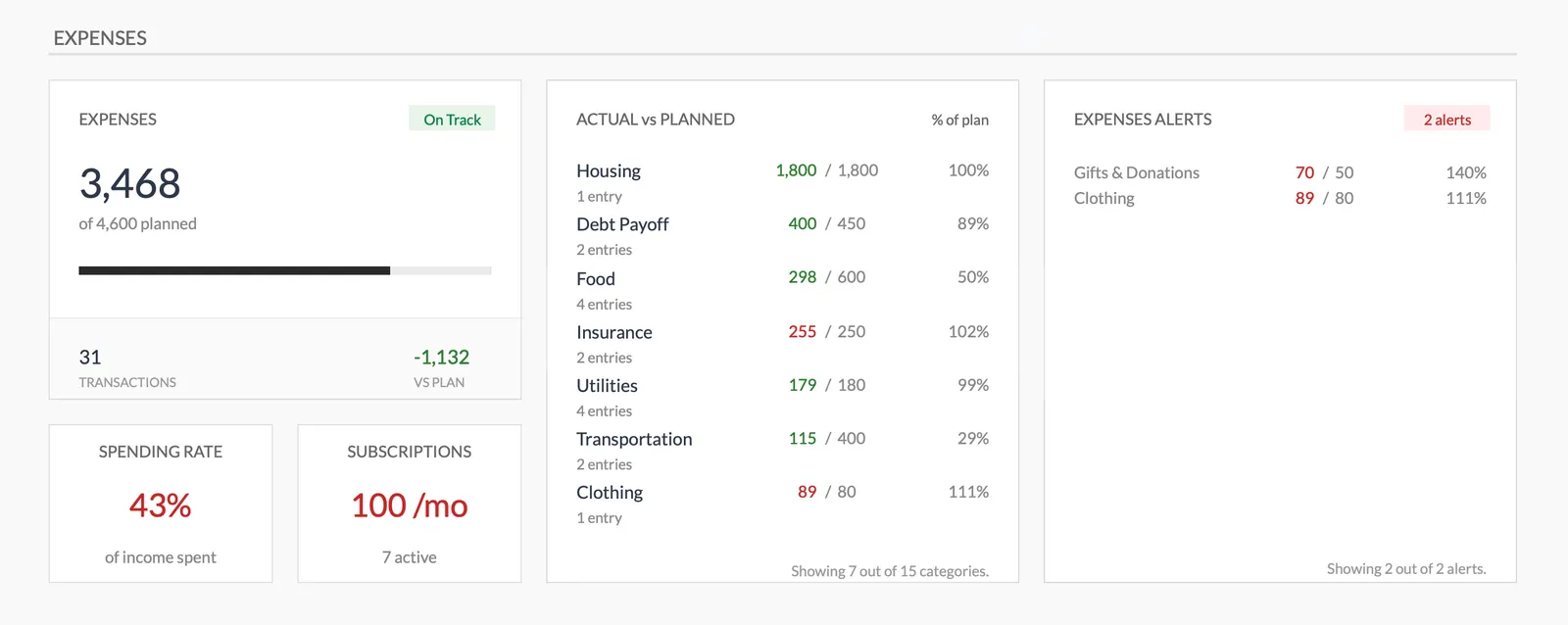
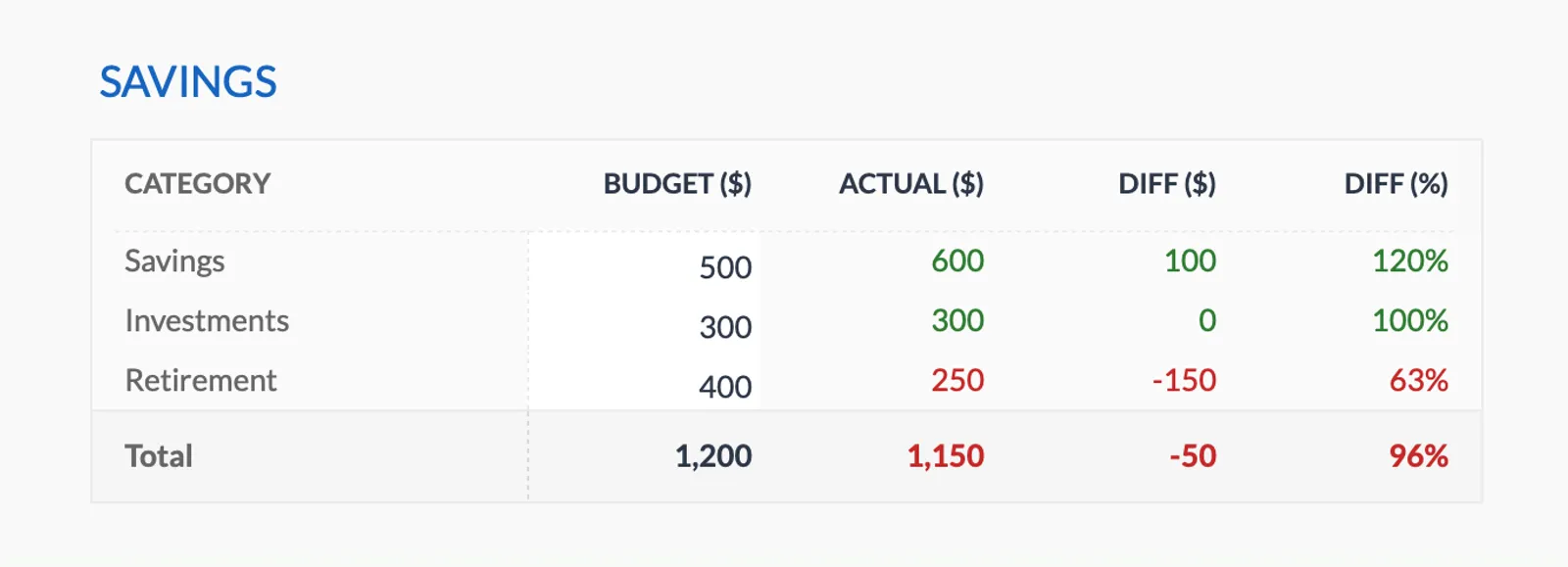
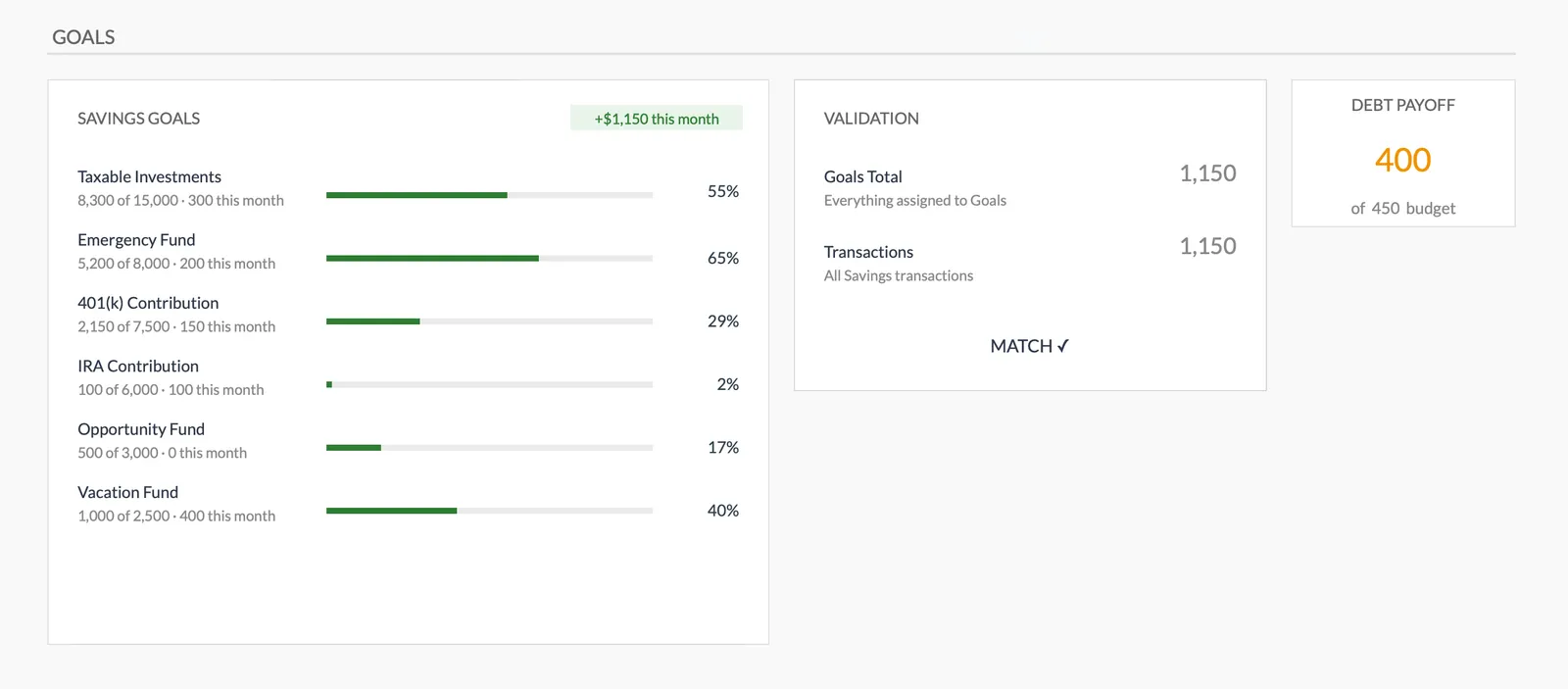
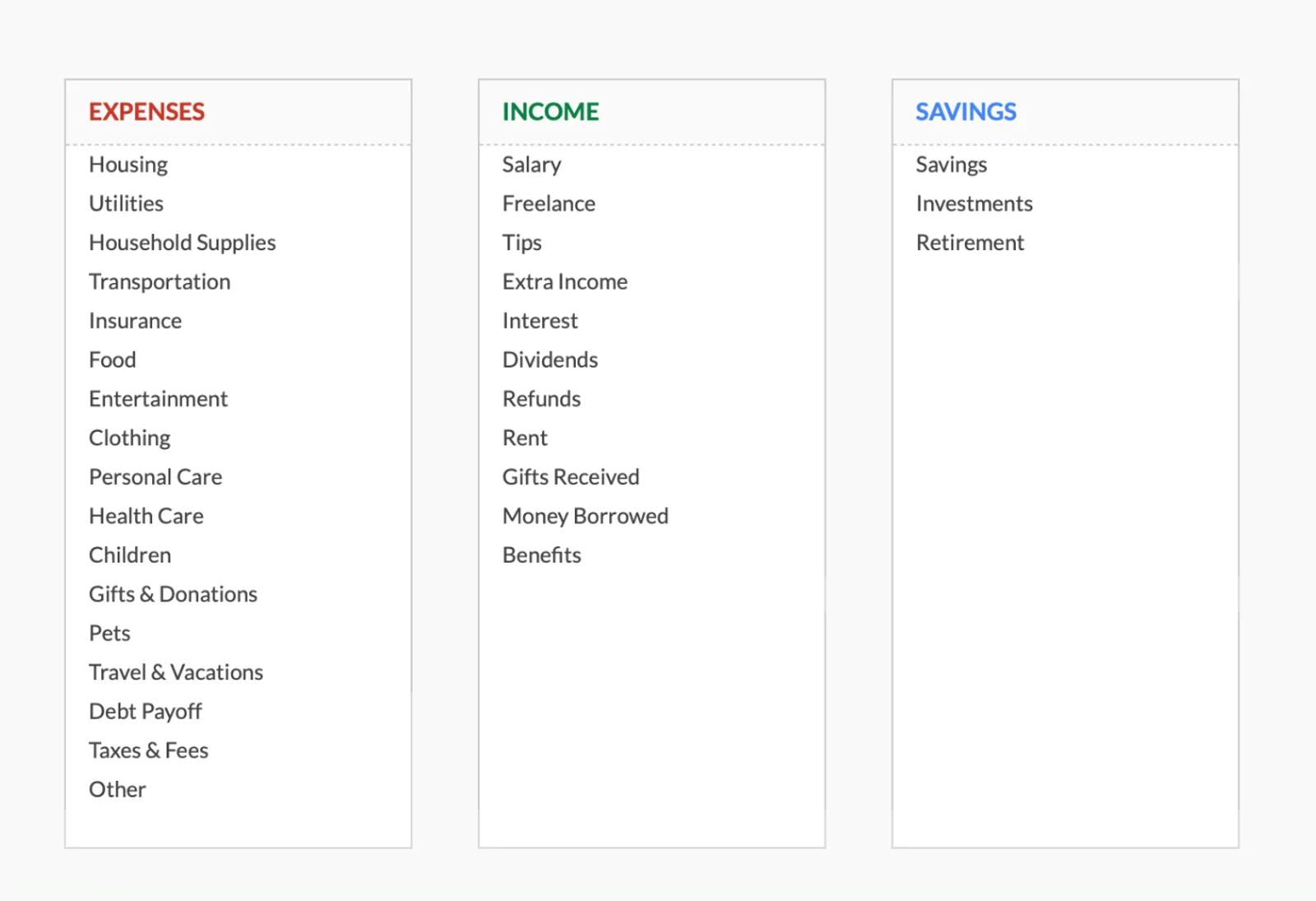
Dashboard with income, expenses, and savings at a glance
Log transactions with automatic categorization
Set targets per category and track actual spending
Visual breakdown of where your money goes
Track savings goals alongside your budget
Monitor progress toward financial goals
Fully customizable expense, income, and savings categories
Getting Started
Quick Setup for Single Parent Budgeting
Enter all income sources
Include your primary job, child support, any benefits, and side income. Use the lowest reasonable estimate for variable amounts.
Budget essentials first
Allocate housing, food, childcare, and transportation before anything else. These non-negotiable costs set the foundation.
Distribute remaining income
With essentials covered, divide what remains across savings, debt payments, and discretionary categories.
Track spending throughout the month
Log expenses at least twice a week. With tight margins, catching a problem early makes a real difference.
Review and adjust each month
Children's needs change as they grow. Update categories and targets each month to stay current.
Common Questions
Monthly Budget for Single Parents - FAQ
What if my income barely covers essentials?
The template helps you see exactly where every dollar goes. When money is extremely tight, visibility is the first step - it shows which expenses are fixed, which have flexibility, and where even small adjustments might free up breathing room.
How do I handle irregular child support payments?
Budget as if the support will not arrive. If it does, treat it as extra income to direct toward savings or catching up on other categories. This prevents shortfalls when payments are late.
Can I track expenses for multiple children?
Yes. You can create separate categories for each child or group all child expenses together - whichever gives you more useful information.
Is there room for any savings on a tight budget?
Even very small amounts matter. The template includes a savings tracker because building a cushion - even $10 at a time - reduces the impact of the next unexpected expense.
What if I get a raise or my expenses change?
Update your income or expense figures and the template recalculates everything. It takes minutes to adjust when your situation changes.
How is this different from the general budget template?
This includes child-specific expense categories and is designed around single-income prioritization. The standard template assumes a simpler expense structure.
Can't find the answer you're looking for? Contact our team
Start budgeting as a single parent
One-time purchase. No subscription. Your financial data stays in your Google Drive.