Monthly Budget Template
Monthly Budget Template for Rideshare Drivers
Track variable earnings, vehicle costs, fuel, and self-employment taxes in a budget built for rideshare income.
In Depth
What the App Dashboard Does Not Show You
Rideshare driving creates an illusion of income that the app actively reinforces. The earnings screen shows gross fares, surge bonuses, and tips - numbers that look encouraging after a long shift. What it does not show is the true cost per mile driven. A useful formula for calculating this: add fuel cost per mile (roughly $0.10-$0.15 for most cars), maintenance per mile ($0.05-$0.08 based on accelerated service schedules), insurance per mile, and depreciation per mile. For many drivers, the total cost runs $0.25-$0.40 per mile. When gross earnings average $1.00-$1.50 per mile driven (including deadhead miles), the actual take-home is 40-60% of what the app displays.
The IRS standard mileage deduction - $0.67 per mile for 2024 - is one of the most significant tax benefits available to rideshare drivers, but it only applies to business miles that are properly documented. Business miles include driving to pickups, rides with passengers, repositioning between rides, and driving while the app is active and waiting for requests. Miles from home to the first pickup area and from the last drop-off back home are generally commuting miles that do not qualify. The difference between tracking all qualifying miles versus only passenger miles can amount to thousands of dollars in additional deductions over a year.
Calculating net hourly earnings after expenses is the number that determines whether rideshare driving is financially worthwhile. The formula is straightforward but rarely flattering: take gross fares for a shift, subtract fuel consumed, subtract the per-mile cost of wear and maintenance, subtract the platform commission, and divide what remains by total hours from leaving home to returning. Many drivers who track this rigorously find that certain shifts - weekday daytime driving in slow markets, for example - produce a net hourly rate that falls below what other available work would pay.
Self-employment taxes catch many rideshare drivers off guard, particularly those who previously worked W-2 jobs where taxes were withheld automatically. As independent contractors, drivers owe both the employee and employer portions of Social Security and Medicare - 15.3% of net earnings before income tax even enters the picture. Setting aside 25-30% of net earnings (after deducting mileage or actual expenses) from each week of driving is a common approach. Without this discipline, the quarterly tax bill can exceed what is in the bank account.
The Challenge
Why Rideshare Drivers Need Income-Aware Budgeting
Rideshare income looks good on the app dashboard but the real number - after gas, car wear, and taxes - is significantly lower. A budget needs to reflect the true take-home.
Gross earnings mislead
The app shows what riders paid, not what you keep. After the platform cut, fuel, maintenance, and depreciation, actual take-home is often 50-60% of gross fares. Budgeting from the wrong number creates a structural deficit.
Vehicle costs are constant and high
Gas, oil changes, tires, insurance, car payments - the car is both your workplace and your biggest expense. These costs exist whether or not you are driving, making them non-negotiable budget items.
Self-employment taxes add up
Rideshare drivers owe both the employee and employer portions of Social Security and Medicare - 15.3% on top of income tax. Not setting this aside means a painful bill at tax time.
Earnings vary by week and season
Holiday weekends and events bring surge pricing. Slow weeks bring barely enough for gas money. Monthly income can swing by 40% or more depending on demand and hours driven.
Ready to take control of your rideshare driver finances?
What You Get
What Rideshare Drivers Get in This Template
Net income calculator
Enter gross fares and deduct platform fees, fuel, and other costs. See your actual take-home before taxes.
Vehicle expense tracking
Categories for fuel, maintenance, insurance, car payments, and depreciation. See the true cost of operating your vehicle.
Tax set-aside section
Track the percentage set aside from each week's earnings for quarterly estimated tax payments.
Driving income targets vs. actual earnings
Set spending targets based on average net income and track how each month actually plays out.
Mileage log companion
Track deductible miles alongside your budget. The standard mileage deduction is a significant tax benefit worth documenting.
Weekly and monthly views
Enter earnings weekly and see monthly totals build automatically. Matches how rideshare pay actually arrives.
See It In Action
What the template looks like
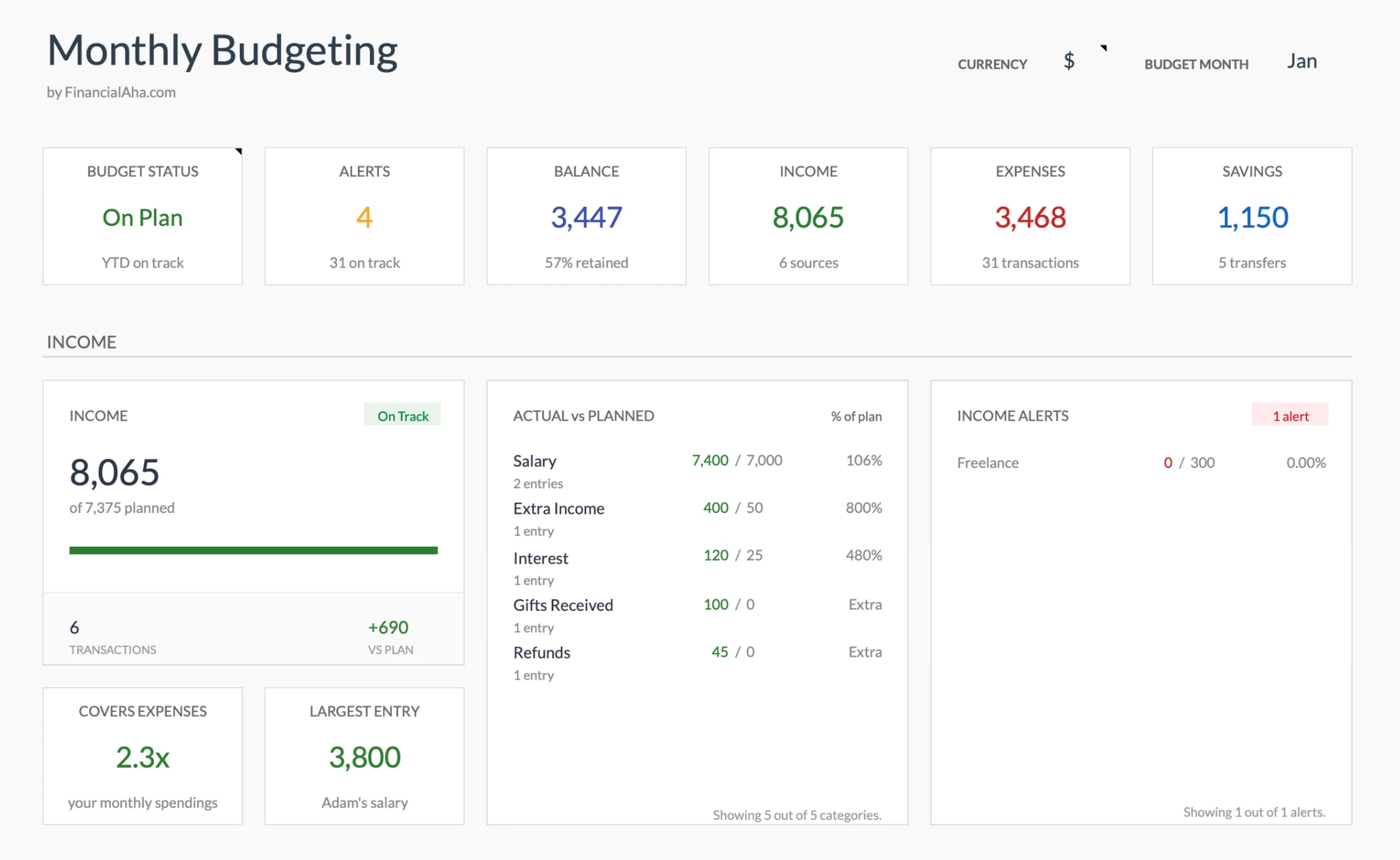
Browse through the template to see how it handles income tracking, expense budgets, savings goals, and spending analysis.
- Dashboard with key metrics at a glance
- Transaction logging with categories
- Budget vs actual comparison
- Visual charts and breakdowns
- Fully customizable categories

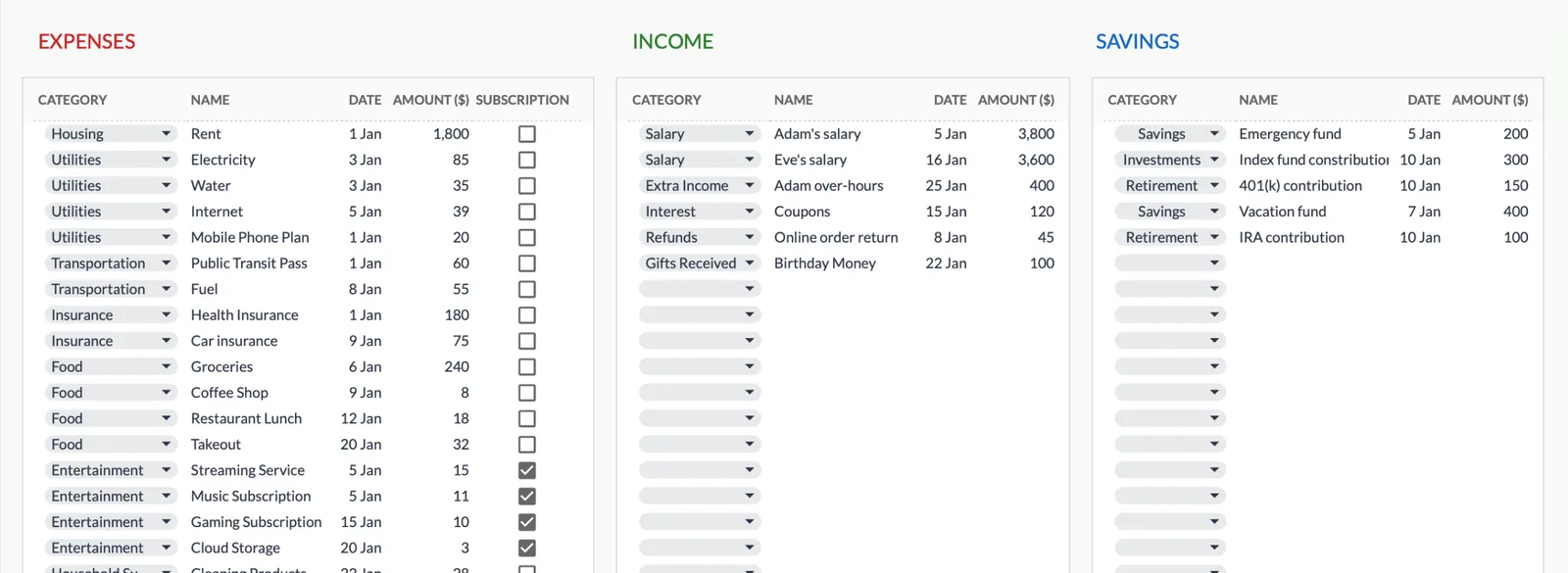
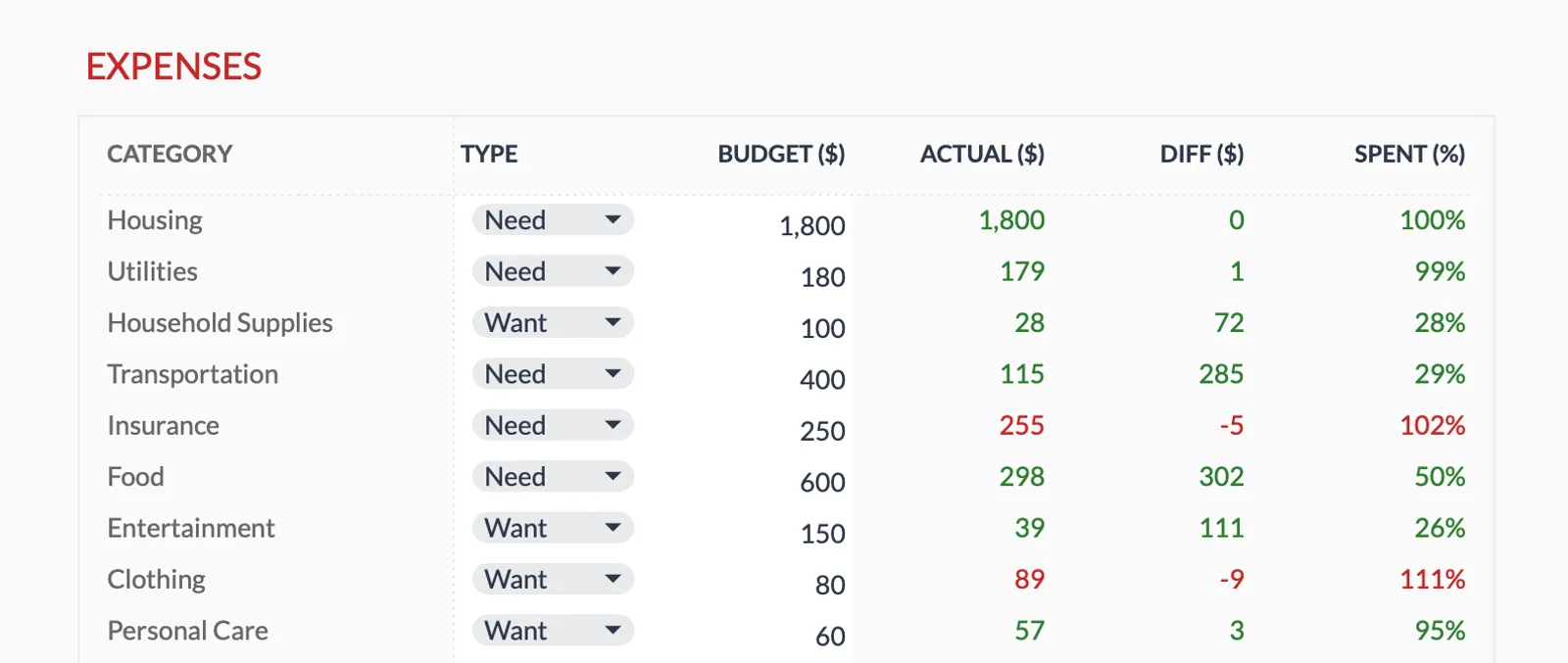
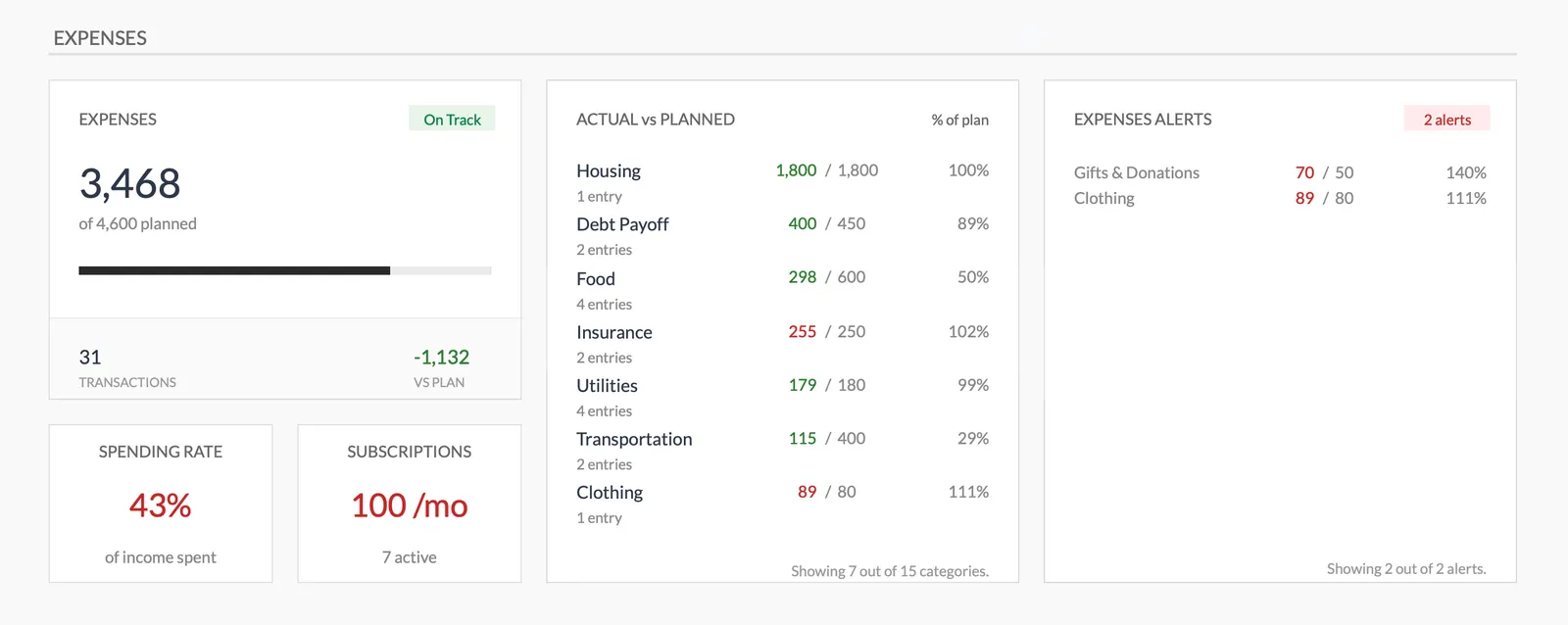
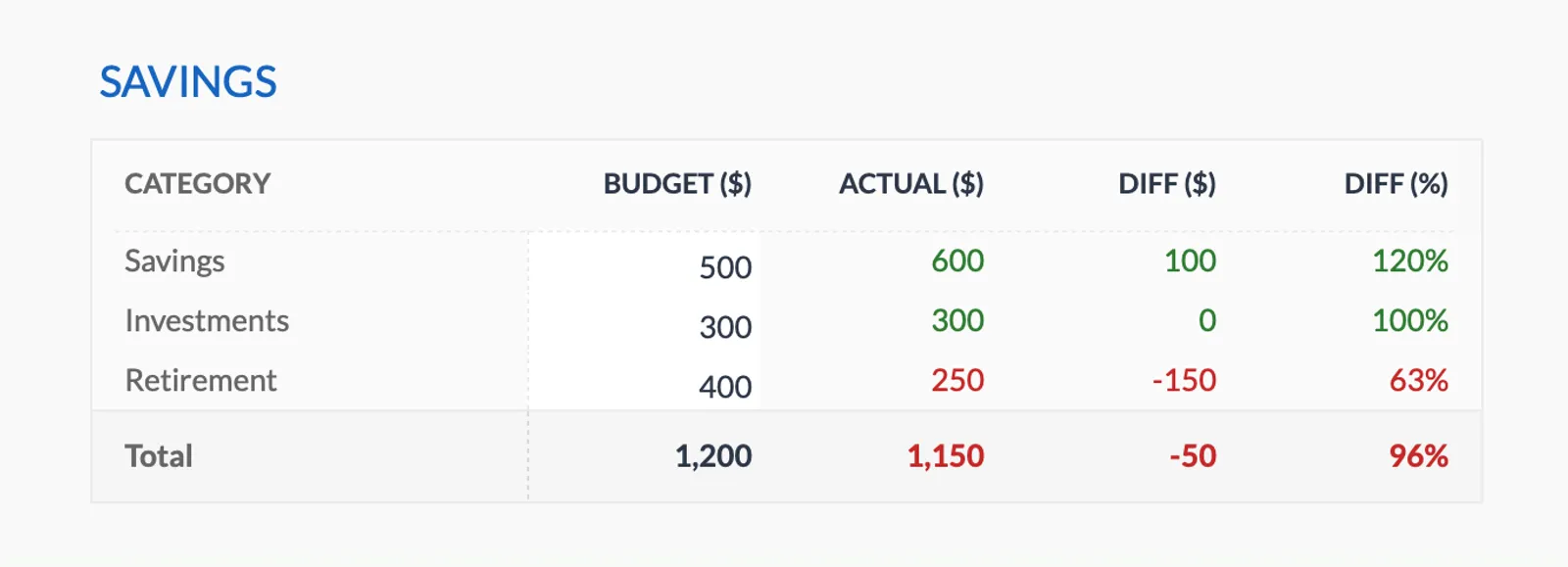
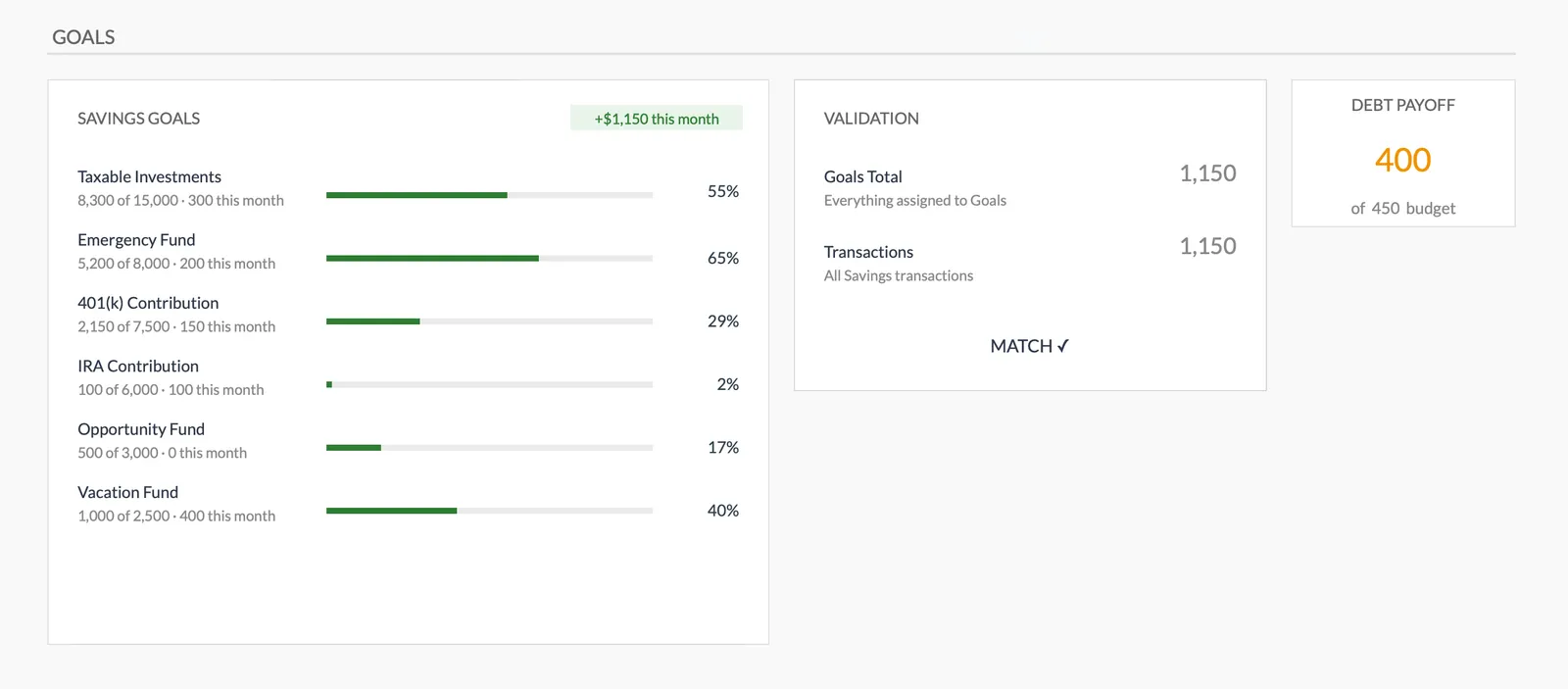
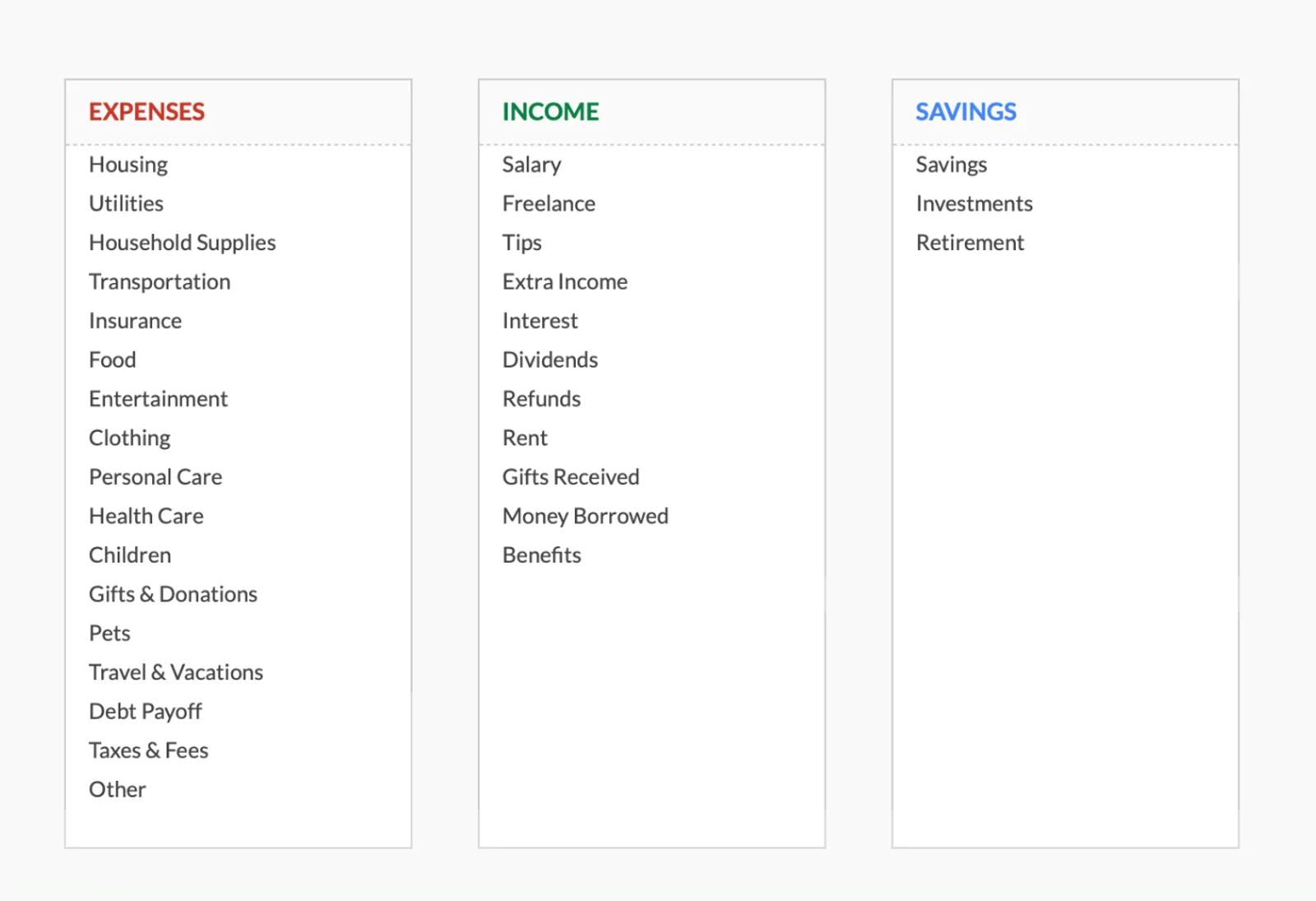
Dashboard with income, expenses, and savings at a glance
Log transactions with automatic categorization
Set targets per category and track actual spending
Visual breakdown of where your money goes
Track savings goals alongside your budget
Monitor progress toward financial goals
Fully customizable expense, income, and savings categories
Getting Started
Start Tracking Your Rideshare Finances
Enter weekly gross earnings
Log what the app shows you earned each week. The template helps you work toward the real number from there.
Deduct driving expenses
Subtract fuel, platform fees, and weekly car costs. What remains is closer to your actual income.
Set aside taxes from net earnings
Move your tax percentage into a savings category before budgeting the rest. This prevents tax-time surprises.
Budget living expenses from what remains
After car costs and taxes, allocate the remaining income to housing, food, and other necessities.
Track weekly and review monthly
Weekly tracking matches how earnings arrive. Monthly review shows the full picture and helps with planning.
Common Questions
Monthly Budget for Rideshare Drivers - FAQ
What percentage of gross fares is actual take-home?
It varies by market, vehicle, and expenses, but many drivers report 50-65% of gross fares as take-home before taxes. The template helps you calculate your exact percentage based on real numbers.
Should I use actual expenses or the standard mileage deduction?
Track both and compare at tax time. The standard mileage deduction is simpler, but actual expenses may yield a larger deduction depending on your vehicle costs. The template supports either approach.
How do I handle weeks when I barely break even?
Low weeks happen. The template shows the deficit clearly so you can decide whether to drive more hours, pull from savings, or reduce spending that week.
Can I track multiple platforms?
Yes. Add separate income lines for Uber, Lyft, and any other platforms. The template totals everything together.
What about car payments - are they a business expense?
If you use the standard mileage deduction, car payments are wrapped into that calculation. If you deduct actual expenses, the business-use percentage of the payment is deductible. The template tracks the payment either way.
How much should I set aside for taxes?
Self-employment tax alone is 15.3%, plus your income tax rate. A common starting point is 25-30% of net earnings. The template tracks your set-aside so you can adjust as needed.
How do I calculate my true cost per mile?
Add fuel cost per mile (total fuel spend divided by total miles), maintenance per mile (annual maintenance divided by annual miles), insurance per mile, and depreciation. For many rideshare vehicles, this total lands between $0.25 and $0.40 per mile. The template tracks these components so you can calculate your specific number.
What is the standard mileage deduction and how does it affect my budget?
The IRS standard mileage rate ($0.67 per mile for 2024) is a deduction that reduces your taxable income. It does not put cash in your pocket directly, but it significantly reduces your tax bill. Tracking all qualifying business miles - including deadhead miles and repositioning - maximizes this deduction.
Can't find the answer you're looking for? Contact our team
Start budgeting as a rideshare driver
One-time purchase. No subscription. Your financial data stays in your Google Drive.