Monthly Budget Template
Monthly Budget Template for New Graduates
Navigate your first real salary with a spreadsheet that handles student loan payments, new living expenses, and early savings goals.
In Depth
Your First Real Paycheck Is Not What It Seems
The jump from student income to a full-time salary is one of the largest financial transitions most people experience. On paper, the numbers look generous. In practice, take-home pay after taxes, insurance premiums, and retirement contributions is often 30-40% less than the offer letter suggested. For many new graduates, this gap between gross salary and disposable income is the first surprise.
The second surprise tends to be how quickly new expenses appear. Rent in a city where the job is located, a car payment or transit pass, professional clothing, furnishing an apartment - these costs arrive in the same months when student loan grace periods are ending. Some graduates find that their first few months are actually tighter than their final semester in school.
Lifestyle inflation is the quiet challenge of this stage. After years of living frugally, the impulse to upgrade everything at once is strong and understandable. Each individual upgrade - a nicer apartment, dining out more often, a streaming bundle - seems reasonable in isolation. Together, they can consume an entire salary increase before any savings happen.
This is a period where even basic tracking provides outsized returns. Seeing where money actually goes during the first six months of employment creates a baseline that informs every financial decision afterward. The habits formed now - whether that is saving a consistent percentage or simply knowing the monthly numbers - tend to compound over a career.
The Challenge
Why New Graduates Face a Unique Budget Challenge
Going from student finances to a full-time salary is a bigger adjustment than most people expect. The money is different, the expenses are different, and there is no campus safety net.
A full salary feels like a lot until bills arrive
That first paycheck looks substantial - until rent, utilities, insurance, and loan payments eat into it. Many graduates are surprised by how much of a $50,000 salary disappears before reaching their bank account.
Student loan payments start with little warning
The grace period ends and suddenly $300 to $600 per month is spoken for. Without building this into a budget from day one, it creates a monthly shortfall that feels impossible to close.
Lifestyle inflation happens fast
After years of living on a student budget, the temptation to upgrade everything at once is real. New apartment, new wardrobe, dining out - each small upgrade is reasonable alone, but together they consume the entire salary increase.
No framework for allocating a steady paycheck
Most graduates have never had to decide how to split a consistent income across fixed costs, variable expenses, debt payments, and savings. Without a system, money just flows out and the month ends with nothing saved.
Ready to take control of your new graduate finances?
What You Get
Budget Tools Designed for New Graduates
Post-tax income tracking
Enter your take-home pay after taxes, insurance, and retirement contributions. See the actual amount available for budgeting.
Debt payment category
A dedicated section for student loan payments and any other debt. Track minimum payments and extra payments separately.
Budget allocation by category
Set spending targets for housing, transportation, food, and everything else. The template shows what percentage of income goes where.
Savings goal tracker
Track progress toward an emergency fund, retirement savings, or other goals. Seeing the number grow provides motivation to stick with the plan.
Spending vs. target comparison
Each category shows your budget target alongside actual spending. Spot overages immediately instead of discovering them at month end.
Formulas that handle the math for you
All formulas are built in. Enter your numbers and the template handles the math - totals, percentages, and remaining balances.
See It In Action
What the template looks like
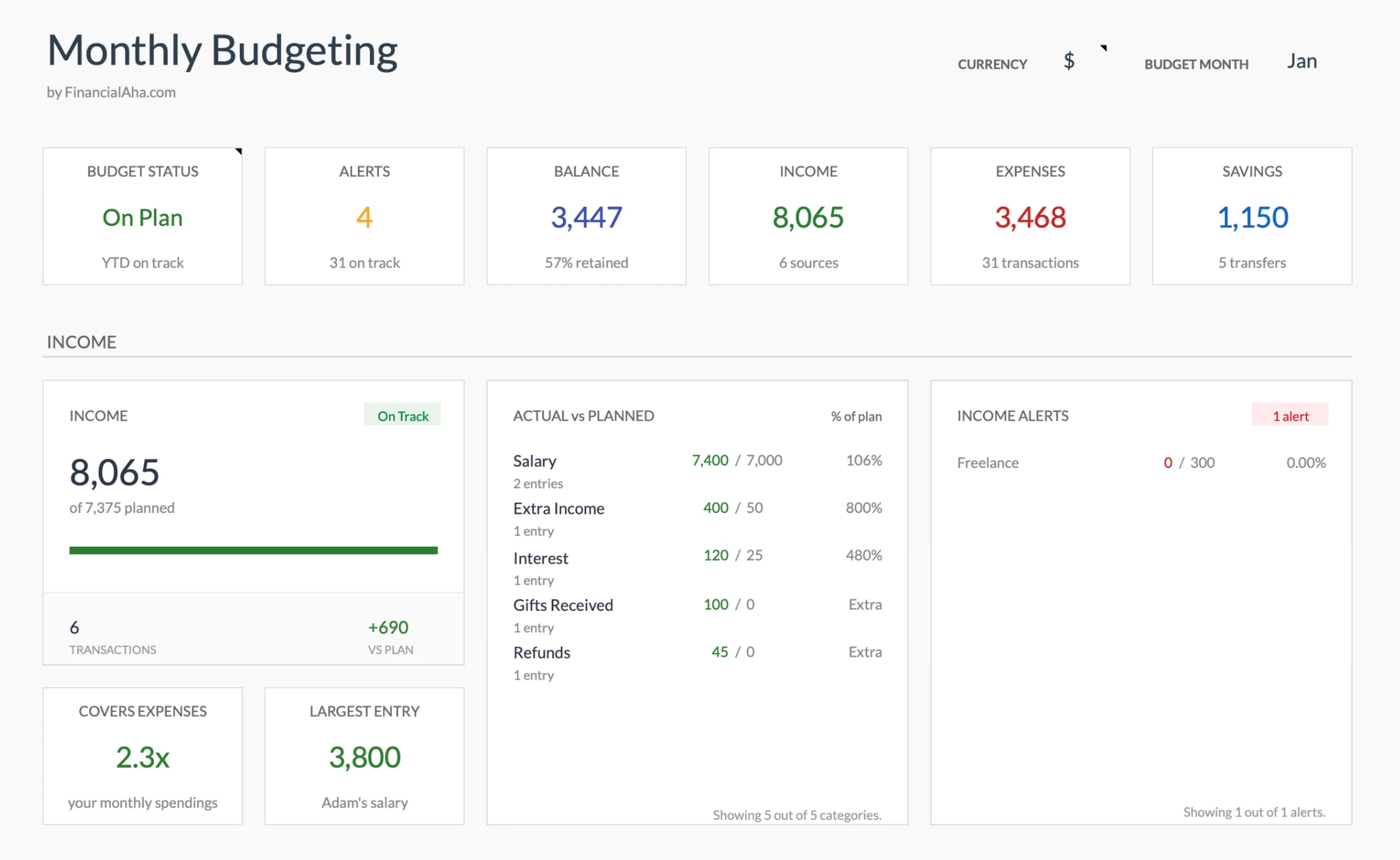
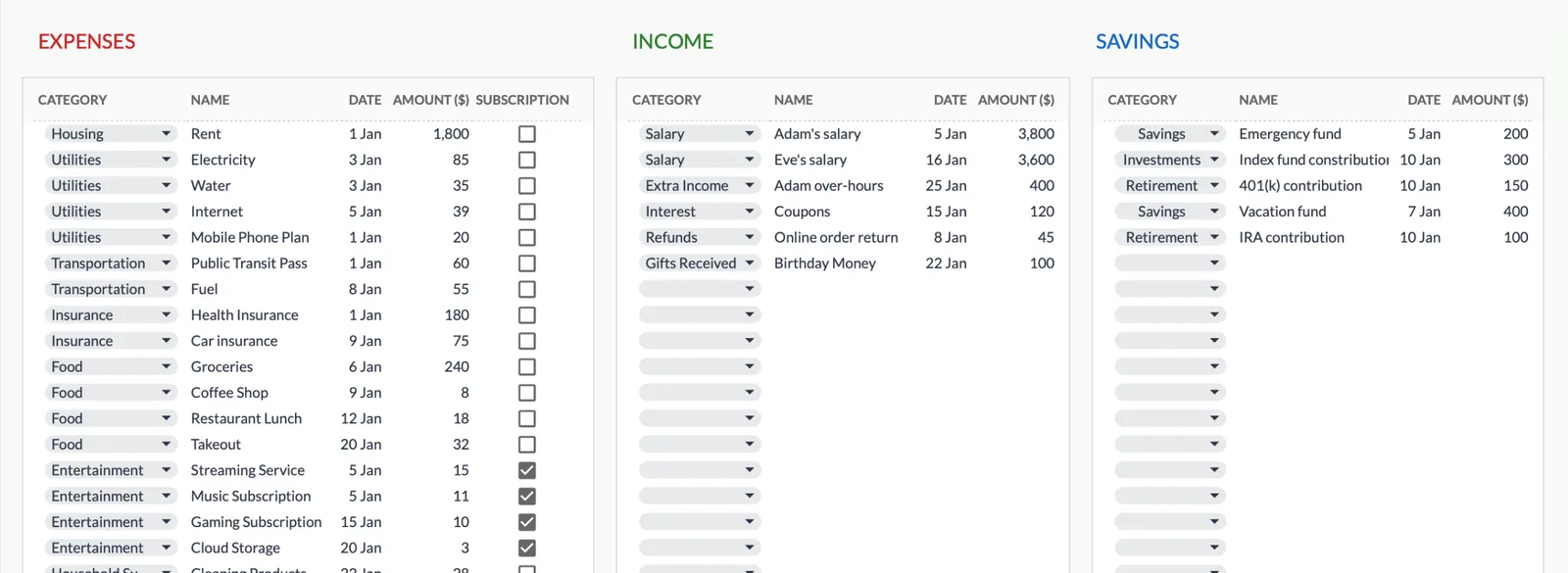
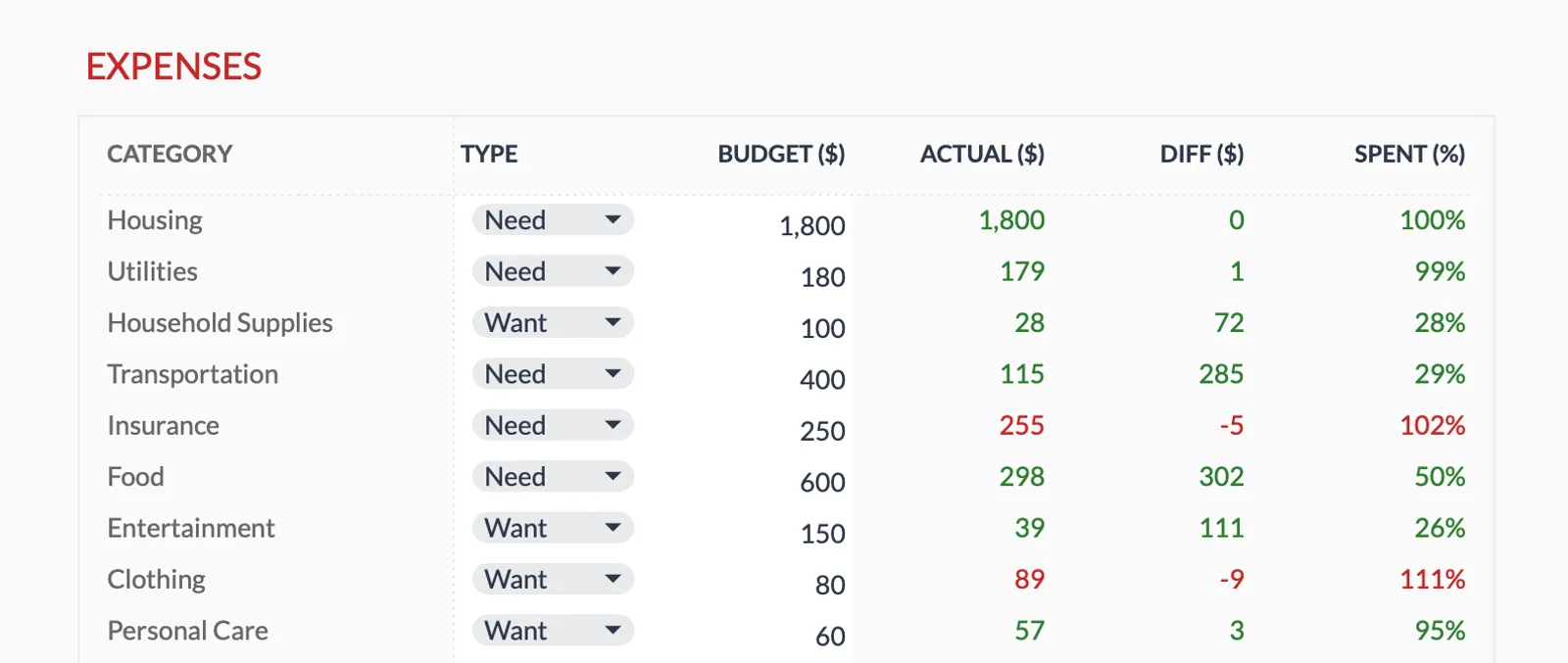
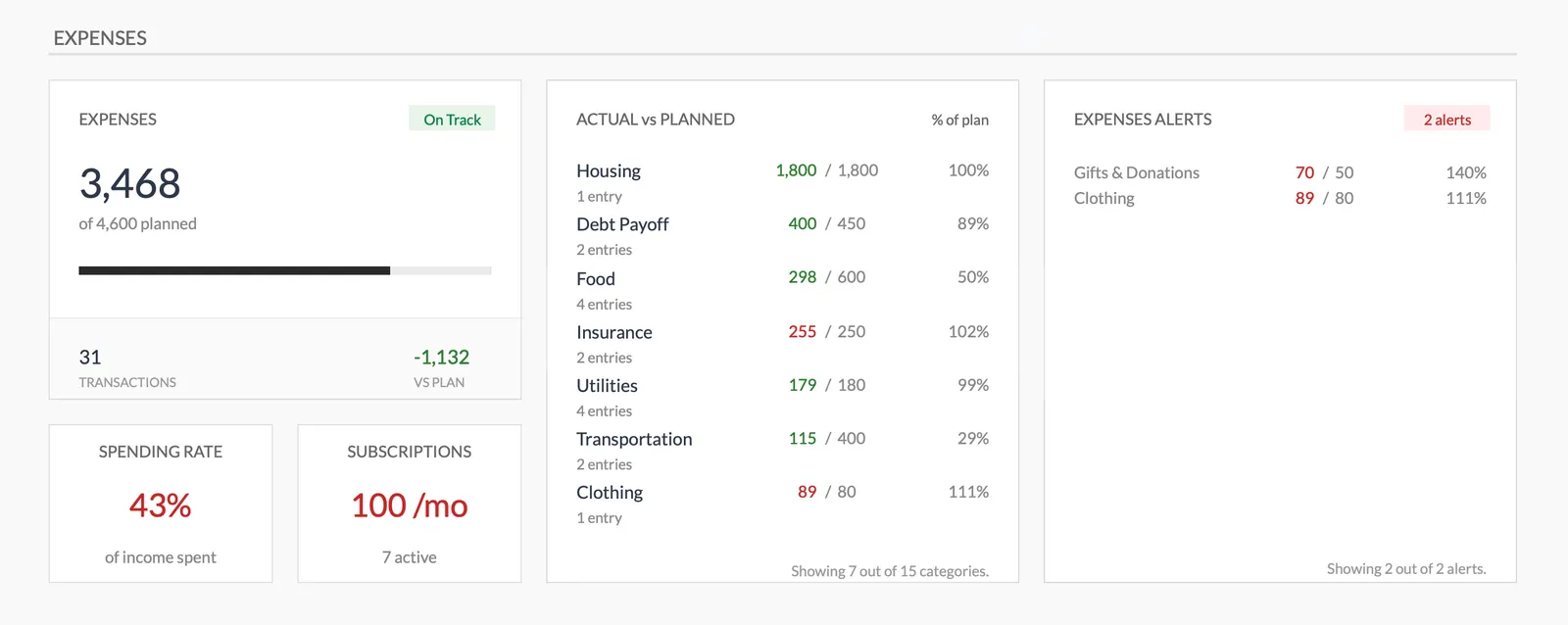
Browse through the template to see how it handles income tracking, expense budgets, savings goals, and spending analysis.
- Dashboard with key metrics at a glance
- Transaction logging with categories
- Budget vs actual comparison
- Visual charts and breakdowns
- Fully customizable categories

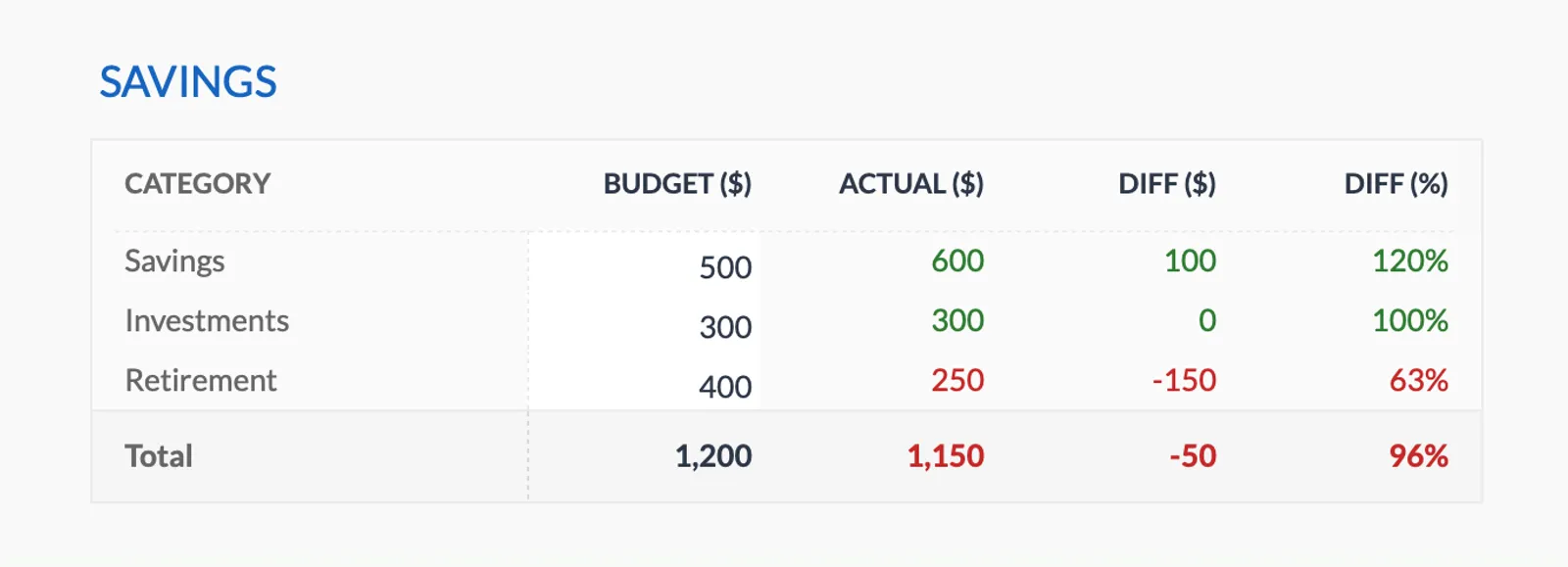
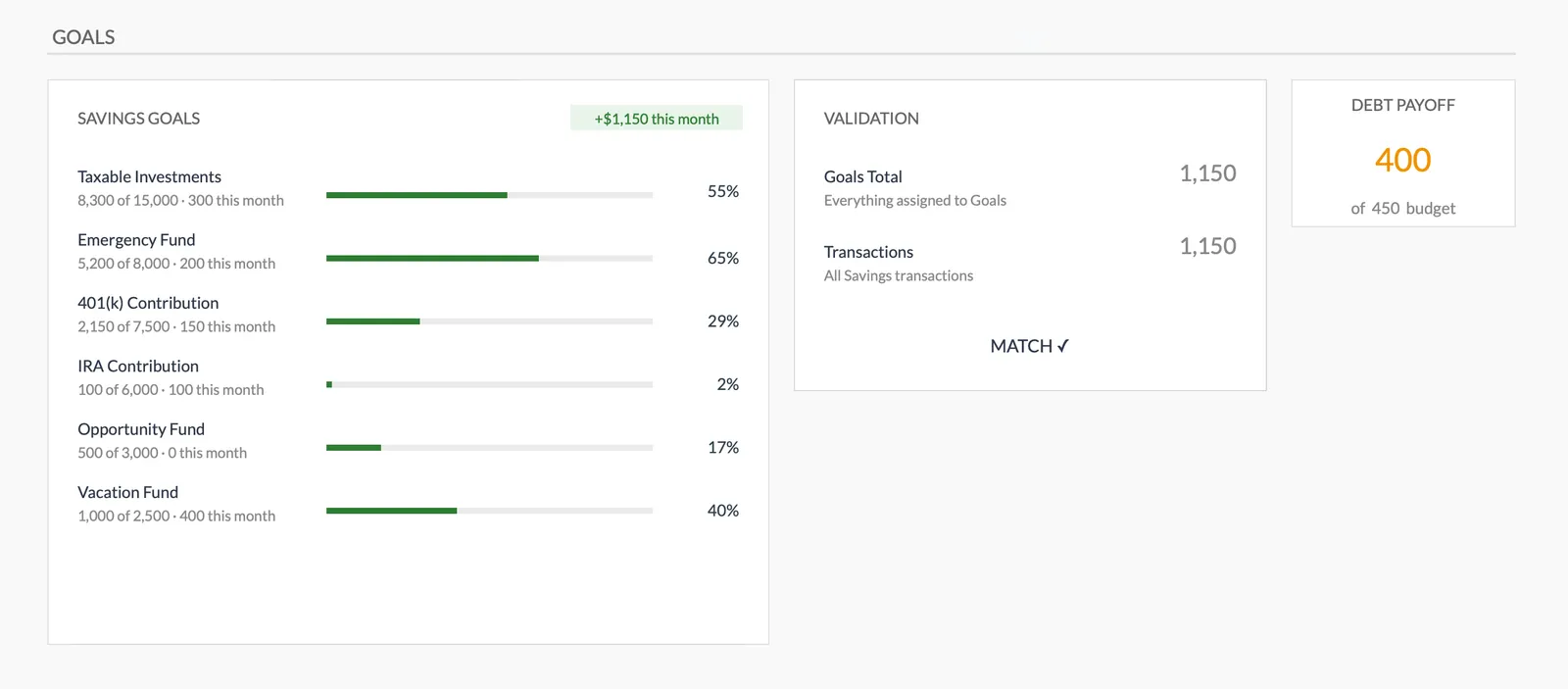
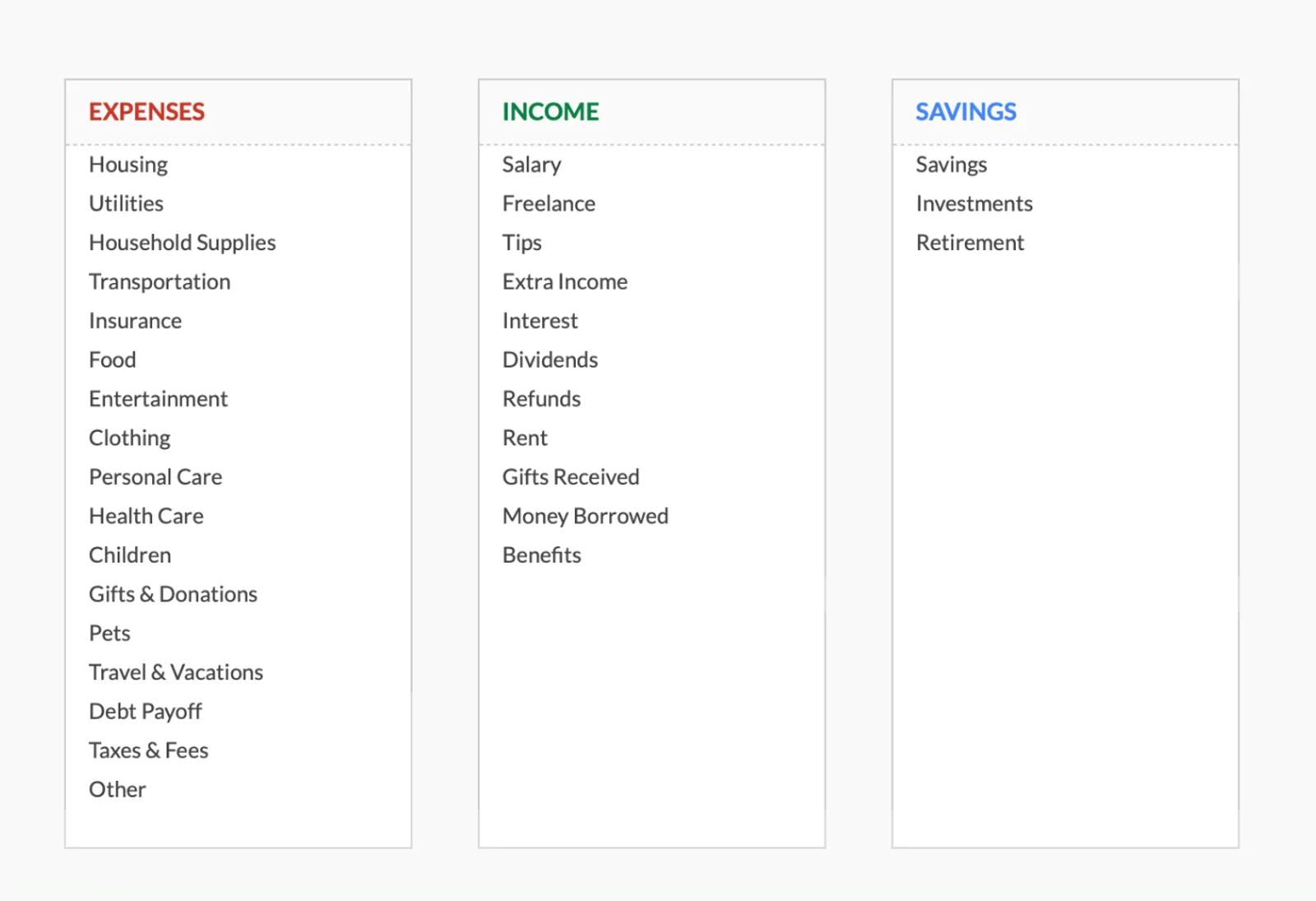
Dashboard with income, expenses, and savings at a glance
Log transactions with automatic categorization
Set targets per category and track actual spending
Visual breakdown of where your money goes
Track savings goals alongside your budget
Monitor progress toward financial goals
Fully customizable expense, income, and savings categories
Getting Started
Your First Budget After Graduation
Enter your take-home pay
Start with what actually hits your bank account, not your gross salary. This is the number your budget is built on.
List your fixed expenses
Rent, loan payments, insurance, subscriptions - anything that costs the same every month. These get budgeted first.
Estimate variable expenses
Groceries, dining out, transportation, entertainment. Use your first month as a baseline and adjust from there.
Assign a savings target
Decide how much to set aside each month, even if it starts small. Having a specific number makes it easier to follow through.
Track and adjust monthly
Log expenses as they happen. At month end, review what worked and tweak the targets. Your budget will get more accurate over time.
Common Questions
Monthly Budget for New Graduates - FAQ
How much of my salary should go to rent?
A common guideline is 30% of gross income, though this varies widely by location. In high-cost cities, many people spend more. The template helps you see exactly what percentage your rent represents and what that leaves for everything else.
Should I focus on paying off loans or saving?
This depends on interest rates, employer matches, and personal priorities. The template tracks both simultaneously so you can see the trade-offs and decide what balance works for your situation.
What if my expenses exceed my income in the first months?
This is common during the transition period - security deposits, furniture, work clothes. The template makes the gap visible so you can plan how to close it rather than discovering a growing credit card balance.
Can I use this if I have multiple income sources?
Yes. Add a side job, freelance work, or any other income alongside your primary salary. The template totals everything together.
How often should I update the budget?
Logging expenses a few times per week works well. A full review at month end takes 15-20 minutes and helps you adjust targets for the following month.
What if I get a raise or change jobs?
Update your income figure and redistribute the increase across categories. The template makes it easy to see where additional money could go - whether that is faster debt payoff, more savings, or lifestyle spending.
Can't find the answer you're looking for? Contact our team
Start budgeting as a new graduate
One-time purchase. No subscription. Your financial data stays in your Google Drive.