Monthly Budget Template
Monthly Budget Template for Low-Income Households
A straightforward budget spreadsheet that helps stretch limited income across essentials and find room for even small savings.
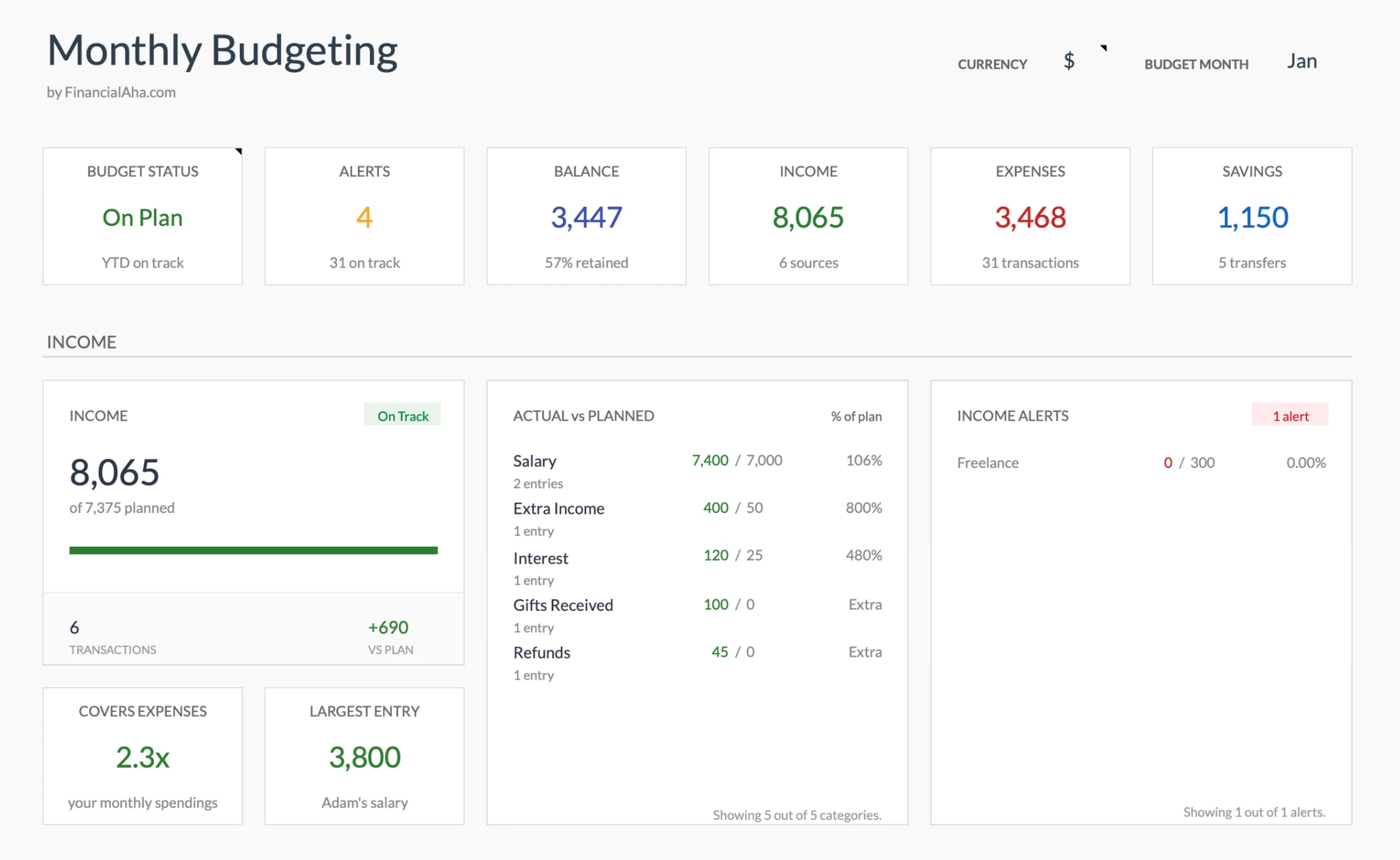
In Depth
Every Dollar Visible When Every Dollar Counts
Budgeting on a limited income is not about finding clever tricks or eliminating small luxuries. It is about survival math - making sure the essentials are covered before anything else gets a dollar. For low-income households, the margin between stability and crisis can be as thin as a single unexpected expense, which makes visibility into every transaction not a preference but a necessity.
The income side of a low-income budget often involves piecing together multiple sources - wages from one or more jobs, government benefits, child support, and informal income. These arrive on different schedules and in different amounts, creating a cash flow puzzle that higher-income households rarely encounter. Some families find that mapping out when each dollar arrives alongside when each bill is due reveals timing gaps that cause overdrafts even when monthly totals theoretically balance.
Standard budgeting frameworks like the 50/30/20 rule tend to fall apart when 90% or more of income goes to necessities. There is no 30% left for wants when housing alone consumes half the paycheck. A more useful approach for tight budgets focuses on prioritizing within the essentials themselves and finding where even small adjustments - a different phone plan, a shifted payment date - create breathing room.
Perhaps the most meaningful outcome of tracking on a tight budget is discovering that the situation is not actually as hopeless as it feels. Many families, once they see the real numbers laid out clearly, find small pockets of flexibility they did not know existed. Even saving a few dollars per week builds toward a cushion that can absorb the next unexpected expense without triggering a spiral.
The Challenge
Why Tight Budgets Need the Most Precision
When there is little margin between income and expenses, every dollar matters. A budget is not a luxury - it is the tool that prevents a small overspend from becoming a crisis.
There is almost no margin for error
When income barely covers expenses, a $50 surprise - a car repair, a medical copay, a school fee - can cascade into overdrafts, late fees, and debt. Visibility into every dollar is not optional, it is essential.
Benefits and aid have different schedules
SNAP benefits, WIC, housing assistance, and paychecks may all arrive on different dates. Coordinating these with bill due dates requires a system that tracks timing, not just totals.
Generic budget advice does not apply
The 50/30/20 rule assumes there is 30% to spare for "wants." When 90% of income goes to essentials, that framework is useless. A budget for tight finances needs to focus on priorities and trade-offs, not percentages.
Saving feels impossible but matters most
Building even a tiny cushion is what separates a setback from a crisis. When there is no emergency fund, every unexpected expense becomes high-interest debt. Tracking makes small savings visible and achievable.
Ready to take control of your low-income household finances?
What You Get
Features for Tight Budget Management
Complete income tracking
Track wages, benefits, child support, gig income, and any other source. See your total monthly resources in one place.
Priority-based expense categories
Essentials - housing, food, utilities, transportation - are front and center. The template makes clear what must be covered first.
Tight targets tracked against every dollar
Set tight targets and track every expense against them. Spot overages within the first week, not at month end.
Micro-savings tracker
Track even small amounts saved. $5 here and $10 there becomes visible progress when it is written down.
Monthly summary
Clear view of income, expenses, and what remains. No clutter, no complicated charts - just the numbers.
Simple, customizable layout
No overwhelming features. Add or remove categories to match your specific expenses. The template stays simple.
See It In Action
What the template looks like
Browse through the template to see how it handles income tracking, expense budgets, savings goals, and spending analysis.
- Dashboard with key metrics at a glance
- Transaction logging with categories
- Budget vs actual comparison
- Visual charts and breakdowns
- Fully customizable categories

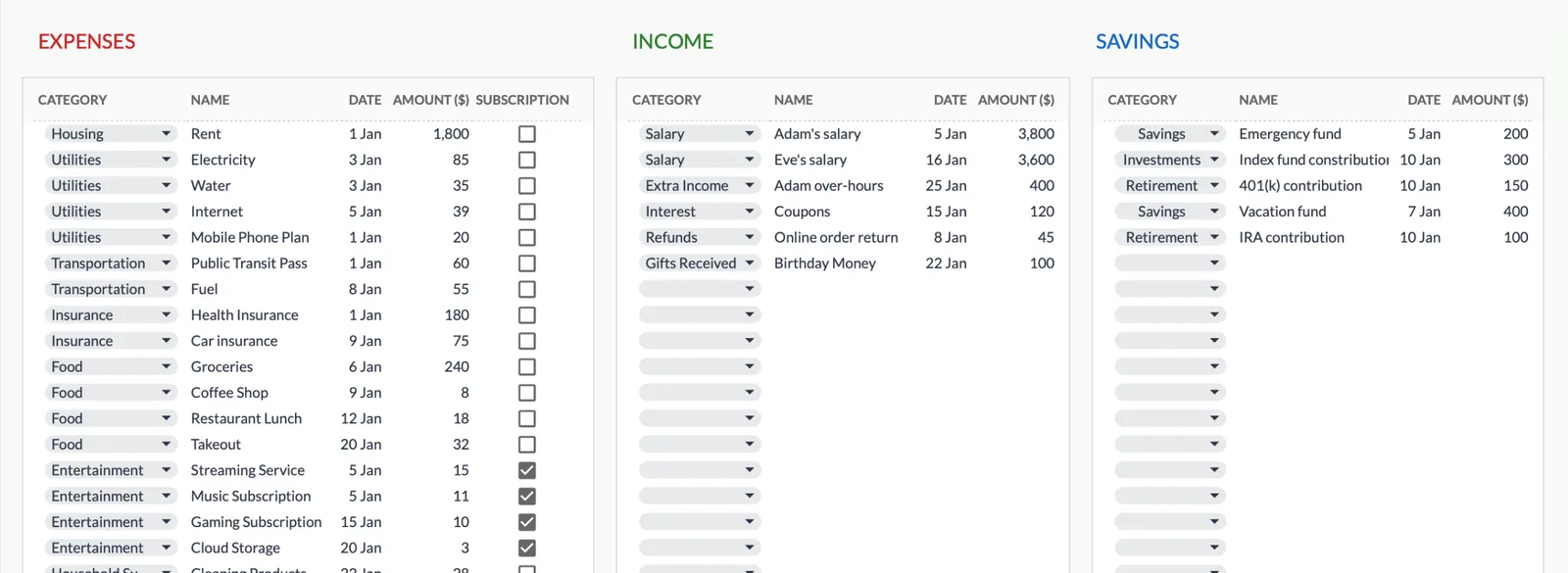
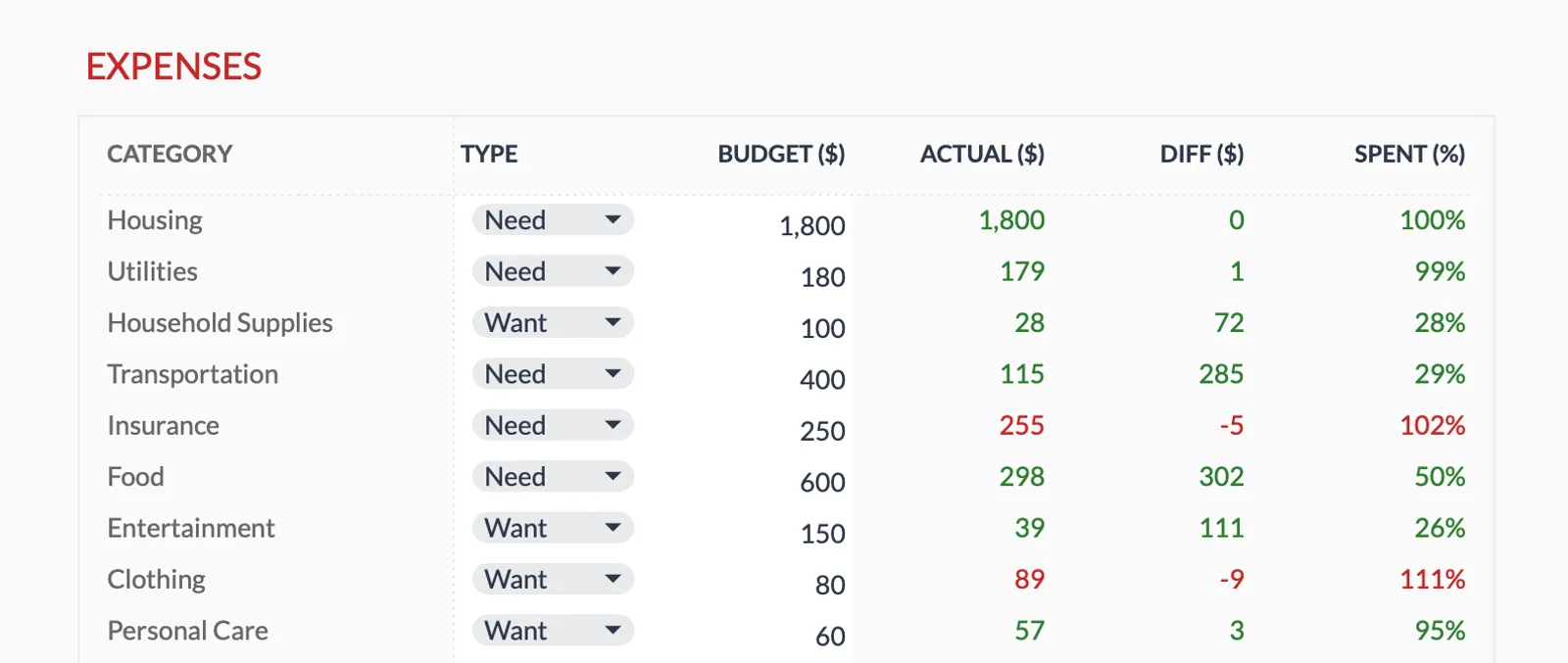
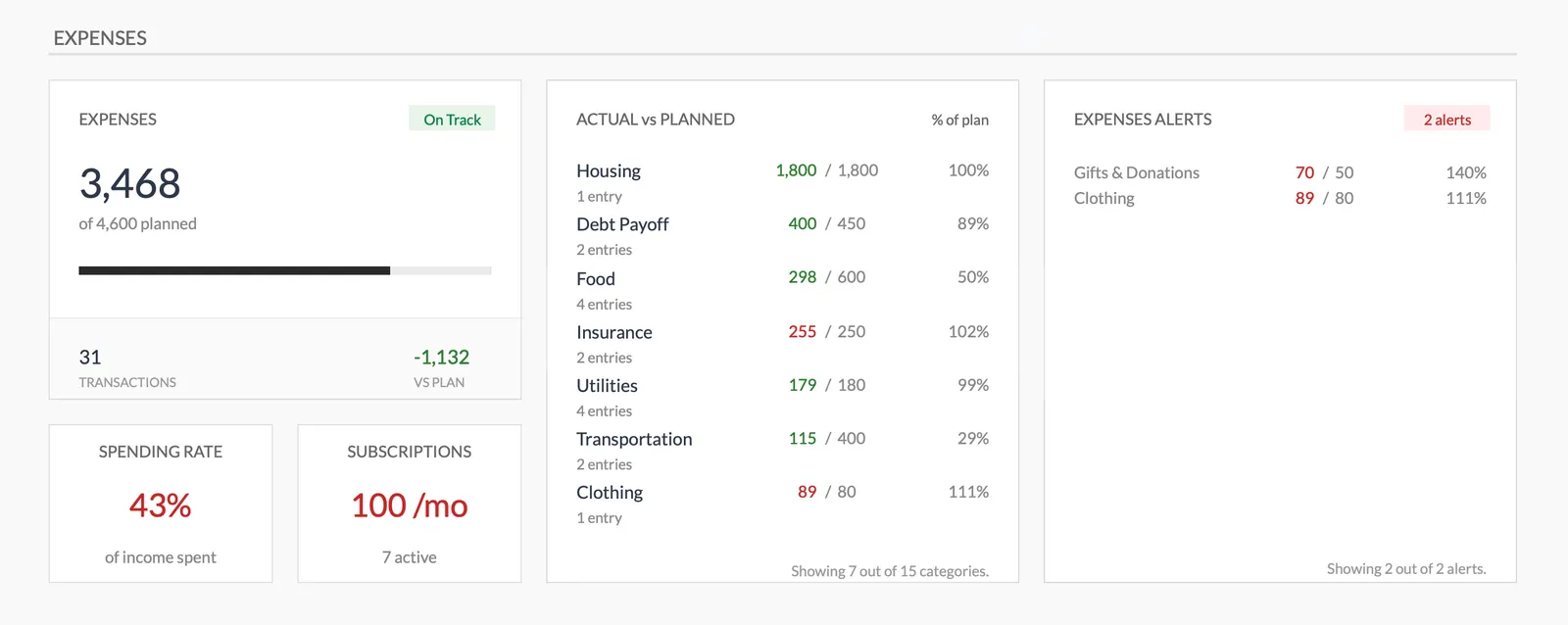
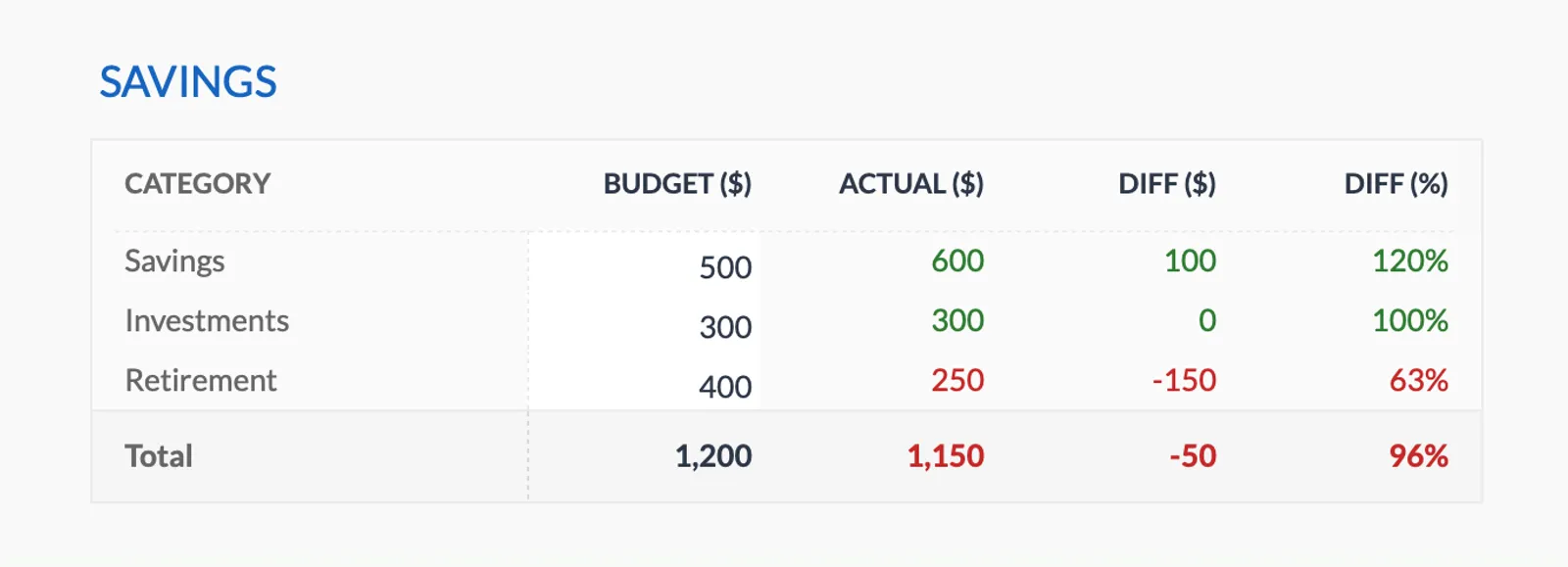
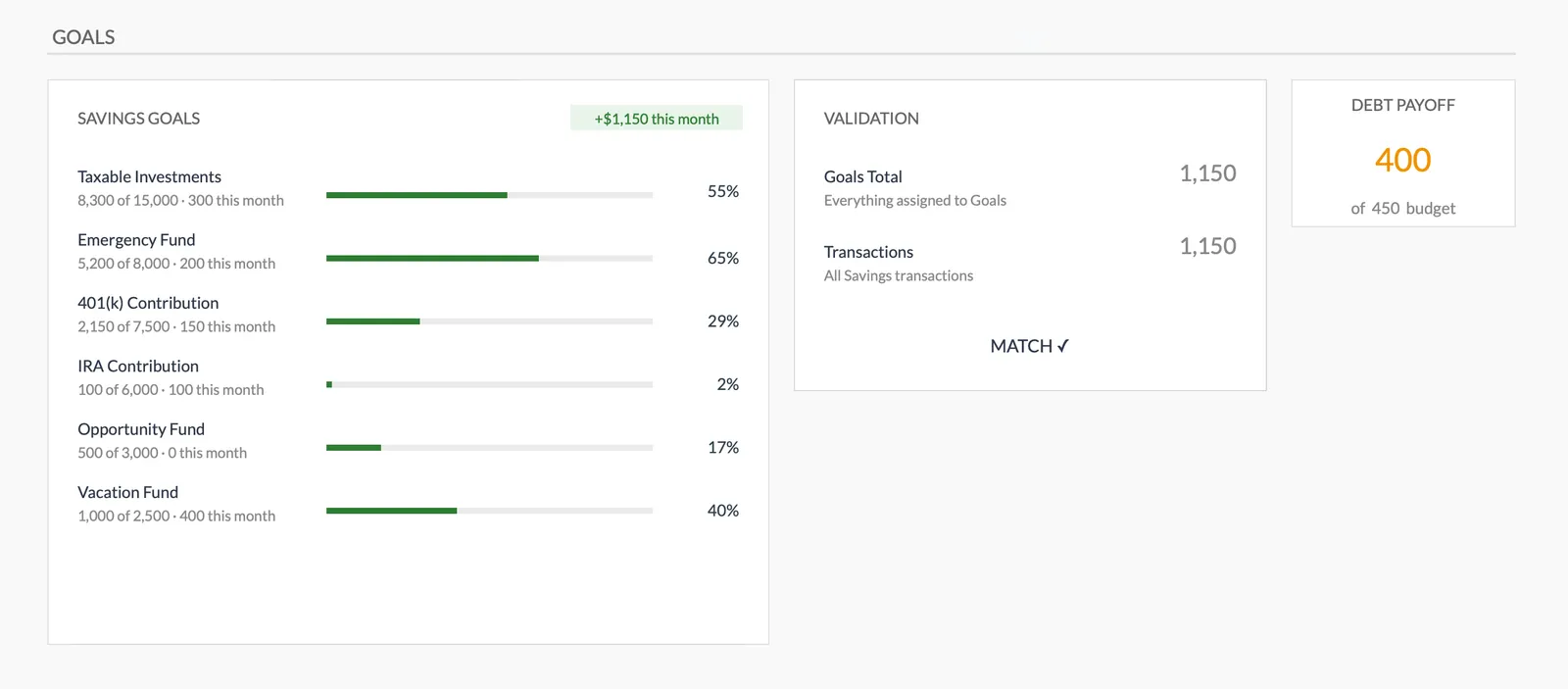
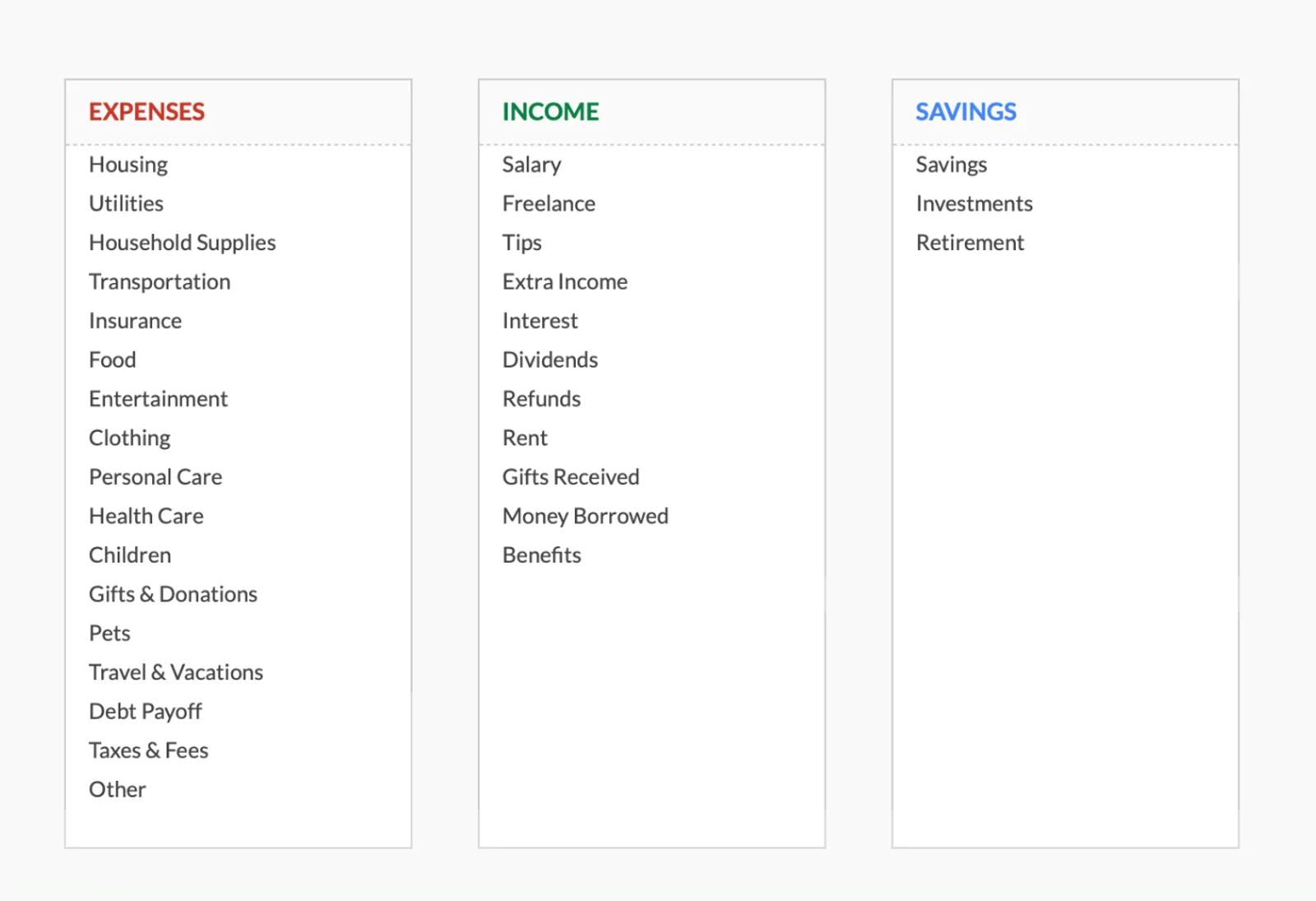
Dashboard with income, expenses, and savings at a glance
Log transactions with automatic categorization
Set targets per category and track actual spending
Visual breakdown of where your money goes
Track savings goals alongside your budget
Monitor progress toward financial goals
Fully customizable expense, income, and savings categories
Getting Started
Quick Start for Tight Budget Planning
List every income source
Include wages, benefits, support payments, and any other money coming in. Use the amount you can count on, not the best-case scenario.
Cover essentials first
Allocate to housing, food, utilities, and transportation before anything else. These keep your household running.
Assign remaining dollars
Whatever is left goes to other necessities, small savings, and any debt payments. Every dollar gets a job.
Track daily if possible
With tight margins, weekly tracking may not catch problems fast enough. Even a quick daily check keeps things on track.
Adjust as income or expenses change
Hours change, benefits adjust, expenses shift. Update the template whenever your situation changes - it takes minutes.
Common Questions
Monthly Budget for Low-Income Households - FAQ
Can I really save anything on a very tight budget?
Many people find that tracking alone reveals small amounts that can be redirected. Even $5 per week builds to $260 over a year. The template makes these small amounts visible rather than invisible.
How do I handle weeks when money runs out early?
The template shows exactly where money went, which helps identify which expenses caused the shortfall. Over a few months, patterns become clear and adjustments become possible.
What about benefits that vary month to month?
Enter the actual benefit amount each month. The template works with whatever numbers you give it - there is no assumption of fixed income.
Is this too complicated if I have never used a spreadsheet?
The template uses the simplest possible layout. If you can type a number into a cell, you can use it. All calculations happen automatically.
What if I have debt payments to make?
Add debt payments as an expense category. The template helps you see how payments fit alongside other priorities and what remains afterward.
How is this different from just writing expenses in a notebook?
The spreadsheet calculates totals, shows remaining balances, and compares targets to actuals automatically. A notebook requires you to do all that math yourself, which makes it harder to maintain.
Can't find the answer you're looking for? Contact our team
Start budgeting as a low-income household
One-time purchase. No subscription. Your financial data stays in your Google Drive.