Spreadsheet Guide
Savings Challenge Spreadsheet
Savings challenges turn building a savings habit into a structured, trackable process. A spreadsheet makes progress visible and keeps motivation high.
In Depth
Turning Saving Into a Trackable Habit
Savings challenges work because they transform an abstract intention - "I want to save more" - into a concrete, trackable action with clear progress markers. The psychology behind this is well-studied: specific, measurable goals with regular feedback loops produce more consistent behavior than vague aspirations. A spreadsheet that shows weeks checked off, a running total climbing, and a completion percentage advancing provides exactly this kind of feedback.
The flexibility of spreadsheet-based challenges is an advantage over rigid apps or systems. A person who gets paid biweekly might prefer a 26-payment challenge aligned with pay periods rather than a weekly format. Someone with variable income might want to set percentage-based targets rather than fixed amounts. A parent saving for holiday gifts might run a 40-week challenge starting in March. The spreadsheet adapts to any structure because the user controls the format.
One pattern that frequently emerges from savings challenges is that the habit persists after the challenge ends. People who successfully complete a 52-week challenge often continue saving at a similar rate because the behavior has become automatic. The challenge serves as a scaffolding structure that builds the habit; once the habit is established, the specific challenge format becomes less important than the underlying routine of setting money aside regularly.
Overview
What a Savings Challenge Spreadsheet Does
A savings challenge spreadsheet tracks progress toward a savings goal using a structured approach. It can follow any challenge format - weekly deposits, percentage-based savings, rounding up purchases, or custom amounts. The spreadsheet shows current progress, remaining target, and projected completion date. Visual progress indicators (charts, percentage complete) provide the motivational feedback that helps people stick with the challenge.
How It Works
How Savings Challenges Work
Choose a savings challenge that fits your situation
Challenges range from simple (save a set amount weekly) to structured (52-week challenge with increasing amounts) to flexible (round up every purchase). The right challenge depends on income consistency, savings experience, and the goal amount. Starting with something achievable builds confidence for larger goals.
Set up the tracking structure
Create a row for each period (week or month) with the target savings amount and a column to mark completion. Include a running total and visual progress indicator. The structure should make it easy to see both the immediate next step and overall progress.
Log each contribution as it happens
Recording each savings contribution when it is made keeps the tracker current and provides the satisfaction of seeing progress. Falling behind is also visible, which prompts catching up before too much time passes.
Celebrate milestones and adjust if needed
Reaching 25%, 50%, and 75% milestones is worth acknowledging. If the challenge proves too aggressive or too easy, adjusting the amounts is perfectly fine. The goal is building a savings habit, not rigidly following a predetermined schedule.
See The Template
A ready-made savings challenge tool
Instead of building from scratch, start with a template that has the structure, formulas, and visuals already in place.
- Pre-built formulas and calculations
- Visual charts and dashboards
- No setup required
- Works in Google Sheets and Excel

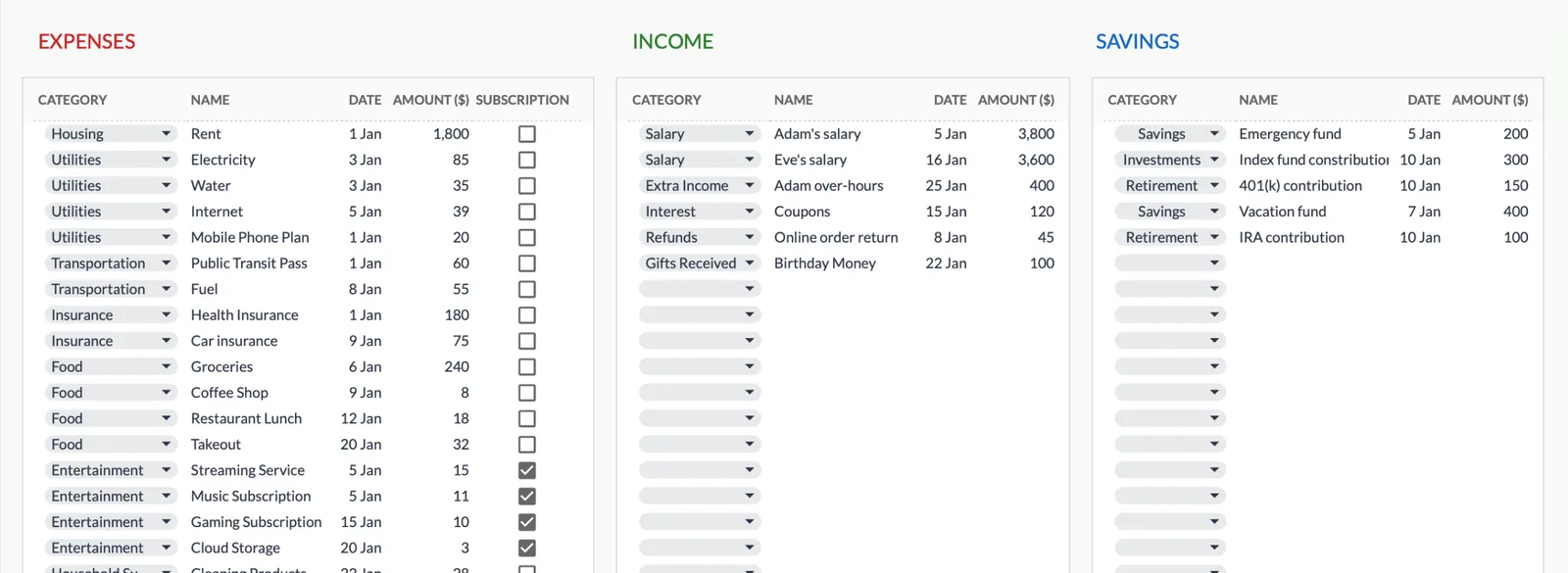
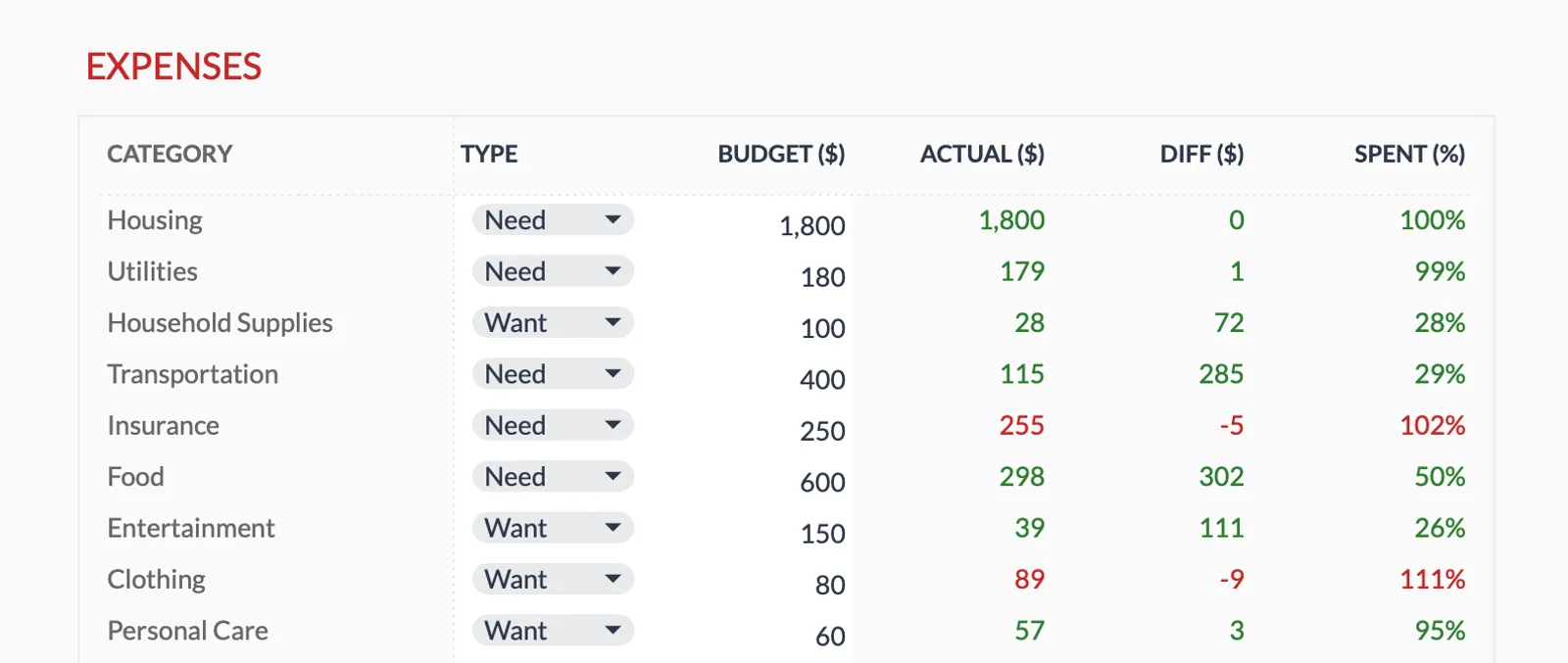
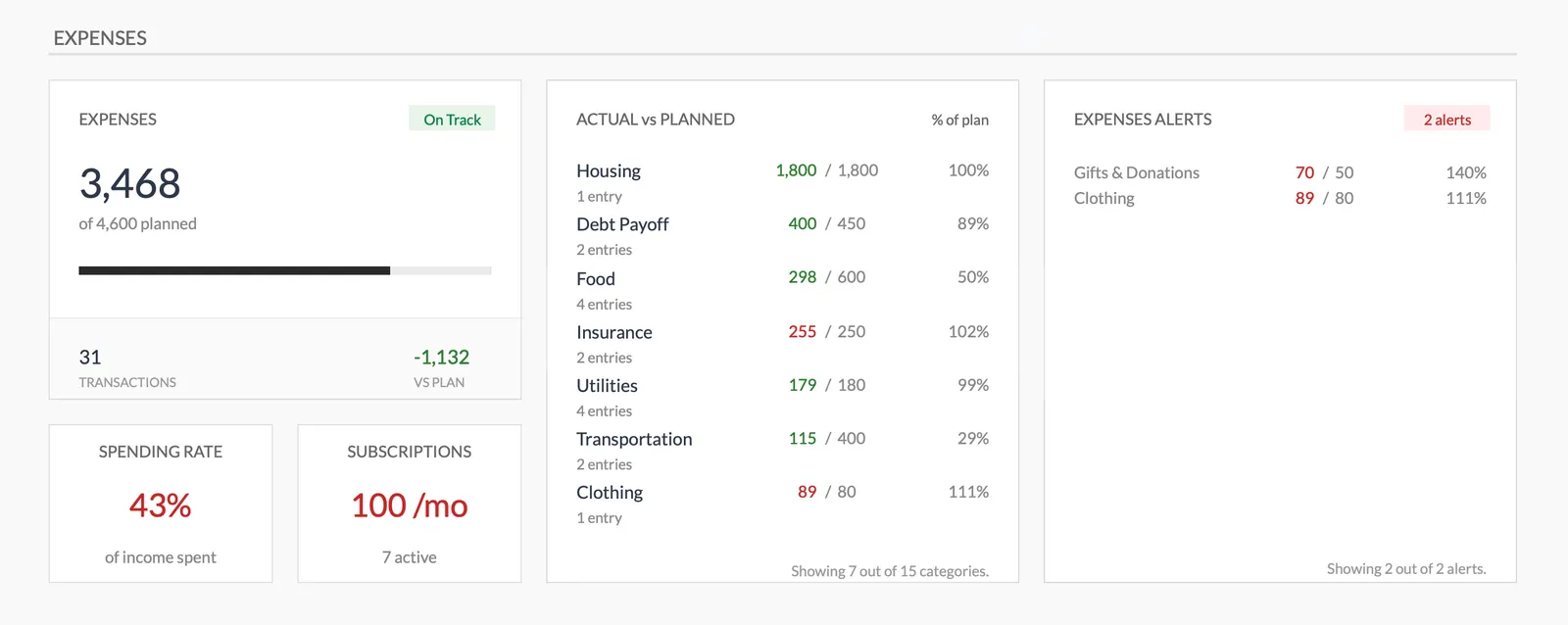
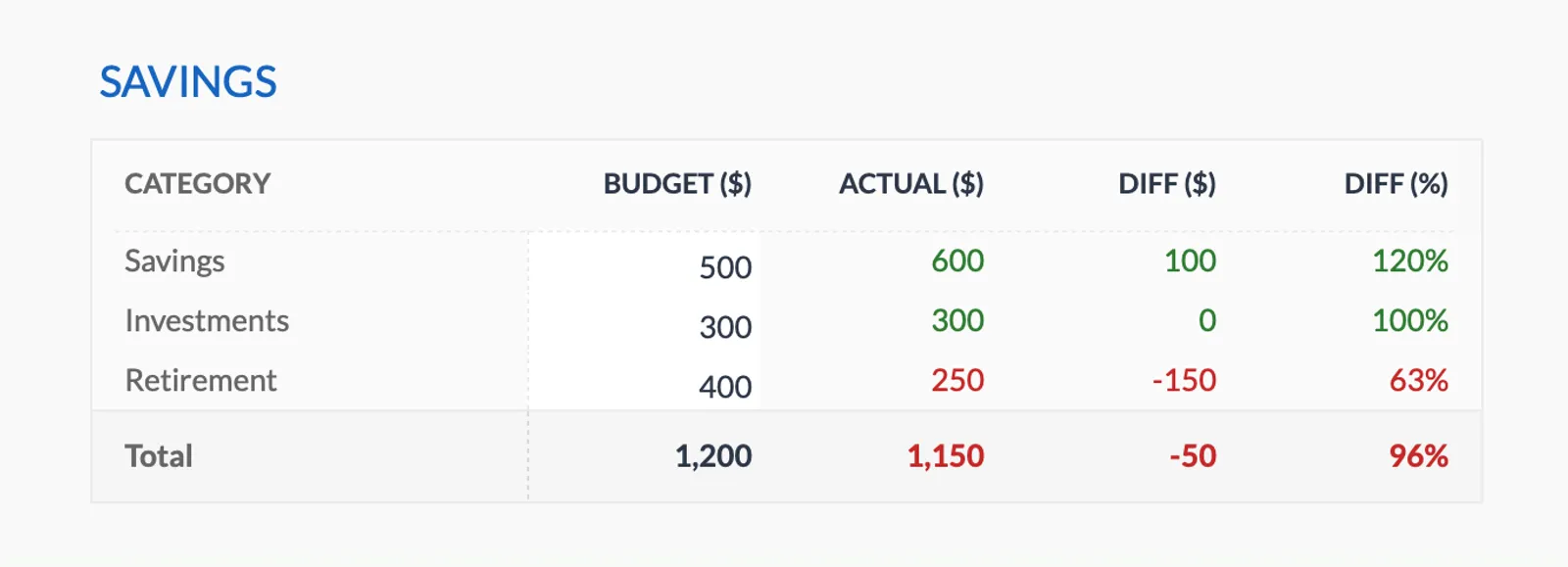
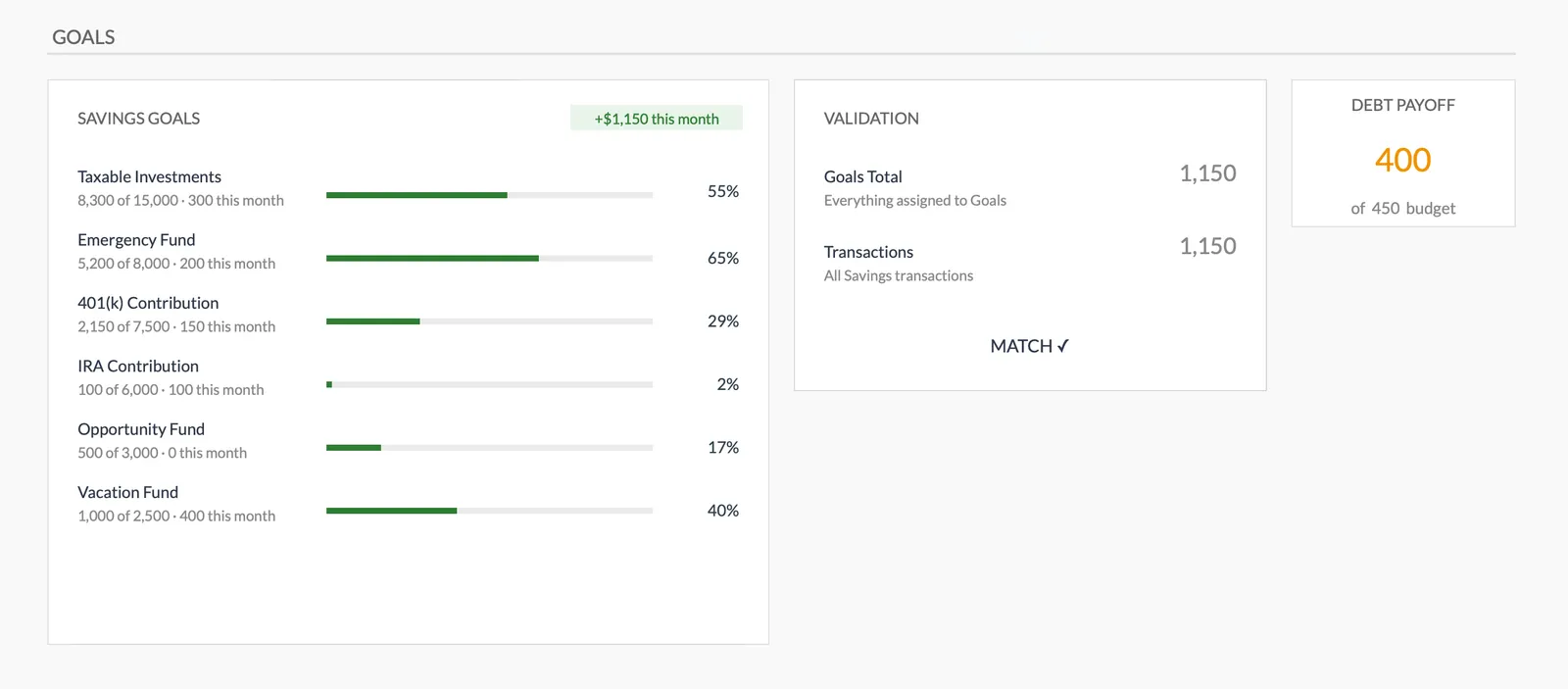
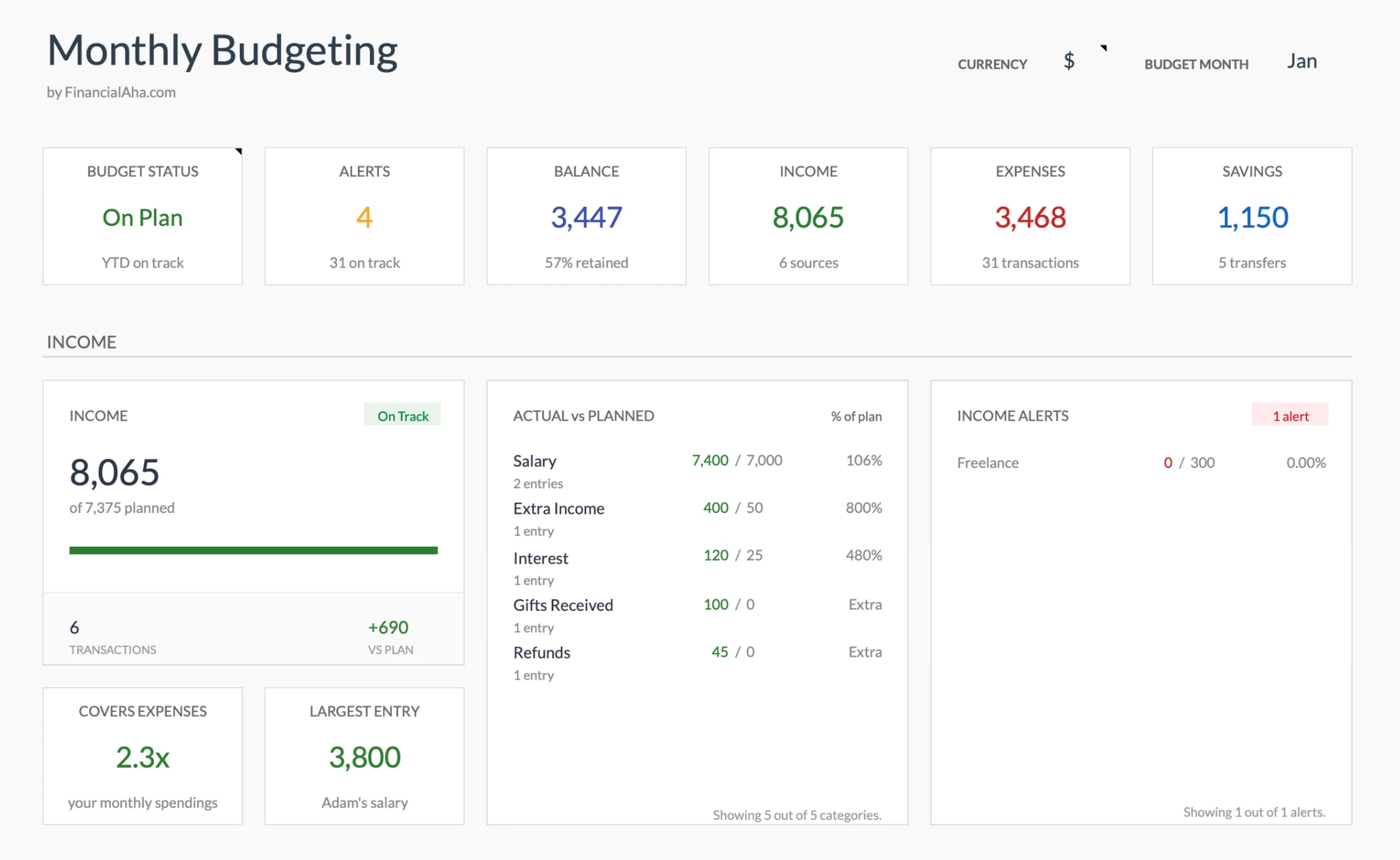
Dashboard with income, expenses, and savings at a glance
Log transactions with automatic categorization
Set targets per category and track actual spending
Visual breakdown of where your money goes
Track savings goals alongside your budget
Monitor progress toward financial goals
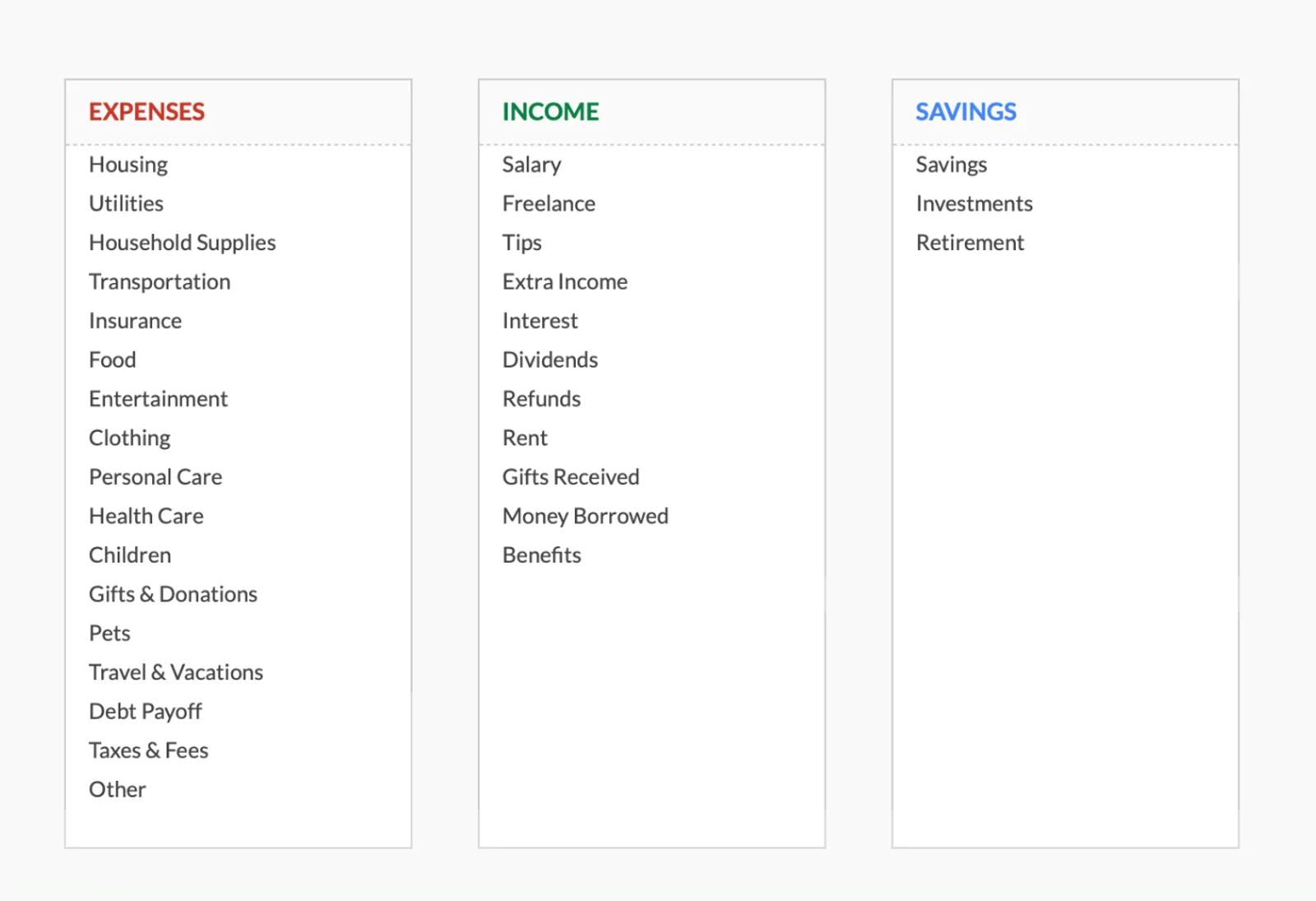
Fully customizable expense, income, and savings categories
Get Started
Template for This Use Case
Set savings goals and track progress alongside your full monthly budget. See how savings challenge contributions fit into your income and spending, with dedicated savings tracking built in.
View template Save $58Get monthly budgeting, financial planning, and net worth tracking together. Track savings challenges as part of a comprehensive approach to building wealth.
Includes 5 templates
View bundleCommon Questions
Savings Challenge Spreadsheet FAQ
What savings challenge is easiest to start with?
A fixed weekly amount (like $10-25/week) is often the simplest starting point. It is predictable, easy to automate, and builds to a meaningful amount over a year ($520-1,300). Variable-amount challenges like the 52-week challenge can feel easy at first but challenging toward the end.
How much can be saved with a savings challenge?
A classic 52-week challenge (saving $1 in week 1, $2 in week 2, up to $52 in week 52) totals $1,378 over a year. Doubling the amounts yields $2,756. A flat $50/week saves $2,600. The amount is flexible - the consistency of saving regularly matters more than the specific amount.
What happens if a week or month is missed?
Missing a contribution does not mean the challenge has failed. Options include doubling up the next period, adjusting future amounts, or simply continuing from where you left off. The habit of saving regularly is the real goal, not perfection.
Where should savings challenge money be kept?
A high-yield savings account separate from the regular checking account works well. The separation reduces the temptation to spend the savings, and the interest earned (even if small) adds to the total. Some people use a different bank entirely for extra separation.
Can savings challenges be done alongside other financial goals?
Savings challenges work well as one component of a broader financial plan. Some people run a savings challenge for a specific goal (emergency fund, vacation, holiday gifts) while maintaining regular contributions to retirement and other priorities. The key is ensuring total savings commitments fit within the budget.
Can't find the answer you're looking for? Contact our team
Get a ready-made savings challenge spreadsheet
Skip the setup and start with a professionally designed spreadsheet template. All formulas, charts, and tracking built in.
Ready to get started?
Download instantly and start managing your finances, or contact us to design a custom template package for your needs.