Life Event Guide
Financial Planning When Facing Job Loss
Losing a job is stressful - knowing exactly where your money stands and how long it can last removes some of the uncertainty and helps you focus on what comes next.
Financial Impact
The Financial Impact of Job Loss
Job loss affects every aspect of your financial life simultaneously. Income stops but expenses continue, and the psychological pressure can lead to either panic-driven decisions or avoidance. Having clear numbers provides a foundation for navigating the transition.
Income drops faster than expenses
When a paycheck stops, fixed obligations like rent/mortgage, car payments, insurance, and subscriptions keep billing. A household spending $5,000/month with $20,000 in savings has a 4-month runway - but only if discretionary spending drops to near zero. Unemployment benefits (typically 40-50% of prior salary, capped at $300-$800/week depending on state) extend this runway but rarely cover full expenses.
Health insurance costs can spike dramatically
COBRA continuation coverage preserves your employer plan but at full cost plus a 2% admin fee. What your employer paid $800/month for now costs you $800/month (or more for family coverage - often $1,500-$2,200/month). Marketplace plans may be more affordable, especially with income-based subsidies that apply during unemployment. This single decision can save or cost thousands over a job search.
Severance and final pay vary widely
Severance packages, when offered, typically range from 2 weeks to 6 months of pay based on tenure and role. Accrued PTO payout, bonus proration, and stock vesting schedules all vary by company and state law. Understanding the exact dollar amount and timing of these payouts is critical for calculating your true financial runway.
The job search itself has costs
Interview clothing, resume services ($200-$1,000), career coaching ($100-$300/session), networking meals and events, commuting to interviews, and professional development courses or certifications - these add up to $500-$3,000 or more during an active search. These are investments in your next income source, but they need to be budgeted for.
Getting Ready
How to Adjust Your Budget During Unemployment
Calculate your exact financial runway
Add up all available resources: savings, severance, final paycheck, accrued PTO payout, and estimated unemployment benefits. Then list monthly essential expenses (housing, food, insurance, minimum debt payments, utilities). Divide total resources by monthly essentials. This is your runway in months - the number that drives all other decisions.
Create an "essential only" budget immediately
Separate expenses into essential (housing, utilities, food, insurance, minimum debt payments) and non-essential (subscriptions, dining out, entertainment, gym memberships). Cutting non-essentials quickly can reduce monthly spending by $500-$1,500, significantly extending your runway. This is not permanent - it is a temporary measure while income is uncertain.
Contact creditors before you miss payments
Many mortgage companies, credit card issuers, and loan servicers offer hardship programs including deferred payments, reduced interest rates, or modified payment plans. Reaching out before a payment is missed generally gets better results than calling after. Student loan servicers, in particular, often have forbearance and income-driven repayment options.
Track every dollar during unemployment
When income is limited, knowing exactly where money goes is more important than ever. Tracking daily expenses reveals spending leaks that are easy to overlook - the $5 coffee, the automatic subscription renewal, the "small" Amazon purchase. During unemployment, these small amounts add days or weeks to your runway.
File for unemployment benefits promptly
Unemployment insurance typically takes 2-4 weeks from filing to first payment. File as soon as possible - even if you have severance, many states allow benefits to start after severance ends, and the application process takes time. Benefits typically last 26 weeks and replace 40-50% of prior wages up to a state-specific cap.
See The Templates
Tools for this stage of life
Browse the templates that help with financial planning during major life transitions.
- Financial planning dashboard
- Monthly budget tracking
- Net worth over time
- Goal setting and tracking

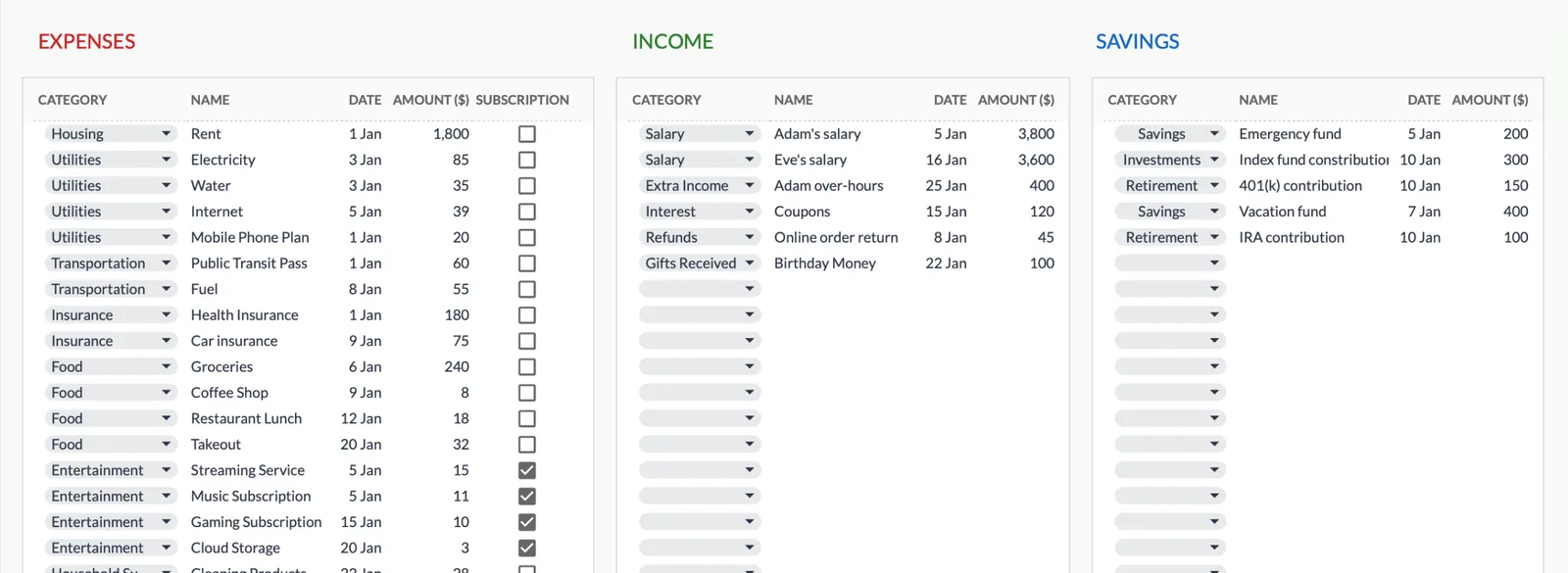
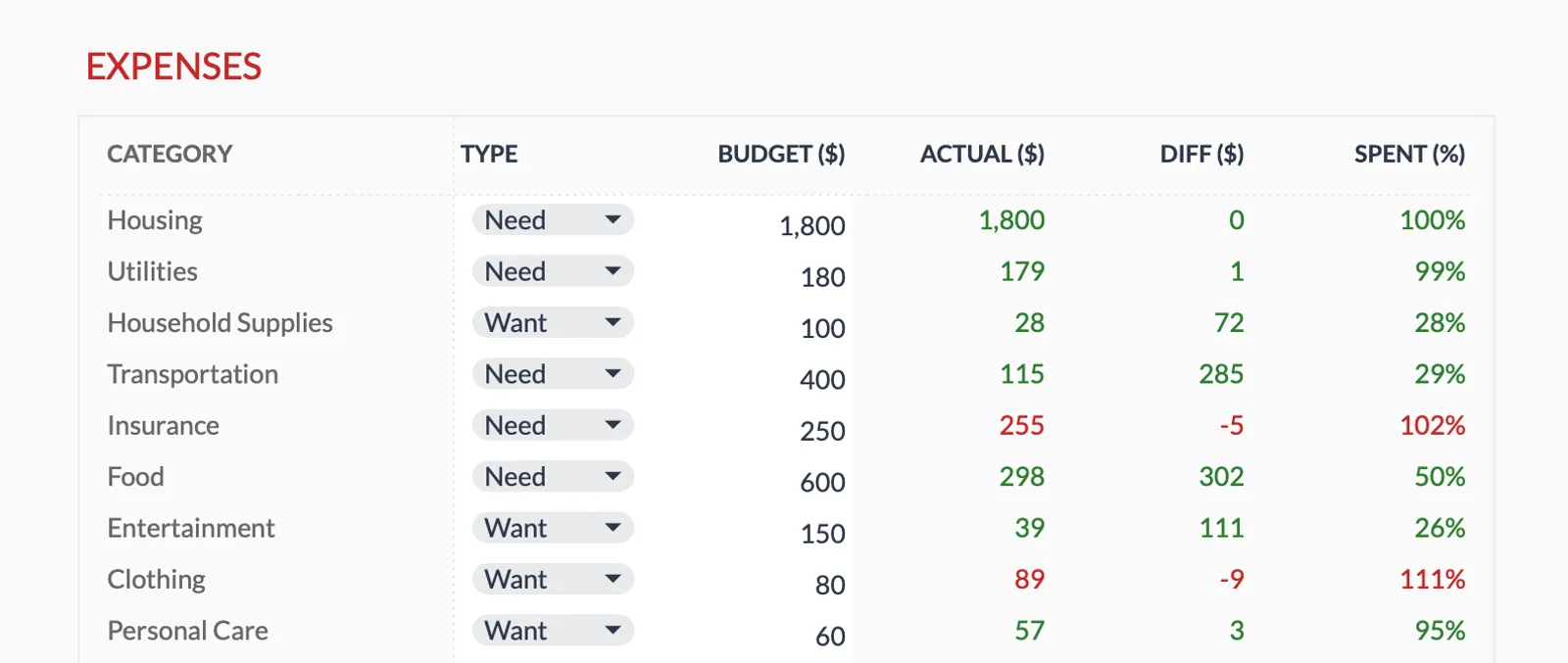
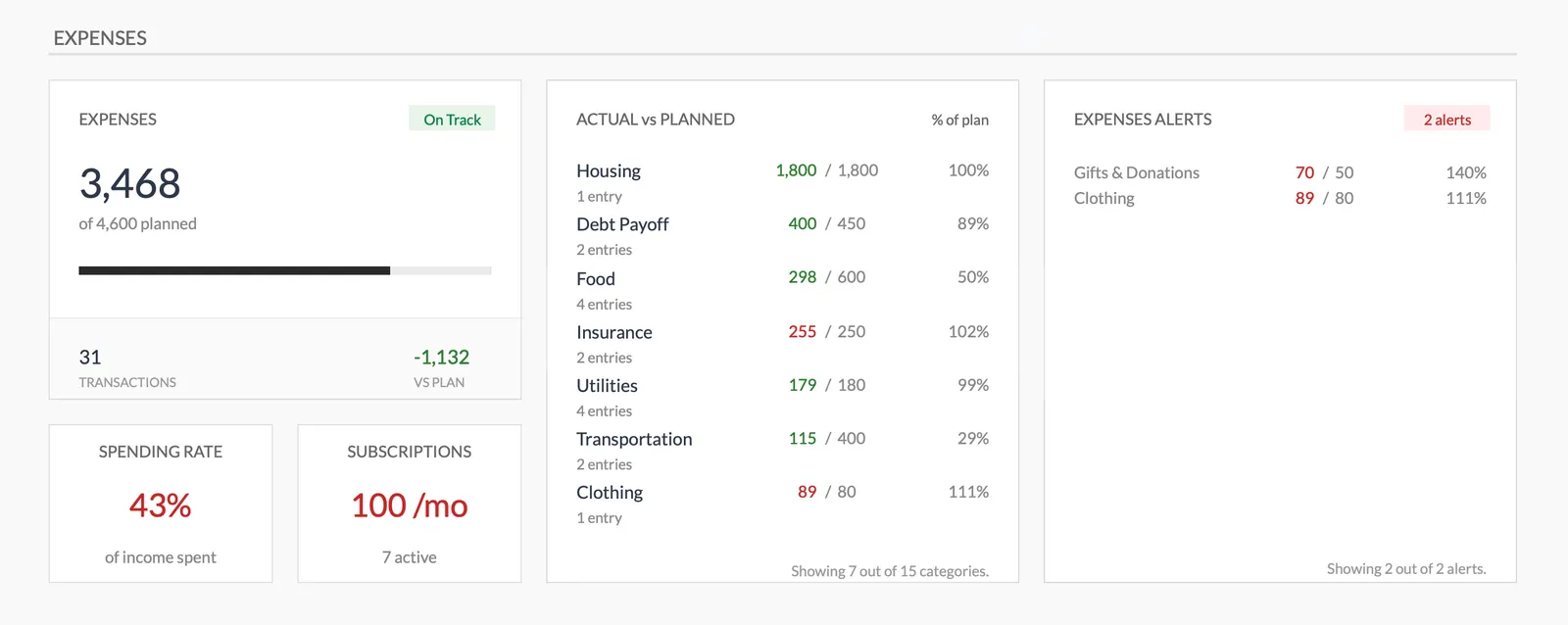
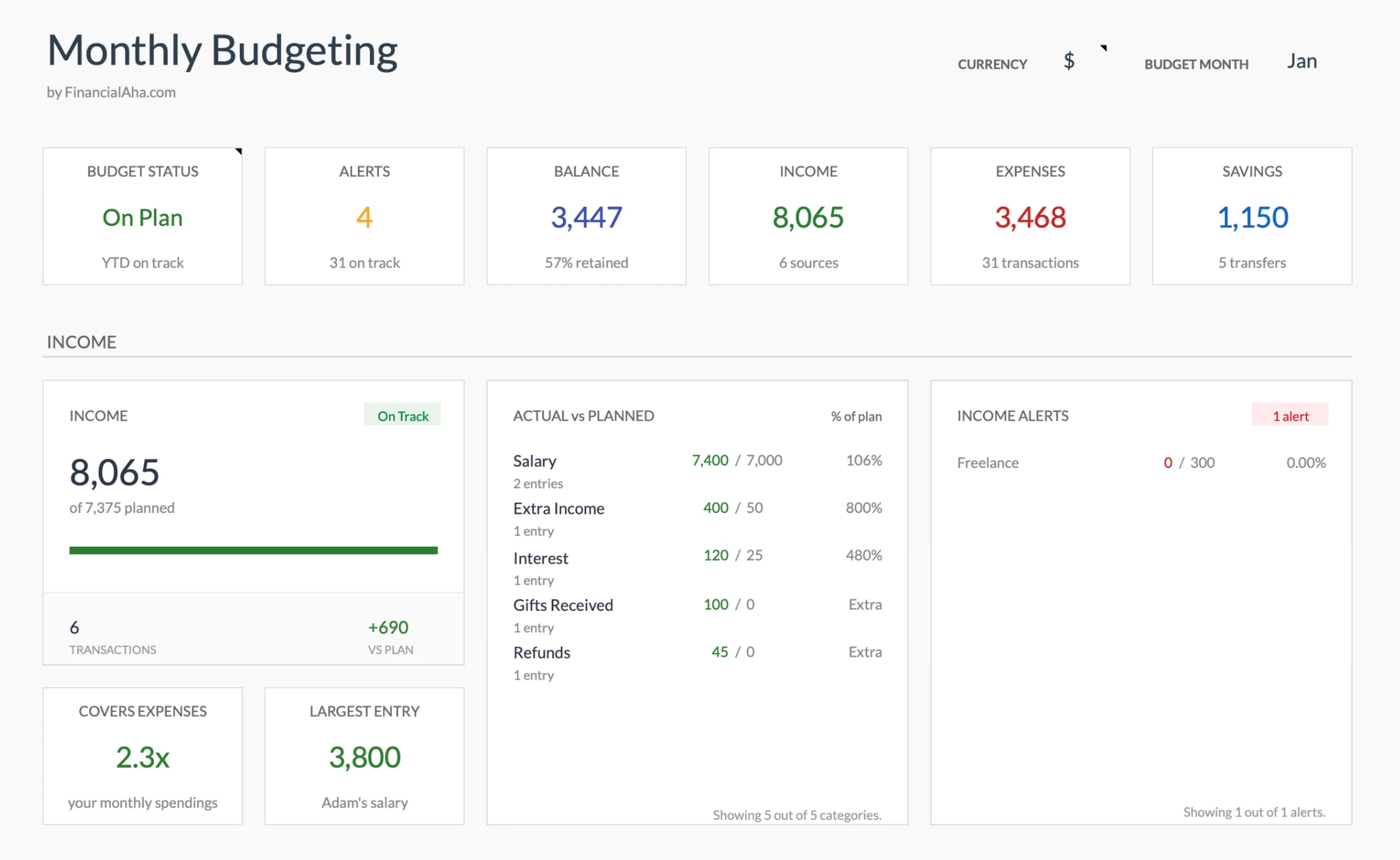
Dashboard with income, expenses, and savings at a glance
Log transactions with automatic categorization
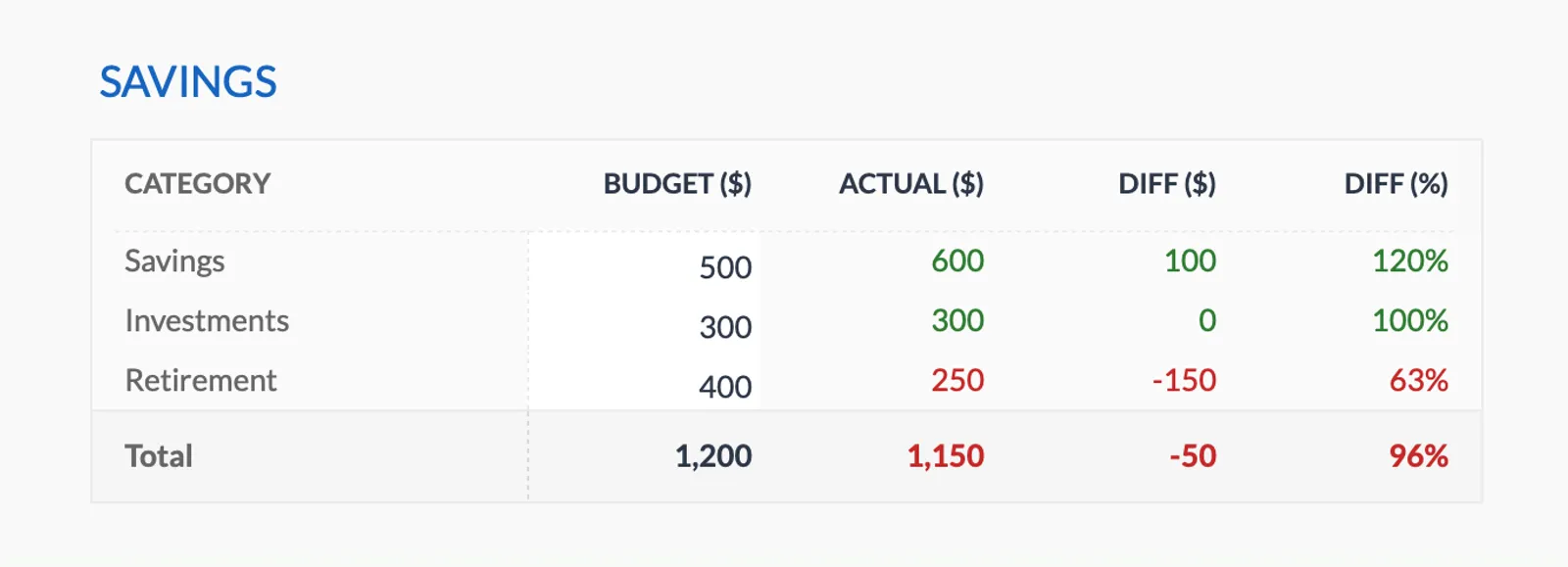
Set targets per category and track actual spending
Visual breakdown of where your money goes
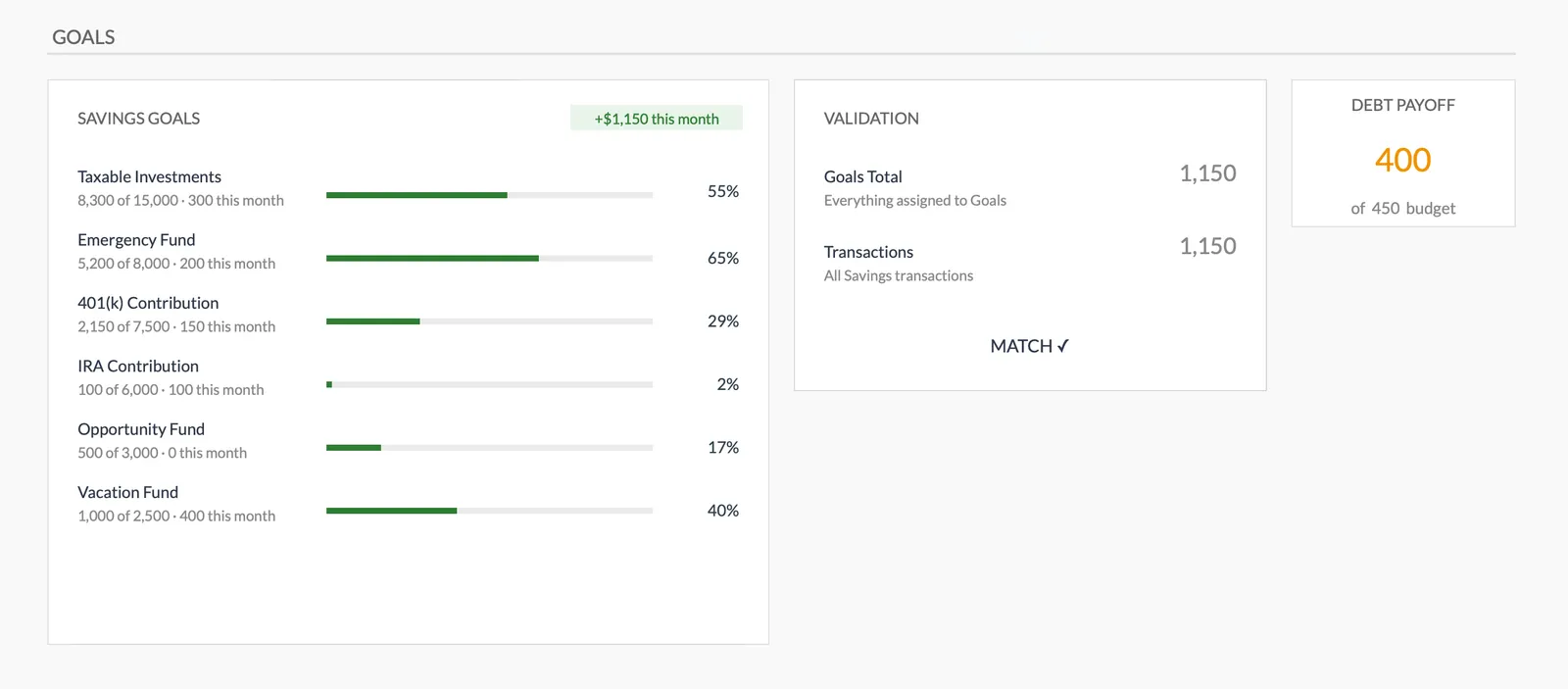
Track savings goals alongside your budget
Monitor progress toward financial goals
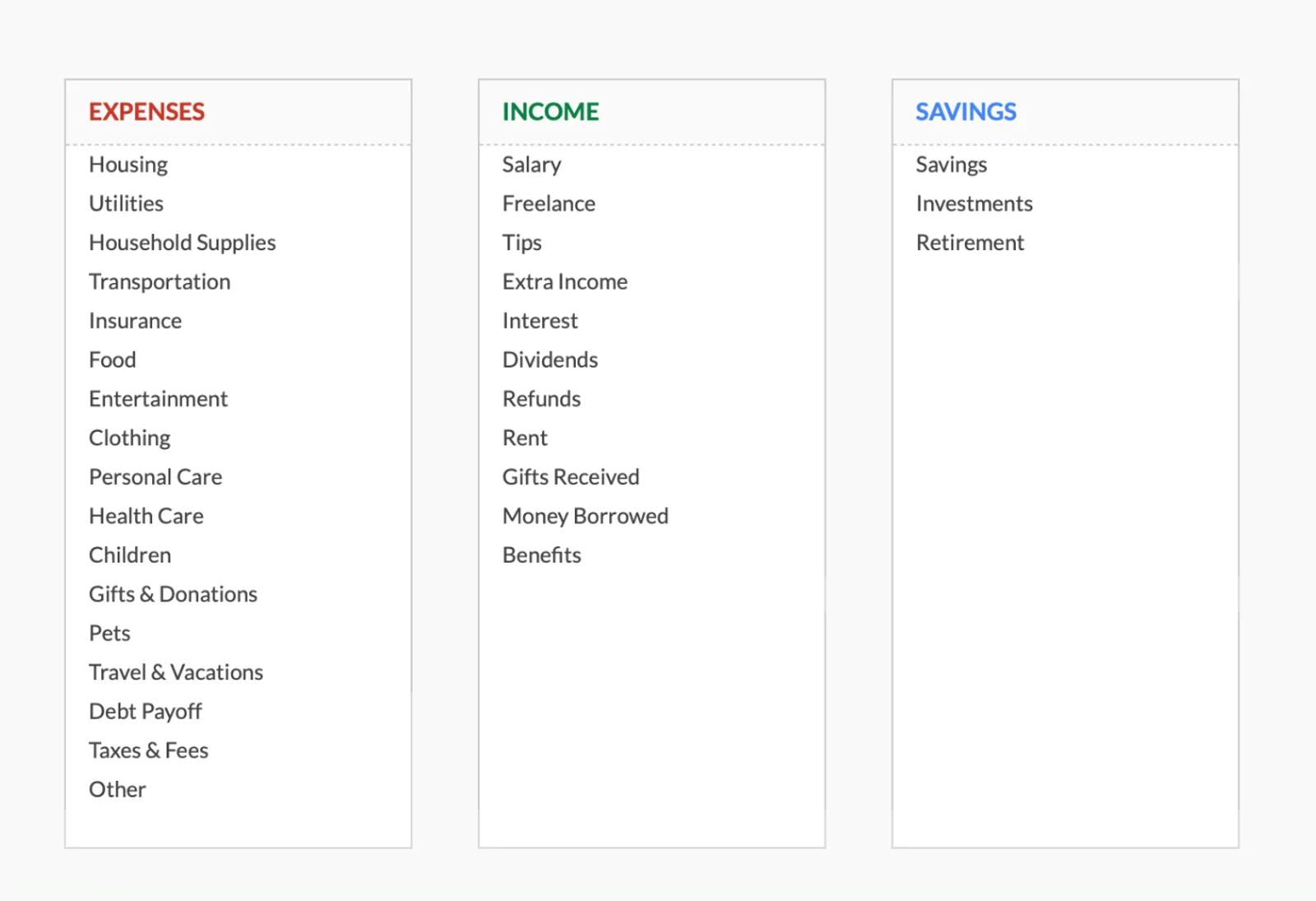
Fully customizable expense, income, and savings categories
Recommended Templates
The Right Templates for This Stage
During unemployment, financial visibility is everything. These templates help you stay in control:
Restructure your budget around reduced income. Clearly see the gap between income and expenses, and model different scenarios - what if the job search takes 3 months vs. 6 months?
View templateTrack actual spending against your reduced budget. When every dollar counts, knowing exactly where money goes helps identify additional cuts and extends your financial runway.
View templateCommon Questions
Job Loss - Financial FAQ
How much should I have saved for job loss?
The common guideline is 3-6 months of essential expenses. For a household spending $5,000/month on essentials, that is $15,000-$30,000. Some financial planners suggest higher amounts for single-income households or specialized industries where job searches take longer. Whatever the amount, knowing your current runway number is more useful than worrying about whether it is "enough."
How do I handle health insurance after a layoff?
Three main options: COBRA (continues employer plan at full cost, typically $500-$2,200/month), marketplace/ACA plans (often more affordable, with subsidies available based on reduced income), or a spouse's employer plan (if available). The decision depends on your specific healthcare needs, cost comparisons, and whether you have ongoing treatments with in-network providers.
What expenses should I cut first?
Start with subscriptions and memberships you can pause or cancel ($50-$200/month saved). Then look at dining out and food delivery ($200-$500/month). Negotiate lower rates on insurance and phone plans. Pause retirement contributions temporarily if needed. The goal is to extend your runway while maintaining essentials that support your well-being and job search.
How do I track spending during unemployment?
The Monthly Expenses Tracker lets you categorize every transaction and see weekly and monthly totals. During unemployment, checking it weekly (rather than monthly) helps catch spending drift early. Some people find that daily tracking during this period provides the tightest control.
Can't find the answer you're looking for? Contact our team
Ready to get started?
Download instantly and start managing your finances, or contact us to design a custom template package for your needs.