Life Event Guide
Financial Planning When Having a Baby
From hospital bills to diapers to childcare - understanding the real costs of a new baby helps families prepare without panic.
Financial Impact
The Financial Impact of Having a Baby
A new baby brings joy and a significant shift in household spending. The first year alone introduces costs that many new parents underestimate, and the financial adjustments extend well beyond infancy.
The first year costs more than most expect
The USDA estimates the average cost of the first year at $12,000-$15,000, and that is before childcare. Hospital delivery costs with insurance typically run $2,000-$5,000 out of pocket (more for C-sections). Add a crib ($200-$800), car seat ($100-$350), stroller ($150-$600), diapers ($70-$80/month), and formula if needed ($150-$200/month). These costs arrive quickly and simultaneously.
Childcare is often the largest new expense
Full-time daycare averages $1,000-$2,000/month depending on location - in major metro areas, it can exceed $2,500/month. That is $12,000-$30,000 per year, often rivaling housing as the biggest line item in the budget. Some families find that one parent reducing hours or staying home makes financial sense when childcare costs are factored in.
Income may temporarily decrease
Parental leave policies vary widely. Some employers offer 6-12 weeks of paid leave, while others offer only unpaid FMLA protection. A 12-week period at reduced or zero pay means $5,000-$25,000 in lost income depending on salary. Planning for this gap before the baby arrives prevents relying on credit cards during an already stressful time.
Tax benefits partially offset costs
The Child Tax Credit provides up to $2,000 per child annually. Dependent Care FSAs allow up to $5,000/year in pre-tax childcare spending. Filing status and credits change - some families see $3,000-$5,000 in annual tax savings. These do not cover the full cost, but they provide meaningful relief.
Getting Ready
How to Prepare Your Budget for a New Baby
Build a baby-specific emergency fund
Beyond your regular emergency fund, setting aside $3,000-$5,000 for unexpected baby-related costs provides a buffer. Unplanned medical expenses, specialty formula needs, or equipment replacements come up more often than expected in the first year.
Calculate your parental leave income gap
Map out your exact income during leave: employer-paid leave percentage, state disability benefits (available in some states), and any PTO you plan to use. Compare this to your monthly expenses. If there is a shortfall of $2,000/month over 12 weeks, that is $6,000 to have saved before the due date.
Add new budget categories before the baby arrives
Create line items for: diapers and wipes ($80/month), baby food/formula ($100-$200/month), pediatrician copays ($25-$50 per visit, frequent in year one), childcare ($1,000-$2,500/month), baby gear and clothing ($50-$100/month). Starting these categories early helps you adjust other spending gradually rather than all at once.
Review and update insurance coverage
Adding a dependent to health insurance typically costs $200-$400/month extra. Open enrollment or qualifying life event windows are time-sensitive - missing them can mean months without coverage for your child. Also consider increasing life insurance and starting or updating a will.
Start thinking about long-term costs
The USDA estimates raising a child to age 18 costs roughly $233,000 (in 2015 dollars - higher today). College savings through a 529 plan can start with small monthly contributions - even $100/month from birth grows to approximately $40,000 by age 18 assuming 7% average returns. Early contributions benefit most from compound growth.
See The Templates
Tools for this stage of life
Browse the templates that help with financial planning during major life transitions.
- Financial planning dashboard
- Monthly budget tracking
- Net worth over time
- Goal setting and tracking

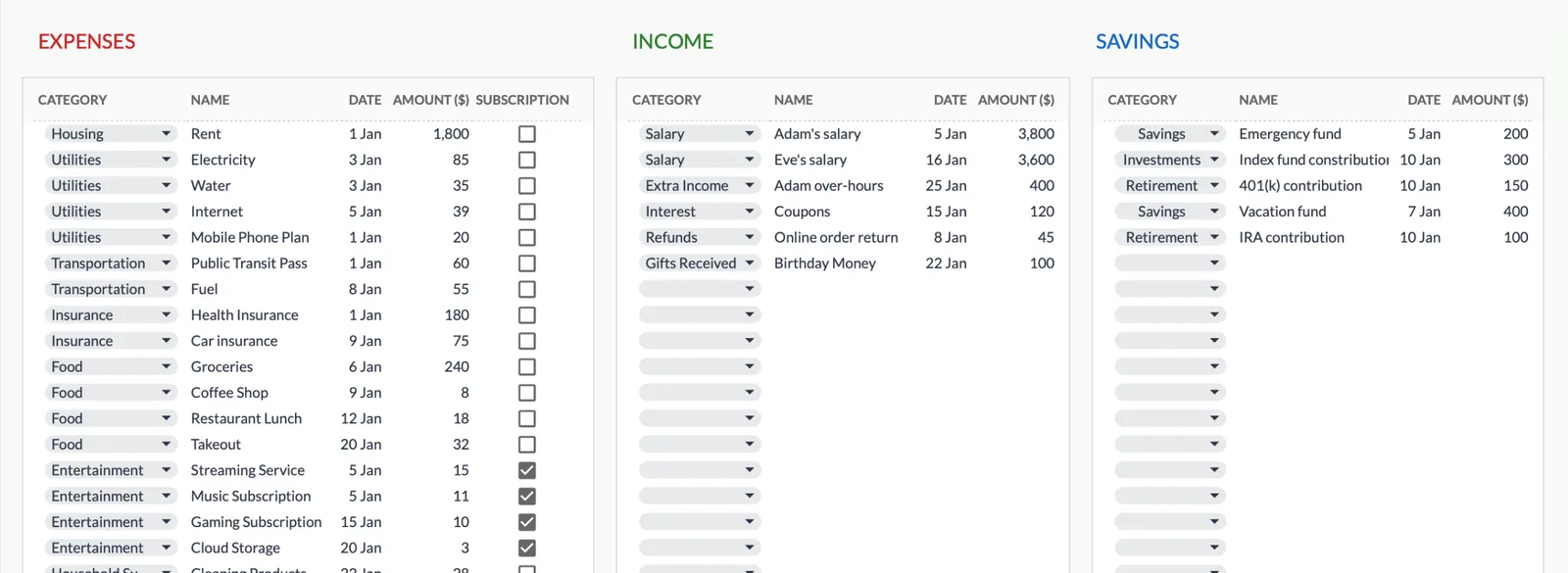
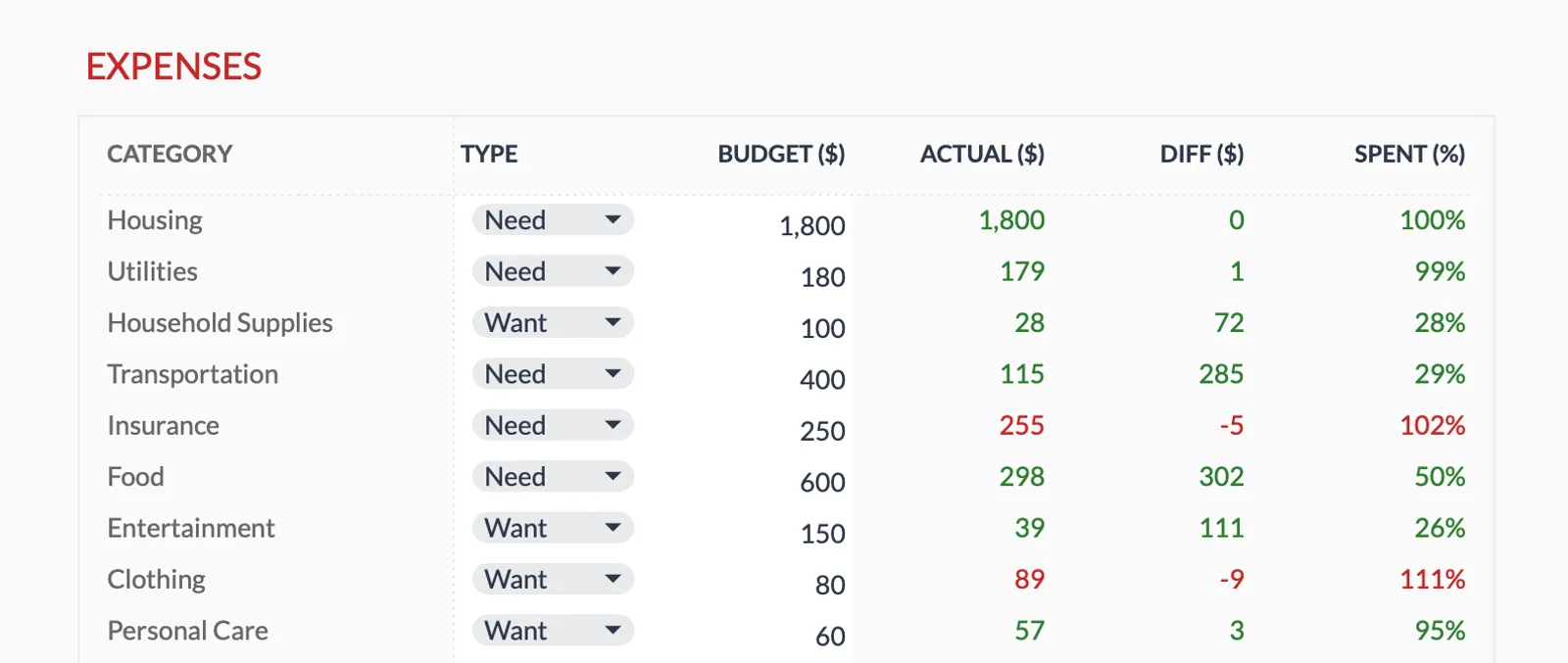
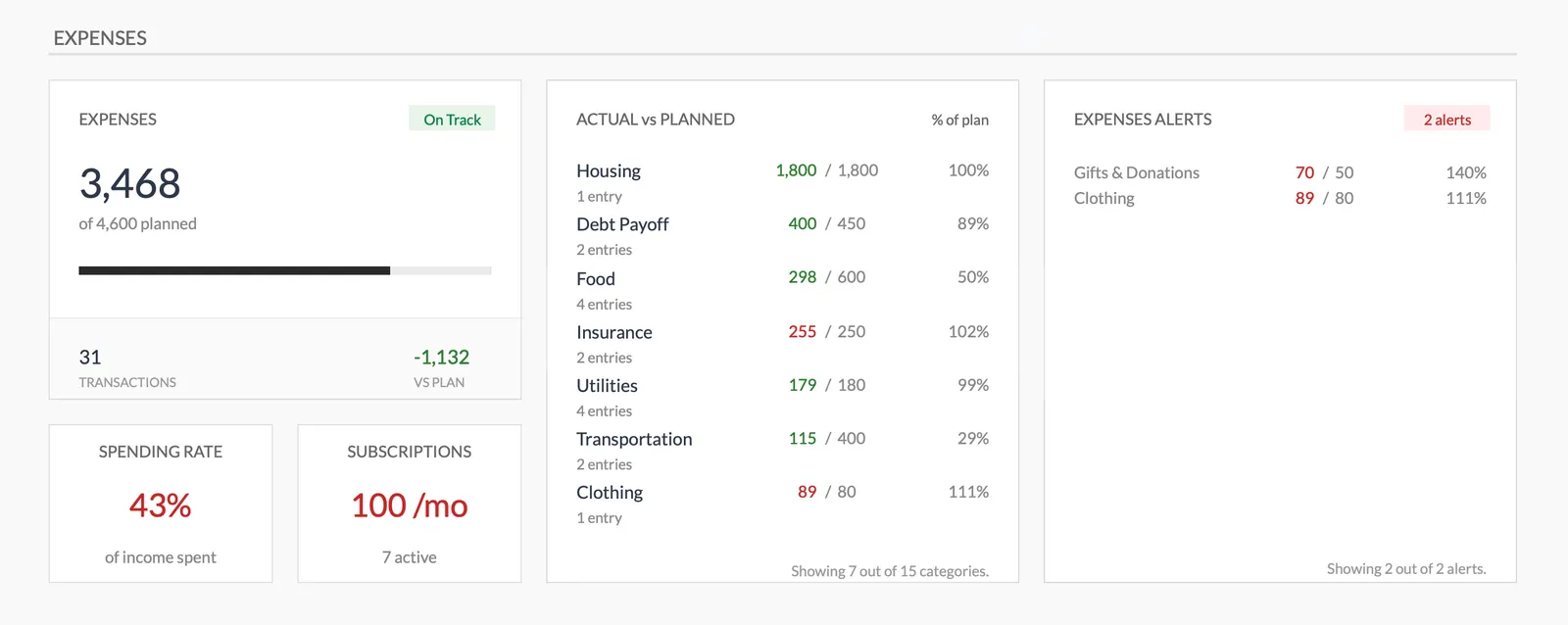
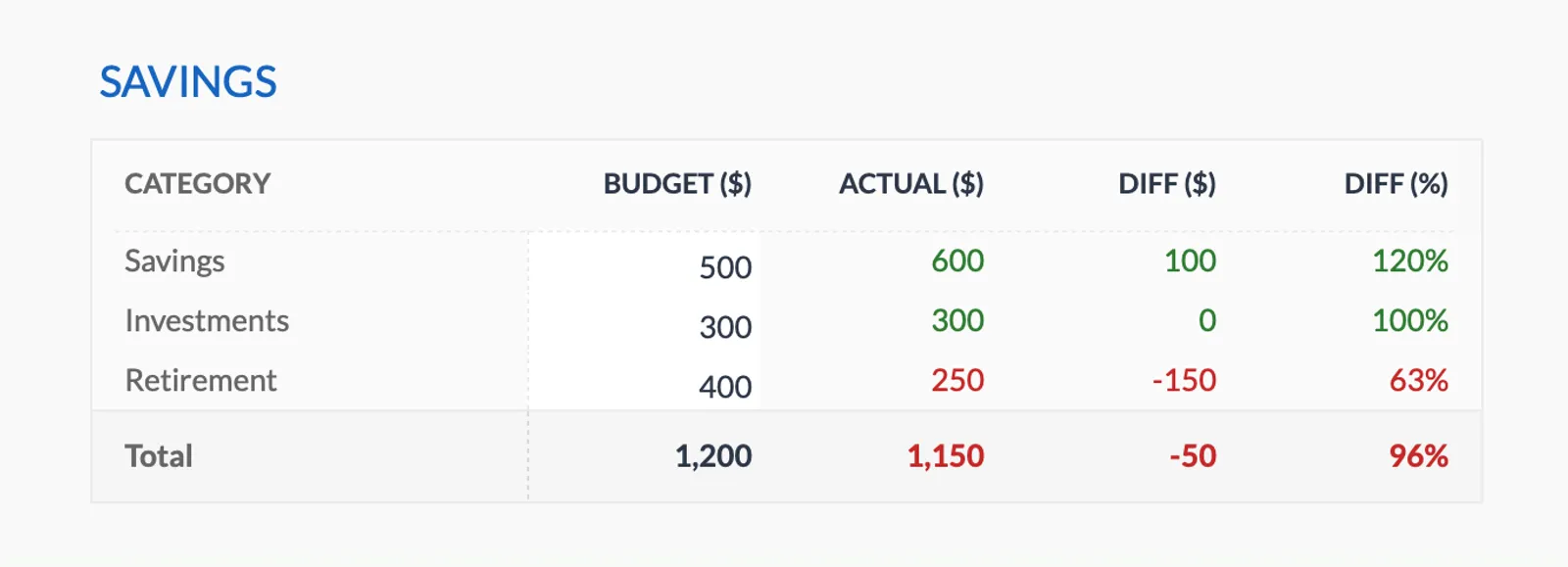
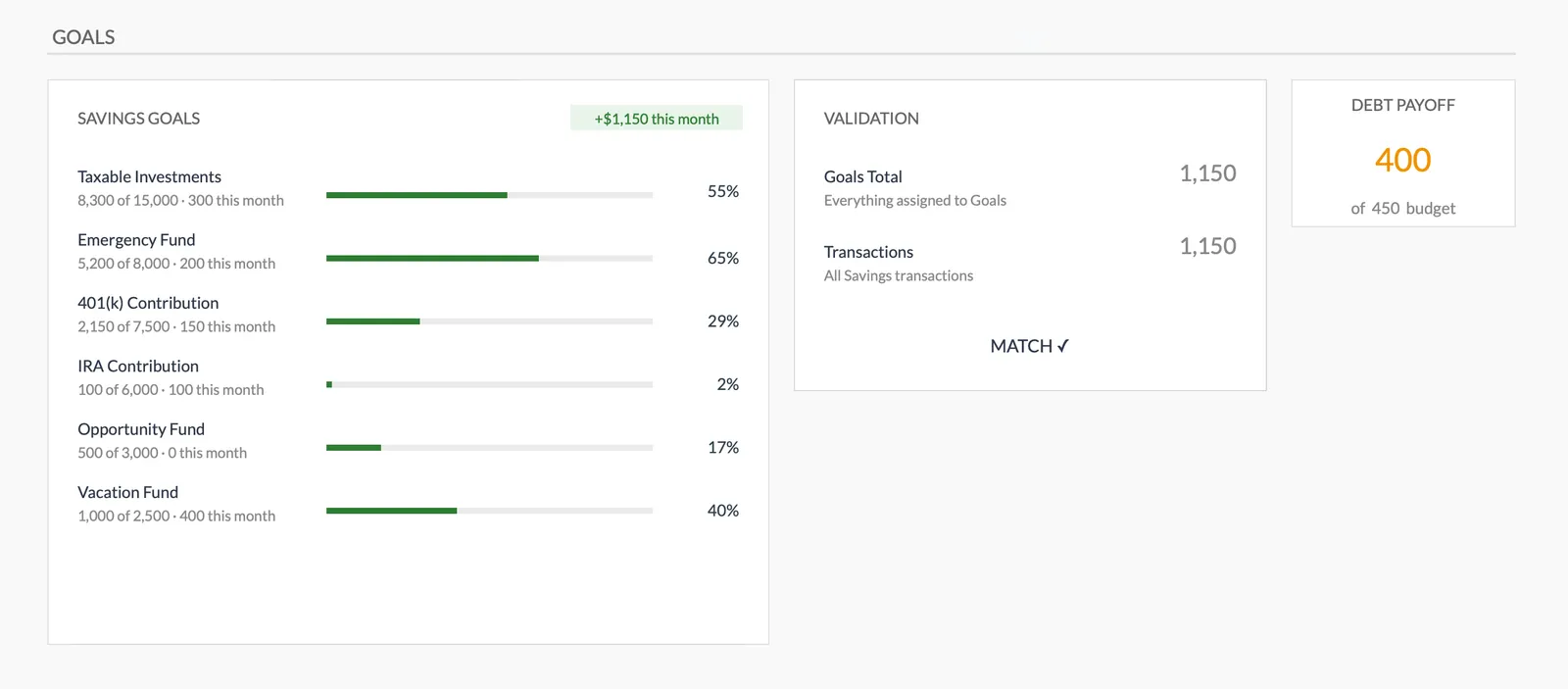
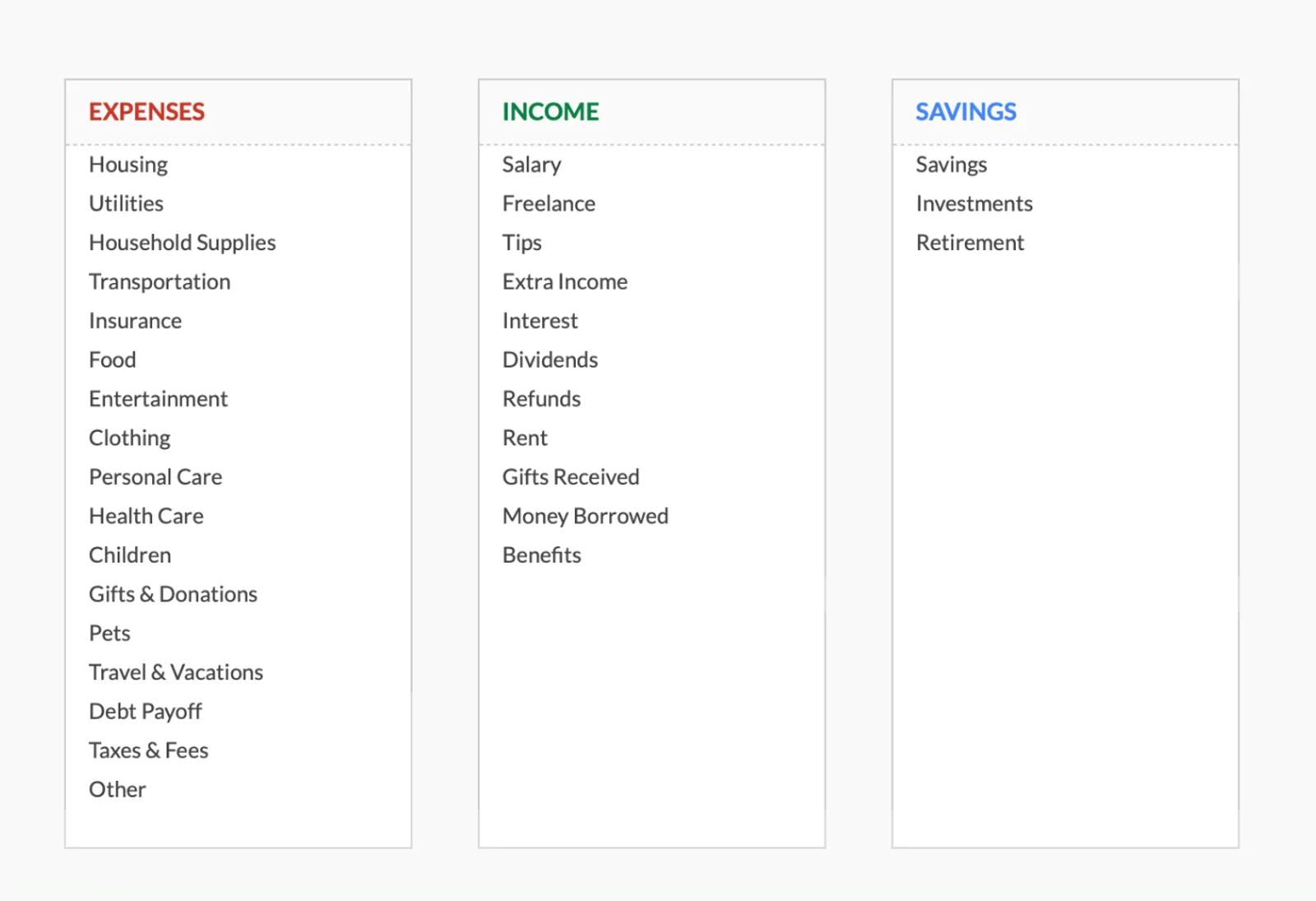
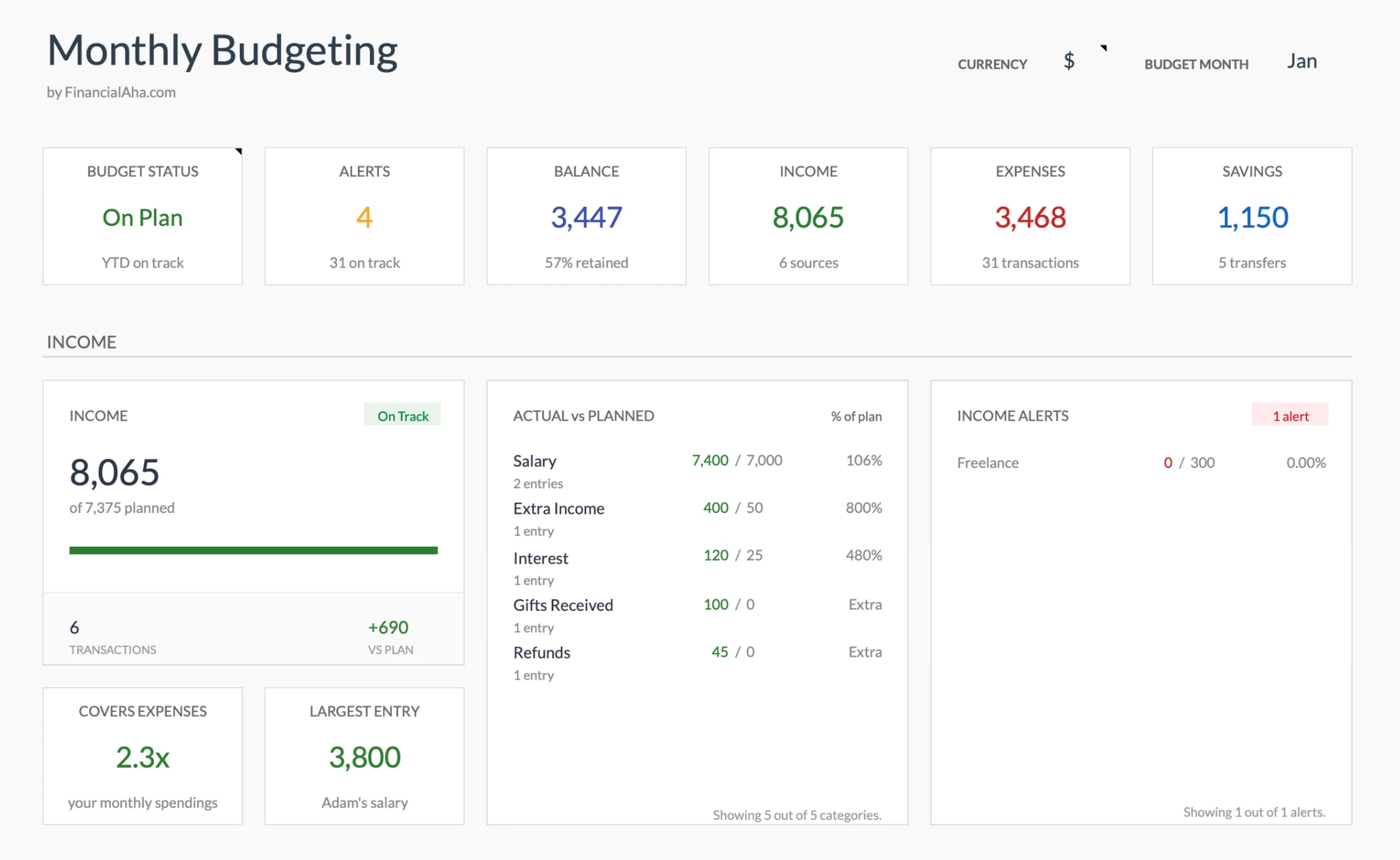
Dashboard with income, expenses, and savings at a glance
Log transactions with automatic categorization
Set targets per category and track actual spending
Visual breakdown of where your money goes
Track savings goals alongside your budget
Monitor progress toward financial goals
Fully customizable expense, income, and savings categories
Recommended Templates
The Right Templates for This Stage
A baby changes your budget overnight. These templates help track the transition:
Restructure your budget around new baby expenses while keeping existing obligations visible. The category flexibility lets you add childcare, diapers, and medical costs without losing sight of everything else.
View templateTrack actual baby-related spending as it happens. Many parents are surprised by how costs shift month to month in the first year - tracking reveals patterns that help with planning for year two and beyond.
View templateFree Tools
Calculators to Help You Plan
Common Questions
Having a Baby - Financial FAQ
How much does it cost to have a baby in the first year?
Including medical costs, gear, diapers, formula (if applicable), clothing, and basic supplies, most families spend $12,000-$20,000 in the first year before childcare. With full-time childcare, the total can reach $25,000-$45,000 depending on location. Tracking actual expenses from month one helps calibrate expectations for subsequent years.
When is the right time to start a college fund?
From a compound growth perspective, starting at birth provides the most benefit. A 529 plan with $100/month contributions starting at birth could grow to around $40,000 by age 18. Starting the same contribution at age 5 yields roughly $28,000. The earlier the start, the more time does the heavy lifting - but starting at any point is better than not starting.
How do parental leave finances work?
It varies significantly by employer and state. Some employers offer 6-16 weeks at full or partial pay. States like California, New York, and New Jersey offer paid family leave programs (typically 60-70% of wages, capped). Federal FMLA guarantees 12 weeks of unpaid, job-protected leave. Mapping out exact income for each week of leave helps identify any gaps to cover with savings.
Can a spreadsheet help track baby expenses?
Yes - and many parents find it surprisingly useful. Baby-related spending is spread across many categories (medical, gear, consumables, childcare, clothing) and tracking it reveals which areas cost the most. The Monthly Expenses Tracker makes it easy to tag and total baby-specific costs separately from regular household spending.
Can't find the answer you're looking for? Contact our team
Ready to get started?
Download instantly and start managing your finances, or contact us to design a custom template package for your needs.