Life Event Guide
Financial Planning When Becoming a Caregiver
Caregiving brings unexpected financial pressures - from reduced work hours to out-of-pocket medical costs. Understanding the numbers helps caregivers plan for both their loved one and themselves.
Financial Impact
The Financial Impact of Caregiving
Becoming a caregiver - whether for an aging parent, a spouse, or another family member - introduces financial pressures that often go unrecognized. The costs are a combination of direct expenses and indirect losses that accumulate over time.
Out-of-pocket caregiving expenses add up quietly
The average family caregiver spends $7,200-$12,000 per year on out-of-pocket costs related to their loved one's care. This includes medical supplies, medications not covered by insurance, transportation to appointments, home modifications (grab bars, ramps - $2,000-$10,000), and supplemental care services. These costs often come from the caregiver's own budget without clear tracking or reimbursement.
Income loss from reduced work hours is substantial
About 60% of caregivers report making work adjustments - reducing hours, taking unpaid leave, or leaving employment entirely. A caregiver earning $50,000/year who reduces to part-time (50% hours) loses $25,000/year in immediate income plus retirement contributions, Social Security credits, and career advancement. Over a 5-year caregiving period, the total financial impact (including lost future earnings) can exceed $300,000.
Professional care services are expensive
Home health aides average $27-$30/hour ($4,500-$5,000/month full-time). Adult day care programs run $75-$150/day. Assisted living facilities average $4,500-$5,000/month. Nursing homes average $8,000-$12,000/month. Even using professional services part-time (20 hours/week) costs $2,200-$2,600/month. Understanding these costs helps in evaluating the tradeoff between personal caregiving time and paid assistance.
The caregiver's own retirement may be affected
Reduced income means reduced retirement savings during peak earning years. A caregiver who stops contributing $500/month to retirement for 5 years misses out on $30,000 in contributions, plus 20+ years of compound growth on those contributions. At 7% returns, that $30,000 would have grown to approximately $116,000 by retirement. Maintaining even small retirement contributions during caregiving years helps limit this long-term impact.
Getting Ready
How to Budget for Caregiving
Inventory all caregiving-related expenses
Create a complete list of caregiving costs: medical supplies and medications, transportation (gas, parking at medical facilities), home modifications, supplemental care services, special food or dietary needs, and incidentals. Many caregivers underestimate these costs because they are spread across many small purchases. Tracking them in a dedicated category makes the true cost visible.
Evaluate the work-income tradeoff
Compare the cost of professional care ($25-$30/hour for a home aide) against your hourly earnings and benefits. If you earn $30/hour with employer-paid health insurance and retirement matching, the true cost of leaving work exceeds the $30/hour saved on professional care. Some caregivers find that working part-time while hiring partial professional help provides the best financial outcome.
Explore available financial support
Many resources are underutilized: Medicaid home and community-based waivers, Veterans Aid and Attendance benefits ($1,500-$2,700/month for eligible veterans), state caregiver support programs, Area Agency on Aging services, tax deductions for dependent care (if the care recipient qualifies as a dependent), and paid family leave programs in some states.
Separate caregiving finances from personal finances
Track caregiving expenses in a distinct budget category or section. This clarity helps with: claiming tax deductions, requesting reimbursement from other family members who share the responsibility, qualifying for financial assistance programs, and understanding the true impact on your personal budget.
Plan for the long term
Caregiving durations are often longer than initially expected - the average is about 4 years, but many people provide care for a decade or more. Building caregiving costs into a multi-year financial projection helps ensure sustainability. Include scenarios for escalating care needs over time, as costs typically increase as the care recipient's condition progresses.
See The Templates
Tools for this stage of life
Browse the templates that help with financial planning during major life transitions.
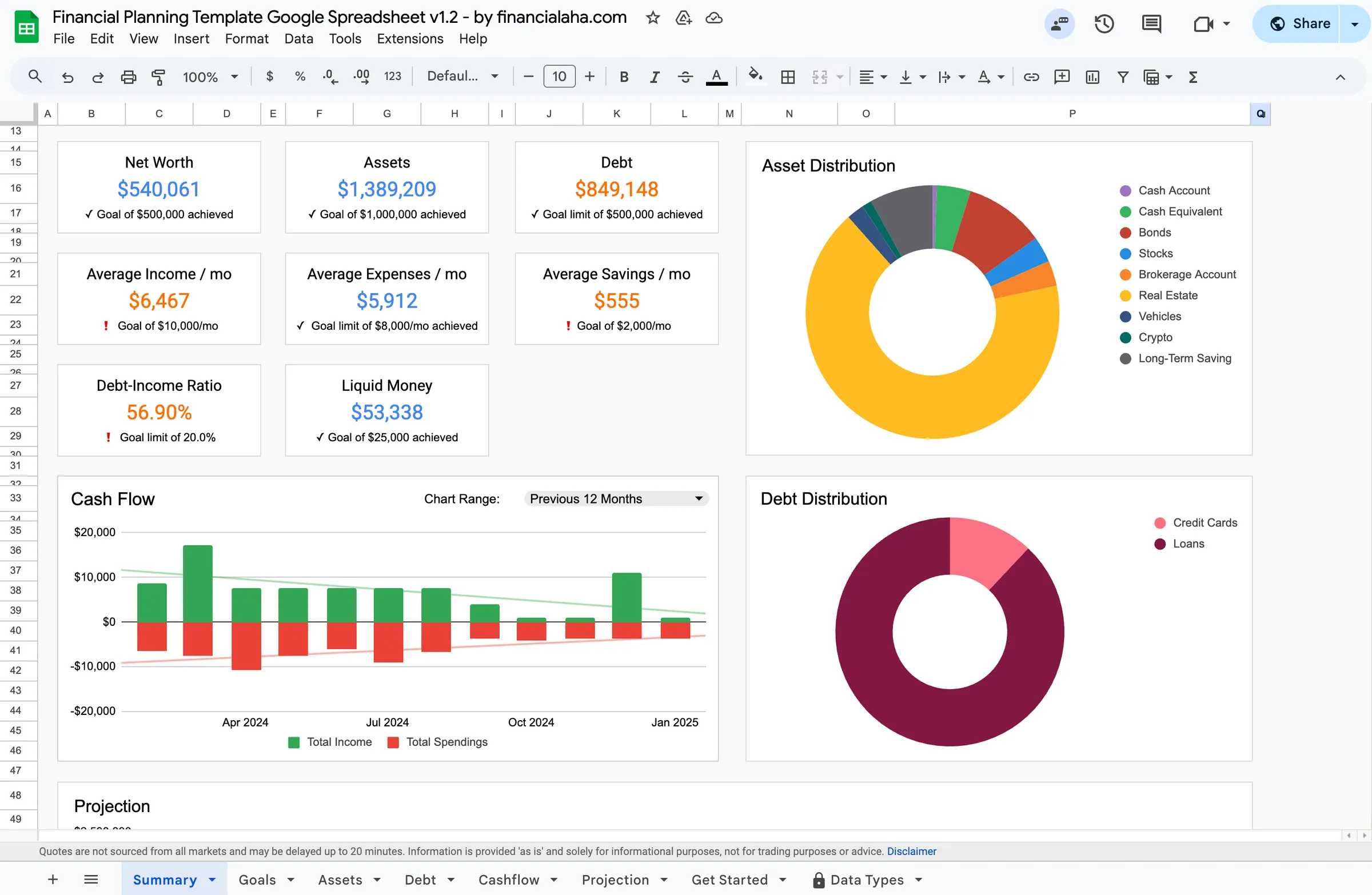
- Financial planning dashboard
- Monthly budget tracking
- Net worth over time
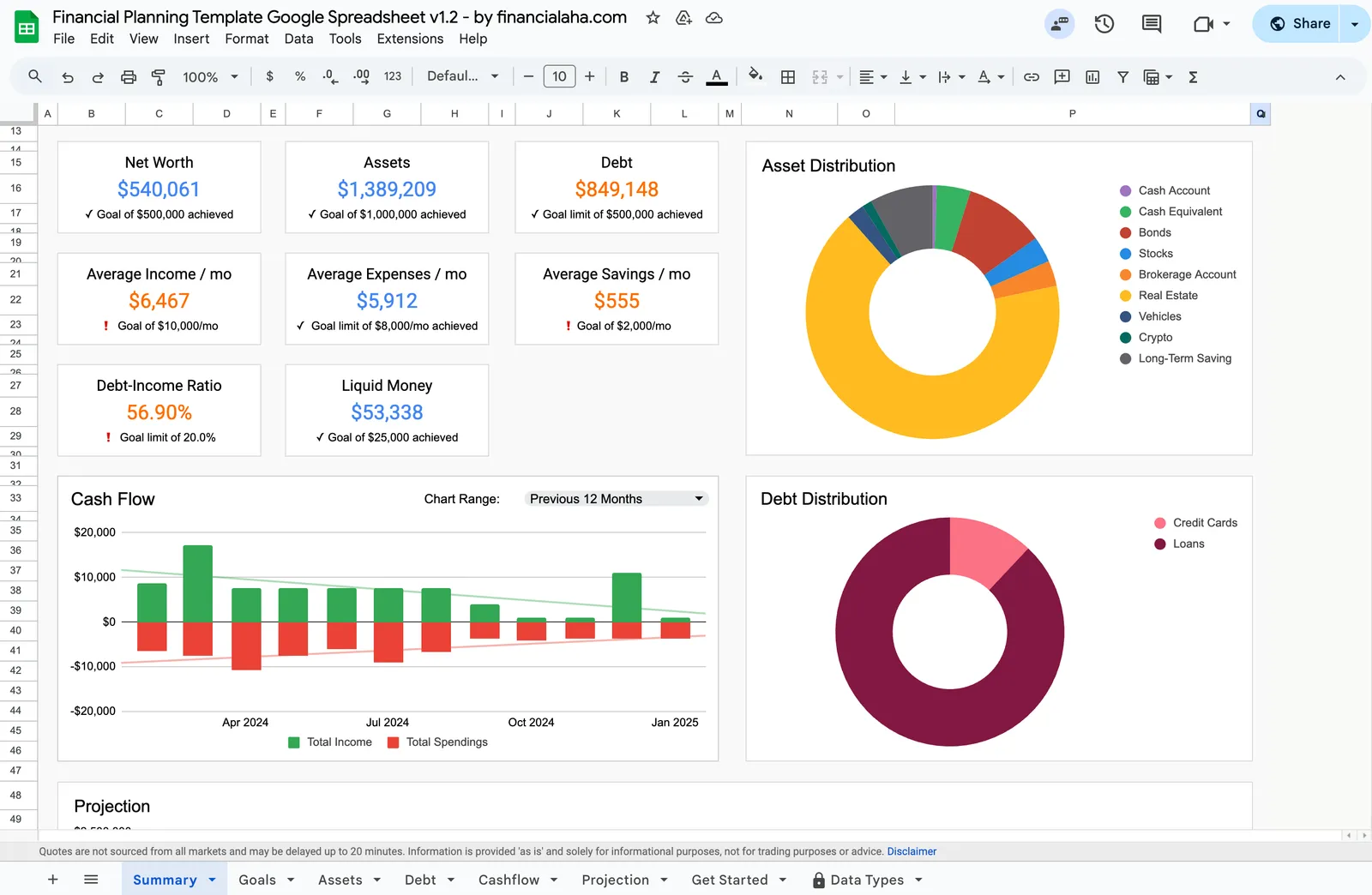
- Goal setting and tracking
Complete financial overview with net worth and goals
Set and track progress toward financial milestones
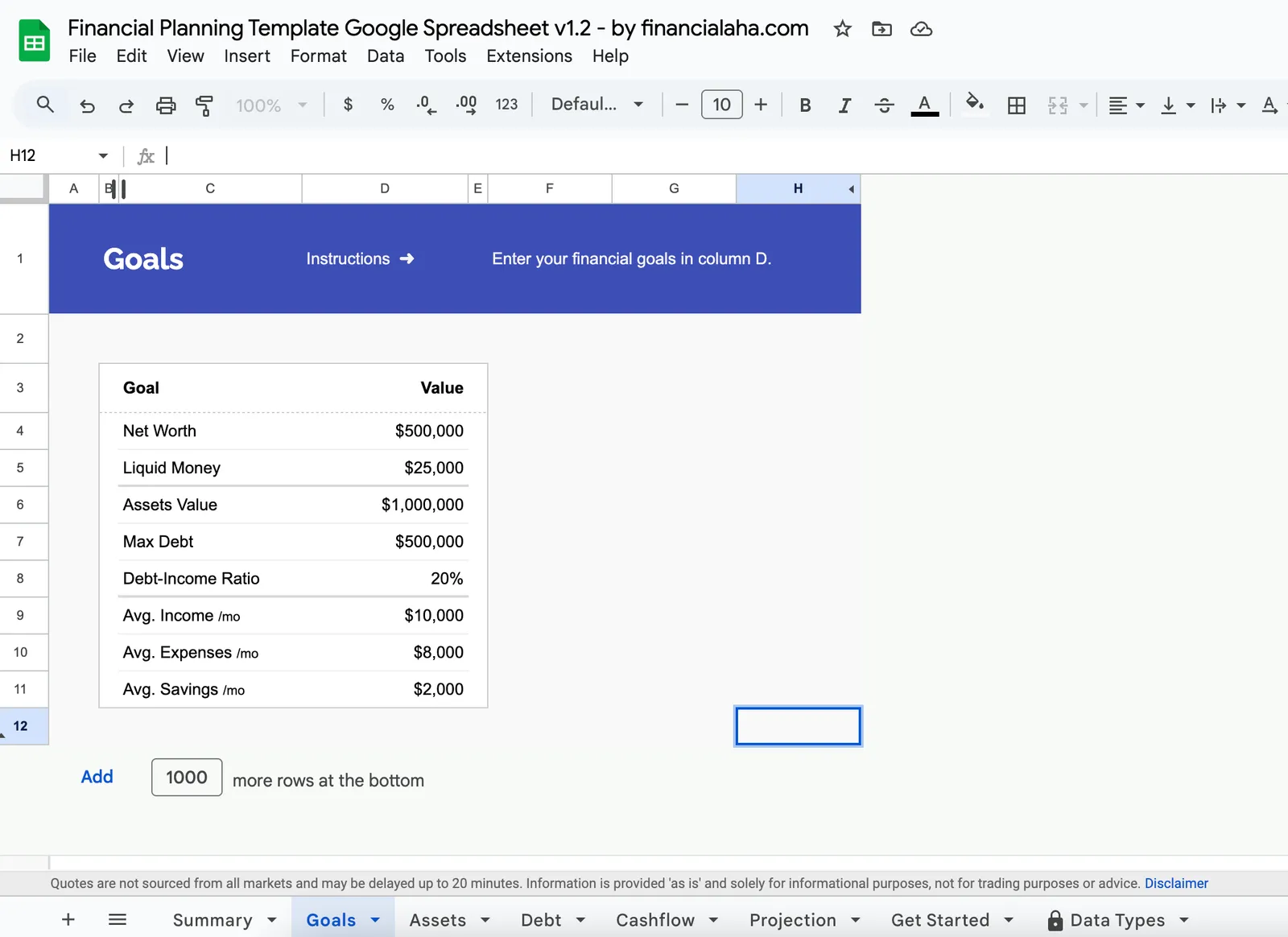
Track all your assets in one place
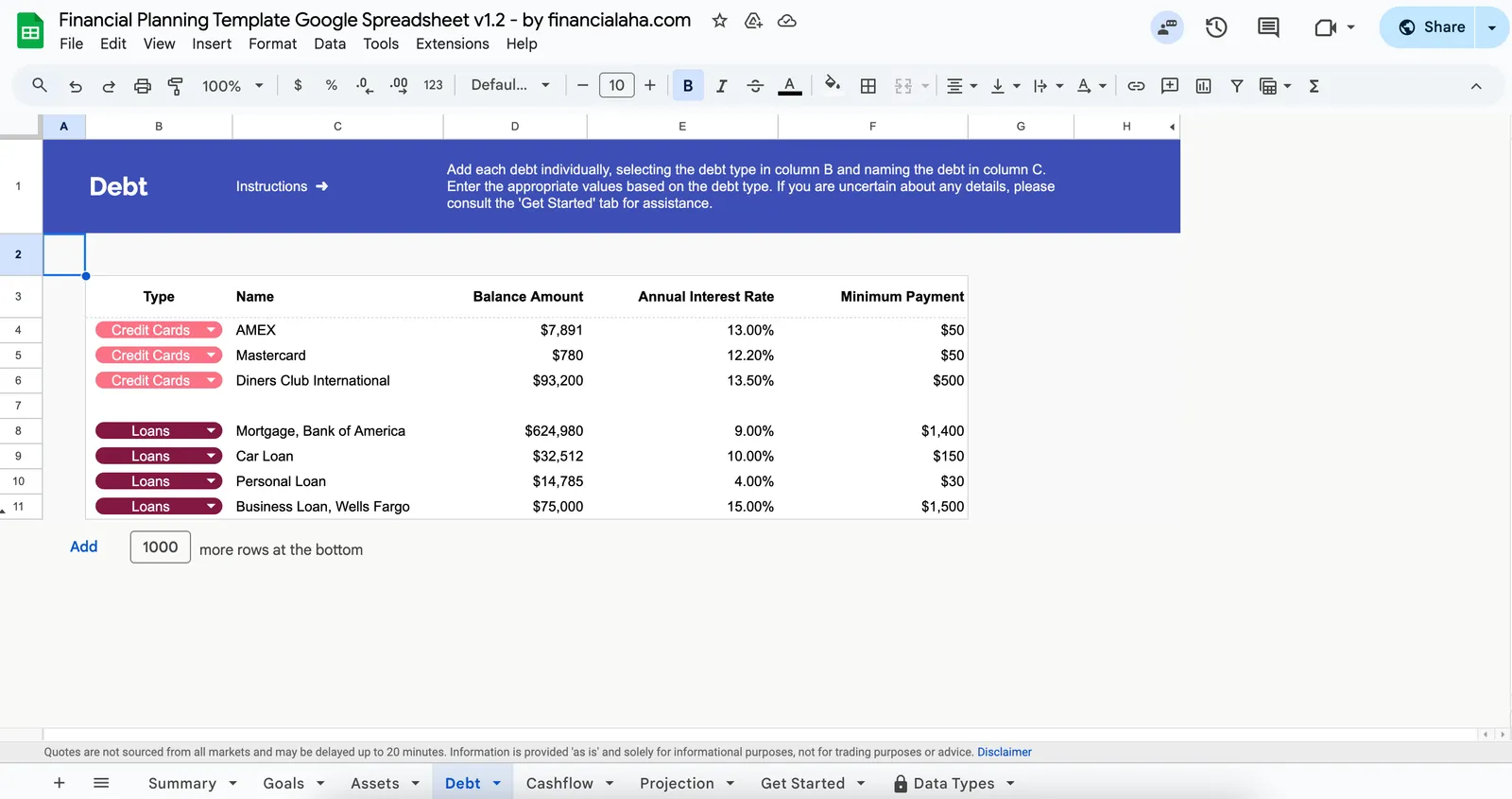
Monitor and plan debt repayment
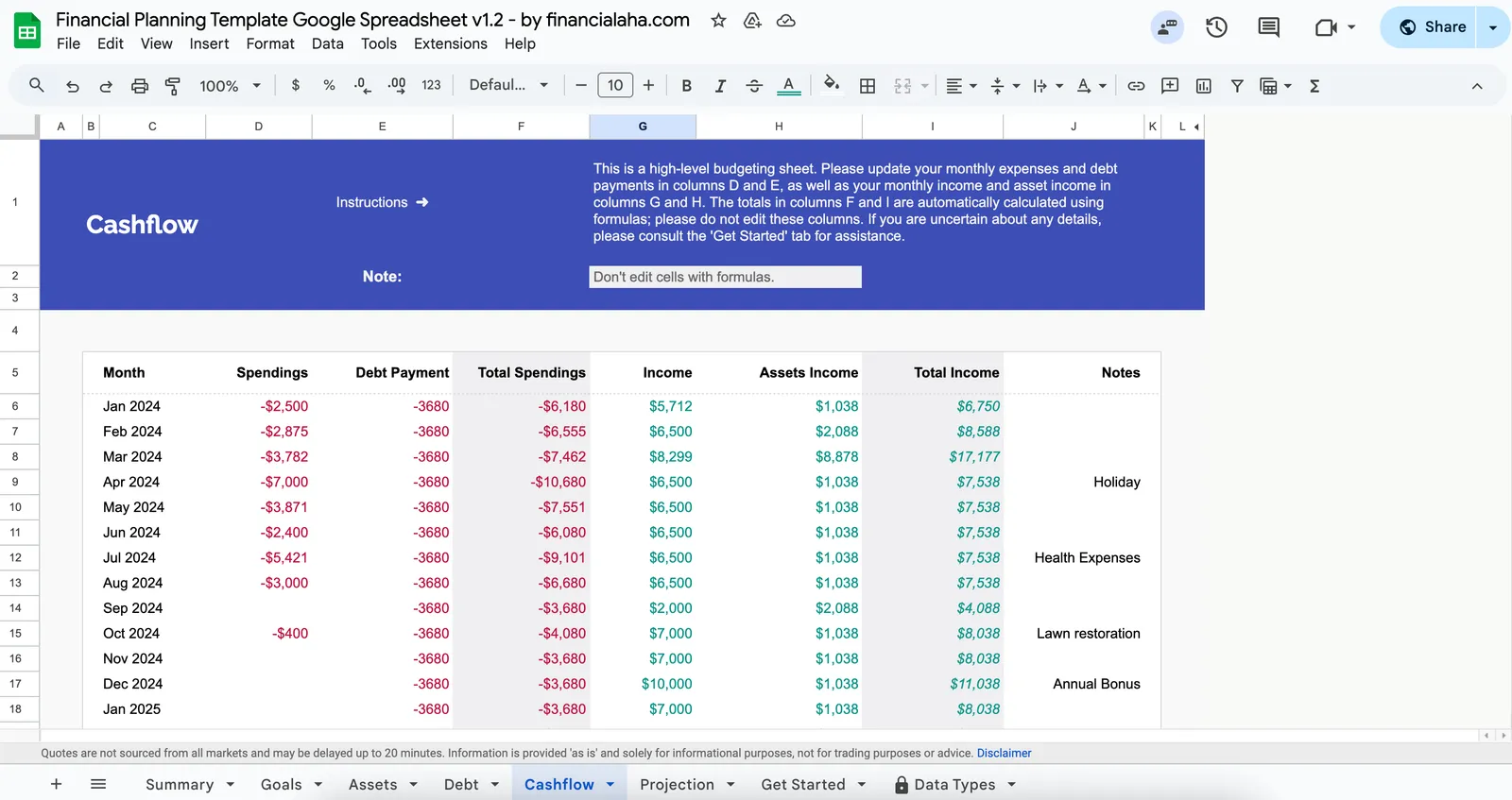
Visualize your income vs spending over time
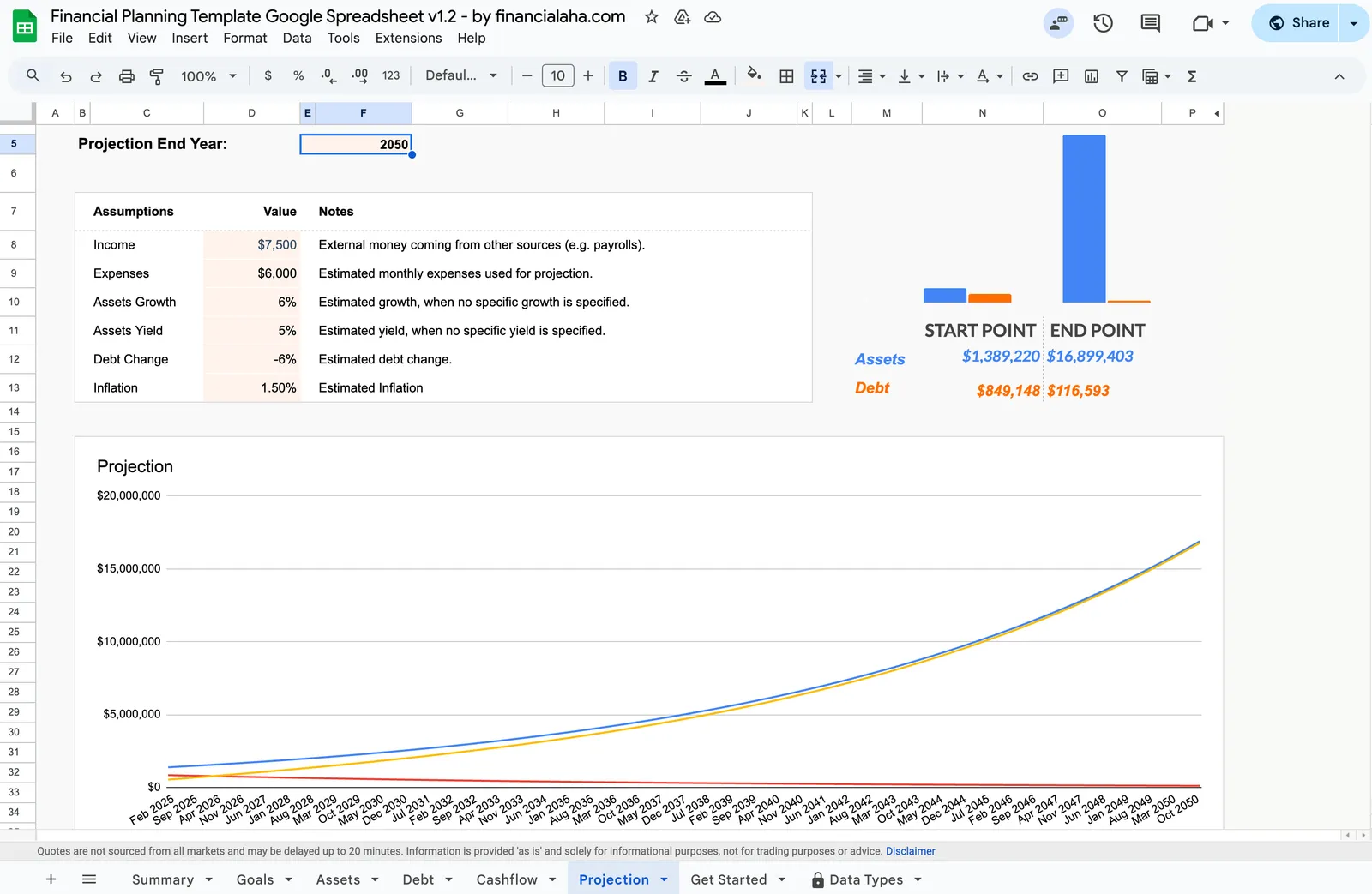
Project your financial future
Recommended Templates
The Right Templates for This Stage
Caregiving finances need clear tracking and careful budgeting. These templates help manage both:
Add caregiving expense categories to your personal budget. See how caregiving costs affect overall household cash flow and identify where adjustments are needed to stay sustainable.
View templateTrack every caregiving expense as it occurs. Having detailed records helps with tax deductions, family cost-sharing conversations, and applications for financial assistance programs.
View templateCommon Questions
Becoming a Caregiver - Financial FAQ
How much does caregiving typically cost out of pocket?
The average family caregiver spends $7,200-$12,000 per year on out-of-pocket expenses. This includes medical supplies, transportation, home modifications, supplemental care, and other costs. The amount varies significantly based on the care recipient's needs, insurance coverage, and available support services. Tracking expenses from the start provides accurate data rather than estimates.
Are caregiving expenses tax deductible?
Potentially, yes. If the care recipient qualifies as your dependent (you provide more than 50% of their support), medical expenses exceeding 7.5% of your AGI are deductible. Some home modifications for medical purposes also qualify. The dependent care credit may apply in certain situations. The rules are specific, so documenting all expenses and consulting a tax professional is useful.
How do I handle caregiving costs shared among siblings?
A clear agreement helps prevent conflict. Options include: splitting costs equally, splitting proportionally based on income, having the local sibling provide time while others contribute financially, or establishing a shared caregiving fund. Documenting all expenses in a shared spreadsheet provides transparency that helps these arrangements work long-term.
What financial help is available for caregivers?
Resources include: Medicaid home and community-based waiver programs, VA Aid and Attendance benefits for veterans, state paid family leave programs, National Family Caregiver Support Program (through Area Agencies on Aging), respite care grants, and certain tax deductions and credits. Eligibility varies by state and situation. Starting with your local Area Agency on Aging often reveals programs many families are not aware of.
Can't find the answer you're looking for? Contact our team
Ready to get started?
Download instantly and start managing your finances, or contact us to design a custom template package for your needs.