Nigeria
Monthly Budget Template for Nigeria
Track your income in NGN, manage PAYE deductions, pension contributions, and everyday expenses - all in a Google Sheets template you own.
Nigeria
Budgeting in Nigeria: What's Different
Nigeria's financial landscape has unique characteristics that affect how budgeting works. Understanding these helps you set up a template that fits your reality.
PAYE and personal income tax structure
Nigerian personal income tax (PAYE) ranges from 7% to 24% across six income bands. The Consolidated Relief Allowance (CRA) provides significant tax relief - 20% of gross income plus the higher of NGN 200,000 or 1% of gross income. Employer deductions of PAYE vary in accuracy, so understanding your actual tax liability helps you budget from realistic take-home pay.
Contributory pension reduces gross pay
Under the Pension Reform Act, employees in the formal sector contribute a minimum of 8% of basic salary, housing, and transport allowances to their Retirement Savings Account (RSA), with employers contributing at least 10%. This 8% employee deduction comes before take-home pay. Budgeting from your actual credited salary accounts for this automatically.
Inflation and currency fluctuations affect purchasing power
Nigeria has experienced significant naira depreciation and inflation in recent years. Prices for imported goods can change quickly, and fuel costs affect transportation and logistics. A budget that's reviewed and adjusted monthly helps stay current with changing costs rather than relying on outdated assumptions.
Nigerian expense categories have specific patterns
Generator fuel or diesel (for power backup), estate or compound service charges, domestic staff salaries, school fees (often paid termly), and transport costs (fuel, maintenance on Nigerian roads) are common categories that generic templates miss. Tailoring your budget categories to local reality makes it more useful.
Get the Monthly Budget Template
Getting Started
How to Set Up This Template for Nigeria
Switch the currency to NGN
The template includes a currency selector in the top-right corner of the dashboard. Switch it to NGN or the naira symbol. The calculations stay the same - only the display changes.
Enter your after-tax, after-pension take-home pay
Use the amount actually credited to your bank account after PAYE and pension deductions. Your payslip or bank credit alert shows the net amount - that's your budgeting starting point.
Customize expense categories for Nigerian life
Add categories for rent (often paid annually), electricity and PHCN/DisCo bills, generator fuel or diesel, internet and data, transport (fuel, maintenance, or ride-hailing), groceries and market, school fees, domestic staff, security levy, and any other regular expenses.
Account for annual rent payments
Nigerian landlords typically require annual rent upfront. Divide the annual amount by 12 and set aside that amount monthly so the payment doesn't strain finances when it comes due. Some people open a dedicated savings account for rent.
Plan for irregular and seasonal expenses
Account for school fees (usually paid per term), festive period expenses (Christmas, Sallah), family events (weddings, ceremonies), vehicle maintenance, and annual insurance renewals. Planning for these avoids relying on credit when they arrive.
See It In Action
What the template looks like
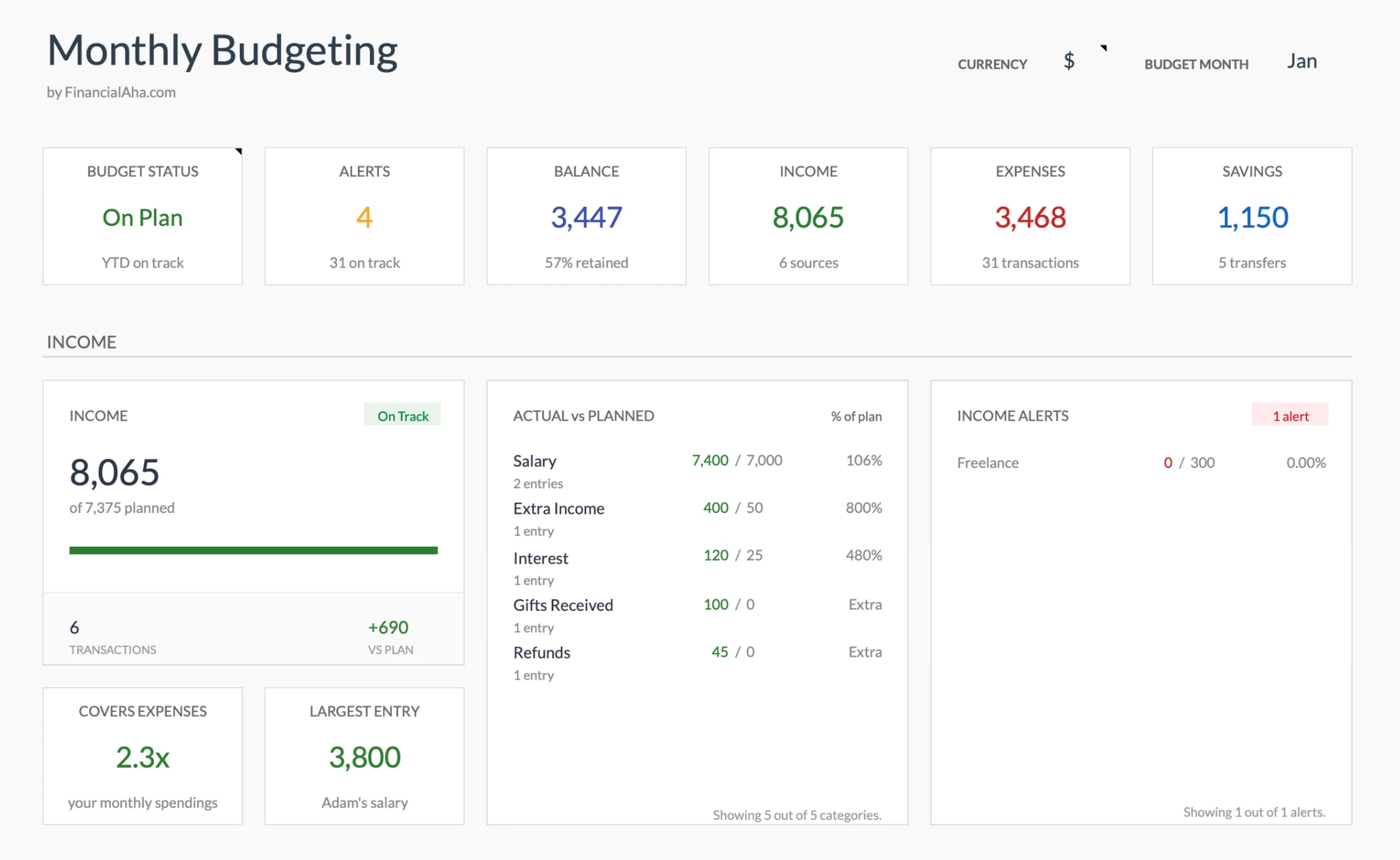
Browse through the template to see how it handles budgeting, categories, and expense tracking - all adaptable to your local financial setup.
- Built-in currency selector
- Customizable categories
- Budget vs actual tracking
- Visual charts and summaries

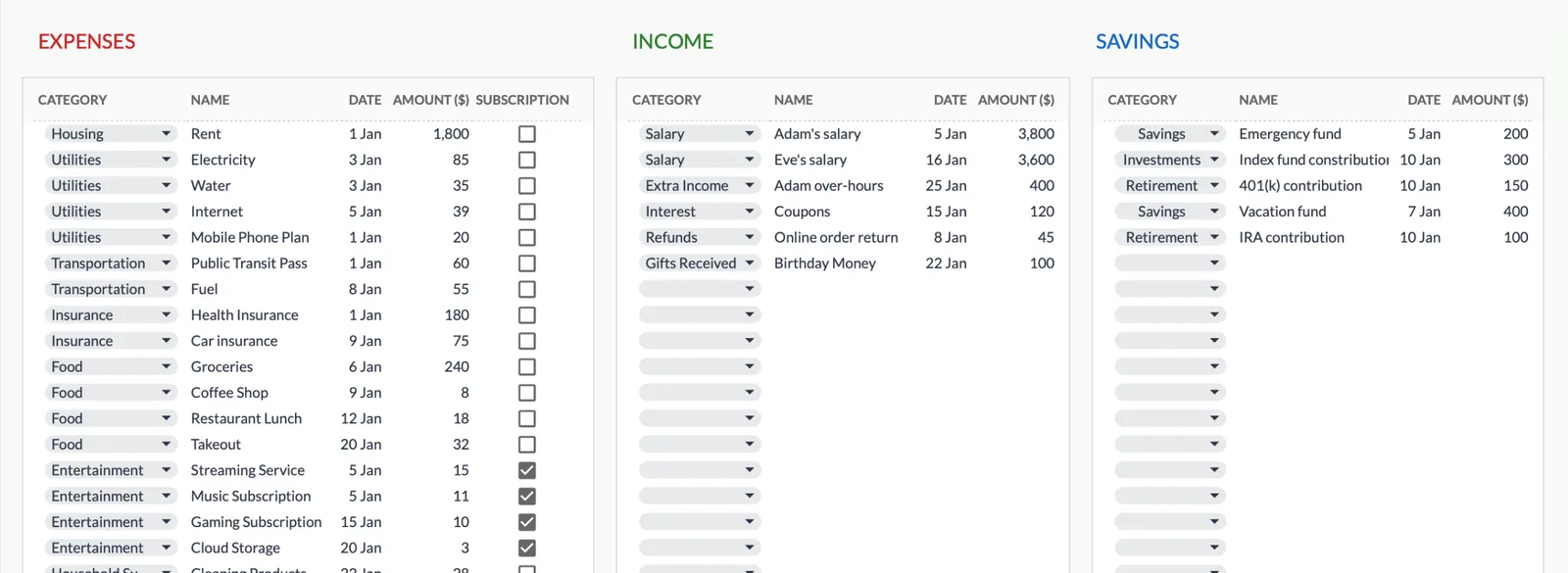
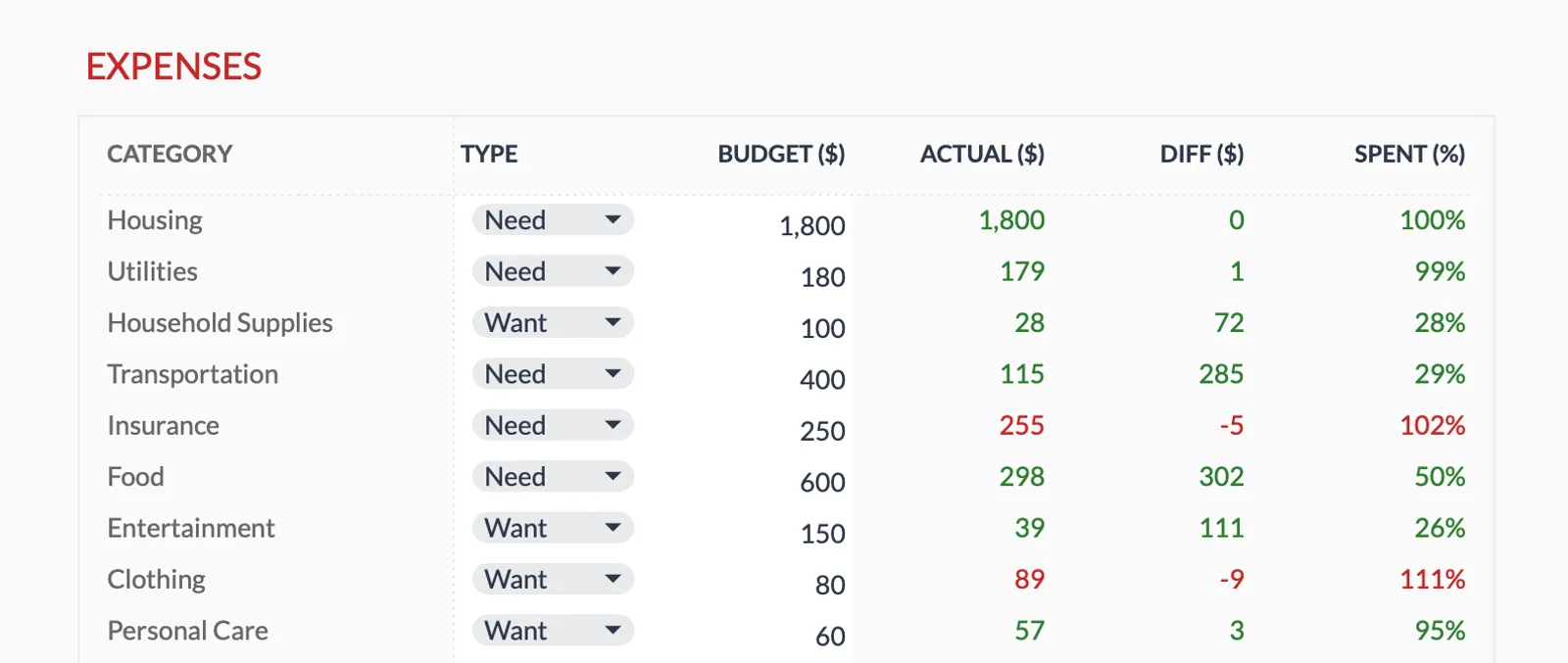
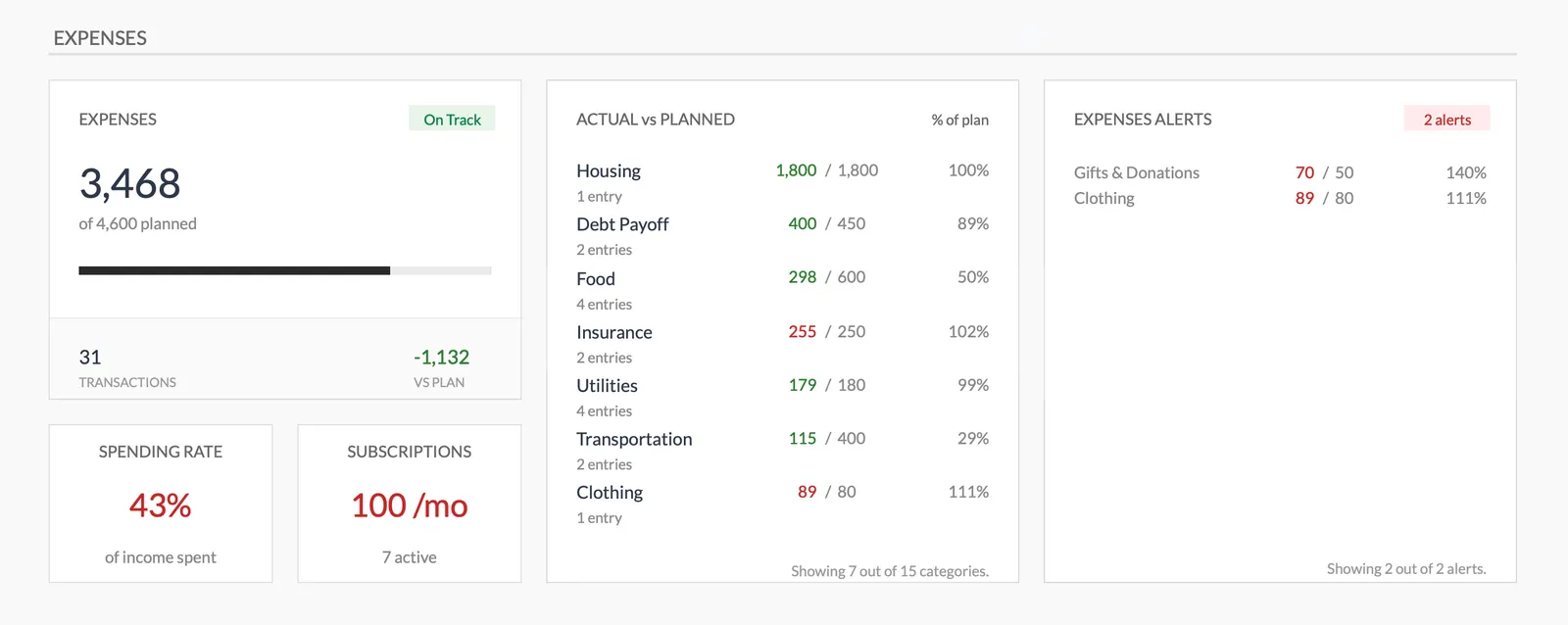
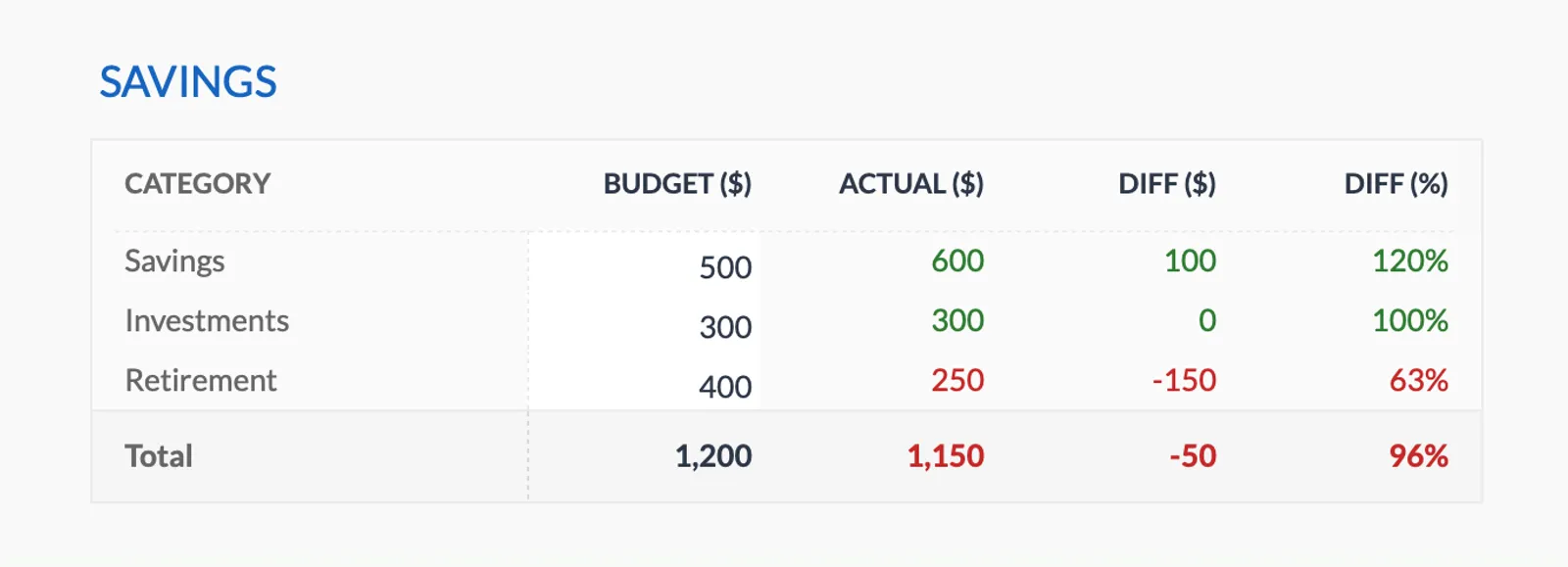
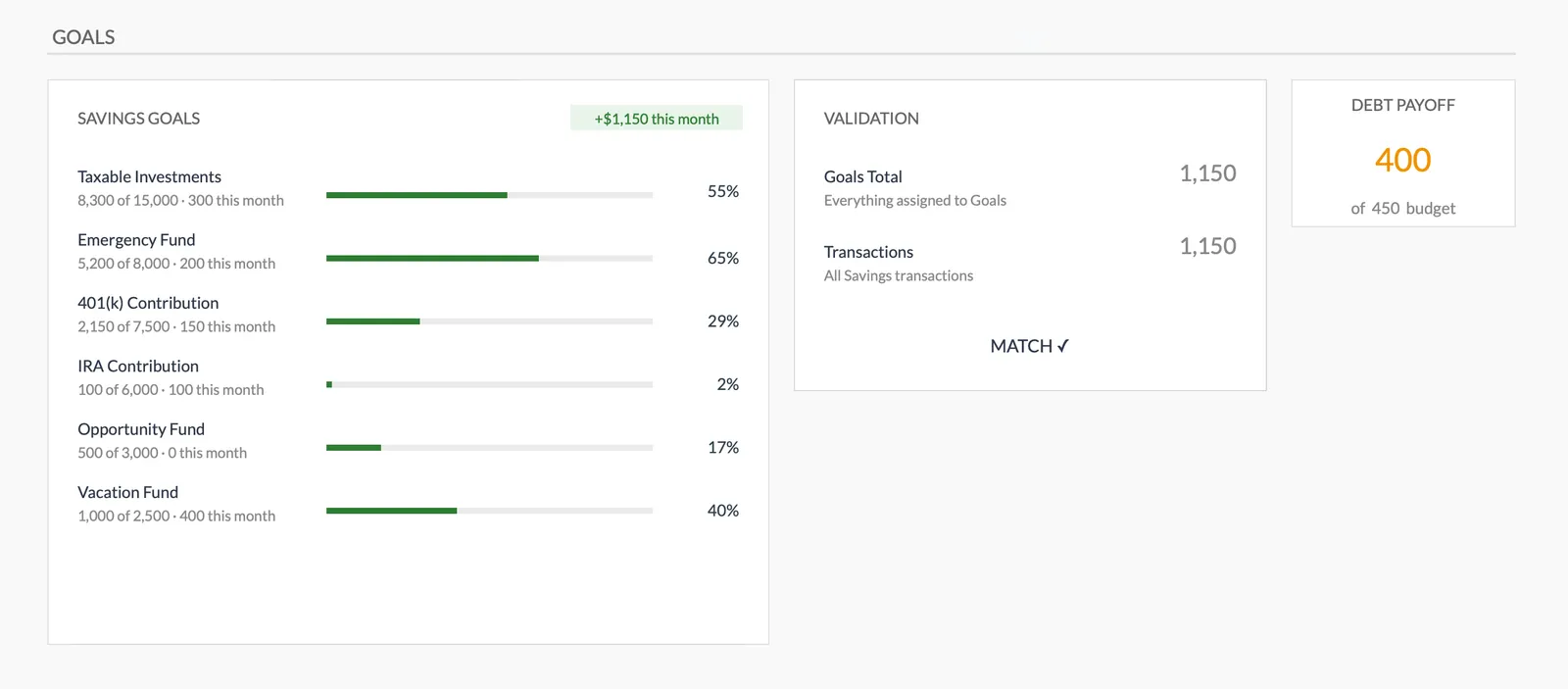
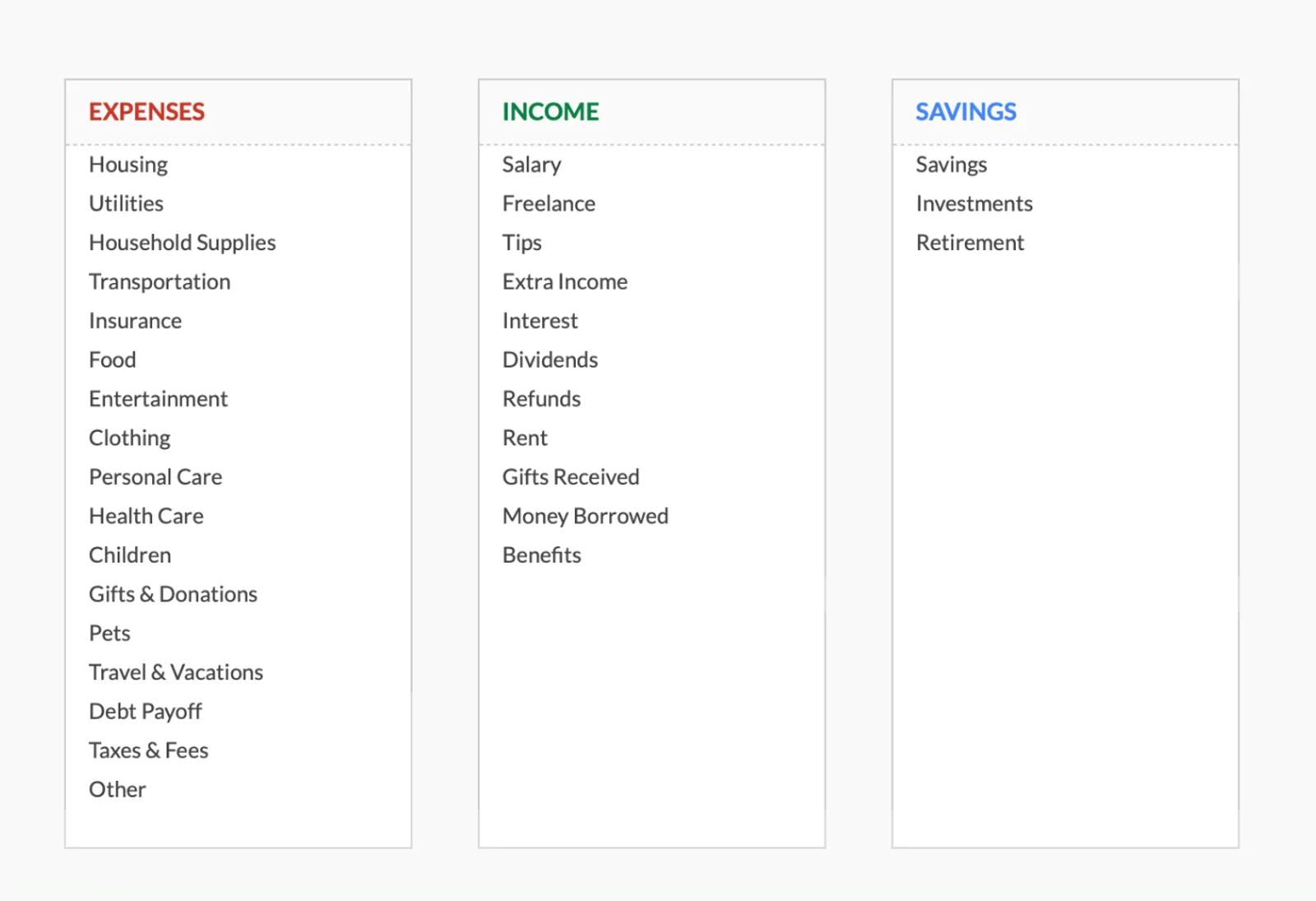
Dashboard with income, expenses, and savings at a glance
Log transactions with automatic categorization
Set targets per category and track actual spending
Visual breakdown of where your money goes
Track savings goals alongside your budget
Monitor progress toward financial goals
Fully customizable expense, income, and savings categories
Common Questions
Monthly Budget Template for Nigeria - FAQ
Does this template use naira?
The template includes a built-in currency selector - switch it to NGN. All calculations are currency-agnostic, so the math works the same regardless of the display currency.
Should I track pension contributions?
Pension contributions are deducted before your take-home pay, so they don't need a separate line. Use your net credited salary as income. If you make additional voluntary contributions (AVC) to your RSA, track those as a budget category.
How do I budget for annual rent?
Divide your annual rent by 12 and set aside that amount each month in a separate savings account or as a budget category. When rent is due, the money is ready. This approach treats rent as a monthly cost even though payment is annual.
Can I track multiple income sources?
Yes. Add each income source as a separate line - salary, side business income, rental income, dividends, etc. Tracking all income in one place gives a complete picture of your financial inflows.
Is there a Nigeria-specific version?
The template is the same worldwide - designed to be customizable. This page explains how to set it up for Nigerian finances. You can rename categories and adjust everything to match your specific situation.
Can't find the answer you're looking for? Contact our team
Ready to get started?
Download instantly and start managing your finances, or contact us to design a custom template package for your needs.