India
Monthly Budget Template for India
Track your income in INR, manage tax-saving investments, HRA exemptions, and everyday expenses - all in a Google Sheets template you own.
India
Budgeting in India: What's Different
India's financial landscape has several features that shape how budgeting works. Understanding these can help you set up a template that reflects your actual financial picture.
Income tax slabs determine your effective tax rate
India offers two tax regimes - the old regime with deductions and exemptions, and the new regime with lower rates but fewer deductions. Under the new regime (2025-26), income up to INR 12 lakh is effectively tax-free for salaried individuals after the standard deduction. Which regime works out better depends on how many deductions you can claim - something worth reviewing each financial year.
Section 80C and other deductions affect take-home pay
Under the old tax regime, investments in PPF, ELSS, life insurance, and EPF contributions qualify for deductions up to INR 1.5 lakh under Section 80C. NPS contributions offer an additional INR 50,000 under 80CCD(1B). These tax-saving investments are worth factoring into a monthly budget as planned expenses rather than afterthoughts.
EPF and NPS reduce your in-hand salary
Employee Provident Fund contributions (12% of basic salary from both employer and employee) and National Pension System contributions are deducted before your in-hand salary arrives. Budgeting from your actual credited salary - after these deductions - gives a more realistic starting point.
Indian expense patterns differ from Western templates
Generic budget templates often miss categories relevant to Indian life - domestic help salary, festival expenses (Diwali, Eid, Pongal), gold purchases, family obligations, medical expenses (out-of-pocket healthcare is common), and education costs. Customizing categories to match Indian financial life makes the budget more useful.
Get the Monthly Budget Template
Getting Started
How to Set Up This Template for India
Switch the currency to INR
The template includes a currency selector in the top-right corner of the dashboard. Switch it to INR or the rupee symbol. The calculations stay the same - only the display changes.
Enter your in-hand salary as income
Use your actual credited salary - the amount that hits your bank account after EPF, professional tax, TDS, and other deductions. If you receive HRA or other allowances separately, add those as separate income lines.
Customize expense categories for Indian life
Add categories that match your spending: rent, groceries, domestic help, electricity and water, mobile and broadband, EMIs (home loan, car loan, personal loan), medical expenses, and festival or family obligations. Remove categories that don't apply to your situation.
Add tax-saving investments as a budget category
If you're making monthly SIPs in ELSS, PPF contributions, or NPS investments, track these as a separate budget category. Spreading INR 1.5 lakh across 12 months is roughly INR 12,500/month - easier to manage than a lump sum in March.
Account for seasonal and annual expenses
Indian financial life has distinct seasonal patterns: festival expenses in October-November, insurance renewals, school fees in April and October, and the March rush for tax-saving investments. Planning for these in advance helps avoid cash flow surprises.
See It In Action
What the template looks like
Browse through the template to see how it handles budgeting, categories, and expense tracking - all adaptable to your local financial setup.
- Built-in currency selector
- Customizable categories
- Budget vs actual tracking
- Visual charts and summaries

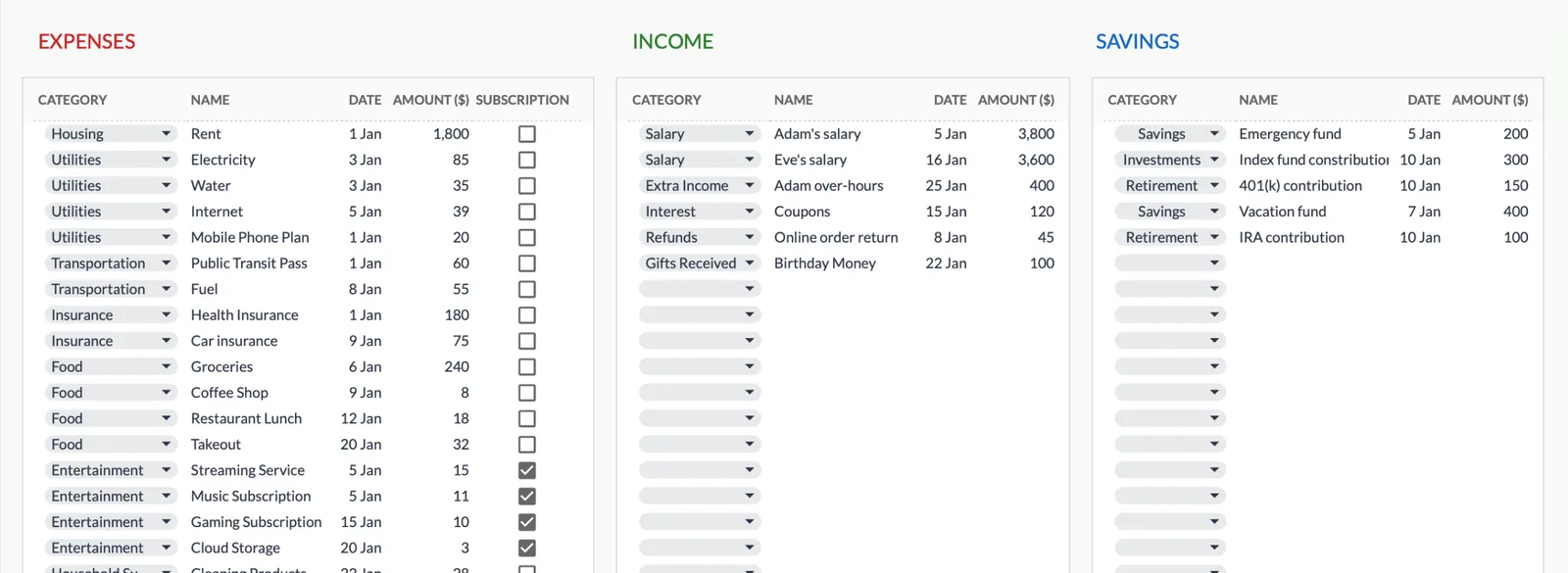
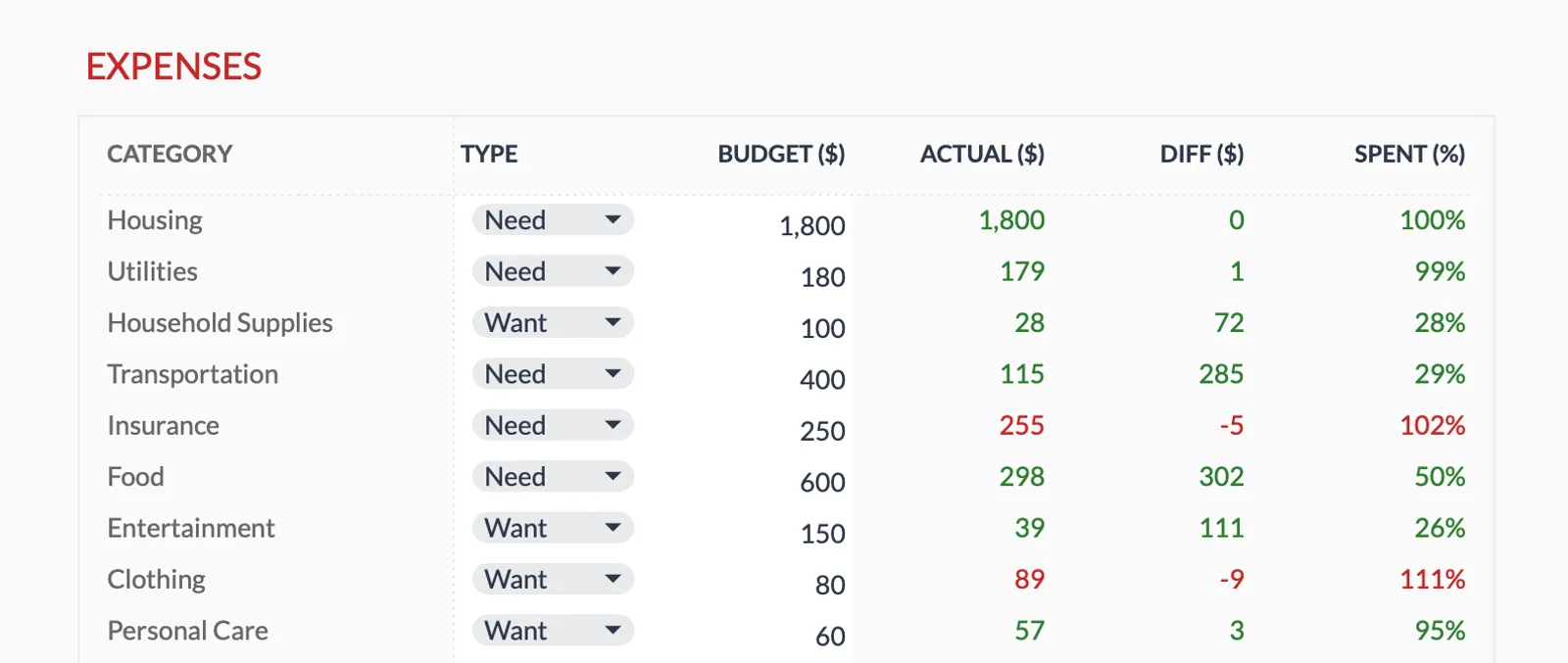
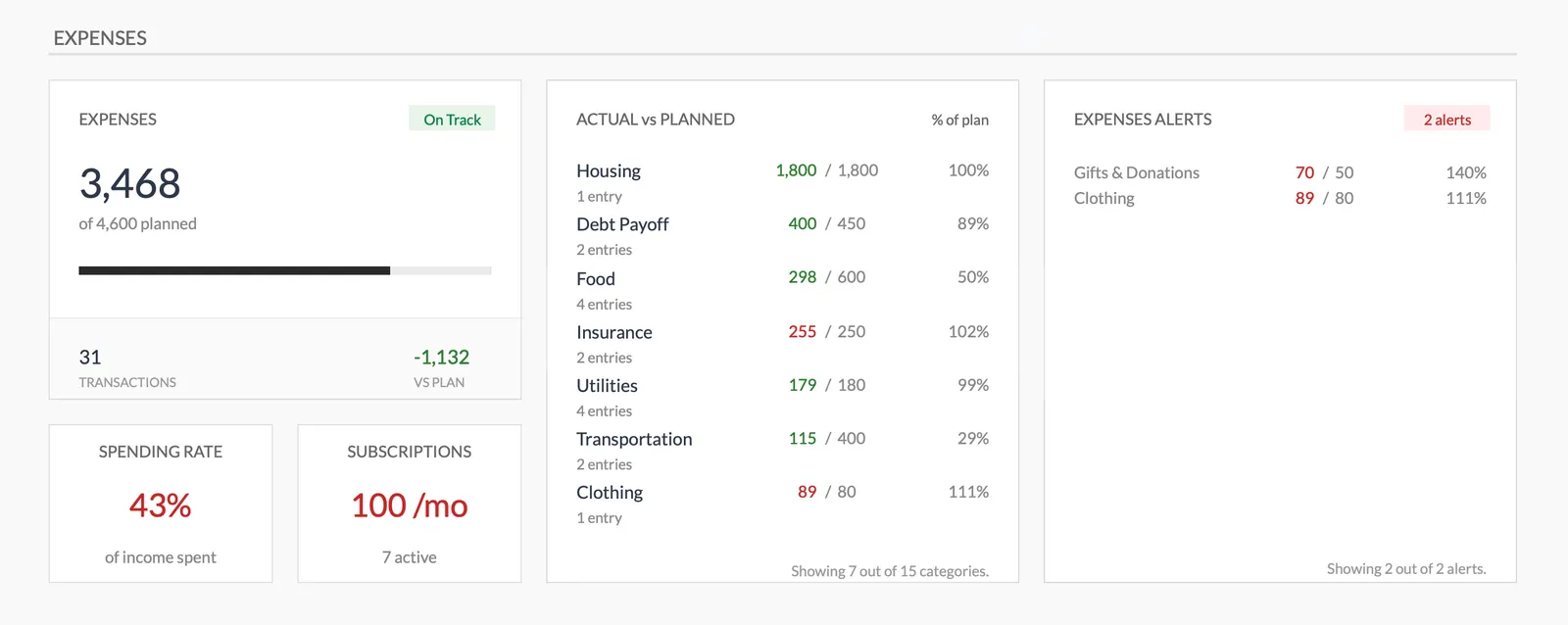
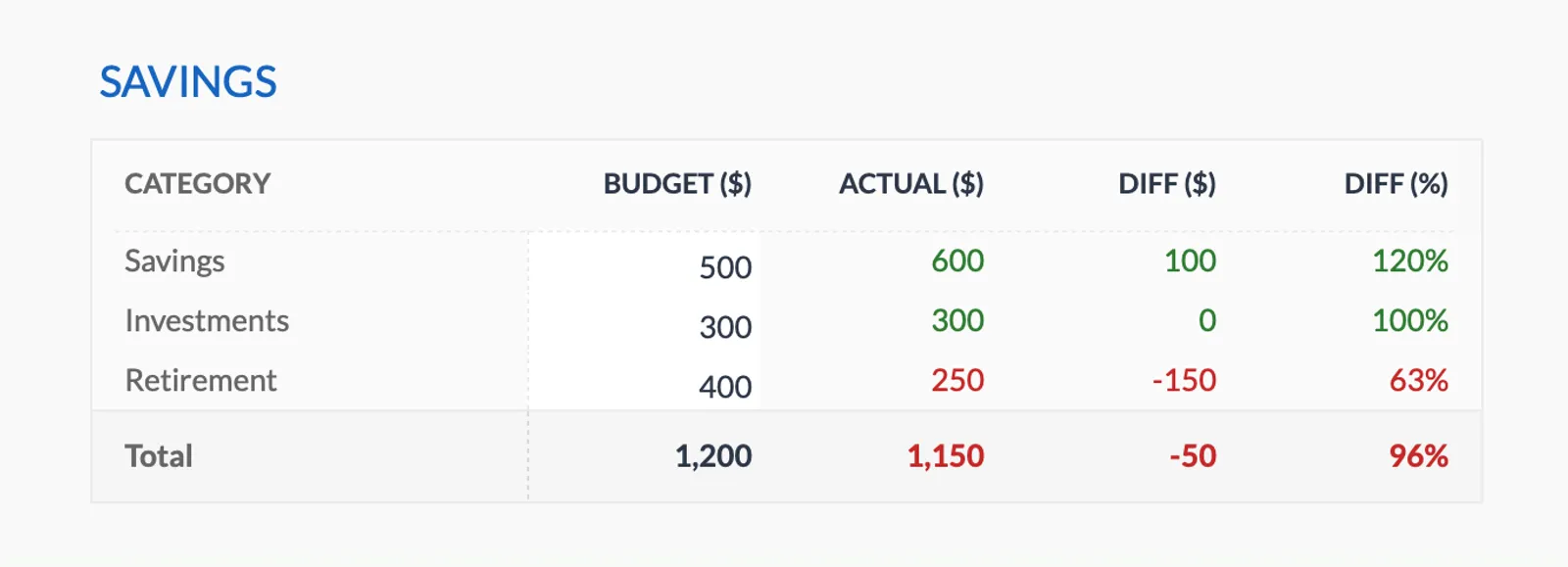
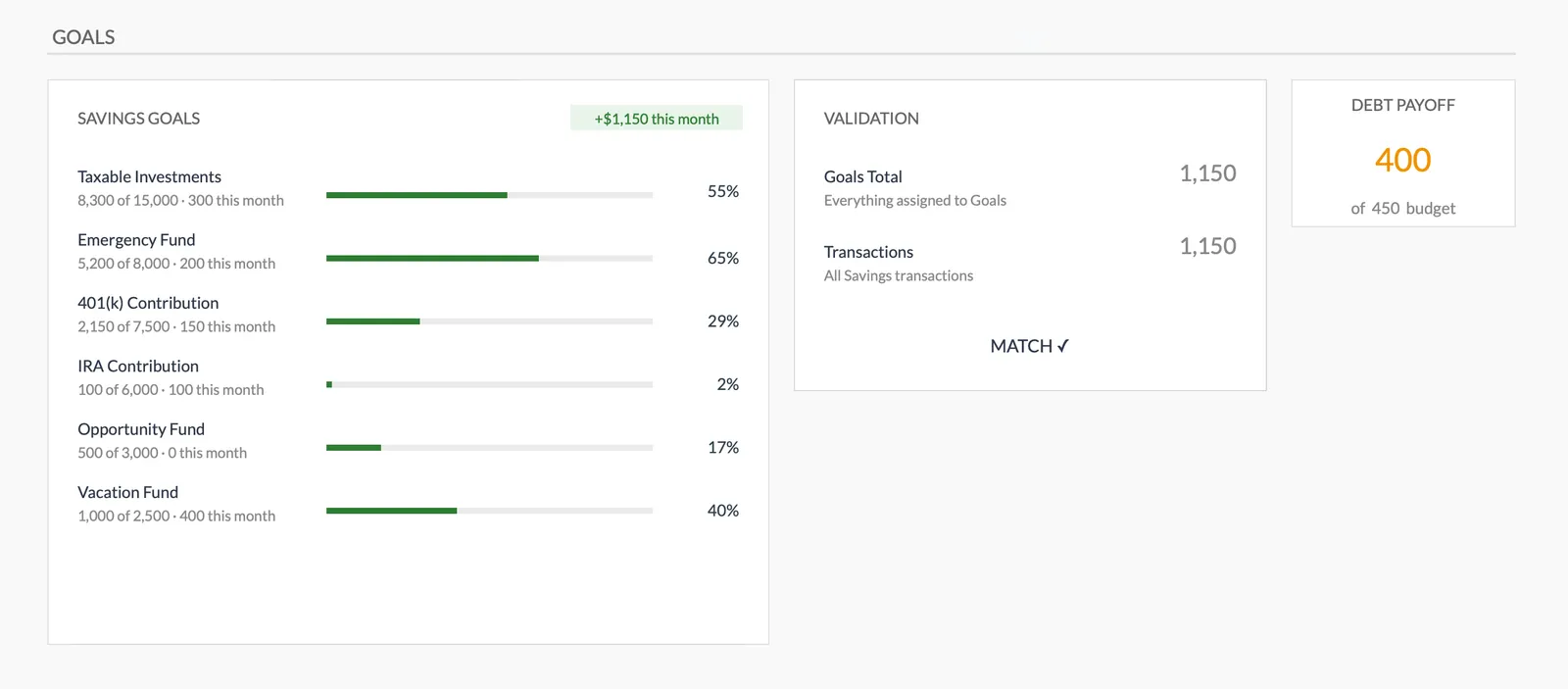
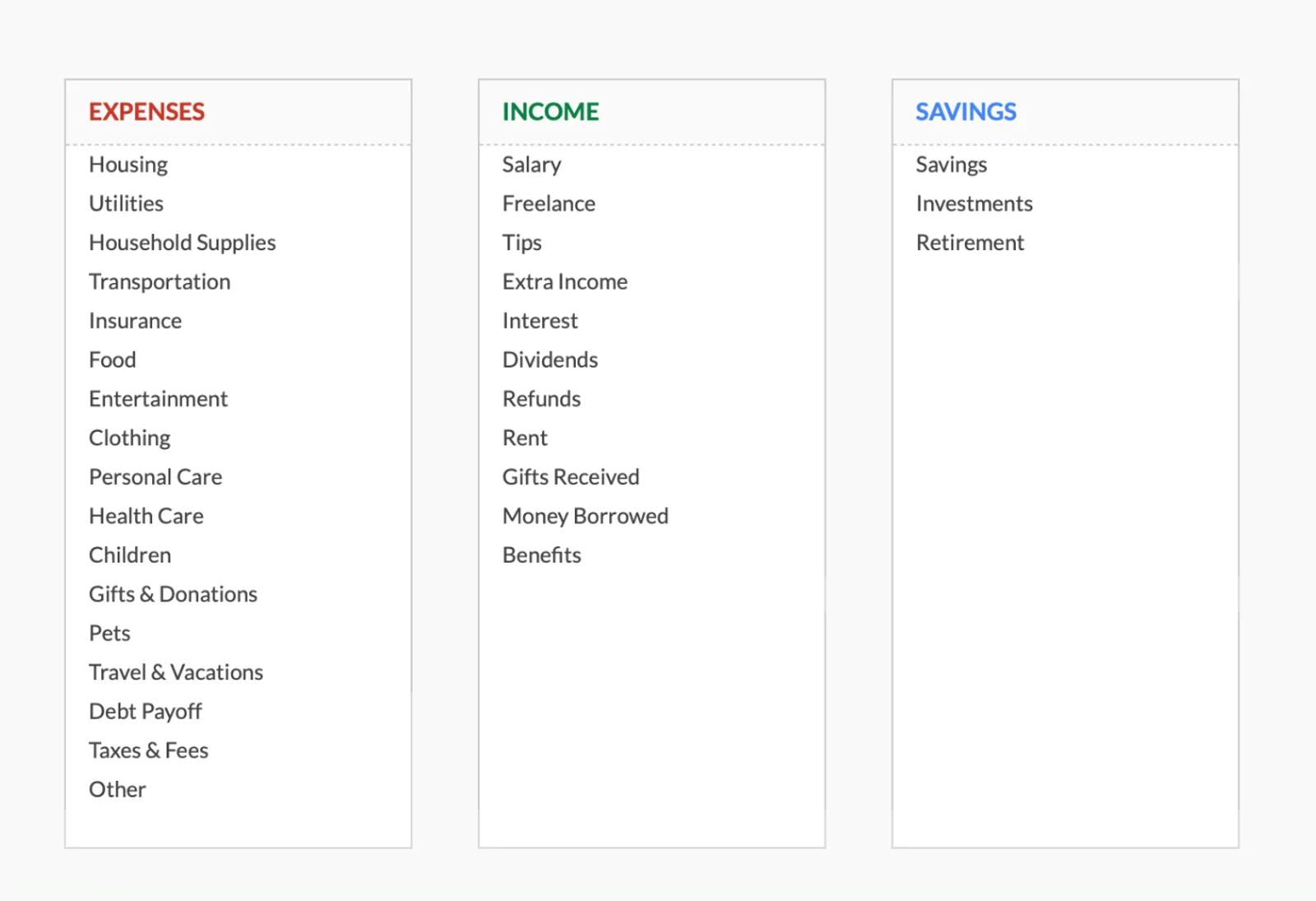
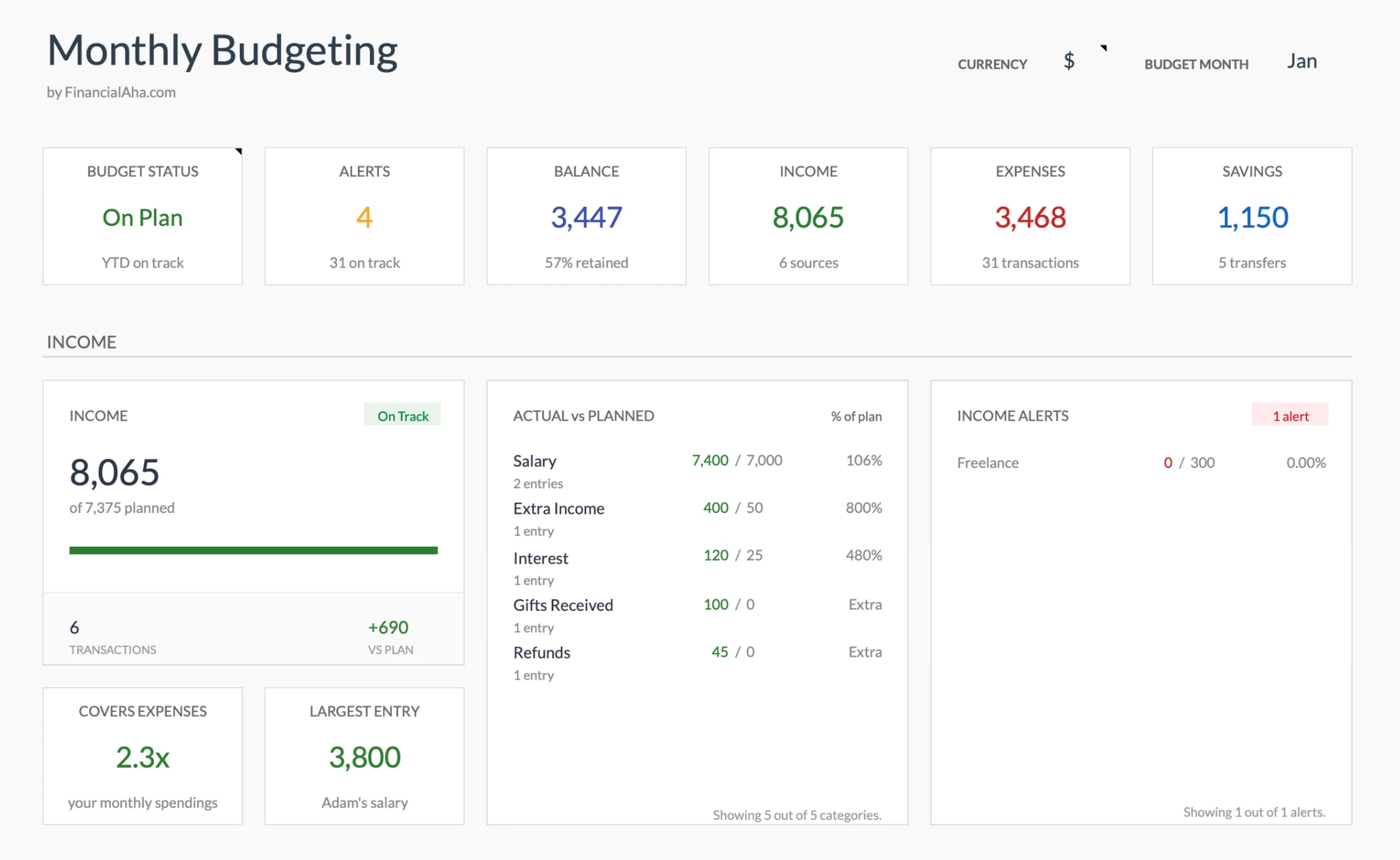
Dashboard with income, expenses, and savings at a glance
Log transactions with automatic categorization
Set targets per category and track actual spending
Visual breakdown of where your money goes
Track savings goals alongside your budget
Monitor progress toward financial goals
Fully customizable expense, income, and savings categories
Common Questions
Monthly Budget Template for India - FAQ
Does this template use Indian rupees?
The template includes a built-in currency selector - switch it to INR or any other currency. All calculations are currency-agnostic, so the math works the same regardless of the display currency.
Can I track Section 80C investments?
Yes. Add a budget category for tax-saving investments (ELSS SIPs, PPF, NPS, etc.). If your EPF contributions already cover part of the 80C limit, you only need to track the remaining amount you're investing voluntarily.
How do I handle variable income like bonuses or freelance work?
Add bonuses and freelance income as separate line items in the months they arrive. For freelance income, remember to account for GST if applicable and set aside money for advance tax payments due quarterly.
Can I track EMIs in this template?
Yes. Add each EMI (home loan, car loan, personal loan, credit card EMI) as its own category. This makes it easy to see total debt obligations at a glance and track when specific loans will be paid off.
Is there an India-specific version of this template?
The template is the same one used worldwide - it's designed to be fully customizable. This page explains how to adapt it for Indian finances. You can rename categories, adjust formatting, and set it up to match your specific situation.
How does this compare to Indian budgeting apps like Walnut or Money Manager?
Apps like Walnut read your SMS messages to auto-categorize transactions. This template requires manual entry but offers more customization, costs a one-time fee instead of ongoing data access, and keeps your financial data in your own Google Drive. The tradeoff is automation vs. control and privacy.
Can't find the answer you're looking for? Contact our team
Ready to get started?
Download instantly and start managing your finances, or contact us to design a custom template package for your needs.