Budget Guide
How to Budget for a Moving
A local move typically costs $1,000-$3,000, while a long-distance move can run $4,000-$10,000+. Add first/last month rent, security deposits, utility setup, and new furniture and the total climbs fast. Tracking it all in one place prevents the common "where did that money go" shock.
In Depth
Moving Is a Financial Event, Not Just a Logistics Problem
People tend to think of moving in terms of logistics - packing, hiring movers, changing addresses. But the financial dimension of a move is equally complex and often catches people off guard. The upfront cash requirements alone can be substantial: security deposit, first month's rent (sometimes last month too), utility deposits, and moving company costs can easily total $5,000-$10,000 before any furniture is purchased for the new place.
The overlap period between old and new housing creates a temporary spike in costs that monthly budgets rarely anticipate. Paying rent on two places for even one month can strain finances. Utility costs overlap as services are transferred. Storage fees may be needed if move-in and move-out dates do not align perfectly. An annual planning view that maps these overlapping costs across two or three months makes the cash flow impact visible and plannable.
Post-move spending is the most commonly overlooked category in moving budgets. New curtains because the windows are different sizes. A second set of cleaning supplies. Hardware store trips for hooks, shelves, and minor repairs. Takeout meals during the first week because the kitchen is not set up. These individually small expenses can total $500-$1,500 in the first month. People who set aside a "settling in" fund separate from the moving budget itself tend to experience less financial stress during the transition.
Cost Breakdown
Typical Moving Costs
Moving costs depend on distance, volume of belongings, and whether you hire professionals. These ranges cover common scenarios for both local and long-distance moves.
Professional Movers (Local)
$500-2,500Based on home size and hours of work - stairs and access difficulty add cost
Professional Movers (Long-Distance)
$2,000-10,000+Weight-based pricing means decluttering before the move saves money
Security Deposit & First/Last Month Rent
2-3 months rentOften the largest upfront cost for renters
Utility Setup & Deposits
$200-800Connection fees, deposits, and overlapping service during the transition
Packing Supplies
$100-500Boxes, tape, bubble wrap - used boxes from local stores can reduce this significantly
Cleaning & Repairs
$200-1,000Deep cleaning the old place and any needed repairs to get deposits back
Budgeting Steps
Steps to Budget for a Move
Get moving quotes early
Request quotes from 3-5 moving companies at least 6-8 weeks before the move date. In-home estimates tend to be more accurate than phone or online quotes. Peak season (summer months) typically costs 20-30% more than off-peak times.
Map out the deposit timeline
Security deposits, first and last month rent, and utility deposits can require a large lump sum before you get your old deposits back. Planning when each payment is due - and when old deposits return - helps manage cash flow during the transition.
Budget for the overlap period
Most moves involve some overlap in housing costs - paying rent on both places, duplicate utility bills, and temporary storage. Building 1-2 months of overlap into the budget prevents last-minute financial stress.
Declutter before you move
Moving costs are often based on weight or volume. Selling, donating, or discarding items you no longer need reduces moving costs and can even generate some cash. Many people find the financial incentive makes decluttering easier.
Set aside funds for settling in
New curtains, different-sized furniture, cleaning supplies, and various household items often needed after a move. Having a settling-in fund of a few hundred to a few thousand dollars (depending on the move) prevents these costs from hitting the regular budget.
See The Template
Tools for moving budgeting
Browse the template features that help with moving financial planning.
- Automatic calculations
- Visual charts and summaries
- Customizable categories
- Works in Google Sheets and Excel
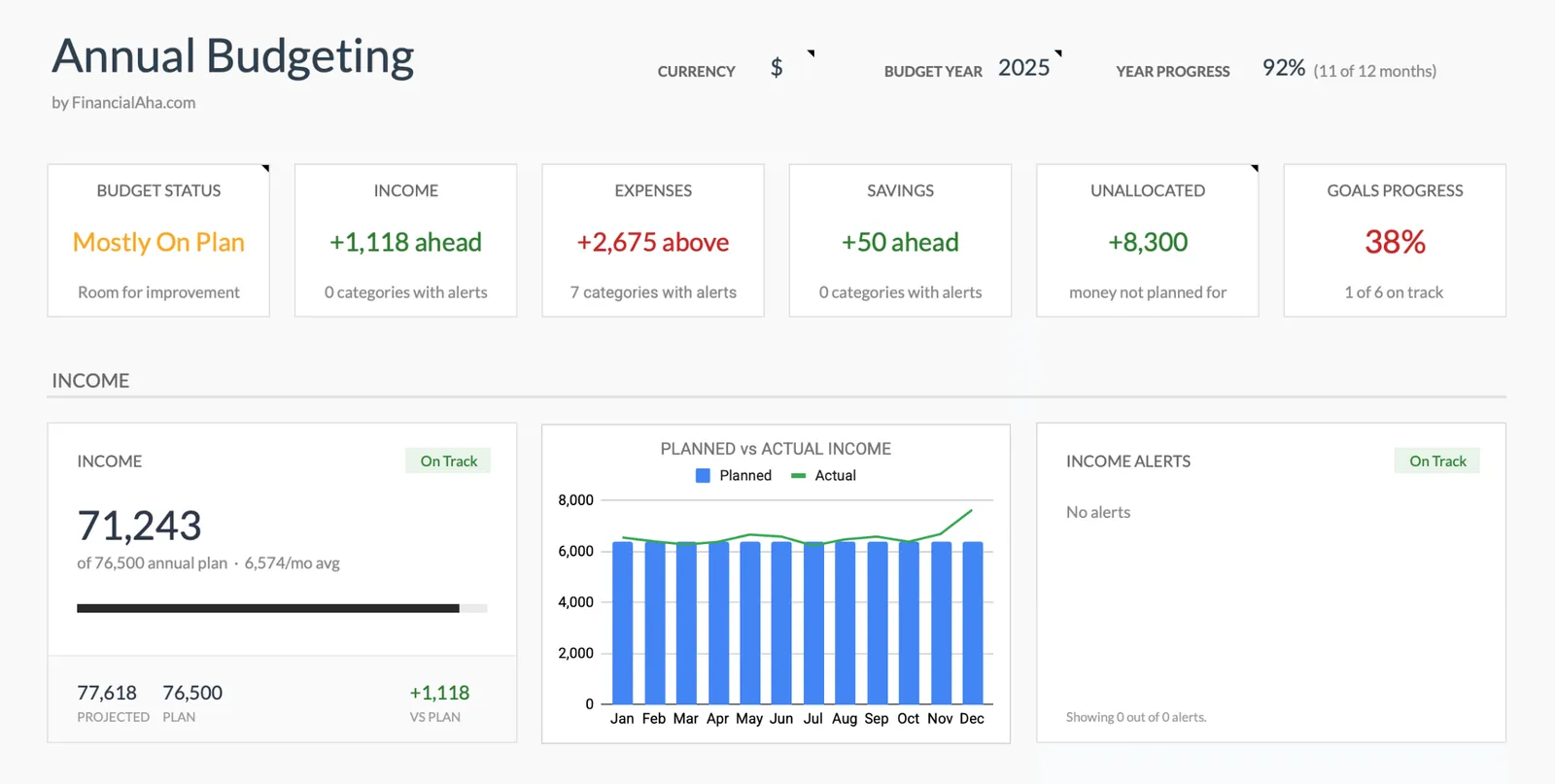

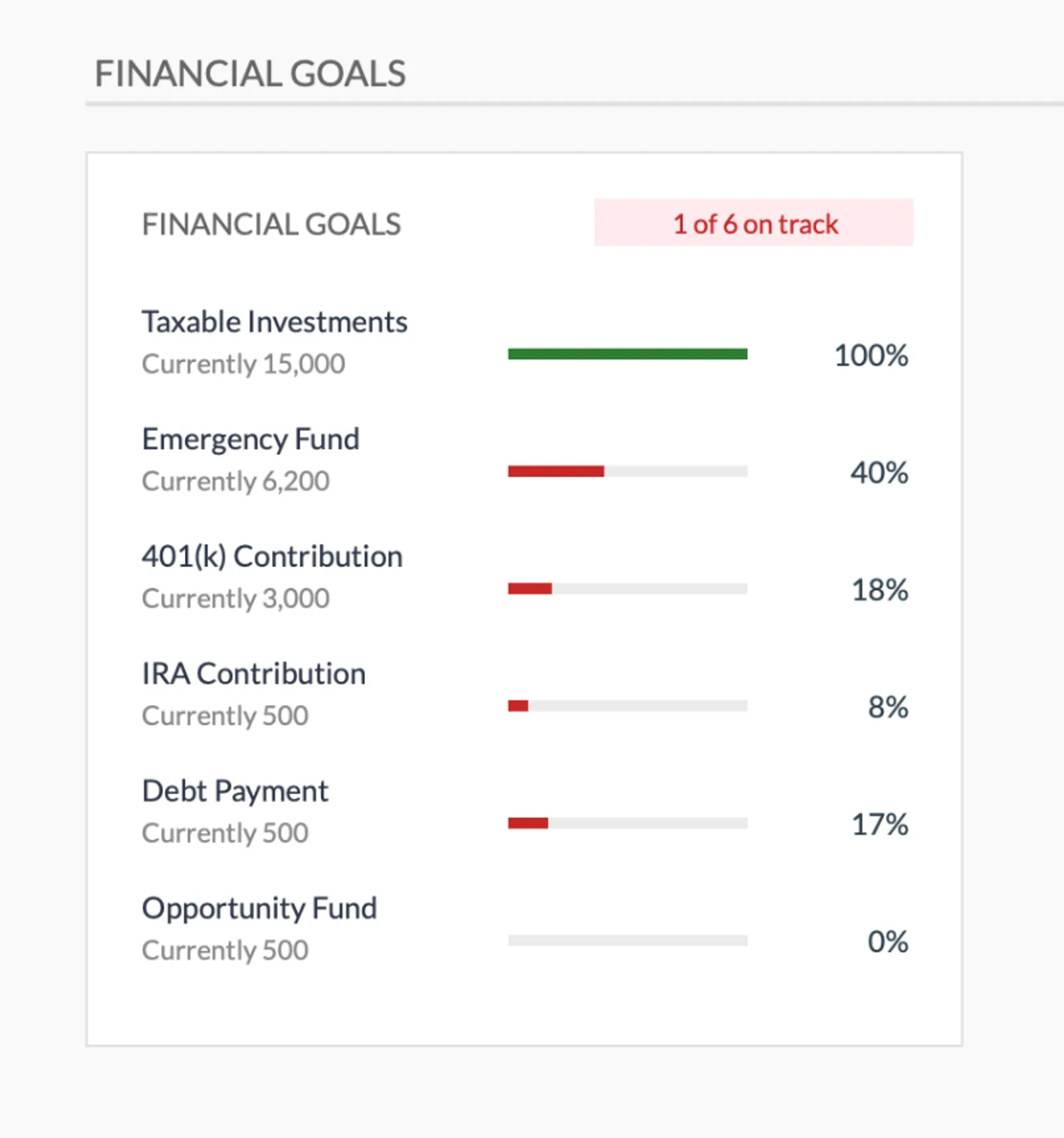
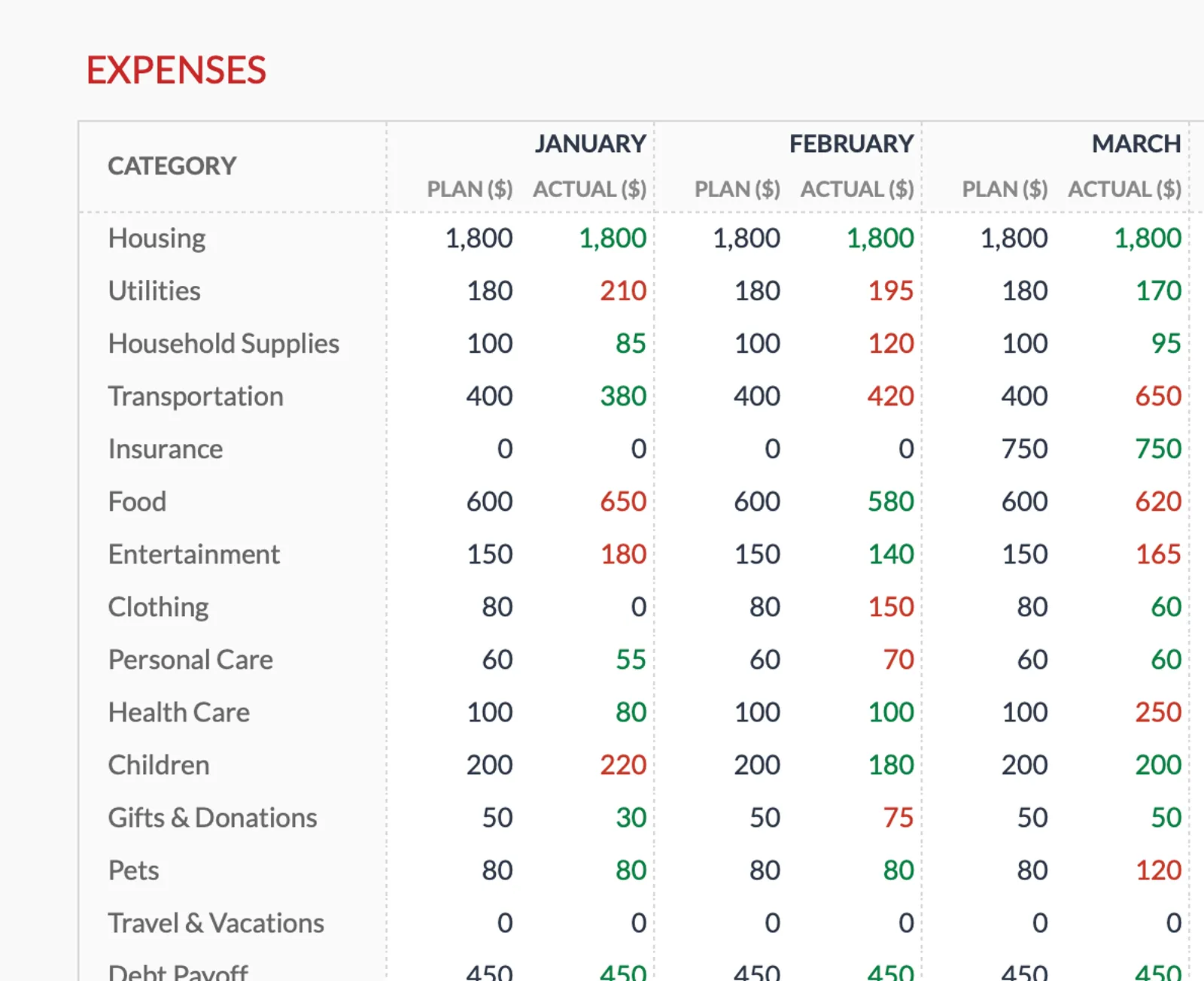
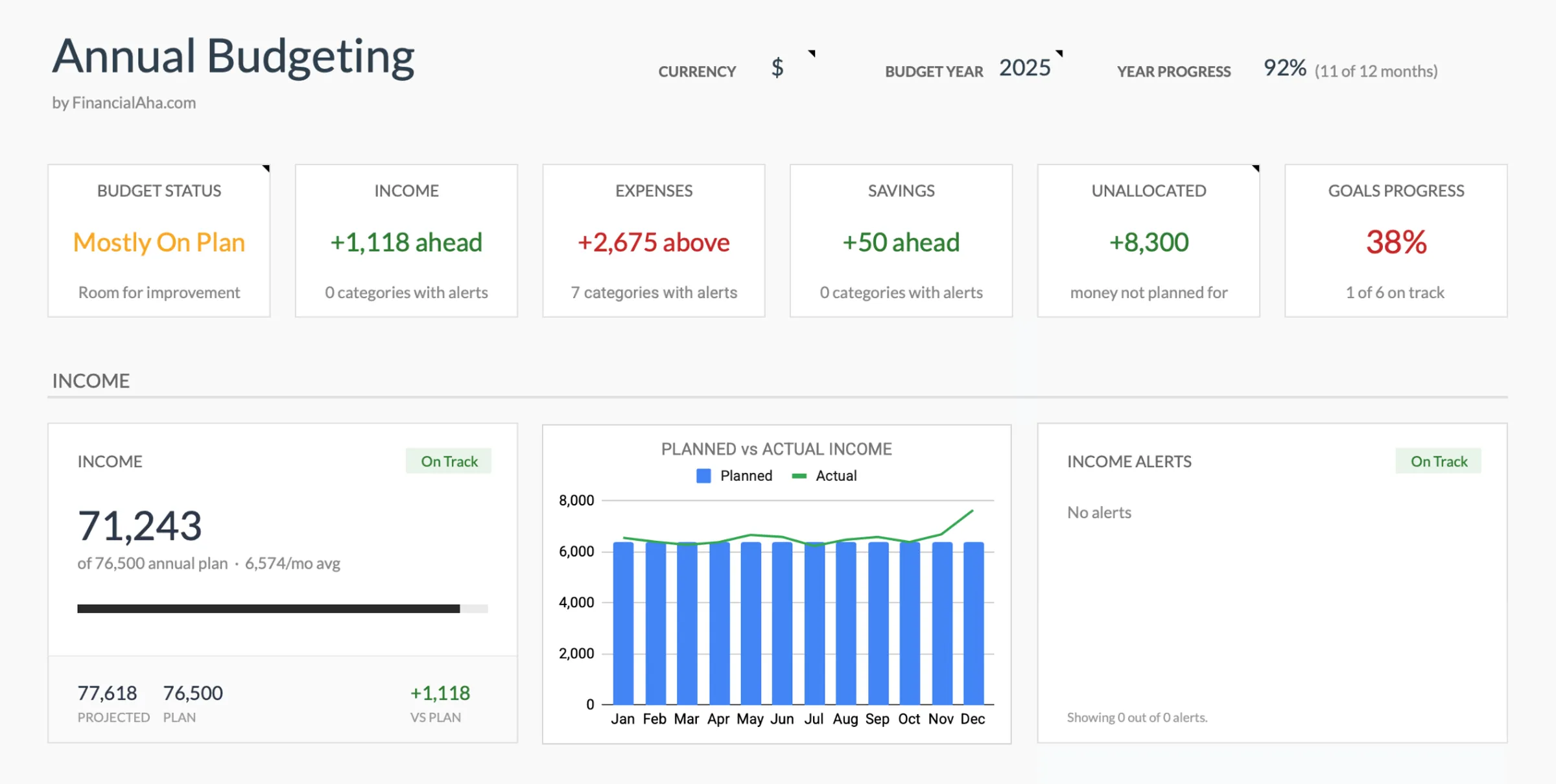
Full year budget overview with monthly breakdown
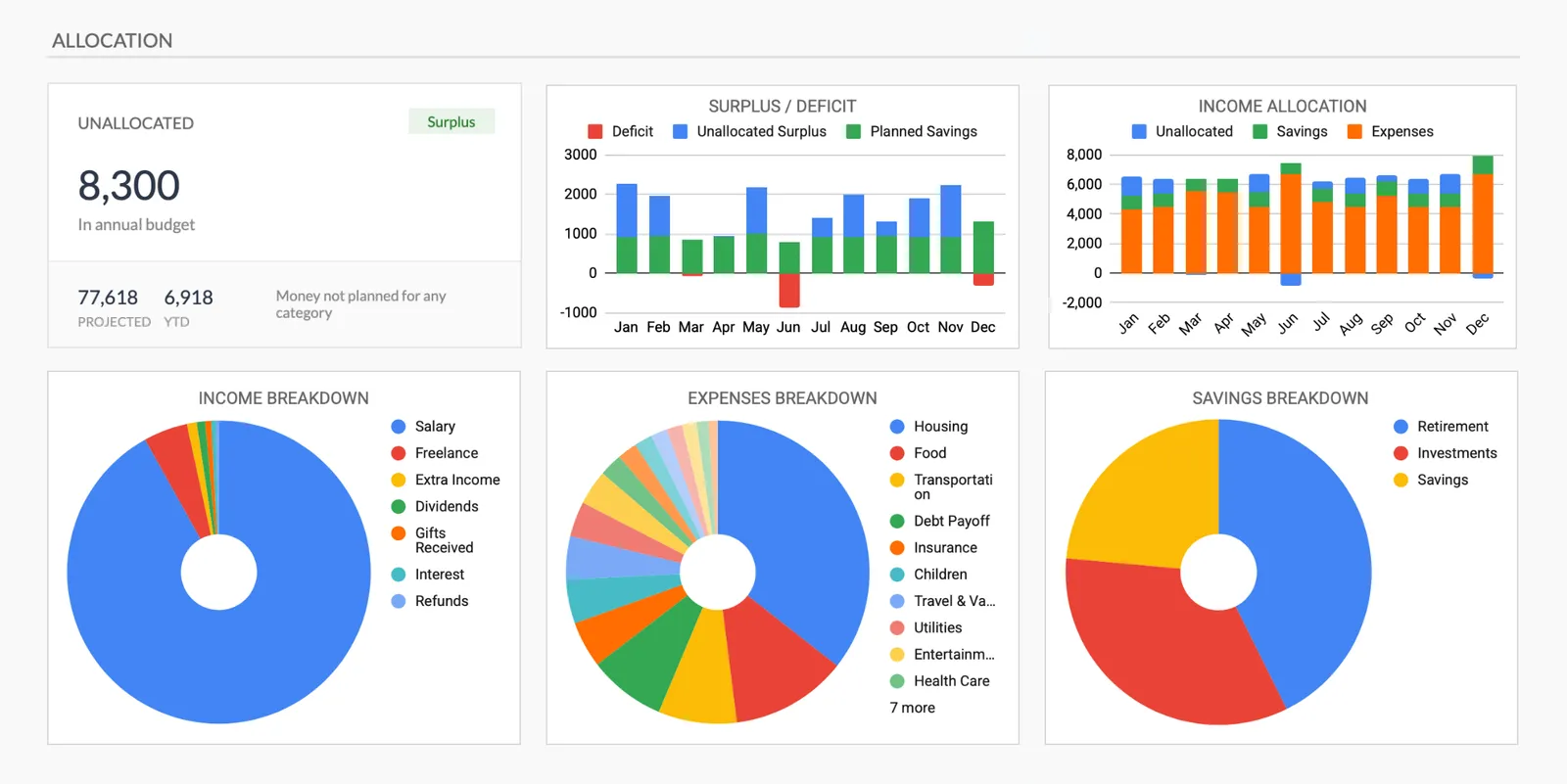
See how your budget is allocated across categories
Track key metrics across the year
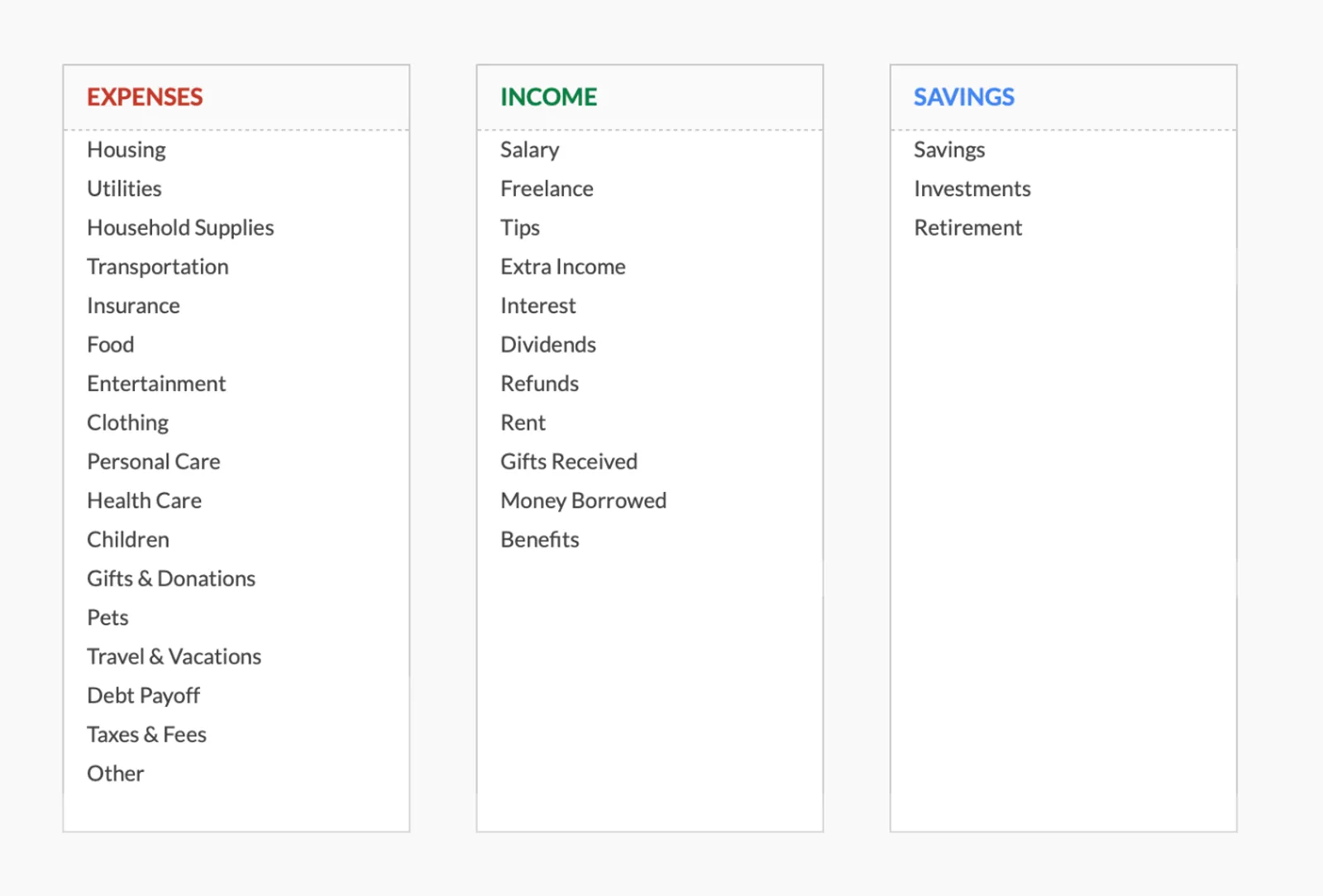
Customizable categories for your annual plan
Set and track annual financial goals
Track expenses month by month across the year
Recommended Templates
Templates for Moving Budgeting
Plan your move across months - see deposits leaving, old deposits returning, overlapping costs, and settling-in expenses on a clear timeline. Ideal for moves that span multiple months of planning.
View templateTrack all moving expenses as they happen. Categorize costs by type (movers, deposits, supplies) to see exactly where the money went.
View template Save $24Get annual planning, monthly budgeting, and a travel planner together. Helpful for a move that requires tracking both the relocation costs and your ongoing budget adjustment.
Includes 3 templates
View bundleCommon Questions
Moving Budgeting FAQ
How far in advance should moving budgeting start?
Starting 2-3 months before the move gives time to get quotes, save for deposits, and plan the timeline. For long-distance moves, starting earlier (3-6 months) helps with the additional complexity of housing search, job transitions, and larger financial commitments.
What moving costs are most commonly forgotten?
Pet deposits, vehicle registration changes for out-of-state moves, mail forwarding, updating insurance policies, storage fees during the transition, meals and lodging during multi-day moves, and tips for movers. These smaller items can add $500-2,000 to the total cost.
Is it cheaper to hire movers or do it yourself?
DIY moves save on labor costs but require renting a truck, buying supplies, recruiting help, and taking time off work. For local moves with less stuff, DIY often costs less. For larger or long-distance moves, the difference narrows when you factor in truck rental, fuel, hotels, and the value of your time.
How can moving costs be reduced?
Moving during off-peak times (fall/winter, mid-week, mid-month), decluttering before the move, using free or recycled packing materials, and comparing multiple quotes all help reduce costs. Some employers offer relocation assistance worth asking about.
How long does it take to financially recover from a move?
Most people find it takes 2-4 months after a move for spending to return to normal. The first month often includes settling-in purchases, and it takes time for the new budget to stabilize. Planning for this adjustment period prevents frustration.
Can't find the answer you're looking for? Contact our team
Start planning your moving budget
A spreadsheet template with automatic calculations, visual summaries, and everything needed to track moving costs.
Ready to get started?
Download instantly and start managing your finances, or contact us to design a custom template package for your needs.