Budget Guide
How to Budget for a Home Renovation
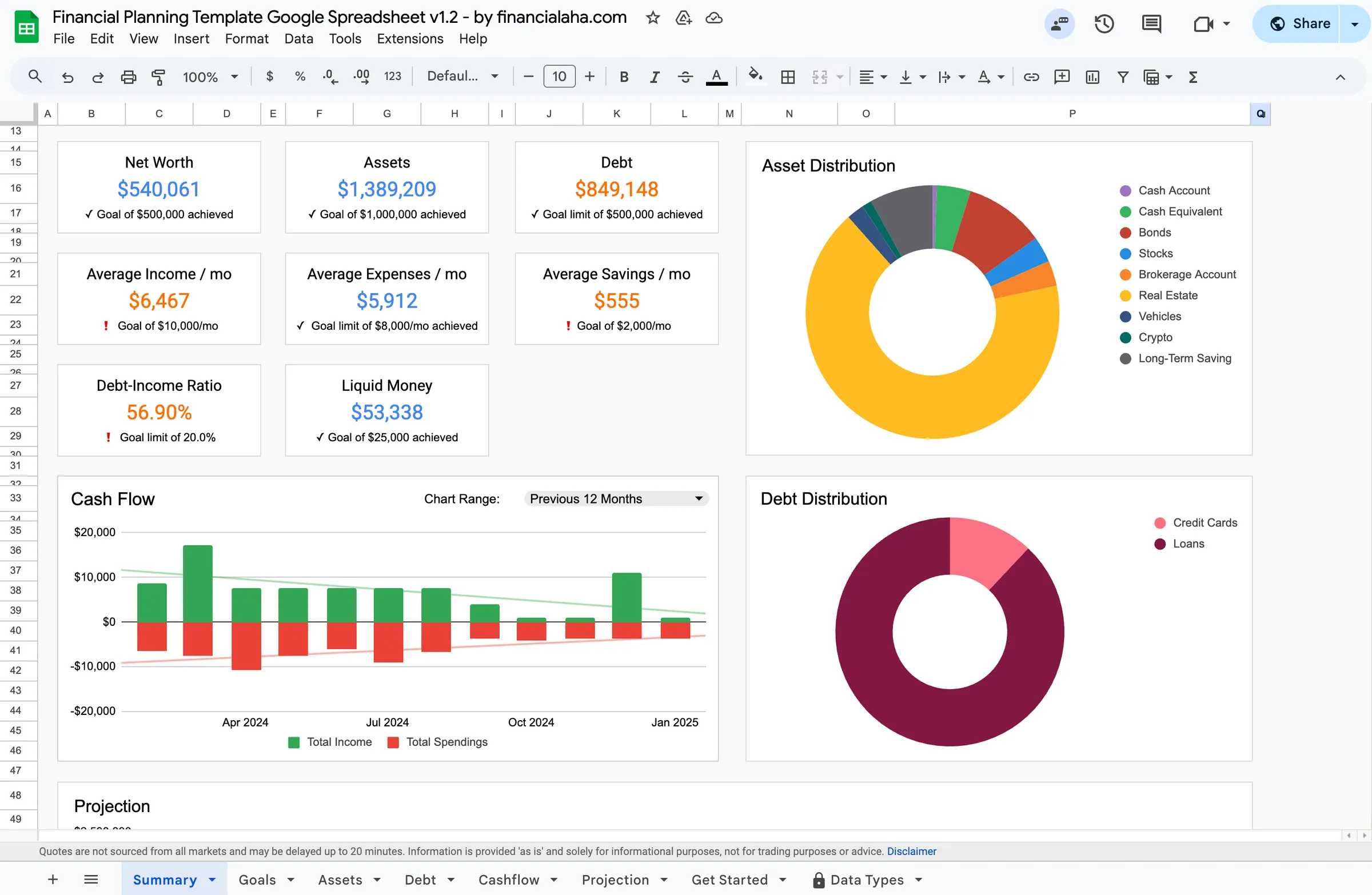
Home renovations go over budget roughly 50% of the time, with the average overspend around 10-20% of the original estimate. A spreadsheet that tracks quotes, actuals, and contingency reserves for each room or contractor makes overruns visible before they spiral.
In Depth
Renovations Test Every Budget Assumption
Home renovations are uniquely challenging from a budgeting perspective because the scope of work frequently changes after the project begins. Opening a wall reveals wiring that needs updating. Removing flooring exposes water damage. These discoveries are not signs of poor planning - they are inherent to renovation work. The difference between a budget that survives these surprises and one that does not is usually the contingency reserve and the real-time tracking that catches overruns early.
The relationship between renovation spending and home value is worth understanding before committing significant money. Not all improvements increase property value proportionally. A $50,000 kitchen renovation in a neighborhood of $200,000 homes may not return its full cost at resale. Conversely, addressing structural issues, updating electrical systems, or improving energy efficiency can protect and enhance value in ways that are less visible but financially meaningful. Tracking both the cost and the estimated value impact helps frame renovation decisions in financial terms.
Financing decisions for renovations involve trade-offs that a financial planning view helps clarify. Using savings avoids interest costs but reduces the emergency fund. A home equity line of credit may offer lower rates than a personal loan but uses the home as collateral. Cash-out refinancing changes the mortgage terms entirely. Each option affects the broader financial picture differently, and seeing the renovation costs in context with overall finances - savings, debt, monthly cash flow - supports more informed decisions.
Cost Breakdown
Typical Renovation Costs by Project
Renovation costs depend on location, scope, materials, and labor rates. These ranges reflect common project types, though actual costs can vary significantly.
Kitchen Renovation
$15,000-75,000+The most common renovation - scope ranges from cosmetic updates to full gut renovations
Bathroom Renovation
$8,000-35,000+Plumbing changes and tile work drive costs higher than cosmetic updates
Flooring Replacement
$3-15 per square footMaterial choice (vinyl, hardwood, tile) is the biggest cost driver
Roof Replacement
$8,000-25,000+Depends on roof size, material, and whether structural work is needed
Exterior/Siding
$5,000-20,000+Material and home size determine the range
Permits & Inspections
$500-5,000Often forgotten in initial budgets - required for most structural or electrical work
Budgeting Steps
Steps to Budget for a Renovation
Get multiple detailed quotes
Getting 3-5 quotes for major work helps establish a realistic price range. Detailed quotes that break down labor and materials separately make it easier to compare and negotiate. The lowest quote is not always the right choice.
Add a 15-25% contingency
Renovation projects regularly uncover hidden issues - outdated wiring, water damage, structural problems. A contingency fund of 15-25% of the project cost is worth building into the budget. Older homes may need even more buffer.
Track expenses in real time
Renovation spending happens across many categories and vendors. Tracking expenses as they happen (not after the project) reveals budget overruns while there is still time to adjust plans for remaining work.
Understand the impact on home value
Not all renovations return their full cost in home value. Kitchen and bathroom renovations typically recoup 50-80% of costs at resale. Understanding the return on investment helps prioritize which projects make financial sense.
Plan your financing before starting
Whether paying from savings, using a home equity line, or financing through a loan, having the financing in place before work begins prevents mid-project cash flow problems that can delay the work.
See The Template
Tools for home renovation budgeting
Browse the template features that help with home renovation financial planning.
- Automatic calculations
- Visual charts and summaries
- Customizable categories
- Works in Google Sheets and Excel
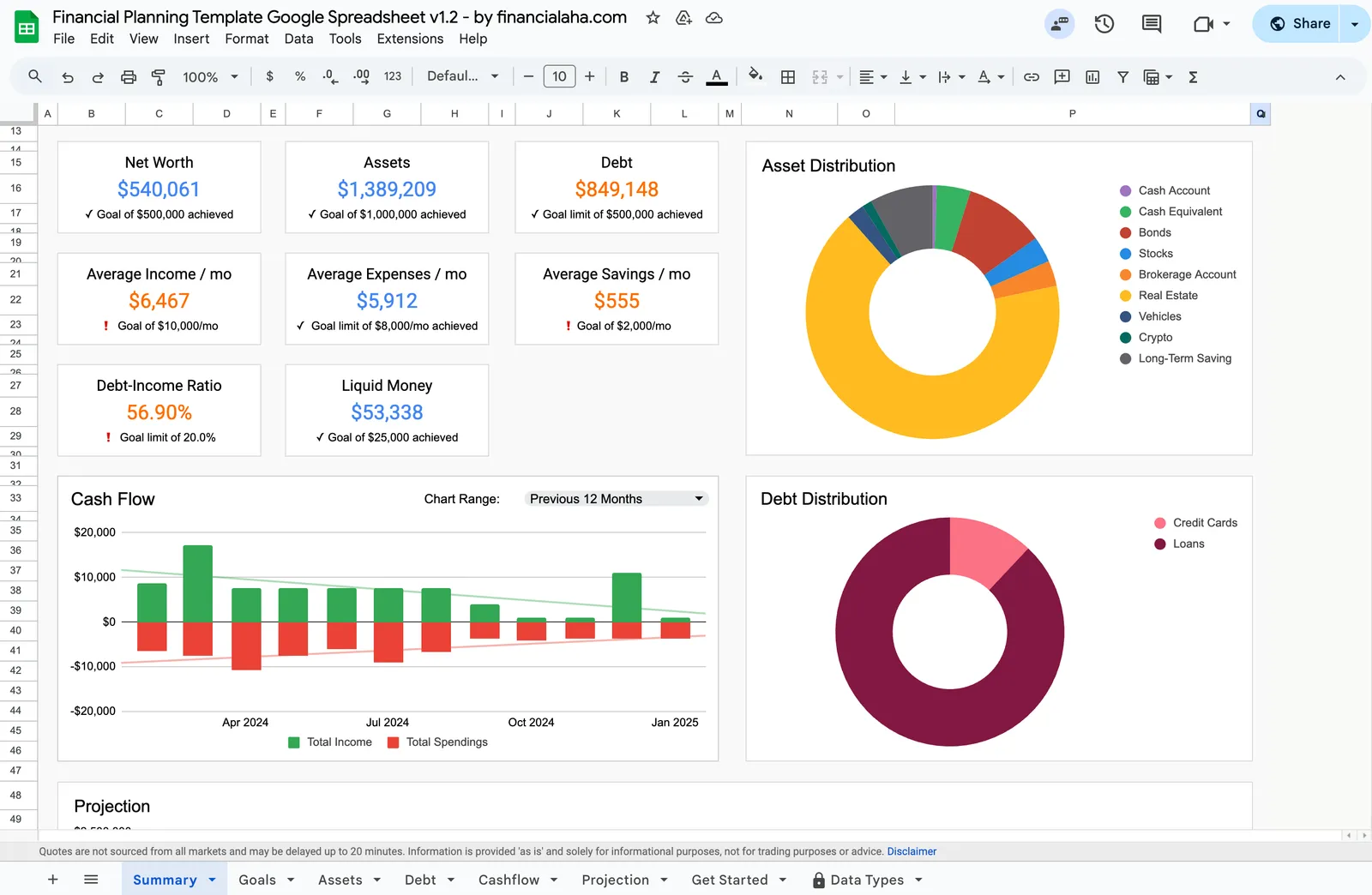
Complete financial overview with net worth and goals
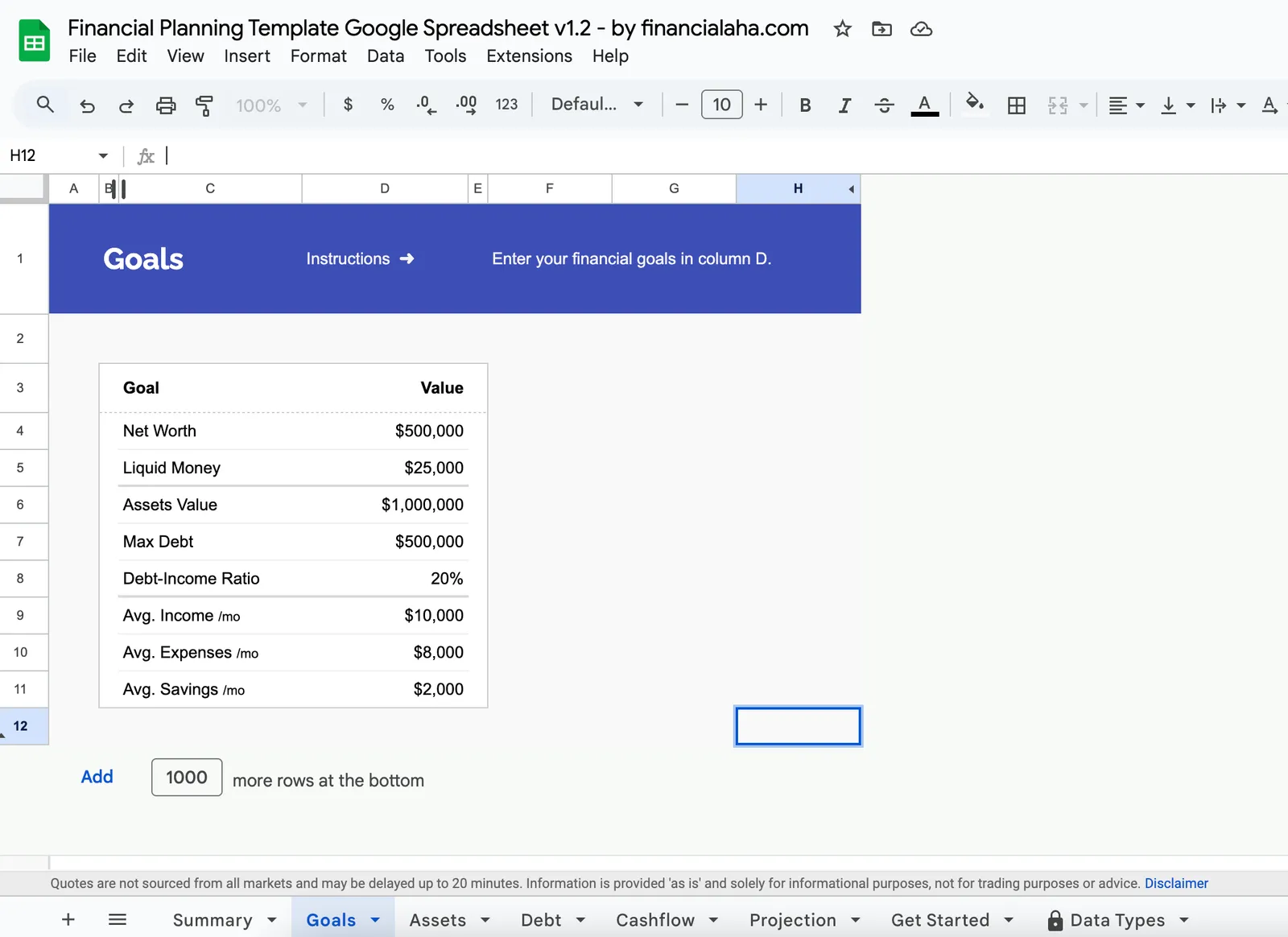
Set and track progress toward financial milestones
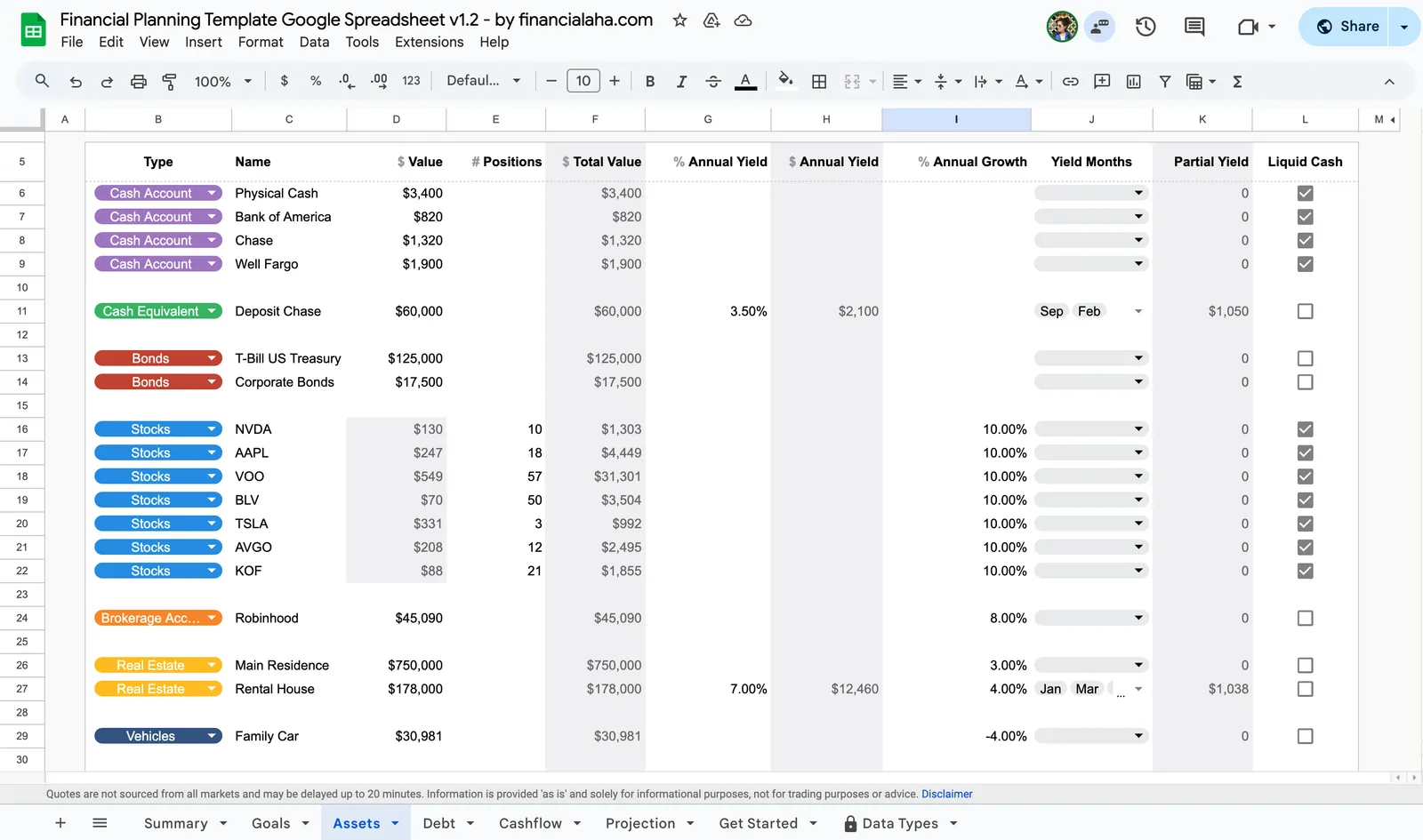
Track all your assets in one place
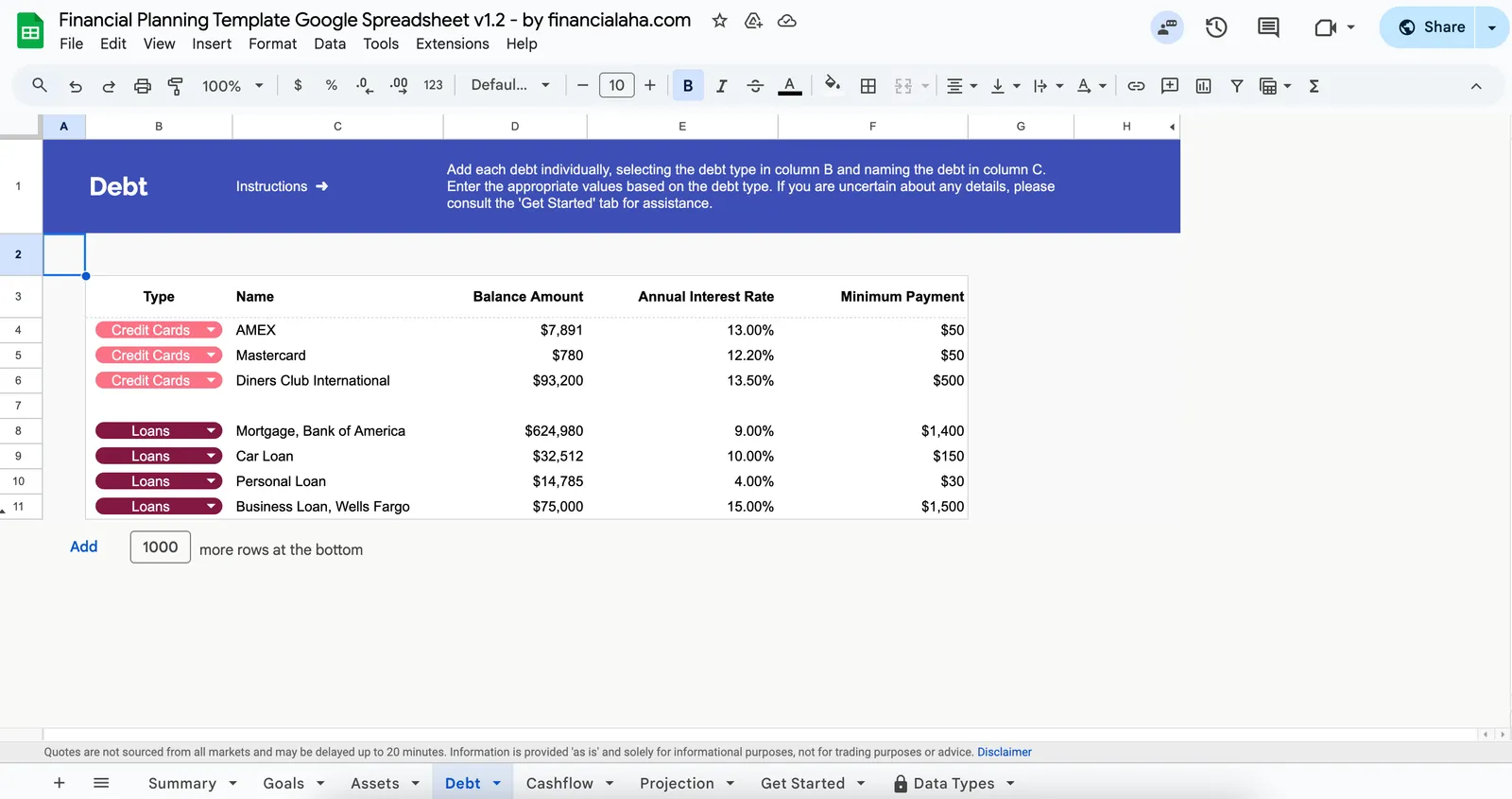
Monitor and plan debt repayment
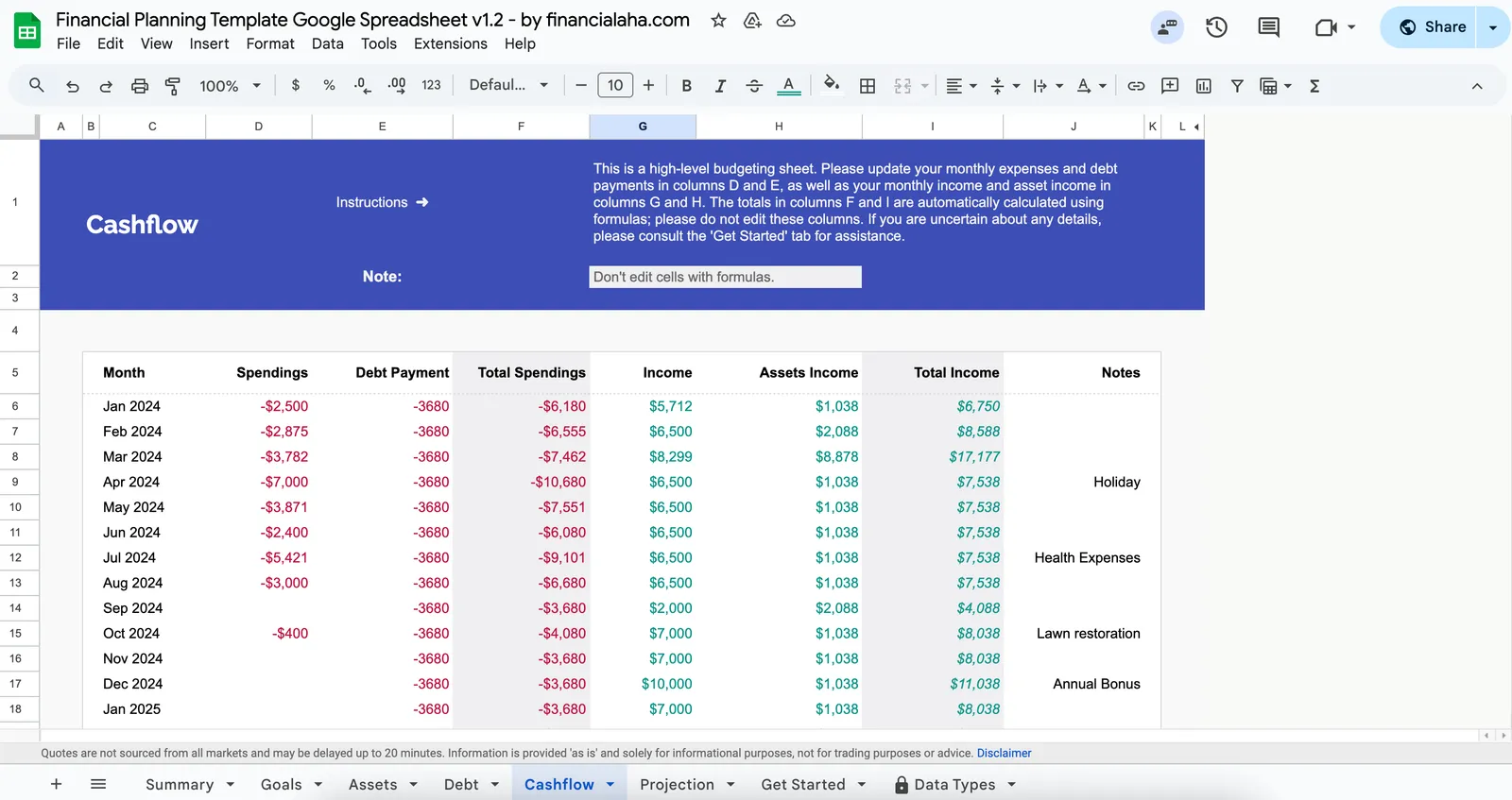
Visualize your income vs spending over time
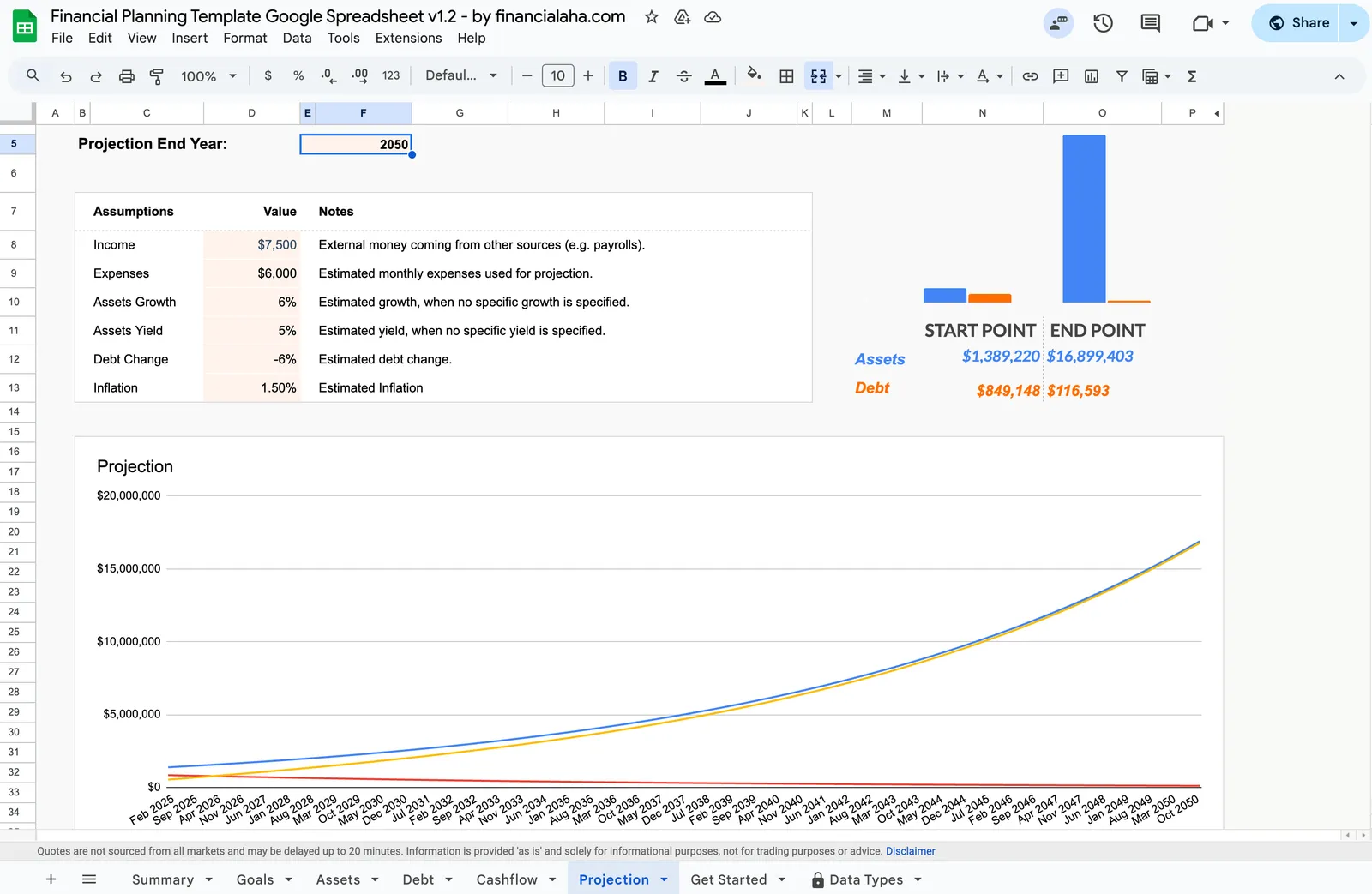
Project your financial future
Recommended Templates
Templates for Home Renovation Budgeting
Track how renovation spending affects your overall financial picture - see the impact on savings, debt, and net worth. Plan renovation financing alongside your existing obligations.
View templateMonitor monthly renovation expenses and regular household spending side by side. Keep renovation costs from derailing your normal budget.
View template Save $58Get financial planning, monthly budgeting, and annual planning tools together. Track renovation costs, manage cash flow, and see the long-term impact on your finances.
Includes 5 templates
View bundleFree Tools
Calculators to Help You Plan
Common Questions
Home Renovation Budgeting FAQ
How much contingency should a renovation budget include?
Most contractors and financial planners suggest 15-25% of the project budget for contingencies. Older homes or projects involving plumbing and electrical may need more. Some homeowners set aside a separate contingency fund rather than padding individual line items.
Should renovations be paid for with savings or financing?
Both approaches have trade-offs. Paying from savings avoids interest costs but depletes reserves. Home equity loans often offer lower interest rates than personal loans. The right choice depends on your savings level, interest rates available, and how quickly you want to complete the work.
What renovation costs are most commonly underestimated?
Permits and inspections, temporary living costs during major renovations, finishing touches (hardware, paint touch-ups, landscaping repair), waste removal, and the time cost of managing a project. Hidden issues behind walls or under floors also add unplanned expenses.
How do renovation costs vary by region?
Labor rates are the biggest regional variable. The same kitchen renovation can cost 2-3x more in a high cost-of-living area compared to a lower-cost region. Material costs are more consistent nationally, though shipping to remote areas adds cost.
When is the least expensive time to renovate?
Late fall and winter tend to be slower seasons for contractors in many regions, which can mean better availability and sometimes lower prices. However, some types of work (exterior, roofing) are weather-dependent. Planning renovations during off-peak seasons is worth considering if the timeline is flexible.
Can't find the answer you're looking for? Contact our team
Start planning your home renovation budget
A spreadsheet template with automatic calculations, visual summaries, and everything needed to track home renovation costs.
Ready to get started?
Download instantly and start managing your finances, or contact us to design a custom template package for your needs.