Budget Guide
How to Budget for a Car Purchase
The true cost of owning a car runs $8,000-$12,000 per year once you factor in insurance, fuel, maintenance, registration, and depreciation on top of the purchase price or loan payment. Budgeting for all of it upfront prevents month-to-month surprises.
In Depth
Looking Beyond the Sticker Price
The purchase price of a car is the number everyone focuses on, but it represents only a portion of total ownership cost. Insurance premiums, which vary by make, model, and coverage level, can add $1,200-$3,600 per year. Fuel costs depend on driving habits and vehicle efficiency but typically run $1,200-$3,600 annually. Maintenance averages $600-$2,400 per year depending on vehicle age. Registration, taxes, and fees add another few hundred. When these ongoing costs are totaled alongside the purchase payment, the real financial commitment becomes much larger than the sticker price suggests.
Depreciation is the invisible cost of car ownership that rarely appears in monthly budgets but significantly affects net worth. A new car that costs $35,000 may be worth $25,000 after one year and $18,000 after three years. That $17,000 in depreciation over three years is real money - roughly $470 per month - that does not show up as a line item in the budget but absolutely shows up in a net worth calculation. Understanding depreciation curves for different vehicles helps some buyers choose models that retain value more effectively.
The timing of a car purchase also deserves financial planning attention. Saving for a larger down payment reduces both the monthly payment and total interest. Getting pre-approved for financing before visiting a dealership provides leverage and clarity. Selling a current vehicle privately rather than trading it in can yield significantly more money. Each of these decisions is easier to navigate when the car purchase is planned within the context of overall finances rather than treated as an isolated transaction.
Cost Breakdown
True Cost of Car Ownership
Car costs extend well beyond the sticker price. These categories reflect the ongoing financial commitment of vehicle ownership.
Purchase Price or Down Payment
Varies widelyNew vs. used, make, model, and features drive the biggest cost differences
Monthly Payment (if financed)
$300-800/monthDepends on loan amount, interest rate, and term length
Insurance
$100-300/monthAge, driving record, location, and coverage level all affect premiums
Fuel or Charging
$100-300/monthDriving habits and vehicle efficiency create a wide range
Maintenance & Repairs
$50-200/month averageNew cars cost less initially but older vehicles need more frequent work
Registration, Taxes & Fees
$200-1,500/yearSales tax on purchase plus annual registration varies by state
Budgeting Steps
Steps to Budget for a Car Purchase
Calculate total monthly ownership cost
Add up the payment, insurance, fuel, maintenance, and registration costs to get the real monthly number. A car with a lower purchase price but higher insurance and maintenance can end up costing more overall than a slightly more expensive alternative.
Get pre-approved for financing
Getting a loan pre-approval from a bank or credit union before visiting dealers provides a baseline rate to compare against dealer financing. It also clarifies the budget by showing the actual monthly payment for different loan amounts.
Consider depreciation and resale value
New cars typically lose 20-30% of their value in the first year. Some makes and models hold value better than others. For some buyers, a 2-3 year old vehicle offers a balance between reliability and avoiding the steepest depreciation.
Plan for the down payment
A larger down payment reduces the monthly payment and total interest paid. Many lenders prefer 10-20% down. Saving for the down payment while maintaining an emergency fund takes time, but reduces the financial strain of the purchase.
Factor in the trade-in or selling your current car
If replacing an existing vehicle, research its current market value. Private sales typically yield more than dealer trade-ins. The proceeds from selling your current car can contribute to the down payment on the next one.
See The Template
Tools for car purchase budgeting
Browse the template features that help with car purchase financial planning.
- Automatic calculations
- Visual charts and summaries
- Customizable categories
- Works in Google Sheets and Excel
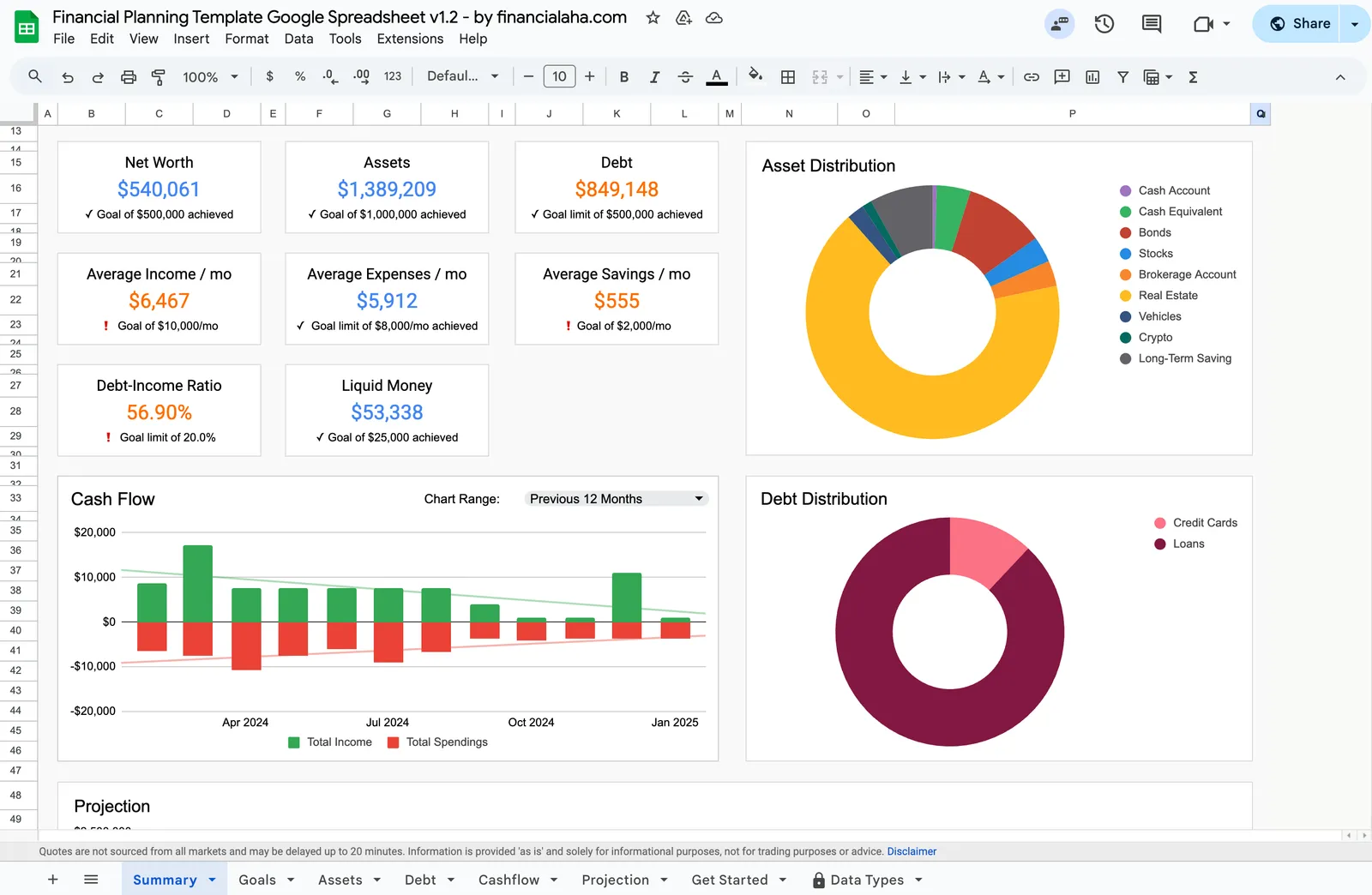
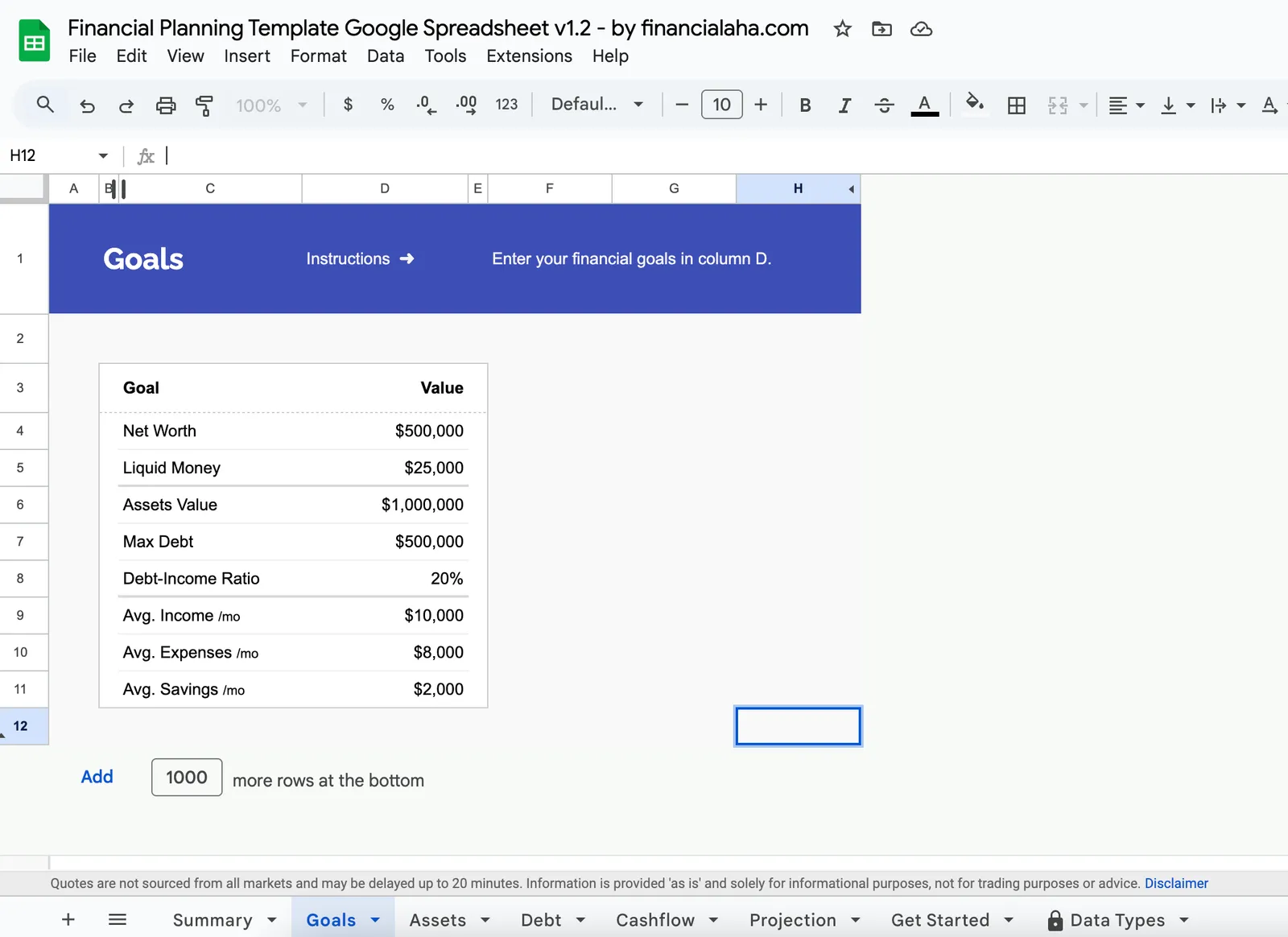
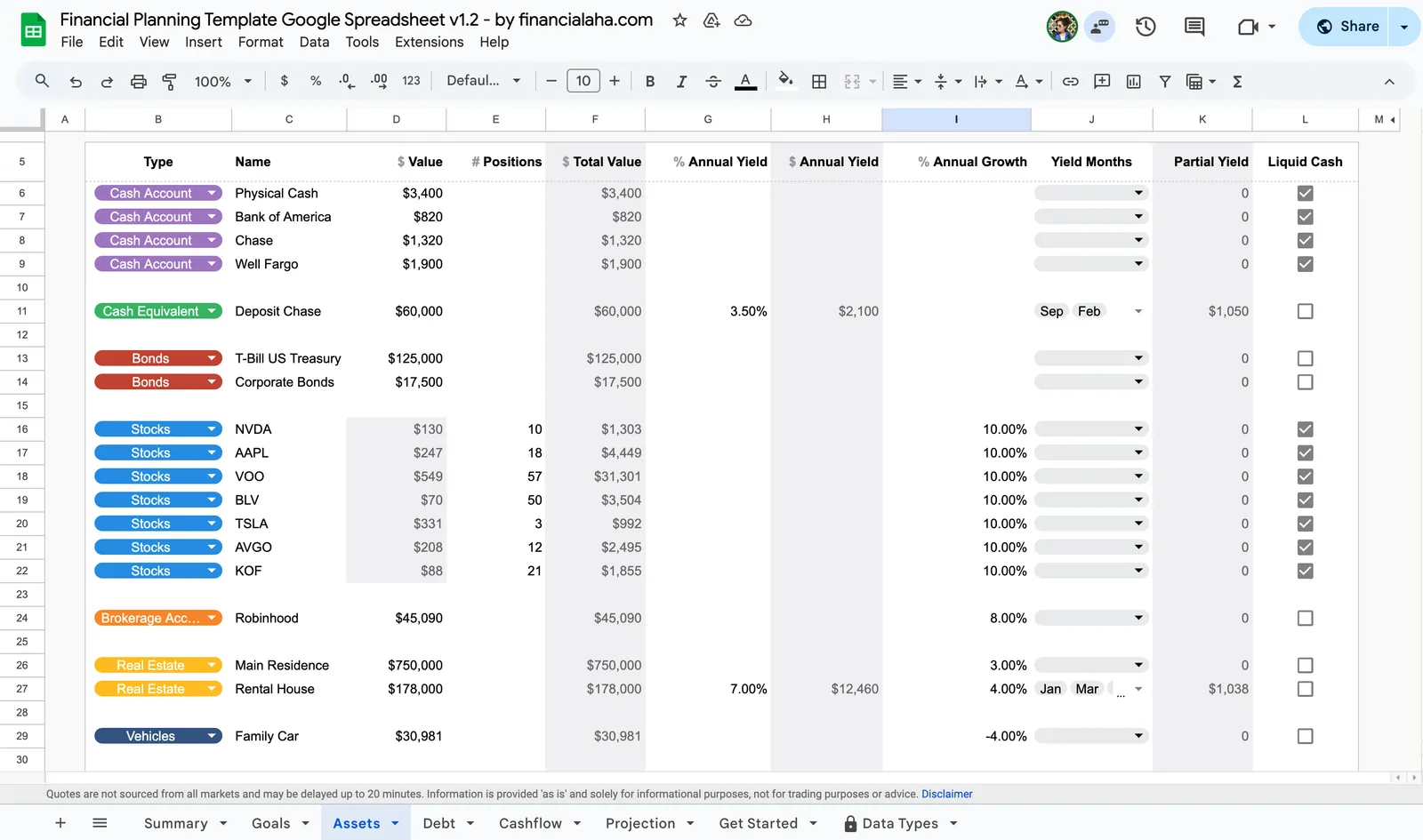
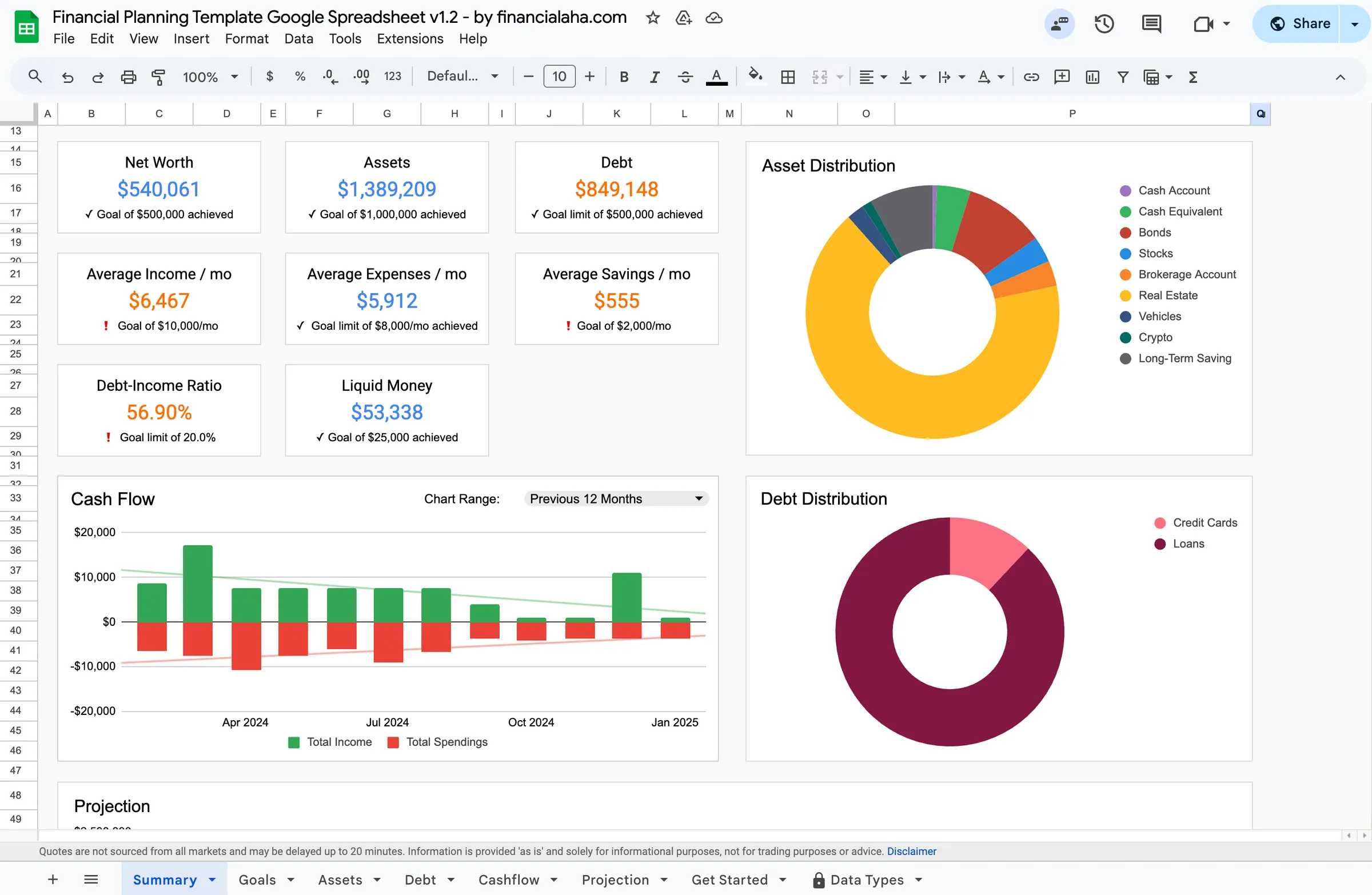
Complete financial overview with net worth and goals
Set and track progress toward financial milestones
Track all your assets in one place
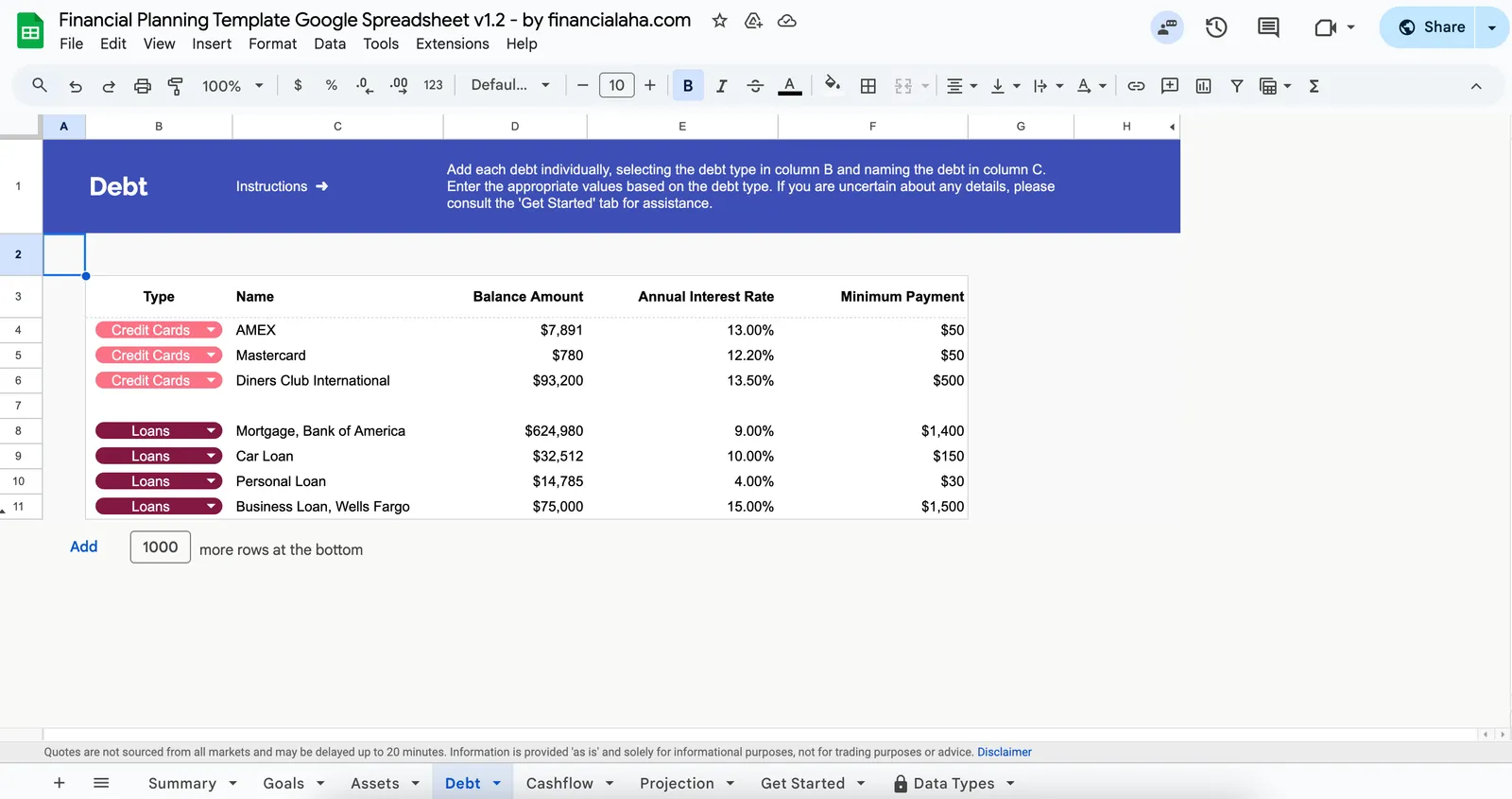
Monitor and plan debt repayment
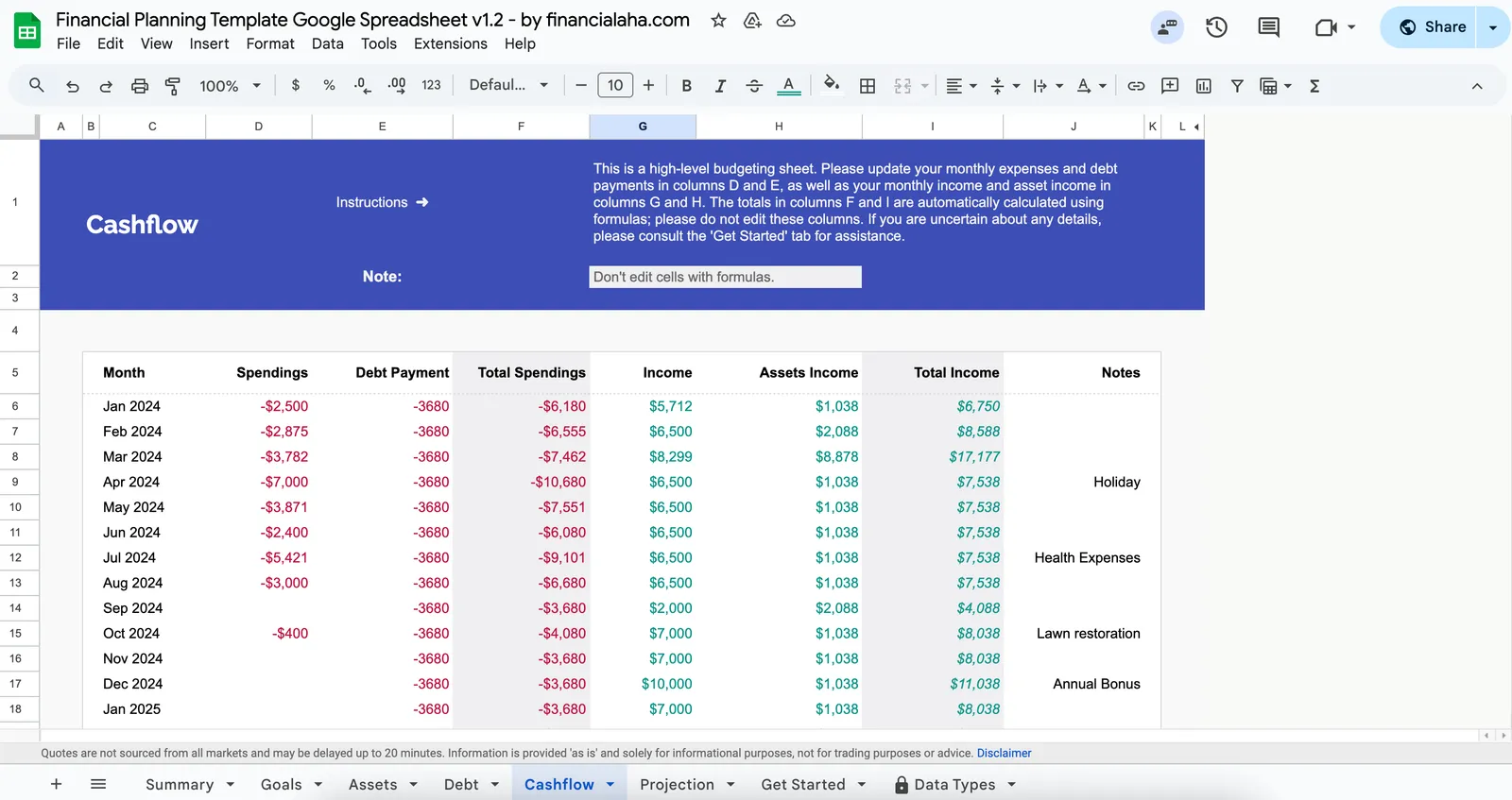
Visualize your income vs spending over time
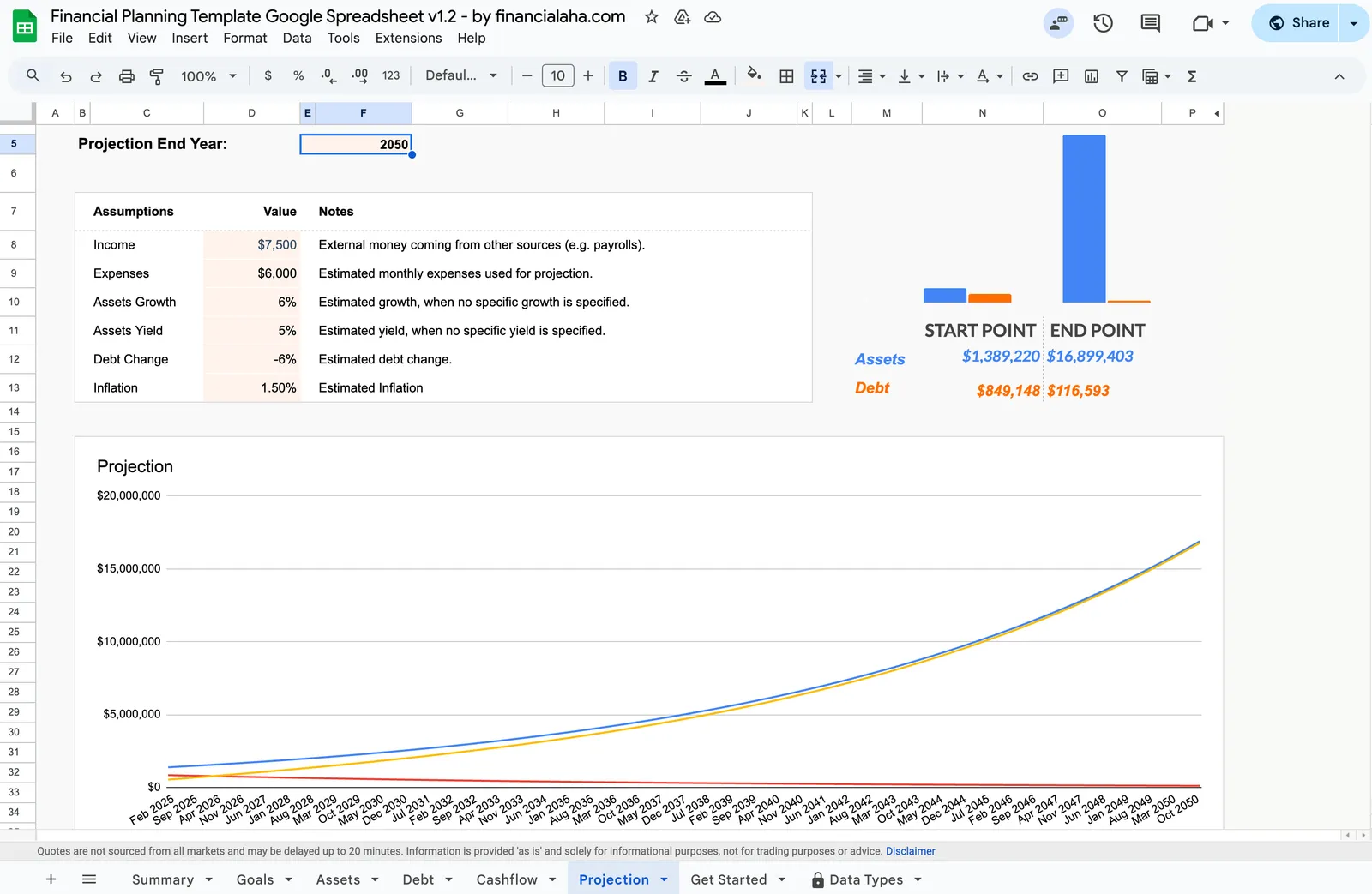
Project your financial future
Recommended Templates
Templates for Car Purchase Budgeting
Plan car savings goals alongside debt tracking and your full financial picture. See how a car payment fits into your monthly cash flow and long-term financial plan.
View templateTrack monthly car-related expenses and see how ownership costs compare to your initial budget. Adjust spending in other categories to accommodate the new expense.
View template Save $58Get financial planning, budgeting, and net worth tracking together. Monitor how car financing affects your overall financial health over time.
Includes 5 templates
View bundleCommon Questions
Car Purchase Budgeting FAQ
What percentage of income is typically spent on a car?
A common guideline suggests keeping total car costs (payment, insurance, fuel, maintenance) under 15-20% of take-home pay. However, this varies significantly based on location, commute needs, and overall financial situation. The key is ensuring car costs leave enough room for other financial goals.
Is it better to buy new or used?
Both options have trade-offs. New cars come with warranties and the latest features but depreciate quickly. Used cars cost less upfront but may have higher maintenance costs. Certified pre-owned vehicles offer a middle ground with some warranty coverage at a lower price point.
How long should a car loan be?
Shorter loans (36-48 months) cost more monthly but save significantly on total interest. Longer loans (60-84 months) lower the monthly payment but increase total cost and the risk of being "upside down" on the loan. Some financial experts suggest avoiding loans longer than 60 months.
Should a car be paid for in cash?
Paying cash avoids interest costs entirely but depletes savings. With low interest rates, some people prefer to finance and keep cash invested. With higher rates, paying cash becomes more attractive. The decision depends on current rates, your savings level, and comfort with debt.
What hidden costs come with buying a car?
Sales tax (often 5-10% of purchase price), dealer fees, registration and title transfer, extended warranty decisions, gap insurance for financed vehicles, and higher insurance premiums for newer or more expensive cars. These can add several thousand dollars to the purchase price.
Can't find the answer you're looking for? Contact our team
Start planning your car purchase budget
A spreadsheet template with automatic calculations, visual summaries, and everything needed to track car purchase costs.
Ready to get started?
Download instantly and start managing your finances, or contact us to design a custom template package for your needs.