Budget Guide
How to Budget for a Having a Baby
First-year baby costs typically range from $12,000 to $18,000 covering diapers, formula, childcare, gear, and medical expenses. Planning these categories in advance helps new parents handle the financial shift without scrambling.
In Depth
Preparing for a Financial Shift That Lasts 18+ Years
Having a baby changes household finances in ways that are both sudden and sustained. Unlike a one-time expense like a car purchase, a child introduces ongoing costs that evolve year after year. Diapers transition to school supplies. Childcare shifts from daycare to after-school programs. Clothing sizes change faster than seasonal sales cycles. The financial impact is not a one-time adjustment - it is a permanent restructuring of household spending priorities.
The income side of the equation often gets less attention than expenses during baby planning, but it can be equally significant. Parental leave policies vary widely - some employers offer full pay for several months, others offer partial pay or unpaid leave. The gap between pre-baby income and leave-period income can be substantial. Understanding this gap in advance, and building savings to cover it, prevents the early months with a new baby from becoming a period of financial stress on top of everything else.
One insight that often emerges from tracking baby-related expenses is how much of the first-year cost is front-loaded into one-time gear purchases versus ongoing consumables. A crib, car seat, stroller, and basic nursery setup might total $2,000-$3,000, but those costs are essentially done after the initial purchase. Monthly costs for diapers, formula or feeding supplies, and clothing are lower individually but accumulate steadily. Separating these two types of expenses in a budget helps with both savings planning and ongoing expense management.
Cost Breakdown
Typical First-Year Baby Costs
Baby costs vary widely based on location, childcare choices, and personal preferences. These ranges represent common spending patterns for the first year.
Childcare or Lost Income
$500-2,500/monthThe largest variable - ranges from family help to full-time daycare or one parent staying home
Diapers & Supplies
$70-120/monthDiapers, wipes, and basic supplies - cloth diapering can reduce ongoing costs
Formula or Feeding Supplies
$0-250/monthBreastfeeding reduces this cost but may involve pump and supply expenses
Medical Costs
Varies by insurancePrenatal care, delivery, pediatric visits, and adding baby to insurance
Gear & Equipment
One-time $500-3,000Crib, car seat, stroller, and essentials - buying secondhand can cut costs significantly
Clothing
$50-100/monthBabies outgrow clothes quickly - many parents rely on hand-me-downs and secondhand
Budgeting Steps
Steps to Budget for a New Baby
Review your current spending
Before adding baby expenses, understanding where your money currently goes reveals potential areas to reallocate. Many parents find subscriptions, dining out, and entertainment naturally shift once a baby arrives.
Research childcare costs in your area
Childcare is often the largest new expense and varies dramatically by location. Getting quotes early helps set realistic expectations. Some parents find that the cost difference between options is larger than they expected.
Understand your insurance and leave policies
Review health insurance coverage for prenatal care and delivery, the cost of adding a dependent, and your employer parental leave policy. The gap between full pay and partial or unpaid leave affects budgeting during those early months.
Build an emergency buffer
Having extra savings before the baby arrives provides a cushion for unexpected expenses and income changes. Some parents aim for 3-6 months of expenses saved, though any additional buffer helps reduce stress during the transition.
Plan for the long term
Baby costs evolve as children grow. What starts as diaper expenses becomes education savings, activities, and larger clothing. A financial planning approach that extends beyond the first year helps parents see the bigger picture.
See The Template
Tools for having a baby budgeting
Browse the template features that help with having a baby financial planning.
- Automatic calculations
- Visual charts and summaries
- Customizable categories
- Works in Google Sheets and Excel
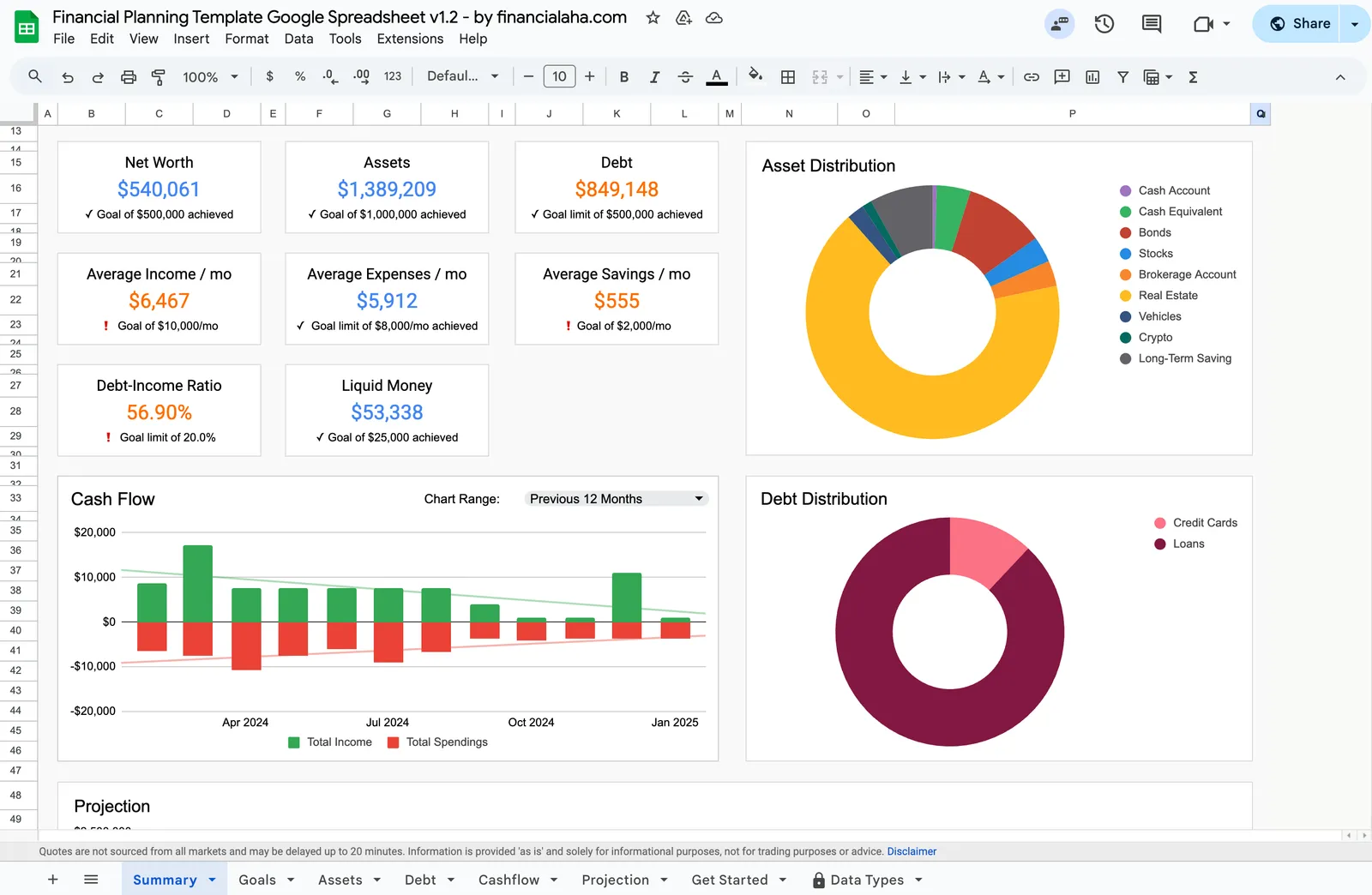
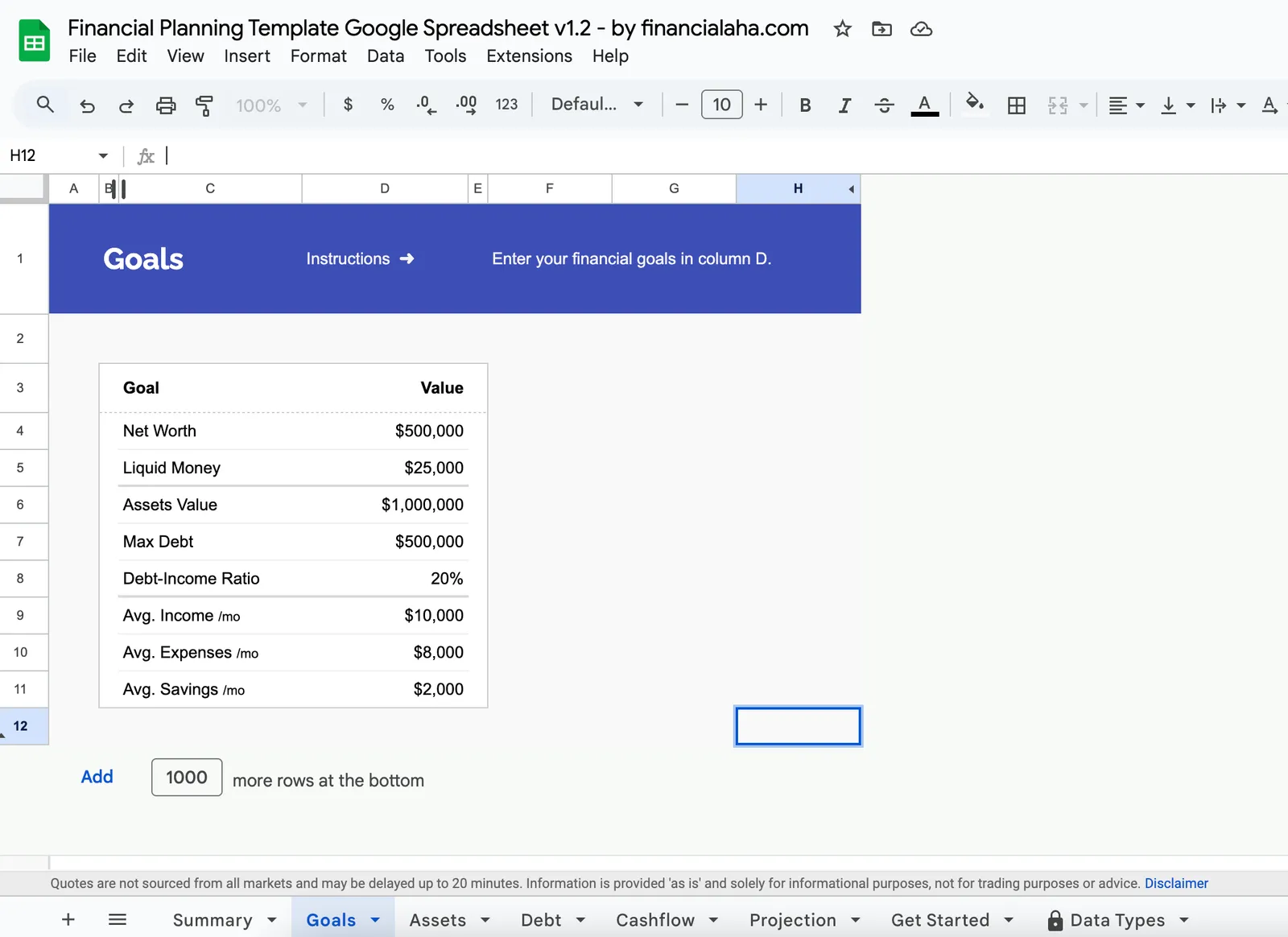
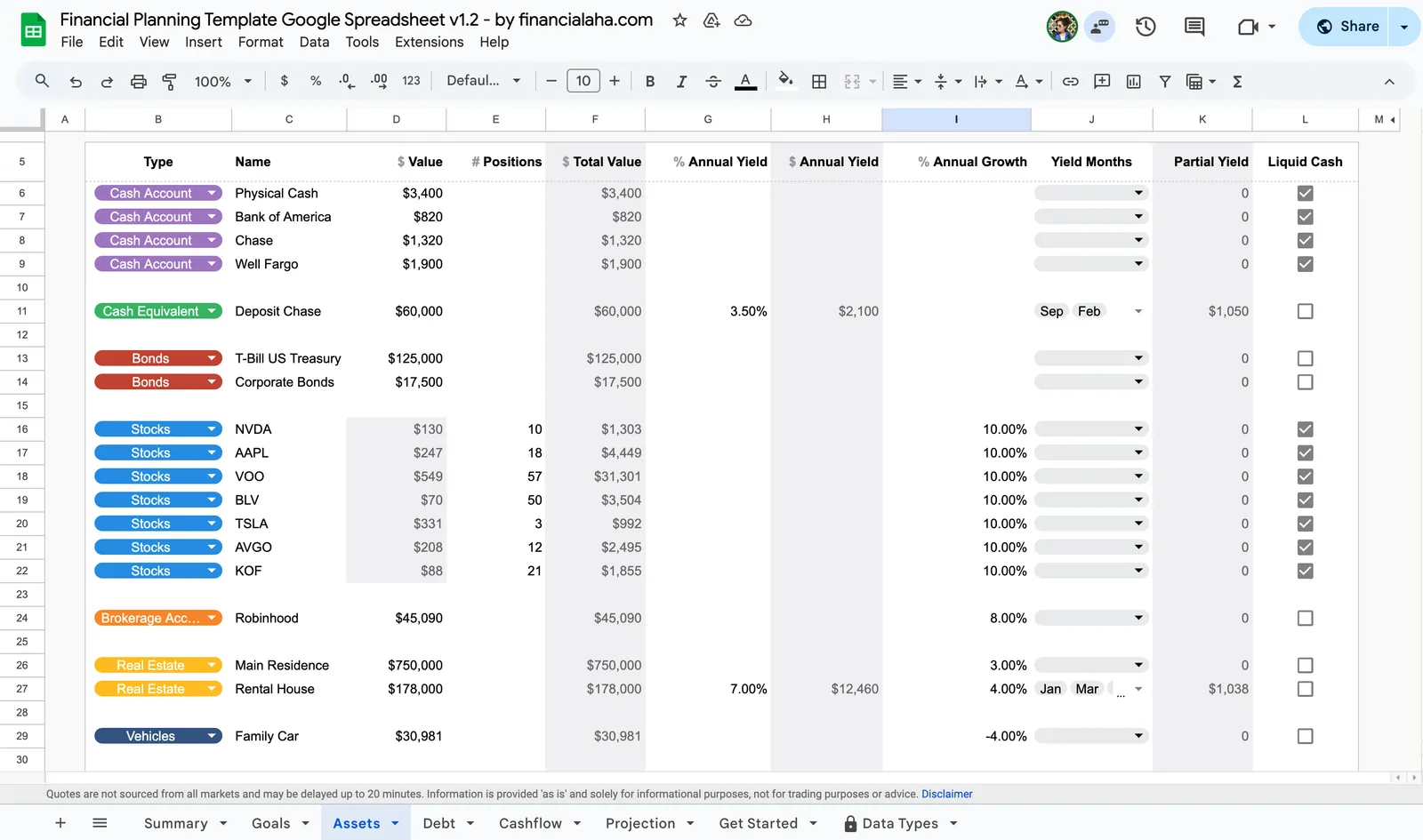
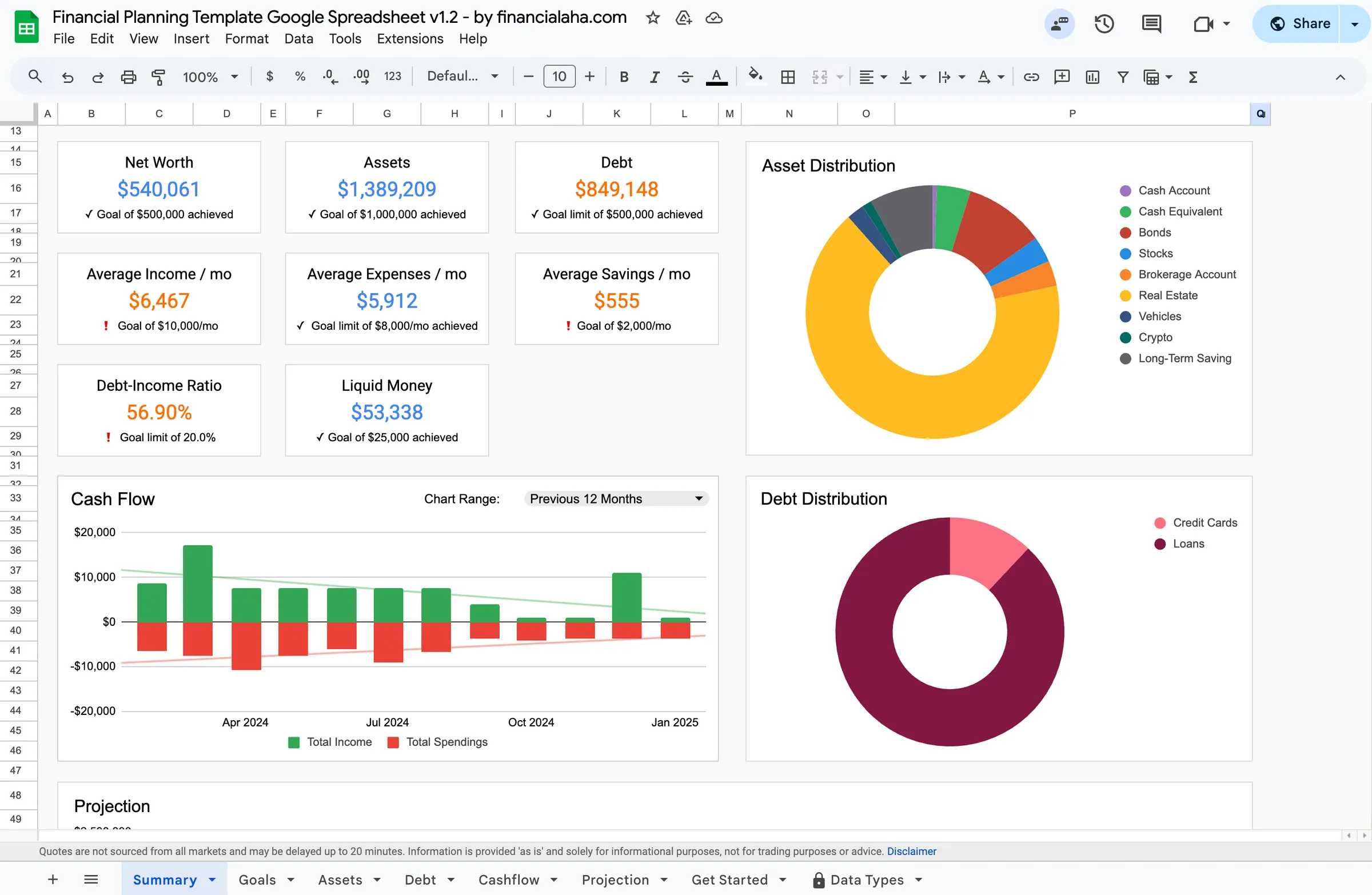
Complete financial overview with net worth and goals
Set and track progress toward financial milestones
Track all your assets in one place
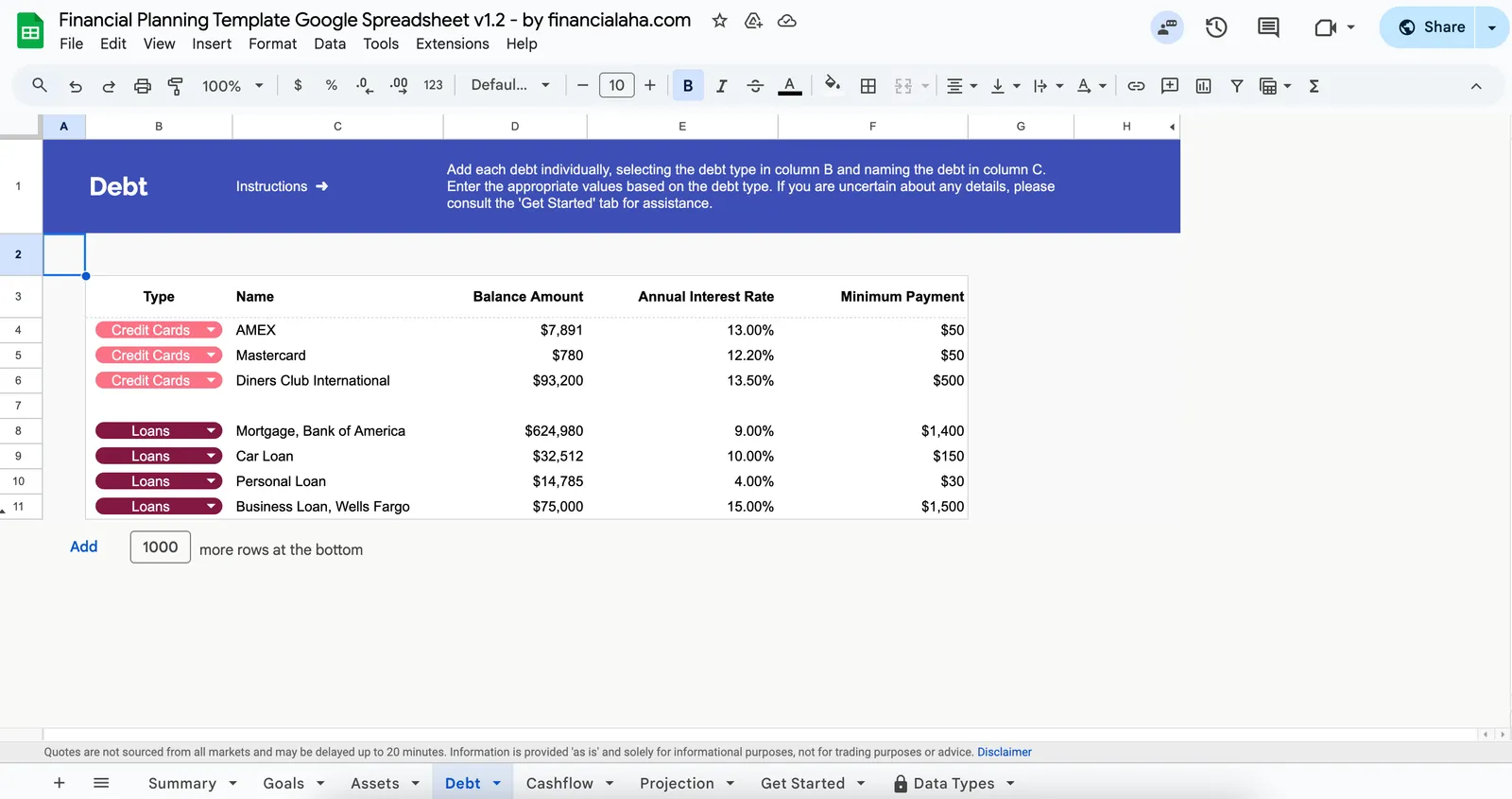
Monitor and plan debt repayment
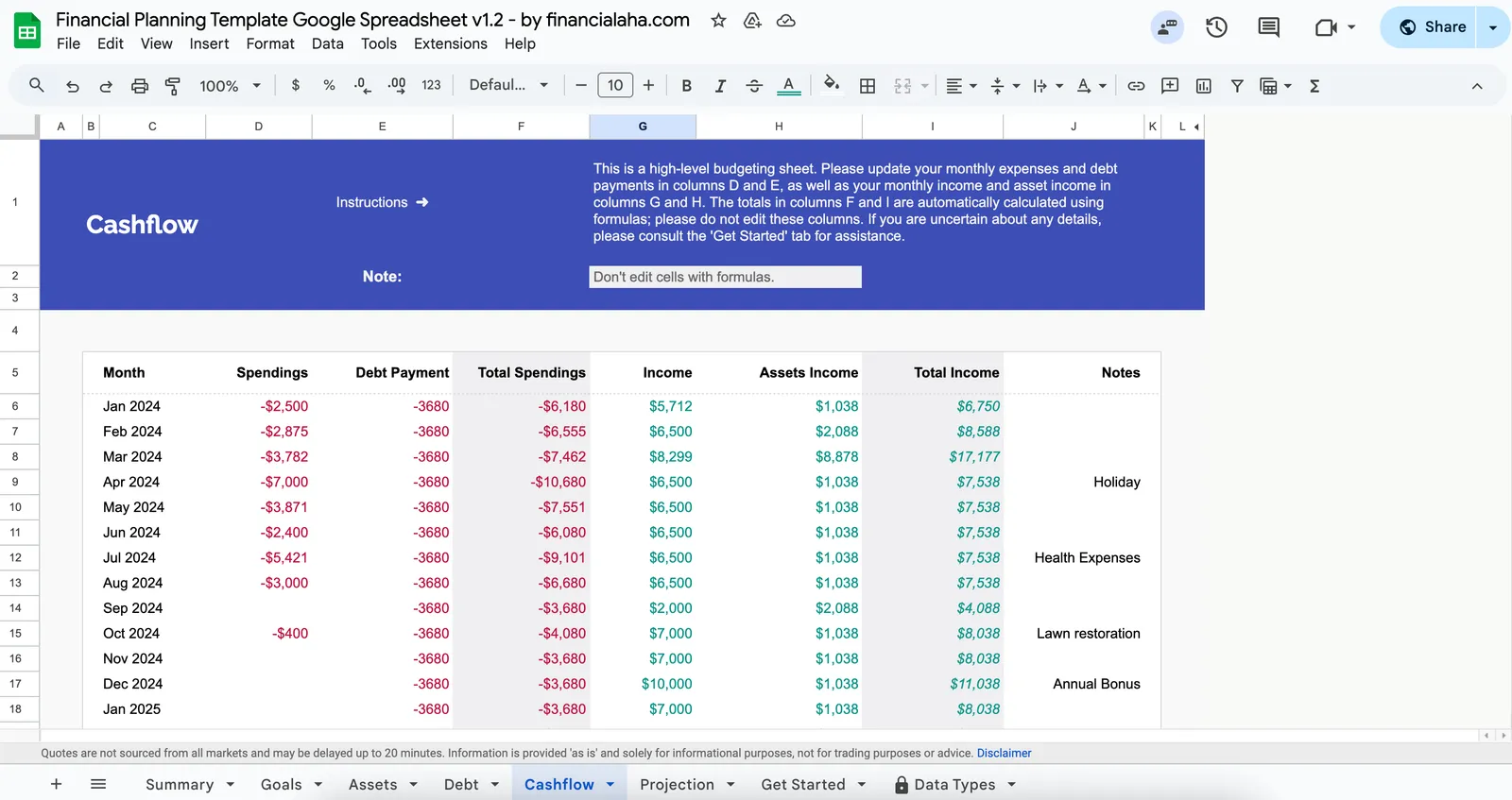
Visualize your income vs spending over time
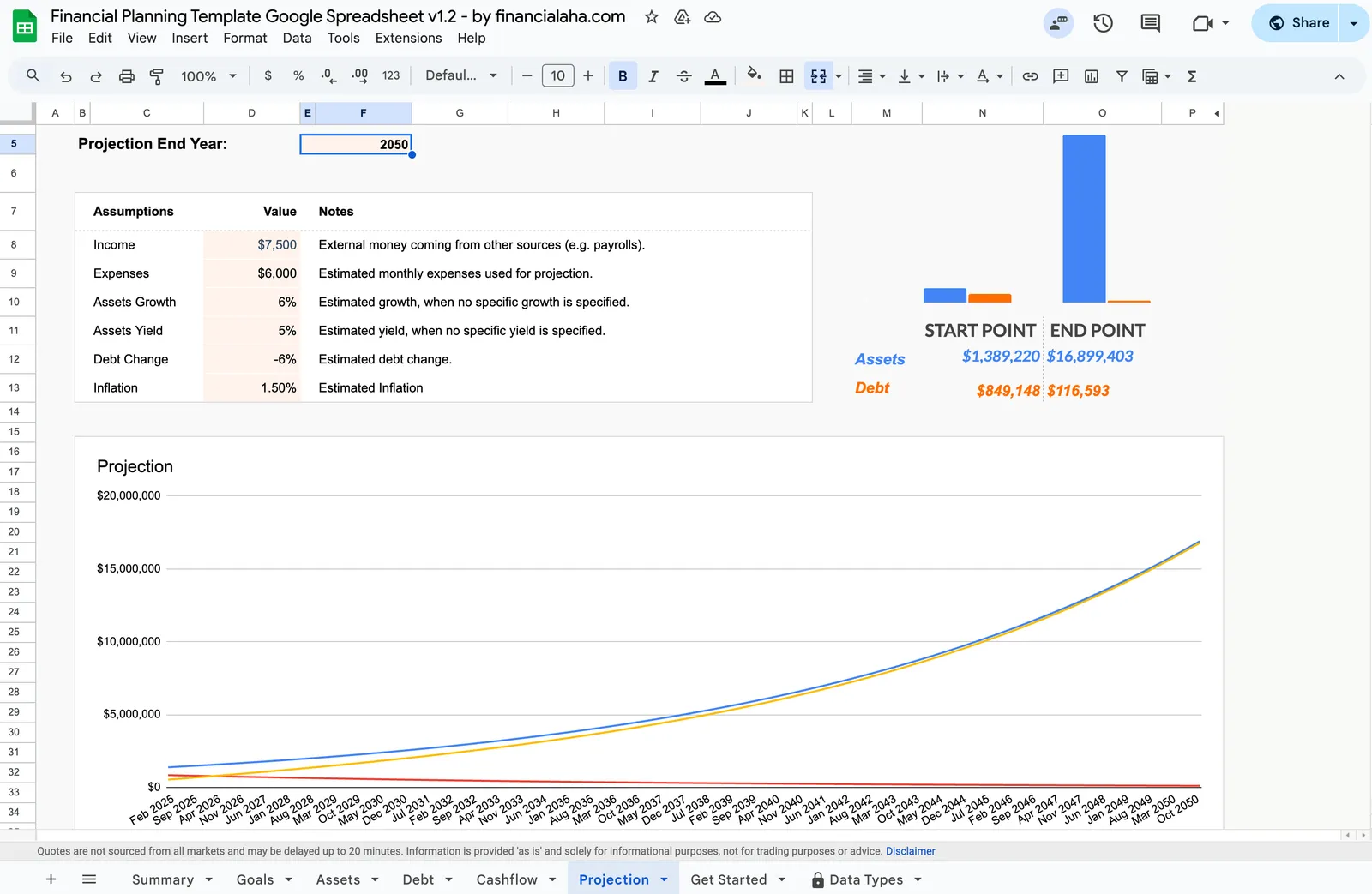
Project your financial future
Recommended Templates
Templates for Having a Baby Budgeting
See how a new baby fits into your complete financial picture - track savings goals, manage new expenses, and plan for long-term costs like education alongside your existing finances.
View templateTrack month-to-month baby expenses and see how your spending shifts after the baby arrives. Set category budgets and monitor actual costs against your plan.
View template Save $91Get every financial tool in one package - from monthly expense tracking to long-term planning and tax considerations. Growing families benefit from having the complete picture.
Includes 8 templates
View bundleCommon Questions
Having a Baby Budgeting FAQ
How much should parents save before having a baby?
There is no single right number. Some financial planners suggest having 3-6 months of expenses saved plus expected out-of-pocket medical costs. Others focus on having enough to cover any unpaid parental leave. The right amount depends on your insurance, leave policy, and childcare plans.
When should baby budgeting start?
Starting during pregnancy gives several months to adjust spending, build savings, and research costs. Some parents start even earlier if they are planning to conceive, which provides more time to build a financial cushion.
What baby expenses do parents commonly underestimate?
Childcare costs, the income impact of parental leave, increased insurance premiums, and the accumulation of many small purchases (clothes, toys, gear upgrades). Medical costs for delivery can also surprise parents who have not checked their specific insurance coverage.
How do baby costs change after the first year?
Some costs decrease (diapers eventually end, feeding costs stabilize) while others increase (bigger clothing, activities, potential preschool). Childcare costs often increase as children age due to programmatic learning expectations. Overall spending tends to grow gradually year over year.
Should parents change their budget categories for a baby?
Adding baby-specific categories (diapers, childcare, baby gear, medical) helps track where baby money actually goes. Some parents prefer a single "baby" category while others want more detail. Either approach works - the key is consistency.
Can't find the answer you're looking for? Contact our team
Start planning your having a baby budget
A spreadsheet template with automatic calculations, visual summaries, and everything needed to track having a baby costs.
Ready to get started?
Download instantly and start managing your finances, or contact us to design a custom template package for your needs.