Hong Kong
Net Worth Tracker for Hong Kong
Combine your MPF balance, property equity, investment portfolios, multi-currency savings, and loans into one net worth snapshot in HKD.
In Depth
Property-Heavy Wealth, MPF Balances, and Salaries Tax in Hong Kong
Net worth in Hong Kong tends to be heavily concentrated in property. With residential prices among the highest in the world, a single apartment can easily represent 70-80% of a household's total assets. This concentration creates a particular dynamic: on paper, net worth may look substantial, but liquidity can be very limited if most wealth is locked in a mortgage-funded property. Tracking the split between property equity and liquid assets gives a clearer sense of financial flexibility than the headline net worth figure alone.
Le solde MPF est l'autre actif à long terme majeur pour la plupart des résidents employés. Depuis le lancement du régime en 2000, les soldes se sont accumulés progressivement, bien que la cotisation obligatoire plafonnée à 1 500 HKD/mois de chaque côté signifie que l'accumulation est modeste par rapport aux systèmes de retraite à taux de cotisation plus élevés. Les fonds MPF sont accessibles à 65 ans (ou dans des conditions de retrait anticipé spécifiques), de sorte que pour la plupart des personnes en âge de travailler, il s'agit d'un actif bloqué. Consulter votre relevé MPF au moins une fois par trimestre - et vérifier si le mix de fonds que vous avez choisi correspond toujours à votre situation - est une bonne habitude pratique.
Le système d'impôt sur les salaires de Hong Kong, avec son plafond de 15 % au taux standard et l'absence de taxe sur les plus-values, signifie que les rendements des investissements et l'épargne croissent de manière relativement efficace par rapport aux juridictions à fiscalité plus élevée. Il n'y a pas d'impôt sur les intérêts bancaires, les dividendes d'actions ni les bénéfices tirés de la vente d'investissements (pour les particuliers). Cet environnement fiscal influence la façon dont la valeur nette s'accumule - une plus grande partie de chaque dollar gagné ou perçu reste dans le compte. Lors de la comparaison de références de valeur nette avec d'autres pays, cette différence de charge fiscale mérite d'être gardée à l'esprit.
Hong Kong
Net Worth in Hong Kong: What to Track
Hong Kong residents build wealth through property, investments, MPF, and savings. With no capital gains tax, investment growth is fully retained. A net worth tracker brings everything together.
Property is often the dominant asset
Hong Kong property prices are among the world's highest. For homeowners, property equity (market value minus outstanding mortgage) frequently represents the largest portion of net worth. Even a small flat can be worth millions of HKD. Track market value based on recent transactions for similar properties in your building or area.
MPF accumulates over your career
While individual MPF contributions are capped at HKD 1,500/month (employee share), the balance grows over decades with employer contributions and investment returns. Check your MPF balance through your scheme trustee. Including it in net worth gives a more complete picture, even though access is restricted until age 65.
Investment portfolios benefit from zero capital gains tax
Stocks (HKEX and international), bonds, funds, and other investments grow without capital gains tax in Hong Kong. The full market value represents your asset without a deferred tax liability. This makes tracking straightforward - just use current market values.
Mortgage is typically the largest liability
Given Hong Kong property prices, mortgages can extend to 30 years with substantial outstanding balances. Tracking the declining mortgage against your property's market value shows your equity position. Interest rate changes (HIBOR-linked or prime-linked) can affect monthly payments and total cost.
Obtenir le modèle
Premiers pas
Adapting the Net Worth Tracker for Hong Kong
List all assets with current balances
Enter bank savings (HKD, USD, and any other currency accounts), MPF balance, investment portfolios, property market value, insurance cash value, and any other assets.
Record mortgage, tax loans, and other debts
Include mortgage outstanding, personal loans, credit card balances, tax loans, and any other debts. Be thorough for an accurate net worth picture.
Set the display currency to HKD
Choose HKD from the currency option in the header. For assets in other currencies (many Hong Kong residents hold USD or other currency deposits), convert to HKD at current rates.
Refresh bank, MPF, and property values regularly
Monthly for bank accounts and investment portfolios. Quarterly for MPF and property estimates. Hong Kong property transactions are publicly available, making periodic valuation updates straightforward.
Track the trend over time
In Hong Kong's dynamic market, seeing net worth trajectory over months and years provides valuable perspective. Property value fluctuations can create large swings - focusing on the long-term trend rather than month-to-month changes tends to be more useful.
Voir en action
À quoi ressemble le modèle
Parcourez le modèle pour voir comment il gère la budgétisation, les catégories et le suivi des dépenses - le tout adaptable à votre configuration financière locale.
- Sélecteur de devise intégré
- Catégories personnalisables
- Suivi budget vs réel
- Graphiques et résumés visuels
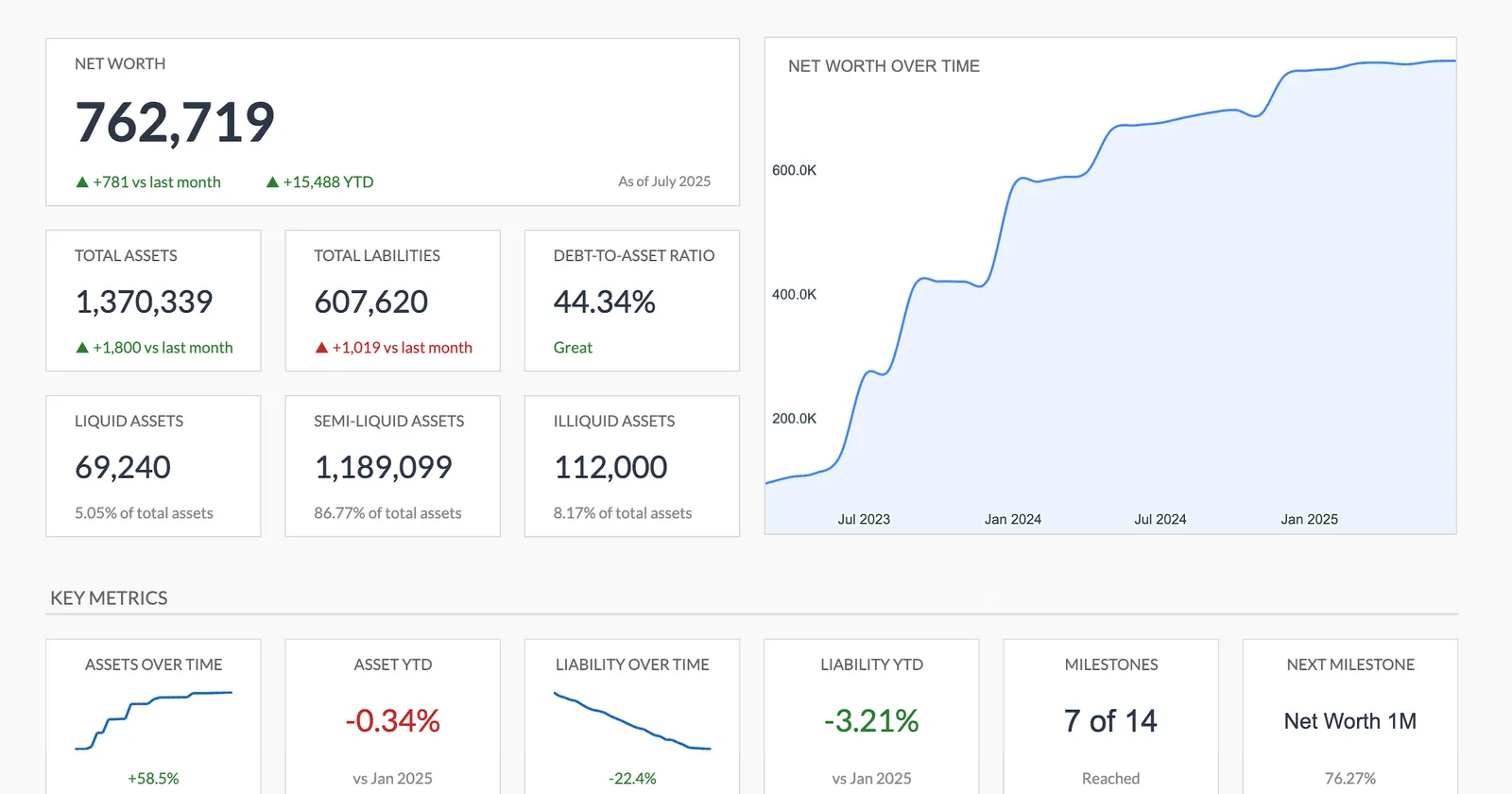
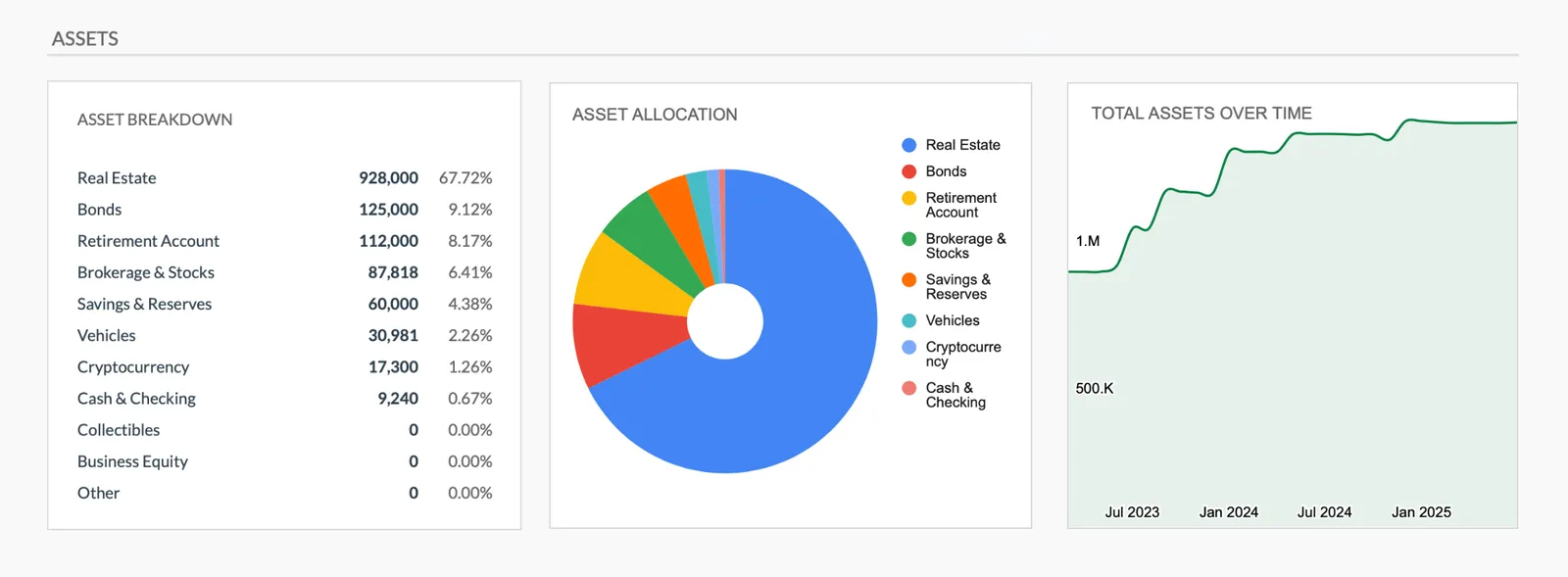
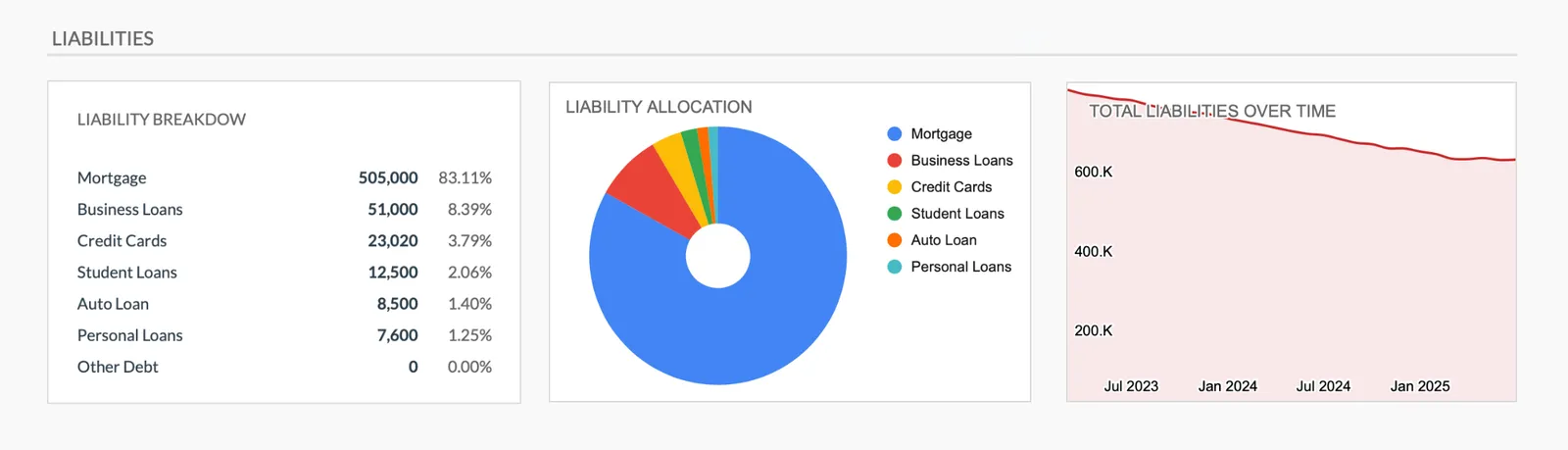

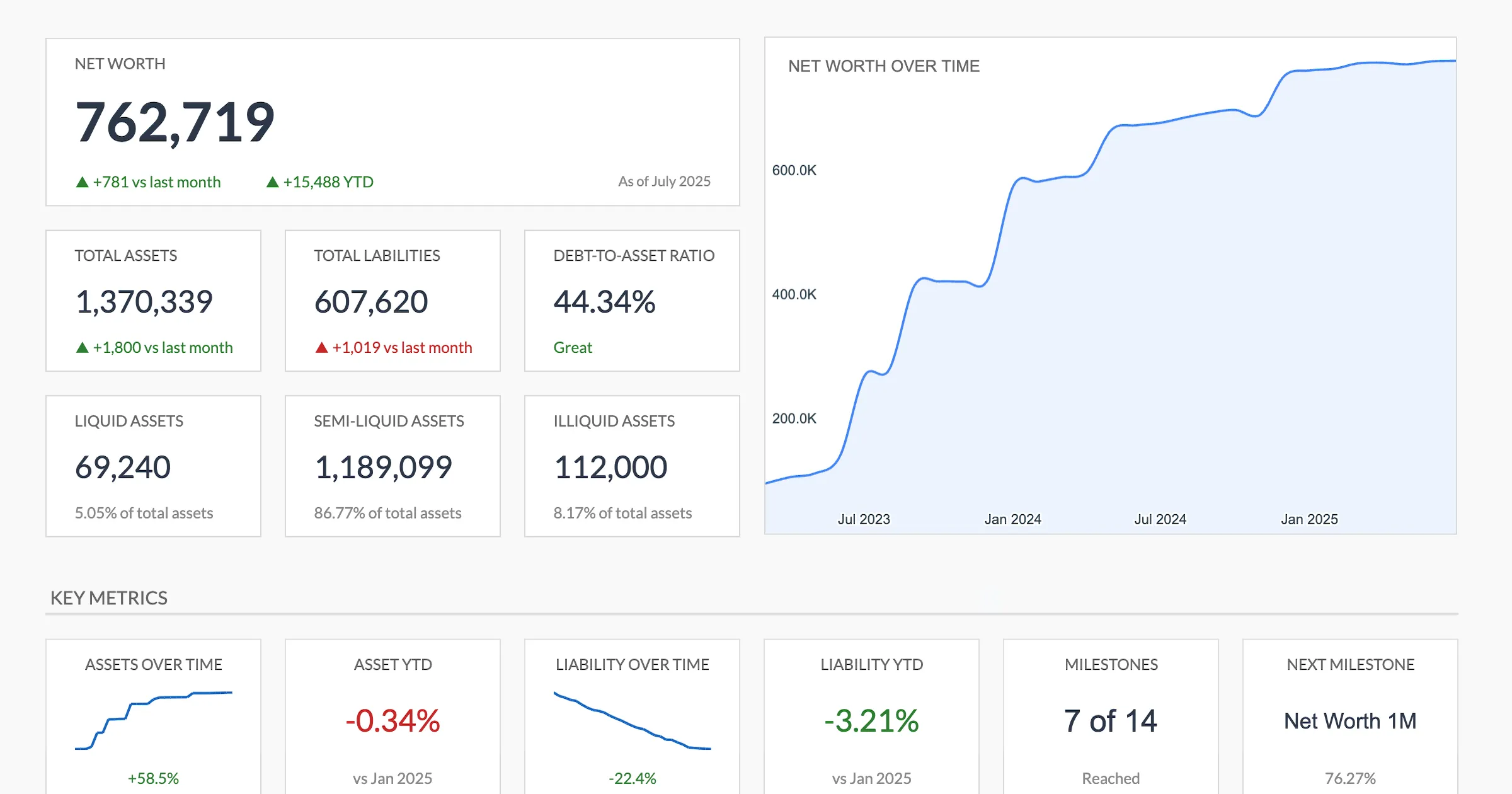
Track your net worth over time with charts
Breakdown of all your assets
Track all debts and liabilities
Key financial health indicators
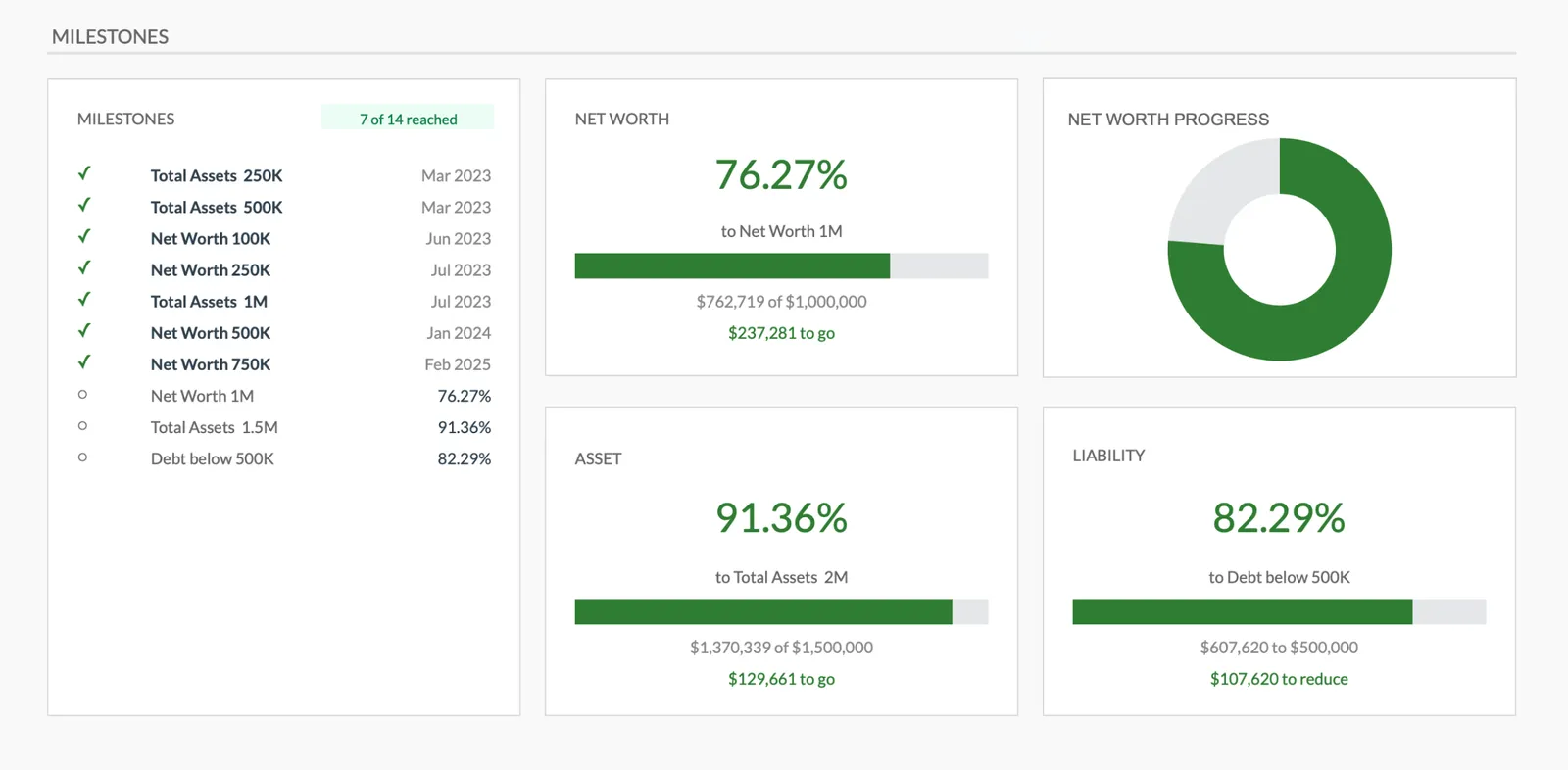
Set and celebrate net worth milestones
Questions fréquentes
Net Worth Tracker for Hong Kong - FAQ
Should I include MPF in my net worth?
Yes. MPF is your money, even with restrictions on early withdrawal (generally only accessible at 65, with some exceptions). Including it gives a complete picture. Track it alongside "liquid net worth" (excluding MPF and property) for a view of accessible assets.
What's a reliable way to estimate flat value in Hong Kong?
Check recent transactions for similar units in your building or estate on the Centaline or Midland websites, or the Land Registry. Government Rating and Valuation Department also publishes property indices. Subtract your outstanding mortgage for your equity position.
Should I include my car?
Cars in Hong Kong depreciate and are expensive to maintain (insurance, parking, tunnel tolls). If you include it, use realistic resale value. Many people exclude vehicles from net worth calculations since they're depreciating consumption items.
How do I handle multi-currency assets?
Many Hong Kong residents hold HKD, USD, RMB, and other currency deposits. Convert all to HKD (or your preferred tracking currency) at current exchange rates. Since HKD is pegged to USD, that conversion is straightforward. Update other currency conversions periodically.
What's a good cadence for updating HKD net worth?
Monthly for liquid assets and debts. Quarterly for MPF. Property can be updated quarterly or when you notice significant market movements. Consistency matters more than frequency.
Can't find the answer you're looking for? Contact our team
Explorer davantage
Free Tools for Hong Kong
Prêt a commencer?
Téléchargez instantanément et commencez a gérer vos finances, ou contactez-nous pour concevoir un pack de modèles personnalise pour vos besoins.