Michigan
قالب مخطط الضرائب لـ Michigan
خطط ضرائب ميشيغان الفيدرالية والحكومية في Google Sheets. تستخدم ميشيغان معدل ضريبة ثابت مع بعض ضرائب الدخل على المستوى البلدي.
In Depth
قواعس سنة الميلاد بميشيغان والضرائب البلدية
تستخدم ميشيغان ضريبة دخل حكومية مسطحة بنسبة 4.25%، ولسنوات كانت سمتها الأكثر تميزاً مجموعة من مستويات دخل التقاعد القائمة على سنة الميلاد. اكتمل التطبيق التدريجي الذي بدأ في 2023 مع السنة الضريبية 2026، فصار المتقاعدون من أي سنة ميلاد يتشاركون الآن حداً واحداً معدلاً حسب التضخم على دخل التقاعد والمعاشات القابل للطرح. يحتفظ السكان المولودون قبل 1946 بطرح غير محدود للمعاشات العامة، وهو الموضع الرئيسي الذي لا تزال سنة الميلاد تغير فيه النتيجة.
تفرض حوالي عشرات مدن ميشيغان ضرائب دخل خاصة بها، منفصلة عن الضريبة الحكومية. تتمتع ديترويت بأعلى معدل ضريبة دخل بلدي وينطبق على كل من السكان والعاملين بدوام جزئي الذين يعملون في المدينة (بمعدل أقل للعاملين بدوام جزئي). تفرض جراند رابيدز ولانسينج وفلينت والعديد من المدن الأخرى أيضاً ضرائب دخل محلية. بالنسبة للسكان في هذه المدن، معدل الولاية زائد المدينة المدمج أعلى بشكل ملحوظ من معدل الولاية وحدها.
رصيد ضريبة الممتلكات Homestead هو ميزة ملحوظة لنظام الضرائب في ميشيغان. يتم المطالبة به في إقرار ضريبة الدخل بالولاية ويوفر إعفاءً عندما تتجاوز ضرائب الممتلكات نسبة مئوية من دخل الأسرة. يمكن لقاطني الإيجار أيضاً الاستحقاق، حيث يعتبر جزء من الإيجار ممثلاً لضرائب الممتلكات. هذا الرصيد قابل للاسترداد، مما يعني أنه يمكن أن ينتج عنه استرجاع حتى لو كنت لا تدين بضريبة دخل الولاية.
Michigan
التخطيط الضريبي في ميشيغان
تتمتع ميشيغان بضريبة دخل الولاية المسطحة مع ضرائب دخل بلدية إضافية في بعض البلديات. تفرض ديترويت وعدة مدن أخرى ضريبة دخل خاصة بها بالإضافة إلى معدل الولاية.
ضريبة دخل مسطحة
تتمتع ميشيغان بمعدل ضريبة دخل ثابت ينطبق على جميع الدخل الخاضع للضريبة، مما يجعل حساب الضريبة الحكومية مباشر.
ضرائب الدخل البلدية
تفرض بعض مدن ميشيغان ضرائب دخل خاصة بها، مع ديترويت التي لديها أعلى معدل محلي. تفرض حوالي عشرات مدن ميشيغان ضرائب دخل محلية، بمعدلات مختلفة للسكان والعاملين بدوام جزئي الذين يعملون هناك.
دخل التقاعد
ألغت ميشيغان تدريجياً مستويات التقاعد القائمة على سنة الميلاد بين 2023 و 2026. للسنة الضريبية 2026، يمكن للمتقاعدين من أي سنة ميلاد طرح دخل التقاعد والمعاشات حتى حد واحد معدل حسب التضخم، بينما يحتفظ السكان المولودون قبل 1946 بطرح غير محدود للمعاشات العامة.
رصيد ضريبة ممتلكات Homestead
توفر ميشيغان رصيد ضريبة ممتلكات Homestead للسكان المؤهلين الذين تكون ضرائب الممتلكات لديهم مرتفعة نسبة إلى دخلهم. يتم المطالبة به في إقرار ضريبة الدخل بالولاية.
احصل على مخطط الضرائب السنوي
البدء
إعداد مخطط ضرائب ميشيغان
لاحظ حد خصم التقاعد الخاص بك
إذا كنت تتلقى دخل تقاعد، فإن السنة الضريبية 2026 هي الأولى التي تتشارك فيها كل سنوات الميلاد حداً واحداً على دخل المعاشات والتقاعد القابل للطرح. لا يزال السكان المولودون قبل 1946 يتمتعون بطرح غير محدود للمعاشات العامة، ويمكن لمن ولدوا بعد 1952 اختيار الخصم القياسي لكبار السن عند سن 67 بدلاً من ذلك. لاحظ في القالب أي خيار ينطبق حتى تعكس توقعات دخل تقاعدك المعاملة الحكومية الصحيحة.
تحقق مما إذا كانت مدينتك تفرض ضريبة دخل محلية
إذا كنت تعيش أو تعمل في ديترويت أو جراند رابيدز أو لانسينج أو فلينت أو مدينة أخرى بولاية ميشيغان بها ضريبة دخل محلية، سجل المعدل القابل للتطبيق. يدفع السكان معدل واحد؛ يدفع العاملون بدوام جزئي الذين يعملون في المدينة معدل أقل. لا تملك معظم مدن ميشيغان ضريبة دخل محلية، لذا فإن العديد من السكان يتعاملون فقط مع معدل الولاية البالغ 4.25% [1].
تتبع ضرائب الممتلكات لرصيد Homestead
أدخل مبلغ ضريبة الممتلكات الخاص بك (أو جزء الإيجار الذي يستحق) في القالب. يعتمد رصيد ضريبة ممتلكات Homestead بولاية ميشيغان على دخل أسرتك بالنسبة إلى ضرائب الممتلكات المدفوعة. يساعد تتبع كلا الرقمين طوال العام على تقدير ما إذا كنت ستستحق وكم - الرصيد قابل للاسترداد، لذلك قد يتجاوز ضريبة الولاية المستحقة.
افصل الدخل المكتسب عن دخل التقاعد
ينطبق معدل ميشيغان الثابت على معظم الدخل، لكن دخل التقاعد قد يكون معفى جزئياً بناءً على سنة الميلاد، وعادة ما تنطبق ضرائب البلديات فقط على الدخل المكتسب. يوفر فصل هذه الفئات في القالب توقعات دقيقة لكل طبقة ضريبية - فيدرالية وحكومية وبلدية (حيث ينطبق).
مراجعة الإسقاط متعدد الطبقات المدمج
استخدم لوحة المعلومات لتتبع الدخل الفيدرالي وقسم الملاحظات لحسابات ضرائب الولاية والبلديات بولاية ميشيغان. بالنسبة لسكان ديترويت، معدل الولاية زائد المدينة المدمج على الدخل المكتسب أعلى بشكل ملحوظ من معدل الولاية وحدها، مما يجعل الصورة الكاملة مهمة للمراقبة طوال العام.
شاهده في العمل
كيف يبدو مخطط الضرائب
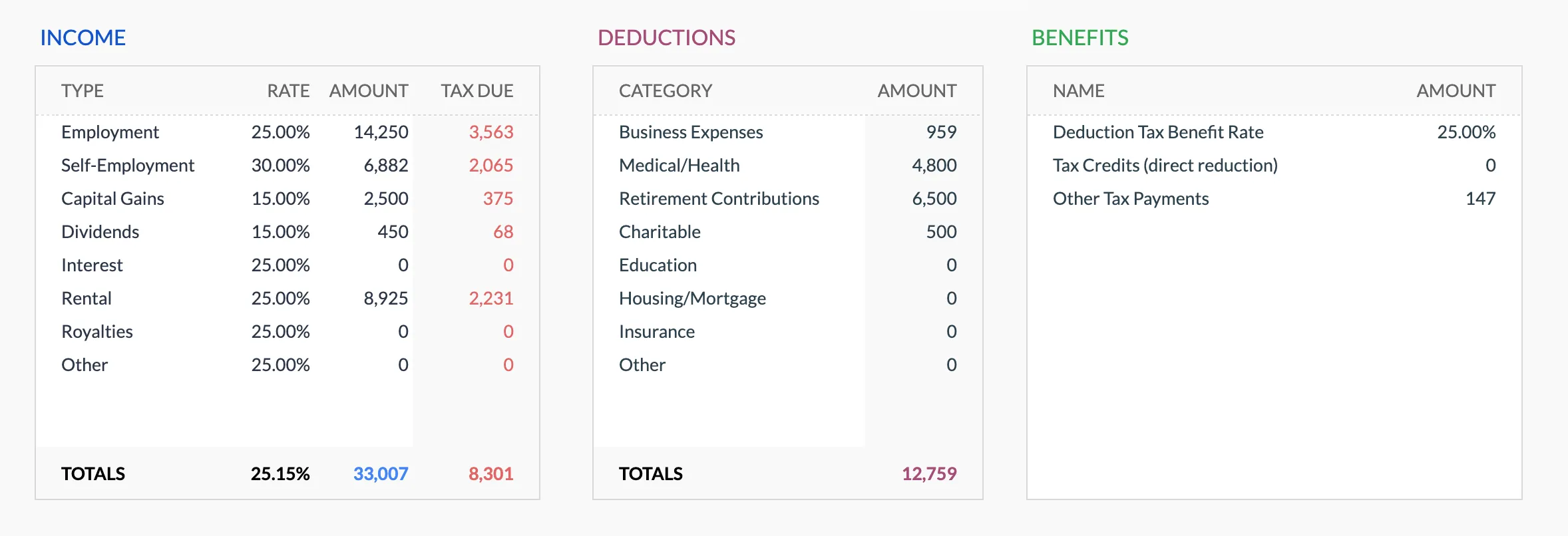
تصفح القالب لمعرفة كيفية تتبعه للدخل والاستقطاعات والإعفاءات ومدفوعات الضرائب الفصلية المقدرة.
- لوحة تحكم نظرة عامة على الضرائب السنوية
- تتبع الدخل حسب المصدر
- منظم الاستقطاعات والإعفاءات
- متتبع المدفوعات الفصلية
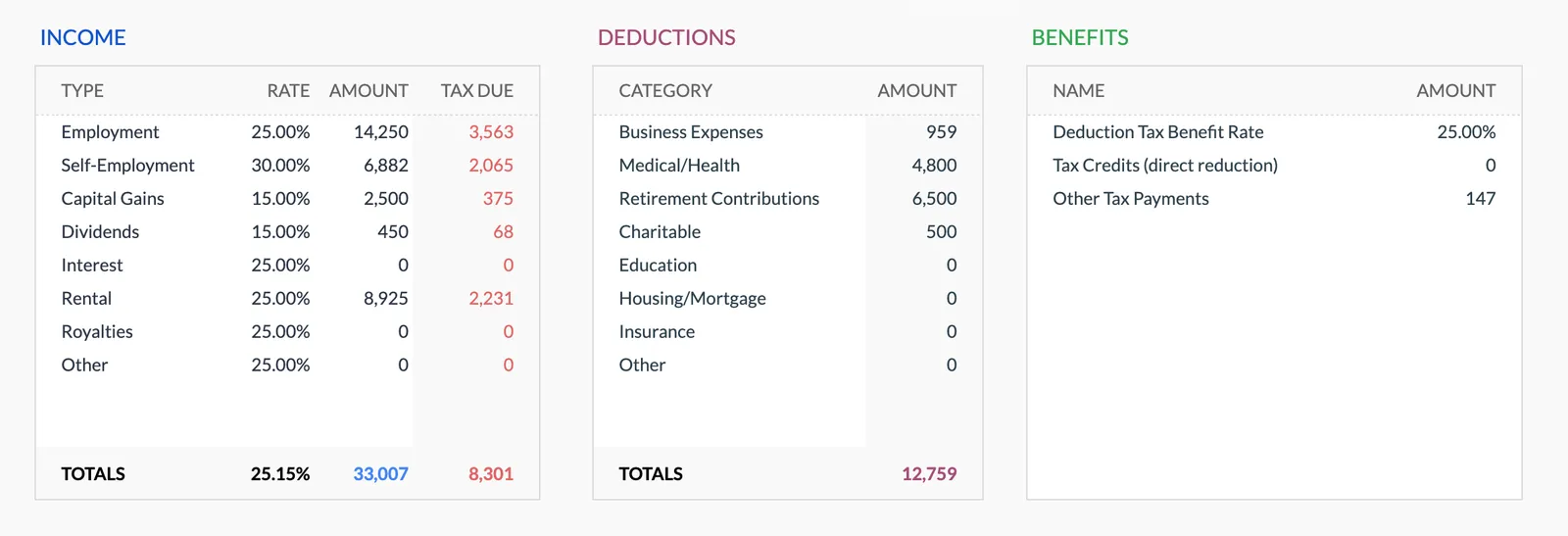
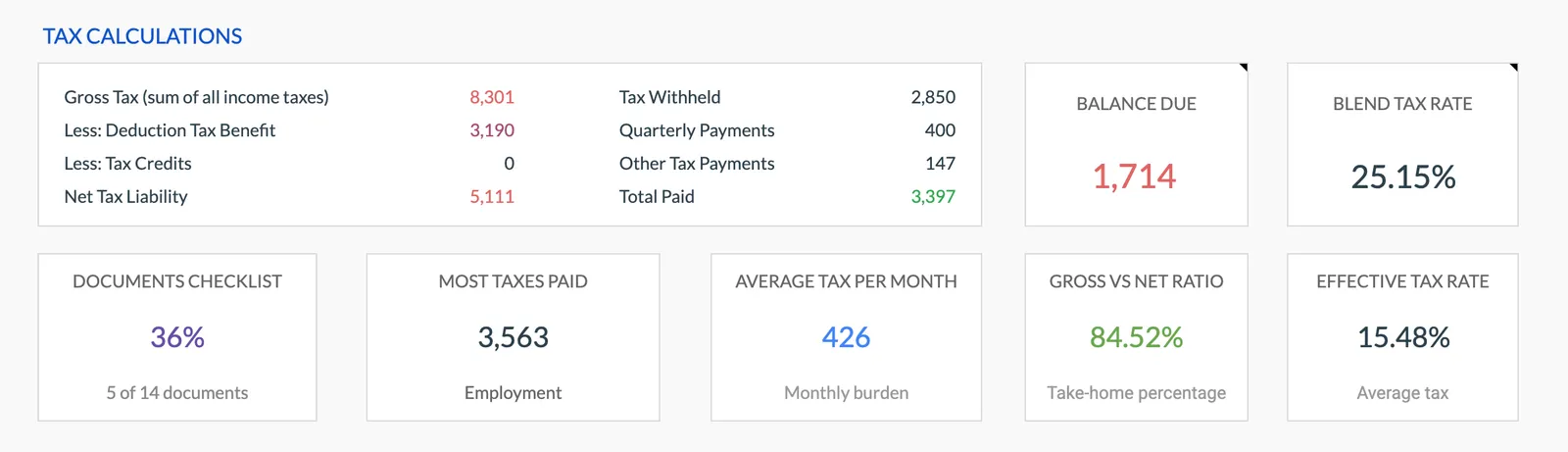
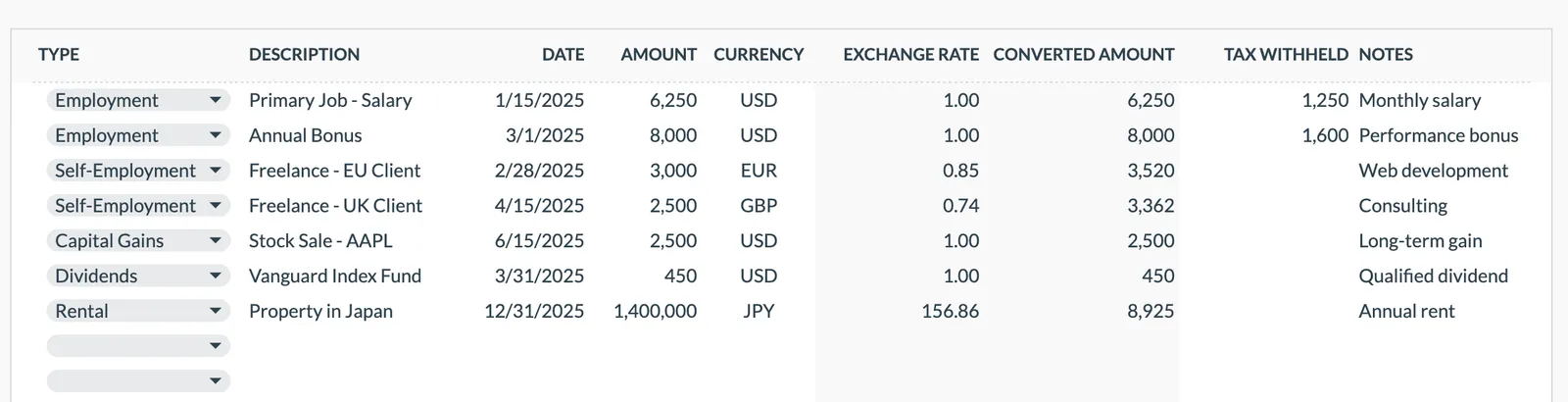
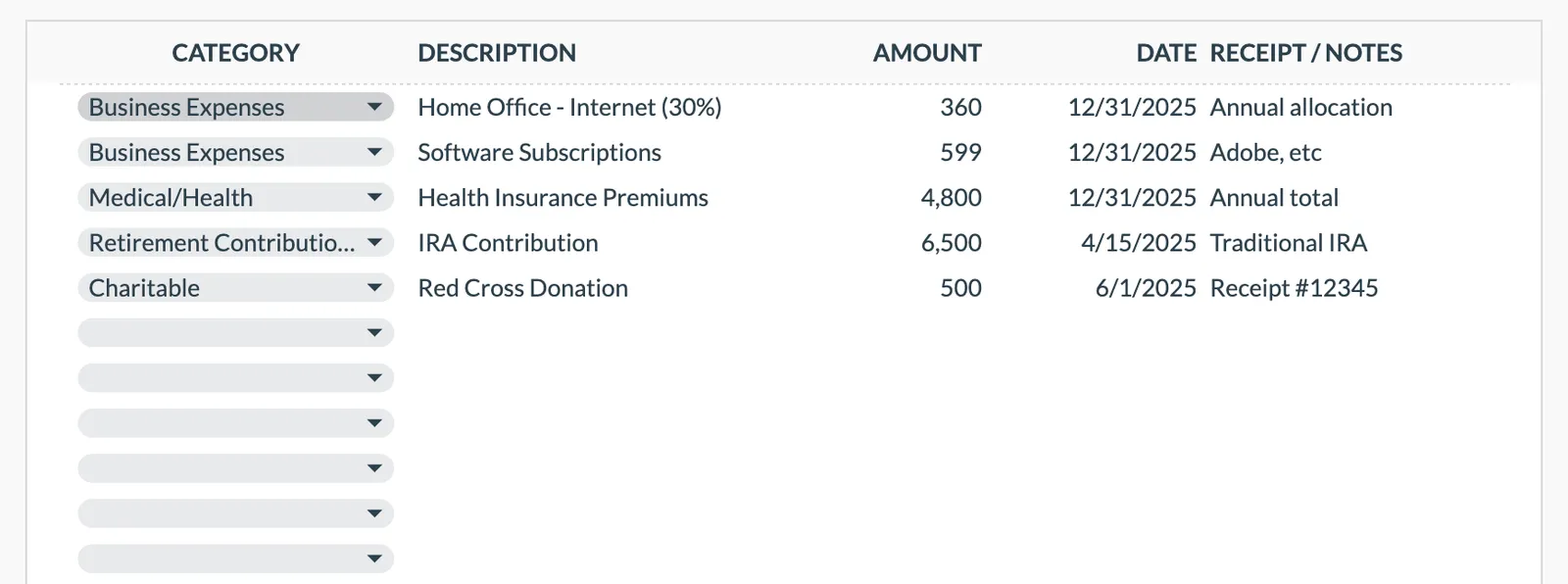
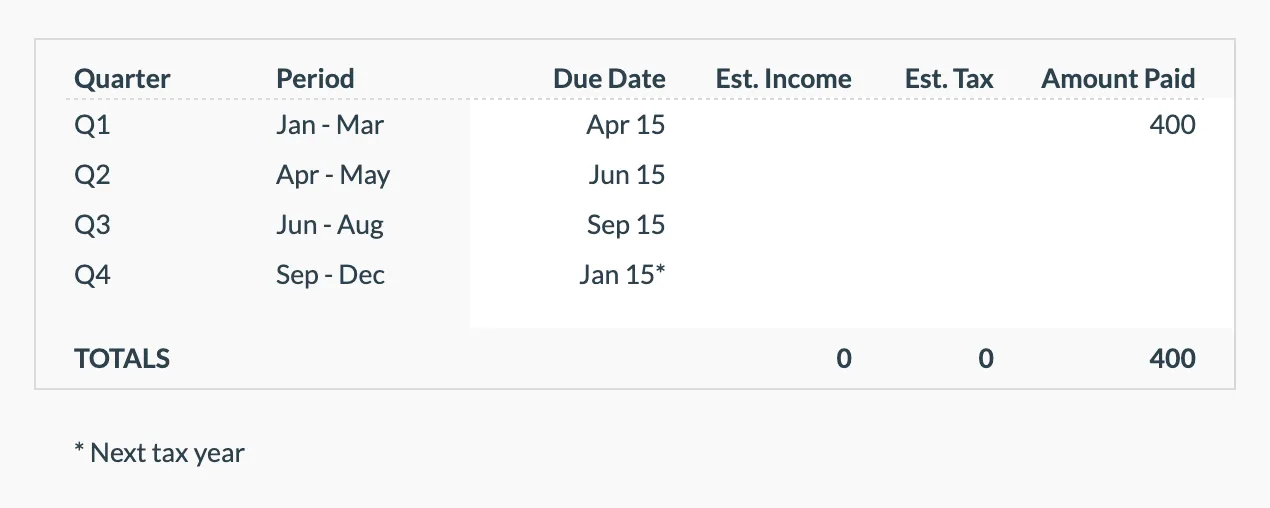
Annual tax overview with key figures
Detailed tax breakdown and projections
Track all income sources for tax purposes
Organize and track tax deductions
Plan and track quarterly estimated tax payments
الأسئلة الشائعة
التخطيط الضريبي في Michigan - الأسئلة الشائعة
كيف تؤثر قواعس سنة الميلاد بميشيغان على فرض ضريبة دخل التقاعد؟
أُلغيت مستويات سنة الميلاد في ميشيغان تدريجياً على مدى أربع سنوات، واكتمل التطبيق التدريجي مع السنة الضريبية 2026. لعام 2026، يمكن للمتقاعدين من أي سنة ميلاد طرح دخل التقاعد والمعاشات حتى حد واحد معدل حسب التضخم، يبلغ نحو $67,610 للمقدمين العزاب و $135,220 للمقدمين المشتركين [1]. يحتفظ السكان المولودون قبل 1946 بطرح غير محدود للمعاشات العامة، ولا يزال بإمكان من ولدوا بعد 1952 اختيار الخصم القياسي لكبار السن عند سن 67 بدلاً من ذلك. سنة الميلاد الآن تؤثر في الغالب على الخيار الذي يتم اختياره وليس على ما إذا كان دخل التقاعد معفى.
أي مدن ميشيغان تفرض ضريبة دخل خاصة بها؟
تفرض حوالي عشرات مدن ميشيغان ضرائب دخل محلية. تتمتع ديترويت بأعلى معدل للسكان، مع معدل أقل للعاملين بدوام جزئي الذين يعملون هناك. تفرض جراند رابيدز ولانسينج وفلينت وساجينو والعديد من المدن الأخرى أيضاً ضرائب دخل محلية. تختلف المعدلات حسب المدينة، ويدفع العاملون بدوام جزئي معدل مخفض مقارنة بسكان المدينة. لا يدفع معظم سكان ميشيغان خارج هذه المدن المحددة سوى معدل الولاية البالغ 4.25% [2].
ما هو رصيد ضريبة ممتلكات Homestead؟
توفر ميشيغان رصيد ضريبة ممتلكات Homestead للسكان الذين تكون ضرائب الممتلكات لديهم مرتفعة نسبة إلى دخل أسرتهم. يتم المطالبة بالرصيد في إقرار ضريبة الدخل بالولاية وقابل للاسترداد - يمكن أن ينتج عنه استرجاع حتى لو كنت لا تدين بضريبة دخل الولاية. يستحق قاطني الإيجار أيضاً، حيث يعامل جزء من الإيجار كضريبة ممتلكات لأغراض الرصيد. للرصيد حدود دخل وينخفض تدريجياً عند مستويات دخل أسرة أعلى.
هل ينطبق معدل 4.25% على جميع أنواع الدخل؟
ينطبق معدل 4.25% الثابت على معظم أنواع الدخل الخاضع للضريبة، بما في ذلك الأجور ودخل العمل الحر ودخل الاستثمار. ومع ذلك، قد يكون دخل التقاعد معفى جزئياً أو كاملاً اعتماداً على سنة ميلادك. تضيف ضرائب البلديات، حيث تنطبق، المعدل ولكنها عادة ما تنطبق فقط على الدخل المكتسب. يتم فرض ضرائب على أرباح رأس المال بنفس معدل الولاية البالغ 4.25% كما هو الحال مع الدخل العادي.
كيف يعمل القالب لشخص ما في ديترويت أو جراند رابيدز؟
يغطي القالب تخطيط الضرائب الفيدرالية بشكل شامل. بالنسبة لسكان ميشيغان في مدينة بها ضريبة دخل محلية، استخدم قسم الملاحظات لتتبع ثلاثة معدلات: معدل الشريحة الفيدرالية، ومعدل الولاية 4.25%، ومعدل المدينة الخاص بك. نظراً لأن ضرائب البلديات عادة ما تنطبق فقط على الدخل المكتسب، فإن فصل الدخل المكتسب عن الدخل غير المكتسب في تتبعك يسمح لك بتقدير الطبقات الثلاث بدقة.
لم تجد الإجابة التي تبحث عنها؟ تواصل مع فريقنا
الموارد الضريبية الرسمية
للاطلاع على المعدلات الحالية والنماذج ومواعيد تقديم الإقرارات الضريبية الخاصة بـ Michigan:
Sources
نظّم تخطيطك الضريبي لولاية Michigan
شراء لمرة واحدة. بدون اشتراك. بياناتك المالية تبقى في Google Drive الخاص بك.
Tax rules, rates, and contribution limits change, and official publications can themselves lag behind the law in force. We review these figures on a best-effort basis against sources we consider authoritative, but we cannot guarantee they are current, complete, or that better sources do not exist, and nothing here is tax, legal, or financial advice. For decisions, the relevant government authority is the reference. Last reviewed: August 2026.