Wisconsin
Modelo de Planejador Fiscal para Wisconsin
Planeje seus impostos federais e estaduais do Wisconsin no Google Sheets. Wisconsin tem um imposto de renda progressivo com taxas moderadas a altas.
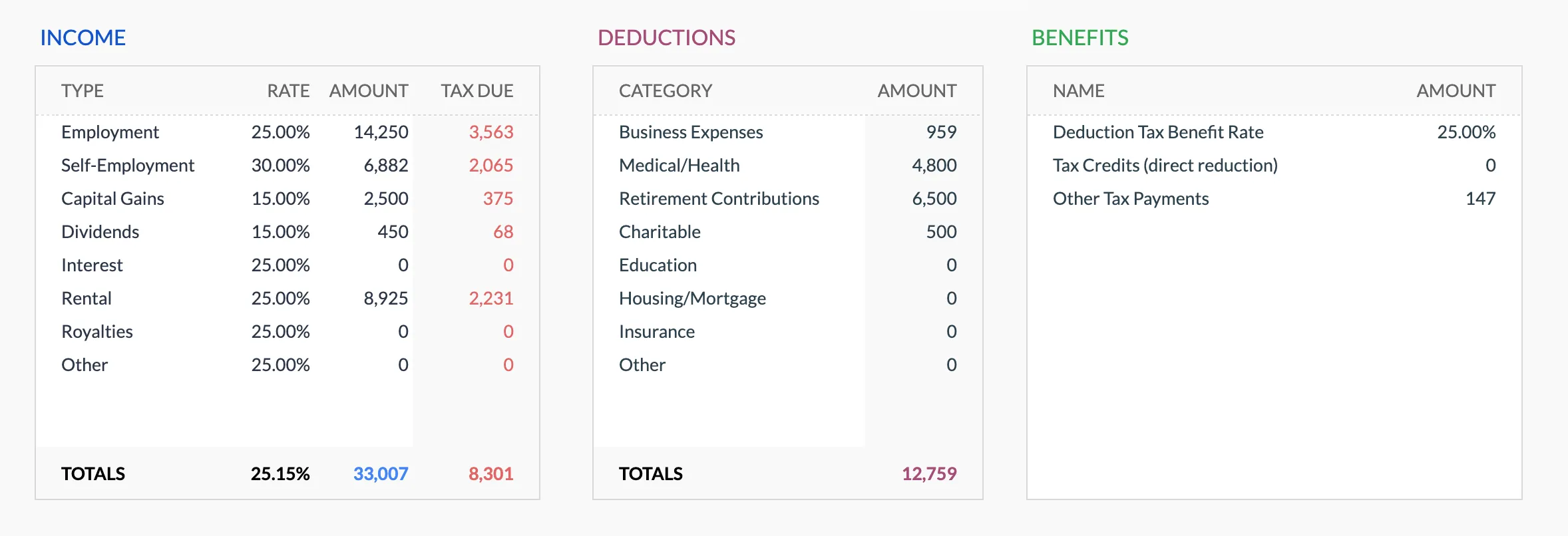
In Depth
Dedução Padrão em Escala Móvel do Wisconsin e Créditos Fiscais
O imposto de renda do Wisconsin tem uma característica que é incomum entre estados - uma dedução padrão em escala móvel que diminui à medida que a renda aumenta e eventualmente desaparece completamente em níveis de renda mais altos. Isto significa que os declarantes de baixa renda recebem uma dedução padrão completa, os declarantes de renda média recebem uma reduzida, e os declarantes de renda alta não recebem nenhuma. O efeito prático é que o sistema fiscal é mais progressivo do que as quatro alíquotas por si só sugerem, porque os que ganham mais pagam impostos sobre uma parte maior de sua renda bruta.
As quatro alíquotas produzem uma alíquota máxima que é moderadamente alta pelos padrões nacionais, colocando Wisconsin acima da maioria de seus vizinhos do Meio-Oeste. A alíquota superior se aplica em níveis de renda mais altos, portanto afeta principalmente os que ganham mais. Combinado com a eliminação progressiva da dedução padrão, a alíquota marginal efetiva em renda média e média-alta pode ser mais acentuada do que a alíquota por si só implica, já que cada dólar adicional de renda o empurra para uma alíquota mais alta e reduz a dedução padrão.
Wisconsin não tributa benefícios da Segurança Social, e certos rendimentos de aposentadoria, incluindo pensão de aposentadoria militar, benefícios de aposentadoria ferroviária e algumas pensões governamentais, se qualificam para deduções. Desde o ano fiscal de 2025, os declarantes com 67 anos ou mais podem subtrair até $24,000 de rendimentos qualificados de planos de aposentadoria e IRA, ou $48,000 em uma declaração conjunta em que ambos os cônjuges se qualificam, e além disso pensões privadas, distribuições 401(k) e saques de IRA são tributados pelas alíquotas normais. O Crédito Fiscal de Arrecadação Escolar reduz automaticamente as contas de imposto imobiliário, e um crédito de propriedade principal separado está disponível para proprietários e inquilinos de baixa renda com base nos impostos imobiliários em relação à renda.
Wisconsin
Planejamento Fiscal no Wisconsin
Wisconsin tem um imposto de renda progressivo com taxas moderadamente altas para os que ganham mais. O estado oferece alguns créditos e deduções que podem reduzir a carga geral.
Imposto de Renda Progressivo
Wisconsin tem um imposto de renda progressivo com quatro alíquotas. A alíquota máxima é moderadamente alta e se aplica em limiares de renda superiores.
Deução Padrão
Wisconsin tem uma dedução padrão em escala móvel que diminui à medida que a renda aumenta. Nos níveis de renda mais altos, a dedução padrão desaparece completamente. Isto é incomum em comparação com a maioria dos estados.
Rendimento de Aposentadoria
Wisconsin não tributa benefícios da Segurança Social. O estado permite uma dedução para certos rendimentos de aposentadoria (militares, ferroviários e algumas pensões governamentais) e, desde o ano fiscal de 2025, os declarantes com pelo menos 67 anos podem subtrair até $24,000 de rendimentos qualificados de planos de aposentadoria e IRA. Outros rendimentos de aposentadoria geralmente são tributáveis.
Crédito Fiscal Imobiliário
Wisconsin oferece um Crédito Fiscal de Arrecadação Escolar que reduz os impostos imobiliários. Um crédito de propriedade principal também está disponível para proprietários de baixa renda e inquilinos.
Obter o Planejador Anual de Impostos
Primeiros Passos
Como Usar o Modelo para Impostos do Wisconsin
Digite a renda e observe a dedução padrão em escala móvel
Adicione todas as fontes de renda - salários, trabalho autônomo, investimentos e outros rendimentos. A dedução padrão em escala móvel do Wisconsin diminui à medida que a renda aumenta, portanto cada dólar adicional de renda o empurra para uma alíquota mais alta e pode reduzir sua dedução padrão. O modelo o ajuda a ver onde esses efeitos interagem.
Verifique a elegibilidade para o crédito de casal
Se você é casado e apresenta uma declaração conjunta com ambos os cônjuges obtendo renda, observe o crédito de casal do Wisconsin. O crédito é baseado na renda auferida qualificada do cônjuge que ganha menos e pode reduzir seu imposto estadual. Rastreie a renda de ambos os cônjuges separadamente no modelo para estimar se você se qualifica e o valor aproximado do crédito.
Rastreie as deduções discriminadas para o crédito do Wisconsin
Wisconsin não permite que os declarantes discriminem em vez de usar a dedução padrão. Em vez disso, oferece um crédito de deduções discriminadas para certas deduções discriminadas federais que excedam a dedução padrão do Wisconsin. Como essa dedução padrão desaparece progressivamente em rendas mais altas, o crédito se torna mais provável de se aplicar conforme a renda sobe.
Observe créditos fiscais imobiliários para proprietários e inquilinos
Se você é proprietário de uma casa, o Crédito Fiscal de Arrecadação Escolar é automático em sua conta de imposto imobiliário. O crédito de propriedade principal é separado e é reivindicado em sua declaração de imposto de renda estadual se você for elegível para renda. Os inquilinos também podem reivindicar o crédito de propriedade principal. Use a seção de anotações para rastrear estes junto com sua dedução de imposto imobiliário federal.
Revise a comparação fiscal do Meio-Oeste
O painel mostra o imposto federal projetado e a responsabilidade fiscal estadual de Wisconsin. A alíquota máxima de Wisconsin de 7,65% é mais alta do que a maioria [2] dos estados vizinhos - Iowa, Minnesota, Illinois e Michigan têm estruturas diferentes. Revise trimestralmente para manter os pagamentos estimados no caminho certo enquanto a renda e as deduções evoluem ao longo do ano.
Ver em Ação
Como é o planejador de impostos
Explore o modelo para ver como ele registra renda, deduções, créditos e pagamentos trimestrais estimados.
- Painel geral de impostos anuais
- Acompanhamento de renda por fonte
- Organizador de deduções e créditos
- Rastreador de pagamentos trimestrais
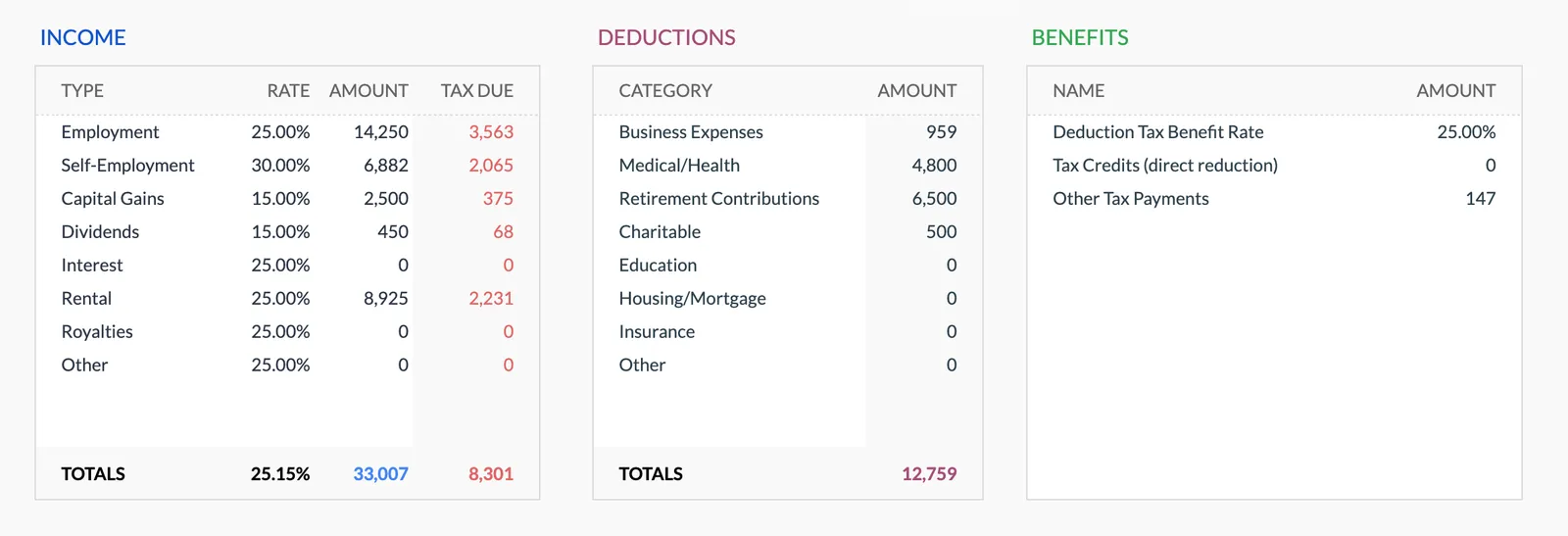
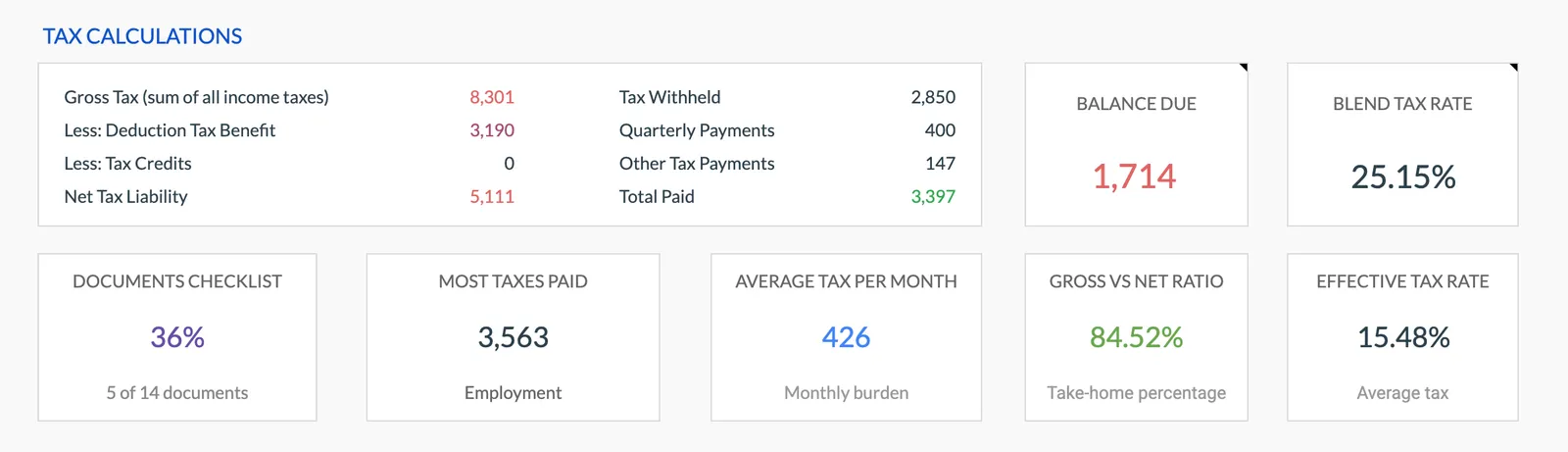
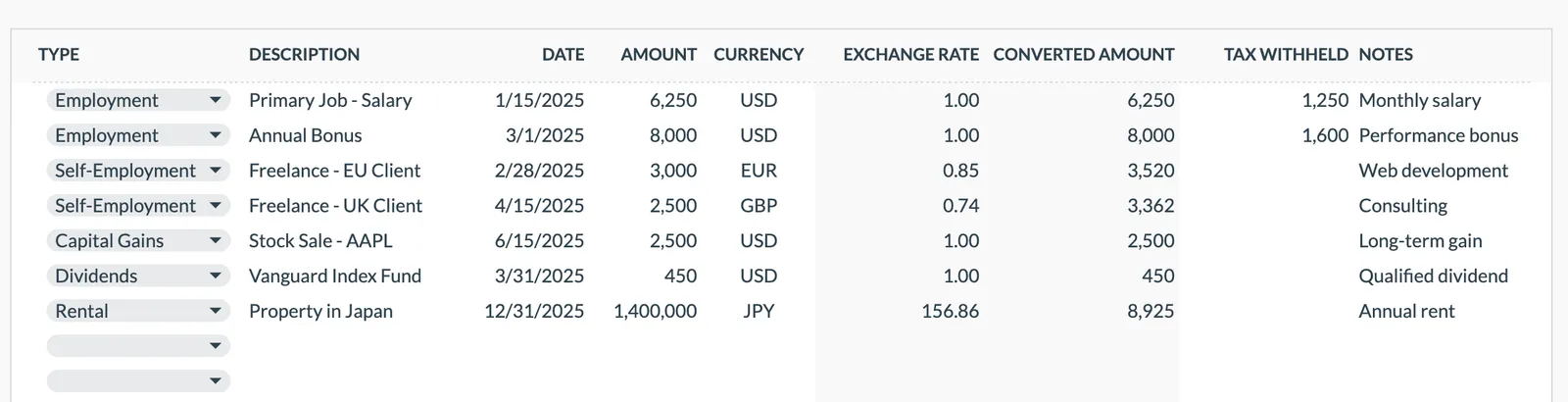
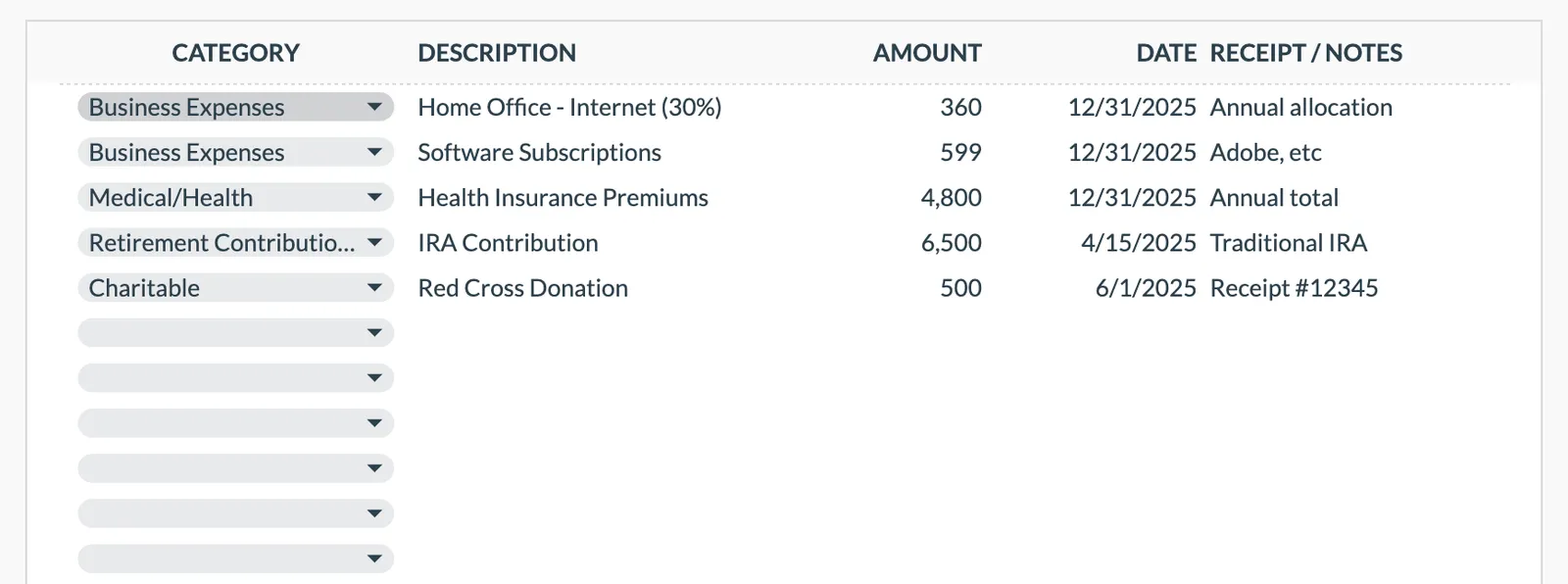
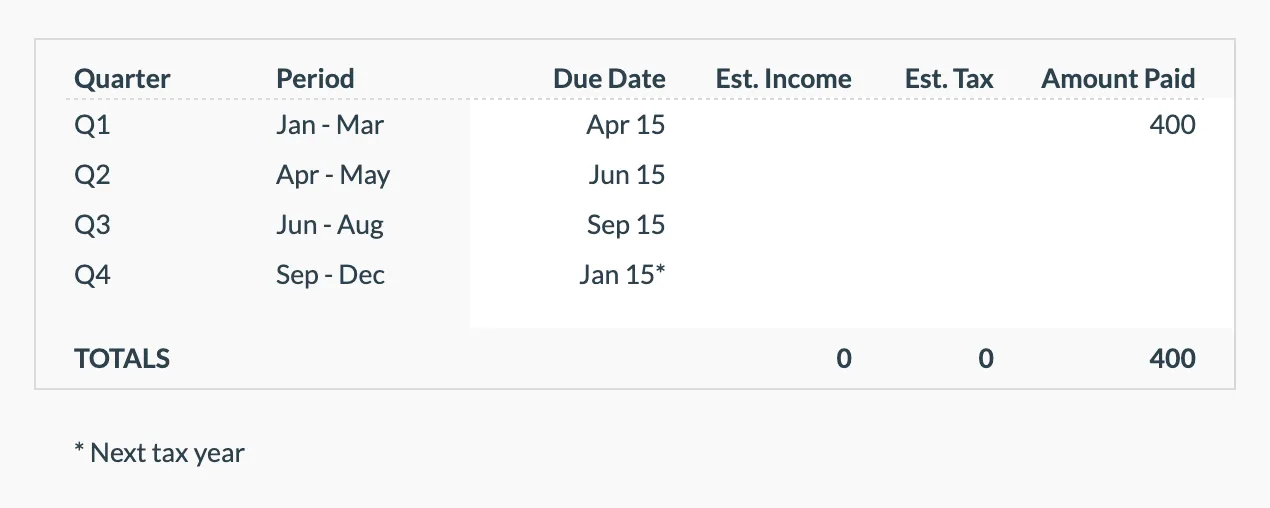
Annual tax overview with key figures
Detailed tax breakdown and projections
Track all income sources for tax purposes
Organize and track tax deductions
Plan and track quarterly estimated tax payments
Perguntas Frequentes
Planejamento tributário em Wisconsin - Perguntas Frequentes
Quais são as alíquotas de imposto de renda do Wisconsin?
Wisconsin tem um imposto de renda progressivo com quatro alíquotas e taxas variando de 3,5% a 7,65% [1]. A alíquota máxima é moderadamente alta pelos padrões nacionais e coloca Wisconsin acima da maioria de seus vizinhos do Meio-Oeste. A alíquota superior se aplica em níveis de renda mais altos, afetando principalmente os que ganham mais.
Como funciona a dedução padrão em escala móvel do Wisconsin?
Wisconsin tem uma dedução padrão incomum que diminui à medida que a renda aumenta e eventualmente desaparece completamente em níveis de renda mais altos. Os declarantes de baixa renda recebem a dedução padrão completa, os declarantes de renda média recebem um valor reduzido, e os declarantes de renda alta não recebem nada. Isto significa que o sistema fiscal é mais progressivo do que as quatro alíquotas por si só sugerem, porque os que ganham mais pagam impostos sobre uma parte maior de sua renda bruta.
Wisconsin tributa benefícios da Segurança Social?
Wisconsin não tributa benefícios da Segurança Social em nível estadual. Certos rendimentos de aposentadoria, incluindo pensão de aposentadoria militar, benefícios de aposentadoria ferroviária e algumas pensões governamentais, também se qualificam para deduções. Desde o ano fiscal de 2025, os declarantes que têm pelo menos 67 anos no fim do ano podem subtrair até $24,000 de rendimentos qualificados de planos de aposentadoria e IRA, ou $48,000 em uma declaração conjunta em que ambos os cônjuges se qualificam, embora reivindicar essa subtração exclua outros créditos naquele ano. Além dessas disposições, pensões privadas, distribuições 401(k) e saques de IRA são tributados pelas alíquotas progressivas normais.
Qual é o crédito de casal no Wisconsin?
Wisconsin oferece um crédito de casal para casais casados com dois rendimentos que apresentam conjuntamente. O crédito é baseado na renda auferida qualificada do cônjuge que ganha menos e foi projetado para reduzir o impacto fiscal da renda combinada que se empurra para alíquotas mais altas. O valor do crédito tem limites e fases de eliminação, mas pode fornecer alívio significativo para famílias onde ambos os cônjuges trabalham.
Como funcionam o crédito de propriedade principal e o Crédito Fiscal de Arrecadação Escolar?
Wisconsin oferece dois benefícios relacionados a impostos imobiliários. O Crédito Fiscal de Arrecadação Escolar reduz automaticamente as contas de imposto imobiliário para todos os proprietários. O crédito de propriedade principal é um benefício separado e com teste de renda disponível para proprietários e inquilinos de baixa renda - é reivindicado na declaração de imposto de renda estadual e é baseado em impostos imobiliários (ou aluguel) pagos em relação à renda familiar. Esses créditos podem reduzir significativamente a carga fiscal geral.
Não encontrou a resposta que procura? Entre em contato com nossa equipe
Recursos Fiscais Oficiais
Para alíquotas atuais, formulários e prazos de declaração específicos para Wisconsin:
Sources
Organize seu planejamento tributário para Wisconsin
Compra única. Sem assinatura. Seus dados financeiros ficam no seu Google Drive.
Tax rules, rates, and contribution limits change, and official publications can themselves lag behind the law in force. We review these figures on a best-effort basis against sources we consider authoritative, but we cannot guarantee they are current, complete, or that better sources do not exist, and nothing here is tax, legal, or financial advice. For decisions, the relevant government authority is the reference. Last reviewed: August 2026.