South Africa
Retirement Planning Template for South Africa
Map out your retirement plan - retirement annuities, pension funds, tax-free savings, and projected expenses - in a Google Sheets template you own.
South Africa
Retirement Planning in South Africa: Key Factors
South Africa's retirement landscape combines employer pension funds, personal retirement annuities, and limited state support. Understanding how these interact is key to planning.
The state old-age grant provides a minimal safety net
The South African Social Security Agency (SASSA) provides an old-age grant of approximately R2,180/month (2025) for qualifying individuals over 60. This is means-tested and far below what most people need for a comfortable retirement. It underscores the importance of personal retirement savings.
Retirement fund contributions are tax-deductible
Contributions to pension funds, provident funds, and retirement annuities are tax-deductible up to 27.5% of the greater of remuneration or taxable income (capped at R350,000/year). This tax benefit effectively means the government co-funds part of your retirement savings - a significant incentive to maximize contributions within the limit.
The two-pot system changes how retirement savings work
Since September 2024, new retirement fund contributions are split into a savings pot (one-third, accessible annually) and a retirement pot (two-thirds, locked until retirement). Existing funds remain in a vested pot under old rules. Understanding how this affects your retirement projections is important for planning.
High inflation and currency depreciation affect long-term planning
South Africa's inflation has averaged 5-6% in recent years, and the rand has depreciated against major currencies over time. For retirement planning, this means using realistic inflation assumptions (not the low rates seen in developed markets) and potentially including some offshore exposure in your retirement portfolio.
Get the Retirement Planning Template
Getting Started
How to Set Up This Template for South Africa
Enter current retirement savings
List all retirement-related balances: employer pension or provident fund (from your latest benefit statement), retirement annuity, tax-free savings account, unit trusts, and any other long-term savings earmarked for retirement.
Add annual contribution amounts
Enter employer and employee pension fund contributions, RA debit orders, TFSA contributions, and any other regular savings. This drives growth projections in the template.
Estimate retirement expenses in today's rands
Project monthly retirement spending - housing (if bond is paid off, just rates and maintenance), medical aid, groceries, utilities, transport, and leisure. Many people find that expenses decrease somewhat in retirement, but medical costs tend to increase.
Use realistic South African assumptions
For growth rates, consider historical averages: equity (JSE) around 12-14% nominal, balanced funds around 10-11%, and inflation at 5-6%. Using real returns (after inflation) of 5-7% for growth assets gives more conservative but safer projections.
Run different scenarios
Test different retirement ages (55, 60, 65), contribution levels, and return assumptions. South African law allows RA access from age 55 - seeing how each year of additional contributions and growth affects the outcome helps with planning.
See It In Action
What the template looks like
Browse through the template to see how it handles budgeting, categories, and expense tracking - all adaptable to your local financial setup.
- Built-in currency selector
- Customizable categories
- Budget vs actual tracking
- Visual charts and summaries
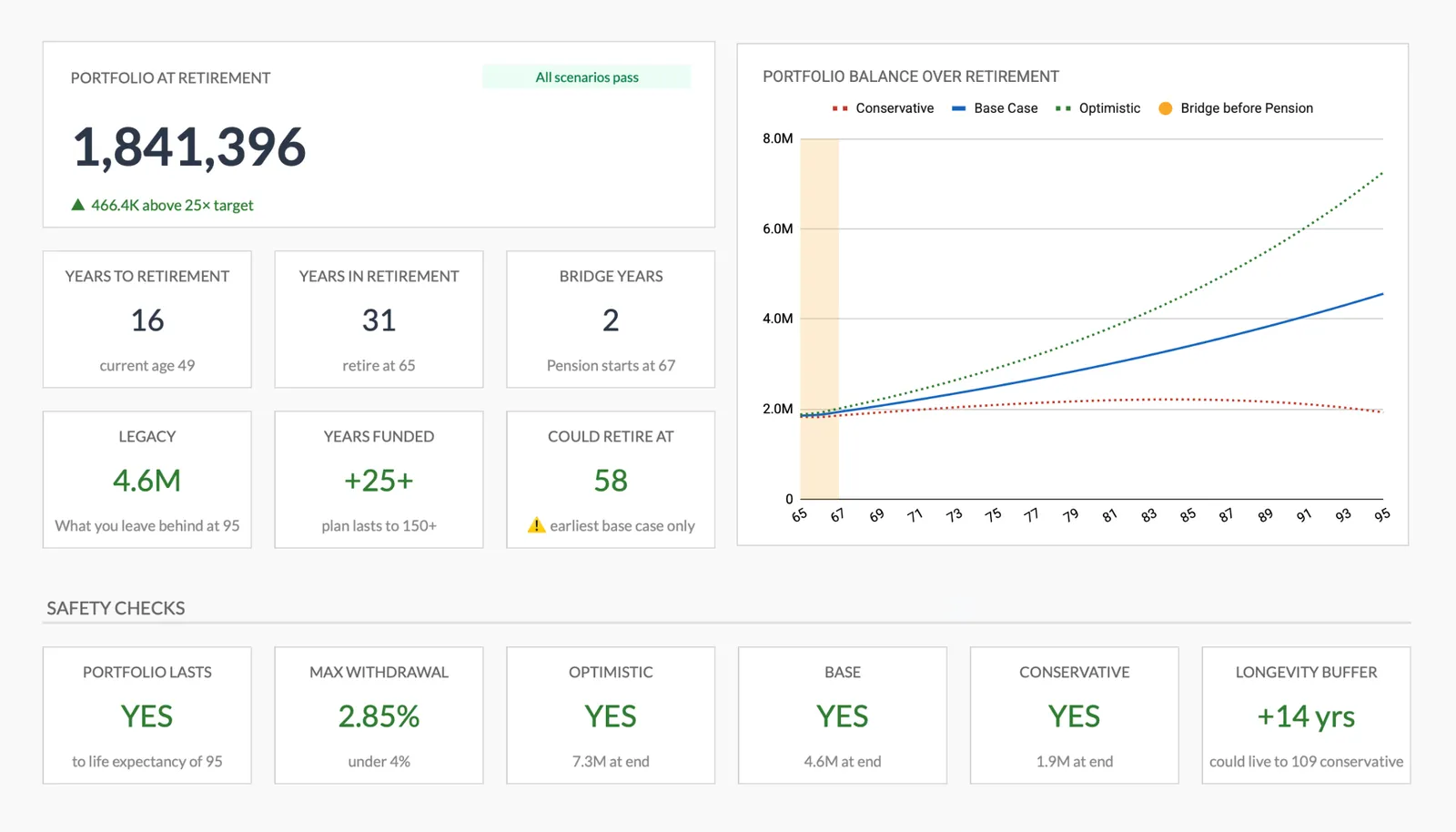
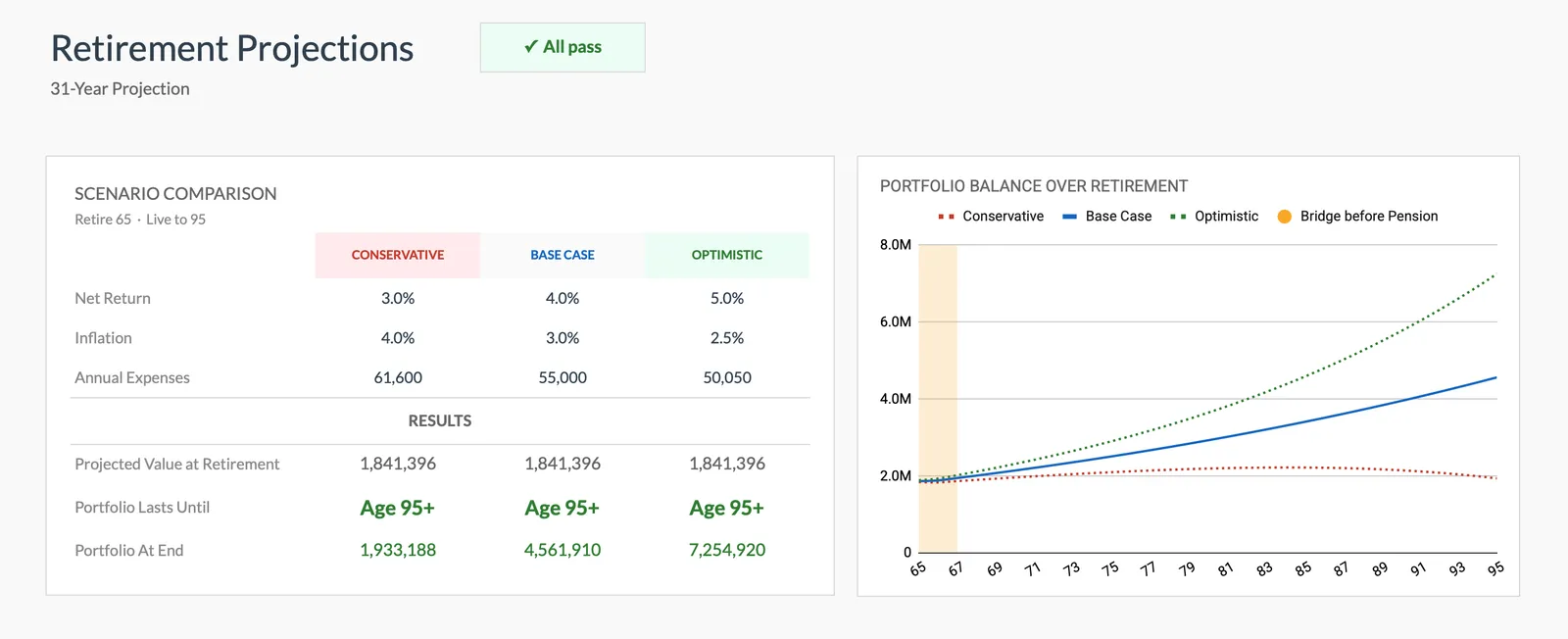
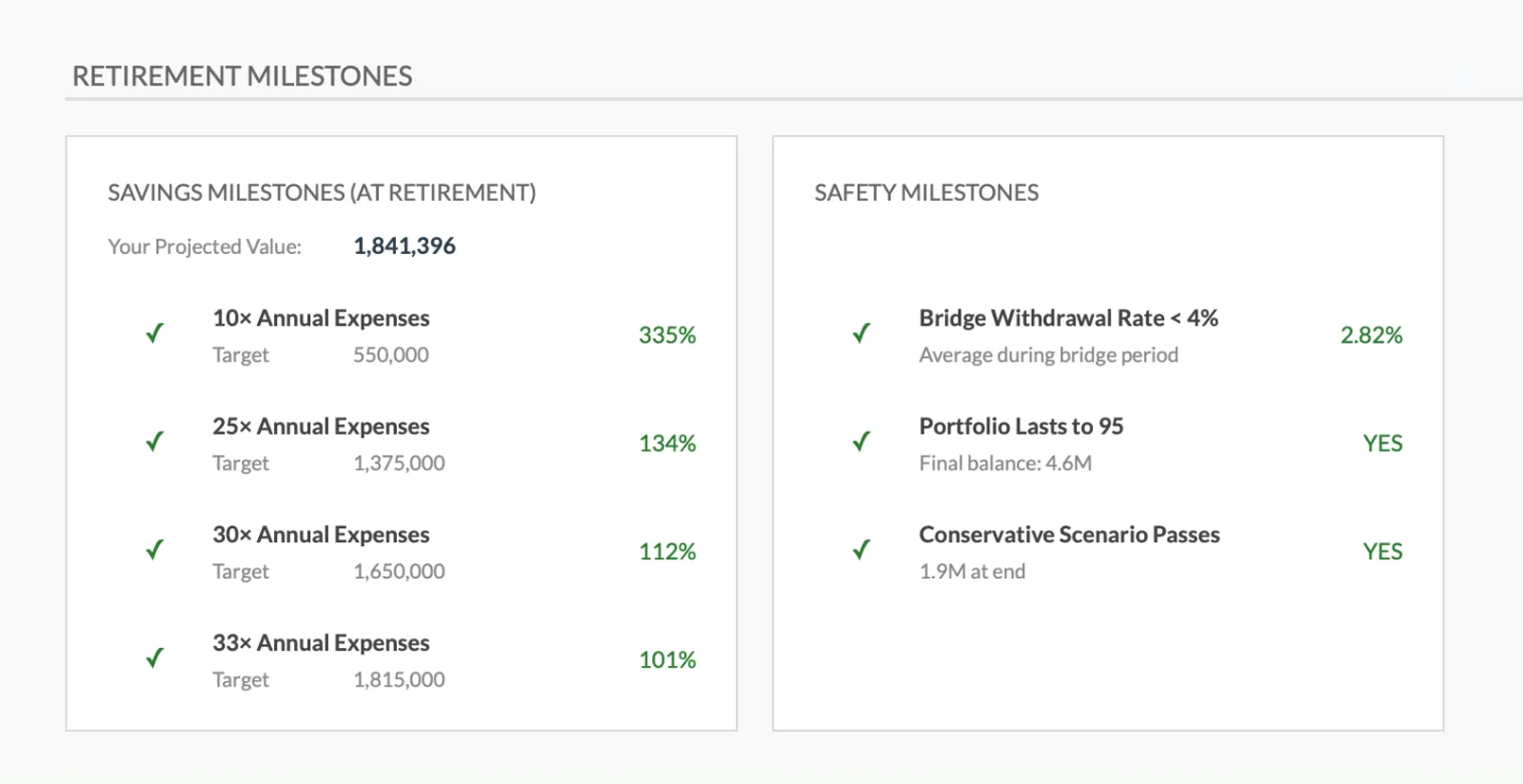
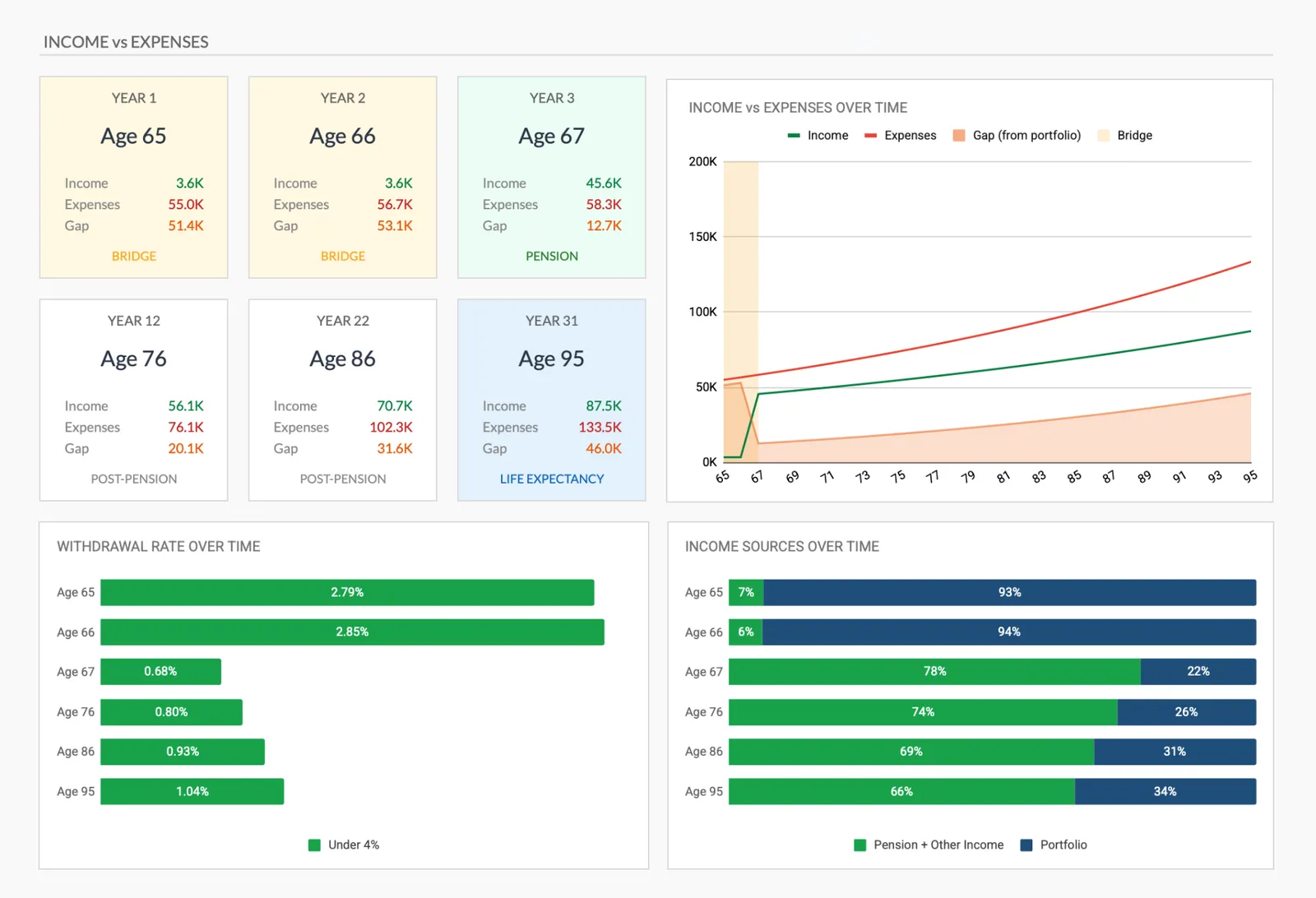
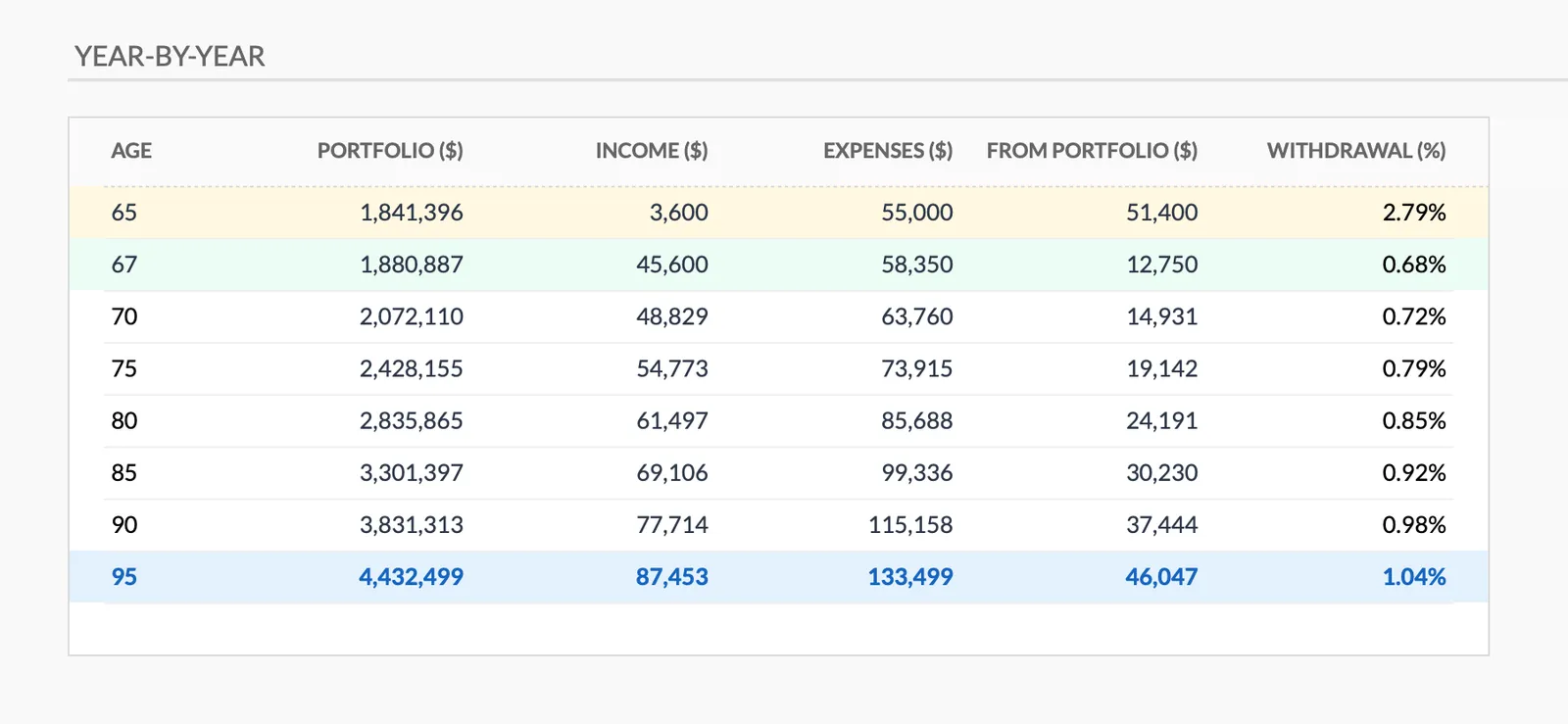
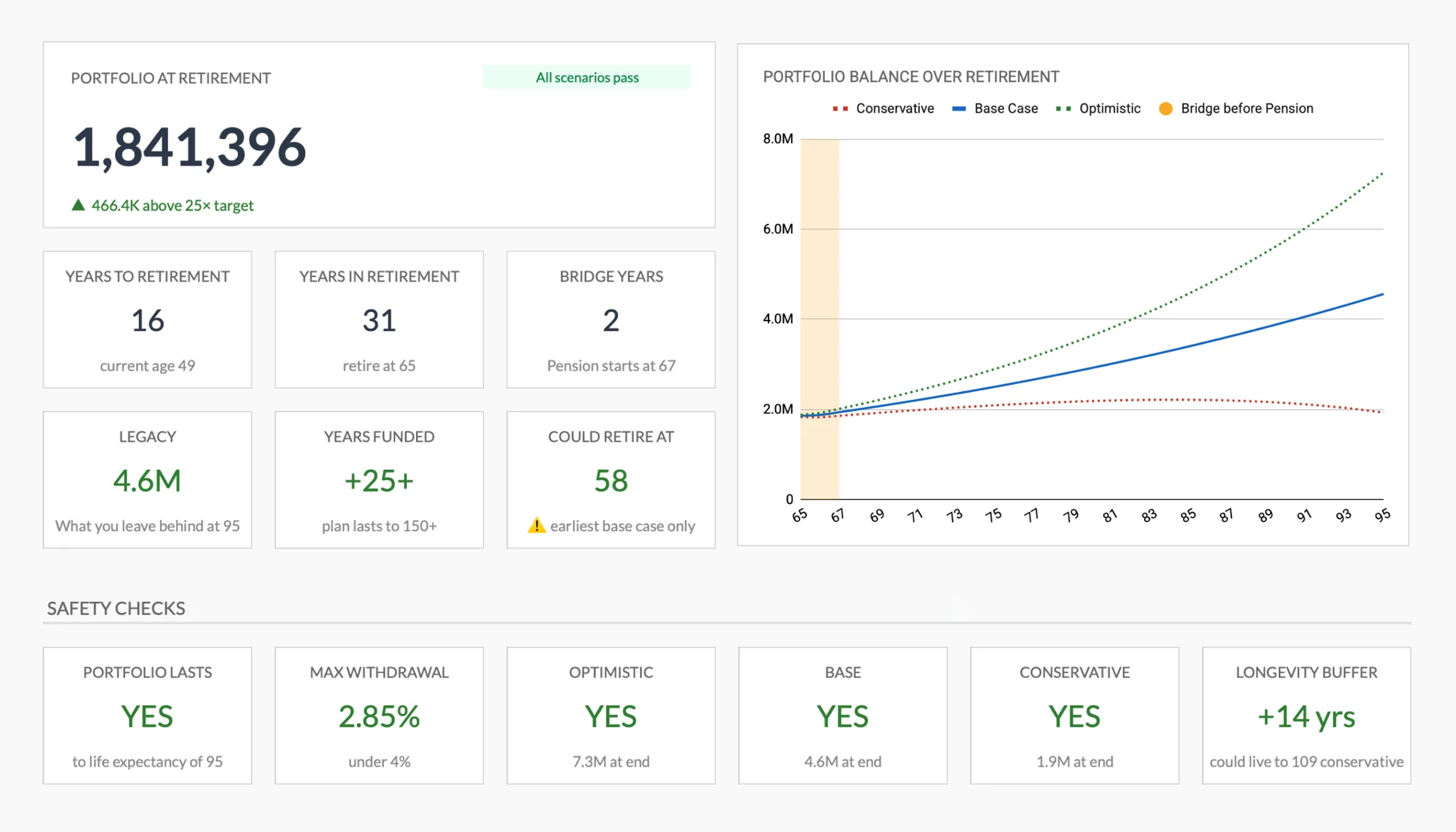
Complete retirement overview with projections
Project your retirement savings growth
Track progress toward retirement goals
Plan your retirement income against expenses
Detailed year-by-year retirement projection
Common Questions
Retirement Planning Template for South Africa - FAQ
How much do I need to retire in South Africa?
A common guideline is to aim for a retirement income of 75% of your final salary. To generate this from a lump sum, you'd typically need 15-17 times your desired annual income (depending on drawdown rates and growth assumptions). The template helps you calculate your specific target based on your expected expenses.
When can I access my retirement funds?
Retirement annuities can be accessed from age 55. Employer pension/provident funds can be accessed when leaving employment (though preservation is generally better for long-term outcomes). Under the two-pot system, one annual withdrawal from the savings pot is allowed regardless of age.
What tax do I pay on retirement withdrawals?
At retirement, the first R550,000 of a lump sum withdrawal is tax-free (lifetime limit). Amounts above that are taxed at rates from 18% to 36%. Alternatively, using the funds to purchase a living annuity means only the monthly income is taxed at marginal rates. The tax treatment is a key factor in choosing between lump sum and annuity.
Living annuity vs. life annuity - what's the difference?
A living annuity lets you choose a drawdown rate (2.5-17.5% of capital per year) and you bear the investment risk. A life annuity (guaranteed annuity) pays a fixed monthly amount for life but you lose access to capital. Many retirees choose living annuities for flexibility, but the risk of outliving your money is real if drawdown rates are too high.
Should I include offshore investments in my retirement plan?
Many South African financial planners suggest some offshore exposure to diversify away from rand depreciation risk and the relatively small JSE market. Regulation 28 limits pension fund offshore exposure to 45%. Personal RA and TFSA investments within these structures can include offshore unit trusts.
How does the two-pot system affect my retirement planning?
Under the two-pot system, one-third of new contributions go to an accessible savings pot and two-thirds to a locked retirement pot. While the savings pot provides emergency liquidity, regularly withdrawing from it reduces your retirement corpus significantly. The template can help model the impact of savings pot withdrawals vs. leaving them invested.
Can't find the answer you're looking for? Contact our team
Explore More
Free Tools for South Africa
Ready to get started?
Download instantly and start managing your finances, or contact us to design a custom template package for your needs.