India
Retirement Planning Template for India
Map out your retirement plan - EPF, PPF, NPS, mutual funds, and projected expenses - in a Google Sheets template you own.
India
Retirement Planning in India: Key Factors
Retirement planning in India involves a mix of government-backed schemes, market-linked instruments, and the reality that social security coverage is limited for most people.
EPF and PPF provide a foundation but may not be sufficient
EPF (with employer matching) and PPF offer guaranteed returns with tax benefits. EPF currently earns around 8.15% interest, and PPF around 7.1%. While these are solid instruments, the accumulated corpus often falls short of what's needed for a comfortable retirement - especially with rising healthcare costs and longer life expectancy.
NPS offers market-linked growth with tax benefits
The National Pension System allows investment in equity and debt with an additional tax deduction of INR 50,000 under Section 80CCD(1B). At retirement, 60% of the NPS corpus can be withdrawn tax-free while 40% must be used to purchase an annuity. Understanding how NPS fits alongside EPF and PPF helps create a more complete retirement picture.
Inflation and healthcare costs require attention
India's inflation has averaged 5-6% over the past decade, which erodes purchasing power significantly over a 20-30 year retirement. Healthcare costs, largely out-of-pocket for many Indians, have risen even faster. Factoring in realistic inflation assumptions is important when estimating how much you'll need.
No universal social security means self-reliance
Unlike countries with robust public pension systems, most Indians don't have a government pension (except government employees). This means retirement income comes almost entirely from personal savings, investments, and family support. Starting early and maintaining a disciplined approach becomes particularly important.
Get the Retirement Planning Template
Getting Started
How to Set Up This Template for India
Enter current retirement savings
List every retirement-related balance: EPF (check EPFO passbook), PPF, NPS, mutual fund SIPs earmarked for retirement, fixed deposits, and any other long-term savings. Current balances provide the starting point for projections.
Add annual contribution amounts
Enter how much goes into each instrument annually - EPF contributions (employee + employer), PPF deposits, NPS contributions, and retirement-focused SIPs. This drives the growth projections in the template.
Estimate retirement expenses
Project monthly expenses in retirement - housing, healthcare, food, utilities, travel, and insurance. A common starting point is 70-80% of current expenses, but healthcare costs tend to increase with age. Factor in inflation to project future costs.
Set realistic return assumptions
Use conservative estimates: 8-9% for equity mutual funds, 7-8% for EPF/PPF, and 5-6% for debt instruments. Subtract expected inflation (5-6%) to get real returns. Over-optimistic assumptions can create a false sense of security.
Run different scenarios
Duplicate the template to test different retirement ages, spending levels, and return assumptions. India doesn't have a fixed retirement age for private sector workers, so exploring options between age 50-65 helps clarify how much more savings each additional working year provides.
See It In Action
What the template looks like
Browse through the template to see how it handles budgeting, categories, and expense tracking - all adaptable to your local financial setup.
- Built-in currency selector
- Customizable categories
- Budget vs actual tracking
- Visual charts and summaries
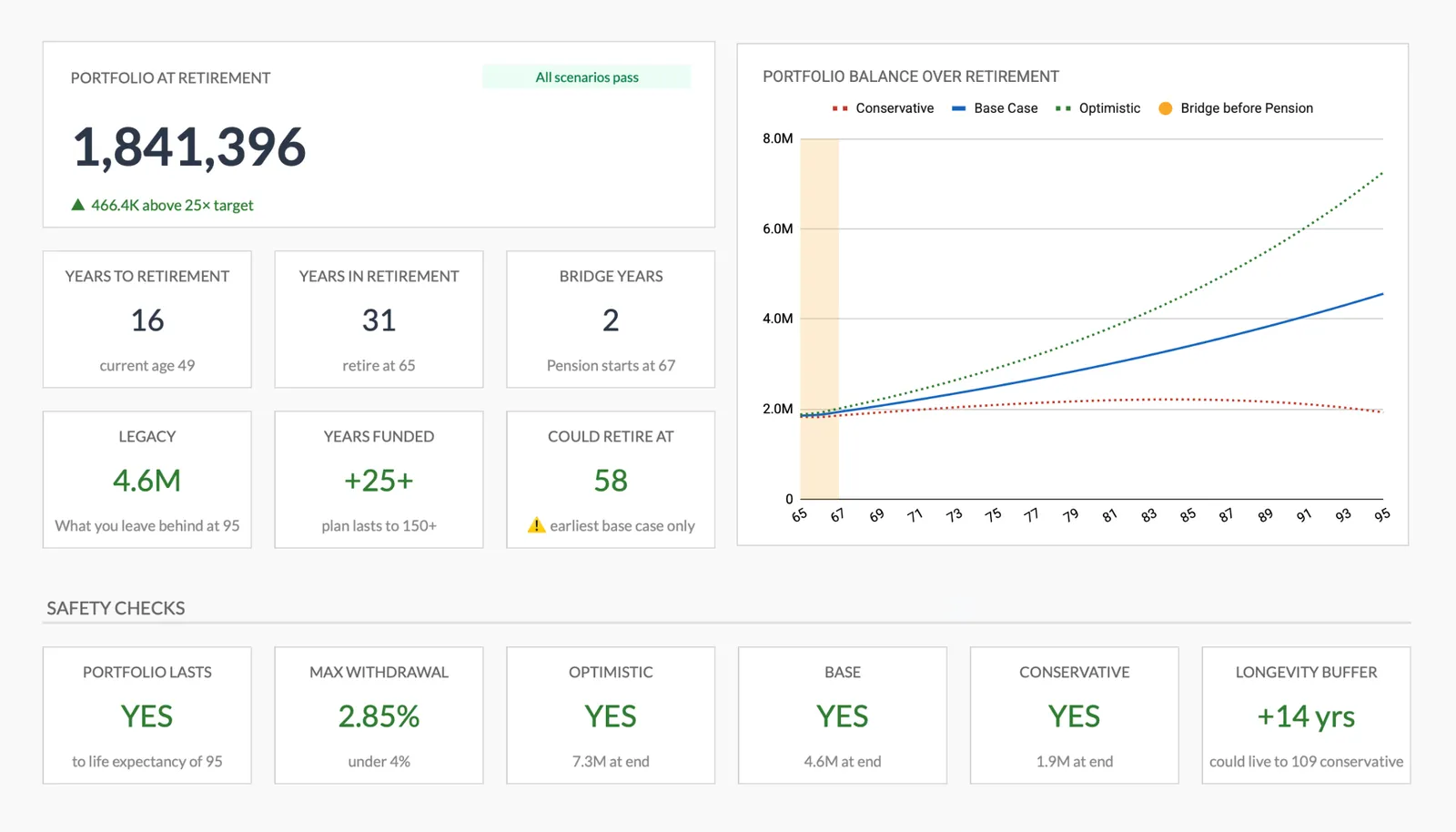
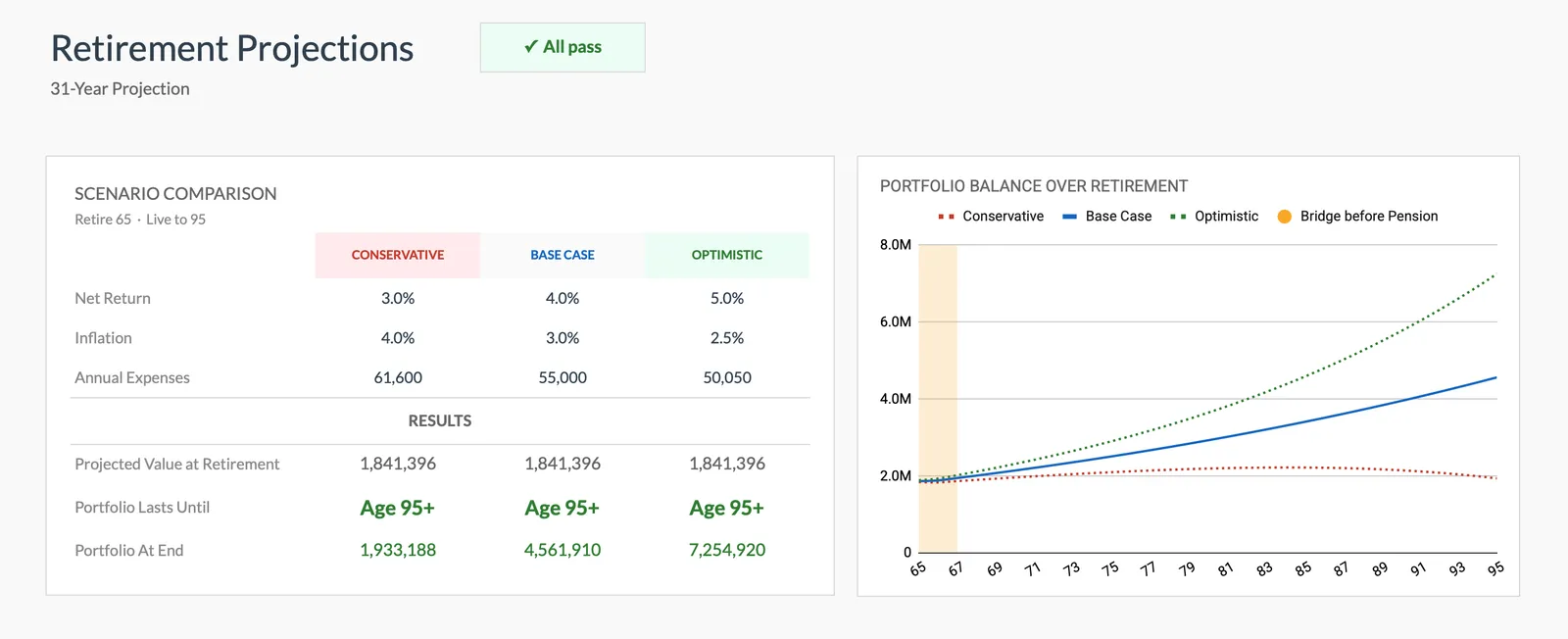
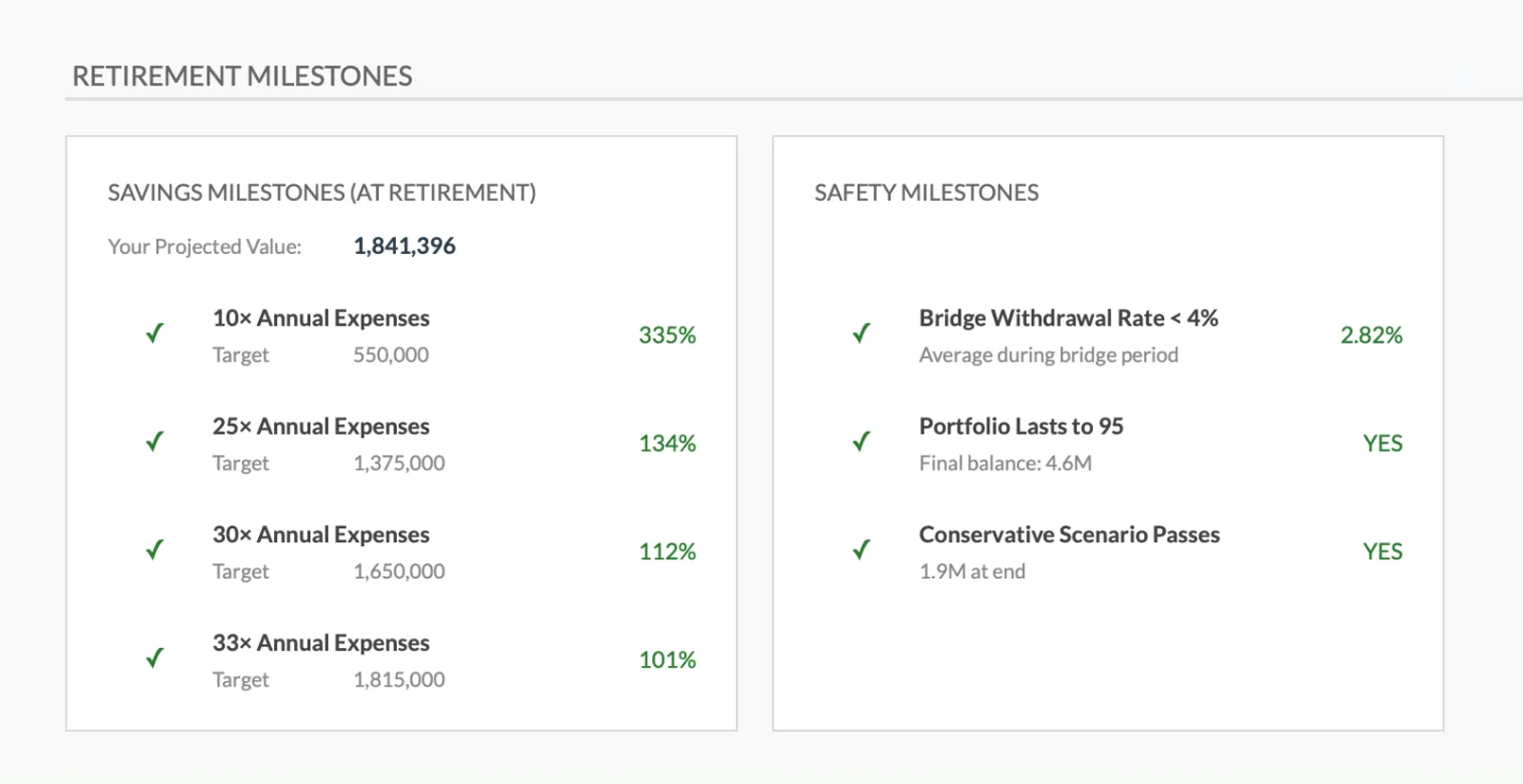
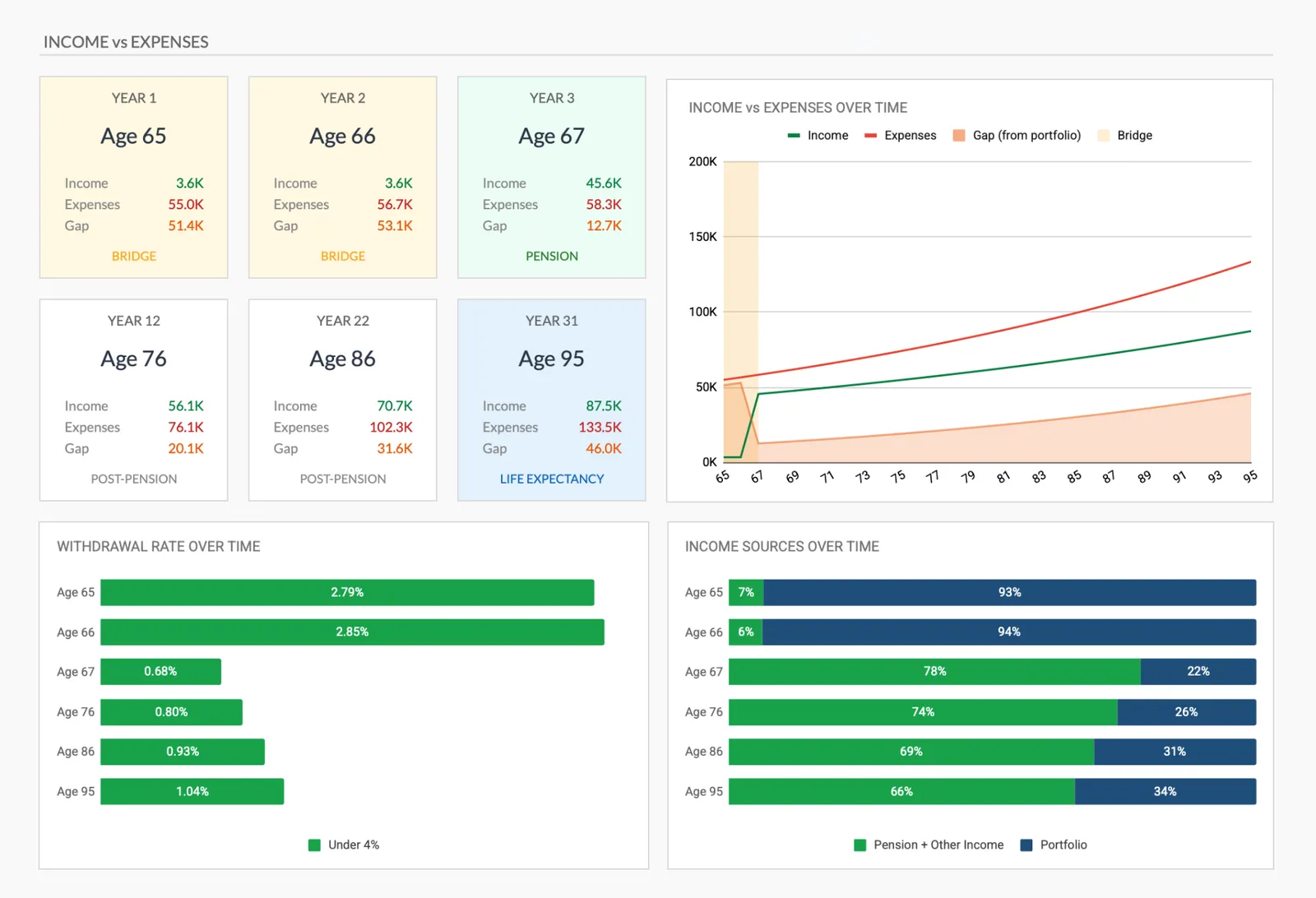
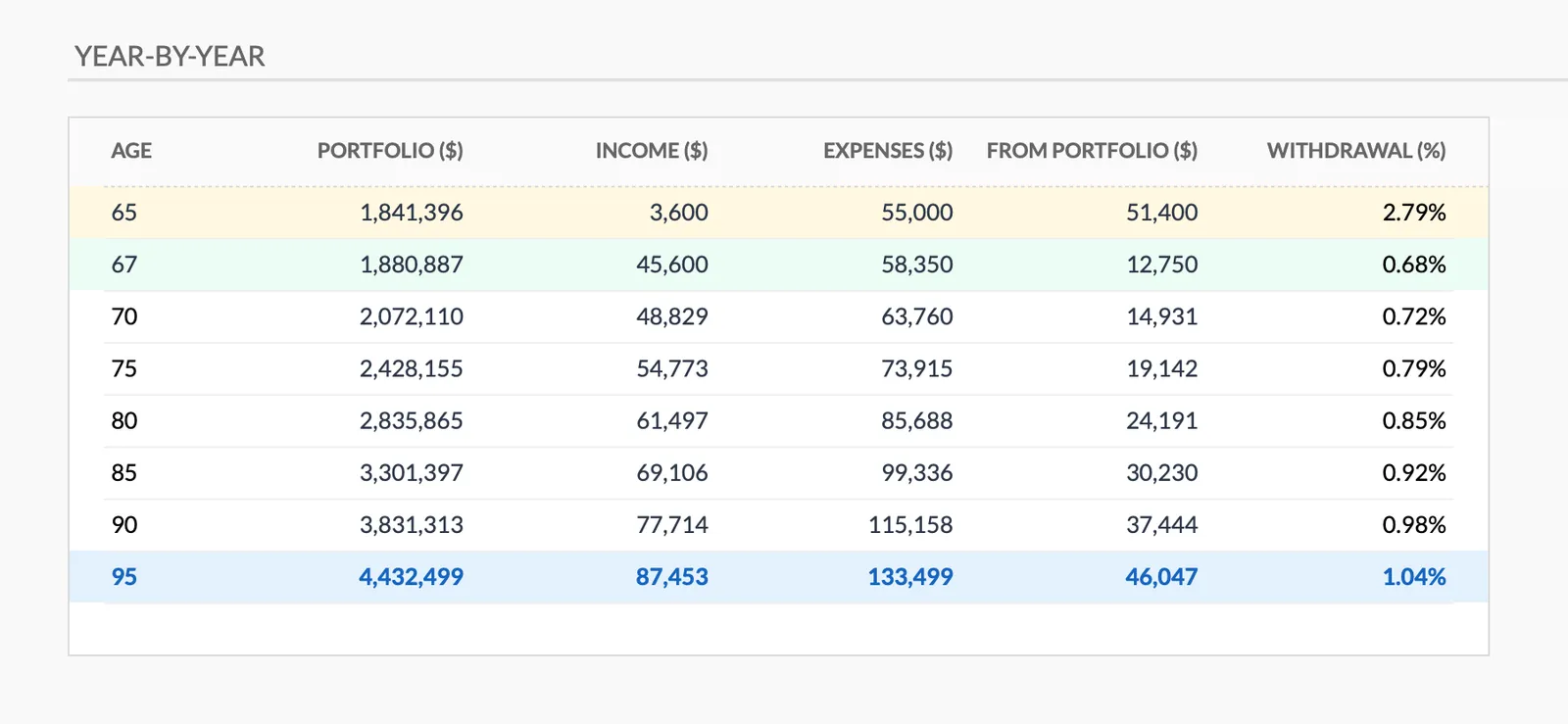
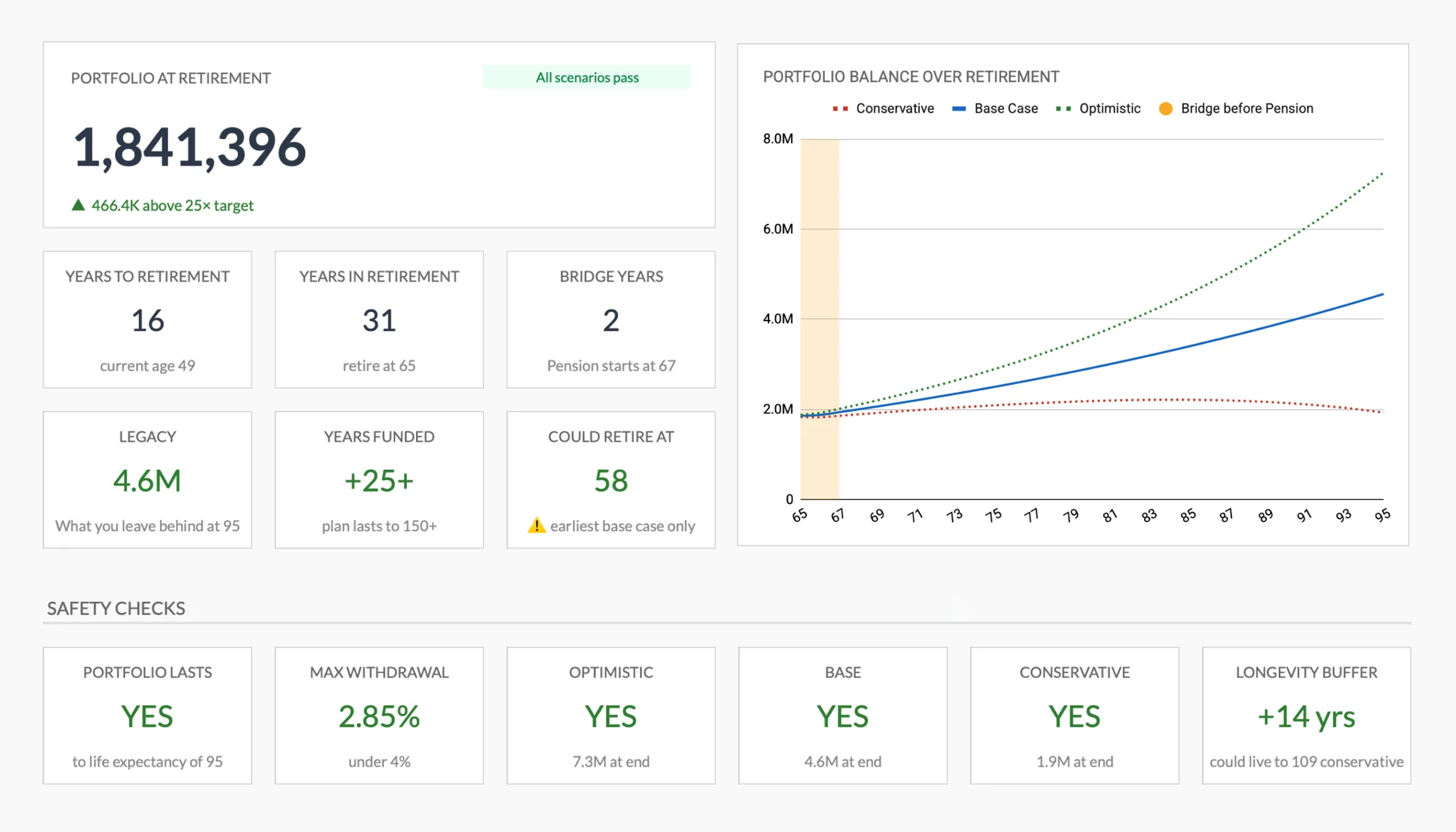
Complete retirement overview with projections
Project your retirement savings growth
Track progress toward retirement goals
Plan your retirement income against expenses
Detailed year-by-year retirement projection
Common Questions
Retirement Planning Template for India - FAQ
How much do I need to retire in India?
There's no single answer. A common approach is to estimate annual expenses in retirement and multiply by 25-30 (accounting for longer life expectancy and Indian inflation rates). Someone expecting INR 50,000/month in expenses might target INR 2-2.5 crore. The template helps you work through your specific numbers.
Can I withdraw EPF before retirement?
Partial EPF withdrawal is allowed for specific purposes like home purchase, medical emergencies, or education. Full withdrawal is possible after 2 months of unemployment or at age 58. Early withdrawal reduces the corpus significantly due to lost compound interest - worth considering carefully.
Is NPS better than mutual funds for retirement?
Each has trade-offs. NPS offers an additional tax deduction (INR 50,000) and has low fund management charges, but locks money until 60 and requires 40% annuity purchase. Mutual funds offer more flexibility but no additional tax benefit beyond Section 80C. Many people use both.
How do I account for inflation in India?
Use 5-6% as a baseline inflation assumption. This means expenses that cost INR 50,000/month today could cost over INR 1.3 lakh/month in 20 years. Using inflation-adjusted (real) returns rather than nominal returns in your projections gives a more realistic picture.
What about family support in retirement?
While family support is part of Indian culture, relying on it as a primary retirement plan carries risks. Financial planning that assumes self-sufficiency, with family support as a bonus rather than a necessity, tends to be more robust.
Can I plan for early retirement in India?
Yes. The template works for any retirement age. Early retirement in India requires careful planning around healthcare costs (no Medicare-equivalent), accessing locked retirement instruments (EPF/NPS restrictions), and potentially longer retirement periods of 40+ years that require more conservative withdrawal assumptions.
Can't find the answer you're looking for? Contact our team
Explore More
Free Tools for India
Ready to get started?
Download instantly and start managing your finances, or contact us to design a custom template package for your needs.