Australia
Monthly Expenses Tracker for Australia
Log and categorize every dollar you spend - from rent and groceries to utilities and transport - in a Google Sheets template you own.
Australia
Tracking Expenses in Australia: What to Know
Australian spending patterns have distinct features shaped by geography, climate, and the cost of living. Setting up the right categories makes expense tracking immediately useful.
Housing costs are high and vary by city
Rent and mortgage payments in Sydney and Melbourne rank among the highest globally. Tracking housing costs alongside strata/body corporate fees, council rates, water rates, and insurance shows the true cost of where you live. Regional areas often offer significantly lower housing costs.
Energy costs fluctuate seasonally and by state
Electricity and gas prices vary by state and retailer. Summer air conditioning in Queensland or winter heating in Victoria can significantly spike bills. Tracking energy costs monthly reveals seasonal patterns and helps evaluate whether switching providers would save money.
Groceries and dining are a major spending category
Australia's geographic isolation contributes to higher food prices compared to many countries. Coles, Woolworths, and Aldi dominate grocery spending, while dining out costs have risen sharply. Splitting food into groceries, dining out, takeaway, and coffee gives more useful insights than a single "food" category.
Transport costs depend on city and lifestyle
Public transport costs vary - an Opal card in Sydney, Myki in Melbourne, or Go Card in Brisbane. Car ownership includes rego, CTP (compulsory third party) insurance, fuel, tolls, and maintenance. Many Australians in suburban areas find car costs are a surprisingly large expense when all components are tracked together.
Get the Monthly Expenses Tracker
Getting Started
How to Set Up This Template for Australia
Set your currency to AUD
Use the built-in currency selector to display AUD. All calculations work identically regardless of the currency symbol displayed.
Create Australian-specific categories
Set up categories for: rent/mortgage, council rates, strata fees, utilities (electricity, gas, water), internet, mobile, groceries, dining out, transport (public transport pass, fuel, tolls, rego), insurance (health, car, home), and subscriptions.
Enter expenses GST-inclusive
Enter the total price you paid at the register. GST (10%) is included in most Australian retail prices, so just log what you actually spend. This is a personal expense tracker, not a business GST tool.
Track direct debits and regular bills
Many Australian bills (utilities, insurance, streaming) go by direct debit. Enter these at the start of each billing cycle so you can see committed expenses before discretionary spending.
Review patterns after a month or two
The template totals each category automatically. After a couple of months, you'll see where the money actually goes - many Australians discover dining out and convenience spending exceeds their expectations.
See It In Action
What the template looks like
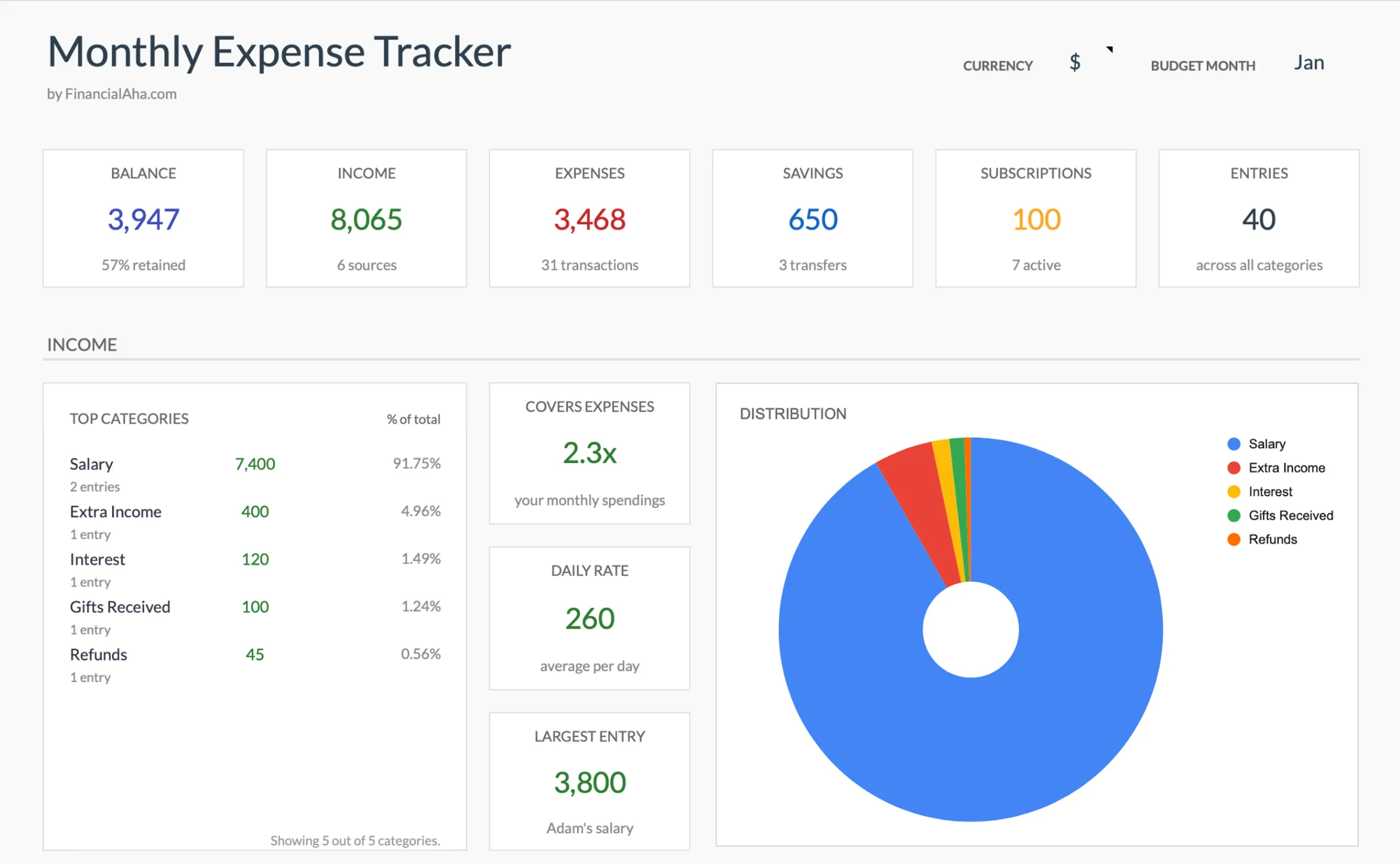
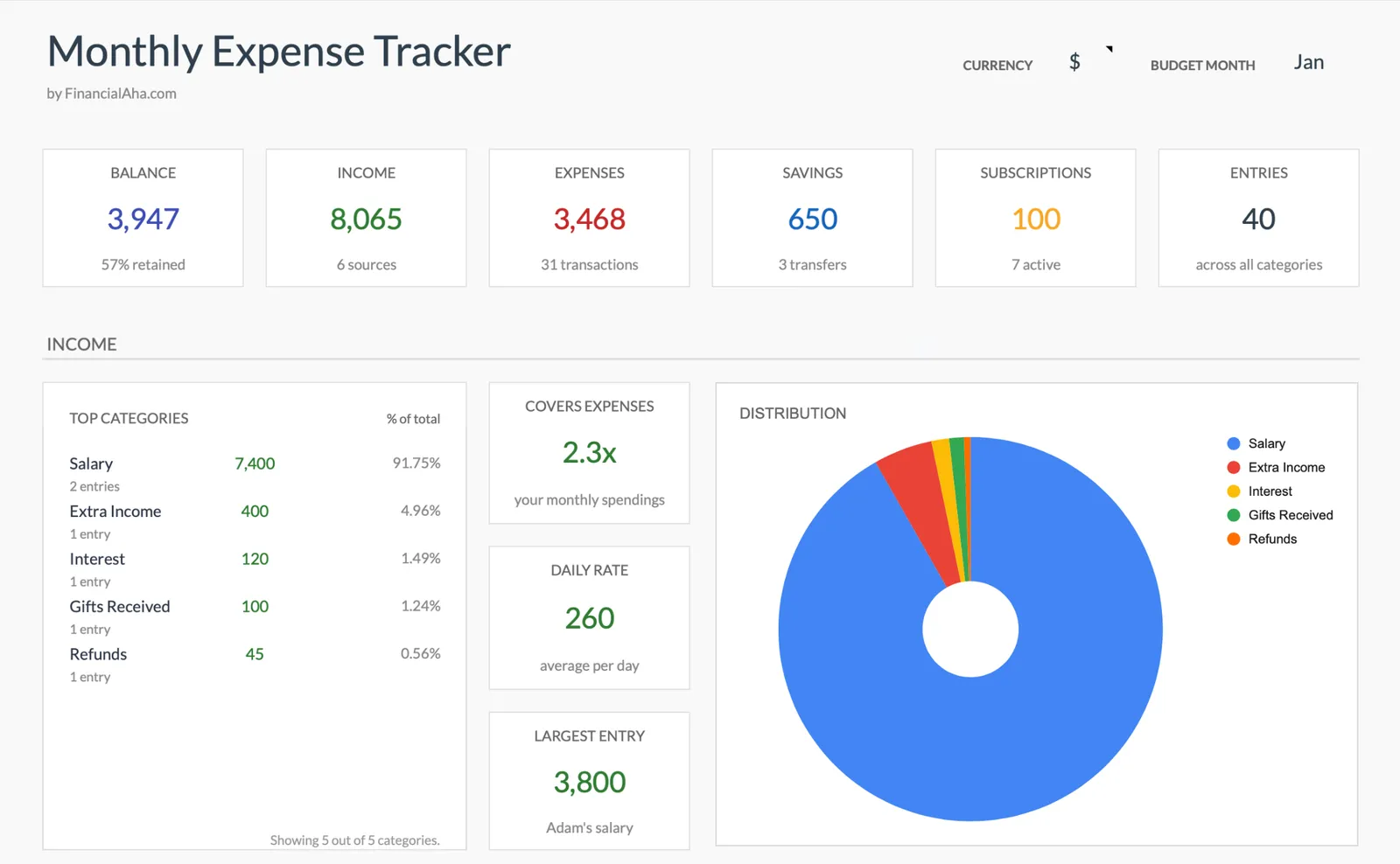
Browse through the template to see how it handles budgeting, categories, and expense tracking - all adaptable to your local financial setup.
- Built-in currency selector
- Customizable categories
- Budget vs actual tracking
- Visual charts and summaries
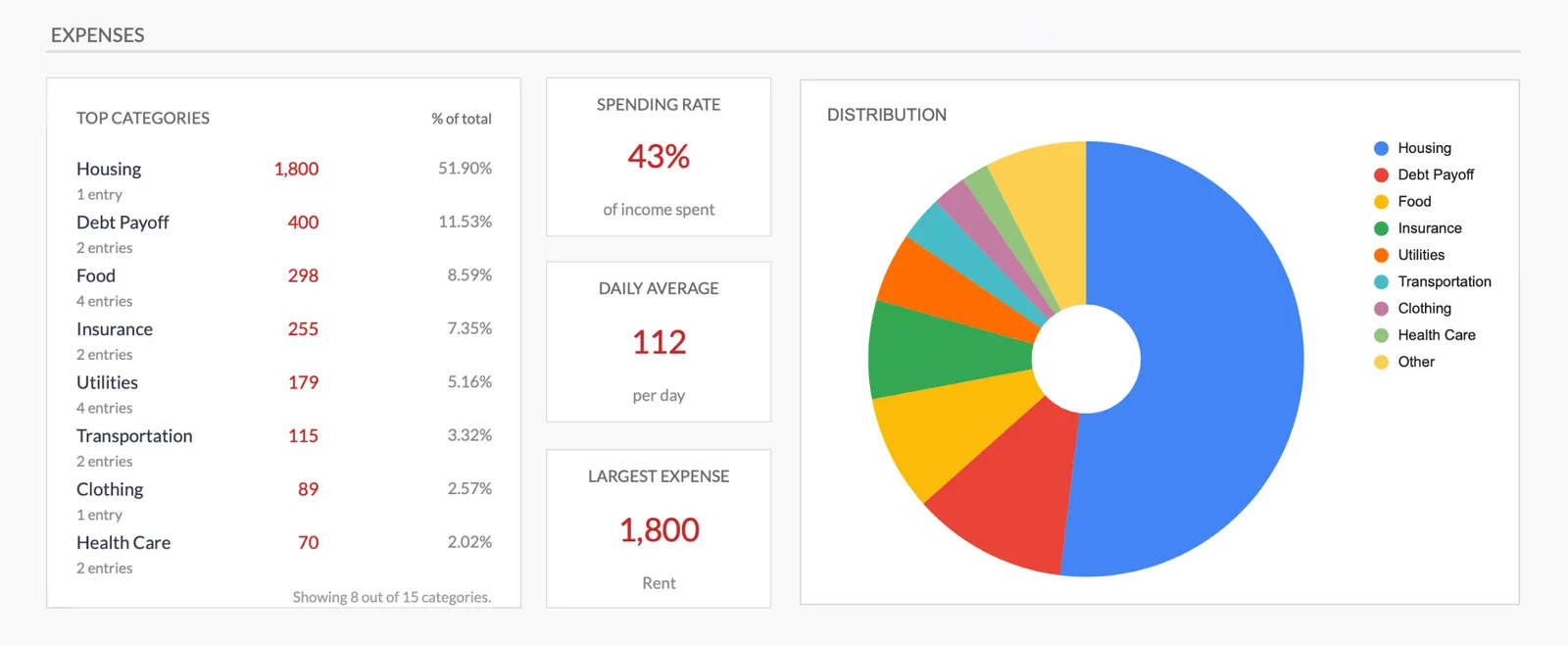
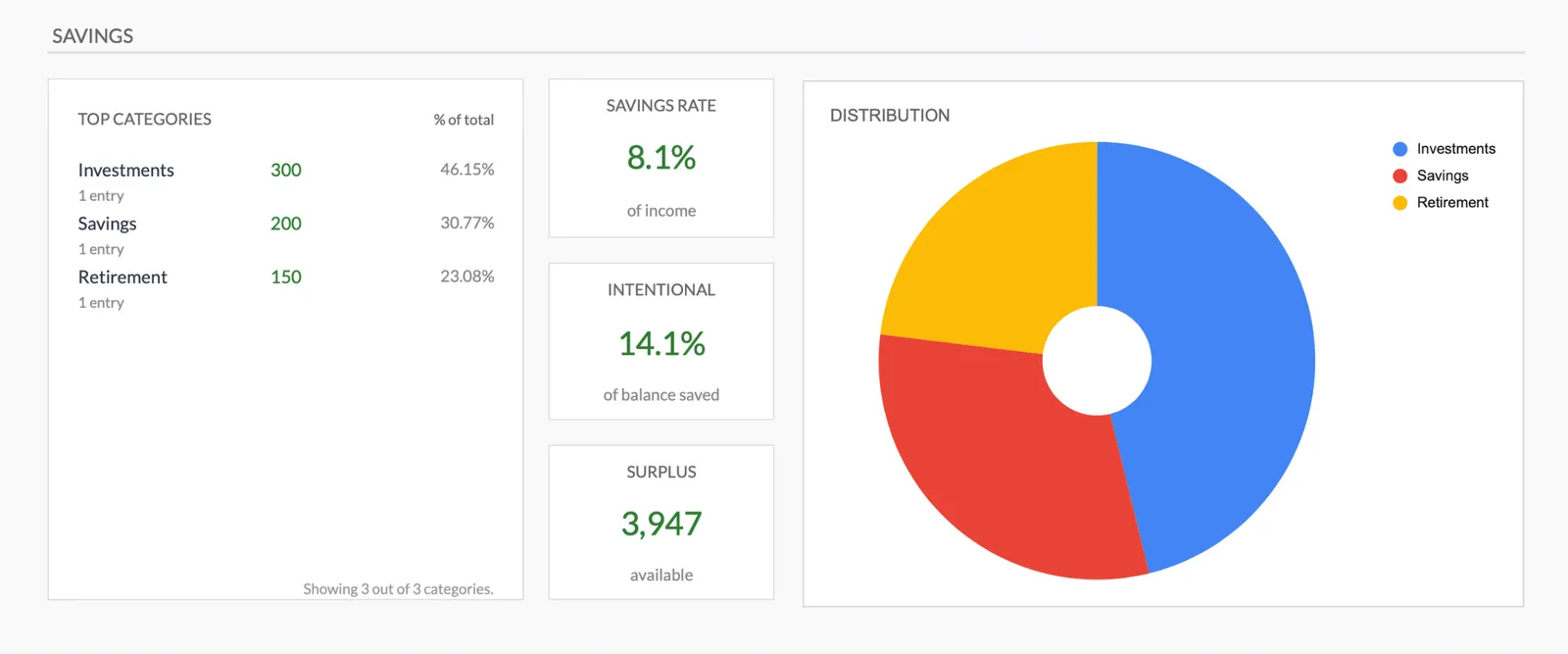
Monthly expense overview with charts
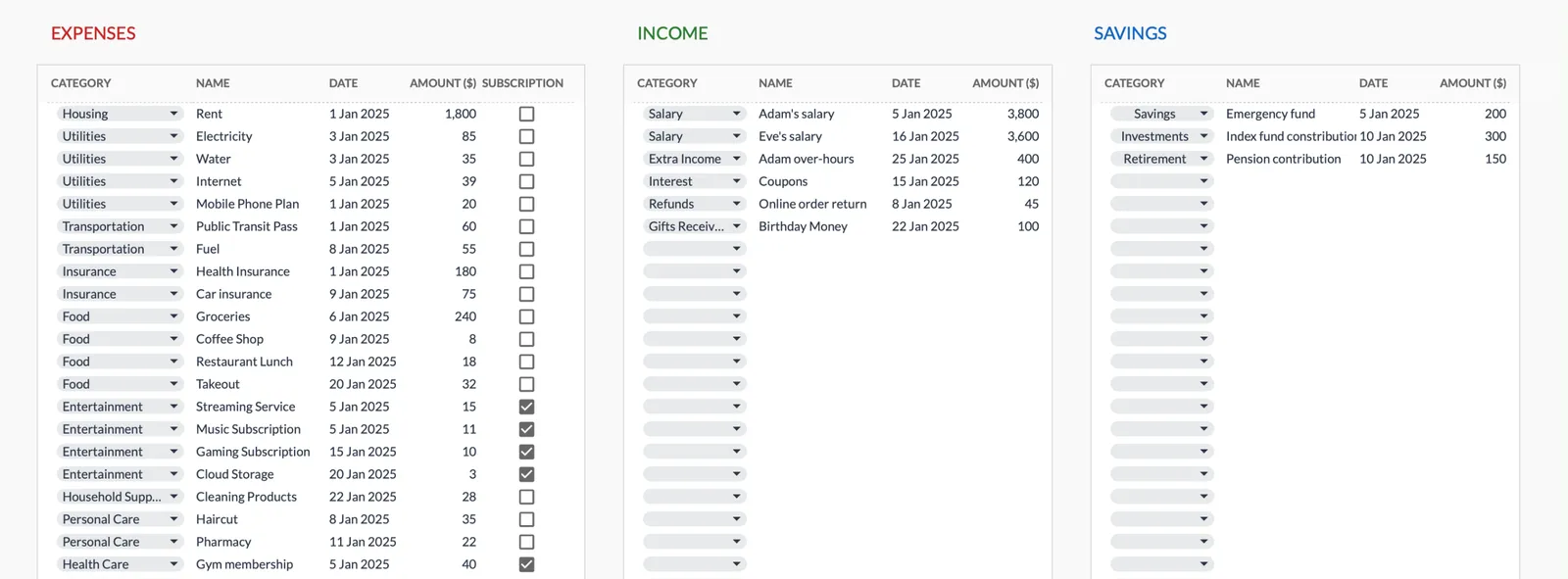
Log every expense with dates and categories
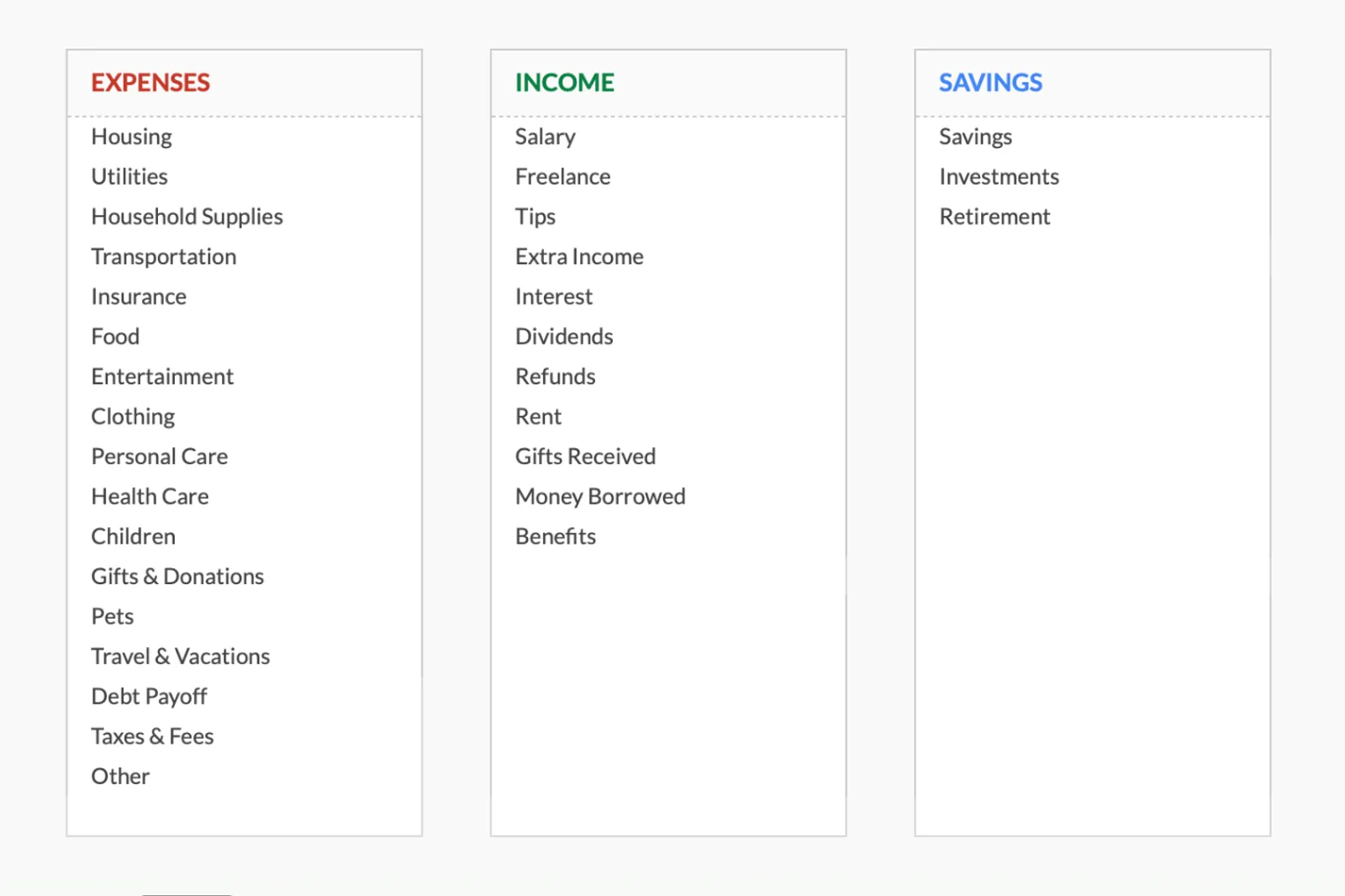
Organize spending into customizable categories
Detailed breakdown of all expenses
Track savings alongside expenses
Common Questions
Monthly Expenses Tracker for Australia - FAQ
How is this different from the budget template?
The expense tracker records what you spend without income tracking or budget targets. It's a simpler starting point if you want to understand your spending patterns before setting goals.
Can I import data from my bank?
The template uses manual entry. While you could copy-paste from a bank CSV export, manual categorization often provides better insights. Many people find the act of entering expenses increases spending awareness.
How should I handle shared household expenses?
Enter only your share. If rent is $2,400 split between two people, enter $1,200. For shared groceries or utilities, enter what you contribute.
Does it work with Afterpay or Zip Pay?
Enter the full purchase amount when you buy something, not the individual instalments. This reflects your actual spending decision and gives a more accurate picture than tracking fortnightly payments.
Can I track expenses across multiple bank accounts?
Yes. The template tracks spending by category, not by account. Enter what you spent regardless of which account or card you used.
Can't find the answer you're looking for? Contact our team
Ready to get started?
Download instantly and start managing your finances, or contact us to design a custom template package for your needs.