Budgeting Method
Pay Yourself First Template for Google Sheets
Prioritize savings before anything else. Pay yourself first means setting aside money for goals the moment income arrives - then covering expenses with what remains.
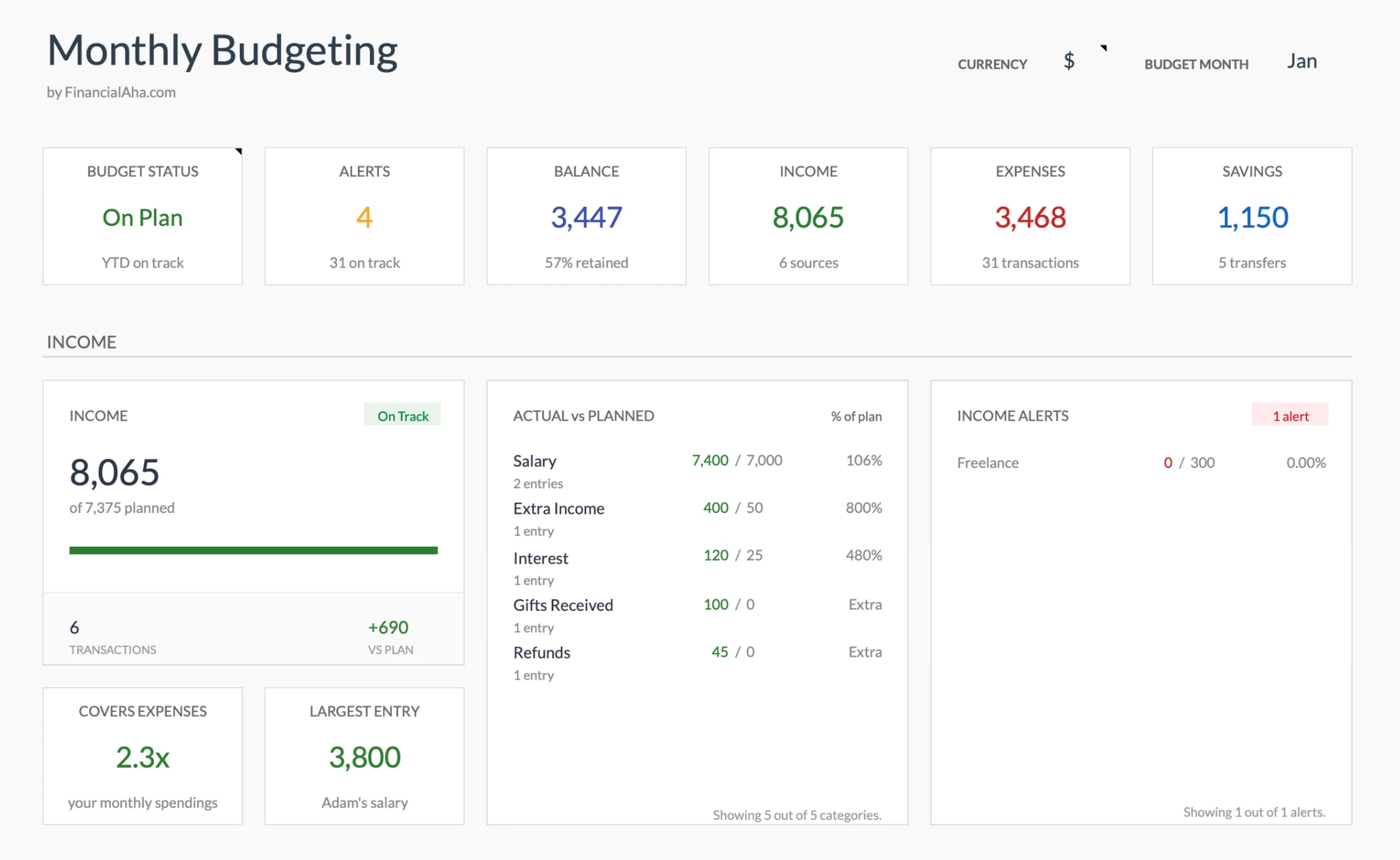
Overview
What Is the Pay Yourself First Method?
Pay yourself first flips the traditional budgeting sequence. Instead of earning, spending, and saving what's left over, you earn, save a predetermined amount, and spend what's left. The savings happen before any other expense.
The concept was popularized by George S. Clason in "The Richest Man in Babylon" (1926), where the core advice is to save at least 10% of everything you earn before paying anyone else. David Bach later expanded on this with "The Automatic Millionaire," emphasizing automation as the key to making it work.
In practice, it looks like this: on payday, an automatic transfer moves a set amount (say $800 from a $4,000 paycheck) to savings, investments, or debt repayment. The remaining $3,200 covers all expenses. No detailed budget required for the spending side.
The psychology is straightforward - when savings come last, there's rarely anything left. When savings come first, spending naturally adjusts to fit the remaining amount. It works because it removes the decision entirely. The money moves automatically before there's a chance to spend it.
Who it works for
People whose primary goal is building savings or investments, especially those who consistently end months with nothing saved. Also works well for anyone who finds detailed budgeting unsustainable.
Advantages
- Guarantees savings happen every month through automation
- Minimal ongoing effort after initial setup
- Builds wealth consistently over time
- No need to track individual spending categories
- Works with any savings rate - start small and increase
Tradeoffs
- Doesn't help with overspending on the expense side
- Requires enough income to cover bills after saving
- No visibility into spending patterns or waste
- Can lead to credit card debt if the remaining amount isn't enough for expenses
Getting Started
How to Set Up Pay Yourself First in Google Sheets
The Monthly Budget Template from FinancialAha supports the pay yourself first approach. Here's how to set it up:
Determine your savings target
Decide what percentage or dollar amount to save each month. Common starting points are 10-20% of take-home pay. On $5,000 income, that's $500-$1,000. If that feels high, start with whatever amount is sustainable - even $100 is a beginning.
Set up automatic transfers
Schedule transfers to happen on payday - before you can spend the money. Split between goals: emergency fund, retirement account, investment account, or debt payoff. The template helps you plan these amounts.
Enter remaining income as your spending budget
After savings are deducted, enter the remaining amount as your available spending budget. On $5,000 income with $800 saved, your spending budget is $4,200. This is all you have for the month.
Cover essential expenses first
From the remaining $4,200, subtract fixed bills: rent, utilities, insurance, minimum debt payments. Whatever is left after essentials is your discretionary spending money.
Track savings progress over time
The template helps track cumulative savings growth month over month. Seeing the balance grow reinforces the habit. As income increases, consider increasing the savings percentage rather than the spending budget.
Ready to try pay yourself first budgeting?
Compare Methods
Pay Yourself First vs Other Budgeting Methods
80/20 Budget
Nearly identical concept with a specific percentage target. Pay yourself first is the principle; 80/20 is one implementation of it with a defined 20% savings rate.
Zero-Based Budget
Much more structured - every dollar gets assigned to categories. Pay yourself first only structures the savings side and leaves spending flexible.
Reverse Budget
Same underlying concept - save first, spend second. The reverse budget name explicitly highlights that it reverses the traditional spend-then-save order.
See It In Action
What the template looks like
Browse through the template to see how it handles budgeting, expense tracking, savings goals, and spending analysis.
- Dashboard with key metrics
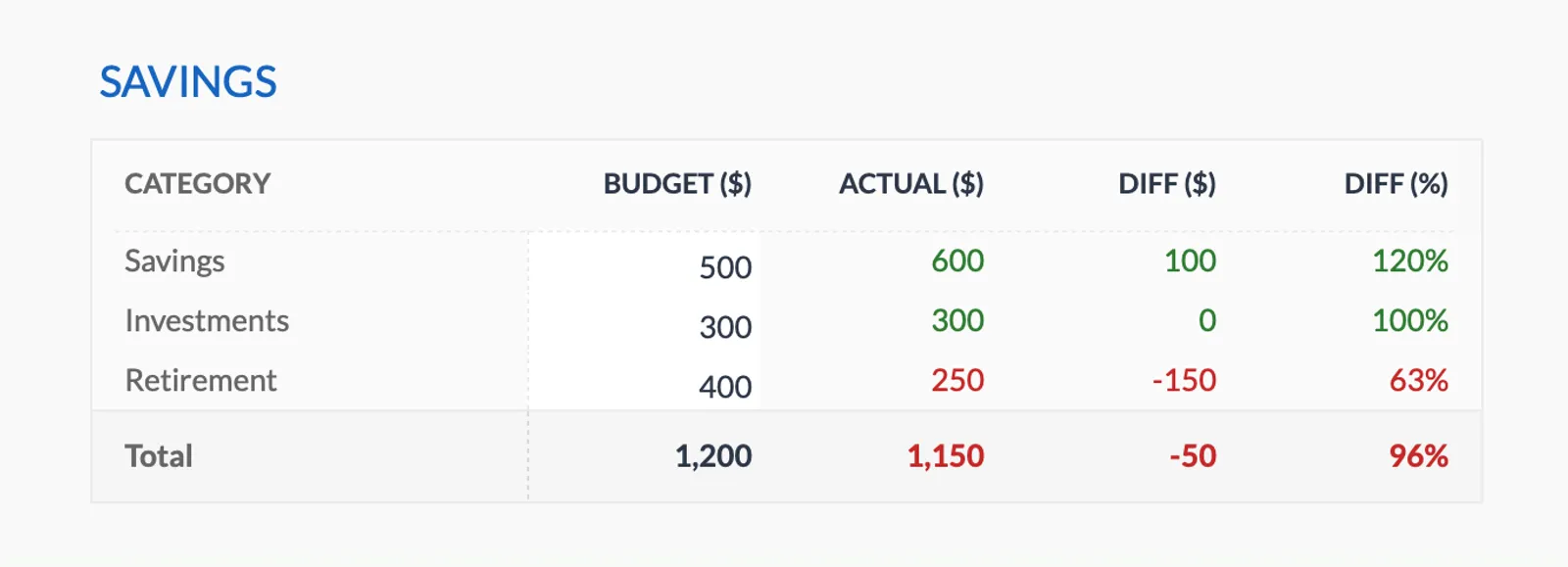
- Budget vs actual comparison
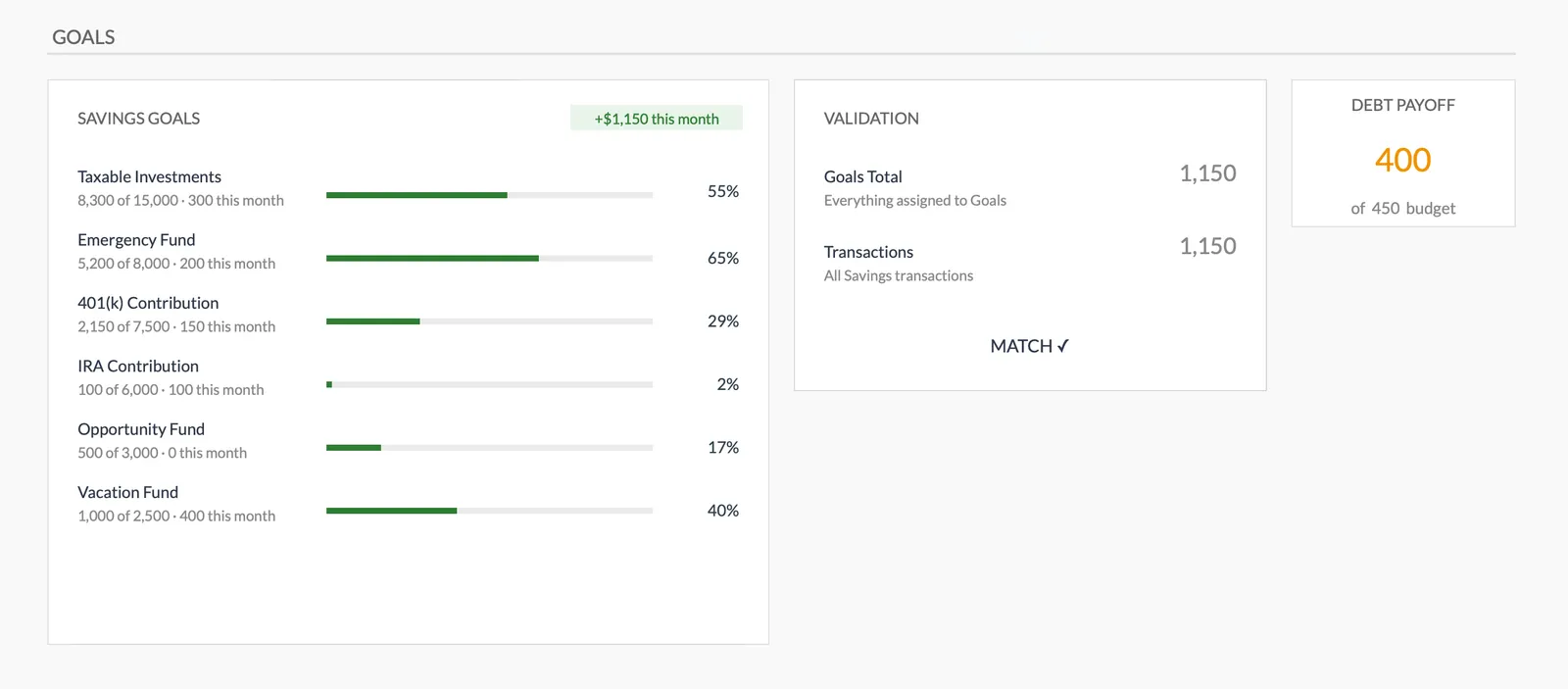
- Savings goal tracking
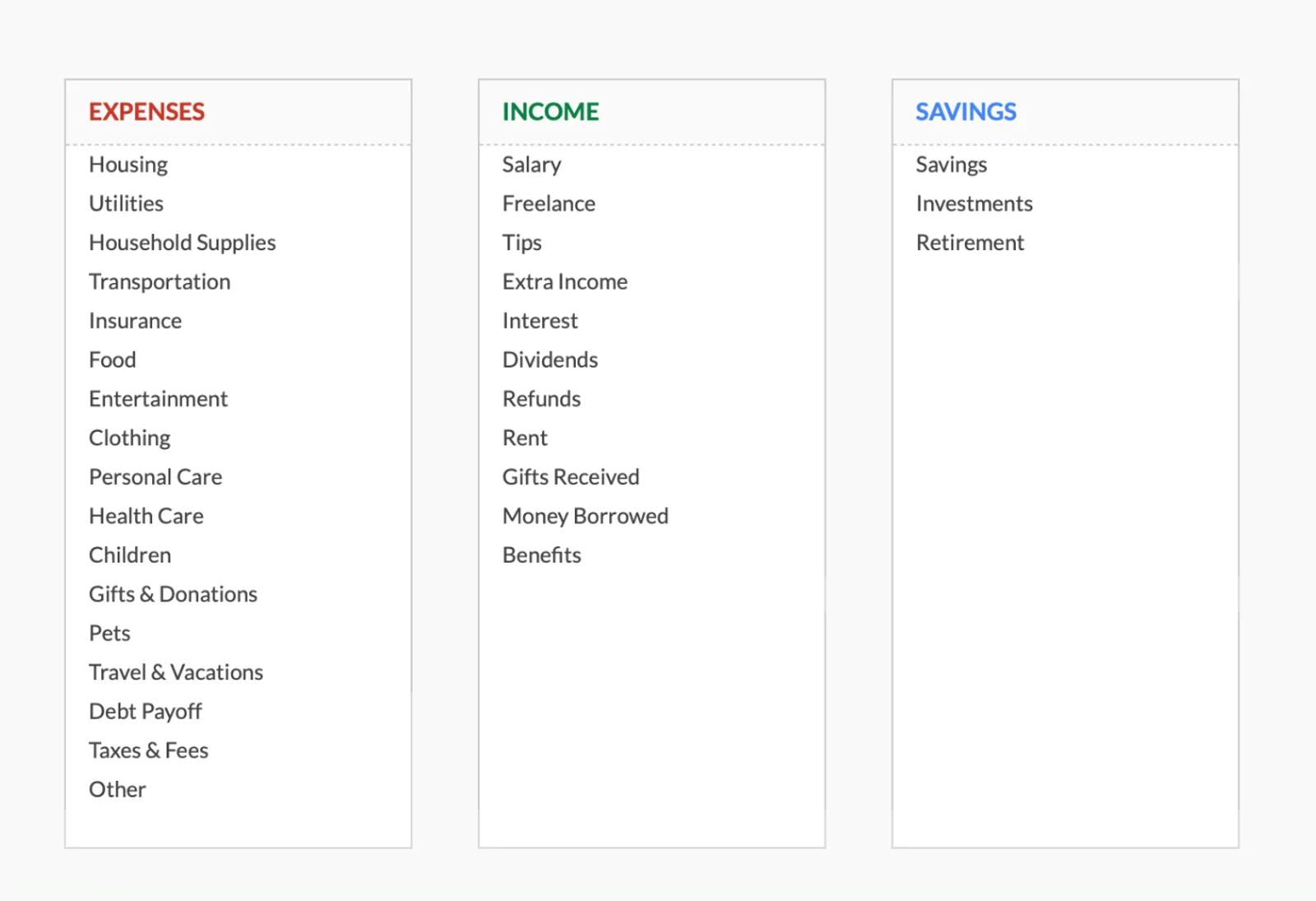
- Fully customizable categories

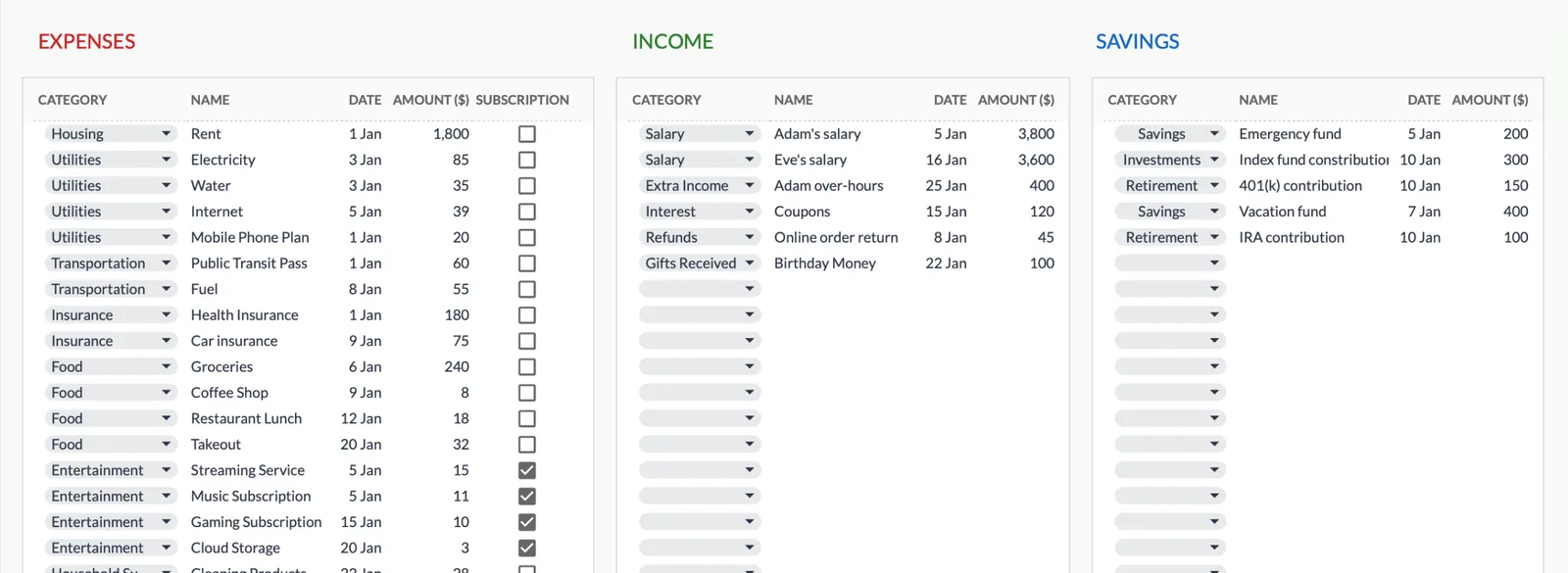
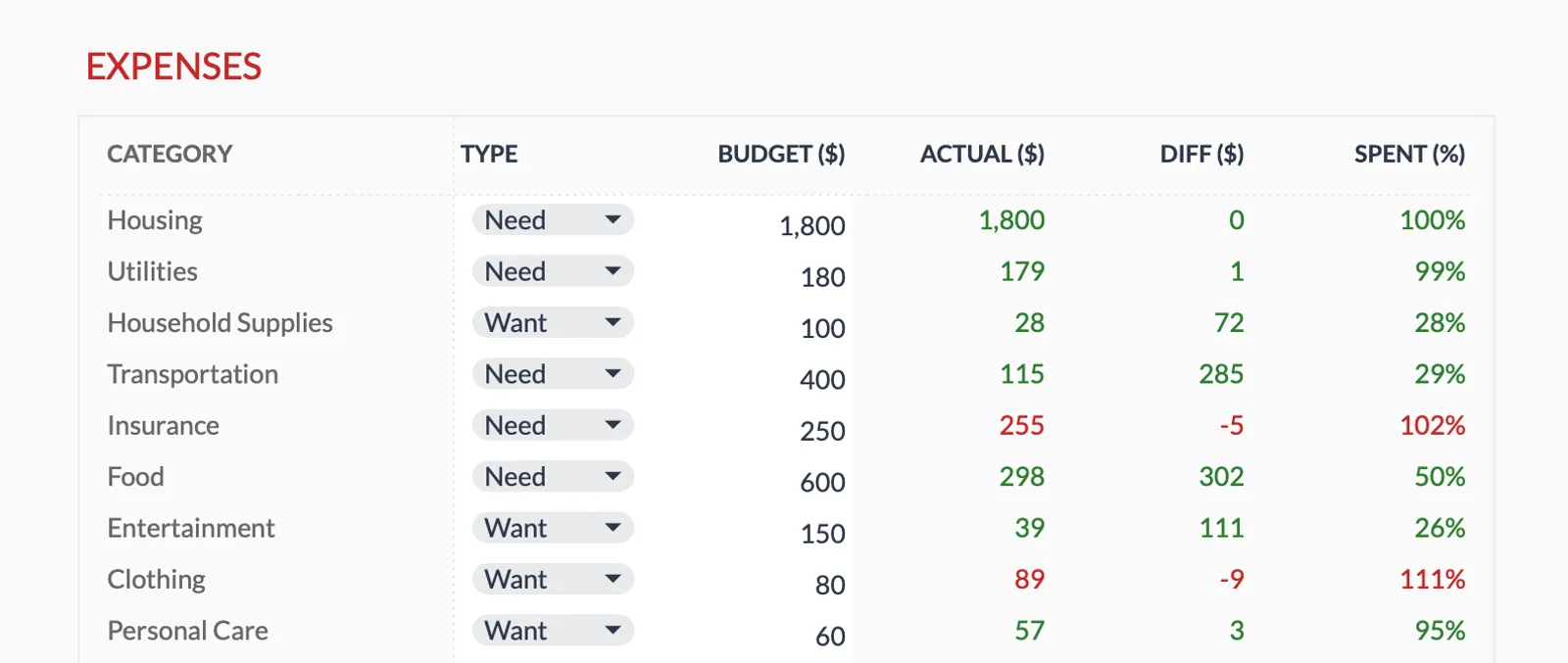
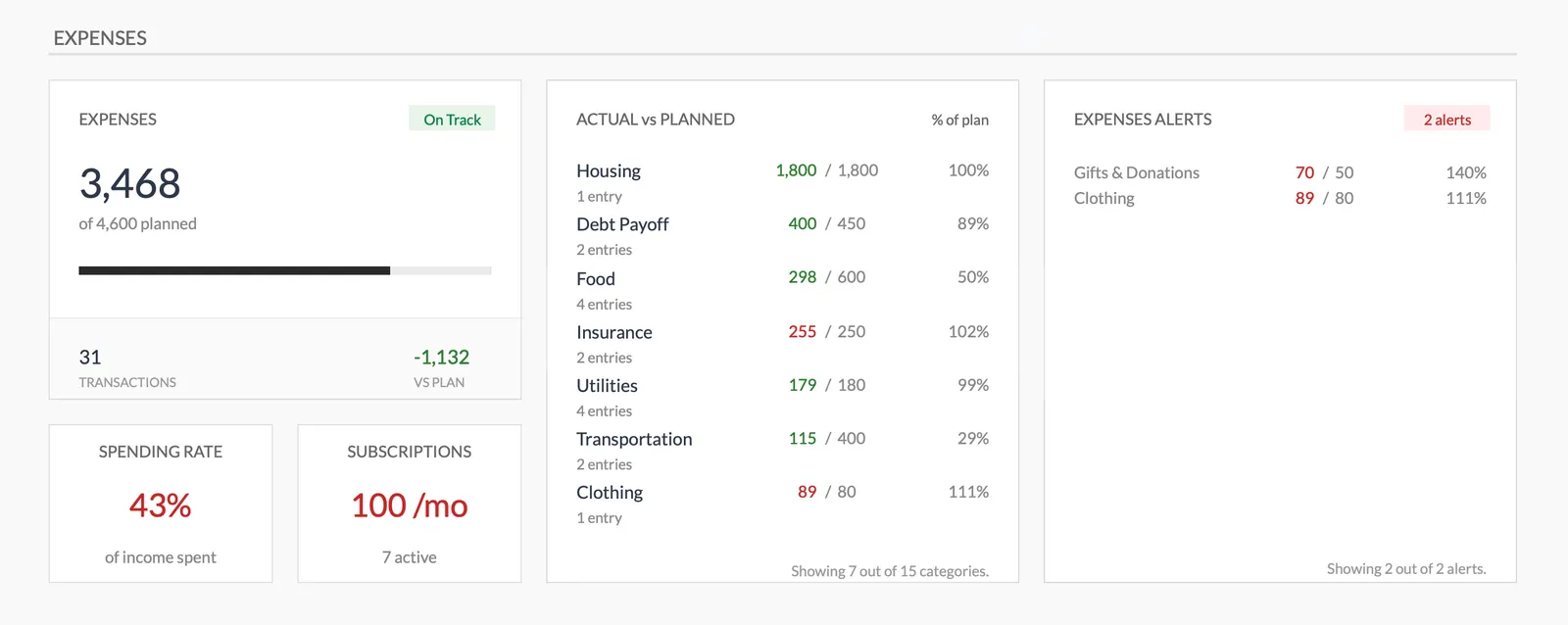
Dashboard with income, expenses, and savings at a glance
Log transactions with automatic categorization
Set targets per category and track actual spending
Visual breakdown of where your money goes
Track savings goals alongside your budget
Monitor progress toward financial goals
Fully customizable expense, income, and savings categories
Common Questions
Pay Yourself First Budgeting - FAQ
How much of my income should go to paying myself first?
Common recommendations range from 10-20% of take-home pay. The right amount depends on income, expenses, and goals. Starting with a smaller percentage and increasing gradually tends to be more sustainable than starting aggressively.
What if my expenses exceed what's left after saving?
This signals that either the savings rate is too aggressive for current income, or expenses need to come down. Adjusting the savings amount temporarily while finding ways to reduce costs is a practical approach.
Where should the "pay yourself" money go?
Priorities vary, but a common sequence: employer retirement match (if available), emergency fund until 3-6 months of expenses are covered, high-interest debt repayment, then additional retirement or investment contributions.
Can I combine pay yourself first with another budgeting method?
Yes - many people save first and then use a method like 50/30/20 or envelopes for the remaining spending. The template supports this kind of hybrid approach.
Can't find the answer you're looking for? Contact our team
Start pay yourself first budgeting today
One-time purchase. No subscription. Your financial data stays in your Google Drive.