Budgeting Method
Cash Stuffing - Digital Version Template for Google Sheets
The TikTok-famous cash envelope method - adapted for digital life. Cash stuffing allocates every dollar to labeled categories, creating tangible spending limits without physical cash.
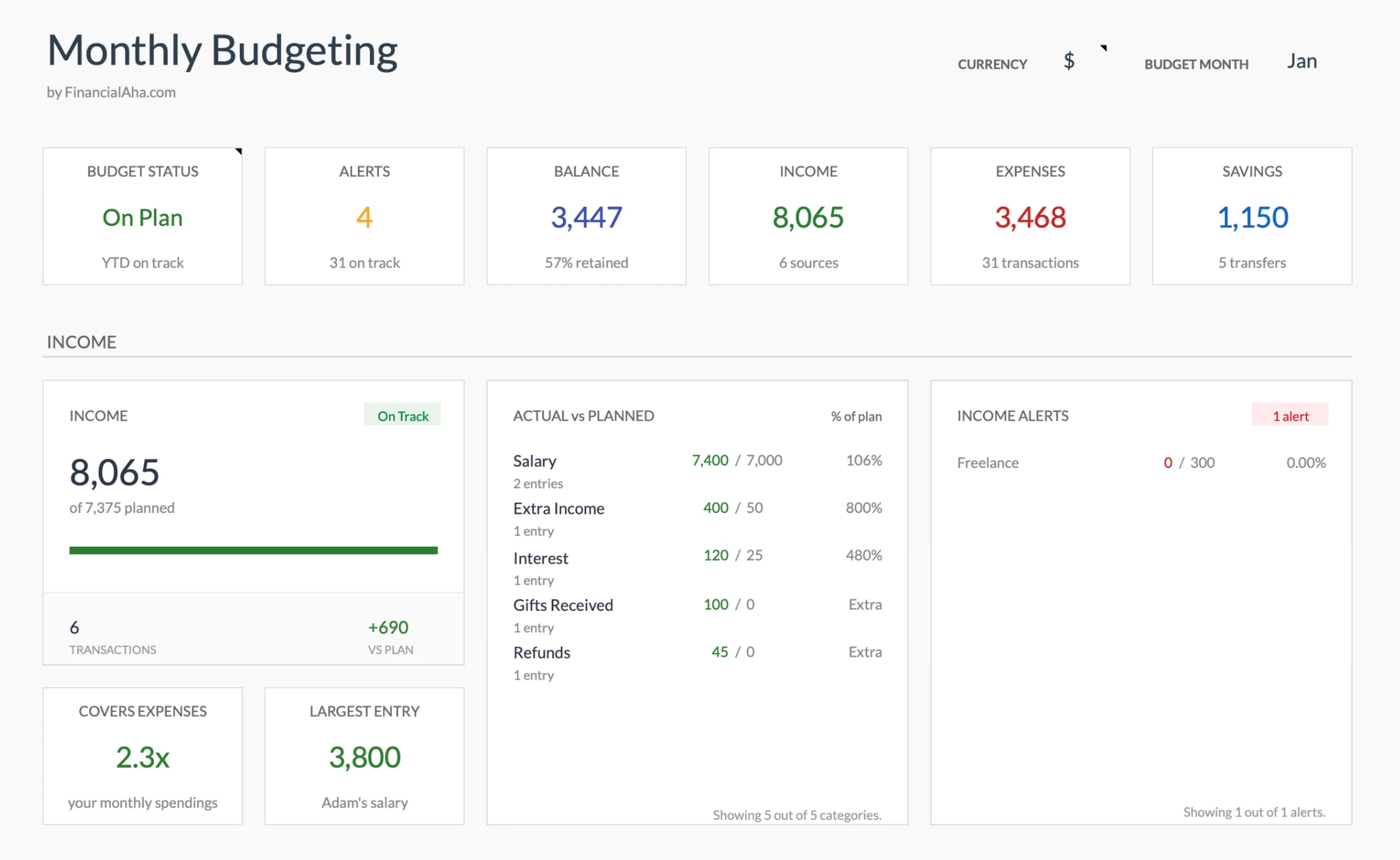
Overview
What Is Cash Stuffing?
Cash stuffing is the physical practice of dividing cash into labeled envelopes for different spending categories. On payday, you withdraw cash and literally "stuff" it into envelopes marked with categories like groceries, gas, dining out, and entertainment. When an envelope is empty, spending in that category stops.
The method went viral on TikTok and YouTube starting around 2020-2021, with creators sharing satisfying videos of organizing cash into binders with labeled pouches. But the underlying concept is decades old - it's the classic envelope budgeting system in a new format.
Digital cash stuffing applies the same principle without physical currency. Instead of paper envelopes, categories in a spreadsheet act as virtual containers. You "stuff" money into each digital category and track spending against those limits. The psychology is the same - pre-allocated money with hard ceilings per category.
For example, from a $3,800 spending budget: Groceries ($500), Dining Out ($200), Gas ($250), Entertainment ($100), Clothing ($100), Personal Care ($75), Household ($100), Gifts ($75), Fun Money ($150). Each category starts "stuffed" at its limit and decreases with every purchase.
The digital version loses the tactile experience of handling cash but gains convenience - no ATM trips, easier for online purchases, and better record-keeping through spreadsheet tracking.
Who it works for
People drawn to the visual, tangible nature of cash envelopes but who make most purchases digitally. Also suits anyone who needs firm spending limits per category and finds that a visual "remaining balance" per category changes spending behavior.
Advantages
- Creates firm, visual spending limits per category
- Satisfying to set up and track - the organizational appeal is real
- Prevents overspending by making limits tangible
- Works for digital transactions unlike physical cash stuffing
- Easy to see exactly where money has gone
Tradeoffs
- Requires tracking every transaction by category
- The psychological impact is weaker without physical cash
- Can feel tedious with many small purchases
- Moving money between categories undermines the structure
Getting Started
How to Set Up Digital Cash Stuffing in Google Sheets
The Monthly Budget Template from FinancialAha works as a digital cash stuffing system. Here's how to set it up:
Create your category envelopes
List every spending category as a digital envelope: groceries, dining out, gas/transportation, entertainment, clothing, personal care, household supplies, gifts, subscriptions, fun money. Be specific - the method works through clear boundaries between categories.
Stuff each envelope with its monthly amount
Assign a dollar amount to each category based on your income and priorities. Enter these as targets in the template. Groceries $500, Dining $200, Gas $200, Entertainment $100, and so on. Every available dollar gets stuffed into a category.
Track every purchase against its envelope
As you spend, log each transaction under the correct category. The template deducts from the category balance automatically. Bought $85 in groceries? The grocery envelope drops from $500 to $415. This running balance is the heart of the method.
Respect envelope limits
When an envelope runs low, adjust spending in that category. If the dining envelope is at $20 with a week left, cook at home. The discipline comes from treating these limits as firm. Avoid moving money between envelopes unless absolutely necessary.
Reset and adjust monthly
At month's start, re-stuff all envelopes. Review the previous month: which envelopes ran out early? Which had surplus? Adjust amounts based on actual patterns. The template's history makes these adjustments data-driven.
Ready to try cash stuffing - digital version budgeting?
Compare Methods
Cash Stuffing vs Other Budgeting Methods
Envelope Budget
Cash stuffing is the physical/viral version of envelope budgeting. The digital adaptation makes them essentially the same method with different names and aesthetics.
Zero-Based Budget
Both assign every dollar. Cash stuffing emphasizes the visual, tactile experience of filling categories. Zero-based is more analytical, focusing on the mathematical balance reaching zero.
50/30/20 Budget
Much simpler with just three broad categories. Cash stuffing uses 10-15+ specific categories for more granular control. Less flexibility but more visibility.
See It In Action
What the template looks like
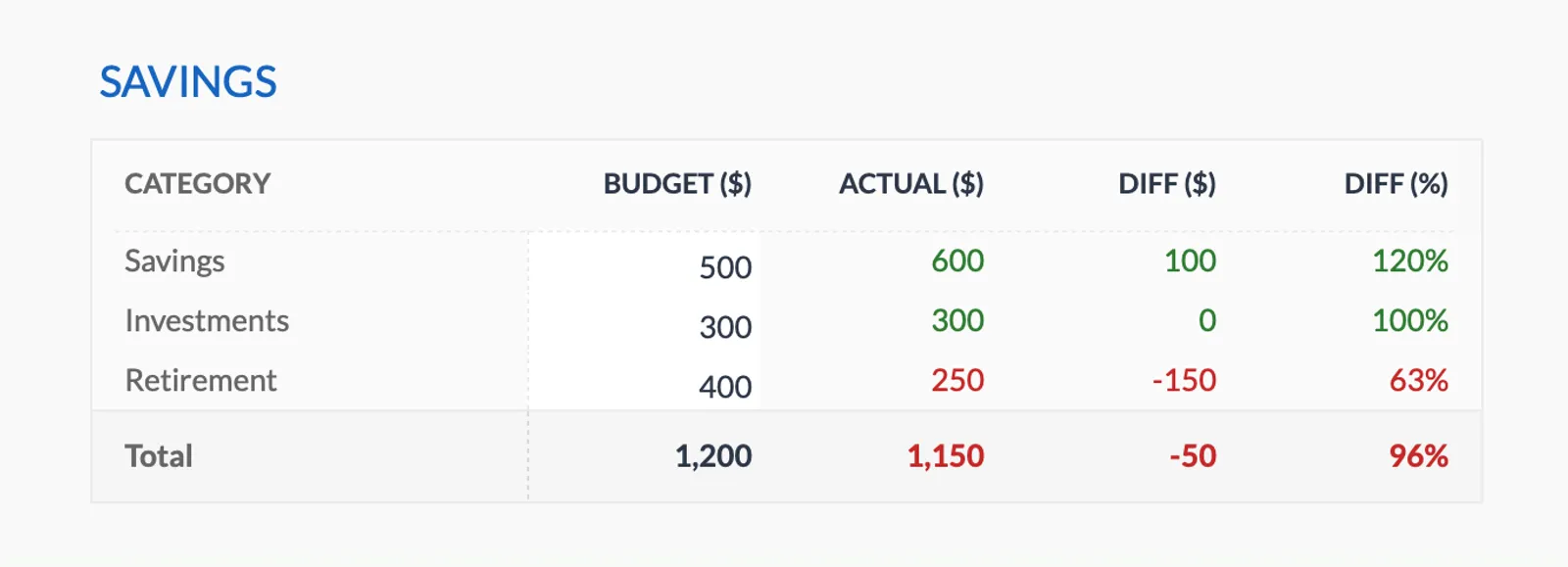
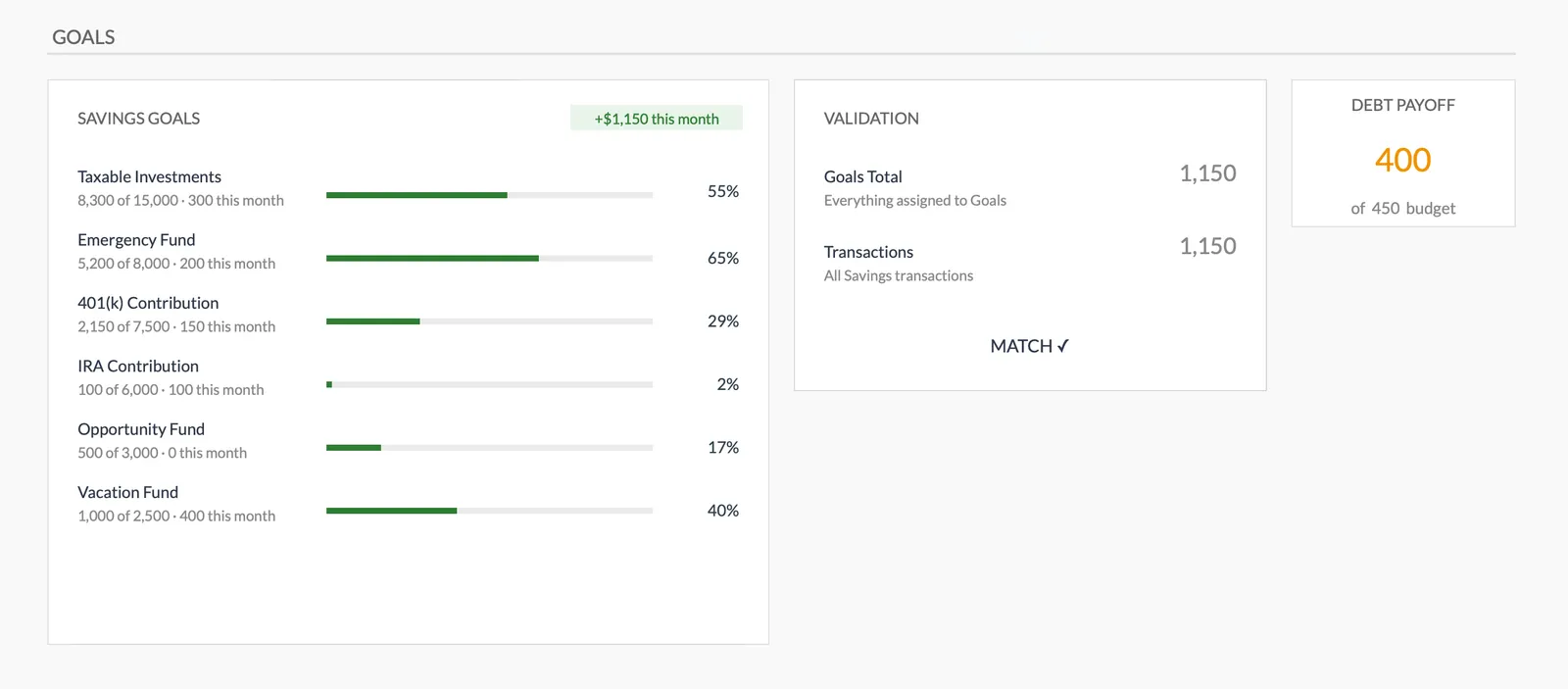
Browse through the template to see how it handles budgeting, expense tracking, savings goals, and spending analysis.
- Dashboard with key metrics
- Budget vs actual comparison
- Savings goal tracking
- Fully customizable categories

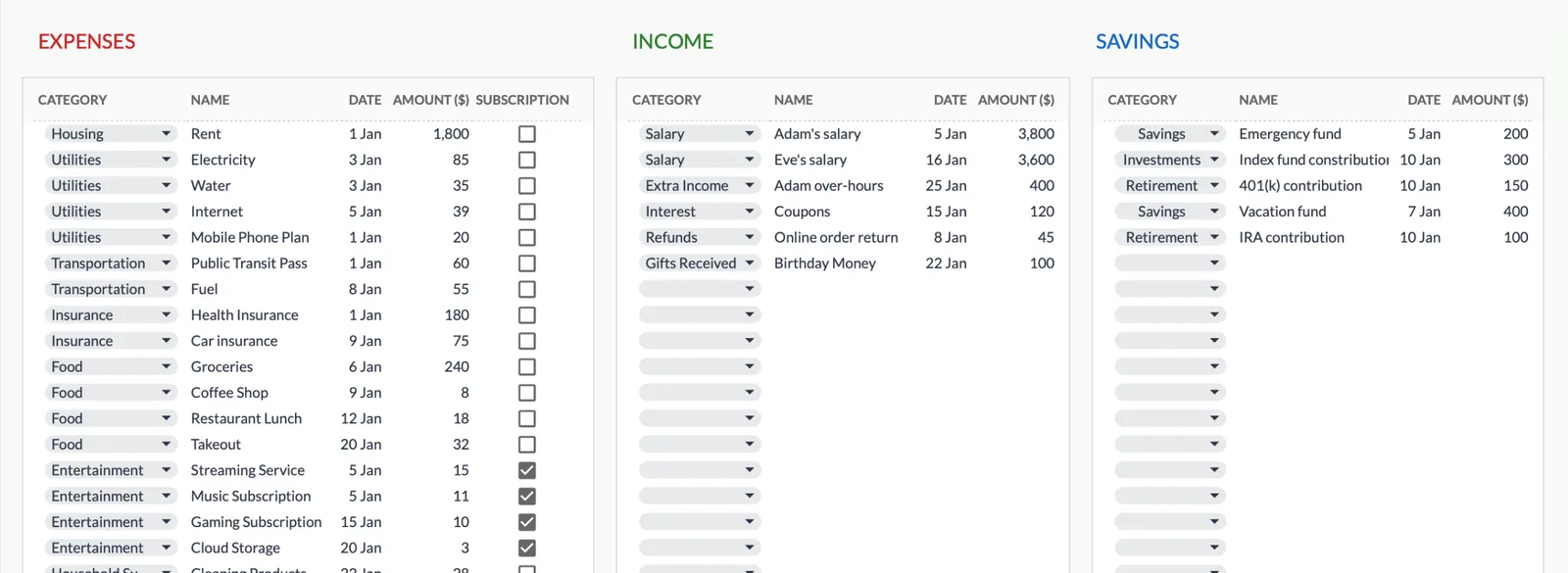
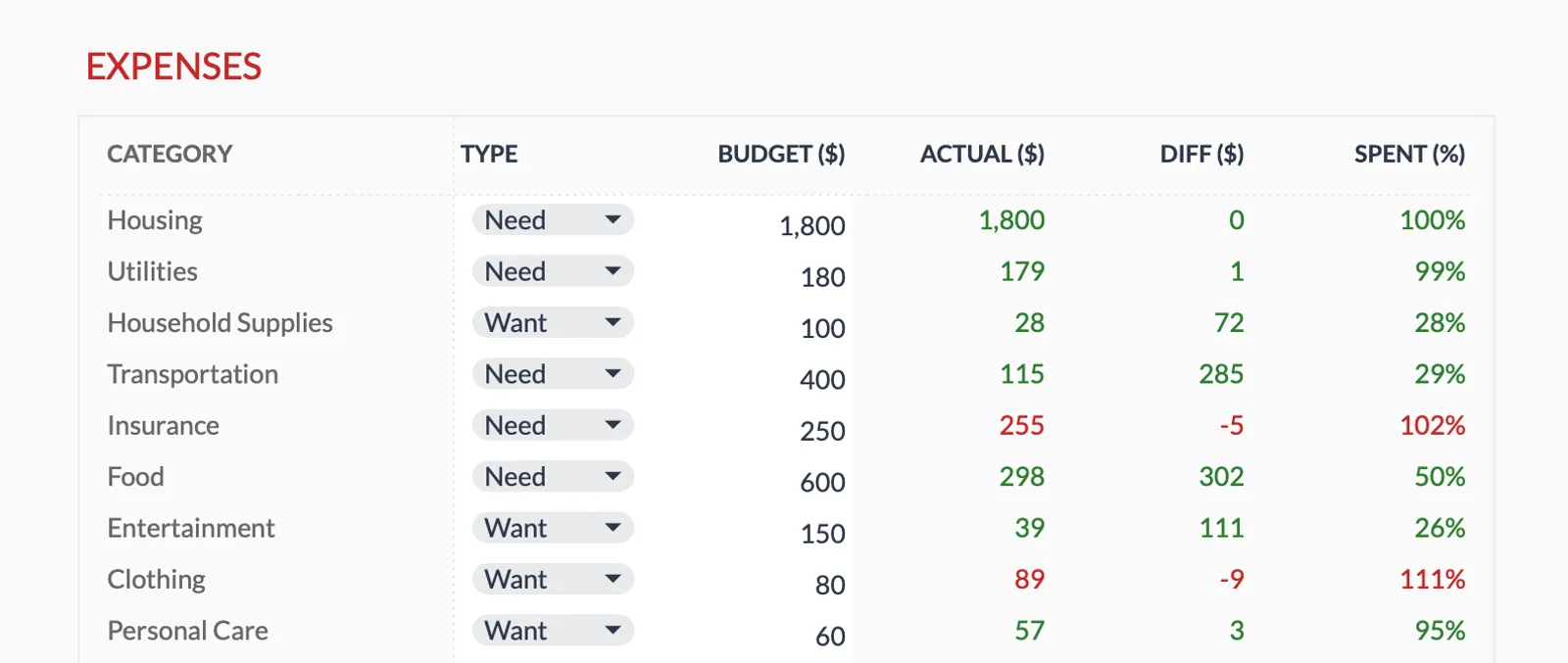
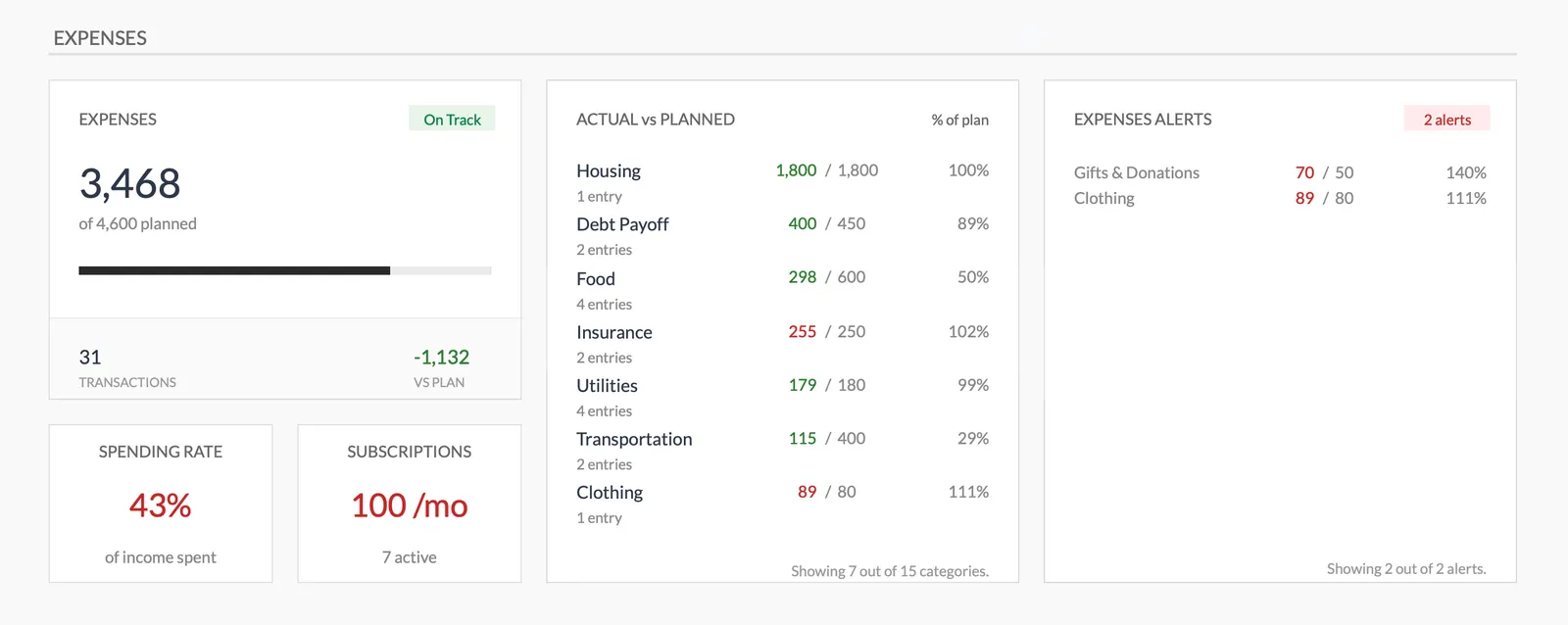
Dashboard with income, expenses, and savings at a glance
Log transactions with automatic categorization
Set targets per category and track actual spending
Visual breakdown of where your money goes
Track savings goals alongside your budget
Monitor progress toward financial goals
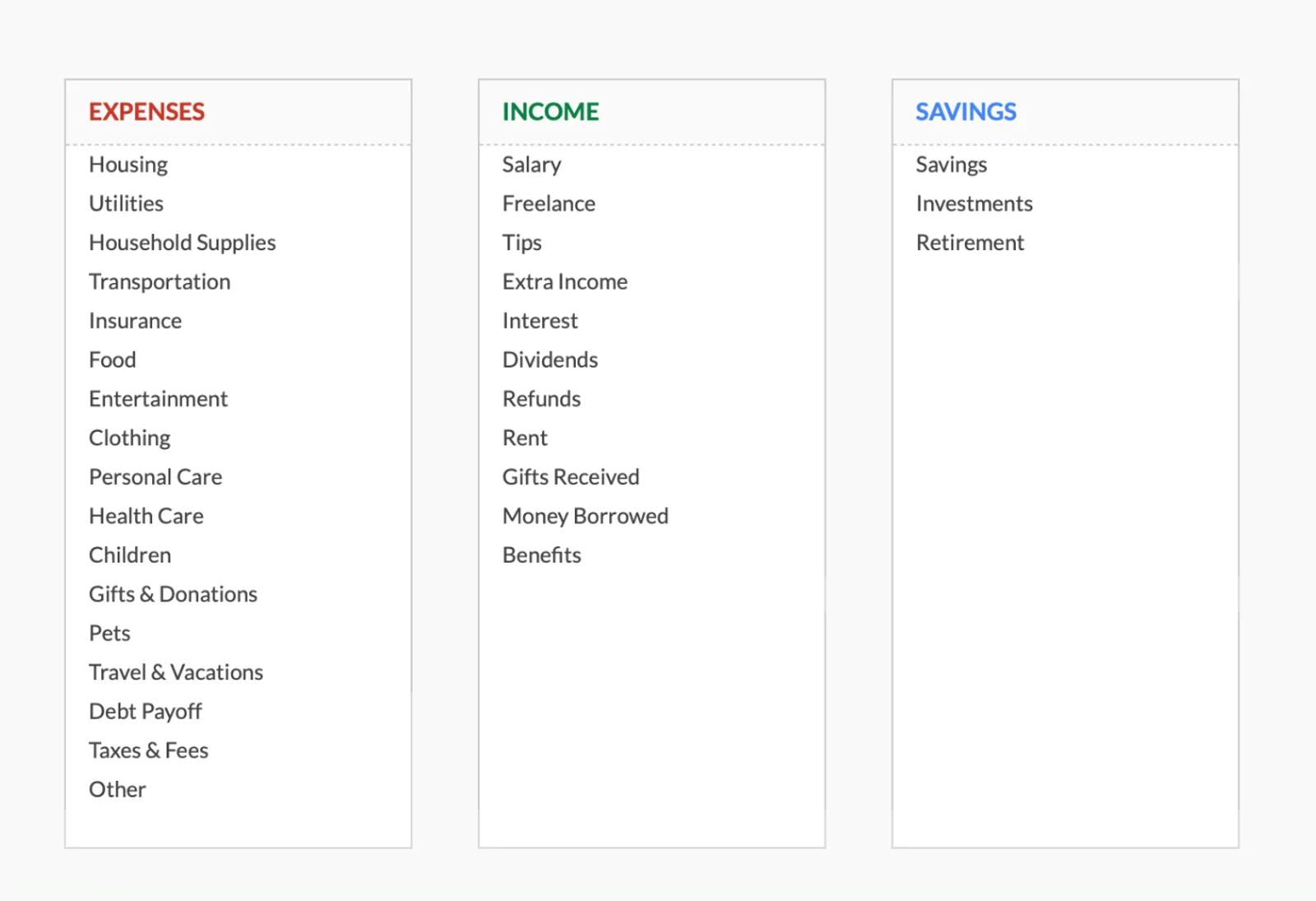
Fully customizable expense, income, and savings categories
Common Questions
Cash Stuffing - Digital Version Budgeting - FAQ
Is digital cash stuffing as effective as using physical cash?
Research suggests physical cash creates a stronger "pain of paying." However, digital cash stuffing has practical advantages: it works for online purchases, provides automatic records, and is more convenient. Effectiveness depends on whether the visual tracking changes your behavior.
How many categories do cash stuffers typically use?
Most people use 10-15 categories. Fewer than 8 and the categories are too broad to enforce meaningful limits. More than 20 and the tracking becomes a chore. Start with major spending areas and add categories if you find a need.
What about the cash stuffing binders and pouches?
Physical cash binders with labeled zippered pouches are popular on social media. They work well for those who prefer tangible tools. The digital version replaces pouches with spreadsheet categories, trading the physical experience for convenience and better tracking.
Can the FinancialAha template replace a cash stuffing binder?
Yes. Each budget category in the template functions as a digital envelope or pouch. Set target amounts (your "stuffing"), track spending against them (your withdrawals), and see remaining balances (what's left in each pouch). It provides the same structure digitally.
Can't find the answer you're looking for? Contact our team
Start cash stuffing - digital version budgeting today
One-time purchase. No subscription. Your financial data stays in your Google Drive.