Budgeting Method
Bare Bones / Survival Budget Template for Google Sheets
A budget for when every dollar counts. The bare bones budget strips spending to absolute essentials - shelter, food, utilities, and transportation - designed for tight financial periods.
Overview
What Is a Bare Bones Budget?
A bare bones budget - sometimes called a survival budget or crisis budget - strips spending to absolute essentials. Only expenses necessary for basic living are included: housing, food, utilities, transportation to work, insurance, and minimum debt payments. Everything else is paused or eliminated.
This isn't a permanent lifestyle choice. It's a temporary strategy used during job loss, income reduction, medical emergencies, or aggressive debt payoff. The goal is to reduce spending to the lowest sustainable level while navigating a difficult period.
A bare bones budget for someone who normally spends $4,500/month might look like: Rent $1,200, groceries $300, utilities $150, car insurance $100, gas $80, phone $40, minimum debt payments $250 - totaling about $2,120. That's less than half of normal spending.
Creating this budget even during stable times is useful. Knowing the minimum amount needed to cover essentials provides a clear target for an emergency fund and reduces financial anxiety. It answers the question: "What's the least I can live on if I have to?"
Who it works for
Anyone experiencing a temporary financial crunch - job loss, reduced hours, unexpected large expenses, or aggressive debt payoff. Also useful as an exercise to understand true minimum living costs.
Advantages
- Maximizes available cash during financial emergencies
- Provides clarity on true minimum living costs
- Helps build a right-sized emergency fund
- Eliminates spending decisions - the list is short and clear
- Can accelerate debt payoff when used temporarily
Tradeoffs
- Not sustainable long-term without impacting quality of life
- Can create stress and feelings of deprivation
- Doesn't account for occasional necessary expenses (car repair, medical)
- Social spending disappears, which can affect relationships
Getting Started
How to Set Up a Bare Bones Budget in Google Sheets
The Monthly Budget Template from FinancialAha can be configured for bare bones budgeting. Here's how:
List only essential expenses
Include housing, basic groceries, utilities, minimum debt payments, essential transportation, and required insurance. For each category, use the minimum realistic amount. This is not the time for organic produce or premium subscriptions.
Pause all non-essential spending
Temporarily set targets of $0 for dining out, entertainment, subscriptions, clothing, and hobbies. Cancel or pause any subscriptions that aren't essential. The template makes it easy to see which categories are active.
Calculate your survival number
Total your essential expenses. This is the minimum monthly income needed to get by. Compare it to available income or savings to understand how long current resources can last.
Direct all surplus to your priority
Any income above the bare minimum goes to the immediate priority: rebuilding emergency savings, paying off urgent debt, or bridging until income stabilizes. Having a clear priority for surplus helps maintain focus.
Set a timeline and exit criteria
Bare bones budgeting works well as a temporary measure. Set a target duration or exit criteria: "until I have $3,000 in emergency savings" or "until the new job starts." The template tracks progress toward the goal.
Ready to try bare bones / survival budget budgeting?
Compare Methods
Bare Bones Budget vs Other Budgeting Methods
Zero-Based Budget
Zero-based assigns every dollar a purpose during normal times. A bare bones budget is essentially a crisis version where most categories are zeroed out and the focus is survival.
50/30/20 Budget
The 50/30/20 method is designed for stable income with room for wants and savings. A bare bones budget eliminates the wants category entirely and minimizes needs.
Sinking Funds
Sinking funds plan for future expenses during stable periods. During a bare bones phase, sinking fund contributions typically pause - but having them set up makes the transition back to normal budgeting smoother.
See It In Action
What the template looks like
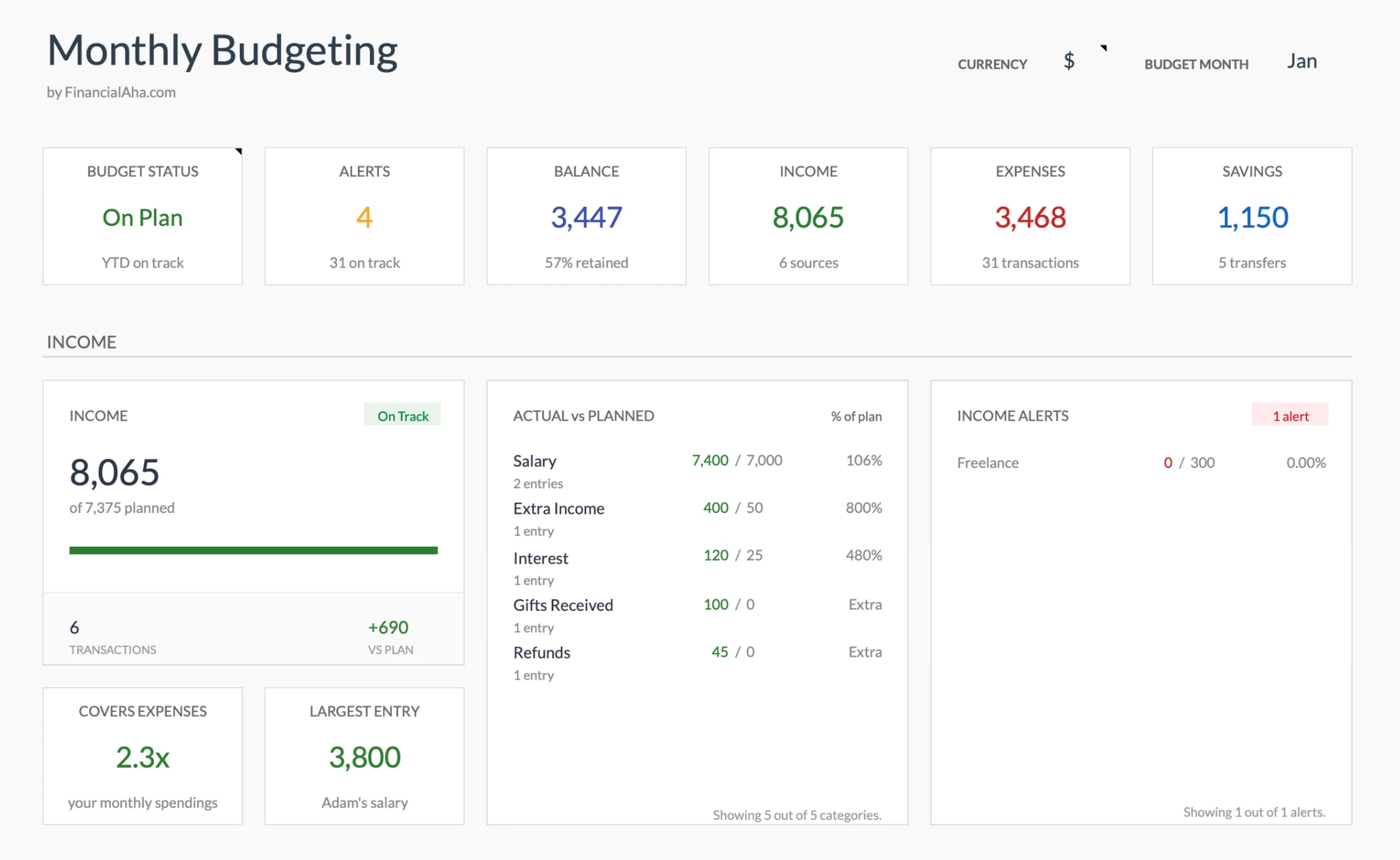
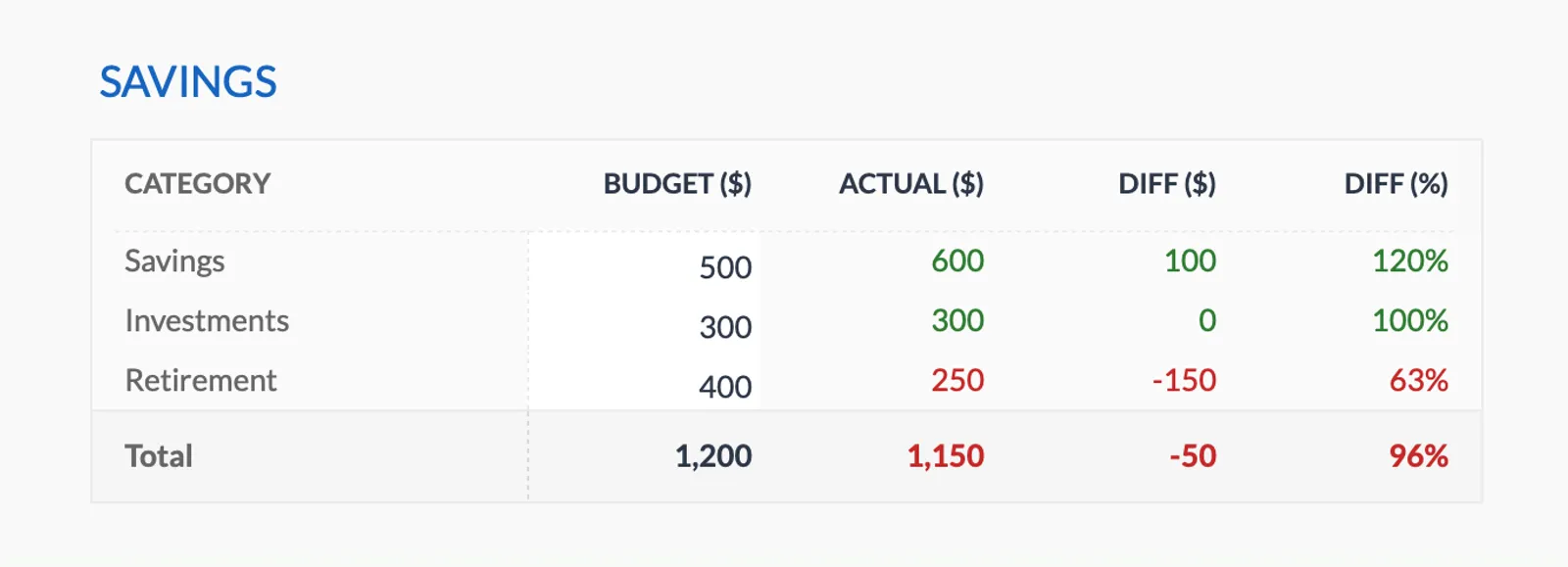
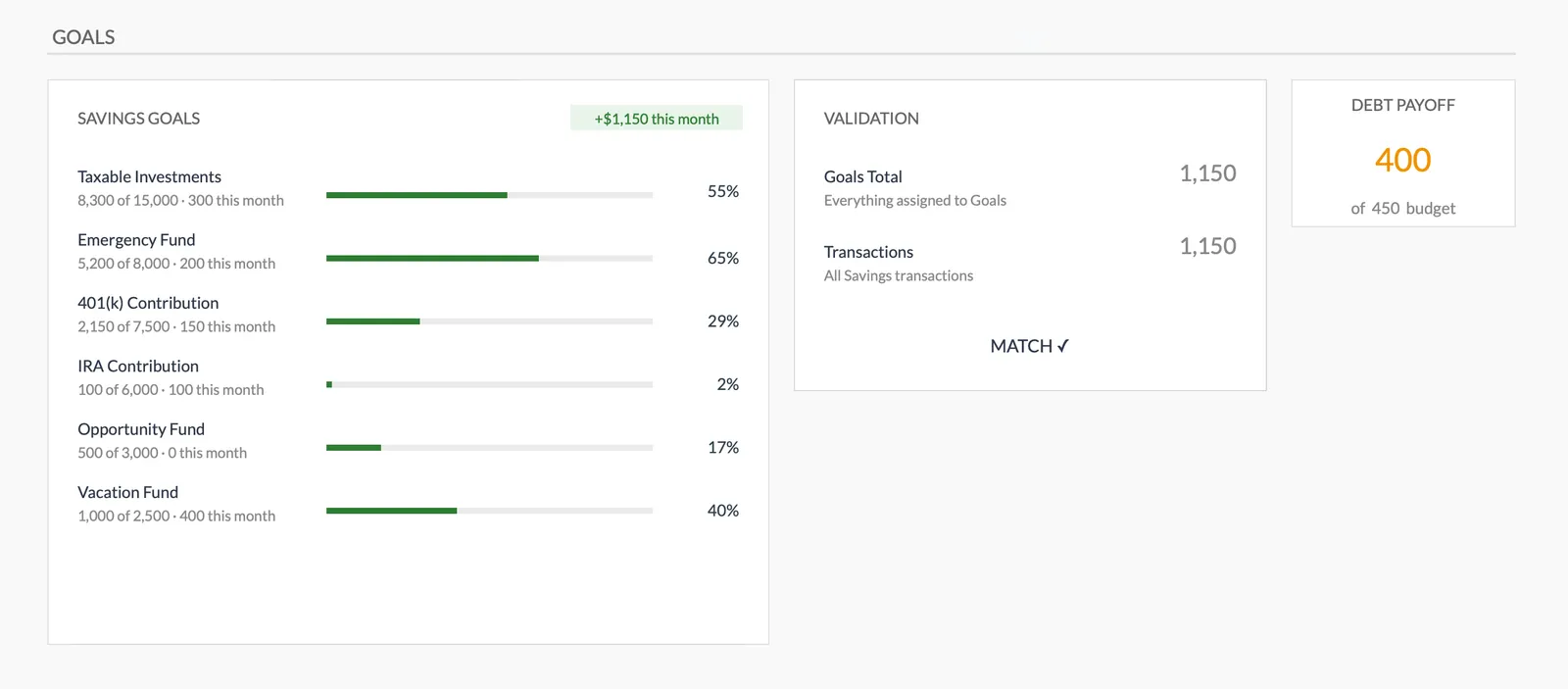
Browse through the template to see how it handles budgeting, expense tracking, savings goals, and spending analysis.
- Dashboard with key metrics
- Budget vs actual comparison
- Savings goal tracking
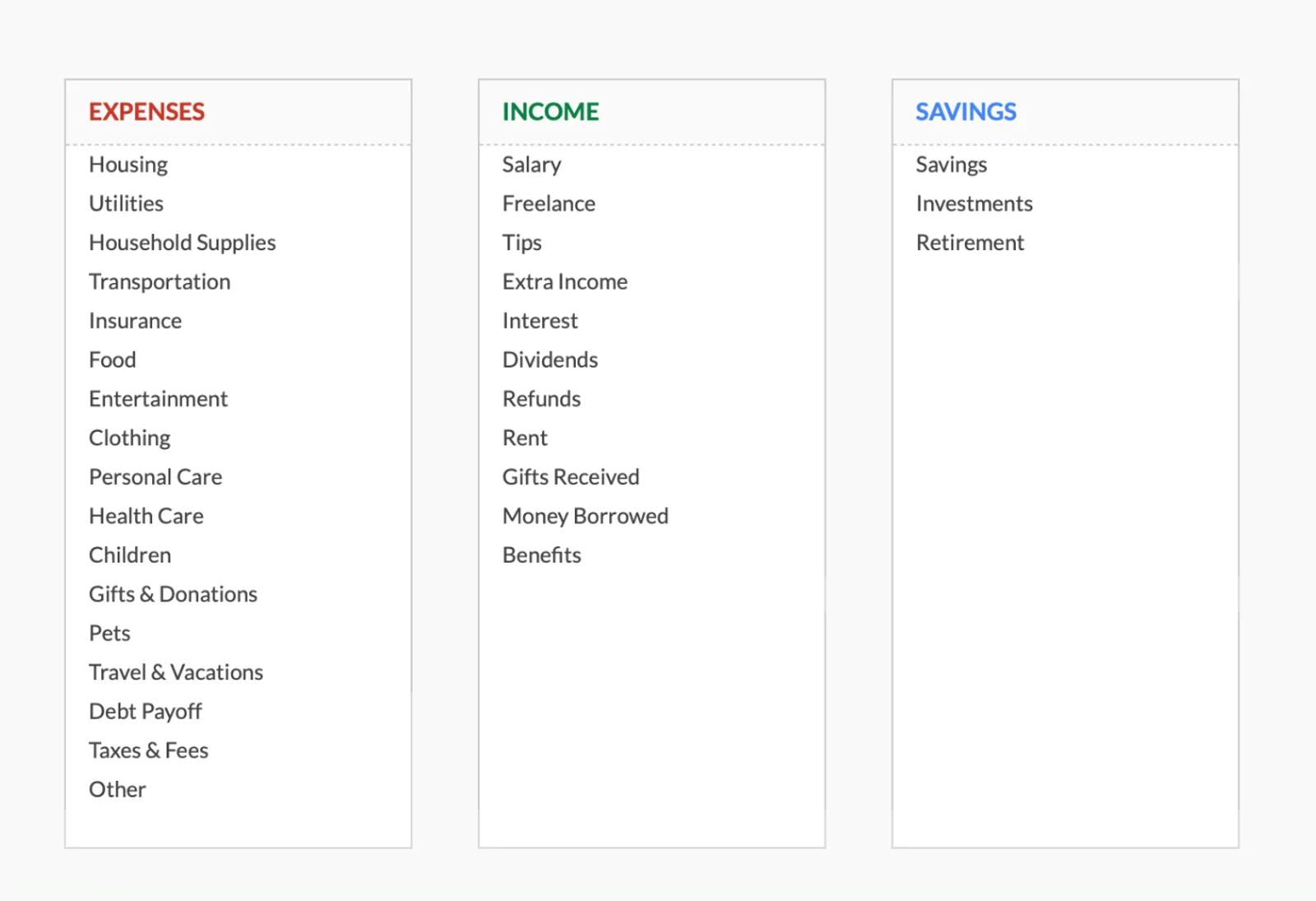
- Fully customizable categories

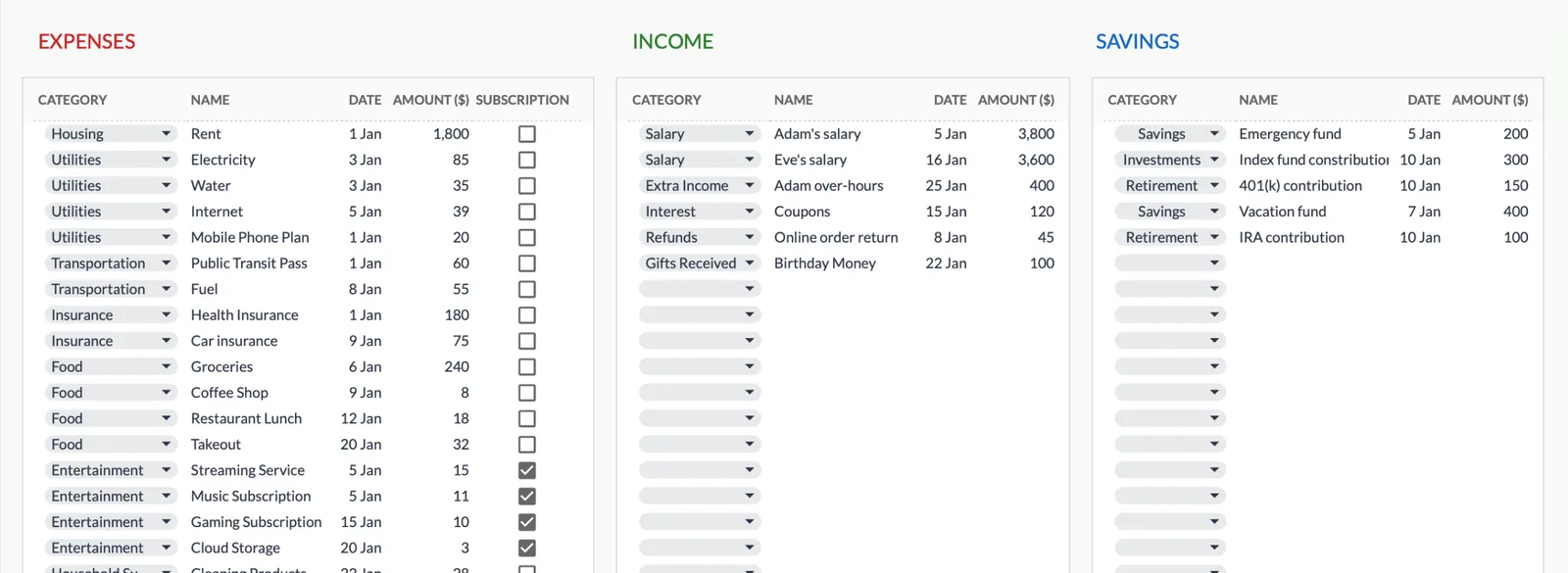
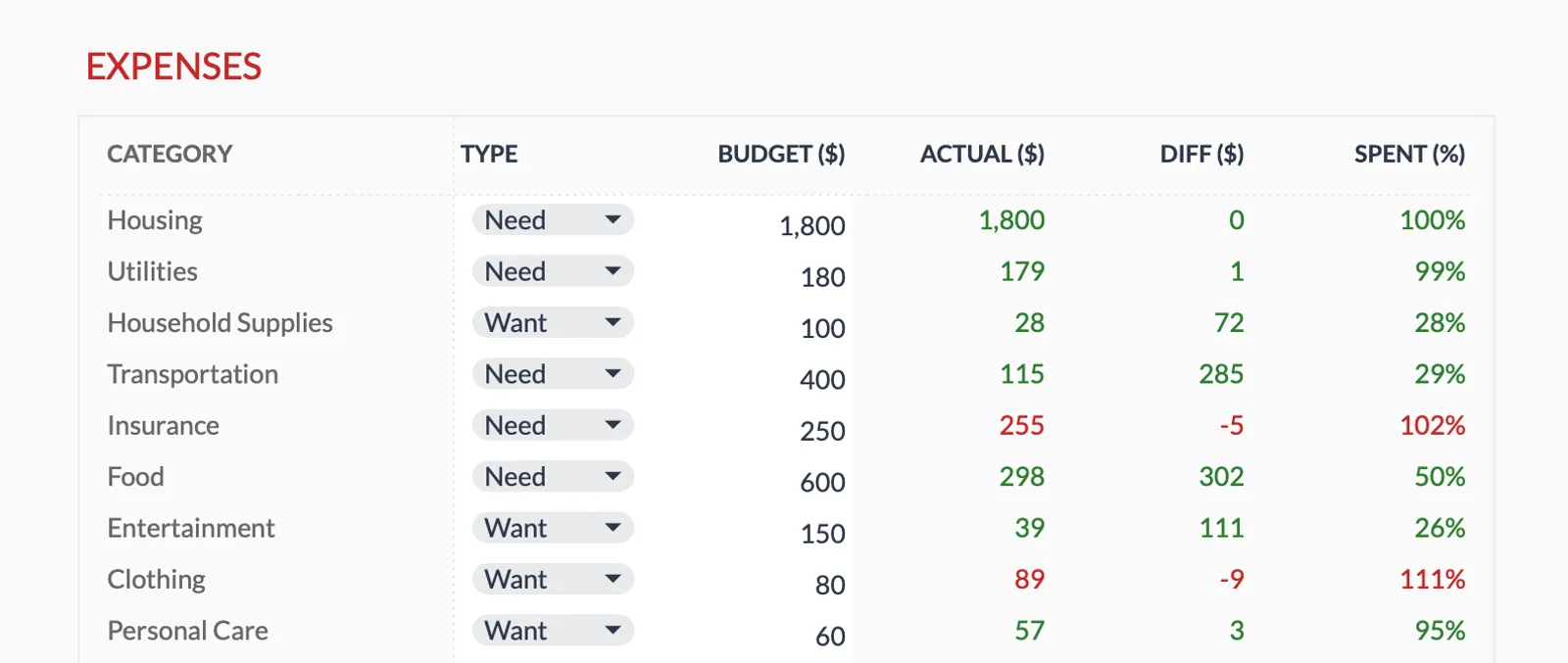
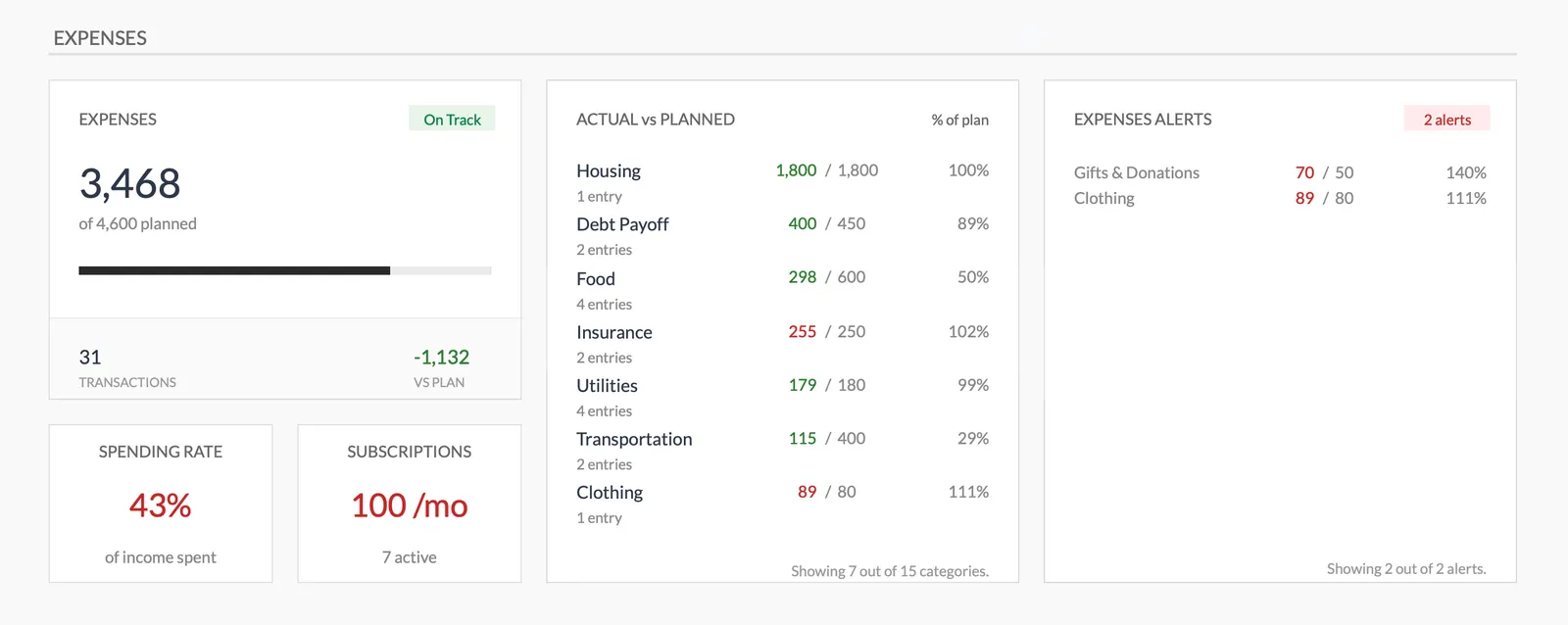
Dashboard with income, expenses, and savings at a glance
Log transactions with automatic categorization
Set targets per category and track actual spending
Visual breakdown of where your money goes
Track savings goals alongside your budget
Monitor progress toward financial goals
Fully customizable expense, income, and savings categories
Common Questions
Bare Bones / Survival Budget Budgeting - FAQ
How long is it realistic to maintain a bare bones budget?
Most people find it sustainable for 1-6 months depending on circumstances. Beyond that, the restrictions can lead to burnout or reactive overspending. It works well as a sprint, not a marathon.
What counts as "essential" in a bare bones budget?
If not paying it would result in losing housing, going hungry, losing a job, or legal consequences - it's essential. Rent, basic food, utilities, transportation to work, minimum debt payments, and required insurance. Everything else is negotiable.
How much emergency fund do I need based on my bare bones budget?
The bare bones total is useful for sizing an emergency fund. Multiplying it by 3-6 gives a range. If bare bones expenses are $2,000/month, an emergency fund of $6,000-$12,000 would cover 3-6 months of essentials.
Can I do a bare bones budget just as an exercise?
Yes - and it's a valuable exercise. Creating a bare bones budget without actually implementing it reveals true minimum costs, helps size an emergency fund, and provides a ready-made plan if a financial emergency occurs.
Can't find the answer you're looking for? Contact our team
Start bare bones / survival budget budgeting today
One-time purchase. No subscription. Your financial data stays in your Google Drive.