Budget Guide
How to Budget for a Household
The typical US household spends around $6,000-$7,000 per month across housing, food, transportation, healthcare, and utilities. A household budget that categorizes all of this spending - and compares it month over month - reveals patterns that ad-hoc tracking never catches.
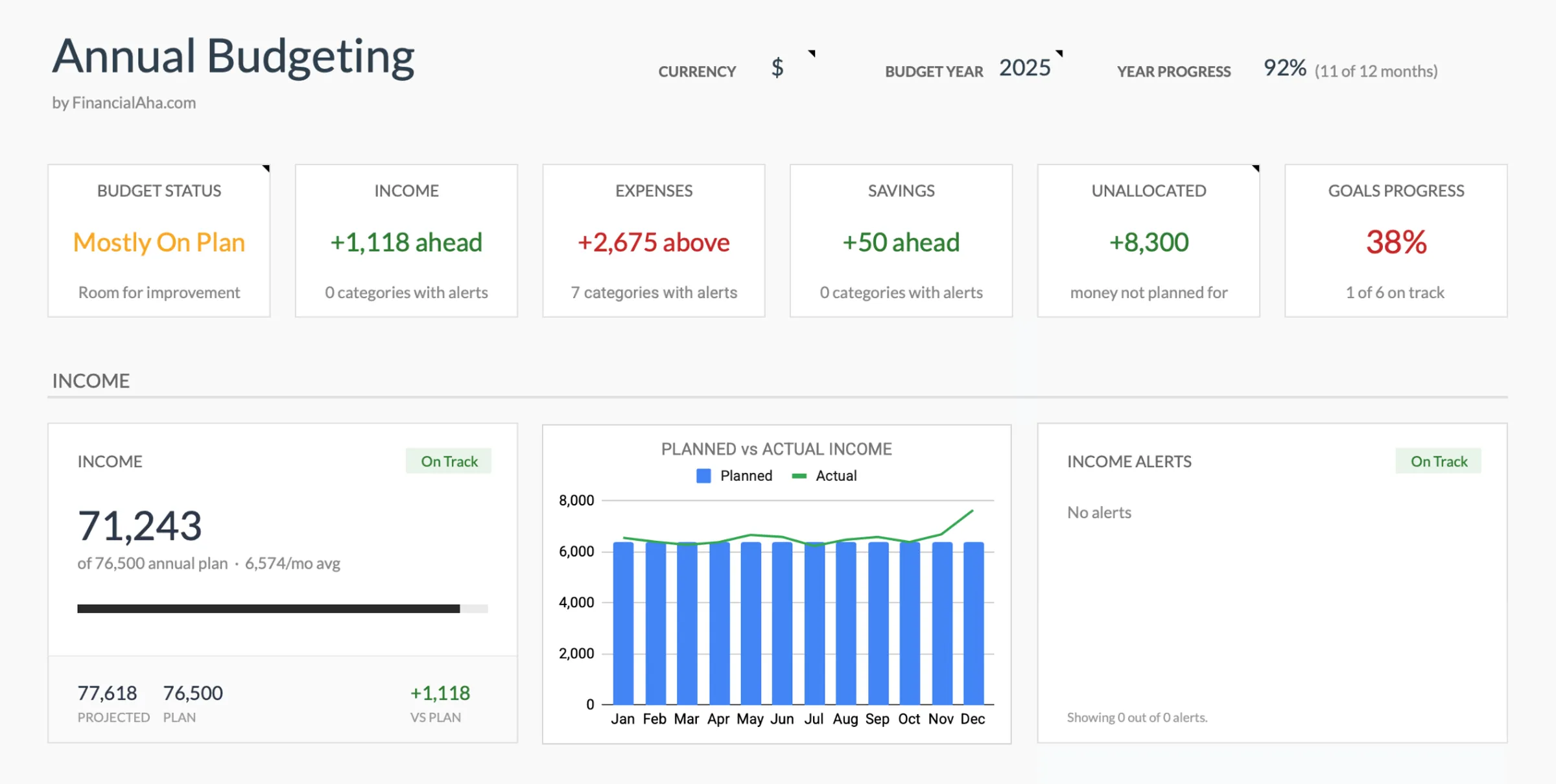
In Depth
The Household Budget as a Living Document
A household budget is not a one-time exercise - it is a living document that evolves as circumstances change. The budget that worked when two people shared a small apartment looks very different after a child arrives, or after a move to a larger home, or when one partner changes careers. The value of a budgeting system is not in creating the initial plan but in the ongoing process of tracking, reviewing, and adjusting as life shifts around the numbers.
Seasonal variation is one of the most commonly overlooked aspects of household budgeting. Heating costs that spike in winter, air conditioning in summer, holiday spending in December, back-to-school costs in August - these predictable fluctuations make any single month an unreliable indicator of annual spending. An annual planning view that accounts for seasonal patterns produces more realistic expectations and reduces the frustration of months that consistently exceed the monthly average.
For households with multiple income earners, the question of how to structure shared finances is as much a relationship question as a financial one. Some couples pool everything, others split expenses proportionally by income, and others maintain fully separate finances with agreed-upon contributions to shared costs. None of these approaches is universally superior. What matters is that both partners understand and agree on the system, and that a shared tracking tool provides transparency regardless of the chosen structure.
Cost Breakdown
Typical Household Budget Categories
Household costs vary by family size, location, and lifestyle. These categories and typical allocations provide a framework for building a complete household budget.
Housing (Mortgage/Rent)
25-35% of take-home payIncludes property taxes, insurance, and maintenance for homeowners
Transportation
10-15% of take-home payCar payments, insurance, fuel, maintenance, or public transit costs
Groceries & Household Supplies
10-15% of take-home payVaries significantly by family size and dietary preferences
Utilities & Services
5-10% of take-home payElectric, gas, water, internet, phone, and streaming services
Insurance & Healthcare
5-10% of take-home payHealth, dental, vision premiums plus out-of-pocket costs
Savings & Debt Payments
15-20% of take-home payEmergency fund, retirement, college savings, and debt above minimums
Budgeting Steps
Steps to Build a Household Budget
Track current spending for one month
Before creating a budget, recording where money actually goes for one full month provides a baseline. Most households discover spending in categories they were not aware of - subscriptions, convenience purchases, and small daily expenses add up.
Identify fixed vs. variable expenses
Fixed expenses (mortgage, insurance, subscriptions) are predictable and easier to plan for. Variable expenses (groceries, utilities, entertainment) fluctuate month to month. Knowing which is which helps set realistic budget targets and identify where adjustments are possible.
Set category budgets together
For households with multiple adults, creating the budget collaboratively ensures everyone understands and agrees to the plan. Disagreements about spending priorities are better resolved during the planning phase than after money is spent.
Review the budget monthly
A monthly review of actual spending vs. budget reveals patterns over time. Some months have predictable overages (back-to-school, holidays) while others run under budget. These reviews take 15-30 minutes and keep the budget realistic and useful.
Adjust for seasonal variations
Utility bills change with seasons, holiday spending peaks in certain months, and activities vary throughout the year. An annual view that accounts for these patterns prevents monthly budgets from feeling inaccurate during high-spending periods.
See The Template
Tools for household budgeting
Browse the template features that help with household financial planning.
- Automatic calculations
- Visual charts and summaries
- Customizable categories
- Works in Google Sheets and Excel
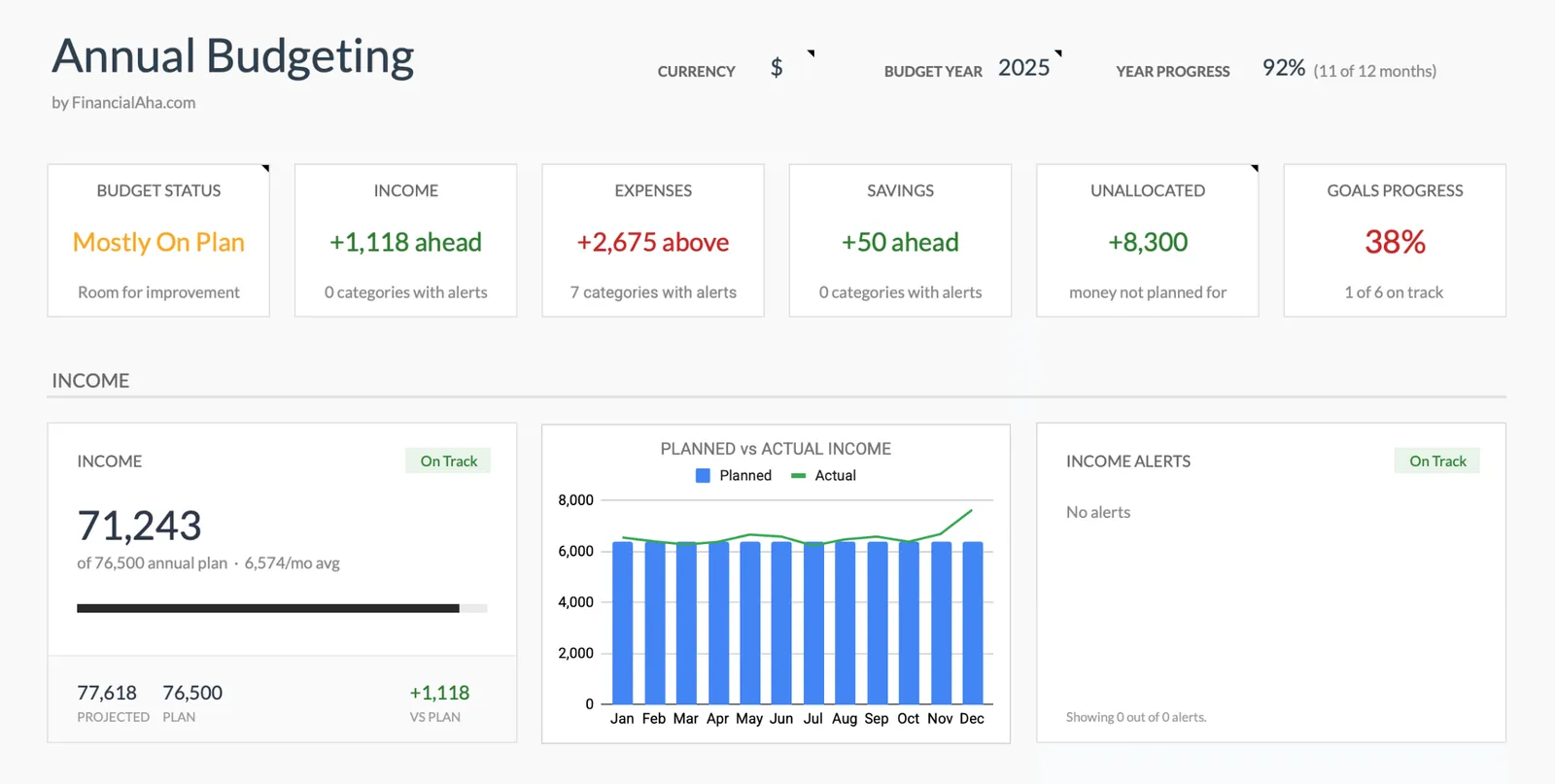
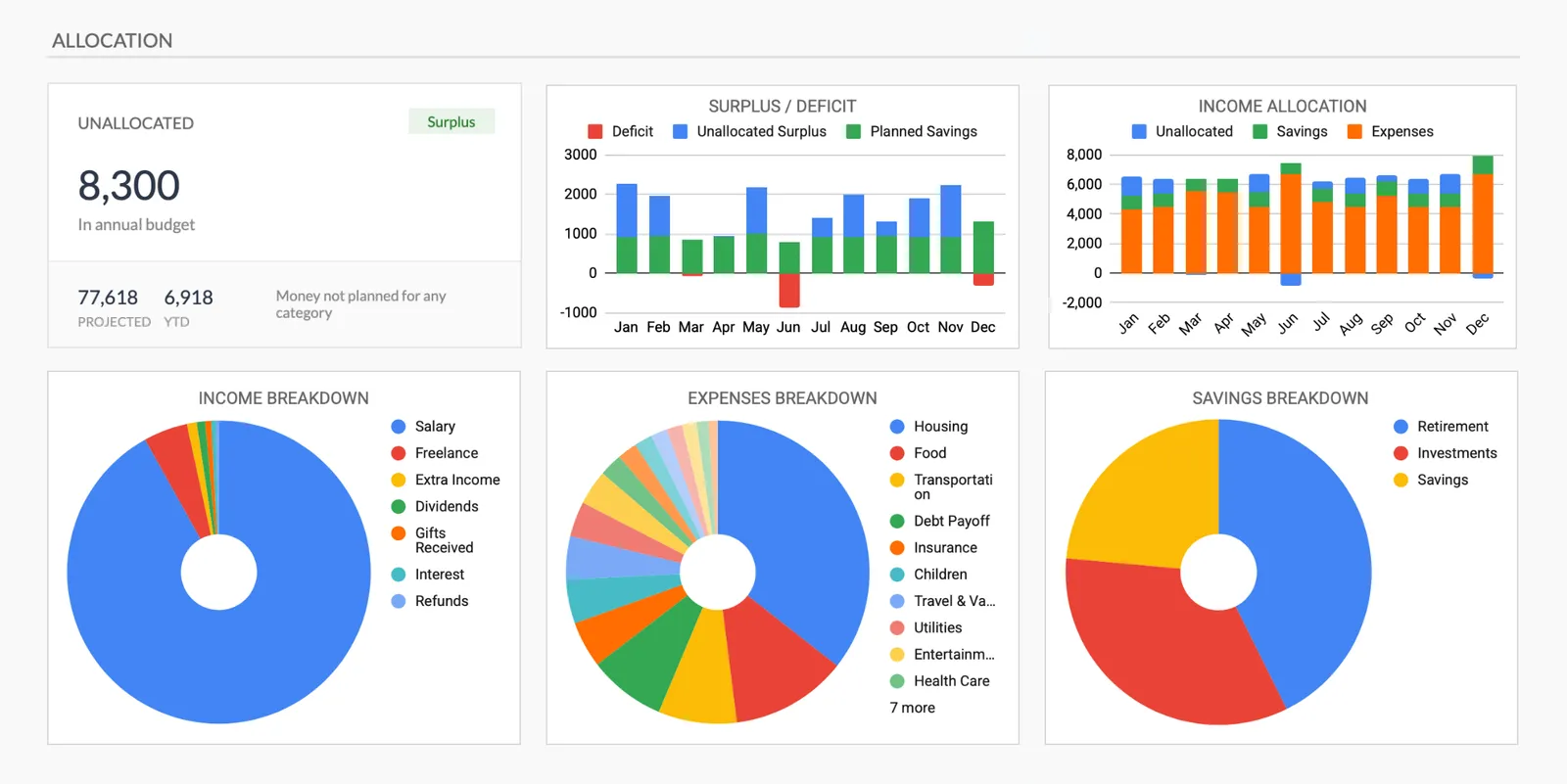

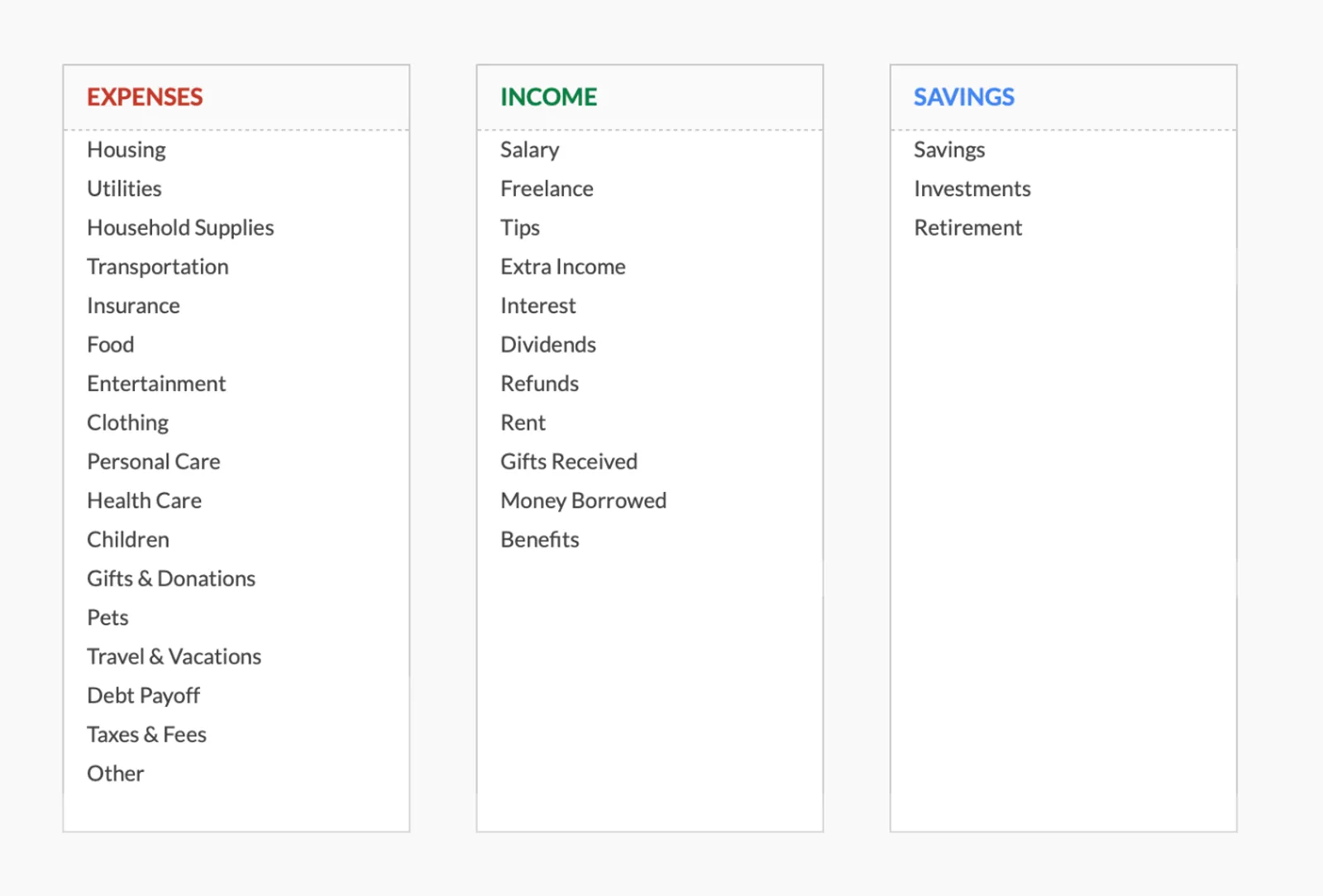
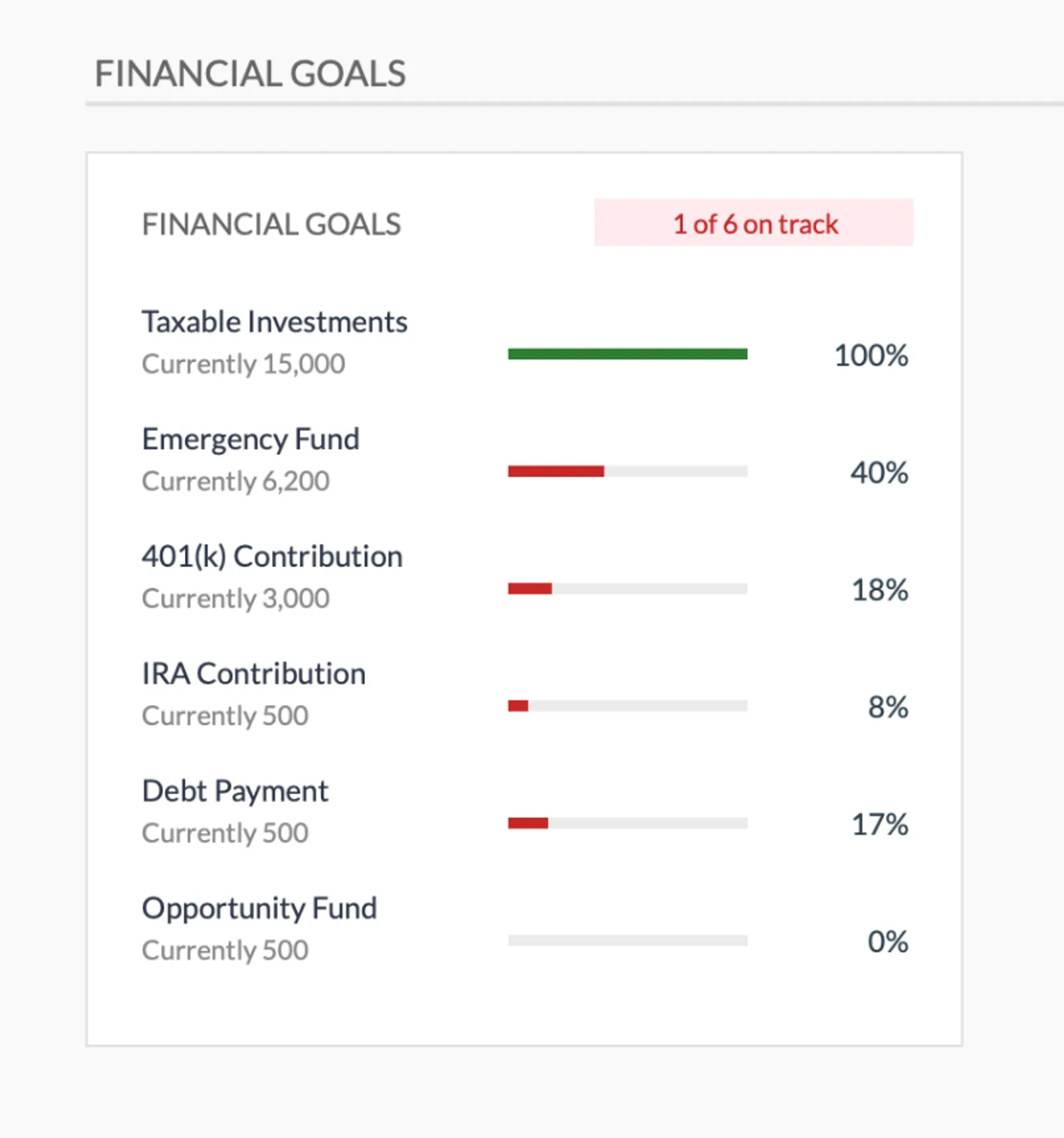
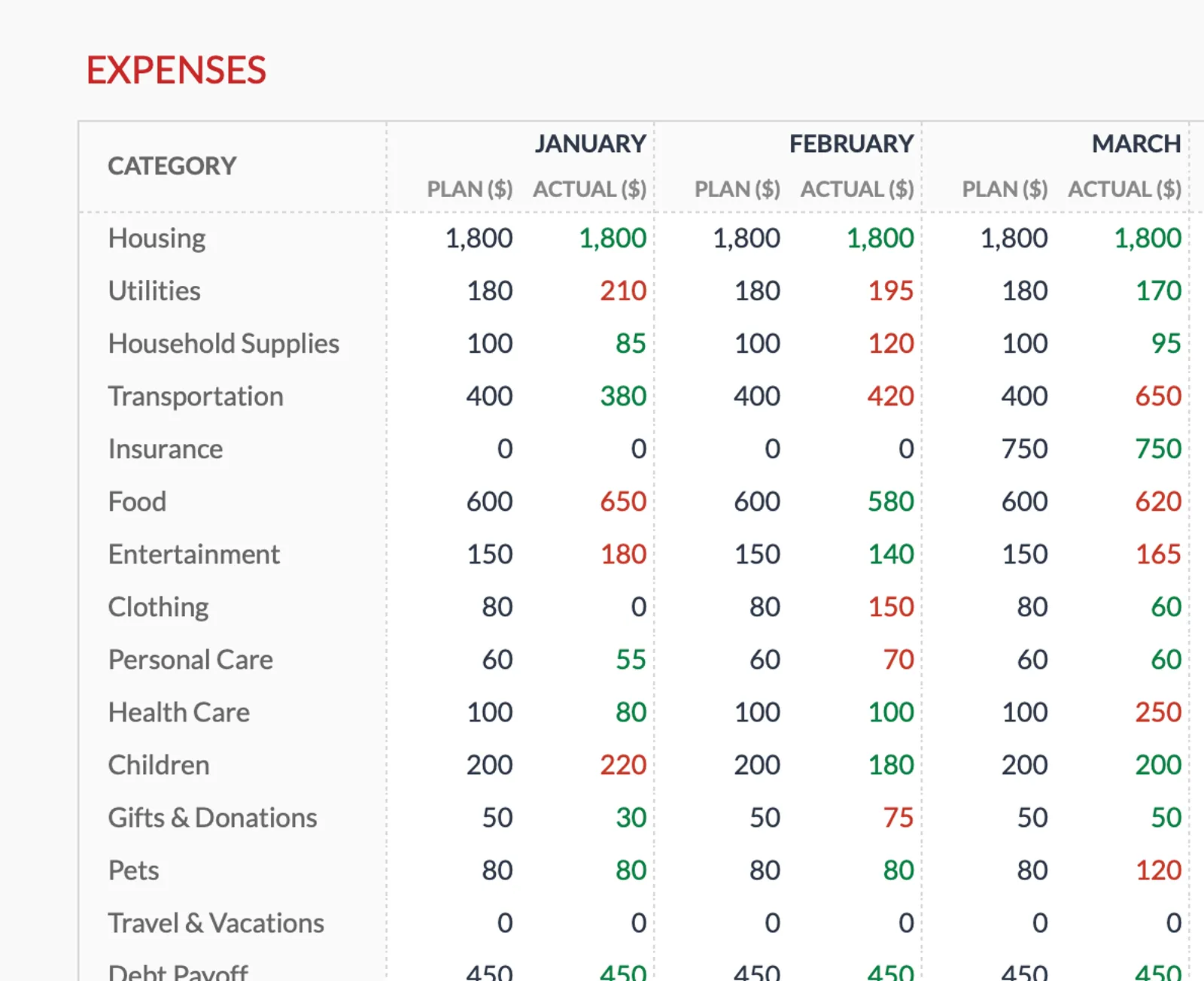
Full year budget overview with monthly breakdown
See how your budget is allocated across categories
Track key metrics across the year
Customizable categories for your annual plan
Set and track annual financial goals
Track expenses month by month across the year
Recommended Templates
Templates for Household Budgeting
See your entire household budget across all 12 months. Track seasonal variations, plan for irregular expenses, and get a complete annual view of household finances.
View templateManage month-to-month household spending with category budgets, transaction tracking, and spending summaries. Ideal for the detailed monthly view.
View template Save $58Get annual planning, monthly budgeting, financial planning, and net worth tracking together. The complete toolkit for household financial management.
Includes 5 templates
View bundleFree Tools
Calculators to Help You Plan
Common Questions
Household Budgeting FAQ
What is the simplest way to start a household budget?
Start with just three categories: needs, wants, and savings. Track spending for one month to see where money goes, then set targets for each category. Once the habit is established, adding more specific categories provides more detail.
How do couples manage a household budget?
Common approaches include fully combined finances with joint accounts, a shared account for household expenses with separate personal accounts, or splitting expenses proportionally by income. The right approach depends on the couple - the key is agreeing on a system and reviewing it regularly.
How often should a household budget be updated?
Monthly reviews keep the budget accurate and useful. Major life changes (new job, new baby, moving) call for a full budget overhaul. Annual reviews help set new savings goals and adjust for inflation in regular expenses.
What percentage should go to savings?
The common 20% guideline covers all savings: emergency fund, retirement, and other goals. Households with debt may allocate more toward debt payoff initially. The right percentage depends on income, expenses, and financial goals - any positive savings rate is a good start.
How can household expenses be reduced?
Reviewing subscriptions and canceling unused ones, shopping insurance annually, meal planning to reduce food waste, and negotiating recurring bills (internet, phone, insurance) are common starting points. Energy efficiency improvements can reduce utility costs over time. Even small changes across many categories can add up significantly.
Can't find the answer you're looking for? Contact our team
Start planning your household budget
A spreadsheet template with automatic calculations, visual summaries, and everything needed to track household costs.
Ready to get started?
Download instantly and start managing your finances, or contact us to design a custom template package for your needs.