Utah
Steuerplaner-Vorlage für Utah
Organisieren Sie Ihre Bundes- und Utah-Steuerplanung in Google Sheets. Utah verwendet einen Pauschalsteuersatz für unkomplizierte Planung.
In Depth
Utahs gutschriftbasierter Pauschalsteueransatz
Utahs Pauschaleinkommensteuer sieht an der Oberfläche unkompliziert aus - ein Steuersatz auf alle steuerpflichtigen Einkommen. Aber das echte Bild ist differenzierter wegen des Steuergutschrifts für Steuerzahler. Utah berechnet die Steuer auf Ihr Gesamteinkommen mit dem Pauschalsteuersatz und wendet dann einen Gutschrift basierend auf persönlichen Freibeträgen und bestimmten Abzügen an. Dieser Gutschrift schafft effektiv einen steuerfreien Schwellenwert und senkt den effektiven Steuersatz für Steuerzahler mit niedrigeren und mittleren Einkommen unter den Pauschalsteuersatz.
Die Verfassung von Utah bindet die Einnahmen aus der Einkommensteuer an die öffentliche Bildung und, seit einer Verfassungsänderung von 2020, an Leistungen für Kinder und Menschen mit Behinderungen. Das ist nicht bloß eine politische Entscheidung, sondern eine verfassungsrechtliche Vorgabe. Wenn Debatten über Satzänderungen aufkommen, ist die direkte Verbindung zur Schulfinanzierung Teil des Gesprächs. Für Steuerzahler ändert diese Verknüpfung nichts an der Berechnung der Steuer, liefert aber nützlichen Kontext dazu, warum der Satz dort liegt, wo er liegt, und warum Änderungen eher langsam erfolgen.
Utahs Gutschrift für Sozialversicherungsleistungen ist eine gezielte Bestimmung, die die Staatssteuer auf die im bundesweiten bereinigten Bruttoeinkommen enthaltenen Leistungen ausgleichen kann. Die Gutschrift wird bei höheren Einkommensniveaus abgeschmolzen und kommt daher vor allem Rentnern mit moderatem Gesamteinkommen zugute. Utah folgt bei der Bestimmung des steuerpflichtigen Anteils der Sozialversicherung den Bundesregeln und wendet die Gutschrift anschließend darauf an. Für Rentner mit höheren Einkommen bringt die Gutschrift möglicherweise nur teilweise oder gar keine Entlastung, sodass der volle Pauschalsteuersatz auf ihre Alterseinnahmen gilt.
Utah
Steuerplanung in Utah
Utah hat einen Pauschalsteuersatz für die Einkommensteuer und eine besondere Struktur, bei der die Einnahmen aus der Einkommensteuer verfassungsrechtlich für Bildung und verwandte Leistungen zweckgebunden sind. Der Pauschalsatz vereinfacht die staatliche Steuerberechnung.
Pauschaleinkommensteuer
Utah hat einen einheitlichen Einkommensteuersatz, der auf alle steuerpflichtigen Einkommen angewendet wird. Utah berechnet die Steuer auf alle Einkommen und gewährt dann einen Steuergutschrift für Steuerzahler, der effektiv einen steuerfreien Betrag erzeugt.
Steuergutschrift für Steuerzahler
Utah gewährt einen Gutschrift auf der Grundlage bestimmter Abzüge (persönliche Freibeträge, bundesweit standardisierter Abzug usw.), der die Steuerschuld verringert. Dieser Gutschrift senkt die Steuerlast für die meisten Einwohner.
Alterseinnahmen
Utah besteuert Sozialversicherungsleistungen nach den Bundesregeln und gewährt anschließend eine Gutschrift für Sozialversicherungsleistungen, die für Steuerzahler unterhalb der Einkommensschwellen einen Teil oder die gesamte Staatssteuer auf diese Leistungen ausgleichen kann.
Bildungsfinanzierung
Die Verfassung von Utah bindet die Einnahmen aus der Einkommensteuer an die öffentliche Bildung und, seit einer Verfassungsänderung von 2020, an Leistungen für Kinder und Menschen mit Behinderungen. Diese zweckgebundene Finanzierung bedeutet, dass der Satz direkt die Schulen unterstützt, was nützlicher Kontext zum Verständnis der Steuerstruktur ist.
Jährlichen Steuerplaner erhalten
Erste Schritte
Ihre Utah-Steuerplanungseinrichtung
Geben Sie alle Einkommen für Utahs Bruttsteuerberechnung ein
Utah berechnet die Steuer auf alle Einkommen mit dem Pauschalsteuersatz von 4.5% [1], bevor Gutschriften angewendet werden. Geben Sie jede Einkommensquelle in die Vorlage ein: Löhne, Selbstständigkeit, Investitionen, Sozialversicherung und Rentenausschüttungen. Anders als Staaten, die mit Abzügen beginnen, startet Utah mit dem vollen Einkommensbetrag und senkt die Steuer anschließend über Gutschriften.
Berechnen Sie Ihren Steuergutschrift für Steuerzahler
Die Steuergutschrift für Steuerzahler in Utah beruht auf den Beträgen der persönlichen Freibeträge und bestimmten Abzügen und wird bei höheren Einkommen abgeschmolzen. Notieren Sie Ihre Familiengröße und Ihr erwartetes Einkommensniveau in der Vorlage, um den Gutschriftbetrag zu schätzen. Diese Gutschrift ist der Grund, warum der effektive Satz in Utah für die meisten Einwohner unter 4.5% liegt: je größer die Gutschrift im Verhältnis zu Ihrer Bruttosteuer, desto niedriger Ihr effektiver Satz.
Wenden Sie gegebenenfalls die Gutschrift für Sozialversicherungsleistungen an
Wenn Sie Sozialversicherung beziehen, lohnt sich die Prüfung, ob Sie Anspruch auf Utahs Gutschrift für Sozialversicherungsleistungen haben, die von der älteren Rentengutschrift für Steuerzahler mit Geburtsdatum bis zum 31. Dezember 1952 getrennt ist. Die Gutschrift kann einen Teil oder die gesamte Staatssteuer auf die Leistungen ausgleichen, wird aber mit steigendem Gesamteinkommen abgeschmolzen. Verfolgen Sie Ihr Gesamteinkommen im Verhältnis zu den Abschmelzungsschwellen, um zu schätzen, wie viel der Gutschrift Sie erhalten.
Verfolgen Sie geschätzte Zahlungen mit dem Nettobetrag nach Gutschrift
Wenn Sie vierteljährliche geschätzte Zahlungen für Utah berechnen, legen Sie Ihre prognostizierte Steuer nach Gutschriften zugrunde und nicht den Bruttobetrag von 4.5%. Der Quartals-Tracker der Vorlage kann die Zahlungen für Utah neben den bundesweiten verwalten. Da die Gutschriften die tatsächliche Steuerschuld verringern, würde die Verwendung des Bruttosatzes zu einer Überzahlung führen.
Überprüfen Sie den effektiven Steuersatz gegenüber dem Schlagzeilensatz
Nutzen Sie den Notizbereich, um Ihren tatsächlichen effektiven Satz für Utah zu berechnen (Steuer nach Gutschriften geteilt durch Gesamteinkommen). Diese Zahl ist aussagekräftiger als der Schlagzeilensatz von 4.5% und eignet sich für den Vergleich mit anderen Staaten [2] oder mit Ihrem effektiven Bundessatz. Das Dashboard liefert das Bundesbild, und der Notizbereich vervollständigt die Seite von Utah.
In Aktion sehen
So sieht der Steuerplaner aus
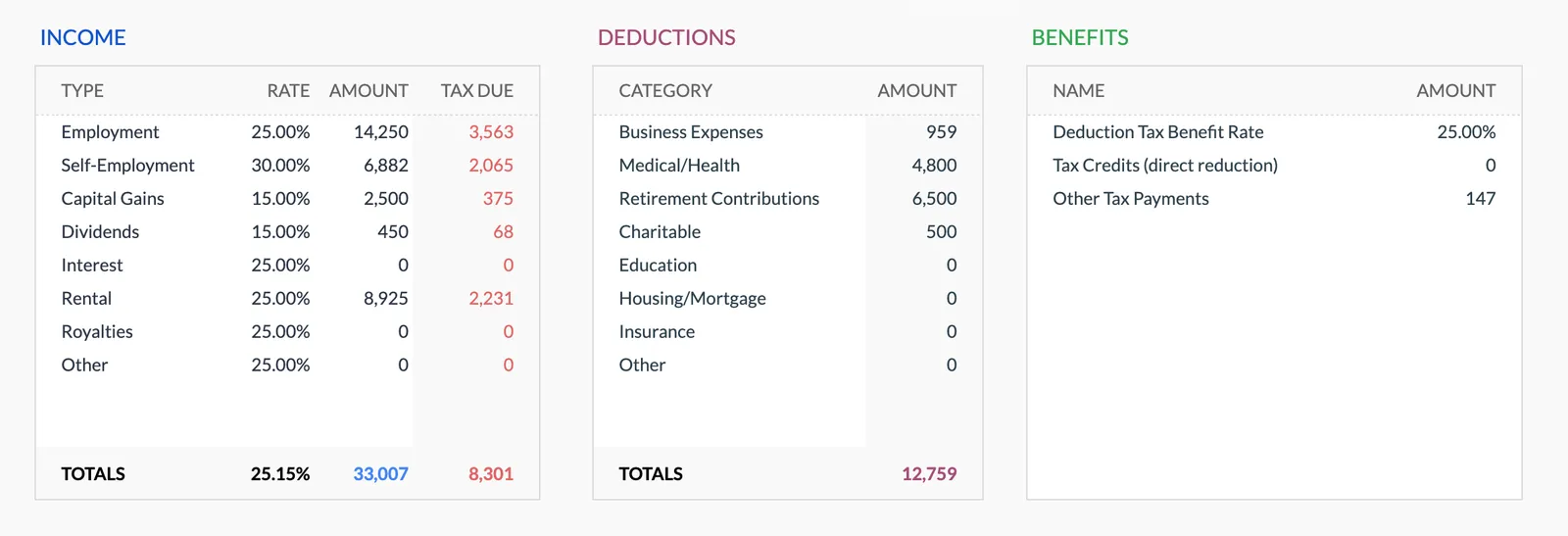
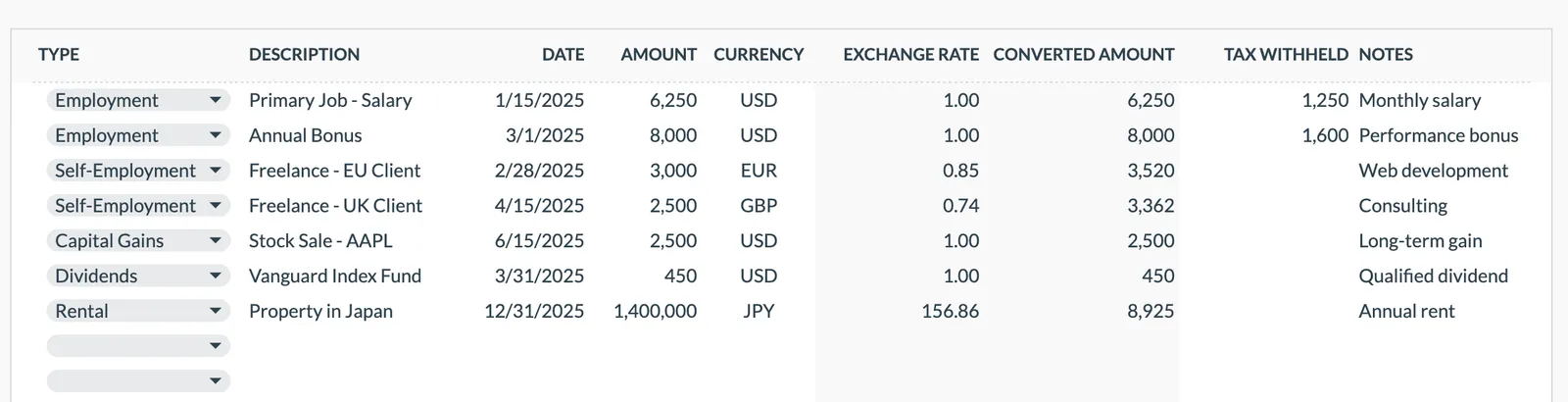
Sehen Sie sich die Vorlage an und erfahren Sie, wie sie Einkommen, Abzüge, Gutschriften und geschätzte vierteljährliche Zahlungen verfolgt.
- Jahressteuer-Übersichtsdashboard
- Einkommensverfolgung nach Quelle
- Organizer für Abzüge und Gutschriften
- Tracker für vierteljährliche Zahlungen
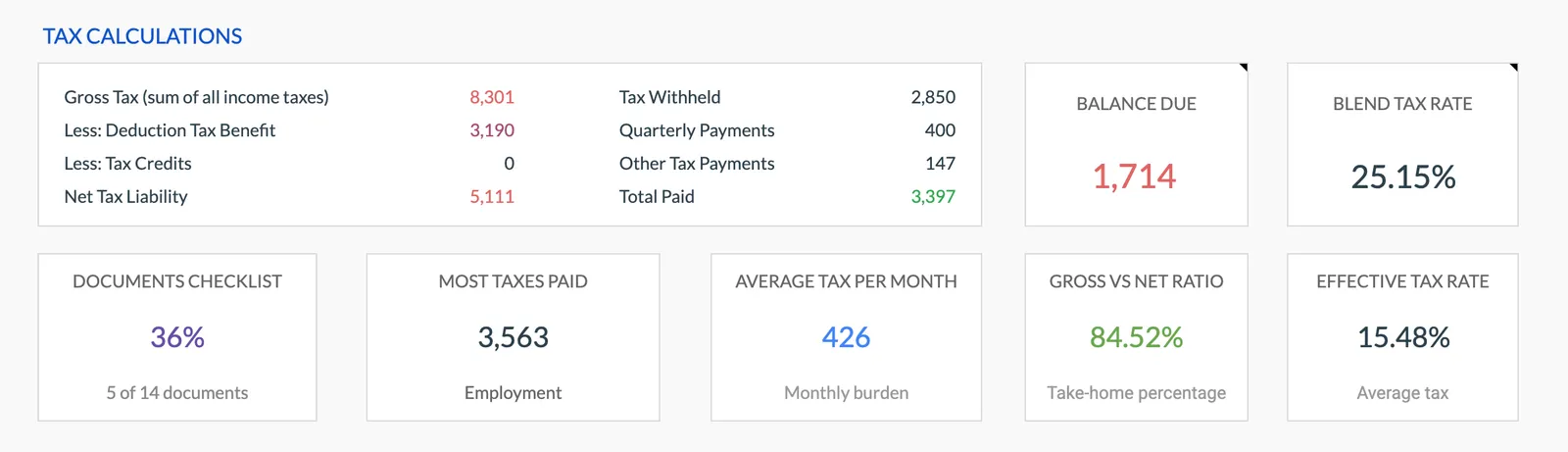
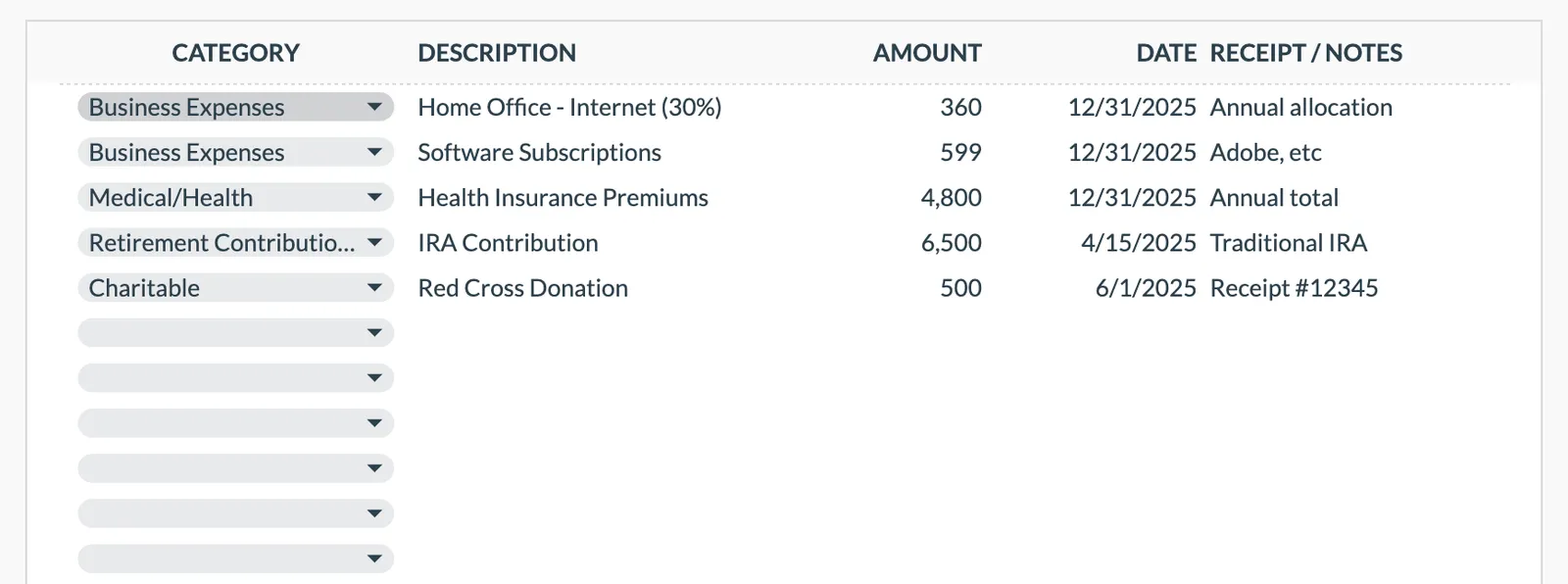
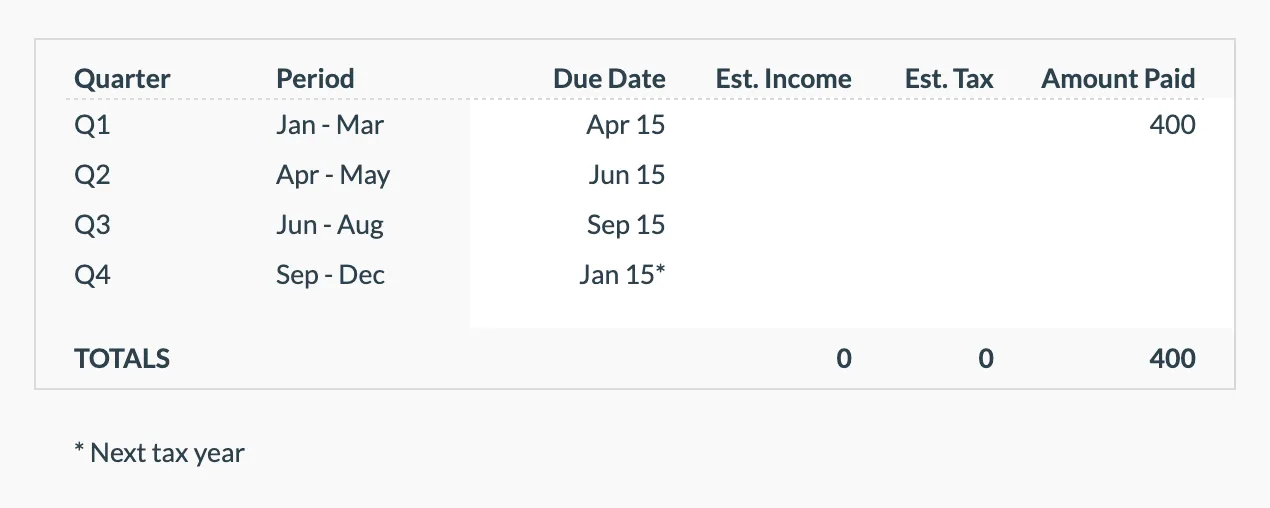
Annual tax overview with key figures
Detailed tax breakdown and projections
Track all income sources for tax purposes
Organize and track tax deductions
Plan and track quarterly estimated tax payments
Häufige Fragen
Steuerplanung in Utah - FAQ
Wie senkt Utahs Steuergutschrift für Steuerzahler den effektiven Satz unter 4.5%?
Utah berechnet die Steuer mit seinem Pauschalsteuersatz, 4.5% für das Steuerjahr 2025, auf alle Einkommen und wendet anschließend eine Steuergutschrift für Steuerzahler an, die auf den Beträgen der persönlichen Freibeträge und bestimmten Abzügen beruht. Diese Gutschrift schafft faktisch einen steuerfreien Schwellenwert und senkt den effektiven Satz für Steuerzahler mit niedrigeren und mittleren Einkommen. Die Höhe der Gutschrift hängt von Familiengröße und Einkommensniveau ab und wird bei höheren Einkommen abgeschmolzen. Der Schlagzeilensatz liegt also bei 4.5%, doch die meisten Einwohner zahlen einen niedrigeren effektiven Satz.
Versteuert Utah Sozialversicherungsleistungen?
Utah besteuert Sozialversicherungsleistungen nach denselben Regeln wie der Bund (wonach je nach Gesamteinkommen bis zu 85% steuerpflichtig sein können). Utah gewährt jedoch eine Gutschrift für Sozialversicherungsleistungen, die einen Teil oder die gesamte Staatssteuer auf diese Leistungen ausgleichen kann. Für das Steuerjahr 2025 verringert sie sich um 2.5 Cent je Dollar Einkommen über $90,000 bei gemeinsamer Veranlagung, $54,000 bei alleinstehenden Steuerzahlern und $45,000 bei getrennter Veranlagung von Ehegatten, sodass Rentner mit moderatem Gesamteinkommen am meisten profitieren.
Wie ist die Verbindung zwischen Utahs Einkommensteuer und Bildungsfinanzierung?
Die Verfassung von Utah bindet die Einnahmen aus der Einkommensteuer an die öffentliche Bildung und, seit einer Verfassungsänderung von 2020, an Leistungen für Kinder und Menschen mit Behinderungen. Das ist ein Verfassungsauftrag und nicht bloß eine politische Entscheidung. Wenn Diskussionen über Satzänderungen aufkommen, ist die direkte Verbindung zur Schulfinanzierung Teil des Gesprächs. Für Steuerzahler ändert das nichts an der Berechnung der Steuer, liefert aber Kontext dazu, warum der Satz dort liegt, wo er liegt.
Wie unterscheidet sich Utahs System von einem einfachen Pauschalsteuerstaat?
Anders als Staaten, die einen Pauschalsteuersatz auf das zu versteuernde Einkommen nach Abzügen anwenden (wie Illinois oder Pennsylvania), wendet Utah seinen Pauschalsteuersatz von 4.5% zuerst auf alle Einkommen an und senkt die Steuer anschließend über Gutschriften. Die Steuergutschrift für Steuerzahler wirkt wie ein flexibleres Abzugssystem, das Familiengröße und Einkommensniveau berücksichtigt. Dieser Ansatz erreicht Progressivität (niedrigere effektive Sätze bei niedrigeren Einkommen) und behält zugleich einen einzigen gesetzlichen Pauschalsteuersatz bei.
Kann die Vorlage die gutschriftbasierten Berechnungen von Utah verfolgen?
Die Vorlage bearbeitet die Bundessteuerplanung im Detail. Nutzen Sie für Utah den Notizbereich, um die zweistufige staatliche Berechnung zu verfolgen: Multiplizieren Sie zunächst das Gesamteinkommen mit 4.5%, um die Bruttosteuer zu erhalten; ziehen Sie dann die Steuergutschrift für Steuerzahler (auf Basis Ihrer Freibeträge und Abzüge) und gegebenenfalls die Gutschrift für Sozialversicherungsleistungen ab. Der Nettobetrag ist Ihre tatsächliche Steuerschuld in Utah, die typischerweise niedriger ausfällt als die Bruttosteuer.
Können Sie die Antwort nicht finden? Kontaktieren Sie unser Team
Offizielle Steuerressourcen
Für aktuelle Steuersätze, Formulare und Abgabefristen speziell für Utah:
Organisieren Sie Ihre Steuerplanung für Utah
Einmaliger Kauf. Kein Abonnement. Ihre Finanzdaten verbleiben in Ihrem Google Drive.
Tax rules, rates, and contribution limits change, and official publications can themselves lag behind the law in force. We review these figures on a best-effort basis against sources we consider authoritative, but we cannot guarantee they are current, complete, or that better sources do not exist, and nothing here is tax, legal, or financial advice. For decisions, the relevant government authority is the reference. Last reviewed: August 2026.