Quick Summary
A guide to envelope budgeting without apps - including traditional cash stuffing, spreadsheet-based digital envelopes, and hybrid approaches for modern finances.
When the grocery envelope is empty, grocery spending stops - that simple constraint has helped people control spending for generations, and it works just as well with spreadsheets as with physical cash. The method endures because the psychological mechanism remains effective.
The core insight behind envelope budgeting is constraint. Pre-allocating money to categories and treating those limits as hard boundaries eliminates the mental negotiation that leads to overspending. Whether implemented with paper envelopes, spreadsheet columns, or bank account buckets, the principle works the same way.
Track your envelopes: The Monthly Budget Template supports envelope-style category tracking.
The Traditional Cash Envelope System
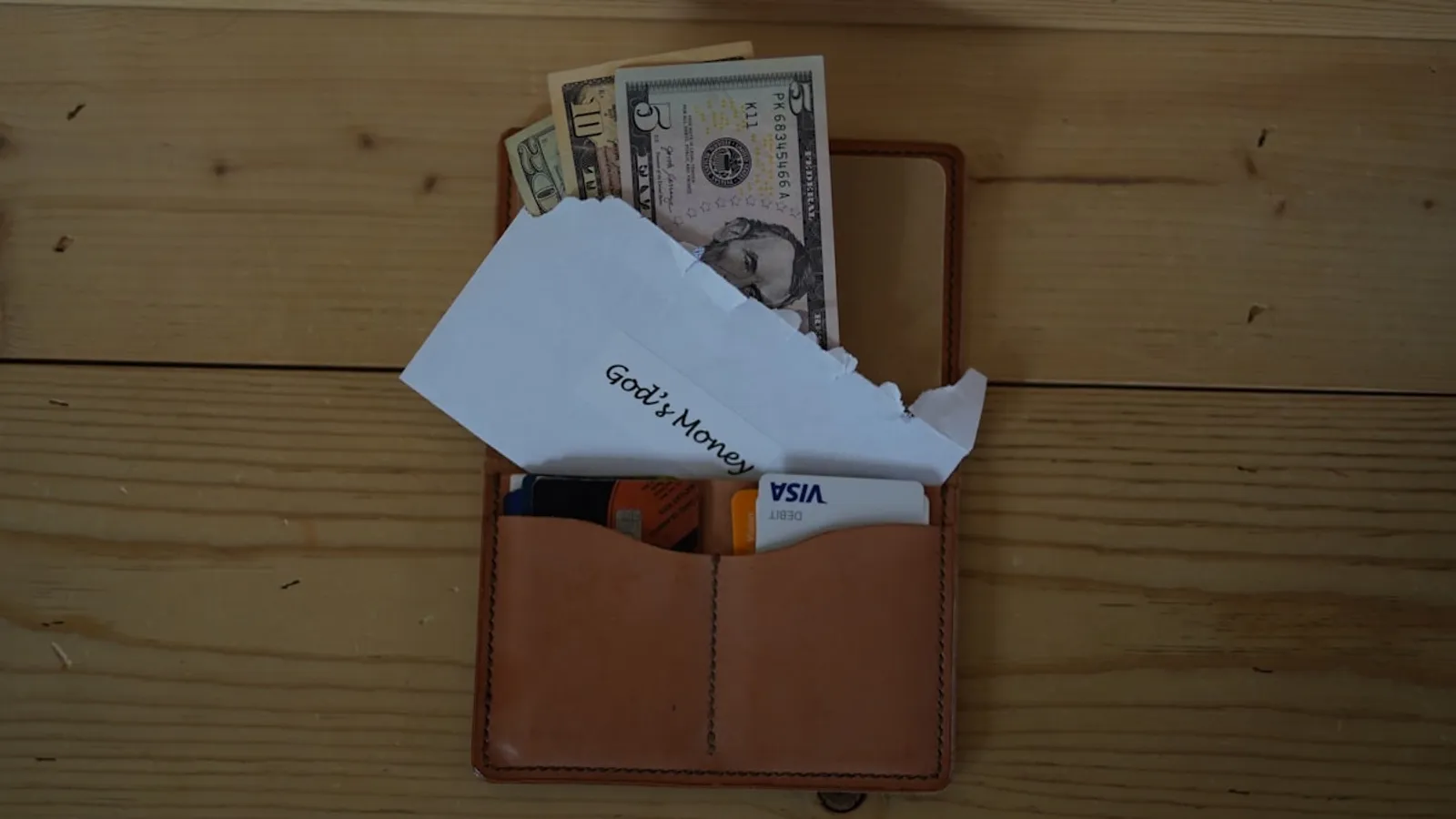
The traditional approach works through physical constraint. Create a budget with spending categories, then withdraw cash for variable expenses on payday. Divide cash into labeled envelopes, spend only from the appropriate envelope, and when an envelope is empty, that category is done for the month.
Sample envelope categories might look like this:
| Category | Monthly Amount |
|---|---|
| Groceries | $500 |
| Dining out | $200 |
| Entertainment | $150 |
| Gas | $200 |
| Personal care | $75 |
| Clothing | $100 |
Physical cash creates psychological friction that cards don’t. You feel it leave your hands. You see the envelope getting thinner. This tangible experience helps many people spend less than they would with cards.
Benefits of Envelope Budgeting
The envelope approach prevents overspending through hard limits. Once the cash is gone, spending stops - no overdrafts, no credit card debt accumulation, no “I’ll make it up next month” thinking.
Counting cash before a purchase forces consideration. Is this $40 dinner worth 20% of my dining budget? The question gets asked explicitly rather than waved away. Within categories, all spending is pre-approved - no mental calculation about whether you can afford something. Just check the envelope.
The friction of using cash - going to an ATM, having exact amounts - reduces spontaneous buying. Impulse purchases require planning ahead, which defeats the impulse.
Drawbacks of Cash-Only
Security concerns are real. Cash isn’t protected if lost or stolen. Unlike credit cards, there’s no fraud protection or ability to dispute charges.
Credit card rewards (cash back, points) are forfeited when paying cash. For those who pay their balance in full monthly, this represents genuine lost value. Cash in envelopes also doesn’t earn interest like money in a high-yield savings account would.
Many transactions are difficult or impossible with cash: online shopping, some gas stations, and subscriptions all require cards. Credit cards also often include purchase protection, extended warranties, and dispute resolution that cash lacks.
Digital Envelope Methods (Without Apps)
Spreadsheet tracking creates a digital envelope system without requiring apps or linked bank accounts:
| Category | Budgeted | Spent | Remaining |
|---|---|---|---|
| Groceries | $500 | $287 | $213 |
| Dining | $200 | $145 | $55 |
| Entertainment | $150 | $50 | $100 |
Log each purchase manually and update the “Spent” column. When “Remaining” hits zero, that category is done for the month. The discipline of manual entry creates awareness similar to counting physical cash.
Some banks allow multiple savings or checking accounts - one for each spending category with allocated amounts transferred on payday. Banks like Ally and SoFi offer “buckets” or “vaults” within single accounts, providing digital divisions that function like envelopes without requiring separate accounts.
The Hybrid Approach
A hybrid approach uses physical cash only for categories where overspending tends to happen: dining out, entertainment, and personal spending. Cards (with their rewards) remain for groceries (if not a problem category), gas, bills and subscriptions, and online purchases.
For card categories, tracking spending in a spreadsheet maintains envelope discipline without the inconvenience of cash. The key is treating the spreadsheet limits as seriously as you would a physical envelope limit.
From our experience: When we first tried envelope budgeting in a spreadsheet, we made each category a separate tab - which quickly became unmanageable. What worked much better was a single-sheet layout with a “Budgeted / Spent / Remaining” table at the top and a transaction log below. That structure gave us the envelope constraint without the overhead of switching between tabs for every purchase. It is the layout that eventually became our Monthly Budget Template. - Diana
Setting Up Your System
Start by identifying categories. List all variable spending categories - fixed bills like rent and utilities don’t need envelopes since they’re the same every month.
Set amounts by reviewing past spending. Realistic amounts matter more than ambitious ones. If you’ve been spending $600 on groceries, a $300 envelope is too aggressive a starting point. Beginning with actual spending and reducing gradually tends to work better than dramatic cuts.
Choose your method based on your tendencies: cash envelopes for high-risk categories, spreadsheet tracking for card purchases, or bank buckets for automated separation. Decide in advance what happens when an envelope runs out. Options include stopping spending (the purist approach), borrowing from another envelope (with payback), or waiting until next month.
Check envelope balances weekly to pace spending appropriately. Front-loading spending early in the month leaves you scrambling later.
Making Envelope Budgeting Work
Three to five envelopes is manageable. Ten becomes overwhelming and leads to abandonment. Fewer categories with meaningful amounts work better than many categories with small amounts.
Annual or quarterly expenses need their own savings plan through sinking funds. Raiding regular envelopes for car registration tends to derail the whole system.
When there’s $50 left in dining at month’s end, that’s a win. Rolling it forward rather than seeing it as extra spending money reinforces the system.
Cash Stuffing Safety Tips
Keep cash in a secure location - not a visible envelope on the counter. Some people use small safes or locked boxes. While shopping, don’t carry more cash than needed for that trip; leave other envelopes at home.
Record envelope balances after each shopping trip. If cash goes missing, you’ll notice quickly. This tracking habit also helps identify patterns in spending.
Envelope Budgeting for Couples
Each person gets envelopes for personal spending while shared categories (groceries, household) come from joint envelopes. Weekly reviews ensure both partners are pacing spending appropriately.
One partner might prefer cash while another tracks digitally. Both methods work as long as totals align with the budget. The important thing is agreement on category limits, not identical implementation.
Transitioning from App-Based Budgeting
If you’ve used budgeting apps but want to try the envelope method, a phased transition works well. Spend weeks 1-2 continuing your app to understand actual spending patterns. Week 3, set envelope amounts based on that actual data. Week 4, begin using cash or manual tracking for selected categories. Month 2 and beyond, refine amounts based on what’s working and what isn’t.
Related
- Monthly Budget Template - Digital envelope tracking
- Zero-Based Budgeting Guide
- 50/30/20 Budgeting Method
- Sinking Funds Explained