Vermont
Modello Pianificatore Fiscale per Vermont
Pianifica le tue tasse federali e statali del Vermont in Google Sheets. Il Vermont ha un'imposta sul reddito progressiva con aliquote legate al reddito imponibile federale.
In Depth
La Conformità Federale del Vermont e l'Onere dell'Imposta sulla Proprietà
Il Vermont semplifica parte del calcolo delle imposte statali iniziando con il reddito imponibile federale come base. Ciò significa che gli aggiustamenti federali come la detrazione standard, i contributi IRA, gli interessi sui prestiti studenteschi e le detrazioni dei conti di risparmio sanitario vengono tutti trasferiti automaticamente alla dichiarazione del Vermont. Non è necessario aggiungerli di nuovo o ricalcolarli secondo regole statali diverse, il che riduce la complessità rispetto agli stati che si disaccoppiano dalle definizioni federali.
La struttura a quattro scaglioni culmina all'8.75%, un'aliquota che per l'anno fiscale 2026 si applica solo al di sopra di circa $250,000 di reddito imponibile per i dichiaranti singoli. Il Vermont è uno stato piccolo con un costo della vita relativamente alto in alcune aree, e le aliquote dell'imposta sul reddito riflettono il fabbisogno di entrate. Insieme a imposte sulla proprietà superiori alla media nazionale, l'onere fiscale statale complessivo nel Vermont è al di sopra della mediana. Lo stato offre un credito d'imposta sulla proprietà e un programma di rimborso anticipato che forniscono un sollievo ai proprietari di case e agli affittuari idonei al reddito.
L'esenzione della Previdenza Sociale del Vermont si è espansa negli ultimi anni. Le soglie di reddito al di sotto delle quali i benefici sono completamente esenti sono state aumentate, il che ha rimosso più pensionati dalla tassazione statale della Previdenza Sociale. Al di sopra di queste soglie, l'imponibilità parziale può ancora applicarsi. Per i pensionati che valutano le opzioni della Nuova Inghilterra, le aliquote del Vermont e le imposte sulla proprietà sono un fattore da confrontare con il New Hampshire (nessuna imposta sul reddito, imposta sulla proprietà elevata) e il Maine (aliquote progressive con diverse disposizioni di pensionamento).
Vermont
Pianificazione Fiscale nel Vermont
Il Vermont ha un'imposta sul reddito progressiva con aliquote che vanno da moderate a elevate. Lo stato si conforma strettamente alle definizioni fiscali federali, il che semplifica alcuni calcoli.
Imposta sul Reddito Progressiva
Il Vermont ha un'imposta sul reddito progressiva con quattro scaglioni che vanno dal 3.35% fino all'8.75%. Per l'anno fiscale 2026 l'aliquota massima inizia intorno a $250,000 di reddito imponibile per i dichiaranti singoli.
Conformità Federale
Il Vermont inizia con il reddito imponibile federale come base per i calcoli delle imposte statali. Ciò significa che molte detrazioni e aggiustamenti federali si trasferiscono automaticamente alla dichiarazione statale.
Esenzione della Previdenza Sociale
Il Vermont esonera i benefici della Previdenza Sociale dall'imposta statale per i contribuenti al di sotto di determinate soglie di reddito. Al di sopra di tali soglie, può applicarsi un'esenzione parziale.
Imposta sulla Proprietà
Le aliquote dell'imposta sulla proprietà del Vermont sono al di sopra della media nazionale [2]. Un credito d'imposta sulla proprietà o un programma di rimborso anticipato è disponibile per i residenti idonei al reddito per aiutare a gestire l'onere.
Ottieni il Pianificatore Fiscale Annuale
Per Iniziare
La Tua Configurazione di Pianificazione Fiscale del Vermont
Inserisci il reddito iniziando dal tuo reddito imponibile federale
Il Vermont utilizza il reddito imponibile federale come punto di partenza per i calcoli delle imposte statali. Ciò significa che la tua detrazione standard federale (o detrazioni specificate), contributi IRA, interessi su prestiti studenteschi e detrazioni HSA si trasferiscono automaticamente. Inserisci tutte le fonti di reddito nel modello - il calcolo federale guida la base del Vermont, quindi ottenere il lato federale corretto è il primo passo per proiezioni statali accurate.
Verifica l'Idoneità dell'Esenzione della Previdenza Sociale
Il Vermont esonera i benefici della Previdenza Sociale dall'imposta statale per i contribuenti al di sotto di determinate soglie di reddito. Queste soglie sono state ampliate negli ultimi anni, il che significa che più pensionati sono ora completamente esenti dalla tassazione statale sui benefici della Previdenza Sociale. Al di sopra delle soglie, può applicarsi l'imponibilità parziale. Se ricevi la Previdenza Sociale, inserirla separatamente da altri redditi ti aiuta a vedere se il tuo reddito totale è inferiore alla soglia di esenzione o se si applica l'imponibilità parziale.
Monitora le Imposte sulla Proprietà e Verifica l'Idoneità al Credito
Le imposte sulla proprietà del Vermont sono al di sopra della media nazionale, e lo stato offre un credito d'imposta sulla proprietà (e un programma di rimborso anticipato) per proprietari di case e affittuari idonei al reddito. Inserisci il tuo importo dell'imposta sulla proprietà - se il tuo reddito familiare è inferiore alla soglia di idoneità, potresti qualificarti per uno sconto significativo. Il credito viene rivendicato tramite la dichiarazione dei redditi statale, quindi disporre di cifre di reddito e imposta sulla proprietà accurate in un'unica posizione è utile.
Esamina le Detrazioni che il Vermont Modifica da Quelle Federali
Sebbene il Vermont si conformi alla maggior parte delle definizioni federali, ci sono alcune aggiunte e sottrazioni specifiche del Vermont. L'esenzione della Previdenza Sociale è una. Altre possono includere aggiustamenti per determinati tipi di reddito o crediti che il Vermont tratta diversamente. Utilizza la sezione delle note per segnalare qualsiasi modifica specifica del Vermont che influisca sul tuo reddito imponibile statale oltre a quanto mostrato nella dichiarazione federale.
Pianifica i Pagamenti Stimati per le Tasse Federali e del Vermont
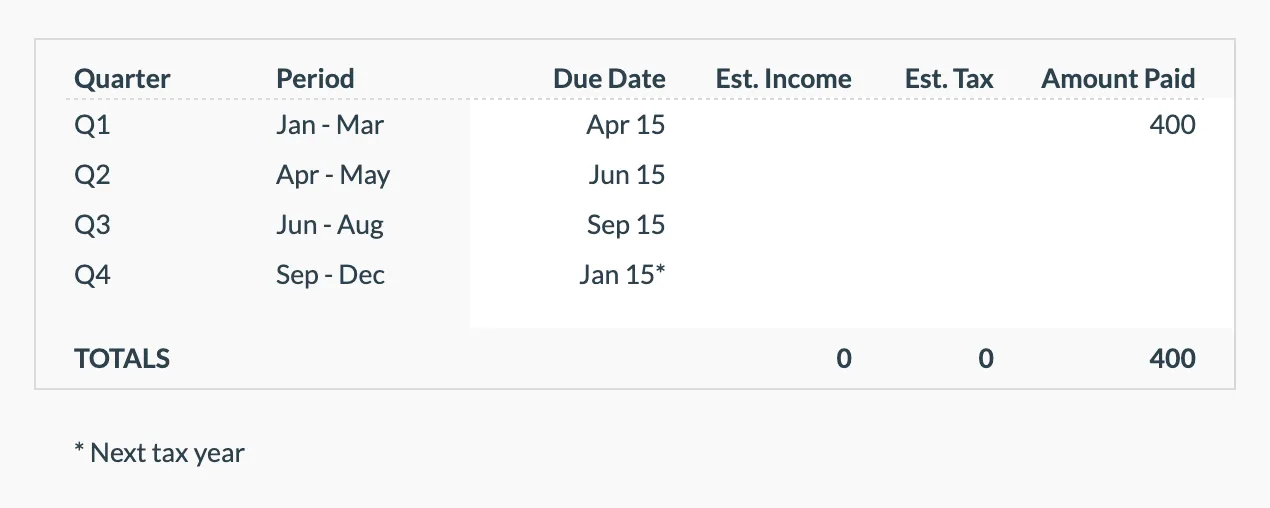
Il Vermont richiede pagamenti stimati sul reddito non soggetto a ritenuta. Con un'aliquota massima dell'8.75% [1], il pagamento insufficiente può risultare in sanzioni significative. Utilizza il tracker trimestrale per gli obblighi federali e del Vermont. Il calendario dei pagamenti stimati del Vermont segue le date federali, ma gli importi differiscono in base alla propria struttura tariffaria dello stato e agli eventuali aggiustamenti specifici del Vermont.
Guarda in Azione
Come appare il pianificatore fiscale
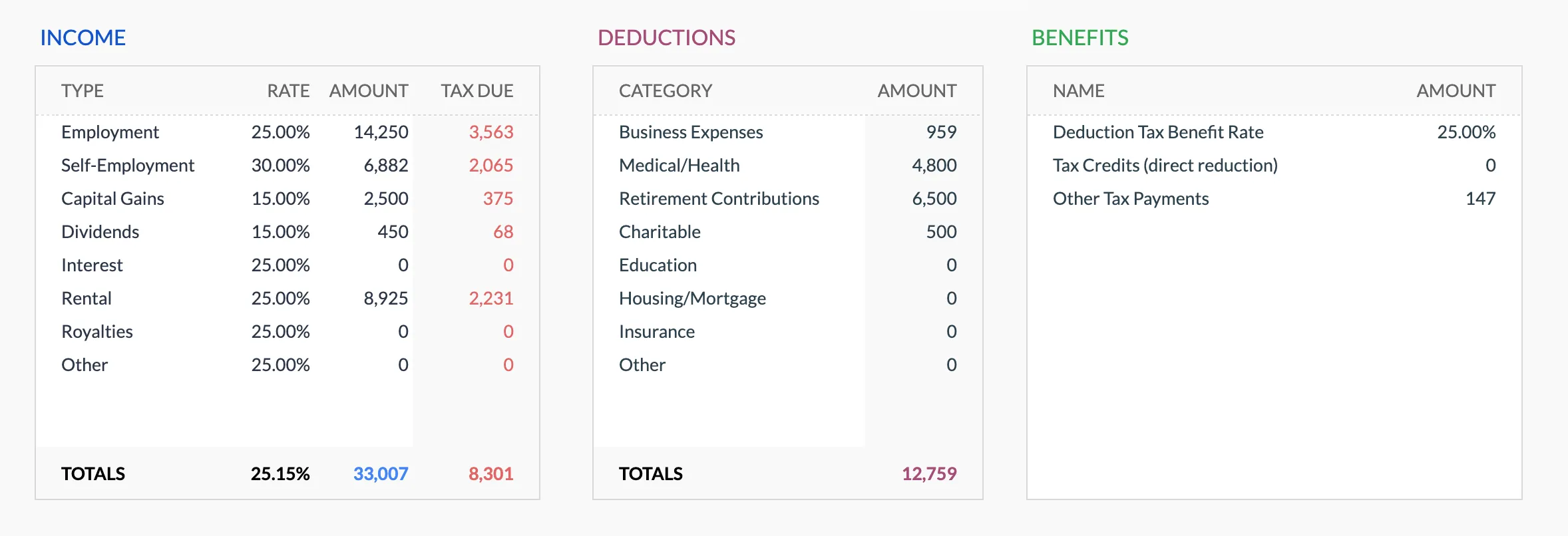
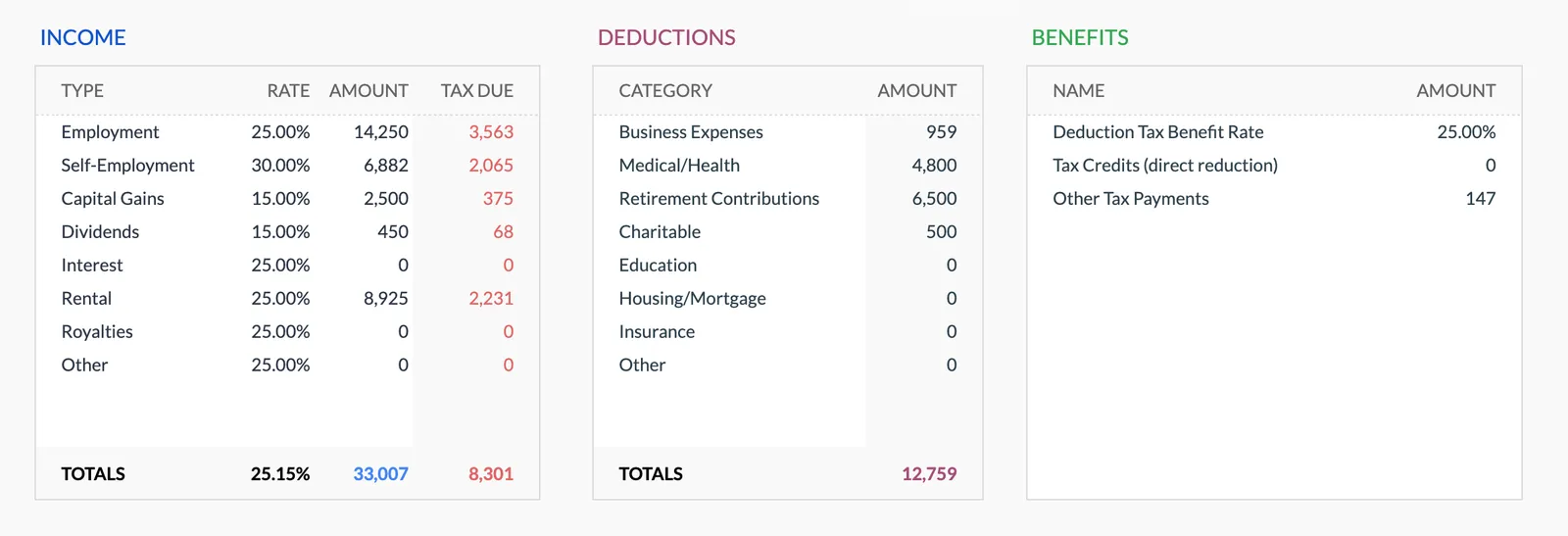
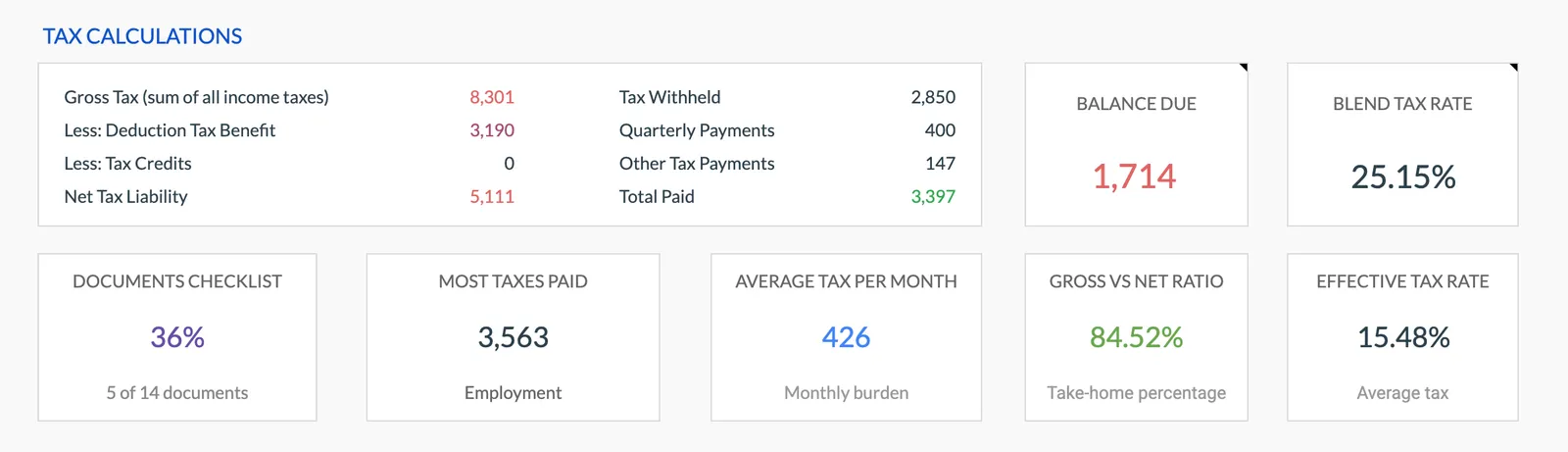
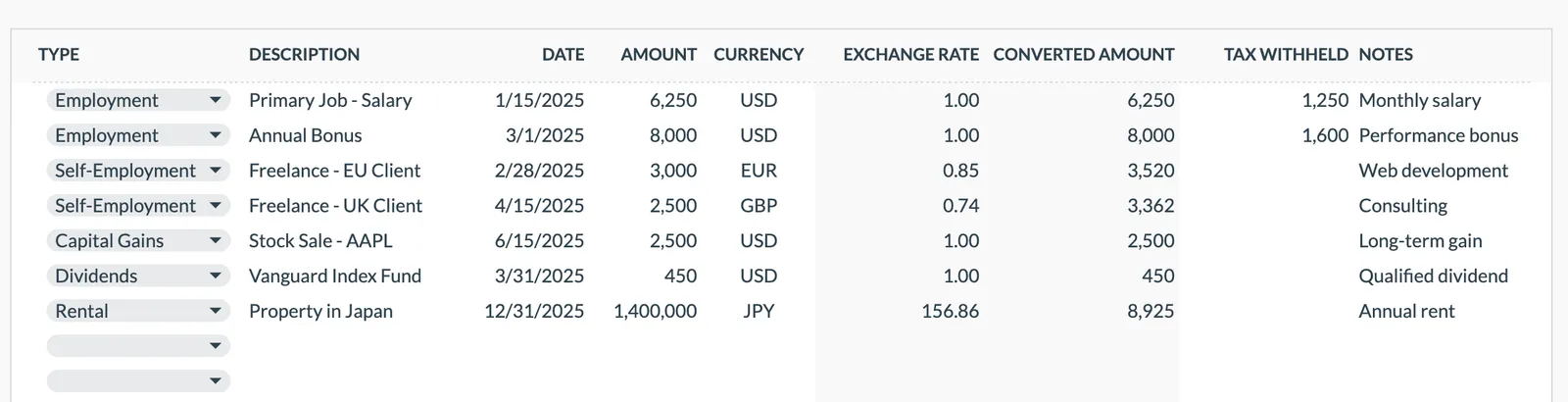
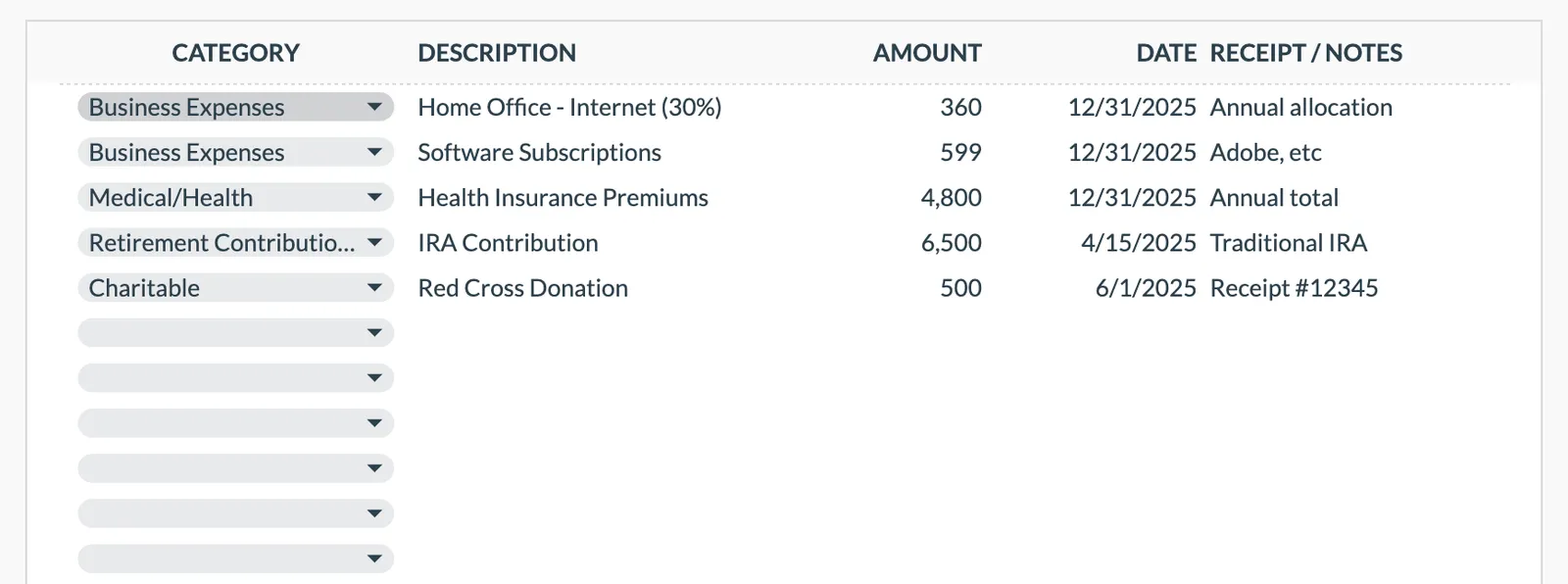
Esplora il modello per vedere come tiene traccia di redditi, detrazioni, crediti e pagamenti trimestrali stimati.
- Dashboard di riepilogo fiscale annuale
- Monitoraggio del reddito per fonte
- Organizzatore di detrazioni e crediti
- Registro dei pagamenti trimestrali
Annual tax overview with key figures
Detailed tax breakdown and projections
Track all income sources for tax purposes
Organize and track tax deductions
Plan and track quarterly estimated tax payments
Domande Frequenti
Pianificazione fiscale in Vermont - FAQ
Come la Conformità Federale del Vermont Semplifica la Pianificazione Fiscale?
Il Vermont inizia con il reddito imponibile federale come base per i calcoli delle imposte statali. Ciò significa che la maggior parte degli aggiustamenti federali - la detrazione standard, le detrazioni sopra le righe come i contributi IRA e gli interessi sui prestiti studenteschi, e le detrazioni dei conti di risparmio sanitario - si trasferiscono automaticamente alla dichiarazione del Vermont. Non è necessario ricalcolarli secondo regole statali diverse. Questa conformità riduce la complessità rispetto agli stati che si disaccoppiano dalle definizioni federali e richiedono calcoli separati.
Il Vermont Tassa i Benefici della Previdenza Sociale?
Il Vermont esonera i benefici della Previdenza Sociale per i contribuenti il cui reddito è inferiore a determinate soglie. Queste soglie sono state aumentate negli ultimi anni, il che significa che più pensionati sono ora completamente esenti dall'imposta statale sui redditi della Previdenza Sociale. Al di sopra delle soglie, può applicarsi l'imponibilità parziale. L'esenzione si basa sul reddito lordo rettificato, quindi il reddito totale da tutte le fonti - non solo la Previdenza Sociale - determina l'idoneità.
Quale Agevolazione dell'Imposta sulla Proprietà Offre il Vermont?
Il Vermont offre un credito d'imposta sulla proprietà per proprietari di case idonei al reddito e un programma di rimborso anticipato. Il credito si basa sulla relazione tra il reddito familiare e le imposte sulla proprietà pagate. I locatari possono anche qualificarsi, in quanto una parte dell'affitto è trattata come imposta sulla proprietà ai fini del credito. Questi programmi vengono rivendicati tramite la dichiarazione dei redditi statale, e l'idoneità dipende da soglie di reddito che vengono aggiornate periodicamente.
Come si Confrontano le Aliquote del Vermont con gli Altri Stati della Nuova Inghilterra?
L'aliquota massima del Vermont dell'8.75% per l'anno fiscale 2026 è superiore all'aliquota massima del 6.99% del Connecticut e appena inferiore al 9% che il Massachusetts raggiunge quando si applica la sua sovrattassa sui redditi superiori a circa $1.08 milioni. È più alta dell'aliquota massima del 7.15% del Maine e nettamente superiore a quella del New Hampshire, che non tassa alcun reddito individuale da quando la sua imposta su interessi e dividendi è stata abrogata a partire dal 2025. Le imposte sulla proprietà del Vermont, superiori alla media, si aggiungono all'onere complessivo. Per i residenti che confrontano le opzioni della Nuova Inghilterra, la combinazione di aliquote dell'imposta sul reddito, imposte sulla proprietà ed esenzioni specifiche varia in modo significativo nella regione.
Posso Monitorare le Detrazioni Federali e del Vermont in questo Modello?
Sì. Poiché il Vermont inizia con il reddito imponibile federale, le detrazioni che inserisci per scopi federali formano automaticamente la base per il tuo calcolo del Vermont. Il modello ti consente di monitorare le detrazioni in un'unica posizione - quello che riduce il tuo reddito imponibile federale riduce anche il tuo punto di partenza del Vermont. Per qualsiasi aggiustamento specifico del Vermont (come la sottrazione della Previdenza Sociale), la sezione delle note fornisce uno spazio per registrare queste modifiche insieme ai tuoi calcoli principali.
Non trovi la risposta che cerchi? Contatta il nostro team
Risorse fiscali ufficiali
Per aliquote aggiornate, moduli e scadenze di presentazione specifici per Vermont:
Sources
Organizza la tua pianificazione fiscale per Vermont
Acquisto una tantum. Nessun abbonamento. I tuoi dati finanziari rimangono nel tuo Google Drive.
Tax rules, rates, and contribution limits change, and official publications can themselves lag behind the law in force. We review these figures on a best-effort basis against sources we consider authoritative, but we cannot guarantee they are current, complete, or that better sources do not exist, and nothing here is tax, legal, or financial advice. For decisions, the relevant government authority is the reference. Last reviewed: August 2026.