Budgeting Method
Sinking Funds Template for Google Sheets
Save gradually for predictable expenses. Sinking funds set aside small amounts monthly for large, expected costs - so annual insurance, holidays, and car repairs never hit all at once.
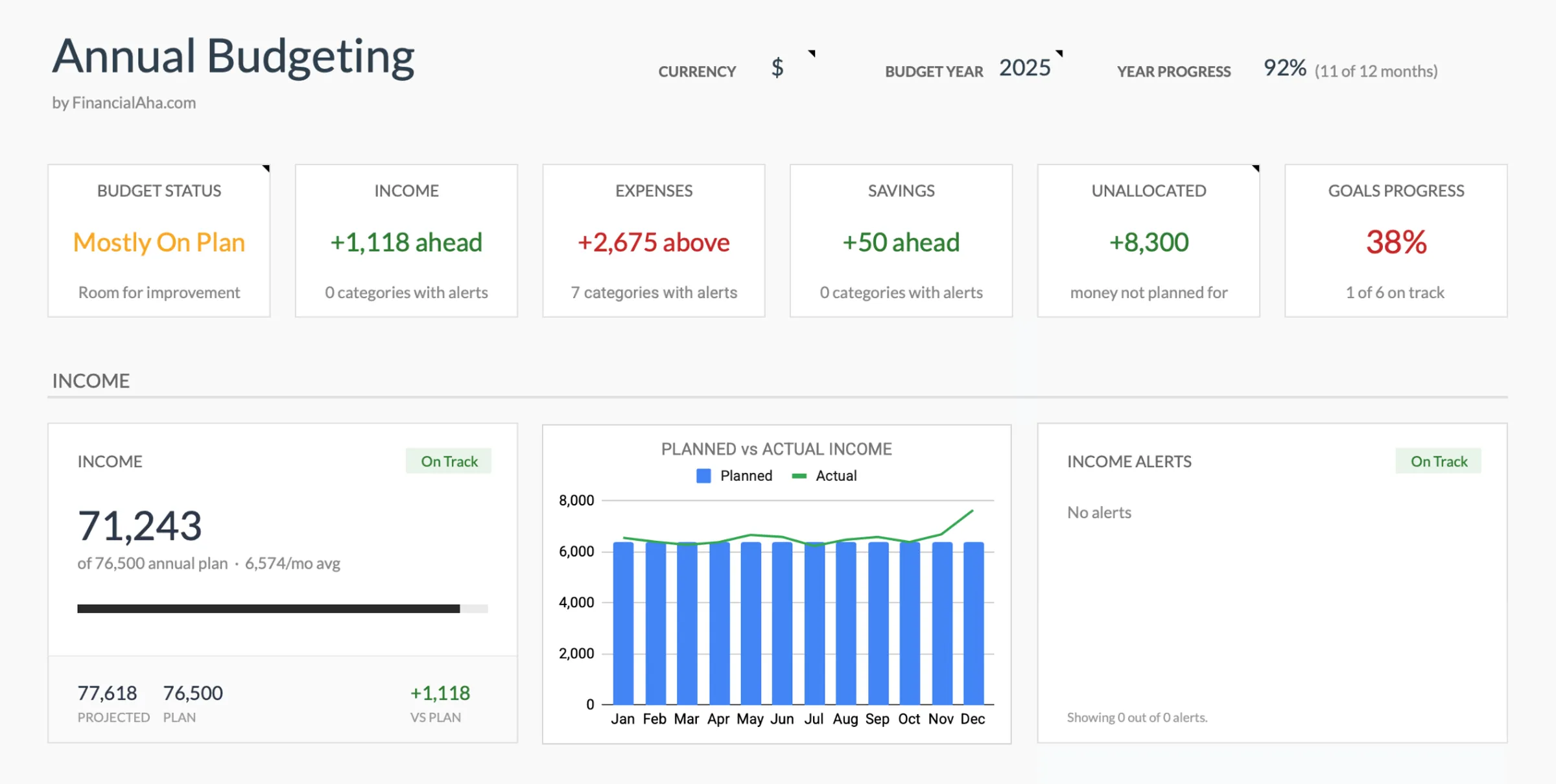
Overview
What Are Sinking Funds?
A sinking fund is money set aside gradually over time for a specific, predictable expense. Instead of scrambling when a $1,200 annual insurance bill arrives, you save $100/month for twelve months. When the bill comes, the money is already there.
The term comes from corporate finance, where companies set aside money over time to repay bonds at maturity. In personal finance, it's the same concept applied to known future expenses: annual subscriptions, holiday gifts, car maintenance, home repairs, vacations, property taxes.
Sinking funds differ from emergency funds in one key way: emergency funds cover unexpected expenses, while sinking funds cover expected ones. A car breaking down is an emergency. Oil changes, tires, and registration renewals are predictable - sinking fund candidates.
Common sinking fund categories and monthly amounts for a typical household: Car maintenance ($75/month), Holiday gifts ($100/month), Annual subscriptions ($50/month), Home repairs ($100/month), Vacation ($200/month), Medical copays ($50/month), Clothing ($75/month). That's $650/month covering $7,800 in annual expenses that would otherwise be budget-busting surprises.
The psychological benefit is significant. Large expenses stop being stressful because they've already been planned for. It converts irregular expenses into regular, manageable monthly amounts.
Who it works for
Anyone who is caught off guard by predictable large expenses, or who wants to smooth out irregular costs into consistent monthly savings. Particularly useful alongside any monthly budgeting method.
Advantages
- Converts large irregular expenses into small monthly amounts
- Eliminates the shock of annual or semi-annual bills
- Reduces reliance on credit cards for known expenses
- Creates a sense of preparedness and reduced financial stress
- Easy to track and adjust as costs change
Tradeoffs
- Requires accurate estimation of future expenses
- Multiple funds can feel like complexity
- Money sits in savings earning minimal returns
- Underfunded categories still create shortfalls
Getting Started
How to Set Up Sinking Funds in Google Sheets
The Annual Budget Planner from FinancialAha is well-suited for tracking sinking funds across the year. Here's how:
List all irregular or annual expenses
Review last year's bank and credit card statements for non-monthly expenses: insurance premiums, car registration, holiday gifts, vacations, annual subscriptions, back-to-school supplies, home maintenance. Most people find 8-15 categories.
Estimate annual costs for each category
Assign a total annual amount to each: Car maintenance $900, Holiday gifts $1,200, Home repairs $1,200, Vacation $2,400, Annual subscriptions $600. Use last year's actual spending or reasonable estimates.
Calculate monthly contribution per fund
Divide each annual total by 12. Car maintenance: $75/month. Holiday gifts: $100/month. Home repairs: $100/month. Vacation: $200/month. Subscriptions: $50/month. The annual planner shows these monthly allocations across all 12 months.
Set up separate tracking for each fund
Track the balance in each sinking fund. As you contribute monthly, the balance grows. When you spend from the fund, the balance decreases. The planner shows running balances so you know exactly where each fund stands.
Review and adjust annually
At year's end, compare actual expenses to planned amounts. Some funds will have surplus, others deficit. Adjust next year's monthly contributions based on real data. The annual planner makes this year-over-year comparison straightforward.
Ready to try sinking funds budgeting?
Compare Methods
Sinking Funds vs Other Budgeting Methods
Zero-Based Budget
Sinking funds complement zero-based budgeting well. The monthly sinking fund contributions become line items in the zero-based plan, ensuring irregular expenses are part of the monthly allocation.
Envelope Budget
Sinking funds are like long-term envelopes. While envelope budgets manage monthly spending, sinking funds manage expenses that span multiple months. Both can run simultaneously.
Bare Bones Budget
During a bare bones phase, sinking fund contributions typically pause. But having sinking funds already built up can prevent financial emergencies from the expenses they were designed to cover.
See It In Action
What the template looks like
Browse through the template to see how it handles budgeting, expense tracking, savings goals, and spending analysis.
- Dashboard with key metrics
- Budget vs actual comparison
- Savings goal tracking
- Fully customizable categories
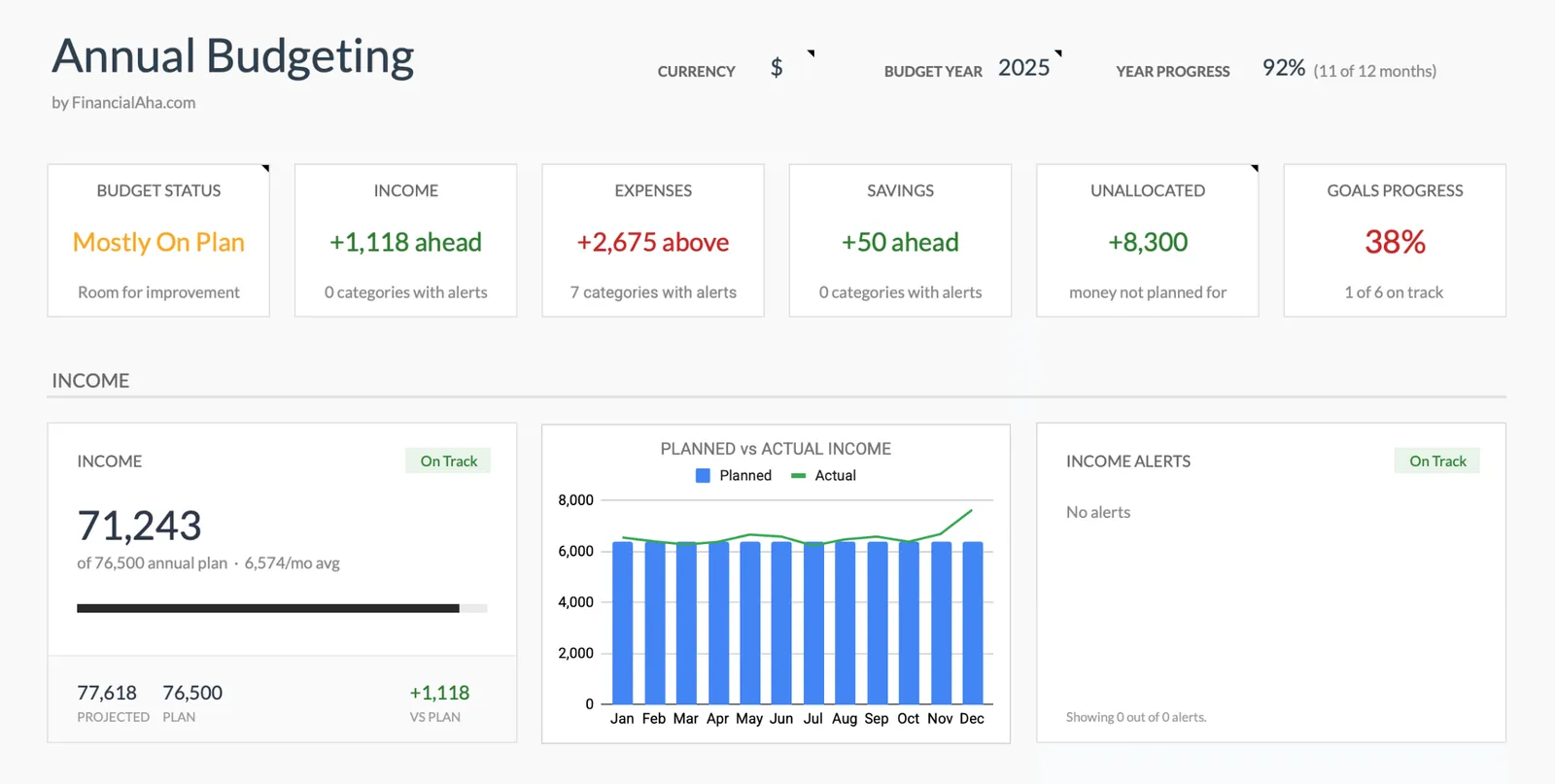
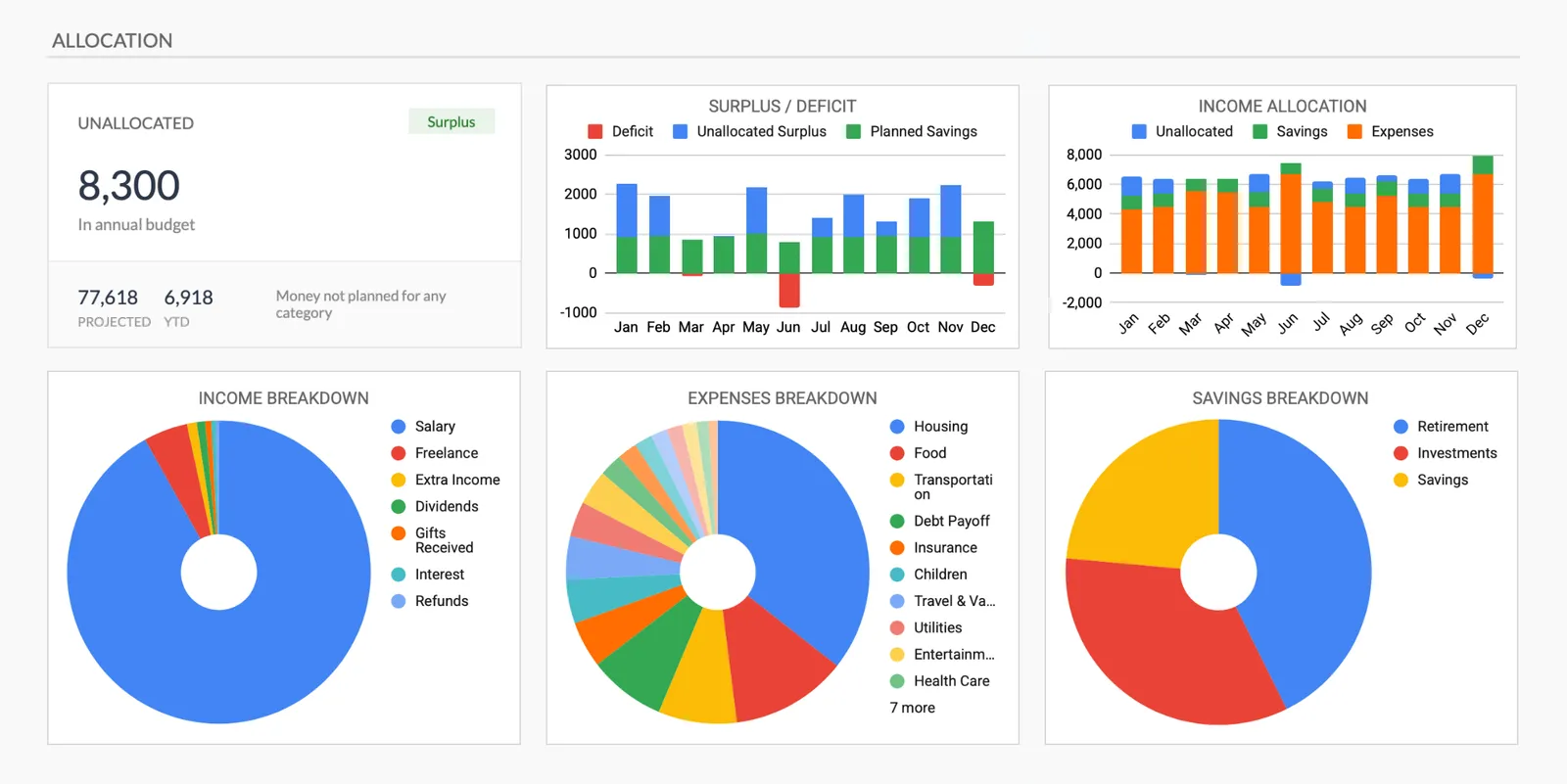

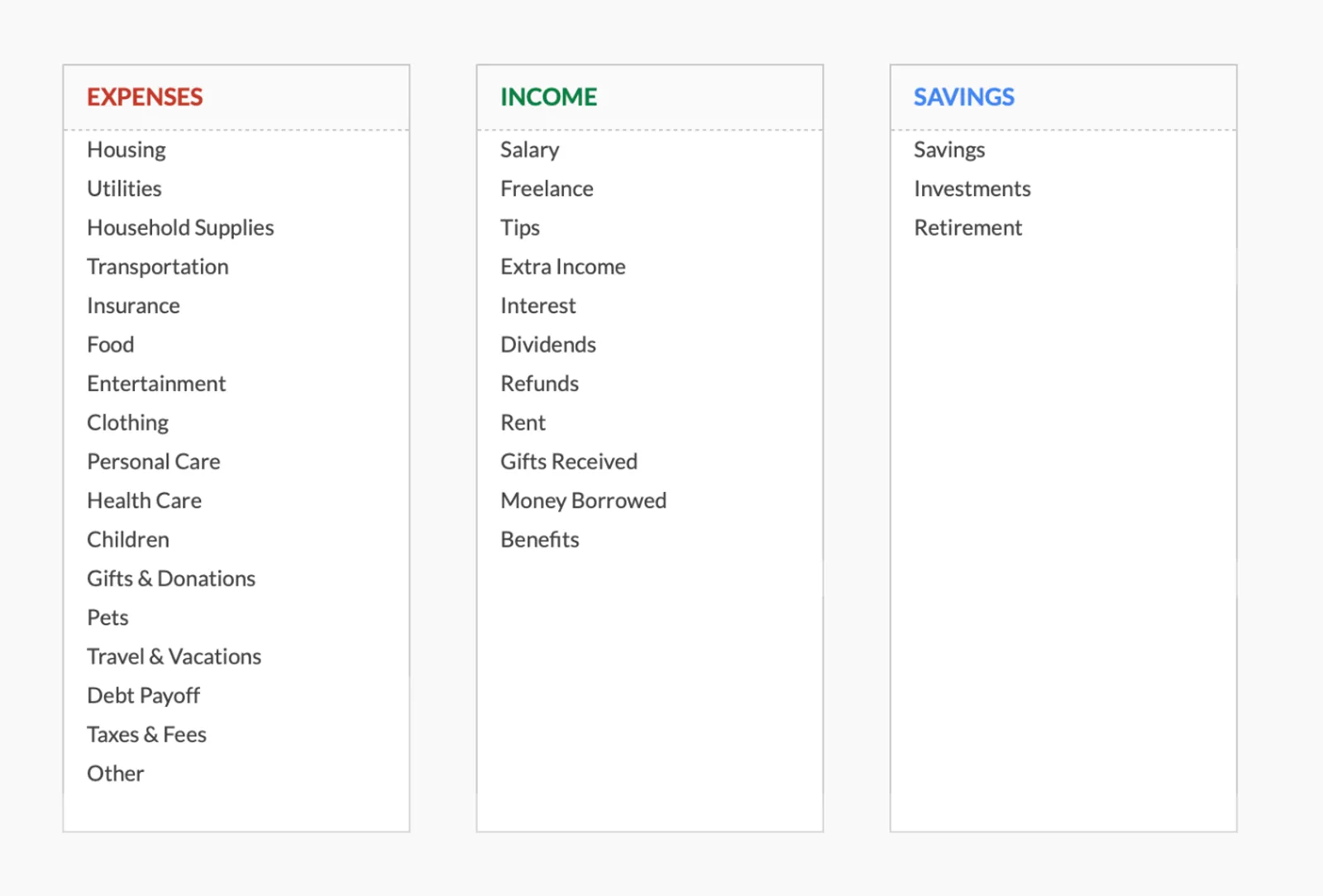
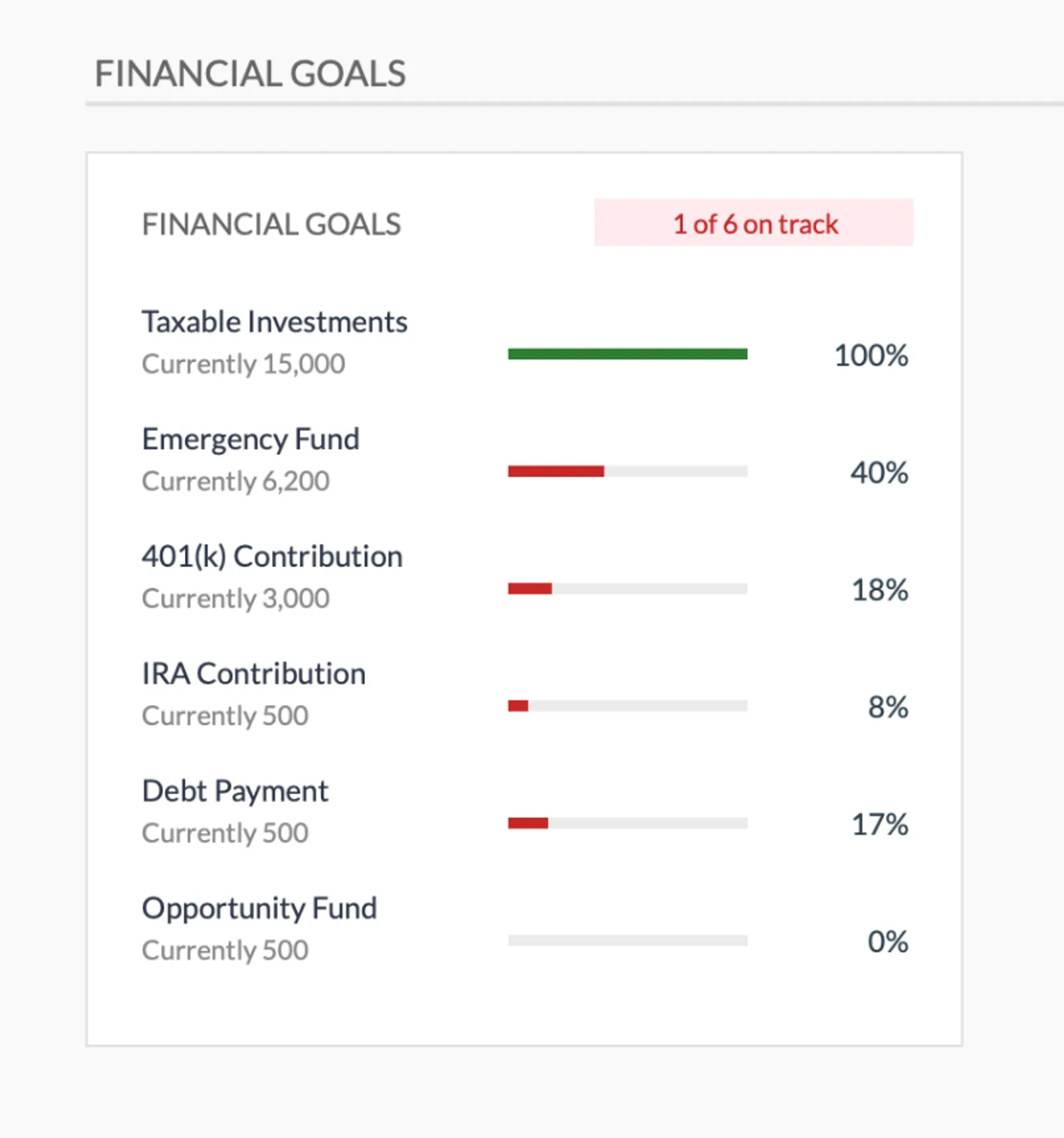
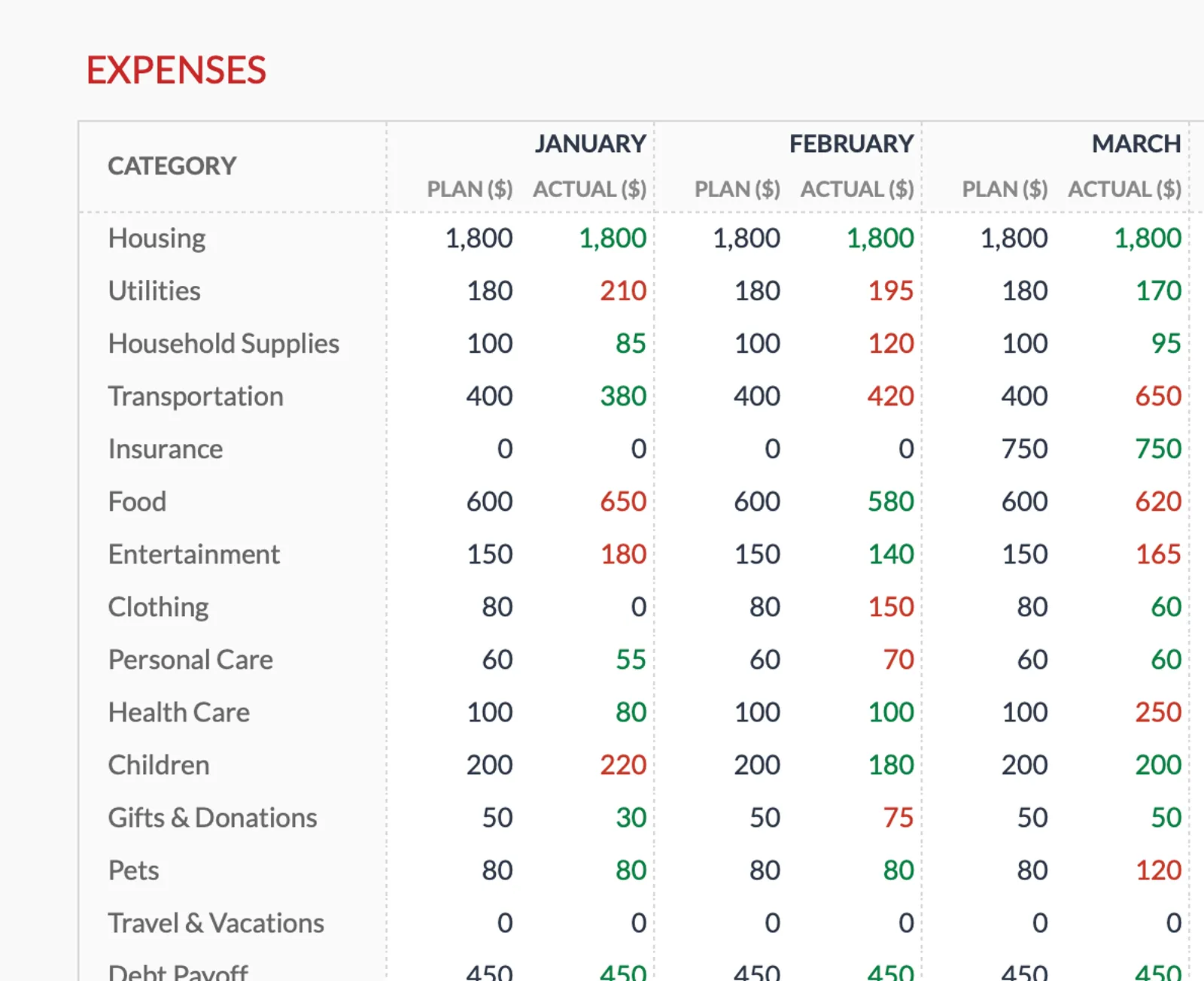
Full year budget overview with monthly breakdown
See how your budget is allocated across categories
Track key metrics across the year
Customizable categories for your annual plan
Set and track annual financial goals
Track expenses month by month across the year
Common Questions
Sinking Funds Budgeting - FAQ
How is a sinking fund different from an emergency fund?
Emergency funds cover unexpected expenses (job loss, surprise medical bills, broken appliances). Sinking funds cover expected expenses with known or estimated timing (annual insurance, holiday gifts, car tires). Both are important, and they serve different purposes.
Where do I keep sinking fund money?
A high-yield savings account works well. Some people use a single savings account and track funds on a spreadsheet. Others use a bank with sub-accounts (like Ally or Capital One) to physically separate funds. The tracking matters more than the account structure.
How many sinking funds is too many?
Start with 5-8 major categories. Too many funds make tracking a burden and spread money too thin. Related expenses can be combined - "car maintenance" can cover oil changes, tires, and repairs rather than having separate funds for each.
What if I need the money before the fund is fully funded?
Use what's available and cover the gap from current income or emergency fund. Then continue contributing. Having even half the amount saved softens the blow of a large expense. Partial funding is still better than no funding.
Can't find the answer you're looking for? Contact our team
Start sinking funds budgeting today
One-time purchase. No subscription. Your financial data stays in your Google Drive.