超值优惠 一站式财务规划套餐
✓ 财务规划✓ 净资产追踪器✓ 月度预算✓ 旅行预算规划器✓ 年度预算规划器✓ 月度支出追踪器✓ 年度税务规划器✓ 退休规划
查看套餐 →

North Carolina

Tax Planner Template for North Carolina

Track your federal and North Carolina state tax planning in Google Sheets. North Carolina uses a flat tax rate that has been decreasing.

一次性购买 Google Sheets 您的数据保持私密
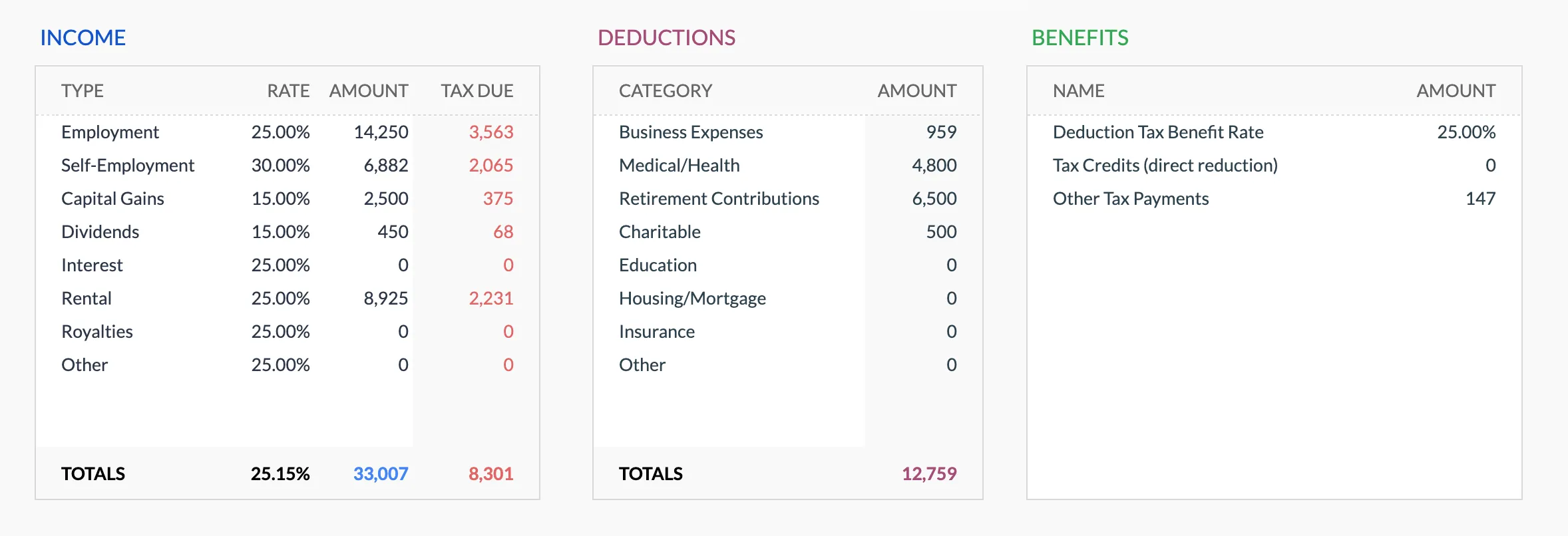
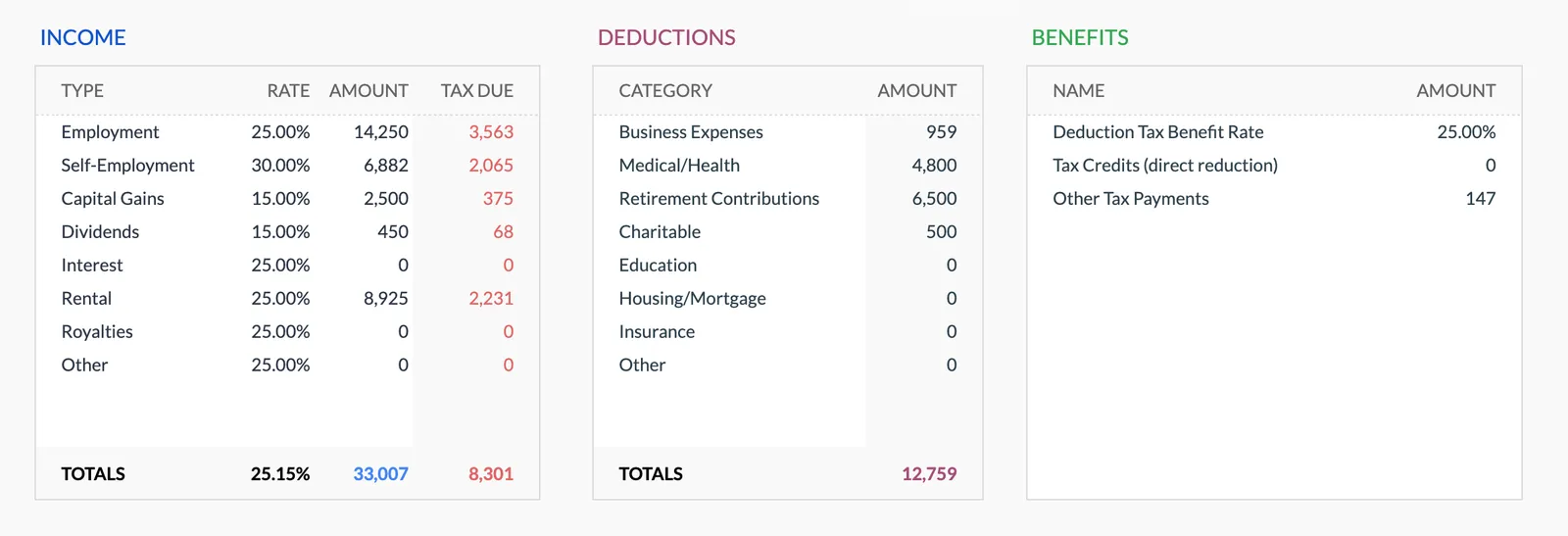
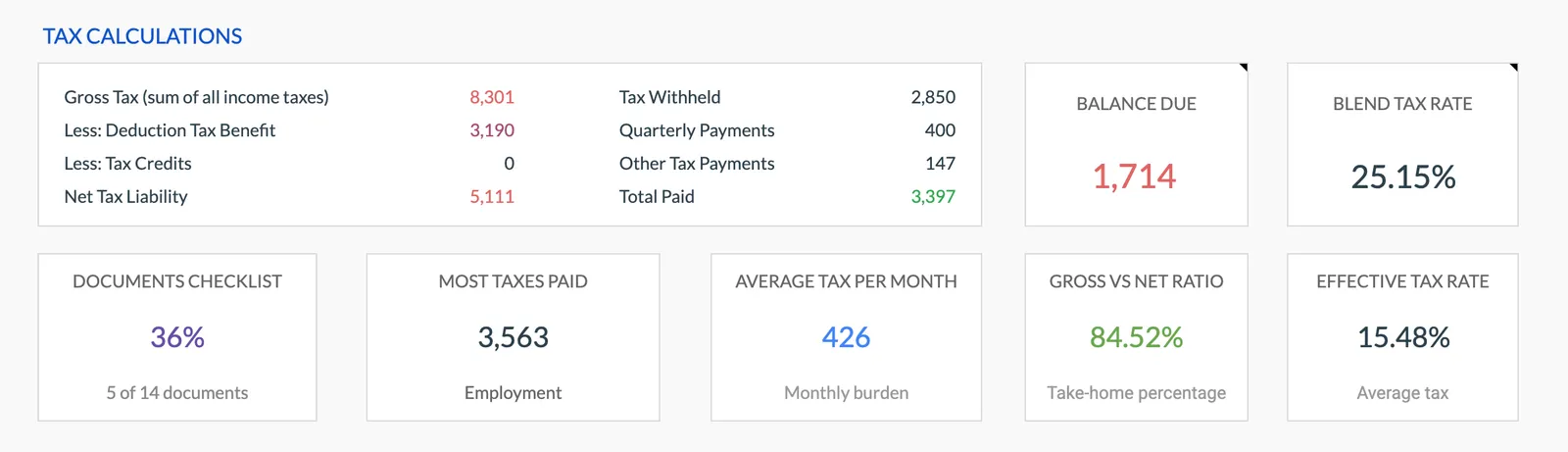
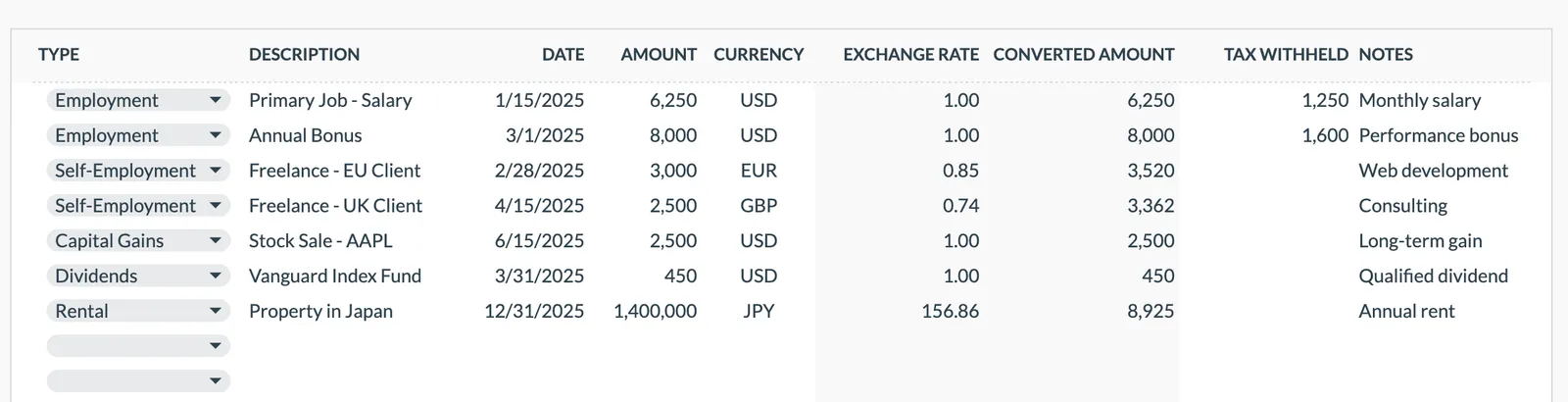
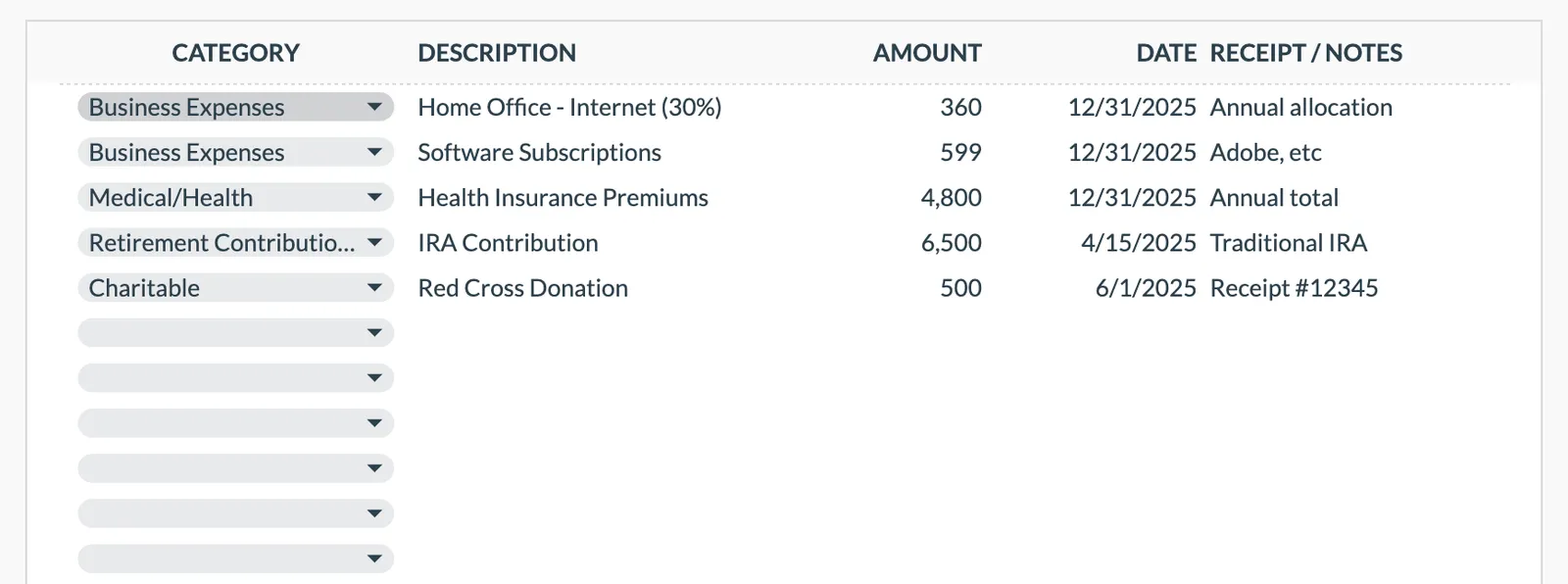
Annual Tax Planner template for North Carolina residents

In Depth

North Carolina's Declining Flat Rate

North Carolina switched from a graduated income tax to a flat rate over a decade ago and has been steadily reducing that rate since. The legislature built in scheduled reductions that bring the rate down incrementally, conditional on revenue targets being met. This has made North Carolina increasingly competitive with southeastern neighbors, particularly as remote work has expanded the pool of people who can choose where they live based partly on tax considerations.

North Carolina has its own standard deduction that is separate from the federal amount. The state does not allow itemized deductions - all filers use the North Carolina standard deduction. This simplifies the state return considerably but means that residents with large mortgage interest, charitable contributions, or medical expenses cannot leverage those on the state side. The state standard deduction amounts have been increasing alongside the rate reductions.

The Bailey Settlement is a unique feature of North Carolina tax law. Under a court settlement, state and local government retirees who were vested in their pension plan before August 12, 1989 are exempt from North Carolina income tax on that retirement income. This affects a shrinking pool of retirees as time passes, but it remains relevant for those who qualify. For everyone else, most retirement income (except Social Security, which is fully exempt) is taxed at the flat rate.

North Carolina

Tax Planning in North Carolina

North Carolina has a flat income tax rate that has been progressively reduced in recent years. The straightforward structure makes state tax planning relatively simple.

1

Flat Income Tax

North Carolina has a flat income tax rate that has been declining in recent years, with further reductions planned. The rate is moderate compared to other states [2].

2

Standard Deduction

North Carolina has its own standard deduction for single and joint filers. These amounts are separate from the federal standard deduction.

3

Retirement Income

North Carolina taxes most retirement income at the flat rate. Social Security benefits are exempt from state tax. Bailey Settlement beneficiaries (vested state/local government retirees before August 1989) may also be exempt.

4

No Local Income Tax

North Carolina does not allow local income taxes. The flat state rate is the only income tax to plan for.

获取年度税务规划表

追踪收入和扣除项 一次性购买 永久免费更新

入门指南

Using the Tax Planner as a North Carolina Resident

1

Enter income and note the current flat rate

Add all income sources to the template. North Carolina's flat rate has been declining year over year, so confirm the current rate (4.5% as of recent years) at the start of the tax year. Since Social Security is exempt at the state level, flag that income separately if applicable.

2

Apply North Carolina's state standard deduction

Unlike the federal return where you choose between standard and itemized, North Carolina requires the state standard deduction for all filers. Record the NC standard deduction amount in your notes - it is separate from the federal figure and has been increasing as the state reduces its rate. Your state taxable income starts from this deduction, not from any itemized amount.

3

Note the absence of a 529 deduction

If you contribute to a 529 plan, be aware that North Carolina offers no state tax benefit for those contributions. This is worth noting when comparing the value of 529 contributions versus other savings vehicles that might provide federal benefits. Track your 529 contributions for your own records, but do not factor them into state tax estimates.

4

Track estimated payments with the declining rate

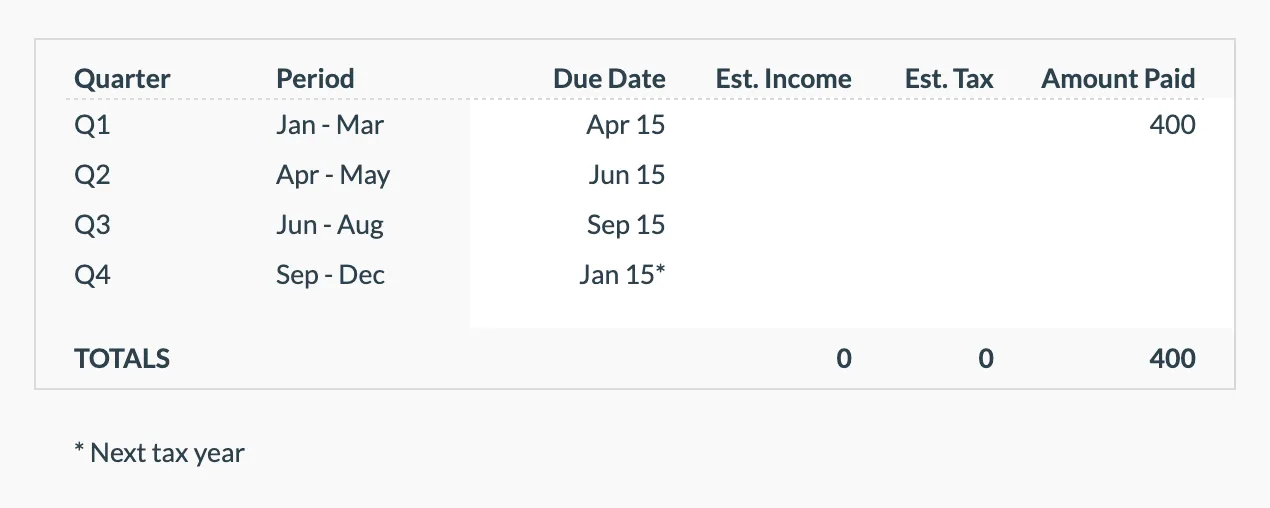
For self-employment or investment income, calculate North Carolina estimates using the current flat rate. If you based prior-year estimates on a higher rate, your quarterly amounts may need adjusting downward. The template's quarterly tracker helps manage these alongside federal estimated payments.

5

Review your combined federal and state picture

Use the dashboard for detailed federal projections and the notes section for North Carolina's simpler flat-rate calculation. Since the state does not allow itemizing, changes to your federal deduction strategy do not affect the state side - the two calculations run somewhat independently, which simplifies the review.

常见问题

Tax Planning in North Carolina - FAQ

How has North Carolina's flat rate been changing over time?

North Carolina switched from graduated brackets to a flat rate over a decade ago and has been reducing that rate steadily since. The legislature built in scheduled reductions conditional on revenue targets. The current rate of 4.5% [1] is down from 5.25% in earlier years, and further reductions are planned. Checking the rate for each tax year is useful since it may differ from the prior year.

Why does North Carolina not allow itemized deductions?

North Carolina requires all filers to use the state standard deduction - there is no option to itemize on the state return even if you itemize federally. The North Carolina standard deduction amounts have been increasing alongside the rate reductions. This simplifies the state return but means residents with large mortgage interest, charitable contributions, or medical expenses cannot leverage those deductions at the state level.

Are 529 plan contributions deductible in North Carolina?

North Carolina does not offer a state income tax deduction for contributions to 529 college savings plans. This is a notable difference from many other states that provide a deduction or credit for 529 contributions. The earnings within a 529 still grow tax-free federally, but there is no state-level incentive specific to North Carolina for making contributions.

How does the Bailey Settlement affect some North Carolina retirees?

Under a court settlement, state and local government retirees who were vested in their pension plan before August 12, 1989 are exempt from North Carolina income tax on that retirement income. This affects a shrinking pool of retirees as time passes. For everyone else, retirement income (except Social Security, which is fully exempt) is taxed at the flat rate.

Does this template work with North Carolina's mandatory standard deduction?

The template tracks both standard and itemized deductions for federal purposes. For North Carolina, use the notes section to record the state standard deduction amount separately - it differs from the federal figure. Since itemizing is not an option on the state return, the North Carolina calculation always uses the state standard deduction regardless of your federal choice.

Can't find the answer you're looking for? Contact our team

Sources

  1. [1]North Carolina Department of Revenue - Individual Income Tax
  2. [2]Tax Foundation - North Carolina Tax Profile

Organize your tax planning for North Carolina

一次性购买。无需订阅。您的财务数据保存在您的 Google Drive 中。