超值优惠 一站式财务规划套餐
✓ 财务规划✓ 净资产追踪器✓ 月度预算✓ 旅行预算规划器✓ 年度预算规划器✓ 月度支出追踪器✓ 年度税务规划器✓ 退休规划
查看套餐 →

Illinois

Tax Planner Template for Illinois

Organize your federal and Illinois state tax planning in Google Sheets. Illinois uses a flat tax rate, making state tax estimates straightforward.

一次性购买 Google Sheets 您的数据保持私密
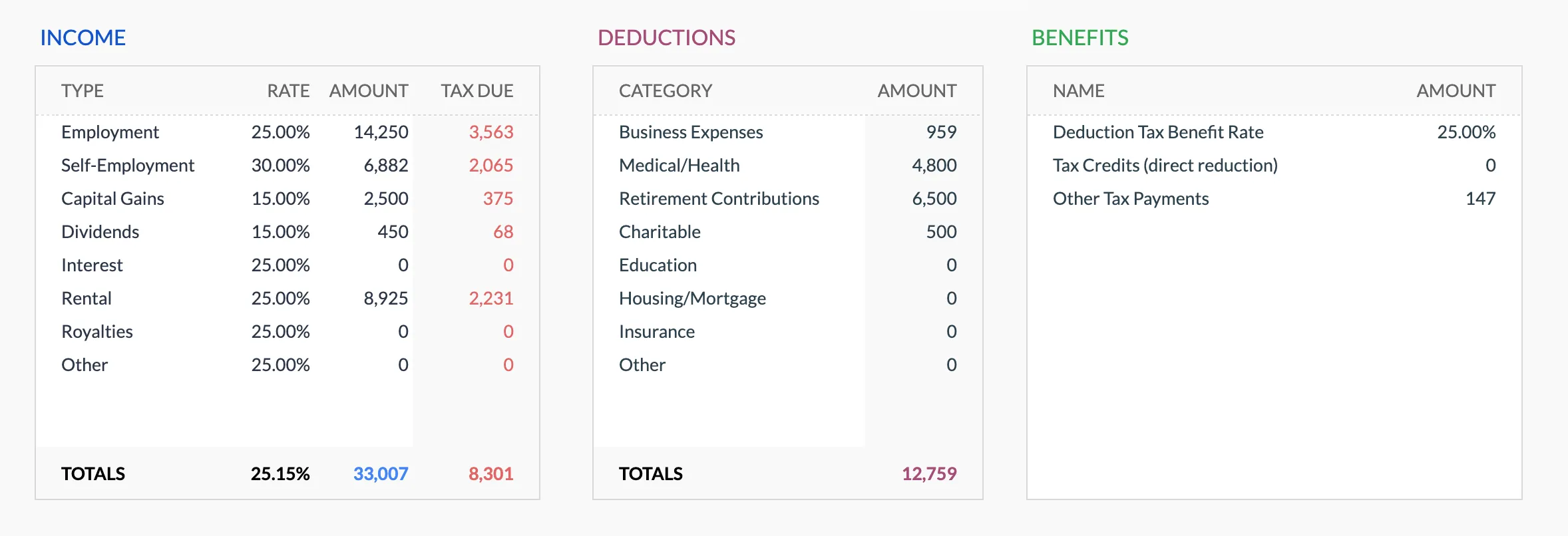
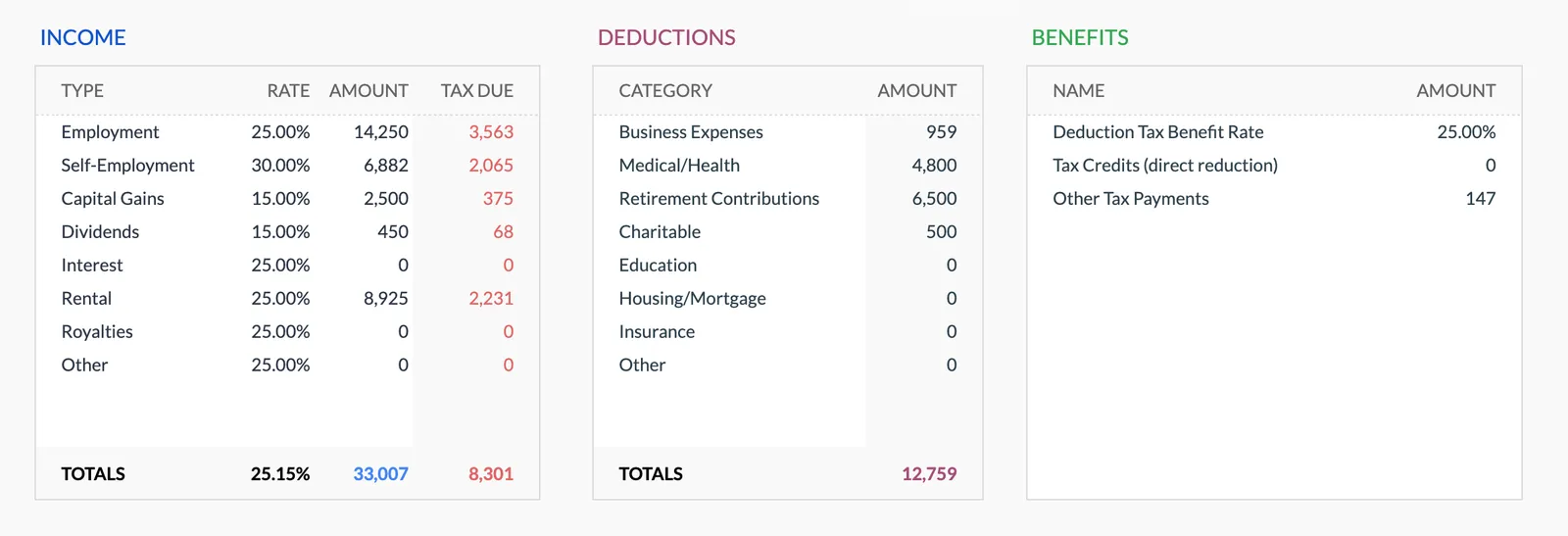
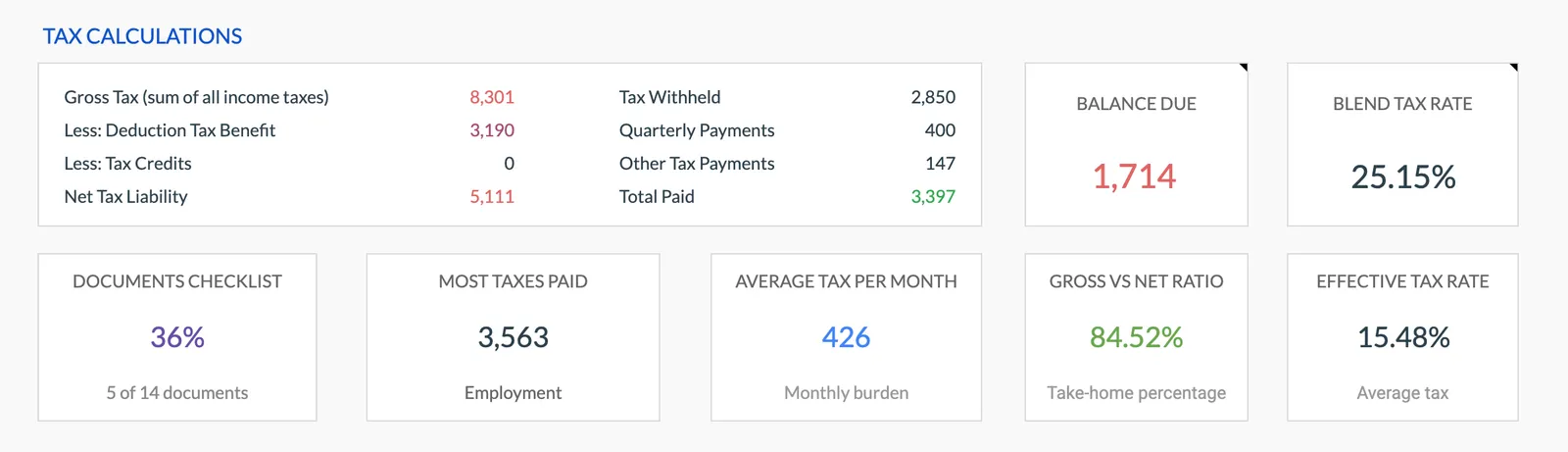
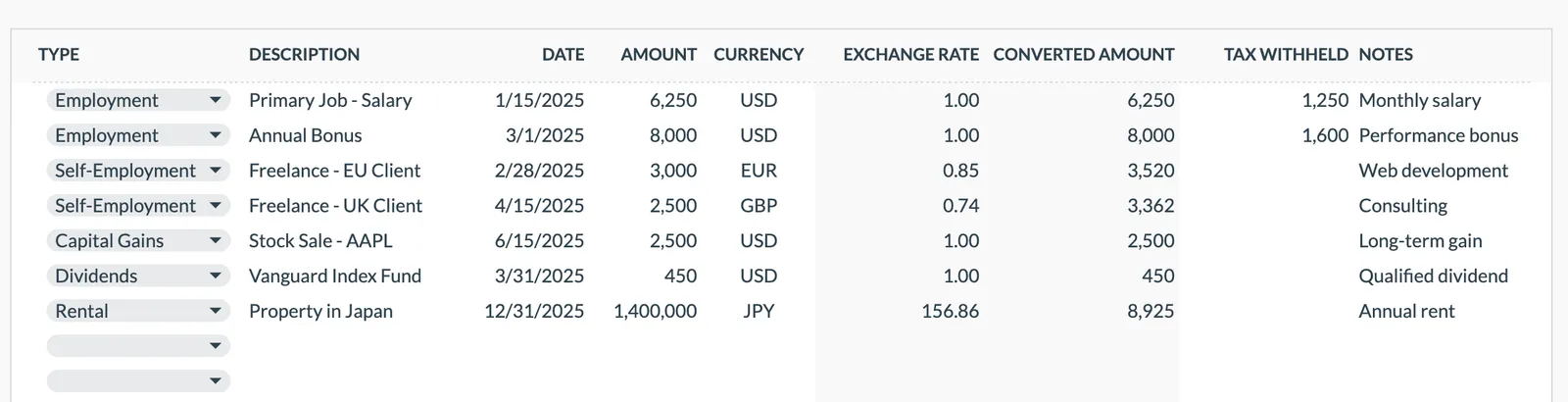
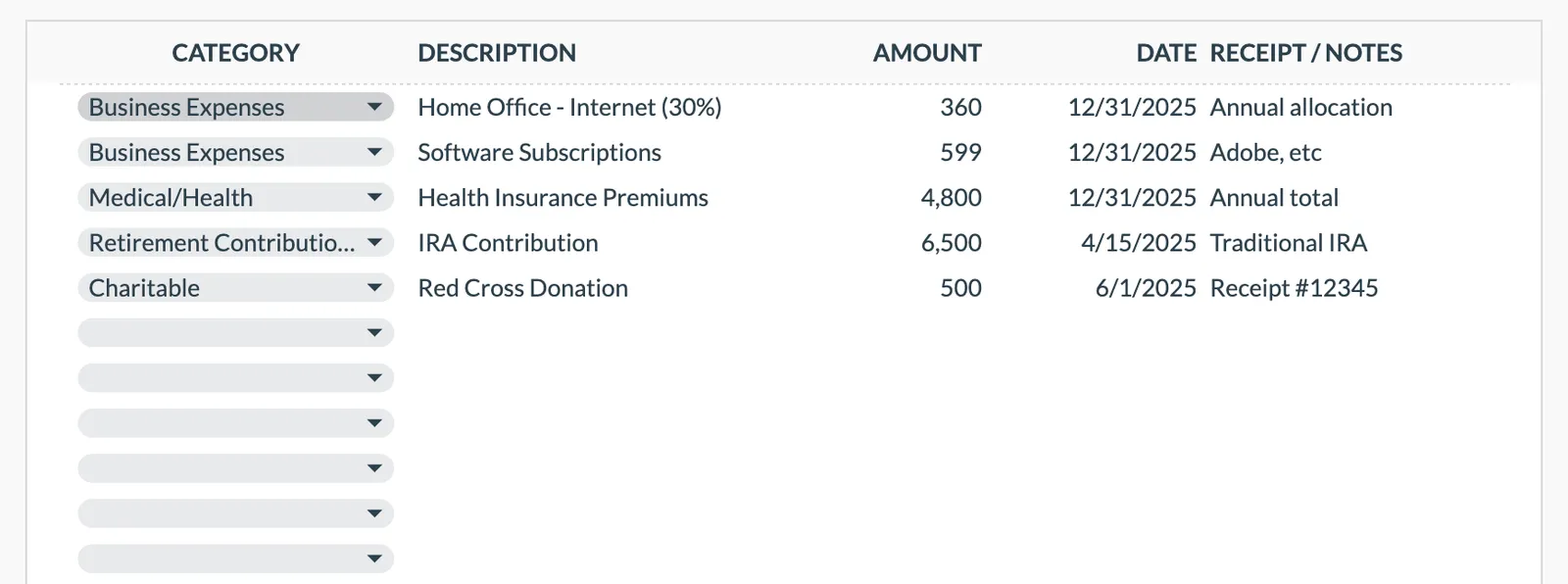
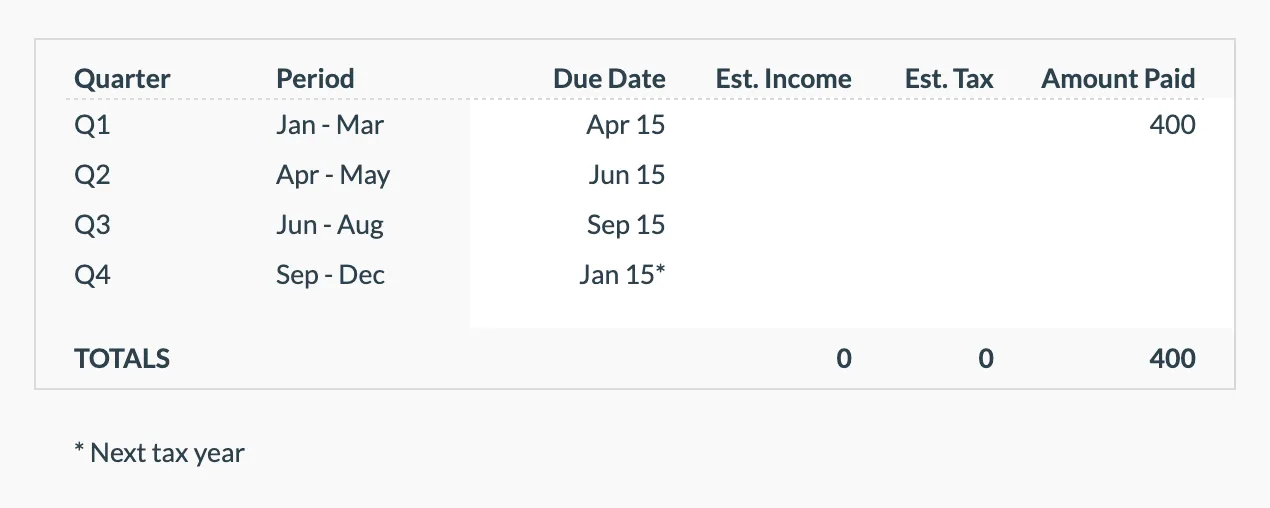
Annual Tax Planner template for Illinois residents

In Depth

Illinois - Flat Income Tax, High Property Tax

Illinois is constitutionally required to use a flat income tax - the rate must be the same for all taxpayers regardless of income. A 2020 ballot measure to allow graduated rates was rejected by voters, so the flat structure remains. This makes state income tax calculations simple, but it also means the rate applies equally to the first dollar and the last.

Where Illinois stands out is property taxes. The state has some of the highest effective property tax rates in the nation, with Cook County and the collar counties around Chicago often exceeding two percent of market value. For many Illinois households, property tax is the largest single tax expense. Under the federal SALT cap, residents who pay high property taxes may find they cannot deduct the full amount on their federal return, which makes tracking both state and federal obligations together especially useful.

The retirement income situation in Illinois is notably generous. The state does not tax Social Security benefits, pensions from public or private employers, 401(k) distributions, or IRA withdrawals. This blanket exemption on retirement income is broader than what most states offer and makes Illinois an outlier among states with an income tax. For residents still working, however, all earned income faces the flat rate with no local income tax layer on top.

Illinois

Tax Planning in Illinois

Illinois has a flat income tax rate that applies uniformly to all taxable income. The state also has relatively high property taxes, which affects the overall tax planning picture.

1

Flat Income Tax

Illinois has a flat income tax rate of 4.95% [1] that applies to all taxable income regardless of amount. The simplicity of a flat rate makes it easier to project state tax liability.

2

High Property Taxes

Illinois has some of the highest property taxes in the nation [2]. This is particularly relevant given the federal SALT deduction cap.

3

Retirement Income

Illinois does not tax retirement income from most sources - including Social Security, pensions, 401(k) distributions, and IRA withdrawals [1]. This is a significant benefit for retirees.

4

No Local Income Tax

Illinois does not allow municipalities to levy local income taxes. The state flat rate is the only income tax rate residents need to plan for.

获取年度税务规划表

追踪收入和扣除项 一次性购买 永久免费更新

入门指南

How to Use the Template for Illinois Taxes

1

Enter income knowing retirement income is exempt

Add all income sources to the template. For Illinois purposes, flag which income is from retirement sources - Social Security, pensions, 401(k) distributions, and IRA withdrawals are all exempt from the 4.95% state tax. Only earned and investment income is subject to the Illinois rate, which simplifies the state calculation for retirees or those with mixed income.

2

Track property taxes for both SALT and Illinois credit

Illinois property taxes are unusually high, so enter your actual amount in the deductions section. This number serves double duty - it counts toward your federal SALT deduction (up to the cap) and qualifies for the Illinois 5% property tax credit on your state return. Seeing both uses in one place highlights the total tax benefit.

3

Calculate the flat state tax directly

With no brackets to navigate, the Illinois state tax is simply 4.95% of non-exempt taxable income. Use the notes section to track your Illinois-specific calculation: total income minus exempt retirement income, multiplied by 0.0495, minus the property tax credit. This gives you a running estimate of your Illinois liability alongside the federal projection.

4

Manage estimated payments for the single state rate

For self-employment or investment income, Illinois estimated payments are straightforward to calculate since there is only one rate and no local income tax. The quarterly tracker helps manage federal and Illinois payment deadlines together.

5

Evaluate whether property tax dominates your SALT cap

Review your federal deduction picture to see if Illinois property taxes alone consume the SALT cap. If they do, state income tax provides no additional federal deduction, which changes the after-tax cost of the state tax. This analysis can inform decisions about estimated payment timing and other planning choices.

常见问题

Tax Planning in Illinois - FAQ

Why does Illinois have a flat tax instead of graduated brackets?

Illinois is constitutionally required to use a flat income tax - the state constitution mandates that the rate be the same for all taxpayers. A 2020 ballot measure to amend the constitution and allow graduated rates was rejected by voters. The current 4.95% rate applies to every dollar of taxable income, from the first dollar to the last, with no brackets or tiers.

Is it true that Illinois does not tax retirement income?

Illinois exempts most retirement income from state tax. This includes Social Security benefits, pensions (both public and private), 401(k) distributions, IRA withdrawals, and most other qualified retirement plan income. This blanket exemption is broader than what most states with an income tax offer. For working-age residents, however, all earned income faces the 4.95% flat rate.

How do Illinois property taxes interact with the SALT deduction?

Illinois has some of the highest effective property tax rates in the country, particularly in Cook County and the collar counties around Chicago. Many Illinois households reach the federal SALT deduction cap from property taxes alone, leaving little or no room to deduct state income tax. Tracking both property tax and state income tax together in the template shows how much federal deduction benefit is available.

Does Illinois have any local income taxes?

No. Illinois does not permit municipalities to levy local income taxes. The 4.95% flat state rate is the only income tax Illinois residents pay. This is a meaningful simplification compared to states like Indiana or Pennsylvania where local income taxes add another layer of calculation.

Is there a property tax credit on the Illinois return?

Illinois offers a property tax credit equal to 5% of property taxes paid on a principal residence. The credit is applied on the state income tax return and directly reduces the state tax owed. Worth noting that this credit exists separately from any federal deduction for property taxes - you can claim both where applicable.

Can't find the answer you're looking for? Contact our team

Sources

  1. [1]Illinois Department of Revenue - Individual Income Tax
  2. [2]Tax Foundation - Illinois Tax Profile

Organize your tax planning for Illinois

一次性购买。无需订阅。您的财务数据保存在您的 Google Drive 中。