Nigeria
Retirement Planning Template for Nigeria
Lay out your RSA balance, voluntary contributions, personal investments, and projected retirement costs in a Google Sheets template you own.
In Depth
CPS, Retirement Savings Accounts, and the Role of Pension Fund Administrators
Nigeria's Contributory Pension Scheme (CPS), established by the Pension Reform Act of 2004 (and revised in 2014), requires both employers and employees in the formal sector to contribute to a Retirement Savings Account (RSA). The standard split is 8% from the employee and 10% from the employer, for a combined 18% of monthly emoluments. These contributions are managed by licensed Pension Fund Administrators (PFAs), and the funds are held by Pension Fund Custodians (PFCs) for safekeeping. Workers choose their own PFA, which makes comparing fees and historical returns a worthwhile exercise.
The National Social Insurance Trust Fund (NSITF) provides a separate layer of social protection, covering workplace injuries, occupational diseases, and related compensation. It applies to employees in the private sector and is funded by employer contributions (1% of monthly payroll). While NSITF is not a retirement scheme in itself, it is part of the broader social safety net. For retirement-specific planning, the RSA balance and any Additional Voluntary Contributions (AVC) are typically the main building blocks within the formal pension framework.
One challenge specific to Nigeria is that the CPS primarily covers formal sector employees. With a large portion of the working population in informal employment, many people do not have access to the contributory scheme at all. The Micro Pension Plan, introduced by PenCom, aims to extend pension coverage to the self-employed and informal workers through flexible contribution schedules. For those outside the formal system, personal savings, property, and family networks have traditionally served as the primary sources of retirement support.
Inflation and currency depreciation are persistent considerations when projecting retirement needs in naira. The purchasing power of a given RSA balance can erode meaningfully over a 20- or 30-year horizon if returns do not keep pace with inflation. Some PFAs offer multi-fund structures (Fund I through Fund IV) with varying risk profiles, allowing contributors to choose between more conservative or growth-oriented allocations depending on their age and risk tolerance.
Nigeria
Retirement Planning in Nigeria: Key Factors
Nigeria's contributory pension scheme provides a foundation, but personal savings and investments are important supplements given the country's economic dynamics.
The Contributory Pension Scheme forms the base
Under the Pension Reform Act, formal sector employees contribute at least 8% of basic salary (plus housing and transport) to a Retirement Savings Account (RSA), with employers contributing at least 10%. These funds are managed by licensed Pension Fund Administrators (PFAs). The accumulated balance at retirement determines your pension income - either as a programmed withdrawal or a lump sum plus annuity.
Additional Voluntary Contributions offer flexibility
Beyond the mandatory contributions, employees can make Additional Voluntary Contributions (AVC) to their RSA. These grow tax-free and can be withdrawn after a defined period. AVCs provide a way to boost retirement savings beyond the minimum, and the flexibility of withdrawal makes them useful for medium-term goals as well.
Inflation erodes naira-denominated savings quickly
Nigeria has experienced double-digit inflation in recent years. This means that retirement savings in naira lose purchasing power rapidly if they're not growing above the inflation rate. Considering investments that offer inflation protection - or at least returns that exceed inflation - is an important part of retirement planning in the Nigerian context.
Many Nigerians plan for retirement income beyond pension
Given the challenges of relying solely on pension savings, many Nigerians build additional income streams for retirement: rental property, business interests, agricultural investments, and family support networks. A comprehensive retirement plan accounts for all expected income sources, not just the RSA balance.
获取模板
入门指南
Personalizing the Retirement Planner for Nigerian PFA Accounts
Enter current retirement savings
List your RSA balance (check with your PFA), any Additional Voluntary Contributions, bank savings, investments (stocks, bonds, mutual funds), property value, and any other long-term assets earmarked for retirement.
Enter RSA, AVC, and other savings amounts
Enter mandatory pension contributions (employee + employer share), AVC amounts, and any additional savings or investment contributions. This drives the growth projections.
Estimate retirement expenses
Project monthly costs in retirement - housing (hopefully owned outright), healthcare, food, transport, utilities (including generator costs), domestic staff, and family obligations. Be realistic about healthcare costs, which tend to increase with age.
Use conservative assumptions for growth and inflation
Nigerian inflation has been high and volatile. Use realistic assumptions - perhaps 10-15% nominal returns and 8-12% inflation, depending on the period. Real returns (after inflation) may be modest, which underscores the importance of saving consistently.
Plan for multiple income streams
Consider all potential retirement income: RSA pension, rental income from property, business income, dividends, and any other sources. Diversifying retirement income across multiple streams reduces dependence on any single source.
查看实际效果
模板外观
浏览模板,了解其如何处理预算、分类和支出跟踪 - 所有内容均可适配您的本地财务设置。
- 内置货币选择器
- 可自定义分类
- 预算与实际对比跟踪
- 可视化图表和摘要
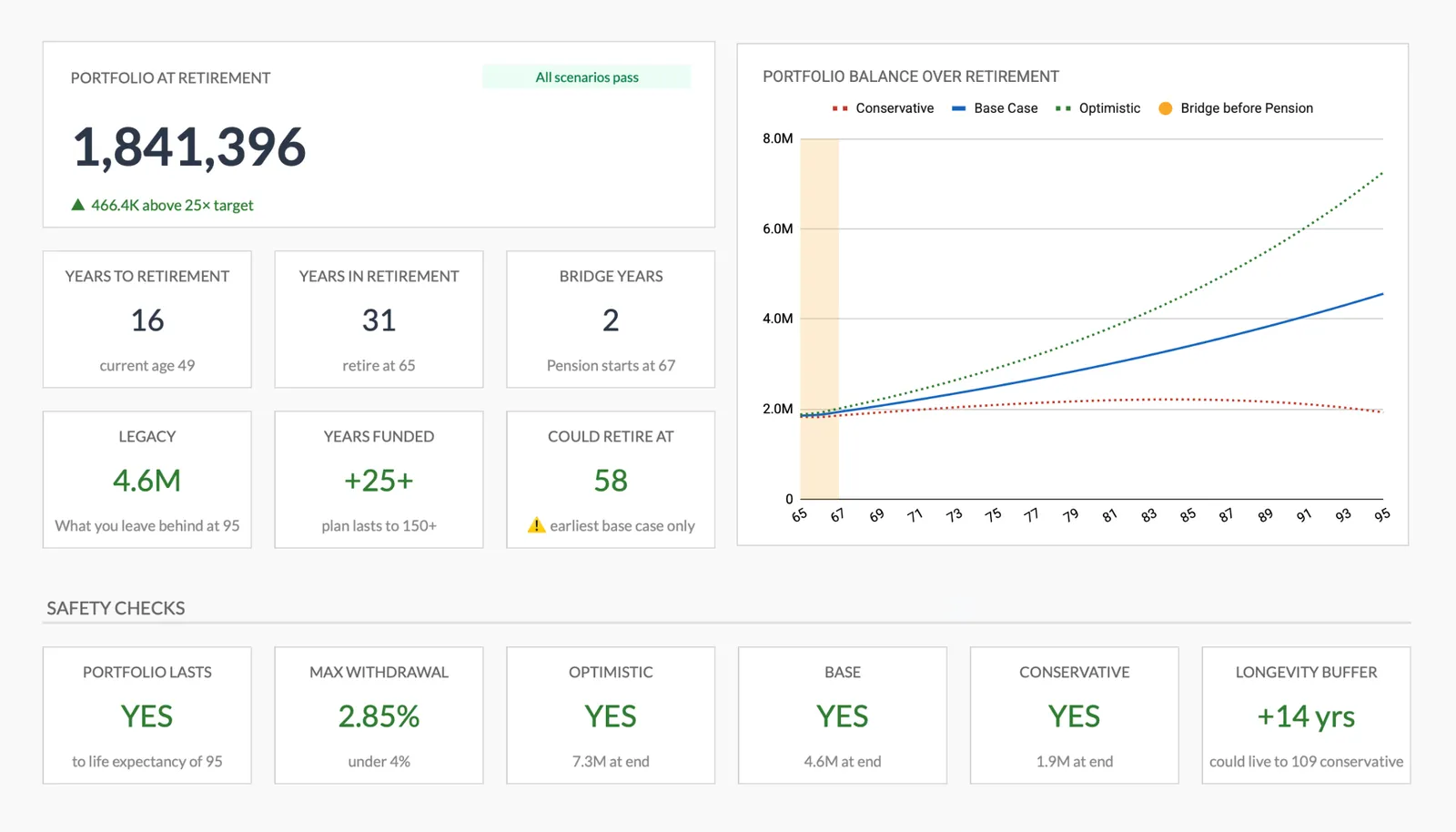
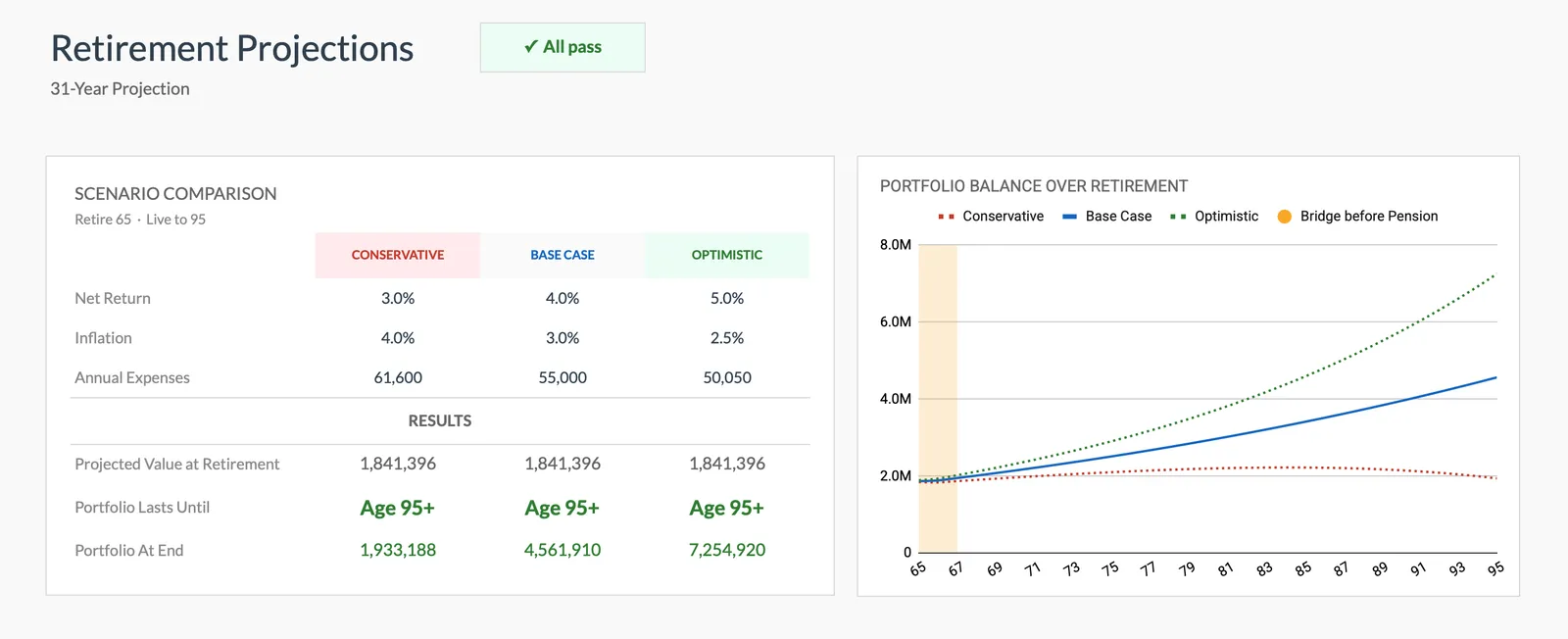
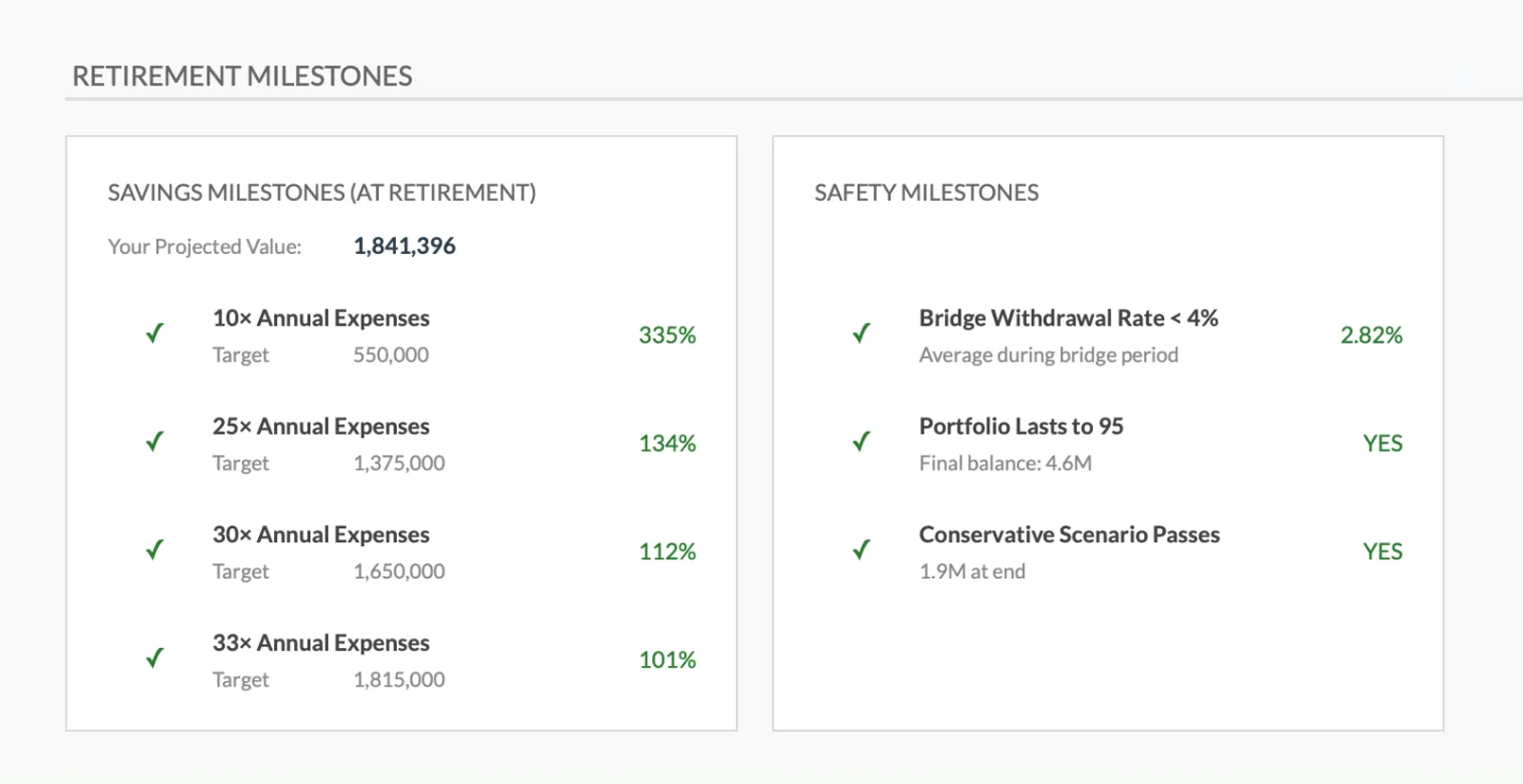
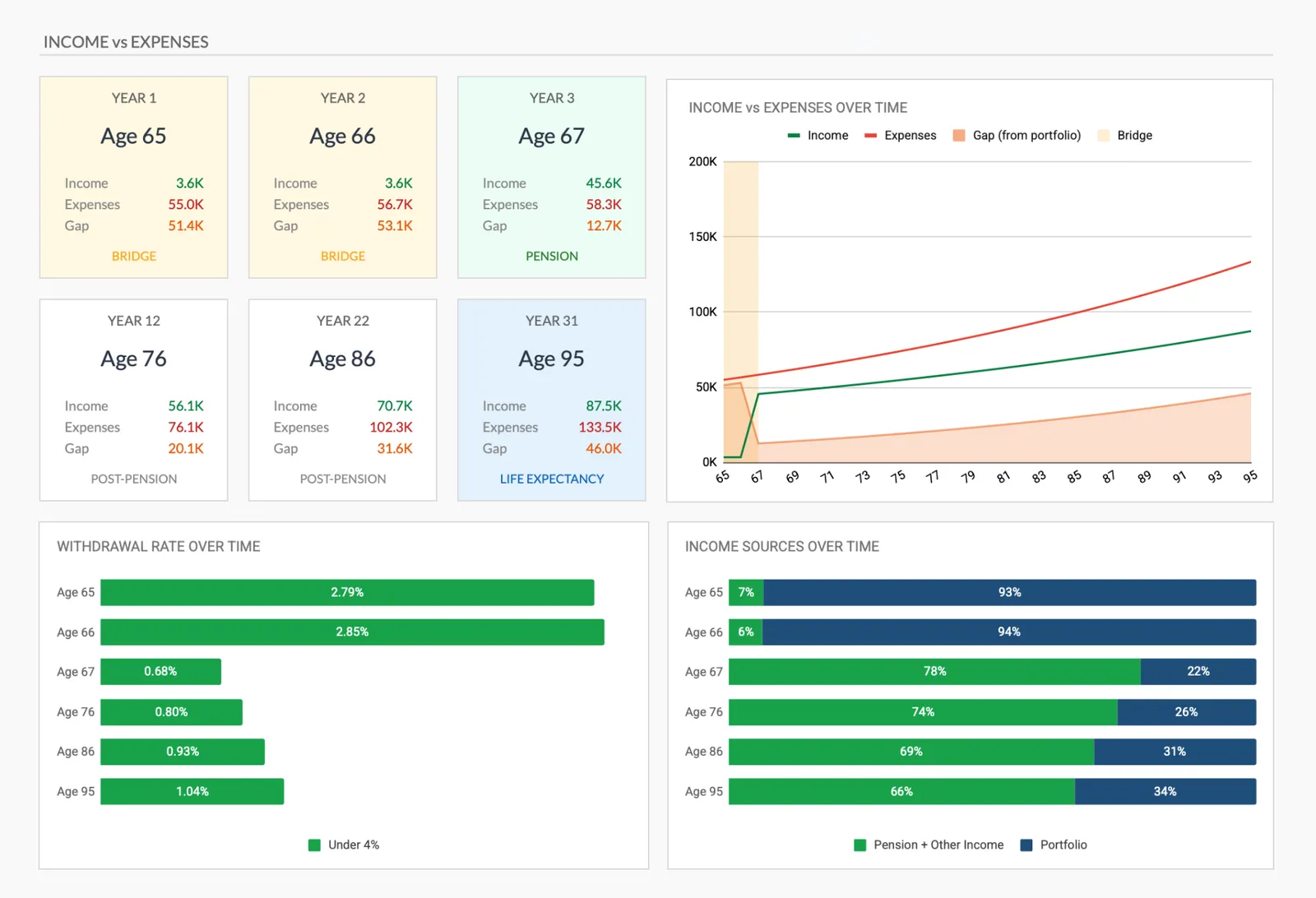
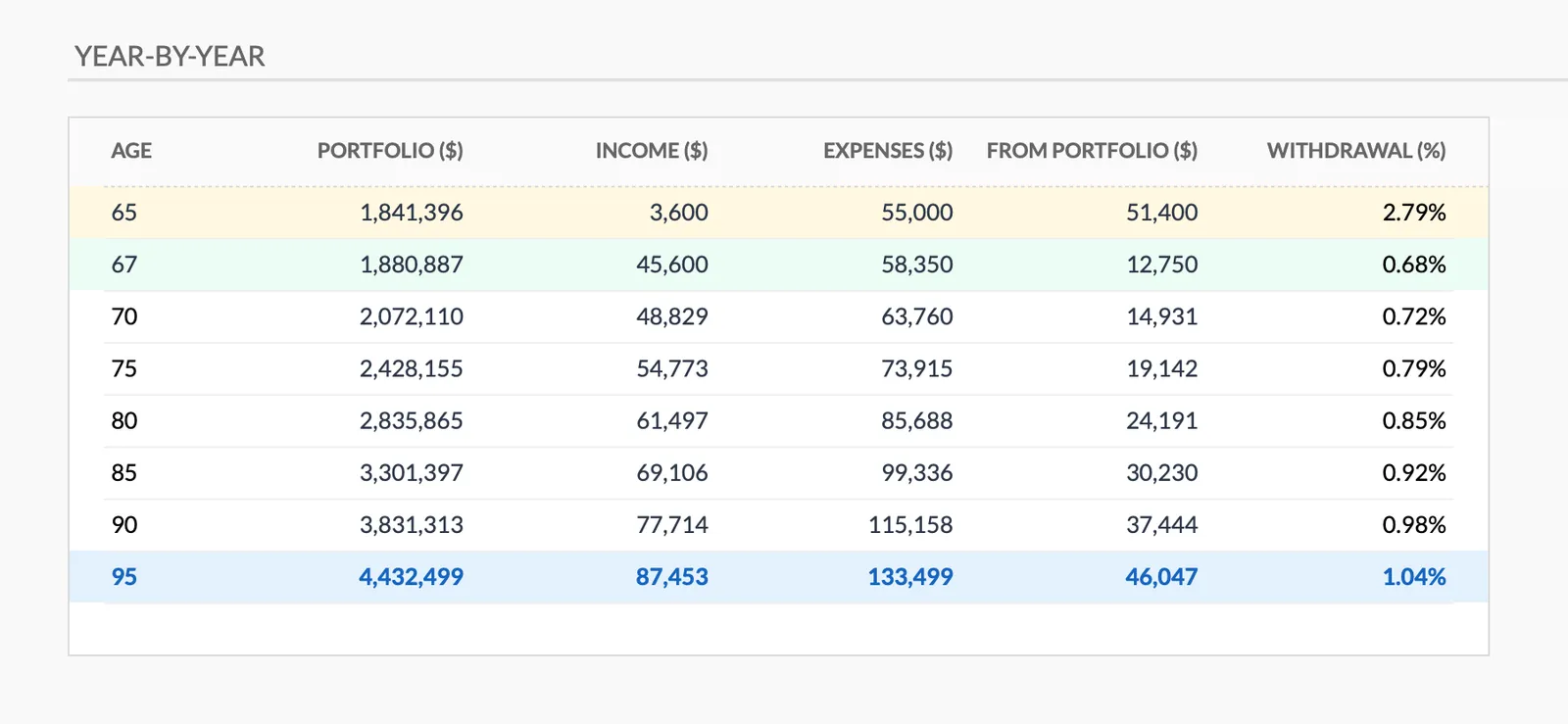
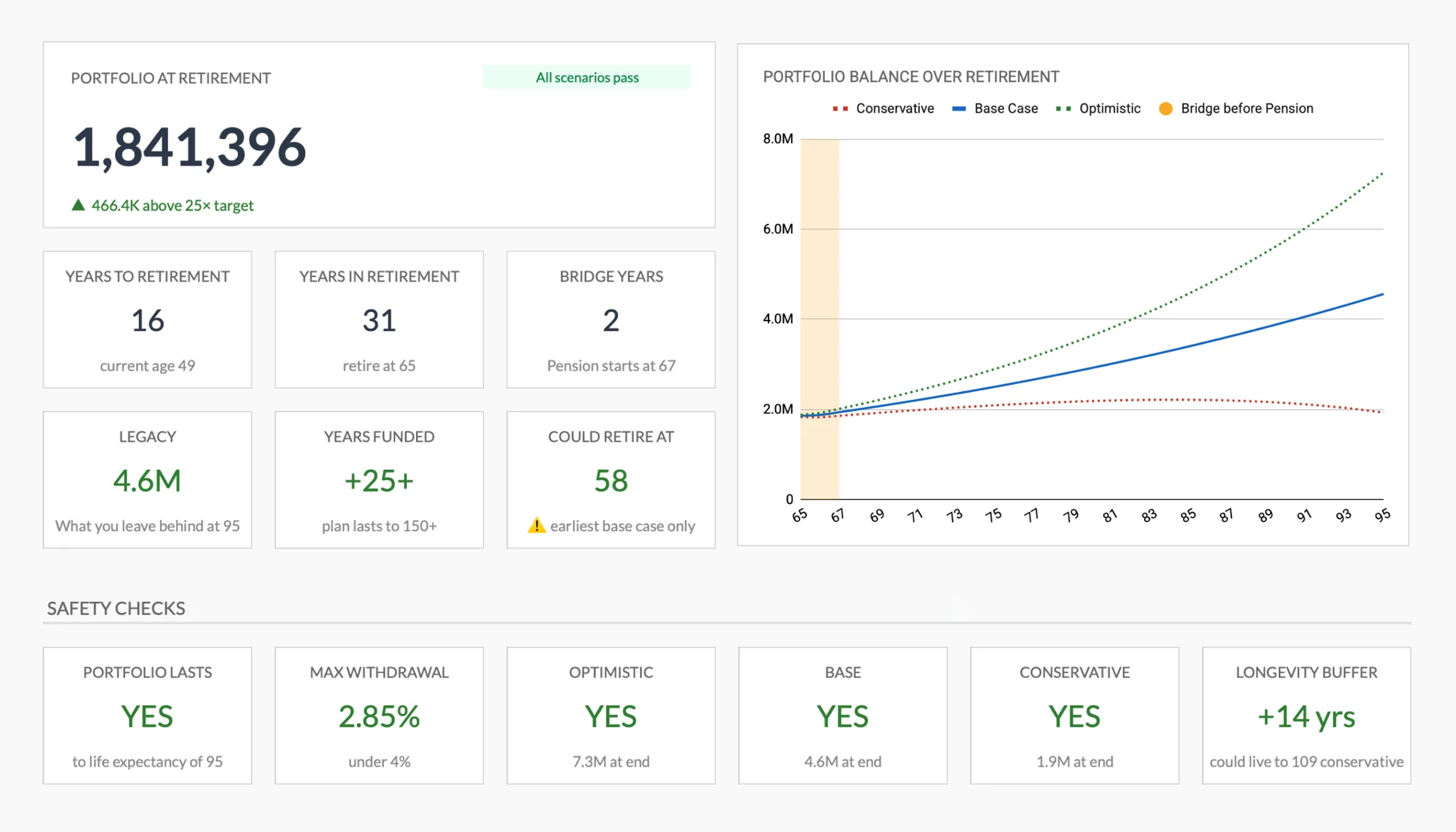
Complete retirement overview with projections
Project your retirement savings growth
Track progress toward retirement goals
Plan your retirement income against expenses
Detailed year-by-year retirement projection
常见问题
Retirement Planning Template for Nigeria - FAQ
How much do I need to retire in Nigeria?
This depends heavily on lifestyle, location, and inflation assumptions. A starting point is to estimate monthly expenses and multiply by the number of months in retirement. Given Nigeria's inflation, building a significant buffer above your estimate is worth considering. The template helps you work through your specific numbers.
When can I access my RSA?
You can access your RSA at age 50 or upon retirement (whichever comes first), or if you've been unemployed for 4 months. At retirement, you can take a lump sum (up to 25% of the balance if employed for less than 3 years, or negotiable otherwise) with the rest providing monthly pension through programmed withdrawal or an annuity.
Is the contributory pension enough for retirement?
For most formal sector workers, the RSA balance at retirement provides a foundation but may not cover a comfortable retirement on its own - especially given inflation. Supplementing with AVC, personal investments, and other income sources helps create a more sustainable retirement income.
How do I protect savings against naira depreciation?
Some strategies people use include: dollar-denominated investments (Eurobonds, foreign currency accounts where available), property (which tends to hold value in real terms), and diversified investment funds. The right mix depends on individual circumstances and risk tolerance.
Can I change my PFA?
Yes. You can transfer your RSA from one Pension Fund Administrator to another. Compare PFAs based on investment returns, fees, and service quality. PenCom (National Pension Commission) publishes performance data that can help with comparison.
Can't find the answer you're looking for? Contact our team