Connecticut
Steuerplaner-Vorlage für Connecticut
Organisieren Sie Ihre bundesweite und Connecticut-Steuerplanung in einer Tabelle. Verfolgen Sie Einnahmen, Abzüge und die Staatseinkommensteuer-Zusatzabgabe.
In Depth
Navigation der geschichteten Steuerstruktur von Connecticut
Connecticuts Einkommensteuer ist geschichteter als sie auf den ersten Blick erscheint. Über die progressiven Stufen hinaus - die bereits mehr Ebenen als in den meisten Bundesstaaten enthalten - gibt es einen zusätzlichen Zuschlagsmechanismus, der den effektiven Satz für Höherverdienende erhöhen kann. Der Zuschlag wird basierend auf der Differenz zwischen Ihrer Steuer zu den festgelegten Sätzen und einem neu berechneten Betrag berechnet, was bedeutet, dass der tatsächliche effektive Spitzensatz die veröffentlichte Stufenspitze übersteigen kann.
Grundsteuern in Connecticut gehören zu den höchsten in der Nation und variieren erheblich nach Gemeinde. Gemeinden im Fairfield County in der Nähe von New York City haben in der Regel hohe Schätzwerte, während Städte wie Hartford und Bridgeport hohe Steuermillersätze haben. In jedem Fall erreichen viele Connecticut-Haushalte die bundesweite SALT-Abzugsgrenze nur aus Grundsteuern, bevor überhaupt die Staatseinkommensteuer berücksichtigt wird. Die gemeinsame Verfolgung beider bietet ein klareres Bild der gesamten bundesweiten Abzugssituation.
Connecticut unterhält außerdem eine eigene Erbschaftsteuer, deren Freibetrag seit dem Steuerjahr 2023 dem bundesweiten Freibetrag entspricht. Nachlässe unterhalb der bundesweiten Schwelle schulden Connecticut in der Regel ebenfalls nichts, und oberhalb davon wendet der Staat einen einheitlichen Satz von 12% an. Für Einwohner, die langfristig finanziell planen, ist dies ein Faktor, der Connecticut von den meisten anderen Staaten der Region unterscheidet.
Connecticut
Steuerplanung in Connecticut
Connecticut hat eine progressive Einkommensteuer mit Sätzen, die aufgrund zusätzlicher Zuschläge auf höhere Einkommen komplex sein können. Eine organisierte Planung hilft Einwohnern, sowohl ihre bundesweiten als auch staatlichen Steuerverpflichtungen zu verwalten.
Progressive Sätze mit Zusatzabgabe
Connecticut hat eine progressive Einkommensteuer mit mehreren Stufen. Höherverdienende können auch mit einem zusätzlichen Zuschlag konfrontiert werden, der den Spitzensatz effektiv erhöht. Die Satzstruktur hat viele Stufen, was sie komplexer macht als in den meisten Bundesstaaten.
Grundsteuer
Connecticut hat einige der höchsten Grundsteuern in der Nation. Diese können in Bundessteuererklärungen bis zur SALT-Abzugsgrenze abgezogen werden.
Renteneinkommen
Connecticut bietet eine teilweise Befreiung von Sozialversicherungsleistungen basierend auf Einkommensschwellen. Renteneinkommen und 401(k)-Ausschüttungen sind in der Regel steuerpflichtig, obwohl für einkommensschwächere Rentner einige Ausnahmen gelten können.
Erbschaftsteuer
Connecticut hat eine Erbschaftsteuer auf Staatsebene, deren Freibetrag inzwischen dem bundesweiten Freibetrag entspricht. Dies ist für die langfristige Nachlassplanung relevant und kann beeinflussen, wie Einwohner ihre Finanzen strukturieren.
Jährlichen Steuerplaner erhalten
Erste Schritte
Erste Schritte mit der Connecticut Steuerplanung
Geben Sie Einkommen ein und markieren Sie Zusatzabgabe-Schwellwerte für Hochverdiener
Fügen Sie alle Einkommensquellen hinzu: Löhne, Selbstständigeneinkommen, Investitionen und sonstige Einkünfte. Connecticuts progressive Sätze reichen im Steuerjahr 2026 von 2% bis 6.99%, doch ein Mechanismus zur Rückführung von Vergünstigungen kann den effektiven Spitzensatz höher treiben. Die genaue Verfolgung des Gesamteinkommens ist wichtig, weil die Berechnungen der Zusatzabgabe darauf beruhen.
Überprüfen Sie die Grundsteuer-Gutschrift
Connecticut bietet eine Grundsteuer-Gutschrift bei der staatlichen Einkommensteuererklärung für berechtigte Filer. Wenn Sie Grundsteuer auf Ihren Hauptwohnsitz zahlen (und Connecticuts Grundsteuern gehören zu den höchsten [2] in der Nation), notieren Sie den gezahlten Betrag, damit Sie schätzen können, ob Sie sich für diese Gutschrift gegen Ihre staatliche Einkommensteuer qualifizieren.
Verfolgen Sie Durchlauf-Entitäts-Steuer, falls zutreffend
Connecticut hat eine Durchlauf-Entitäts-Steuer (PET), die es S-Kapitalgesellschaften, Partnerschaften und LLCs ermöglicht, Staatssteuern auf Unternehmensebene zu zahlen. Wenn Sie Einkommen von einer Durchlauf-Entität erhalten, die diese Behandlung wählt, beeinflusst dies, wie Sie Einkommen melden und Gutschriften in Ihrer persönlichen Erklärung geltend machen. Verwenden Sie den Notizbereich, um PET-Gutschriften zu verfolgen.
Geben Sie Erwerbseinkommen für EITC-Berechtigung ein
Connecticut bietet sein eigenes Steuerguthaben für Erwerbseinkommen, berechnet als Prozentsatz des bundesweiten EITC. Wenn Sie sich für die bundesweite Gutschrift qualifizieren, geben Sie Ihre Erwerbseinkommensdetails ein, damit Sie auch die Gutschrift auf staatlicher Ebene schätzen können. Der Connecticut EITC ist eine bedeutende Leistung für Haushalte mit niedrigerem und mittlerem Einkommen.
Überwachen Sie Ihre SALT-Abzugssituation
Mit Connecticuts hohen Grundsteuern und Einkommensteuersätzen erreichen viele Einwohner schnell die bundesweite SALT-Abzugsgrenze. Verfolgen Sie zusammen Grundsteuern und staatliche Einkommensteuer, um zu sehen, wie viel Ihrer kombinierten Staats- und Gemeindesteuern unter die Grenze fallen, im Vergleich zum Anteil, der keinen bundesweiten Abzug bietet.
In Aktion sehen
So sieht der Steuerplaner aus
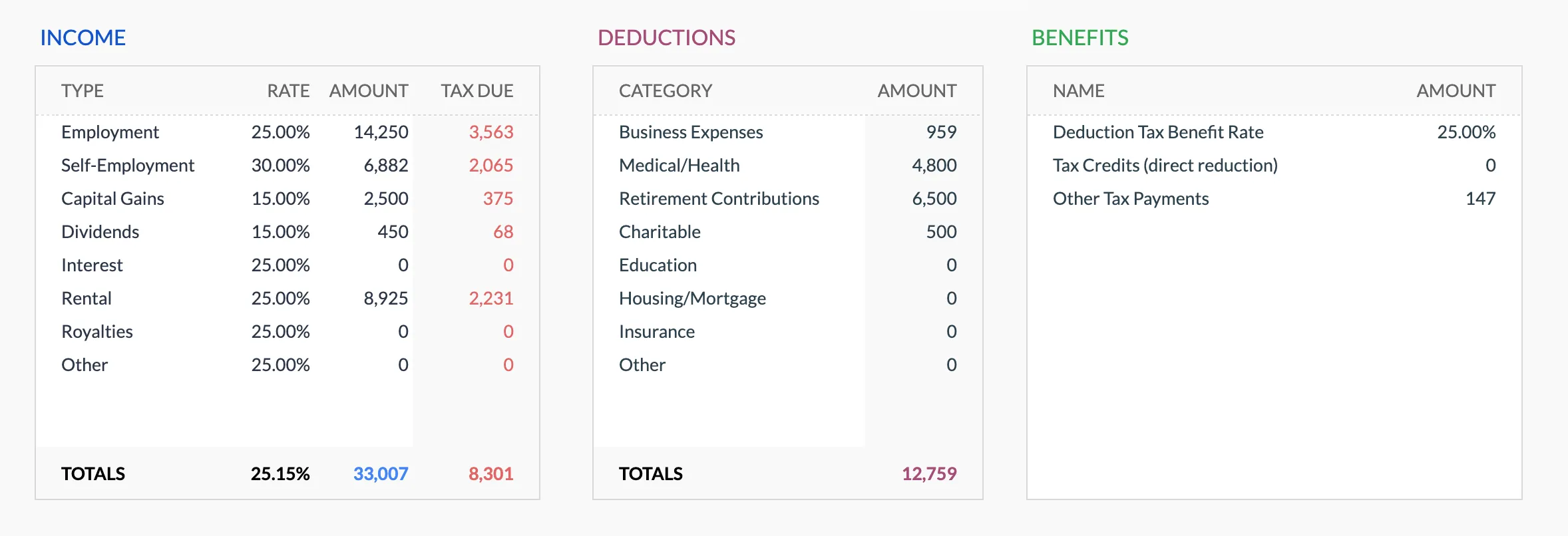
Sehen Sie sich die Vorlage an und erfahren Sie, wie sie Einkommen, Abzüge, Gutschriften und geschätzte vierteljährliche Zahlungen verfolgt.
- Jahressteuer-Übersichtsdashboard
- Einkommensverfolgung nach Quelle
- Organizer für Abzüge und Gutschriften
- Tracker für vierteljährliche Zahlungen
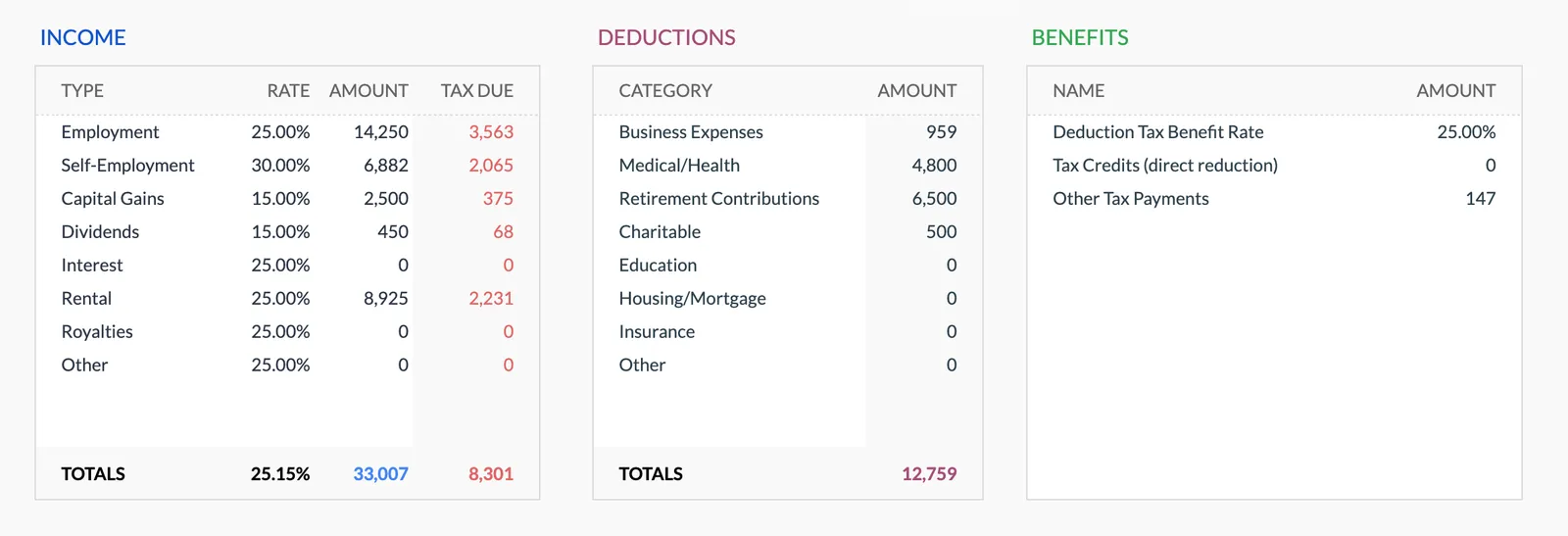
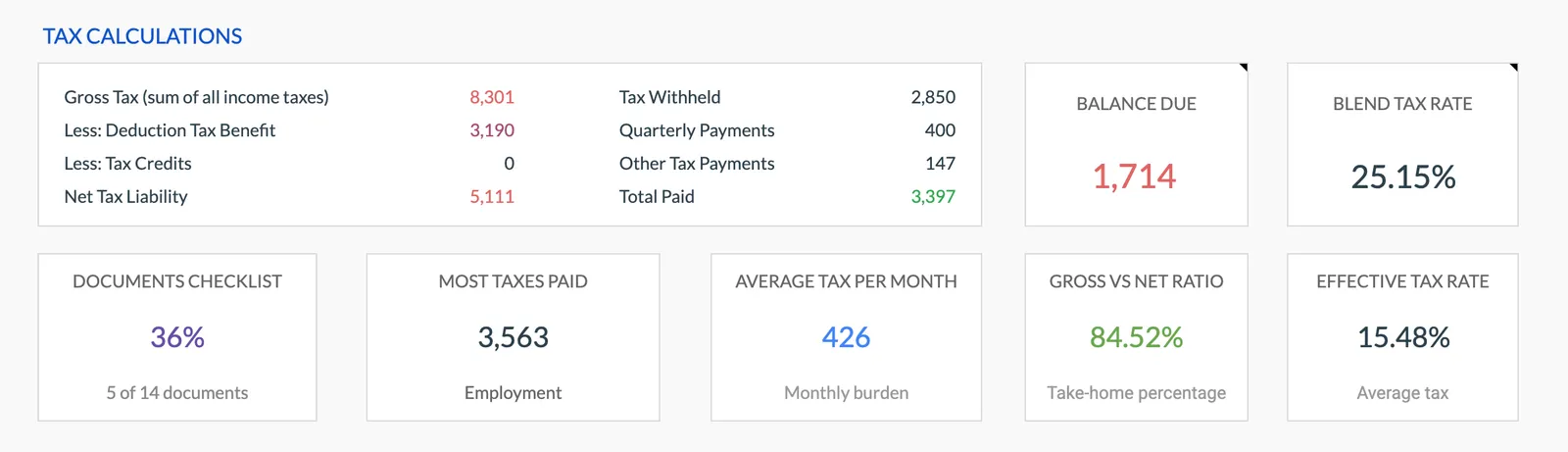
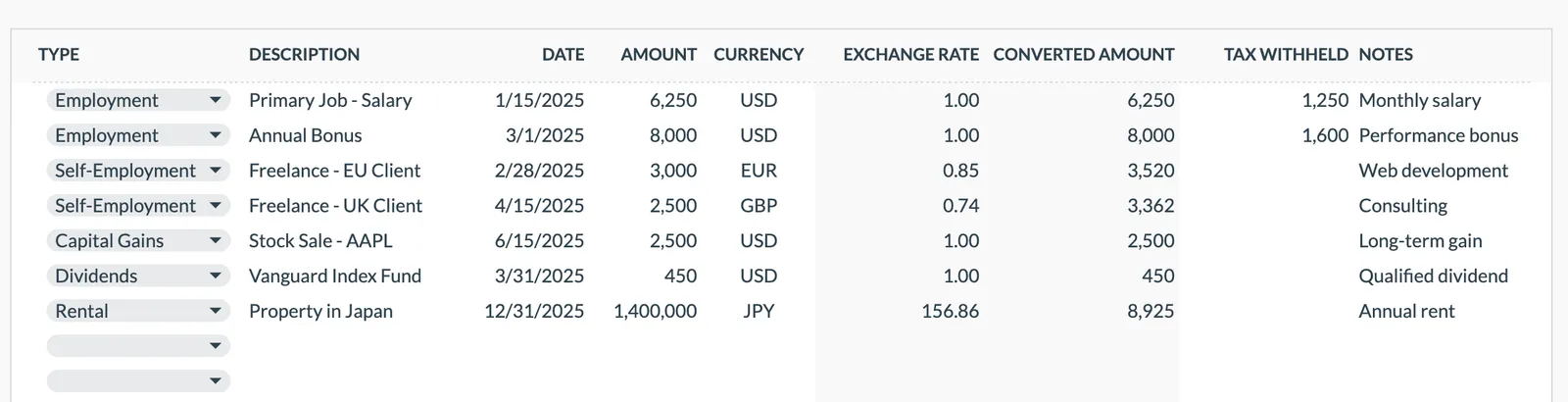
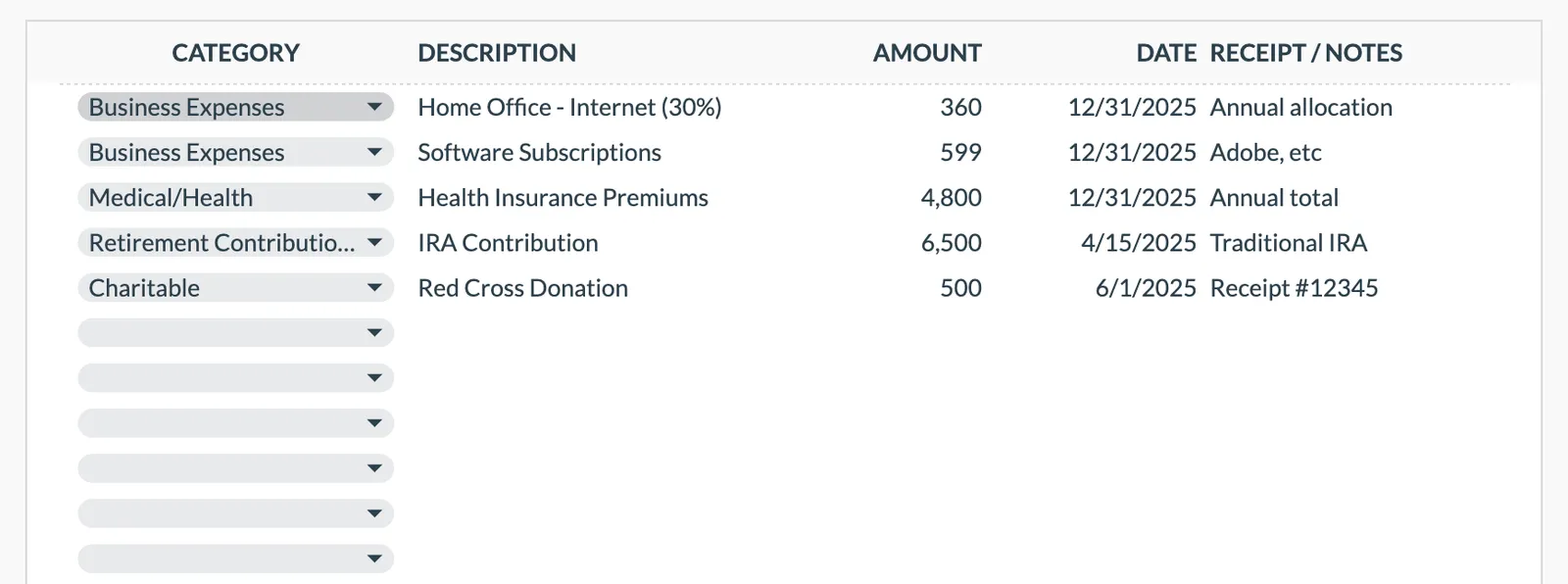
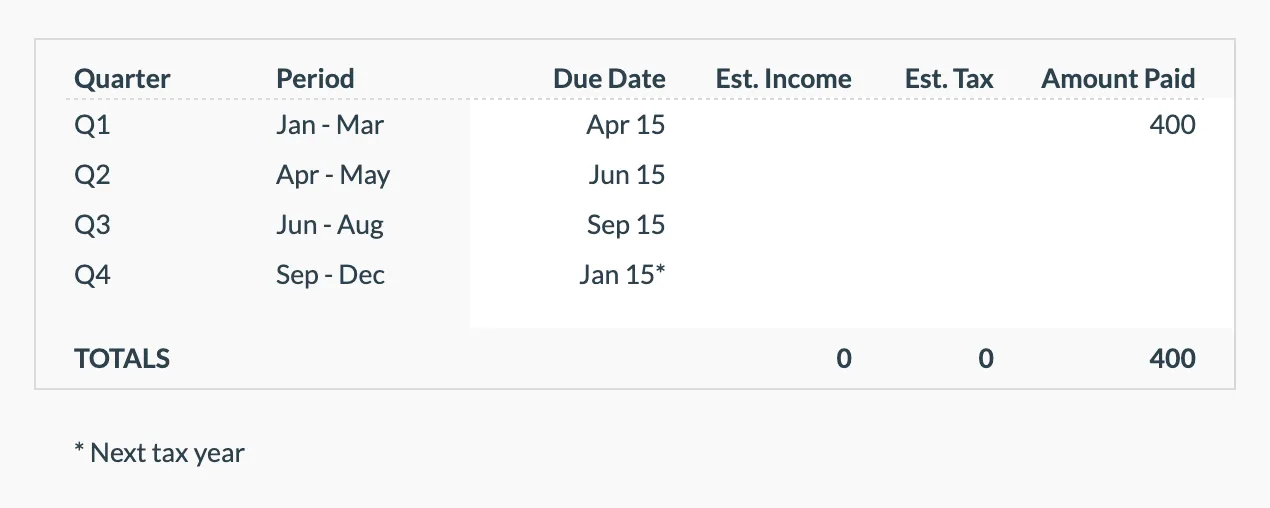
Annual tax overview with key figures
Detailed tax breakdown and projections
Track all income sources for tax purposes
Organize and track tax deductions
Plan and track quarterly estimated tax payments
Häufige Fragen
Steuerplanung in Connecticut - FAQ
Wie funktioniert die Einkommensteuer-Zusatzabgabe von Connecticut?
Connecticut hat eine progressive Einkommensteuer mit Sätzen von 2% [1] bis 6.99% für das Steuerjahr 2026. Über die regulären Stufen hinaus kann ein zusätzlicher Zuschlagsmechanismus den effektiven Satz für Filer mit höherem Einkommen erhöhen. Der Zuschlag wird auf Basis der Differenz zwischen Ihrer Steuer zu den festgelegten Sätzen und einem neu berechneten Betrag ermittelt, was bedeutet, dass der tatsächliche effektive Spitzensatz je nach Einkommenshöhe und Steuerstatus über dem veröffentlichten Stufensatz von 6.99% liegen kann.
Bietet Connecticut eine Grundsteuer-Gutschrift in der Steuererklärung an?
Ja. Connecticut bietet eine Grundsteuer-Gutschrift, die gegen die staatliche Einkommensteuerschuld geltend gemacht werden kann. Die Gutschrift steht berechtigten Hausbesitzern zur Verfügung und basiert auf Grundsteuern, die auf einen Hauptwohnsitz gezahlt werden. Angesichts der Tatsache, dass Connecticut einige der höchsten Grundsteuern in der Nation hat, kann diese Gutschrift beträchtliche Entlastung für Filer bieten, die sich qualifizieren.
Was ist die Durchlauf-Entitäts-Steuer von Connecticut?
Connecticut erlaubt Durchlauf-Entitäten (S-Kapitalgesellschaften, Partnerschaften und LLCs), sich für die Zahlung der Staatsteuer auf Unternehmensebene zu entscheiden. Eigentümer erhalten dann eine Gutschrift in ihrer persönlichen Connecticut-Erklärung für ihren Anteil der auf Unternehmensebene gezahlten Steuer. Dies wurde teilweise als Workaround für die bundesweite SALT-Abzugsgrenze konzipiert, da die Steuer auf Unternehmensebene als Betriebsausgabe abzugsfähig ist, anstatt der Grenze für SALT-Einzelpersonen unterliegen zu müssen.
Hat Connecticut ein Steuerguthaben für Erwerbseinkommen?
Ja. Connecticut bietet ein staatliches Steuerguthaben für Erwerbseinkommen, berechnet als Prozentsatz des bundesweiten EITC. Wenn Sie sich für die bundesweite Gutschrift qualifizieren, bietet die Connecticut-Gutschrift zusätzliche Entlastung. Der Prozentsatz der staatlichen Gutschrift wurde in den letzten Jahren erhöht und macht es zu einer signifikanteren Leistung für berechtigte erwerbstätige Haushalte.
Wie werden Renteneinkommen und Sozialversicherung in Connecticut besteuert?
Connecticut bietet eine teilweise Befreiung von Sozialversicherungsleistungen basierend auf Einkommensschwellen. Filer mit bereinigtem Bruttoeinkommen unterhalb bestimmter Levels können alle oder einen Teil ihrer Sozialversicherung von der Staatssteuer befreien. Renteneinkommen und 401(k)-Ausschüttungen sind in der Regel steuerpflichtig, obwohl für einkommensschwächere Rentner einige Ausnahmen gelten können. Pensionen von Lehrern und Staatsangestellten haben spezifische Bestimmungen, die überprüft werden sollten.
Können Sie die Antwort nicht finden? Kontaktieren Sie unser Team
Offizielle Steuerressourcen
Für aktuelle Steuersätze, Formulare und Abgabefristen speziell für Connecticut:
Sources
Organisieren Sie Ihre Steuerplanung für Connecticut
Einmaliger Kauf. Kein Abonnement. Ihre Finanzdaten verbleiben in Ihrem Google Drive.
Tax rules, rates, and contribution limits change, and official publications can themselves lag behind the law in force. We review these figures on a best-effort basis against sources we consider authoritative, but we cannot guarantee they are current, complete, or that better sources do not exist, and nothing here is tax, legal, or financial advice. For decisions, the relevant government authority is the reference. Last reviewed: August 2026.