Nigeria
Monthly Budget Template for Nigeria
Track your income in NGN, manage PAYE deductions, pension contributions, and everyday expenses - all in a Google Sheets template you own.
In Depth
Budgeting Around Naira Volatility, PAYE, and the Informal Economy
The naira's exchange rate has seen significant movement in recent years, particularly following the Central Bank of Nigeria's shift toward a more market-driven rate in 2023. For anyone who earns in naira but has expenses tied to imported goods or dollar-denominated costs - school fees, rent in certain areas, fuel - this volatility directly affects purchasing power. A budget that felt comfortable one month can come under pressure the next if prices shift. Tracking spending in real time, rather than relying on assumptions from weeks ago, becomes more important in this environment.
For formal sector employees, Pay As You Earn (PAYE) is the primary income tax mechanism. Nigeria uses a progressive tax structure with rates from 7% to 24% on annual income, administered under the Personal Income Tax Act. Employers withhold PAYE before salary hits your account, so budgeting from net pay is the practical approach. Worth noting: states administer personal income tax differently, and there can be variation in how efficiently refunds or assessments are processed.
A large share of Nigeria's economy operates informally, and many households have income from both formal employment and informal sources - trading, freelance work, agriculture, or side businesses. This mixed-income reality means budgeting often involves tracking cash flows that do not appear on any payslip. Some people find it useful to separate formal and informal income streams in their budget to get a clearer picture of where money actually comes from and how reliable each source tends to be.
Nigeria
Budgeting in Nigeria: What's Different
Nigeria's financial landscape has unique characteristics that affect how budgeting works. Understanding these helps you set up a template that fits your reality.
PAYE and personal income tax structure
Nigerian personal income tax (PAYE) ranges from 7% to 24% across six income bands. The Consolidated Relief Allowance (CRA) provides significant tax relief - 20% of gross income plus the higher of NGN 200,000 or 1% of gross income. Employer deductions of PAYE vary in accuracy, so understanding your actual tax liability helps you budget from realistic take-home pay.
Contributory pension reduces gross pay
Under the Pension Reform Act, employees in the formal sector contribute a minimum of 8% of basic salary, housing, and transport allowances to their Retirement Savings Account (RSA), with employers contributing at least 10%. This 8% employee deduction comes before take-home pay. Budgeting from your actual credited salary accounts for this automatically.
Inflation and currency fluctuations affect purchasing power
Nigeria has experienced significant naira depreciation and inflation in recent years. Prices for imported goods can change quickly, and fuel costs affect transportation and logistics. A budget that's reviewed and adjusted monthly helps stay current with changing costs rather than relying on outdated assumptions.
Nigerian expense categories have specific patterns
Generator fuel or diesel (for power backup), estate or compound service charges, domestic staff salaries, school fees (often paid termly), and transport costs (fuel, maintenance on Nigerian roads) are common categories that generic templates miss. Tailoring your budget categories to local reality makes it more useful.
获取模板
入门指南
Your First Steps With a Nigerian Budget in Naira
Switch the currency to NGN
Pick NGN or the naira symbol from the currency dropdown at the top of the dashboard. The calculations stay the same - only the display changes.
Enter your after-tax, after-pension take-home pay
Use the amount actually credited to your bank account after PAYE and pension deductions. Your payslip or bank credit alert shows the net amount - that's your budgeting starting point.
Customize expense categories for Nigerian life
Add categories for rent (often paid annually), electricity and PHCN/DisCo bills, generator fuel or diesel, internet and data, transport (fuel, maintenance, or ride-hailing), groceries and market, school fees, domestic staff, security levy, and any other regular expenses.
Account for annual rent payments
Nigerian landlords typically require annual rent upfront. Divide the annual amount by 12 and set aside that amount monthly so the payment doesn't strain finances when it comes due. Some people open a dedicated savings account for rent.
Plan for irregular and seasonal expenses
Account for school fees (usually paid per term), festive period expenses (Christmas, Sallah), family events (weddings, ceremonies), vehicle maintenance, and annual insurance renewals. Planning for these avoids relying on credit when they arrive.
查看实际效果
模板外观
浏览模板,了解其如何处理预算、分类和支出跟踪 - 所有内容均可适配您的本地财务设置。
- 内置货币选择器
- 可自定义分类
- 预算与实际对比跟踪
- 可视化图表和摘要

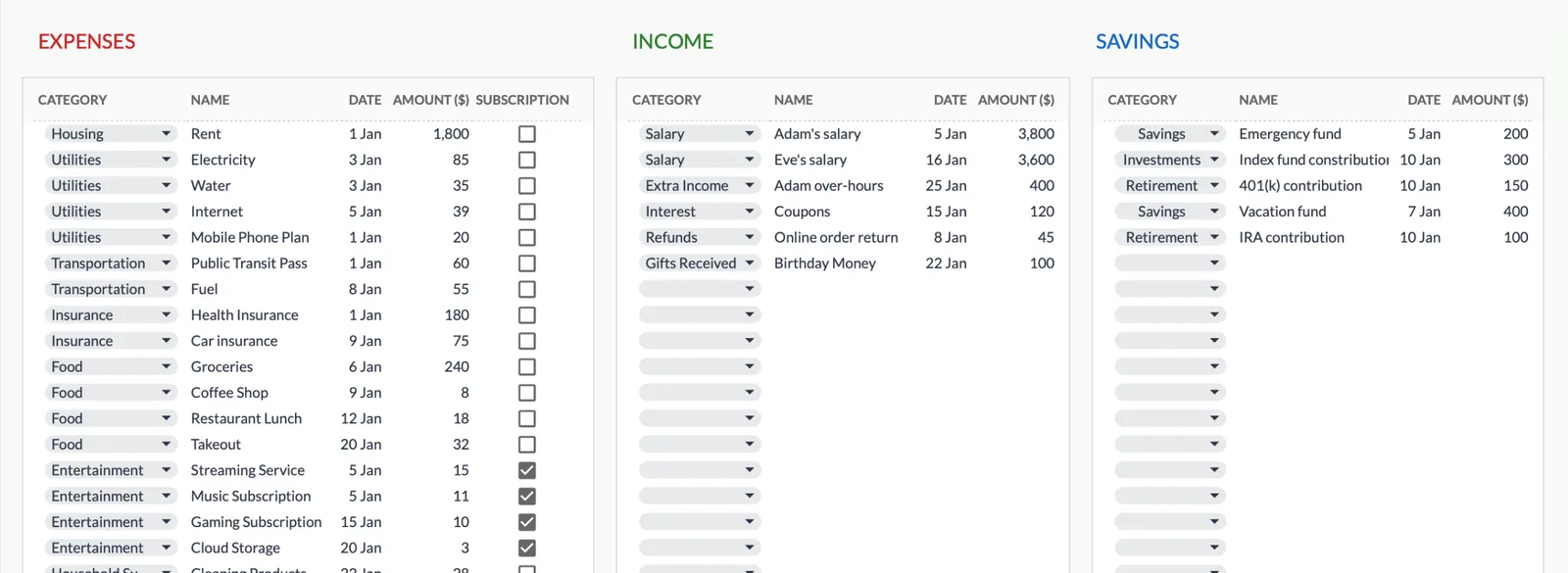
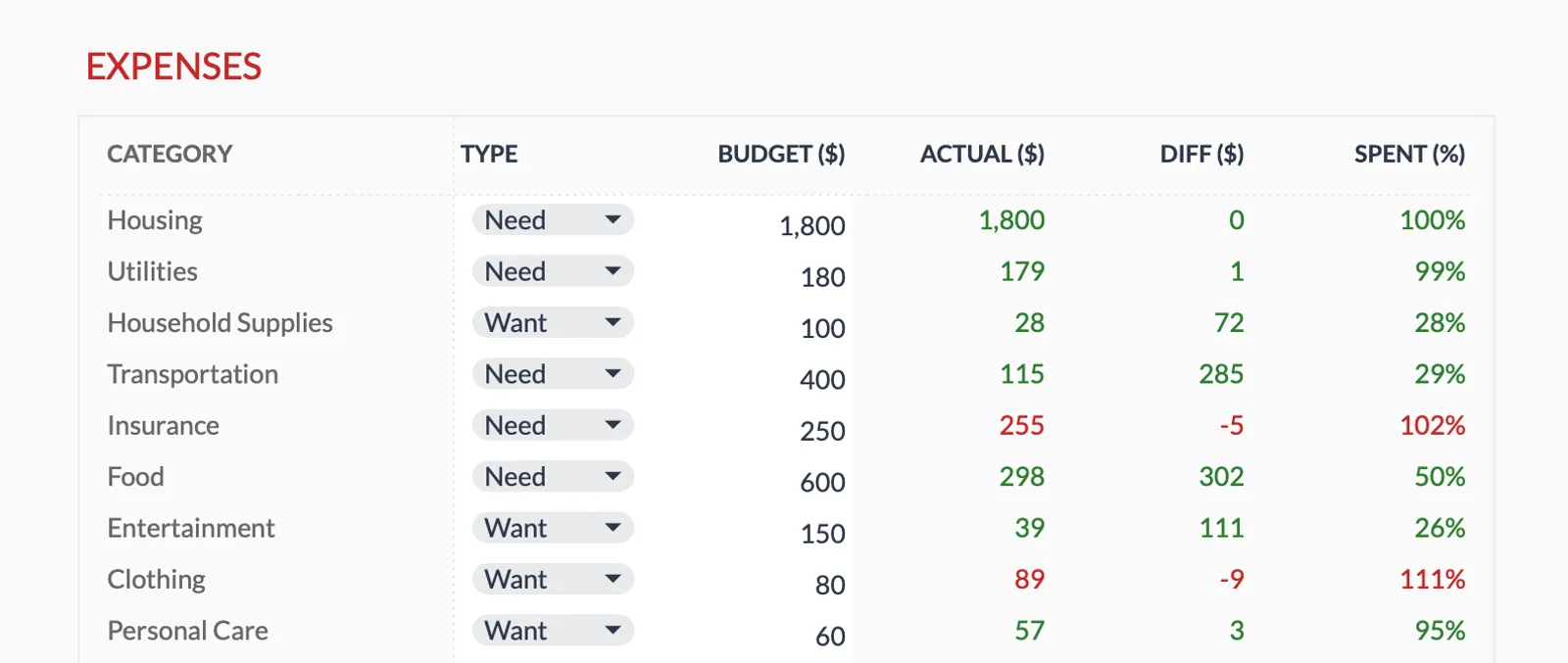
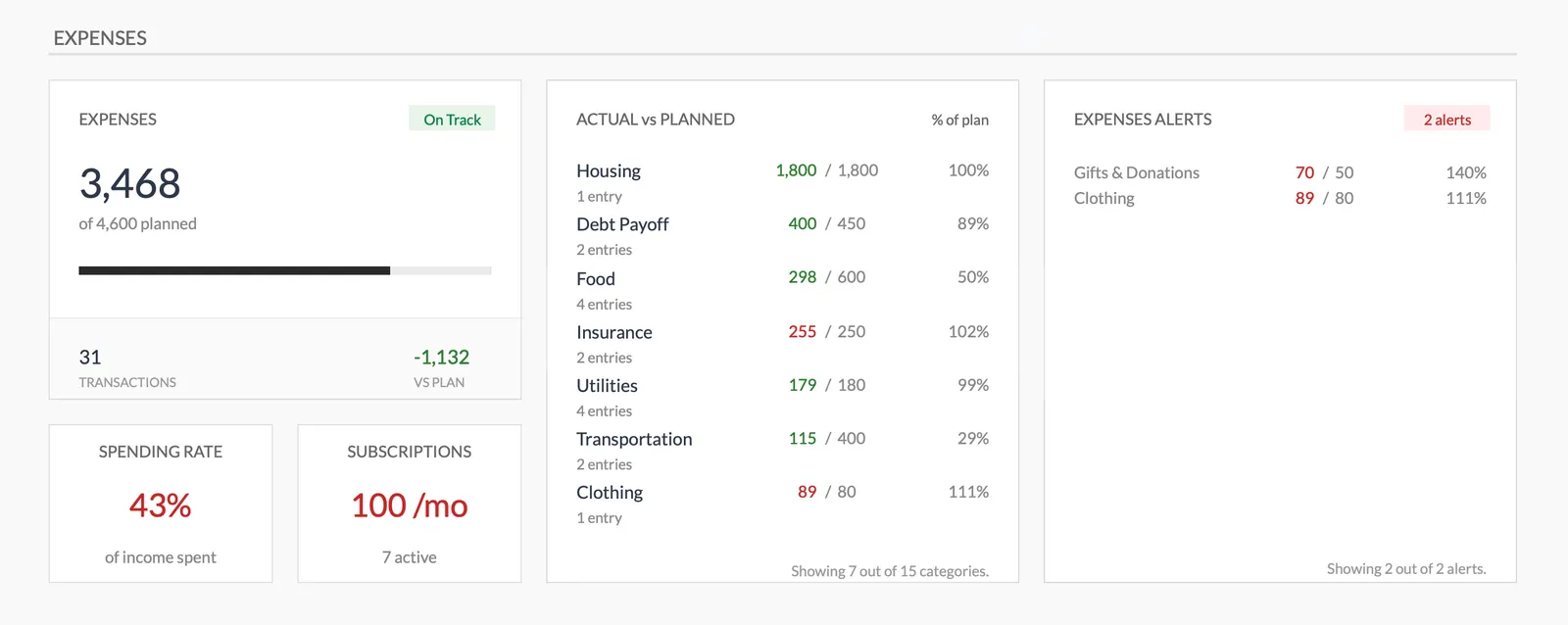
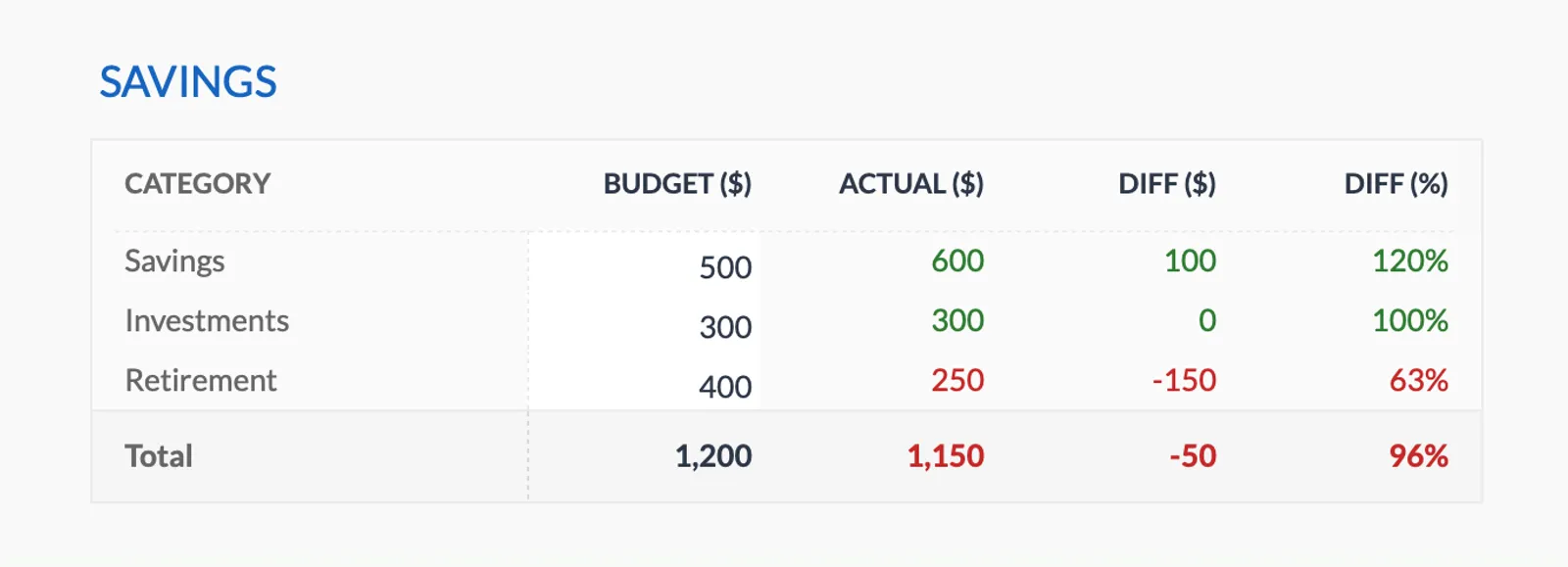
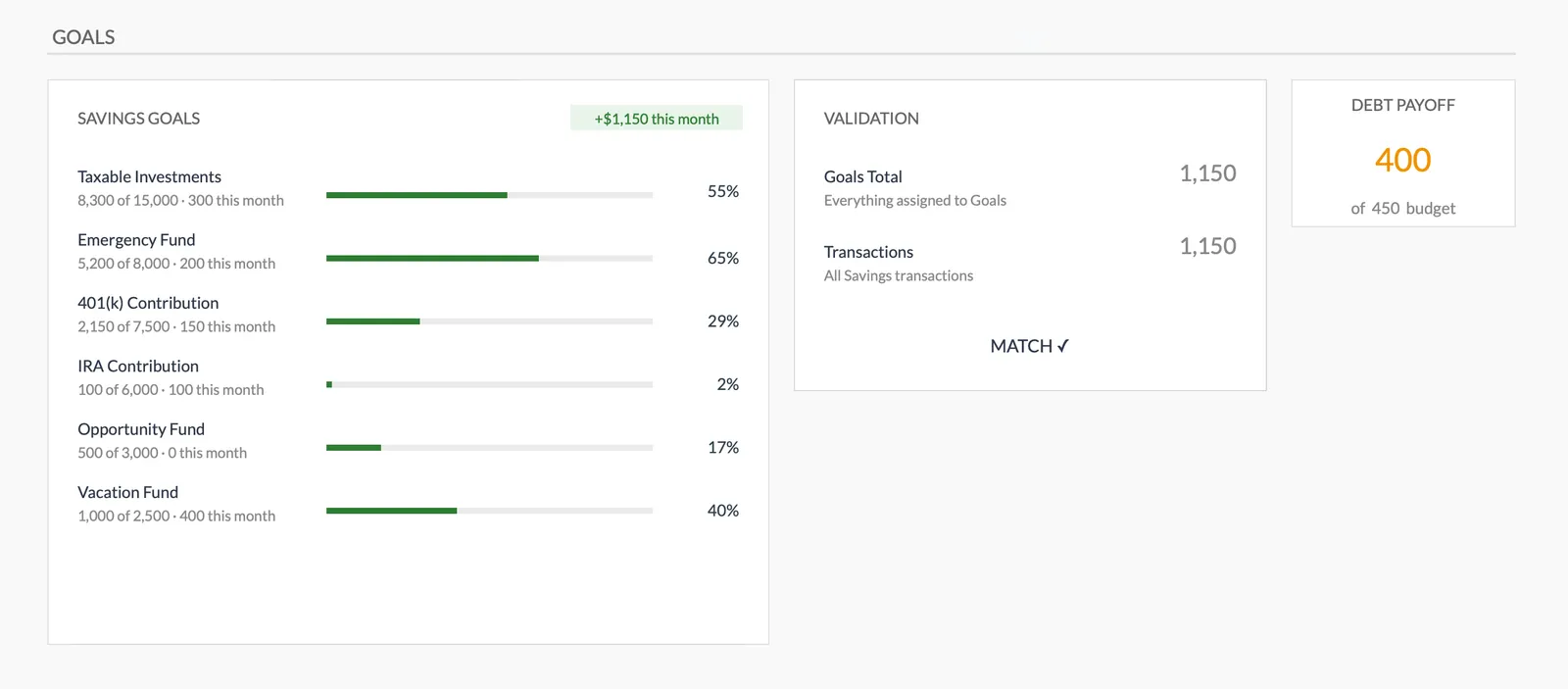
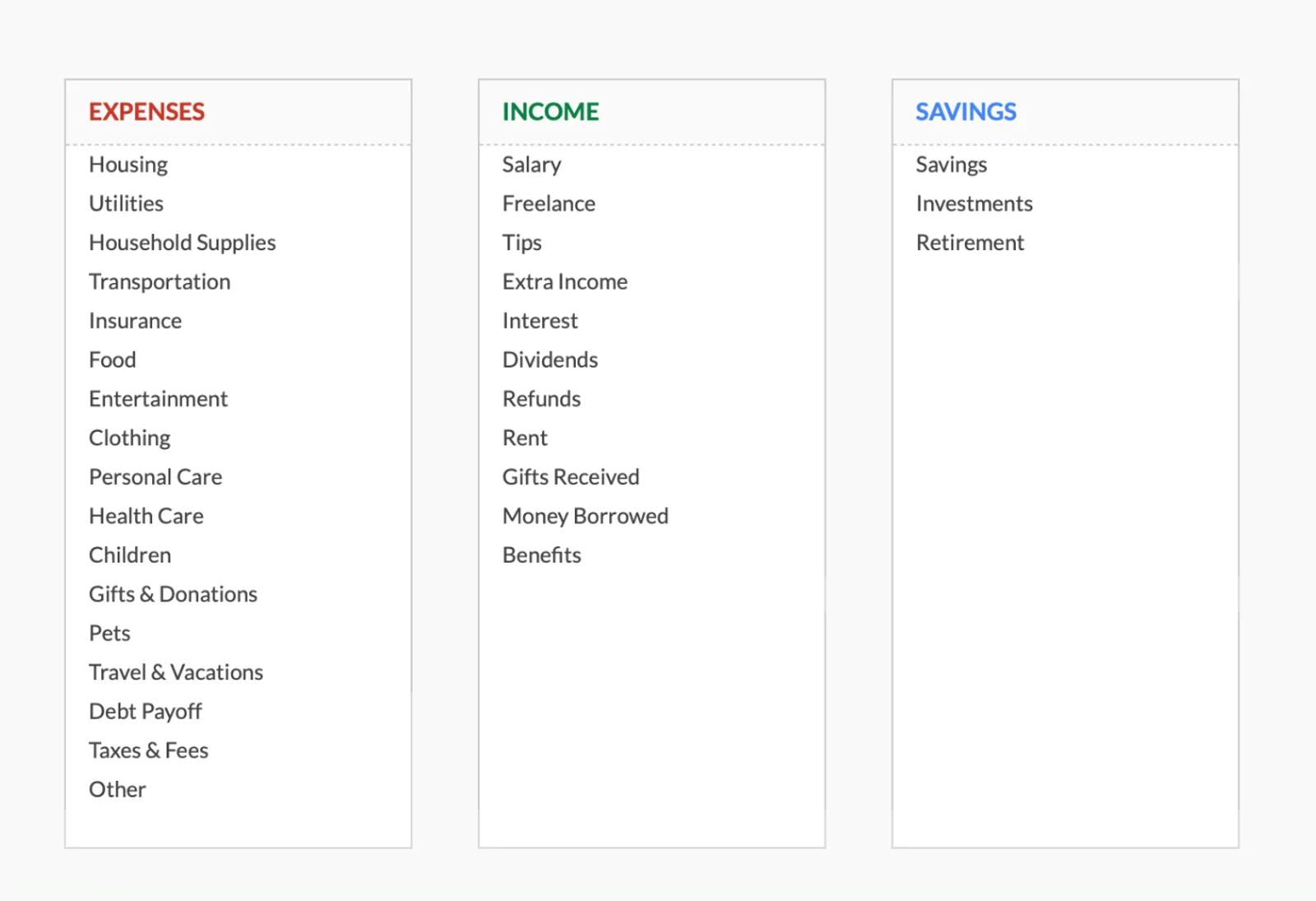
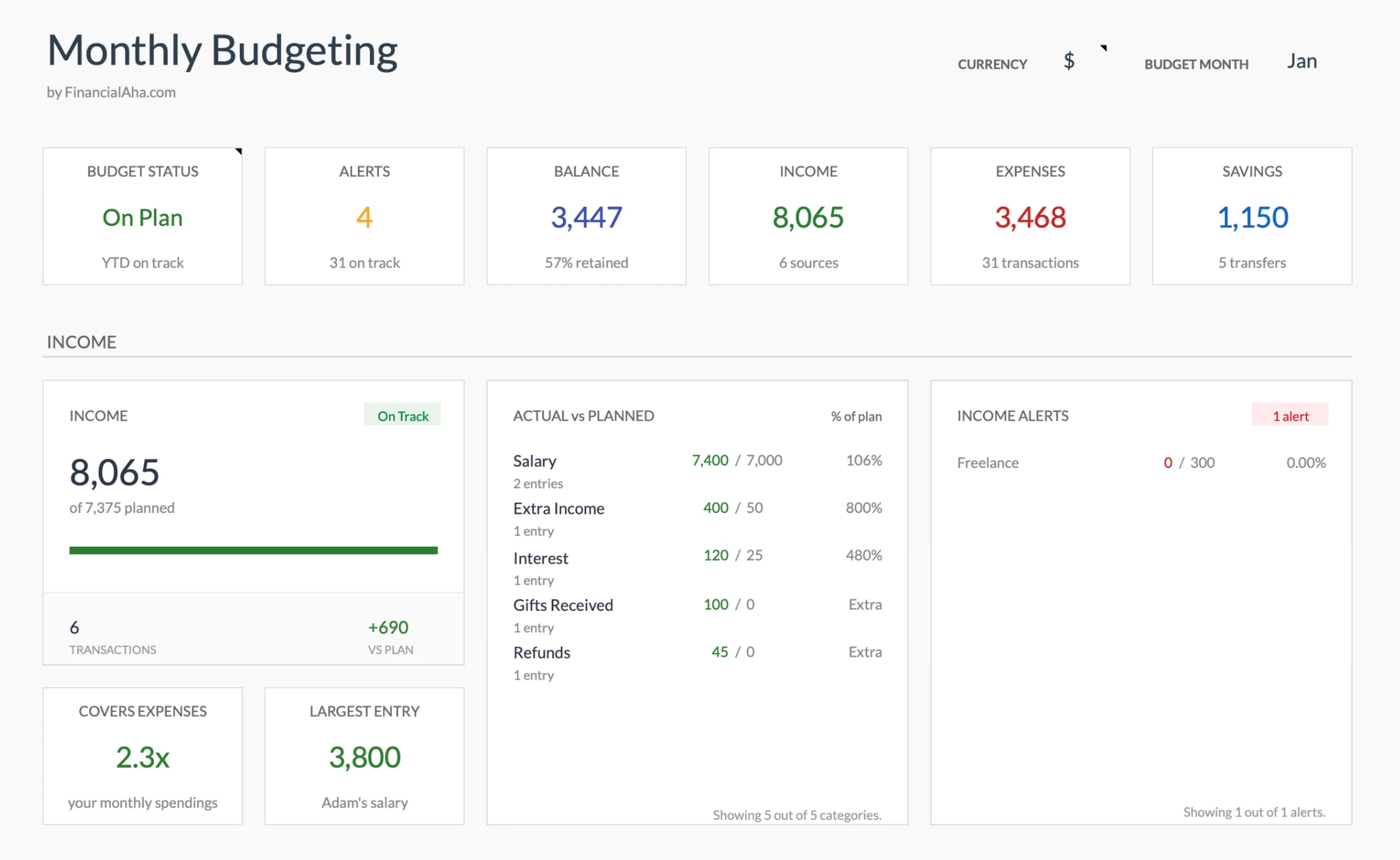
Dashboard with income, expenses, and savings at a glance
Log transactions with automatic categorization
Set targets per category and track actual spending
Visual breakdown of where your money goes
Track savings goals alongside your budget
Monitor progress toward financial goals
Fully customizable expense, income, and savings categories
常见问题
Monthly Budget Template for Nigeria - FAQ
Does this template use naira?
Yes - switch to NGN using the currency option in the header. The formulas work the same in any currency, so only the display symbol changes.
Should I track pension contributions?
Pension contributions are deducted before your take-home pay, so they don't need a separate line. Use your net credited salary as income. If you make additional voluntary contributions (AVC) to your RSA, track those as a budget category.
How do I budget for annual rent?
Divide your annual rent by 12 and set aside that amount each month in a separate savings account or as a budget category. When rent is due, the money is ready. This approach treats rent as a monthly cost even though payment is annual.
Can I track multiple income sources?
Yes. Add each income source as a separate line - salary, side business income, rental income, dividends, etc. Tracking all income in one place gives a complete picture of your financial inflows.
Is there a Nigeria-specific version?
The template is the same worldwide - designed to be customizable. This page explains how to set it up for Nigerian finances. You can rename categories and adjust everything to match your specific situation.
Can't find the answer you're looking for? Contact our team