Ireland
Monthly Budget Template for Ireland
Track your income in EUR, manage PRSI, USC, pension contributions, and everyday expenses - all in a Google Sheets template you own.
In Depth
PAYE, PRSI, USC, and Where an Irish Payslip Actually Lands
Irish payslips carry three distinct deductions that together can remove 40-50% of higher earnings. PAYE income tax applies at 20% on income up to the standard rate cut-off (EUR 44,000 for a single person in 2025, higher for married couples) and 40% above that. PRSI at 4% funds social insurance benefits including the State Pension. USC ranges from 0.5% on the first EUR 12,012 up to 8% on income above EUR 70,044. Understanding this layered structure helps explain why the gap between a job offer and actual take-home pay can feel surprisingly wide.
The Help to Buy scheme provides first-time buyers with a refund of income tax and DIRT paid over the previous four years, up to EUR 30,000 or 10% of the purchase price of a new-build or self-build home. This can substantially reduce the deposit required and is worth factoring into any first-home savings plan. Combined with pension tax relief at the marginal rate - where higher-rate taxpayers effectively save at a 40% discount - these two incentives are among the most valuable financial features of the Irish system.
Housing costs dominate most Irish budgets. Whether renting in Dublin at rates that routinely consume a third or more of take-home pay, or managing a mortgage alongside Local Property Tax (LPT, based on a percentage of property value) and home insurance, shelter tends to be the single largest line item. DIRT at 33% on savings interest means bank returns are modest after tax, which is part of why pension contributions with their marginal-rate relief and DIRT-exempt An Post savings products feature prominently in Irish financial planning.
Ireland
Budgeting in Ireland: What's Different
Ireland's tax system and cost of living have unique features that affect how you budget. Understanding these helps you set up a template that matches your actual financial situation.
PAYE, PRSI, and USC combine for a significant deduction
Irish employees face three separate payroll deductions: income tax (20% standard rate, 40% higher rate above the standard rate cut-off point), PRSI (4% for most employees), and USC (Universal Social Charge, ranging from 0.5% to 8%) [1]. Together, these can take 40-50% of higher earnings. Using your actual net pay from your payslip is the most accurate starting point.
Rent and housing costs dominate Irish budgets
Ireland's housing crisis means rent in Dublin and other cities consumes a large portion of take-home pay - often 30-40% or more. Mortgage payments, while potentially lower monthly than rent, come with additional costs like mortgage protection insurance, property tax (Local Property Tax), and home insurance. Housing deserves its own prominent section in any Irish budget.
The cost of childcare is among Europe's highest
Irish childcare costs can run to EUR 1,000-1,500+ per month per child, even with the National Childcare Scheme subsidy. For families, this is often the second-largest expense after housing. If childcare applies, it warrants its own budget line for visibility.
Health insurance is common but not mandatory
While Ireland has a public health system, private health insurance is common - roughly half the population has it. Plans range from EUR 500 to EUR 3,000+ per year. Tax relief at 20% on premiums (applied at source by insurers since 2014) reduces the net cost. Whether to carry private insurance is a significant budget decision.
Pension relief at marginal rate is a powerful incentive
Pension contributions in Ireland receive tax relief at your marginal income tax rate - 40% for higher-rate taxpayers, 20% for those on the standard rate. Age-related limits determine the maximum qualifying percentage: from 15% of earnings for those under 30, scaling up to 40% for those aged 60 and over. Employer contributions do not count against your personal limit. For higher-rate taxpayers, every EUR 1,000 contributed effectively costs EUR 600 after tax relief.
DIRT applies to savings interest
Deposit Interest Retention Tax (DIRT) at 33% is automatically deducted from interest earned on Irish bank deposits [1]. This means the interest credited to your savings account is already after-tax. For budgeting purposes, the amount you see in your account is what you actually receive - but it is worth knowing that a third of the gross interest has already been withheld. State Savings products (An Post) are exempt from DIRT, making them comparatively attractive.
Vorlage erhalten
Erste Schritte
Your First Steps With an Irish Budget
Switch the currency to EUR
Select EUR from the currency dropdown in the header. The template works in any currency - only the display symbol changes.
Enter your net monthly pay
Use your take-home pay after PAYE, PRSI, USC, and any pension contributions. Check your payslip for the net figure. If you have additional income (rental, freelance), add those as separate lines.
Set up Irish expense categories
Add categories for: rent or mortgage, Local Property Tax, utilities (electricity, gas, broadband), groceries, dining out, transport (Leap card, car tax, NCT, insurance, fuel), health insurance, childcare (if applicable), and subscriptions.
Track pension contributions
If you make Additional Voluntary Contributions (AVCs) to your pension beyond your employer scheme, add these as a budget category. Standard employer pension contributions are deducted before your net pay, so only track what you contribute manually.
Account for Irish seasonal costs
Winter heating costs (December-March), car insurance and tax renewals, back-to-school costs in September, and Christmas spending create predictable seasonal patterns worth planning for.
In Aktion sehen
So sieht die Vorlage aus
Schauen Sie sich die Vorlage an, um zu sehen, wie sie Budgetierung, Kategorien und Ausgabenverfolgung handhabt - alles anpassbar an Ihre lokale Finanzsituation.
- Integrierte Währungsauswahl
- Anpassbare Kategorien
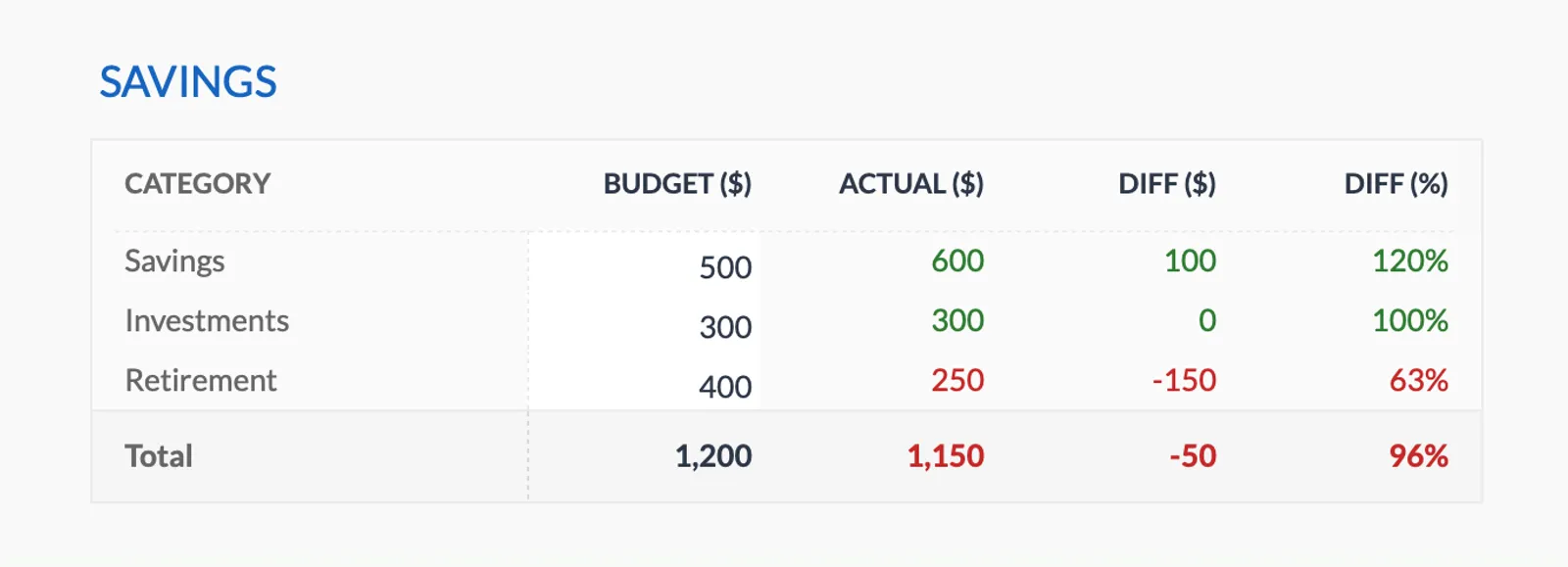
- Budget- vs. Ist-Verfolgung
- Visuelle Diagramme und Zusammenfassungen

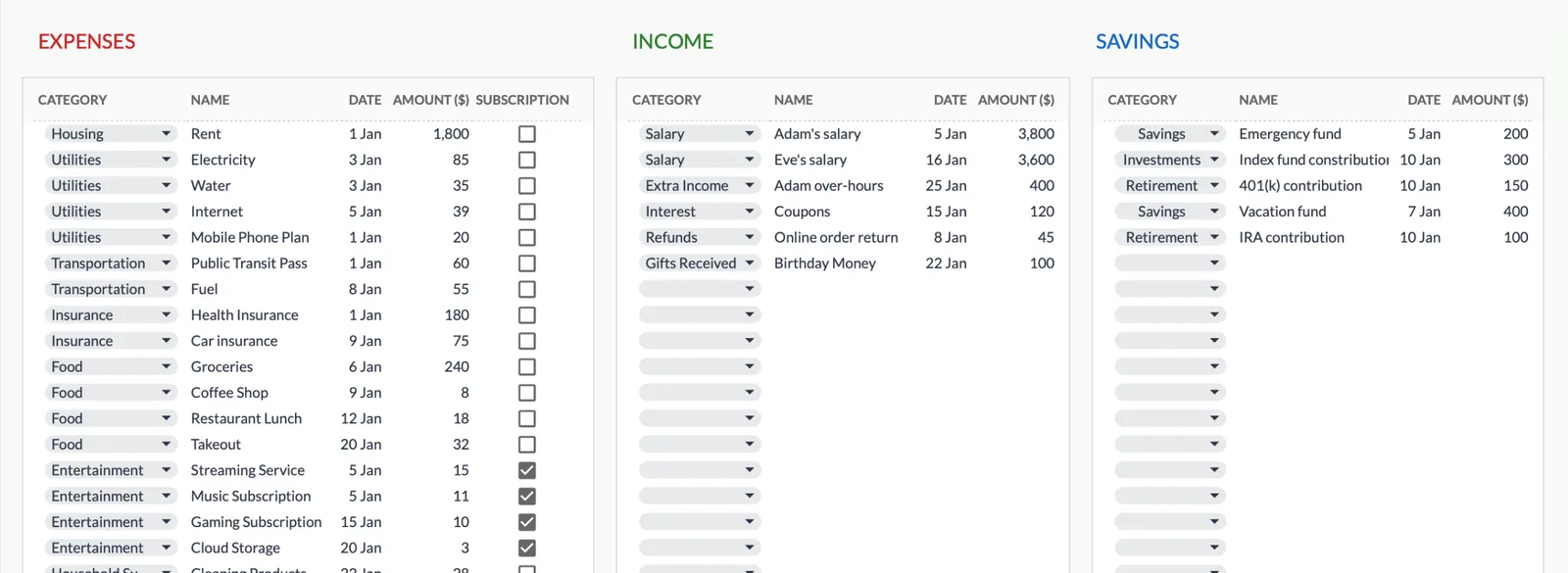
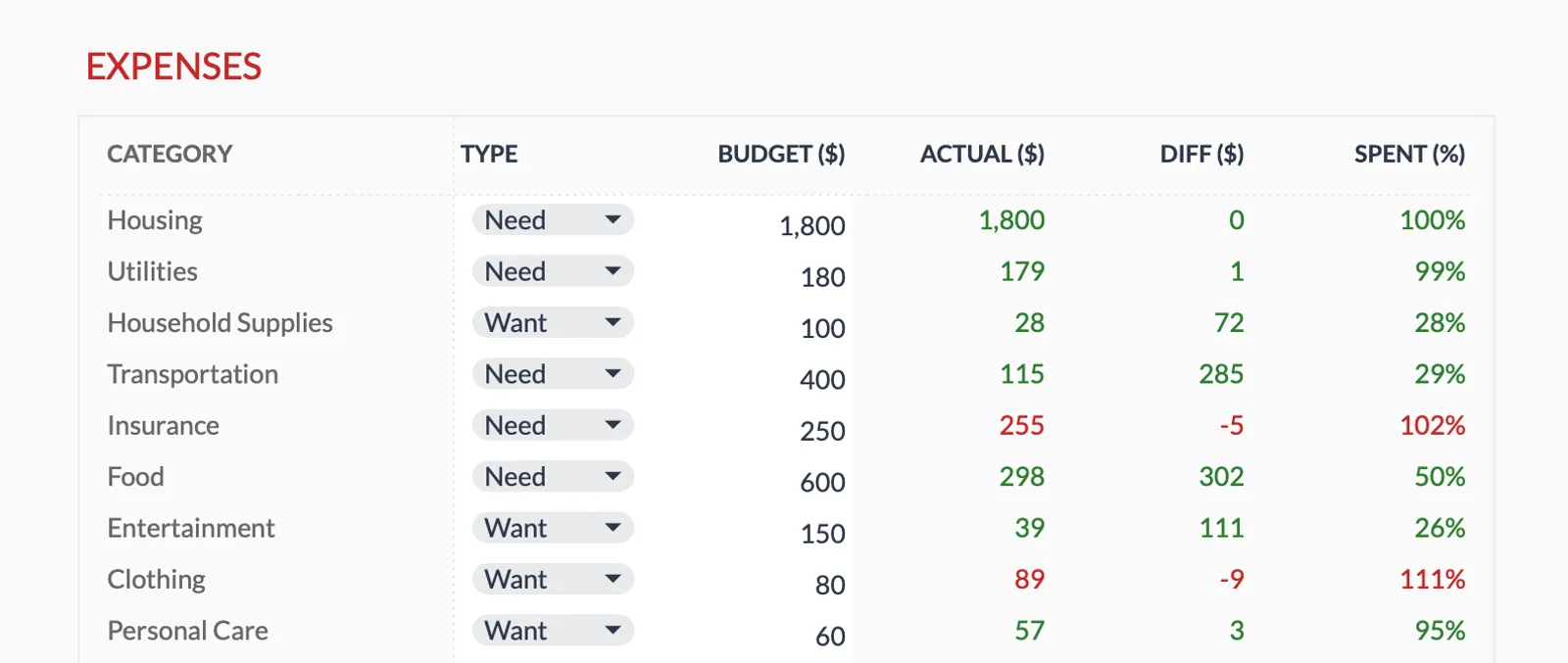
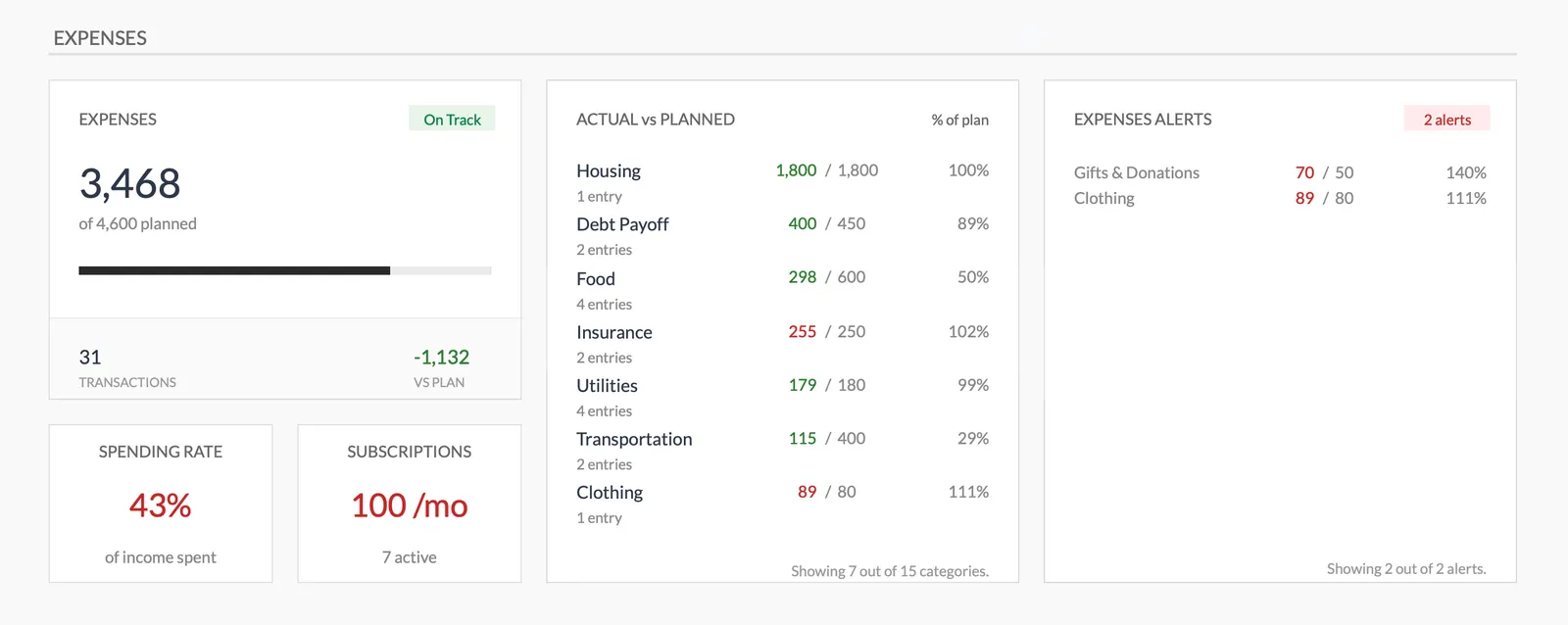
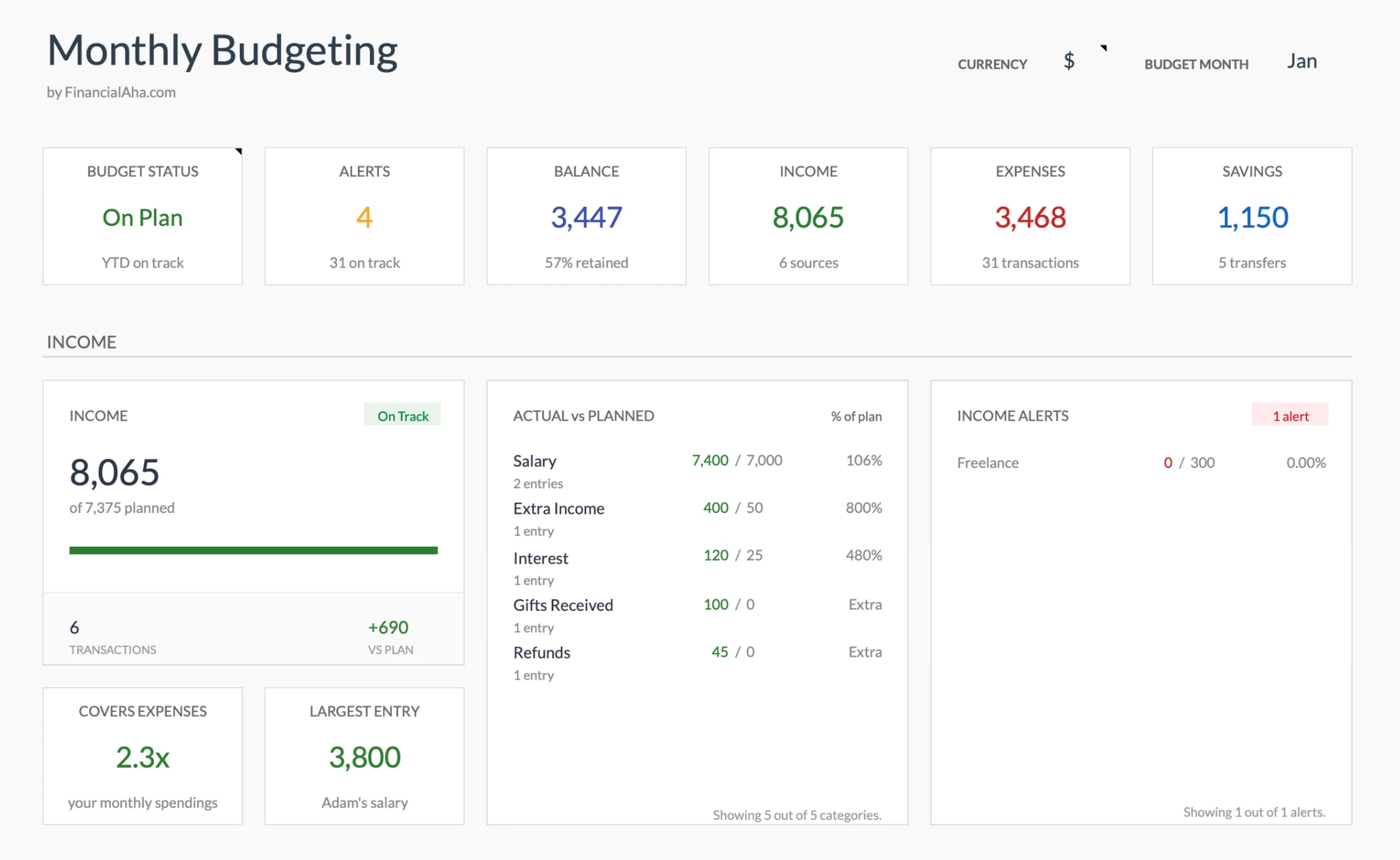
Dashboard with income, expenses, and savings at a glance
Log transactions with automatic categorization
Set targets per category and track actual spending
Visual breakdown of where your money goes
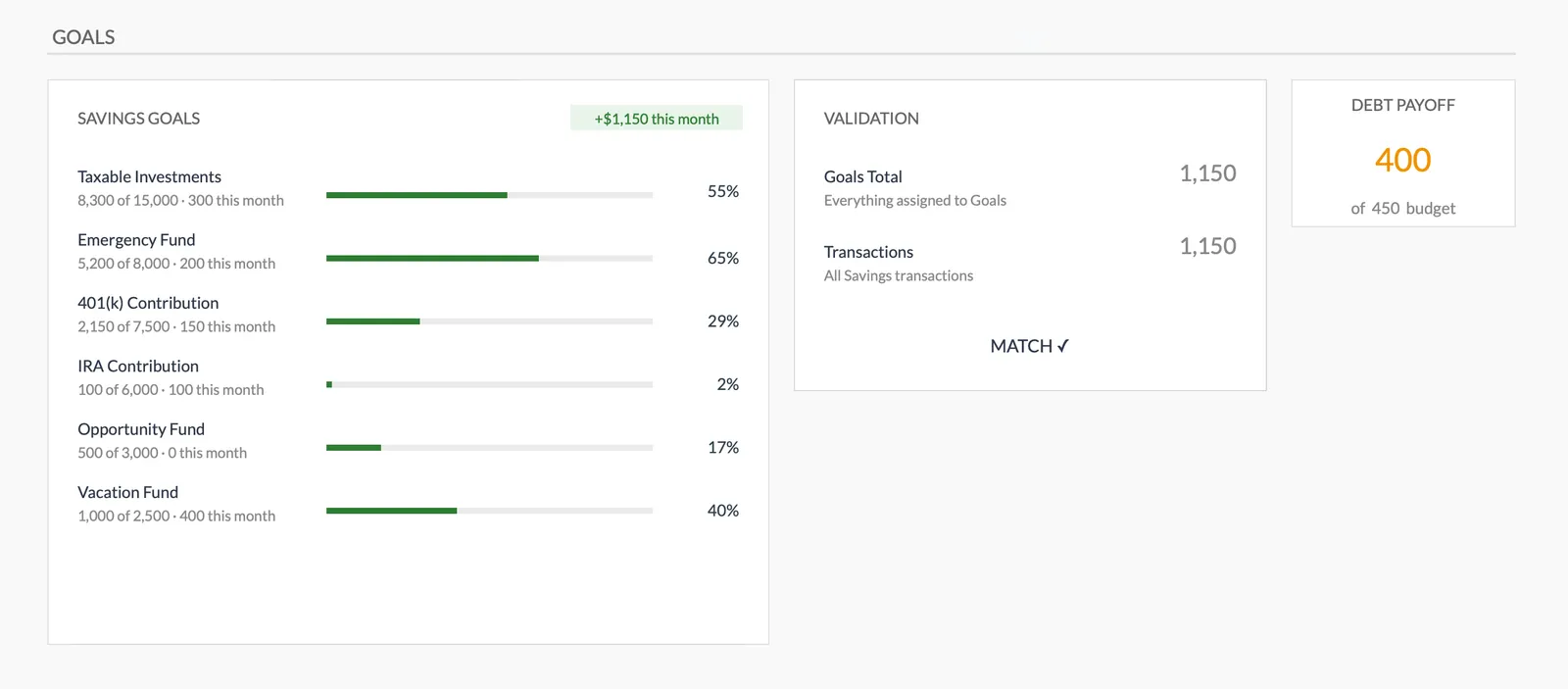
Track savings goals alongside your budget
Monitor progress toward financial goals
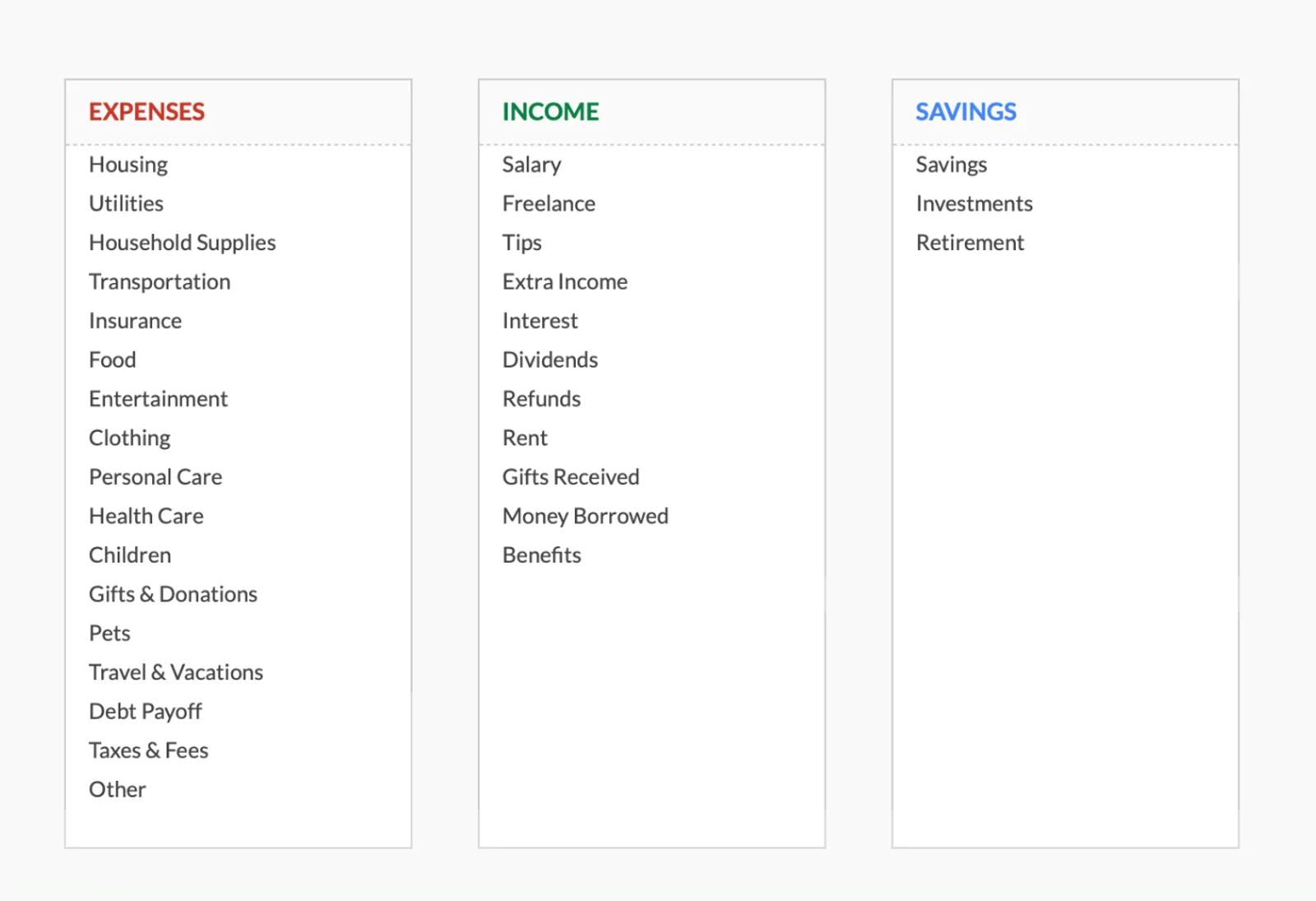
Fully customizable expense, income, and savings categories
Sources
Häufige Fragen
Monthly Budget Template for Ireland - FAQ
Does this template use euros?
Yes - switch to EUR using the currency picker in the header. All calculations work the same regardless of currency.
Can I track my pension contributions?
Standard workplace pension contributions are deducted before your net pay. Only track Additional Voluntary Contributions (AVCs) you make from your take-home pay as a budget category. Pension contributions receive tax relief at your marginal rate (20% or 40%), which is a significant benefit.
How do I handle the Local Property Tax?
LPT can be paid as a lump sum or deducted from your salary through your employer. If it's deducted from salary, it's already reflected in your net pay. If you pay directly, add it as a monthly or annual budget line.
Is there an Irish-specific version?
The template is globally customizable - this page explains how to set it up for Irish finances. Google Sheets' flexibility means you can rename categories and adjust the structure to match your specific situation.
How does this compare to An Post Money or Revolut budgeting?
Banking apps like Revolut and An Post Money categorize transactions automatically. This template requires manual entry but offers more customization, works independently of any bank, and keeps your financial data in your own Google Drive. Some people use both together.
Can't find the answer you're looking for? Contact our team
Bereit loszulegen?
Laden Sie sofort herunter und beginnen Sie mit der Verwaltung Ihrer Finanzen, oder kontaktieren Sie uns für ein individuelles Vorlagenpaket.